
电池降本

Search documents
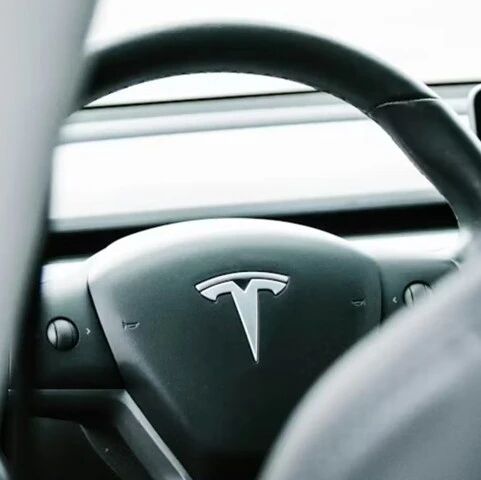
4680电池的大饼,马斯克不想画了
36氪· 2026-01-12 13:35
Core Viewpoint - Tesla's ambitious plans for the 4680 battery have faced significant setbacks, leading to a drastic reduction in supply contracts and raising concerns about the viability of its low-cost battery strategy [5][6][7]. Group 1: Tesla's 4680 Battery Challenges - Tesla has been working on the 4680 battery for over five years but has now quietly acknowledged difficulties, as evidenced by a supply contract with L&F being reduced from $2.9 billion to $7386, a decrease of over 99% [5][6]. - The 4680 battery was intended to be a key component in Tesla's low-cost battery and affordable vehicle plans, but its production has been inconsistent, oscillating between "suspended" and "mass production" states [6][7]. - The performance issues of the 4680 battery, particularly in energy density and charge/discharge capabilities, have hindered the rollout of models like the Model Y, which was initially intended to utilize this technology [11][12]. Group 2: Cybertruck's Impact on Battery Development - The disappointing sales of the Cybertruck have directly impacted the 4680 battery's development, as it was designed to support larger, heavier vehicles like the Cybertruck and Semi [9][11]. - Initial projections for Cybertruck deliveries have fallen short, with estimates hovering around 50,000 units, far from Elon Musk's target of 250,000 units annually [12][14]. - The significant price increases and reduced range of the Cybertruck compared to initial promises have contributed to its lackluster market performance, further complicating the 4680 battery's commercial viability [14][15]. Group 3: Technical Challenges in Battery Production - The 4680 battery aims to improve energy density by 5 times, increase range by 16%, and reduce costs by 56%, but achieving these goals has proven difficult [17][19]. - Key innovations such as the "tabless" design, high nickel content in the cathode, and dry electrode manufacturing are essential for the battery's success, yet progress on these fronts has been slow [20][23][25]. - The transition from wet to dry electrode manufacturing is particularly challenging, with industry experts predicting that full commercialization may not occur until 2027-2028 [34][35]. Group 4: Broader Implications for Tesla - Tesla's struggles with the 4680 battery and the Cybertruck suggest a shift in focus away from automotive business, as Musk appears more invested in ventures like AI and robotics [36][37]. - As Tesla's automotive sales decline by 8.6% globally in 2025, the company may view the 4680 battery as a burden rather than a priority [36][37]. - In response to market pressures, Tesla has introduced financing options to maintain sales momentum, indicating a strategic pivot in its approach to the automotive market [41].


BC电池有望实现“弯道超车”
Zhong Guo Dian Li Bao· 2025-12-08 03:26
Core Insights - The Chinese photovoltaic industry is experiencing a price recovery in the market for polysilicon, silicon wafers, battery cells, and modules, with year-on-year increases of 31.6%, 6.8%, 6.5%, and stable prices respectively as of January to September 2025. However, production volumes for polysilicon and silicon wafers have decreased by 32.8% and 12.5% respectively, while battery cell and module production have increased by 8.8% and 12.2% respectively [1] Group 1 - The photovoltaic industry is still in a period of transformation and deep adjustment, despite the positive price trends [1] - The BC battery technology is viewed as a key direction for future development in the photovoltaic market due to its higher efficiency and cost reduction potential [1] Group 2 - The current market competition is heavily focused on efficiency, with various technologies approaching their theoretical efficiency limits. BC batteries currently have a conversion efficiency of 27.5%, with a theoretical limit exceeding 29% [2] - The market share of PERC batteries has dropped to 11.2%, while TOPCon batteries dominate with a market share of 88.3%. BC batteries are expected to reach a market share of 10% by the end of 2025, indicating significant growth potential [3] Group 3 - Reducing costs is a major focus for the photovoltaic industry, with silver paste costs accounting for 27% of battery cell costs and 12% of total module costs as of December 2024 [4] - The rising price of silver has led to increased costs for high-temperature silver paste, prompting the industry to explore alternatives such as copper paste, which is cheaper and has better conductivity [4][5] Group 4 - Innovation is essential for the healthy and orderly development of the photovoltaic industry, with companies encouraged to accelerate technological innovation and improve product quality to strengthen their competitive edge [6]

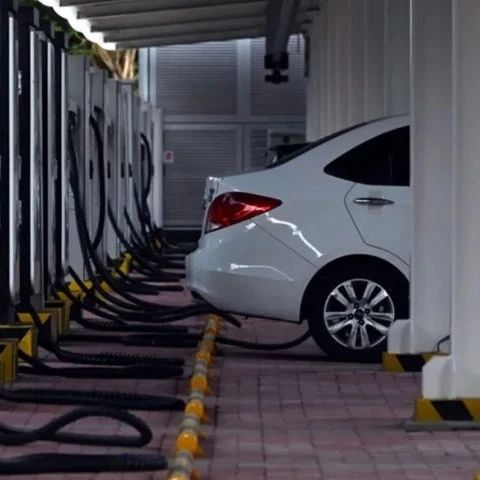
我做了十年电池,至今也没买电车丨产品MAX
36氪· 2025-04-22 10:28
Core Viewpoint - The article emphasizes the importance of product reporting in the automotive industry, particularly for consumers and manufacturers, and introduces a new product observation column that aims to provide valuable insights for car buyers and industry professionals [3][4]. Group 1: Battery Selection and Safety - When selecting electric vehicles, the engineer prioritizes battery safety, particularly favoring lithium iron phosphate (LiFePO4) batteries over ternary batteries due to safety concerns associated with the latter [5][12]. - The engineer is willing to pay a premium for high-quality brands like CATL when choosing ternary batteries, especially for vehicles priced above 200,000 yuan [6][7]. - The engineer recommends avoiding fast charging (4C) for personal use, suggesting that a 2C charging rate is sufficient and better for battery longevity [8]. Group 2: Market Trends and Recommendations - The engineer advises consumers to choose vehicles from manufacturers with high sales volumes, such as those using CATL batteries or BYD, as these brands are likely to have better quality control [13][20]. - There is skepticism towards new entrants in the automotive market, as they may lack the experience and quality assurance of established manufacturers [14][15]. - The article highlights that while some new energy vehicles may appear cheaper with high configurations, they often compromise on quality in unseen areas [15][21]. Group 3: Battery Lifespan and Maintenance - Current lithium iron phosphate batteries can achieve over 3,000 cycles at 2C and 1,500-2,000 cycles at 4C, making them suitable for 5-8 years of use under normal conditions [23]. - Proper battery maintenance includes avoiding high temperatures and high state of charge (SOC) during storage, and keeping the battery charge between 10% and 90% for optimal lifespan [24]. Group 4: Regulatory Standards - The new national standards for batteries are the strictest yet, but they still represent a minimum requirement, and many batteries can meet these standards without guaranteeing absolute safety [25][26]. - The article notes that while some manufacturers may pass rigorous safety tests, these tests do not account for all real-world driving conditions, emphasizing the need for caution in high-speed scenarios [27].
产品MAX|我做了十年电池,至今也没买电车
3 6 Ke· 2025-04-21 13:39
Core Insights - The article discusses the importance of product reporting in the automotive industry, particularly for consumers and car manufacturers [1] Group 1: Product Insights - The new product observation column is divided into two types: MAX and PRO, aimed at providing effective advice to consumers and real opinions from experienced electric vehicle owners [2] - An engineer with around 10 years of experience in battery development shares insights on choosing batteries and electric vehicles, emphasizing the safety of lithium iron phosphate batteries over ternary batteries [2][9] - The engineer suggests that for vehicles priced above 200,000 yuan, paying a premium for a reputable battery brand like CATL is acceptable [3] Group 2: Charging and Battery Maintenance - The engineer recommends a charging rate of 2C for personal use, arguing that faster charging (4C) is unnecessary and can reduce battery lifespan [4] - Proper battery maintenance includes avoiding high temperatures and high state of charge (SOC) storage, with optimal usage being between 10% and 90% charge [19] Group 3: Market Trends and Consumer Behavior - There is a tendency among battery industry professionals to avoid purchasing vehicles equipped with their own company's batteries due to cost-cutting concerns [5][8] - The engineer recommends purchasing vehicles from manufacturers with high sales volumes, such as those using CATL batteries or BYD, as they are likely to have better quality control [10][15] Group 4: Safety Standards and Regulations - The new national standards for batteries are the strictest yet, but they still represent minimum requirements, and compliance does not guarantee that batteries will not catch fire or explode [20][21] - The article highlights that while new standards are in place, they do not account for all real-world driving conditions, and caution is still advised when it comes to battery safety [21]