石油资源争夺

Search documents
特朗普:美国将立即开始提炼和销售至多5000万桶委内瑞拉石油,所有国家都能买!委方:决定与美启动“探索性外交”进程,将派代表团赴美
Mei Ri Jing Ji Xin Wen· 2026-01-10 01:31
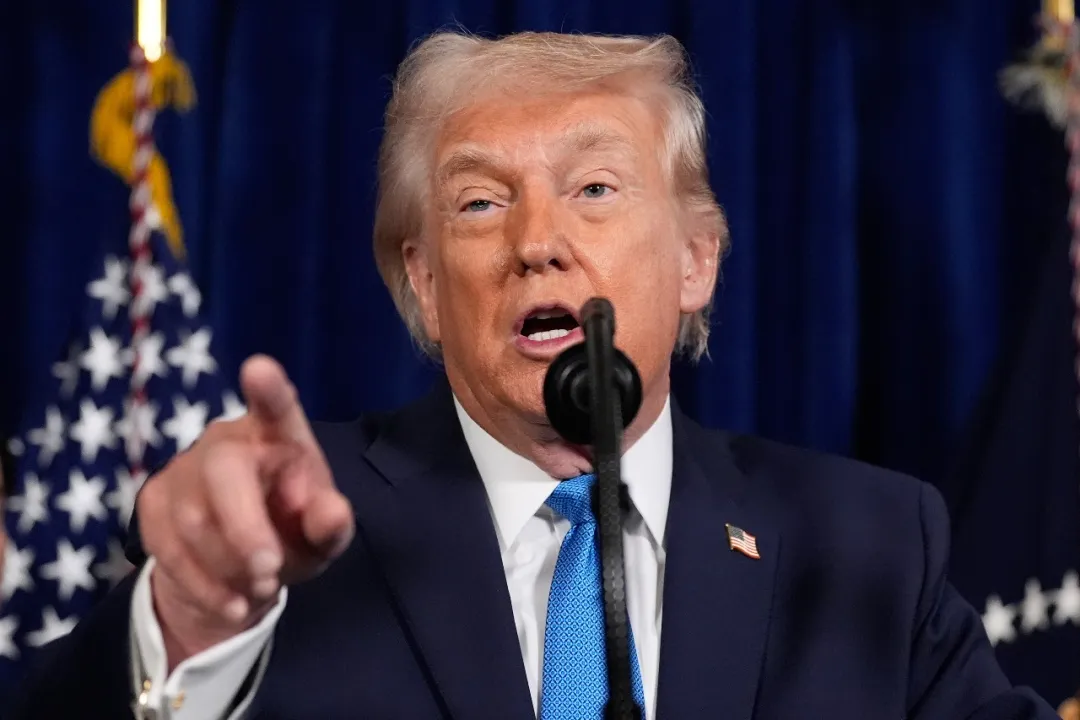
Group 1 - The core point of the news is that the U.S. government, led by President Trump, is taking steps to control and potentially rebuild Venezuela's oil industry, with discussions involving major oil companies on how to invest and operate in Venezuela [1][4]. - Trump stated that Venezuela provided 30 million barrels of oil to the U.S. on January 8, and the U.S. will begin refining and selling up to 50 million barrels of Venezuelan oil, allowing other countries to purchase as much as they want [1][4]. - Major oil companies are expected to invest at least $100 billion to rebuild Venezuela's oil production capacity and infrastructure, with a focus on forming technical teams to assess the current state of the industry [4]. Group 2 - The U.S. government has confirmed the seizure of an oil tanker linked to Venezuela, which is part of a broader strategy to control Venezuelan oil exports [5][7]. - Trump mentioned that the U.S. will decide which oil companies can invest in Venezuela, and these companies will deal directly with the U.S. rather than the Venezuelan government [1][4]. - There is a need for banks to participate in discussions regarding financing for investments in Venezuela's oil sector, indicating a potential collaboration with the Export-Import Bank of the U.S. [4]. Group 3 - Venezuela's interim president, Delcy Rodriguez, has expressed gratitude towards China for its support against U.S. actions, highlighting the international dimension of the situation [10][11]. - The Venezuelan government is initiating "exploratory diplomacy" with the U.S. to restore diplomatic relations and address mutual concerns, while emphasizing the importance of national sovereignty [8][9]. - Rodriguez has stated that the Venezuelan government is committed to defending its sovereignty and addressing the alleged aggression from the U.S. [9].

专家:特朗普3年内难实现对委石油企图
Bei Jing Ri Bao Ke Hu Duan· 2026-01-09 06:46
Core Insights - The article discusses the challenges and uncertainties surrounding the U.S. interest in Venezuelan oil, highlighting that achieving control over these resources within three years is unlikely due to the unstable social environment in Venezuela [1] Group 1: U.S. Interest in Venezuelan Oil - President Trump mentioned "oil" 26 times during a press conference, indicating a strong interest in Venezuelan oil resources, which are the largest proven reserves globally [1] - Experts suggest that the U.S. may not be able to monopolize Venezuelan oil, drawing parallels to the situation in Iraq post-Saddam, where the U.S. did not gain exclusive access to oil resources [1] Group 2: Investment Risks - U.S. oil companies are hesitant to invest heavily in Venezuela due to significant risks and uncertainties, making it difficult to predict when investments would become profitable [1] - The need for a stable social environment for oil infrastructure investment is emphasized, with experts predicting that Trump's ambitions regarding Venezuelan oil are unlikely to materialize within the next three years [1] Group 3: China's Position - Venezuela is a key partner for China in oil production and supply chains, with substantial Chinese investments in exploration and refining [1] - In 2025, Venezuelan oil is expected to account for 4% of China's oil imports, indicating its importance despite the small percentage [1] - Experts note that Venezuela's oil resources are crucial for ensuring China's energy supply chain security and promoting the internationalization of the Renminbi [1]
学者:石油投资需要稳定社会环境,特朗普三年内无法实现企图
Bei Jing Ri Bao Ke Hu Duan· 2026-01-09 05:51
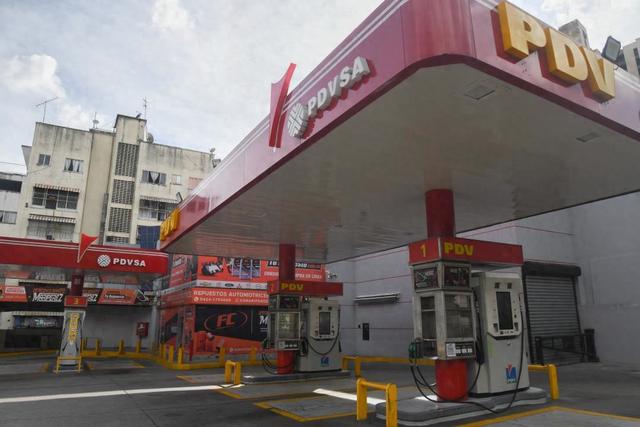
Group 1 - Venezuela possesses the largest proven oil reserves globally, and U.S. President Trump has expressed a strong interest in these resources, mentioning "oil" 26 times during a press conference, significantly more than other terms like "drugs" and "gangs" [1] - Trump plans to have large U.S. oil companies invest billions of dollars to repair Venezuela's oil infrastructure, with projects expected to be completed within 18 months, although major companies like ExxonMobil, ConocoPhillips, and Chevron have been cautious about this plan [1] - The U.S. aims to "take control" of Venezuela's oil industry, with Trump scheduled to meet with executives from major U.S. oil companies to discuss their involvement in rebuilding the oil infrastructure [1] Group 2 - Experts suggest that the U.S. may face challenges in monopolizing Venezuela's oil resources, as historical precedents indicate that post-regime change scenarios, like in Iraq, did not lead to U.S. control over oil resources [3] - The investment required for oil infrastructure in Venezuela necessitates a stable social environment, which is currently uncertain, leading to skepticism about the feasibility of Trump's plans within a three-year timeframe [3] - Venezuela's heavy oil is a critical resource for U.S. refineries, which currently rely on imports from Canada, but geopolitical tensions may complicate this supply chain [3] Group 3 - China has made significant investments in oil exploration and refining in Venezuela, viewing it as a key partner in its energy supply chain [5] - In 2025, Venezuela is projected to account for 4% of China's oil imports, indicating the importance of Venezuelan oil to China's energy strategy, despite its relatively small share [5] - Chevron remains the only major U.S. oil company currently operating in Venezuela, while ExxonMobil and ConocoPhillips have historical ties to the region, having had their projects nationalized nearly 20 years ago [5]

委内瑞拉的“重油”如何吸引美国垂涎
Xin Hua She· 2026-01-06 11:44
Group 1 - The U.S. aims to control Venezuela's oil industry, with President Trump stating that American oil companies are prepared to invest heavily to restore Venezuelan oil exports [1][2] - Venezuela primarily produces heavy crude oil, which is more complex to extract and refine compared to the light crude oil predominantly produced in the U.S. [1][2] - The existing U.S. refining facilities are not compatible with the light oil produced domestically, necessitating imports of heavy oil from Venezuela and other sources to meet domestic demand [2] Group 2 - Despite the potential for investment, major U.S. oil companies are currently taking a wait-and-see approach regarding Trump's call for investment in Venezuela's oil infrastructure [3] - The extraction of Venezuela's oil is complicated by its high viscosity and sulfur content, classifying it as "super heavy crude," which poses higher energy costs and environmental concerns [3] - There are significant uncertainties regarding the verification of Venezuela's oil reserves, as exploration investments have ceased, and extracting oil from the ground requires considerable time [3]
新闻分析丨委内瑞拉的“重油”如何吸引美国垂涎
Xin Hua She· 2026-01-06 05:36
Group 1 - The core argument of the articles revolves around the strategic interest of the U.S. in Venezuelan heavy oil, which is seen as complementary to the existing U.S. oil industry despite the U.S. being a major oil producer itself [1][2] - Venezuelan heavy oil is primarily used for refining diesel, asphalt, and other heavy fuel products, offering a wider variety of derivatives compared to light oil, which is predominantly produced in the U.S. [2] - The U.S. currently imports heavy oil mainly from Canada, but geopolitical tensions have prompted a desire to reduce this dependency, particularly under the Trump administration [2][3] Group 2 - The U.S. oil companies are hesitant to invest in Venezuela due to the high difficulty and energy consumption associated with extracting its heavy oil, which is characterized by high viscosity and sulfur content [3] - Concerns regarding the safety of investments, the condition of Venezuela's aging oil infrastructure, and the legality of U.S. actions in controlling the Maduro regime are significant barriers for U.S. companies [3] - There is skepticism about the actual size of Venezuela's oil reserves, as many claims have not been verified, and the country has not invested in exploration for a long time, complicating the extraction process [3]
马杜罗时代结束,特朗普通告全球:中俄将继续获得委内瑞拉石油
Sou Hu Cai Jing· 2026-01-05 10:13
Core Viewpoint - The article discusses the complex dynamics of U.S. involvement in Venezuela's oil sector, highlighting President Trump's ambitions for American oil companies to invest in Venezuela while maintaining a contradictory stance on sanctions against the country [1][13]. Group 1: U.S. Government Actions and Statements - President Trump expressed a desire for U.S. oil companies to invest in Venezuela's oil infrastructure shortly after military actions against President Maduro [1]. - Trump's statements reflect a dual objective of wanting to control Venezuelan oil resources while enforcing sanctions that hinder investment [13][15]. - The U.S. government has implemented sanctions against Venezuela's state oil company, PDVSA, complicating the potential for U.S. companies to re-enter the market [8][15]. Group 2: U.S. Oil Companies' Responses - U.S. oil companies, including Chevron, ExxonMobil, and ConocoPhillips, have shown caution in response to Trump's calls for investment, focusing on employee safety and asset protection [3][17]. - Chevron remains the only major U.S. oil company still operating in Venezuela, having chosen to continue its operations under new contract terms [8]. - Industry analysts indicate that significant investment and time will be required to revitalize Venezuela's oil sector, with estimates suggesting hundreds of billions of dollars and a decade of effort [17][21]. Group 3: Historical Context and Current Situation - Venezuela's oil history with the U.S. dates back to the late 19th century, with significant foreign control over its oil resources until nationalization in the 1970s [5][6]. - Despite having the largest proven oil reserves globally, Venezuela's production has drastically declined from 3.5 million barrels per day in the late 20th century to around 1 million barrels currently [10][12]. - The U.S. military's actions, including the seizure of oil tankers, have exacerbated the challenges facing Venezuela's oil exports, which are crucial for the country's economy [10][12]. Group 4: Geopolitical Implications - Venezuela's oil resources are a focal point in the geopolitical struggle, with China and Russia deeply involved in the country's energy sector [19]. - The U.S. faces a dilemma in balancing its desire to control Venezuelan oil while avoiding significant disruptions to global oil prices [19][21]. - Analysts suggest that even if U.S. companies were willing to invest, the existing instability and infrastructure issues would hinder immediate benefits for U.S. interests [21].
委内瑞拉,一个世纪的资源争夺与宿命
凤凰网财经· 2026-01-04 06:55
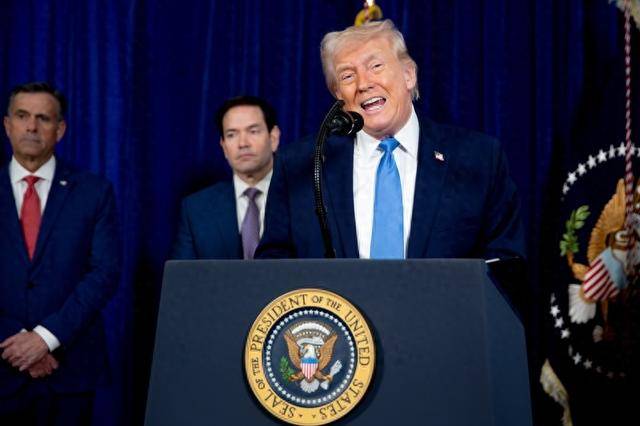
Group 1 - Venezuela possesses approximately 300 billion barrels of proven oil reserves, accounting for 17% of the global total, making it the largest in the world, surpassing Saudi Arabia and far exceeding the United States [3]. - The oil industry has historically been a double-edged sword for Venezuela, leading to significant wealth but also to social inequality and external intervention [1][6]. - The "Bolivarian Revolution" initiated by Hugo Chávez in 1999 aimed to reclaim oil sovereignty through nationalization, mandating that the state-owned PDVSA hold at least 51% in joint ventures [6][8]. Group 2 - U.S. military intervention in Venezuela is a culmination of over a century of resource competition, with oil interests at the core of U.S.-Venezuela relations [1][11]. - Following Chávez's death in 2013, Nicolás Maduro continued the nationalization policies, but U.S. sanctions intensified, leading to a significant decline in Venezuela's oil production capacity from 3.5 million barrels per day to around 1 million barrels per day [15][12]. - The U.S. has a strategic dependency on Venezuelan heavy crude oil, which is essential for its refining industry, despite imposing sanctions [18]. Group 3 - The recent military actions by the U.S. have sparked geopolitical tensions across the Western Hemisphere, with various countries condemning the intervention and calling for diplomatic solutions [23]. - The interruption of Venezuelan oil exports could lead to increased volatility in global oil prices, particularly for heavy crude, as the market adjusts to potential supply disruptions [23][24]. - Long-term, the global oil market is currently characterized by oversupply, which may limit the upward pressure on prices despite geopolitical risks [24][25].
美方称“抓获马杜罗”,未来委内瑞拉局势会怎么走?
Huan Qiu Shi Bao· 2026-01-04 00:43
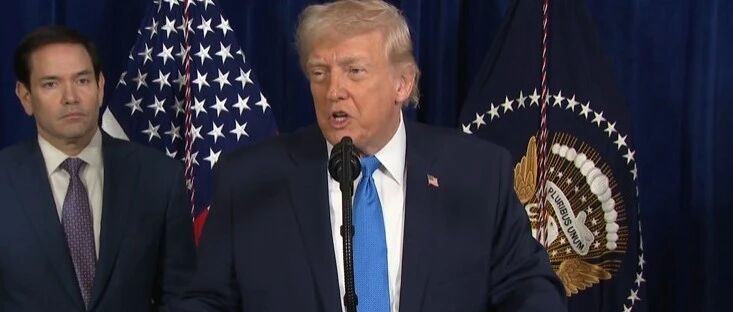
Core Viewpoint - The U.S. military action against Venezuela, including the capture of President Maduro, represents a significant violation of international law and sovereignty, reflecting America's strategic intent to reshape control in the Western Hemisphere [1][3][9]. Group 1: U.S. Military Action - On January 3, U.S. President Trump announced the capture of Venezuelan President Maduro and his wife, following airstrikes on various military and strategic locations in Venezuela, including Caracas and military airports [1][2]. - The airstrikes lasted approximately one hour and targeted multiple regions, causing widespread explosions and power outages in Caracas [2]. - The operation was reportedly executed by U.S. Army Delta Force, with prior authorization from Trump, indicating a premeditated military strategy [3][4]. Group 2: International Reactions - China's Foreign Ministry condemned the U.S. actions as a blatant violation of international law and a threat to peace in Latin America, urging the U.S. to respect sovereignty [3]. - The Venezuelan government has called for international support against the U.S. actions, asserting its right to self-defense and demanding proof of Maduro's well-being [4][11]. - Various international figures and countries, including Russia and Cuba, have denounced the U.S. military intervention, emphasizing its illegality and potential for global condemnation [11][10]. Group 3: Implications for Venezuela - The potential capture of Maduro could lead to significant political instability in Venezuela, with concerns about a power vacuum and the fragmented nature of the opposition [6][7]. - Analysts suggest that the U.S. aims to support pro-American opposition forces to gain control over Venezuela's vast oil resources, which have been nationalized under previous administrations [8][9]. - The situation may lead to a prolonged period of political maneuvering, similar to past conflicts in Iraq and Afghanistan, with no clear path to stability [6][7]. Group 4: Economic Impact - The military actions are likely to create volatility in international oil prices due to Venezuela's status as a major oil producer, with expectations of significant fluctuations in response to the unfolding events [7][10]. - The U.S. intervention is perceived as an attempt to regain influence over Venezuela's oil resources, which have been largely nationalized, limiting U.S. corporate involvement [8][9].
美军MQ-9“死神”无人机现身波多黎各
Yang Shi Xin Wen· 2025-12-28 09:57
Core Viewpoint - The U.S. military is increasing its presence in the Caribbean region under the pretext of drug enforcement, which has raised tensions with Venezuela, as the latter accuses the U.S. of attempting to seize its oil resources [1] Military Presence - The U.S. has deployed a significant military force near Venezuela, including aircraft carriers, fighter jets, transport planes, and MQ-9 "Reaper" drones, indicating a strategic buildup in the region [1] Venezuelan Response - Venezuela has repeatedly stated that it will not yield to U.S. pressure, asserting that the U.S. actions are aimed at appropriating its oil and other resources [1] Interception Actions - Since December 10, the U.S. has conducted three interception operations against oil tankers associated with Venezuela in nearby waters, claiming to have confiscated the crude oil onboard [1]
哥伦比亚总统:美欲夺取委内瑞拉石油资源
中国能源报· 2025-11-27 05:47
Core Viewpoint - Colombian President Petro claims that the U.S. pressure on Venezuela is primarily aimed at seizing its oil resources rather than addressing drug trafficking or promoting democracy [1]. Group 1: U.S. Actions and Motivations - The U.S. is perceived to be interested in Venezuela's oil, which is among the largest reserves in the world, particularly heavy crude oil [1]. - President Petro argues that the U.S. seeks to acquire Venezuelan oil at a very low cost, indicating a strategic economic interest rather than humanitarian or anti-drug motivations [1]. Group 2: Drug Trafficking Context - Only 4% of Colombia's drug production, mainly cocaine, is transported through Venezuela, with the majority being shipped via the Pacific [1]. - This statistic suggests that the U.S. focus on drug trafficking in relation to Venezuela may be overstated, reinforcing the idea that the real issue is oil rather than drugs [1].