社会企业

Search documents
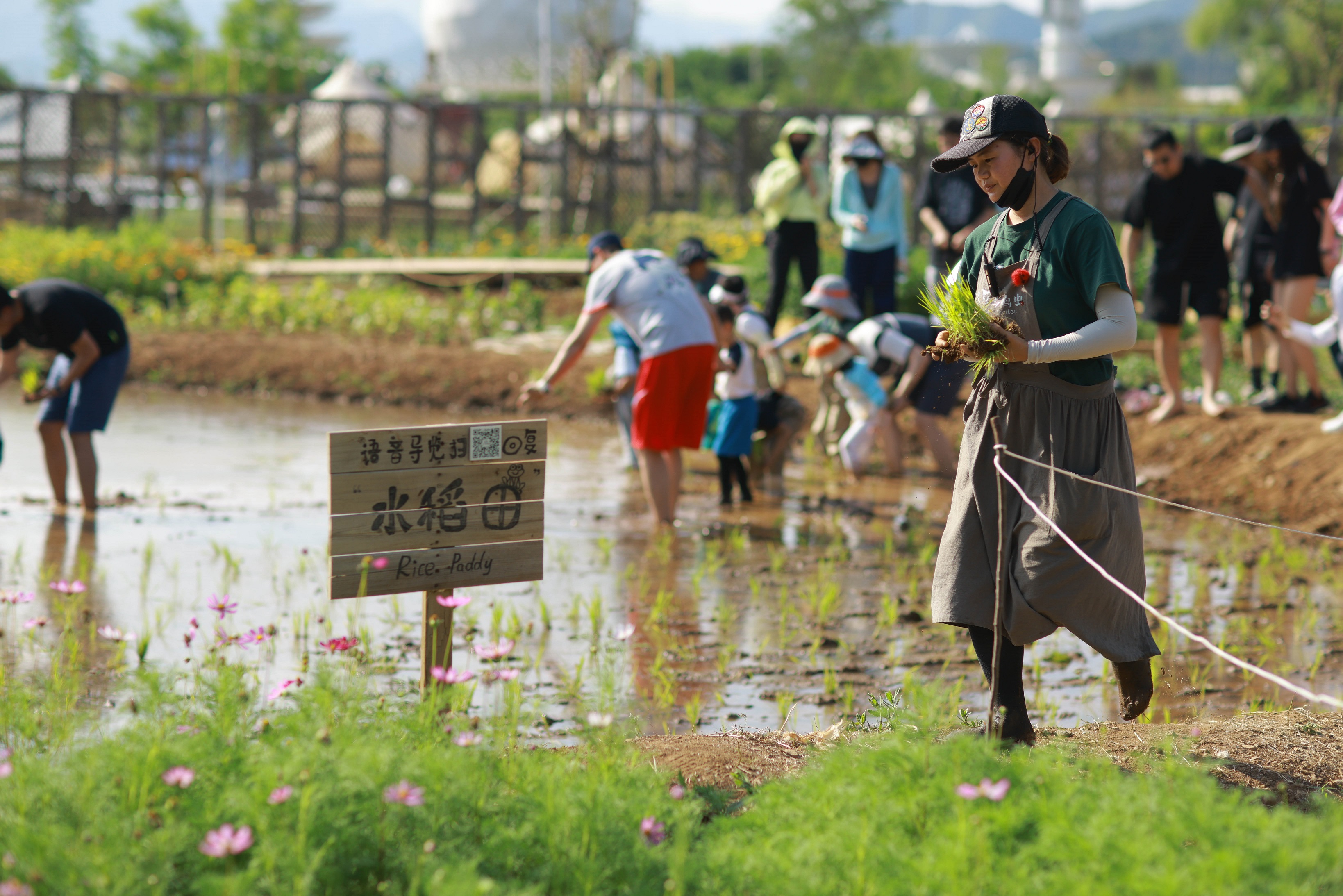
当我们和青年农场主一起直面理想与现实
Di Yi Cai Jing· 2025-12-26 02:32
Core Viewpoint - The article highlights the sustainable development efforts of the social enterprise "Flying Birds and Singing Insects," which focuses on food education and operates as a certified zero-carbon farm in Beijing, showcasing the intersection of social good and business sustainability [1][2][12]. Group 1: Company Overview - "Flying Birds and Singing Insects" is Beijing's first organic farm centered on food education, founded in 2018 by a team of female entrepreneurs in collaboration with a local farmers' cooperative [1][2]. - The farm aims to rebuild the relationship between people, food, and land, emphasizing experiential food education and artisan food products rather than selling primary agricultural products [2][5]. Group 2: Business Model and Impact - The enterprise generates stable cash flow through sales of artisan baked goods, organic zero-carbon farming, and family-oriented food education experiences, while reinvesting 40% of profits back into the local community to improve employment and public conditions [5][12]. - Currently, 90% of the farm's employees come from nearby villages, predominantly rural women, highlighting the social impact of the business model [5]. Group 3: Support and Development Initiatives - Standard Chartered Bank has initiated the "Social Enterprise Empowerment Program" in collaboration with Enpai Public Welfare since 2021, providing capacity-building training and business development funds to high-potential social enterprises across China [5][6]. - The program has supported over 700 social enterprises, addressing various issues such as rural women's entrepreneurship and youth employment [5][12]. Group 4: Volunteer Engagement and Skill Development - Standard Chartered mobilizes its employees to provide skill-based volunteer services, offering targeted professional advice to social enterprises facing various challenges [7][8]. - The bank's global initiative allows employees to take paid volunteer leave, facilitating the connection between employee expertise and the needs of social enterprises [7]. Group 5: Challenges and Solutions - "Flying Birds and Singing Insects" faced funding challenges in its early stages, which limited its ability to hire professionals and grow its business [8]. - Recent support from Standard Chartered and Enpai Public Welfare has enabled the farm to hire a professional social media operator, enhancing its online presence and operational efficiency [8][9]. Group 6: Broader Implications - The article emphasizes that balancing social value and business sustainability is crucial for social enterprises, with Standard Chartered's initiatives serving as a model for supporting such enterprises in navigating complex commercial environments [12][13]. - The integration of profit and social good is portrayed as a dual aspect of sustainable development, where financial and commercial forces actively contribute to positive impacts within the operational and value chains of enterprises [12][13].

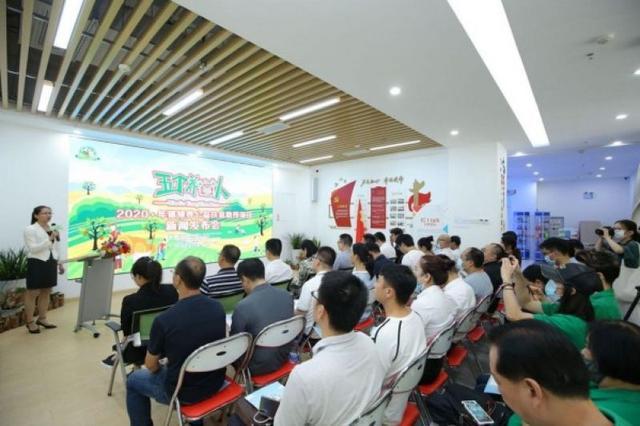
从赔30万元到一头猪卖6000元!解密全国首个助残助农一体化项目“五个养猪人”的盈利模式
Hua Xia Shi Bao· 2025-12-18 06:37
Core Insights - The article discusses the "Five Pig Farmers" project, a pioneering initiative in China that integrates assistance for disabled individuals with agricultural development, aiming to transform them into "digital new farmers" and explore market-based solutions to social issues [1][3]. Group 1: Project Overview - The project was initiated after five disabled pig farmers suffered significant losses due to the African swine fever outbreak in 2019, leading to a total loss of 30 million yuan [3][4]. - The project received support from the Shenzhen-based company "Double Assistance Future" and local governments, which provided funding and technical guidance to restart operations in 2020 [4][5]. Group 2: Operational Model - The project employs a closed-loop model where the local disability association and the company provide initial funding and technical support, while the disabled farmers utilize their unique qualities for ecological pig farming [5]. - The black pigs raised under this model are sold at a premium price of 6,000 yuan each, significantly higher than the market average of over 3,000 yuan, due to their ecological quality and embedded social value [5]. Group 3: Market Dynamics - The project initially relied on government procurement and the goodwill of consumers, but faces challenges as government funding pressures increase and market competition intensifies [8][9]. - The project must adapt to a more competitive environment as it expands to a broader consumer base through the "Zhen Help" platform, necessitating a shift from emotional to value-driven purchasing [10]. Group 4: Future Strategies - To ensure sustainability, the project aims to transition from being emotionally driven to value-driven, focusing on the intrinsic value of the products rather than solely on their social attributes [10]. - The project seeks to innovate resource connections and expand market support networks, including partnerships with other government departments and leveraging large sports events for funding [12][13]. Group 5: Systemic Change - The project advocates for a transformation in the role of government from direct provider to ecosystem builder, proposing a three-tier support system to facilitate innovation and integration of disabled individuals into the workforce [13][14]. - The ultimate goal is to create a dignified development path for disabled individuals, recognizing their unique contributions as valuable human capital in specialized agricultural and service sectors [14][15].
彩虹星球终审胜诉并发布企业倡议:十一年坚守“商业向善” 让有机生活走进千家万户
Zheng Quan Ri Bao Wang· 2025-10-29 13:43
Core Viewpoint - The company Rainbow Planet Cultural Technology Co., Ltd. has achieved a significant legal victory in a defamation case against Wang Hai, reinforcing its commitment to brand protection and corporate integrity [2] Group 1: Legal Victory and Implications - The court upheld the first-instance ruling, holding Wang Hai responsible for defamation, requiring him to delete infringing content and publicly apologize for three consecutive days [2] - The total compensation awarded to Rainbow Planet for damages, notarization fees, and legal costs amounts to 97,800 yuan [2] - The case serves as a model for corporate rights protection and highlights the importance of a fair business environment [2] Group 2: Commitment to Social Responsibility - Over the past 11 years, the company has invested over 20 million yuan in product testing, with 37 products voluntarily removed for not meeting internal standards [3] - The company has allocated 60% of its net profits to organic agriculture and social contributions, collaborating with over 160 ecological farms [4] - Rainbow Planet has provided 3.83 million yuan in financial support to farmers and donated goods valued at 676,600 yuan for disaster relief and support for vulnerable groups [4] Group 3: Transparency and Consumer Engagement - The company aims to create a transparent and supervised product system, allowing consumers to become co-builders through open sourcing and real-time monitoring of farms [5] - These initiatives enhance consumer rights and ensure a safer, more trustworthy organic product experience [5] Group 4: Industry Innovation and Future Directions - Rainbow Planet is driving industry transformation through technological innovation and model restructuring, having established an agricultural technology company to support cooperative bases [6] - The company is exploring pathways to make high-quality organic vegetables more accessible to the general public [6] - The launch of the "Rainbow Planet Cooperative Initiative" emphasizes the company's commitment to transparency and sustainable business practices [6]
活动回顾丨跨界聚力·共创未来:社会企业、影响力投资与龙头企业共探食品农业可持续发展新路径
Sou Hu Cai Jing· 2025-10-16 12:03
Core Insights - The event "New Opportunities in Food and Agriculture Industry Development - Innovative Cooperation among Social Enterprises, Impact Investment, and Industry Leaders" was successfully held in Beijing, focusing on exploring industrial innovation and achieving a win-win situation between social and commercial values [2][5]. Group 1: Event Overview - The event was co-hosted by multiple organizations, including Beijing Social Organization Construction Promotion Center and Plug and Play China, gathering over 50 representatives from social enterprises, industry leaders, and impact investment institutions [2][5]. - The venue, AI Origin Community, is highlighted as a hub for AI technology and talent, featuring institutions like Tsinghua University's AI Institute [7][9]. Group 2: Key Themes and Discussions - The urgency of transformation in the food and agriculture industry was emphasized, driven by factors such as food security, climate change, and evolving consumer demands, with technology innovation identified as the core support for this transformation [14]. - The collaboration among social enterprises, industry leaders, and impact investors is crucial, with social enterprises providing innovative technologies, industry leaders offering practical scenarios and brand support, and impact investors filling funding gaps for early-stage projects [14]. Group 3: Case Studies and Innovations - Several innovative cross-industry collaborations were showcased, including: - Kangfen Bio's transformation of food processing by-products into high-value organic fertilizers and alternative feed through unique biotechnology [16]. - Zhi Nuo Technology's development of natural microbial pigments using synthetic biology, successfully applied in leading cashmere enterprises [17]. - Meicai's direct sourcing and smart logistics system that enhances farmer income while reducing costs for restaurant clients [17]. Group 4: Collaborative Discussions - A "World Café" session facilitated deep discussions among over 50 participants from various sectors, focusing on four core topics: - Innovative cooperation models between social enterprises and industry leaders [24]. - Scaling agricultural technology through partnerships [26]. - Diverse funding sources and innovative financing methods beyond impact investment [29]. - Building an ecosystem connecting enterprises, technology providers, research institutions, and funding sources [31]. Group 5: Innovative Solutions Presentation - Five social enterprises presented their sustainable value chain innovations, including: - Gengsheng New Materials' development of standardized planting soil from solid waste, significantly reducing soil restoration time [34]. - Qingyu Hall's use of IoT to enhance efficiency in the aquaculture industry [36]. - Huaxia Zhihui's active oxygen technology for plant disease control, utilizing only water and electricity [38]. - Zhongnong Chuangfa's biodegradable film technology for rice cultivation, addressing plastic pollution [40]. - Algae Chen's focus on commercializing microalgae for nutritional applications [42]. Group 6: Conclusion and Future Engagement - The event concluded with a call for continued engagement in upcoming initiatives, including the "Xiangguang Annual Meeting" and a closed-door seminar on rural revitalization [45]. - The collaborative efforts aim to inject new momentum into the green, inclusive, and sustainable development of the food and agriculture industry, emphasizing the importance of resilient partnerships in uncertain economic environments [45].