
绿色循环

Search documents
会通股份:将对部分产品进行价格调整;年产30万吨复合材料项目二期奠基
DT新材料· 2026-03-14 16:05
Core Viewpoint - The article discusses the recent developments and challenges faced by the company in the high-performance materials sector, particularly in light of rising raw material costs and geopolitical tensions affecting supply chains. The company emphasizes its commitment to maintaining supply and collaborating with customers to find innovative solutions amidst these challenges [2][4][6]. Group 1: Project Developments - The company has initiated the second phase of its high-performance composite materials project in Anqing, with a total investment of 1.1 billion yuan, covering an area of 291 acres and aiming for an annual production capacity of 300,000 tons [2]. - The first phase of the project, which has already commenced production, has an annual capacity of 150,000 tons [2]. Group 2: Market Challenges - International oil prices have surged to over $110 per barrel, leading to significant supply chain disruptions and price increases for major materials such as ABS, PP, PC, and PA [4][6]. - The company is experiencing unprecedented cost pressures due to these market conditions, prompting it to adjust prices for certain products while ensuring transparency in the price increase [4][8]. Group 3: Strategic Responses - The company is actively seeking alternative routes to mitigate reliance on high-cost raw materials, including promoting the large-scale application of coal chemical modified materials and increasing investment in high-performance recycled materials [4][11]. - A commitment to collaborative innovation with customers is emphasized, focusing on developing cost-effective alternative formulations and optimizing production processes to reduce costs [10][11]. Group 4: Long-term Vision - The company aims to build a robust cost advantage through an end-to-end value chain approach, emphasizing lean production and supply chain collaboration to enhance efficiency [9]. - The long-term strategy includes reducing dependence on single oil routes and providing diverse, stable domestic alternatives in high-performance materials [11]. Group 5: Industry Engagement - The company is participating in the 2026 Advanced Nylon Industry Innovation and Application Development Conference, which focuses on technological innovation and application development in the nylon industry [20][22]. - The conference will gather industry leaders and experts to discuss challenges and strategies for high-quality development in emerging applications such as eVTOL and humanoid robots [20].

记者深入几百米井下 探秘智慧矿山建设
Xin Hua She· 2026-02-03 00:52
Core Insights - The article highlights the construction of the Xian Mountain Iron Mine, the largest single underground iron mine in China, which faces complex geological conditions and harsh winter challenges [1] Group 1: Technological Integration - The construction utilizes advanced technologies such as IoT, AI, and digital twin technology to enhance mining operations, marking a shift towards digitalization and intelligence in traditional mining practices [1] - The integration of these technologies aims to improve efficiency and safety in the mining process [1] Group 2: Environmental Sustainability - The project is focused on creating a green circular system underground, employing advanced mining and filling techniques to achieve on-site waste backfilling and wastewater recycling [1] - The goal is to establish a closed-loop resource extraction process that minimizes environmental impact [1]

河南两会观察:代表委员为制造强省勾画“路线图”
Zhong Guo Xin Wen Wang· 2026-01-29 05:30
Core Viewpoint - The manufacturing industry is viewed as the "ballast" of the economy, with discussions at the Henan Two Sessions focusing on the trends of innovation, intelligence, and sustainability in manufacturing [1]. Group 1: Manufacturing Industry Overview - Henan, as a major manufacturing province, has seven advanced industrial clusters and 28 key industrial chains, with a strong foundation in equipment manufacturing and food processing [3]. - The province has 450 "little giant" companies, 59 manufacturing champions, 12,800 national high-tech enterprises, and 30,000 technology-based SMEs [3]. - The government emphasizes technology innovation and digital transformation to elevate the manufacturing sector towards high-end, intelligent, and green development [3]. Group 2: Strategic Initiatives and Recommendations - The government report indicates that by 2026, Henan aims to strengthen its advanced manufacturing system and align with national high-quality development actions, supporting industries like new energy vehicles and modern food [5]. - Suggestions include creating a "platform for empowering private enterprise transformation" to connect academic technology with enterprises and stimulate innovation [3][4]. - The focus is shifting from scale expansion to quality enhancement, with an emphasis on intelligent upgrades in manufacturing [5]. Group 3: Technological Integration and Green Development - The integration of technology and industry is seen as a way to convert comparative advantages into competitive advantages [4]. - Proposals include launching an "AI + Henan Manufacturing" initiative to enhance sectors like equipment manufacturing and new materials, promoting smart factories and solutions [6]. - There is a growing emphasis on green development, with companies increasingly calculating their carbon footprints and promoting green energy usage [6].
多家外资石化巨头接连落子广东
2 1 Shi Ji Jing Ji Bao Dao· 2026-01-24 23:43
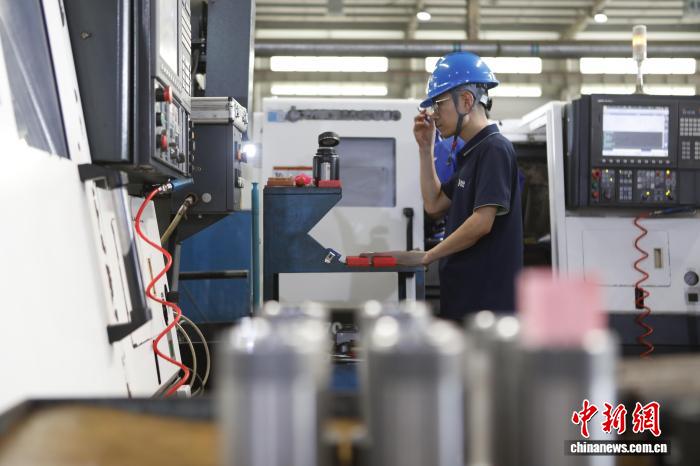
Group 1 - The article highlights a revolutionary advancement in plastic waste management with the launch of the world's first continuous and large-scale chemical recycling facility for mixed plastic waste in Guangdong, China, marking a significant shift from reliance on crude oil to a circular economy [4][5] - The project, led by Dongyue Chemical, has a capacity of 200,000 tons per year and utilizes a one-step process that transforms low-value mixed plastic waste directly into new plastic, bypassing the need for complex sorting [5][9] - Guangdong's ambitious plans include a 3,000-acre green recycling base and a second-phase project worth 22.6 billion yuan aimed at achieving an annual production capacity of 3 million tons, generating over 2 million tons of green olefins to support the Greater Bay Area's appliance and automotive industries [7][11] Group 2 - The region has seen a rapid transformation of plastic waste from a problematic "white pollution" into a valuable industrial resource, achieving in one year what was initially planned for three years [9] - The Greater Bay Area's petrochemical landscape is expanding, with major players like ExxonMobil and BASF establishing operations, contributing to a robust industry with over 9,800 petrochemical companies and a revenue scale of 2 trillion yuan [11][12] - Guangdong is positioning itself as a global hub for petrochemicals, driven by innovation and openness, facilitating the shift of the global petrochemical focus eastward [14]
多家外资石化巨头接连落子广东
21世纪经济报道· 2026-01-24 23:43
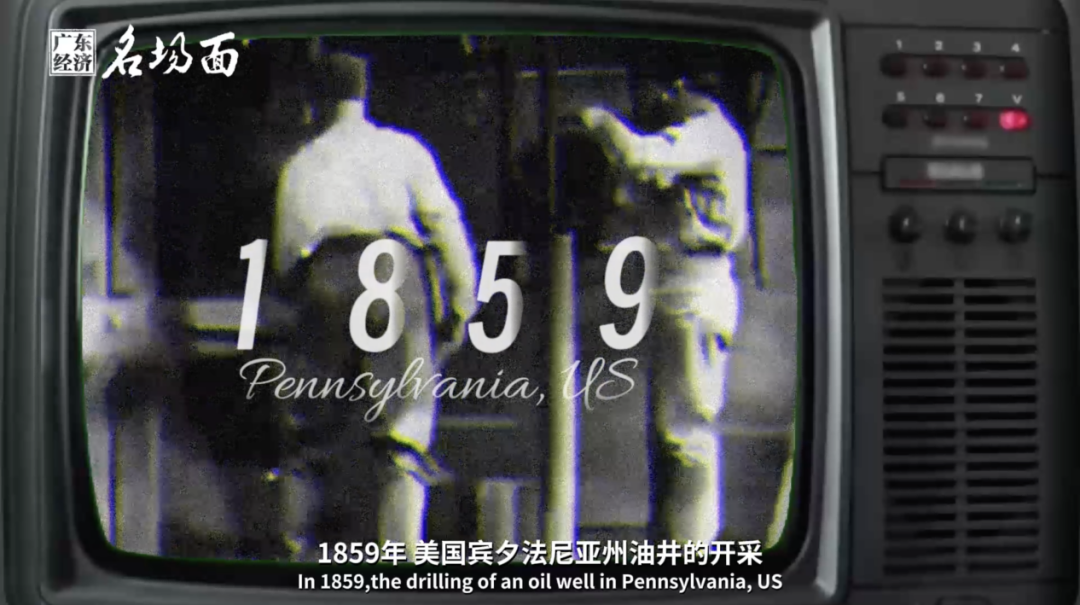
Core Viewpoint - The article highlights the revolutionary advancement in waste plastic recycling technology by Guangdong Dongyue Chemical, which has developed a continuous and large-scale chemical recycling facility that transforms low-value mixed waste plastics directly into new plastics without complex sorting processes, marking a significant shift from reliance on crude oil to a circular economy model [2][3][12]. Group 1: Technological Innovation - Guangdong Dongyue Chemical's project can process 200,000 tons of mixed waste plastics annually using a "one-step" method, which is a departure from the conventional "two-step" process of pyrolysis and refining [2]. - The technology aims to convert scattered waste plastics into new plastic products, achieving a closed-loop cycle of plastic usage [3]. Group 2: Economic Impact - The project is part of a larger initiative in Jieyang, which includes a 3,000-acre green recycling base and a second phase project worth 22.6 billion yuan, targeting an annual production capacity of 3 million tons [6]. - The initiative is expected to produce over 2 million tons of green olefins annually, providing sustainable energy for the home appliance and automotive industries in the Greater Bay Area [6]. Group 3: Industry Landscape - The article notes the rapid development of the waste plastic recycling industry in Guangdong, which has transformed "white pollution" into a valuable industrial resource within three years [8]. - The region is also witnessing significant investments from foreign companies like ExxonMobil and BASF, enhancing its position in the global petrochemical landscape [10][12].
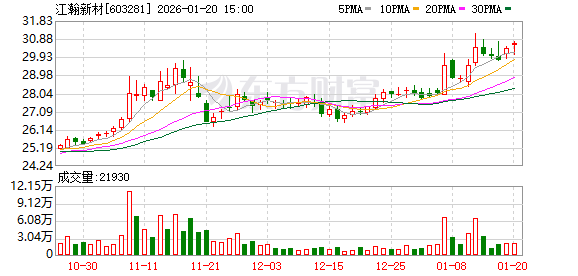
江瀚新材:炼“硅”成“金”
Zheng Quan Ri Bao· 2026-01-20 16:39
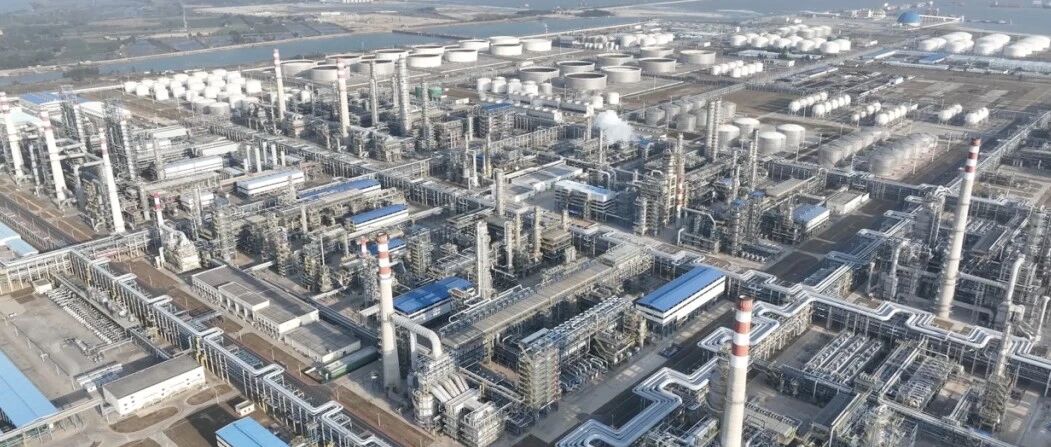
Core Insights - Jianghan New Materials Co., Ltd. is a private enterprise from Hubei, China, focusing on high-purity functional silanes, which are essential in various industries including tire manufacturing, new energy vehicle batteries, photovoltaic components, and semiconductor production [2][3] - The company emphasizes technological innovation and green circular production as key strategies for high-quality development in the fine chemical industry [2] R&D Investment - The company has a history dating back to 1992, with significant early investments in organic silicon products after recognizing the potential in the market [3] - Jianghan New Materials has increased its R&D investments, leading to a rich product matrix and a significant rise in export revenue, surpassing $300 million in 2022 [4] Cost Control and Green Production - The company has developed a unique cost control mechanism through a closed-loop system for recycling by-products like hydrogen chloride, which has reduced production costs by 1,000 to 1,500 yuan per ton [5] - This green production process not only minimizes environmental impact but also transforms waste into profit, establishing a competitive cost advantage [5] Capacity Expansion - Jianghan New Materials successfully listed on the Shanghai Stock Exchange in January 2023, which facilitated a significant increase in production capacity from 9.2 million tons to 15.2 million tons [6] - The new production facilities utilize advanced dry dust removal technology, enhancing efficiency and reducing impurities and costs [6] High-End Transformation - The company is strategically focusing on high-end transformations, particularly in semiconductor-grade silicon materials, targeting emerging industries such as new energy and military applications [7][8] - Jianghan New Materials aims to expand its production capacity to 18.2 million tons per year by 2026, aligning with national strategic needs for high-quality development [8]

高质量发展成果显著 河南豫光年营业收入突破千亿
Zhong Guo Xin Wen Wang· 2026-01-04 06:00
Core Viewpoint - The company, Henan Yuguang Group, aims to achieve significant revenue growth and establish itself as a leader in the non-ferrous metal industry while adhering to green and sustainable development practices [2][3][6]. Group 1: Financial Performance and Goals - By 2025, the company's revenue is projected to reach 103.8 billion yuan, with a strategic focus on maintaining double-digit growth in key economic indicators despite industry challenges [2]. - The company has set ambitious targets for the end of the 14th Five-Year Plan, aiming for revenue exceeding 200 billion yuan and striving to enter the Fortune Global 500 [3]. Group 2: Industry Position and Innovation - Yuguang is positioning itself as a first-class high-tech industry group in non-ferrous metal new materials and aims to develop four major new material industrial chains, including high-purity metals and new energy materials [3]. - The company has established a high-level innovation system and has filed 453 patents, focusing on technological advancements and the establishment of an intelligent factory [5]. Group 3: Corporate Culture and Employee Welfare - The company emphasizes a supportive corporate culture, demonstrated by employees assisting each other during challenging times, which fosters a sense of community and commitment [4]. - Yuguang has invested significantly in improving employee working and living conditions, ensuring comprehensive support for staff [4]. Group 4: Environmental Commitment and Sustainability - Yuguang has pioneered a new model for resource recycling, achieving comprehensive coverage of national green factory standards and becoming a leader in energy efficiency within the industry [6]. - The company has made substantial investments in upgrading its water treatment systems, enabling effective recycling and reducing environmental impact [6].

三房巷:公司积极关注政策导向及相关领域的技术和产业发展动态
Zheng Quan Ri Bao Wang· 2025-12-19 15:45
Group 1 - The company actively monitors policy directions and technological developments in relevant fields, emphasizing a strategy focused on green circular and sustainable development [1] - The company is enhancing its competitive advantage by upgrading production technologies and modifying production facilities to increase the research and production of recycled materials and new green chemical materials [1]

山东省临沂市罗庄区新增2家省级制造业单项冠军企业
Zhong Guo Jin Rong Xin Xi Wang· 2025-12-18 12:29
Group 1 - Shandong Province's Industrial and Information Technology Department has announced the proposed list of the ninth batch of manufacturing single champion enterprises, with two companies from Linyi City successfully selected [1] - Linyi's Luoxin Pharmaceutical Group and Linyi Lixin Aluminum Industry have been recognized, contributing to the region's manufacturing sector's high-end, intelligent, and green development [1] - Luoxin Pharmaceutical, a top 100 pharmaceutical company in China, focuses on digestive system diseases and has developed innovative drugs, including the national Class I innovative drug Tegoprazan, which is included in the 2025 National Medical Insurance Directory [1] Group 2 - Linyi Lixin Aluminum Industry is transforming the aluminum industry with a "short-process green industrial chain," achieving over 90% recycling rate of aluminum resources through its innovative model [2] - The company plans to expand its production capacity to 300,000 tons per year by 2026, with an expected annual sales revenue of 2.5 billion yuan [2] - Lixin Aluminum holds 14 national invention patents and 42 utility model patents, and has established five provincial and municipal R&D platforms, collaborating with universities to achieve internationally advanced technology levels [2] Group 3 - The Linyi district will enhance the cultivation mechanism for manufacturing single champion enterprises by providing targeted policy guidance and financial support [2] - The district aims to encourage technological breakthroughs and promote the transformation of scientific achievements [2] - A collaborative industrial community will be built, integrating leading enterprises with small and medium-sized suppliers [2]

化工新材料何以迈向“十五五”
Zhong Guo Hua Gong Bao· 2025-12-16 05:15
Group 1: Development Path of Chemical New Materials - The development path for chemical new materials focuses on green recycling, high-end applications, and industrial collaboration [1] - Experts at the 2025 Chemical New Materials Development Forum emphasized the importance of sustainable practices in addressing plastic pollution [2] Group 2: Green Recycling Initiatives - A new biodegradable plastic, PDA, has been developed that can degrade naturally in various environments without the need for composting, with a production scale expected to reach tens of thousands of tons by 2027 [2] - The recycling of plastics and rubber is essential for pollution control and resource utilization, with current challenges including low recycling rates and a fragmented industry structure [2] - The establishment of a multi-layered, efficient recycling network for rubber has been initiated to enhance the quality and usability of recycled products [2] Group 3: Advanced Application and Innovation - The focus on domestic substitution and cutting-edge innovation in high-end chemical materials is a key task for the "14th Five-Year Plan" [4] - The domestic market for optical adhesives is projected to reach approximately 10.6 billion yuan by 2024, with over 60% of high-end products still reliant on imports [4] - Innovations in polyaryletherketone composites have been developed to enhance performance in harsh environments, indicating a shift towards high-quality applications [4] Group 4: Industry Collaboration and Integration - Industry collaboration is highlighted as a critical factor for the development of the membrane industry, emphasizing the need for a coordinated supply chain and innovation mechanisms [7] - The integration of smart manufacturing with the synthetic rubber industry is seen as a direction for transformation, leveraging technologies like AI and digital twins to enhance production efficiency [7] - The AI4Chem intelligent research platform has been introduced to improve research efficiency and reduce development costs in the chemical new materials sector [8]