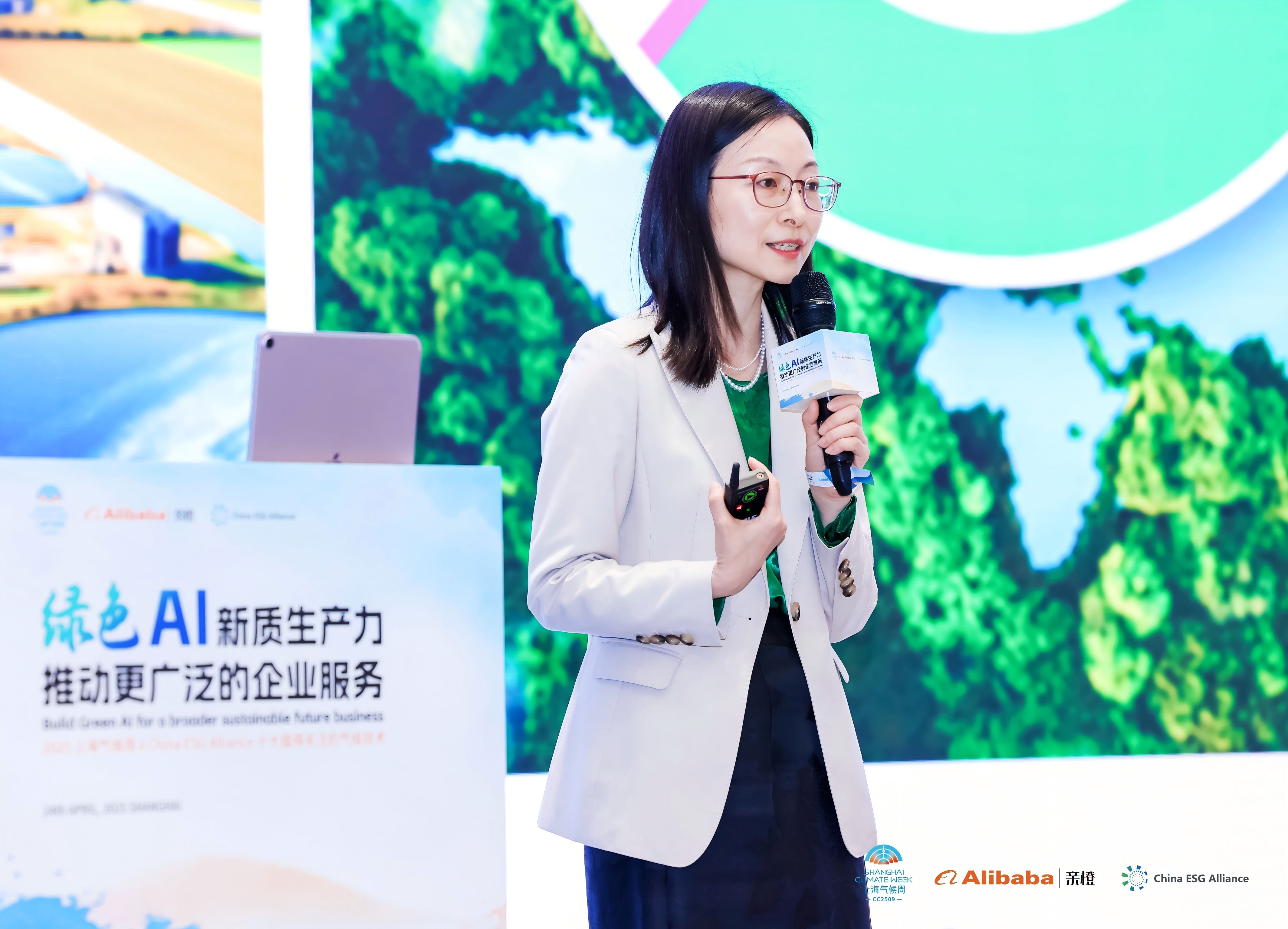
绿色AI

Search documents
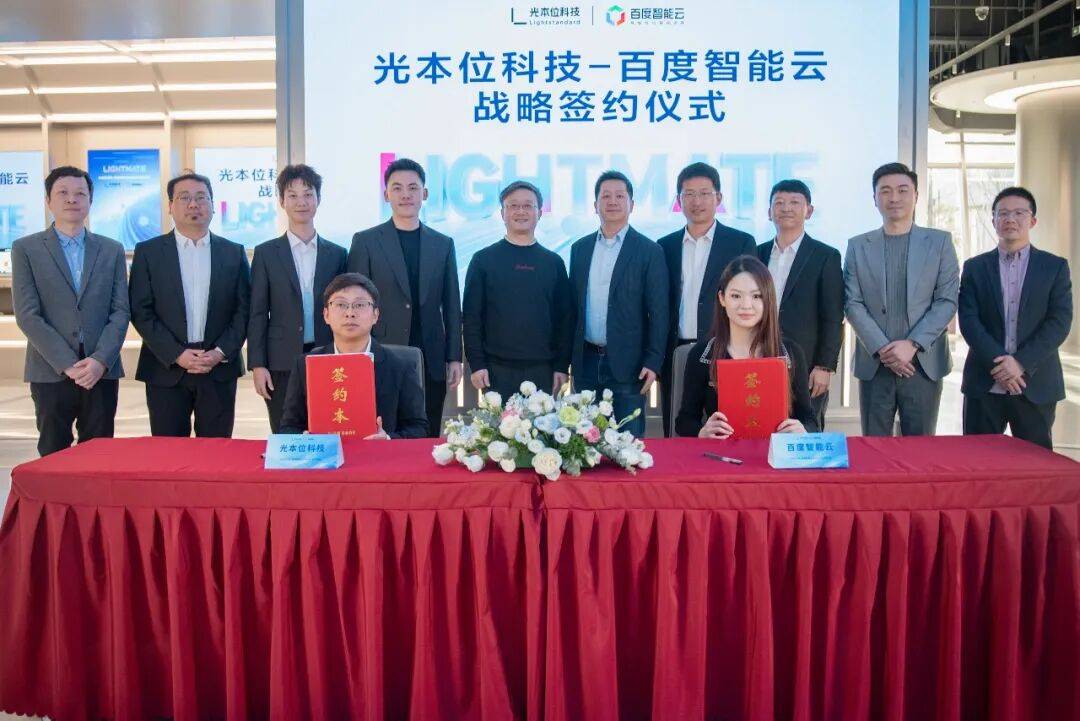
光本位与百度云签署战略合作:用AI Agent 重构芯片研发流程
Sou Hu Cai Jing· 2026-02-27 12:20
Core Viewpoint - The strategic partnership between Guangbenwei Technology and Baidu Intelligent Cloud aims to develop a comprehensive AI research and development solution, Lightmate, for optical chip development, leveraging AI Agent technology to enhance the chip design process [1][3][5]. Group 1: Partnership Details - Guangbenwei Technology and Baidu Intelligent Cloud signed a strategic cooperation agreement to jointly launch Lightmate, an AI-driven solution for optical chip development [1]. - The collaboration focuses on integrating technology, developing a research toolchain, and expanding the industrial ecosystem to facilitate the industrialization of optical computing technology [1][3]. Group 2: Technical Innovations - Lightmate will automate the optical chip development process, addressing challenges in adapting general models to the optical chip sector, and will support various deployment options including SaaS and private cloud [3][5]. - The solution will cover the entire chip design process, including requirement extraction, simulation code design, and system link optimization, enhancing efficiency and reducing production cycles [3][4]. Group 3: Company Strengths - Guangbenwei Technology possesses rare capabilities in full-stack optical chip design and has established a strong market position with commercialized optical computing systems [4]. - The company aims to leverage its expertise in silicon photonics, analog, and digital chip design to enhance the performance and cost-effectiveness of chip design services through Lightmate [4][6]. Group 4: Future Outlook - The partnership is expected to deepen technical collaboration, accelerate the productization of Lightmate, and strengthen the domestic computing technology foundation, enhancing global competitiveness in green computing and autonomous chip development [6].


高能耗数据中心如何零碳运行?搬到水下!
Xin Lang Cai Jing· 2026-01-08 04:35
Core Insights - The article discusses a groundbreaking research on underwater data centers powered by marine renewable energy, aimed at achieving zero-carbon operation for high-energy AI infrastructure [1][5]. Group 1: Research Findings - The research team from South China University of Technology has designed a systematic framework for underwater data centers that integrates wind, solar, wave energy, and seawater cooling, demonstrating the feasibility of achieving "all-weather zero-carbon operation" [1][3]. - The International Energy Agency (IEA) projects that global data center electricity consumption will reach approximately 945 TWh by 2030, nearly 3% of total global electricity demand, highlighting the urgent need for sustainable solutions [1][2]. Group 2: Energy System Architecture - The proposed underwater data center system utilizes a combination of renewable energy sources and natural seawater cooling to create a nearly self-sufficient energy loop [3][5]. - The research includes a triple cooling mechanism: seawater heat exchange, absorption refrigeration, and electric compression refrigeration, enhancing overall system efficiency while ensuring stable operating temperatures for servers [4][5]. Group 3: Implementation Challenges - Transitioning from theoretical design to practical engineering applications presents challenges such as marine corrosion, extreme weather conditions, and maintenance difficulties [5][6]. - The research team emphasizes the need for a comprehensive assessment of long-term ecological impacts, including potential disturbances to marine ecosystems and pollution risks from material corrosion [6]. Group 4: Future Directions - The team plans to develop a small-scale prototype system and seeks collaboration with energy companies, data center operators, and marine engineering firms to explore pathways for large-scale application [5]. - The underwater data center concept is positioned as a significant form of future green AI and digital economy infrastructure, maximizing the use of natural marine resources while minimizing reliance on traditional energy sources [5].
科创生态集结!北汽产投原来持续在做这件事情
Zhong Guo Jing Ying Bao· 2025-12-22 07:19
Core Insights - The automotive industry is at a pivotal point of technological revolution and industrial transformation, with smart technology and new energy as core development directions [1] - BAIC Group is actively playing a leading role in the industry, recently hosting the Innovation Investment Ecological Forum and the BAIC Industrial Investment Ecological Partner Conference in Beijing [1] - The forum aimed to build a high-end platform for technology exchange, capital connection, and cooperative win-win, focusing on cultivating new productive forces and the intelligent and green transformation of the automotive industry [1] Group 1 - BAIC Group's Vice General Manager Liu Yu emphasized the mission of BAIC Investment to link technology for both independent and joint ventures, aiming to occupy a significant position in the technological dimension [2] - The company plans to use capital as a link to connect innovation sources, validate technological value in the market, and cultivate the future of the industry with ecological partners [2] - The forum highlighted the importance of building a science and technology investment ecosystem, analyzing the current situation from three dimensions: adapting to changes in the times, capital, and industry [2] Group 2 - A special seminar titled "AI Large Models · New Intelligence Drive" was held concurrently, with nearly 20 representatives from ecological enterprises discussing the application of AI in the automotive industry [3] - Keynote speakers provided insights into the development logic of the automotive industry, including global economic trends and the opportunities presented by green AI [3] - BAIC Group's various business leaders shared recent developments, including strategic layouts in core technology research and product innovation [3] Group 3 - The successful hosting of the conference not only consolidated the consensus on industrial innovation but also marked an important gathering of the science and technology ecosystem [4] - BAIC Group will continue to adhere to the concept of win-win cooperation, deepening collaboration with ecological partners to contribute to the high-quality development of the automotive industry [4]

以科创聚势、以生态赋能,北汽集团科创投资生态大会共绘产业发展新蓝图
Zhong Guo Qi Che Bao Wang· 2025-12-19 11:44
Core Insights - The North Automotive Group hosted the Innovation Investment Ecological Forum and the Ecological Partner Conference in Beijing, focusing on the themes of cultivating new productive forces and the intelligent and green transformation of the automotive industry [1][7] - The automotive industry is at a crossroads of a new technological revolution and industrial transformation, with intelligence and new energy as core development directions [1][5] - The conference aimed to deepen ecological layout and empower industrial upgrades, showcasing cutting-edge achievements in core technology and signaling an open development approach [1][5] Group 1 - Liu Yu, Vice General Manager of North Automotive Group, emphasized the role of capital in linking innovation sources and validating technological value in the market [3] - The group aims to enhance mutual trust and cooperation with ecological partners to contribute to the high-quality development of China's automotive industry [3][7] - The conference included a special seminar on "AI Large Models and New Intelligence Driving," where nearly 20 representatives from ecological enterprises discussed the application of AI in the automotive industry [5][6] Group 2 - Gu Xin, Secretary of the Party Committee of North Automotive Investment, analyzed the current situation from three dimensions: adapting to changes in the era, capital, and industry [5] - The focus will be on "AI + Automotive," with investments in new technologies and sectors that overlap with the automotive industry, promoting resource integration among manufacturers and core suppliers [5] - The conference featured authoritative guests sharing insights on global economic patterns and the development logic of the automotive industry, highlighting opportunities in green AI [6]

AI助力科技金融 构建“技术信用”价值发现与跃迁新路径
Jin Rong Shi Bao· 2025-11-20 02:06
Core Viewpoint - The 20th Central Committee of the Communist Party of China emphasizes accelerating high-level technological self-reliance and strength, with technology finance serving as a crucial support for technological and industrial innovation, driving the development of new productive forces [1] Group 1: Pain Points and Challenges in Technology Finance - The development of technology finance has faced structural obstacles, including information asymmetry, insufficient linkage between debt and equity financing, and the need for improved efficiency in service delivery throughout the lifecycle of technology enterprises [2][3][4][5][6] Group 2: AI Empowerment in Technology Finance - AI technology offers a new path to address existing challenges by enhancing data processing and pattern recognition capabilities, enabling dynamic evaluation of enterprises' true operational status and core technological strength [1][7] - AI can create precise enterprise profiles and optimize investment research decisions, facilitating the discovery and dynamic assessment of "technological credit" [1][7][10] Group 3: Key Paths for AI Empowerment - The core path of AI empowerment in technology finance involves using AI to drive precise profiling and credit reconstruction of enterprises, enabling efficient matching of financial resources based on dynamic risk assessments [7][14] - AI enhances the identification and prediction of risks associated with "technological credit," integrating risk assessment into the financial system [11][12] Group 4: Enhancements in Financing Mechanisms - AI facilitates adaptive matching of financial resources for both debt and equity financing, allowing for tailored financial solutions based on the lifecycle and risk characteristics of technology enterprises [14][15][16] - The integration of AI in investment processes improves the efficiency of due diligence and enhances the accuracy of investment decisions [15][16] Group 5: Capital Market Enhancements - AI transforms non-standard and illiquid "technological credit" into standardized and highly liquid financial assets, enhancing the operational efficiency and quality of capital markets [17][18] - AI can improve market services and inclusivity by providing deep analysis and valuation references for under-researched companies, thus attracting long-term capital [18][19] Group 6: Recommendations for Future Development - The industry should focus on strengthening green AI applications, enhancing data infrastructure, cultivating interdisciplinary talent, and establishing comprehensive risk governance paths to support the sustainable development of technology finance [20][21][22][23][24]
绿色算力“升级”水管理需求,2025十大值得关注的气候技术为何有它?
Di Yi Cai Jing· 2025-04-28 08:22
Core Insights - The forum highlighted the urgent energy challenges posed by AI, particularly in relation to data centers' increasing electricity and water consumption [9][10] - A significant focus was placed on the need for sustainable practices in AI and data center operations, emphasizing the importance of balancing innovation with sustainability [10][11] Group 1: Energy and Water Consumption - By 2024, data centers are projected to account for approximately 1.5% of global electricity consumption, reaching around 415 terawatt-hours (TWh) [8] - By 2030, global data center electricity demand is expected to more than double to about 945 TWh, and by 2035, it could rise to approximately 1200 TWh [8] - Google's data centers consumed 24.2 billion liters of water in 2023, equivalent to the water volume of 1.7 West Lakes [8] Group 2: Liquid Cooling Technology - Liquid cooling technology is gaining traction due to its ability to enhance cooling efficiency by 1000-3000 times compared to traditional methods [14] - The Chinese liquid cooling server market is projected to reach $2.37 billion in 2024, with a year-on-year growth of 67% [14] - The market is expected to grow at a compound annual growth rate (CAGR) of 46.8% from 2024 to 2029, reaching $16.2 billion by 2029 [14] Group 3: Lifecycle Water Management - Ecolab's Nalco brand has developed a comprehensive lifecycle water management solution for liquid cooling data centers, addressing challenges such as cooling liquid quality and maintenance [15][22] - The implementation of lifecycle management practices has significantly improved system efficiency and reduced operational risks, as demonstrated by a case study where water change frequency increased from bi-weekly to over a year [22][23] - The overall value benefits from improved management practices in liquid cooling data centers can exceed millions, enhancing both operational efficiency and sustainability [22][23]