缩表换降息

Search documents
沃什执掌美联储,市场的风向变了
凤凰网财经· 2026-02-02 15:01
Group 1 - The core viewpoint of the article highlights the shift in financial market focus from interest rate trends to the Federal Reserve's balance sheet, which stands at $6.6 trillion, following Trump's nomination of Kevin Warsh as the next Fed Chair [1] - Warsh is a strong critic of the Fed's expanded balance sheet and his return may signify the end of the quantitative easing (QE) era, advocating for a reduction in the Fed's direct market interventions [3] - The article discusses the potential challenges of aggressively shrinking the Fed's balance sheet, noting historical instances where such actions led to market volatility and increased borrowing costs [4] Group 2 - Warsh's policy approach suggests a transition from interest rate management to a strategy of "balance sheet reduction for rate cuts," aiming to create a low-interest environment without distorting market mechanisms [3] - The market is expected to remain highly sensitive until Warsh clarifies his policy agenda, with potential significant adjustments to the existing banking regulatory framework if he pursues a return to a "scarce reserves" era [5] - The article emphasizes that the current government is actively purchasing $20 billion in mortgage-backed securities to lower market costs, which may conflict with Warsh's proposed policies [4]

贵金属史诗级回调:该怪沃什提名?
Sou Hu Cai Jing· 2026-02-02 06:49
Core Viewpoint - Trump's nomination of Kevin Warsh as the next Federal Reserve Chairman is expected to significantly impact monetary policy, leading to a stronger dollar and increased bond yields, while causing a sharp decline in precious metal prices [2][10]. Group 1: Market Reactions - Following Warsh's nomination, the dollar index surged from approximately 96.1 to around 97.2, and the yield on the 10-year U.S. Treasury bond rose by 5 basis points to over 4.27%, briefly exceeding 4.28% [2]. - Gold prices fell sharply, retreating 9.13% after reaching over $5,500 per ounce at the end of January [5]. - Silver prices experienced a cumulative decline of 26.20% over three days [7]. Group 2: Kevin Warsh's Background and Policy Stance - Warsh is not a new face at the Federal Reserve, having served as a governor from 2006 to 2011 and being a vocal critic of the second round of quantitative easing (QE2) during the 2008 financial crisis [8]. - He has criticized the Fed's balance sheet expansion and proposed reforms aimed at returning to a more disciplined monetary policy framework [9][20]. Group 3: Implications of Warsh's Policies - Warsh advocates for "balance sheet reduction in exchange for interest rate cuts," aiming to control inflation while supporting short-term economic growth and asset prices [9]. - His hawkish stance is expected to strengthen the dollar, as the Fed may prioritize balance sheet management over merely lowering interest rates, increasing the attractiveness of dollar-denominated assets [14]. - The anticipated reduction in the Fed's balance sheet could tighten offshore dollar liquidity, raising global financing costs and impacting emerging markets reliant on dollar funding [15][18]. Group 4: Factors Behind Precious Metal Price Declines - The decline in precious metal prices is attributed to multiple factors, including speculative long positions being liquidated and a high concentration of leveraged positions that triggered a domino effect of forced selling [10][12]. - The strong dollar, driven by Warsh's nomination, exerts downward pressure on commodities priced in dollars, including gold and silver [14]. - Increased margin requirements for gold and silver futures by institutions like the CME have forced high-leverage positions to close, exacerbating liquidity issues and price volatility [13]. Group 5: Future Outlook - In the short term, gold and silver may continue to face selling pressure as the market adjusts to the new environment of tightening dollar liquidity [17]. - Warsh's potential policy implementation could lead to a more structured and predictable monetary policy, enhancing the credibility and effectiveness of the Fed in the long run [17][20]. - However, the transition may involve significant short-term challenges, particularly for emerging markets that depend on offshore dollar liquidity, which could face capital outflows and increased financing costs [18][19].

未知机构:沃什时刻来临1今天有色板块深度调整-20260202
未知机构· 2026-02-02 02:10
Summary of Conference Call Notes Industry Overview - The focus is on the precious metals sector, particularly the impact of Federal Reserve policy changes on commodity prices, including gold and copper [1][2]. Key Points and Arguments 1. **Market Adjustment in Precious Metals**: - The precious metals sector is undergoing a significant adjustment, with Comex gold facing resistance at $5,500 and London copper dropping to $13,307. The A-share precious metals sector is also experiencing widespread selling pressure [1]. 2. **Shift in Market Focus**: - The market's attention has shifted from interest rate cuts to expectations surrounding new Federal Reserve policies, particularly with Kevin Warsh's rising probability of being appointed as the next Fed Chair. His proposed "balance sheet reduction in exchange for rate cuts" is seen as a strong counter to the traditional narrative of fiat currency credit loss [1][2]. 3. **Credit Recovery Pressure Test**: - The past two years have seen gold prices surge towards $5,500, driven by expectations of the Fed's eventual need to print money to save the bond market, indicating a perceived depreciation of fiat currency credit. Warsh's policy blueprint advocates for quantitative tightening (QT) to reclaim excess currency and restore the dollar's status as a hard currency [1][2]. 4. **Impact of Fed Chair Nomination on Financial Markets**: - The announcement of Trump's intention to nominate a new Fed Chair led to significant market reactions, with Warsh's odds of nomination skyrocketing from a slight lead to 83% following leaks about Trump's preference. This culminated in Warsh being officially nominated, with his odds nearing 100% shortly thereafter [2][3]. 5. **Market Reactions to Warsh's Policies**: - The immediate market response included a sell-off in risk assets such as stocks, Bitcoin, and gold, while the dollar and Treasury yields rose sharply. Warsh's historical stance as a hawk raises concerns about tighter monetary policy and a smaller balance sheet [3][4]. 6. **Long-term Implications of Warsh's Nomination**: - Goldman Sachs characterized the nomination as a "hawkish surprise," suggesting that appointing someone known for valuing Fed independence and the credibility of the dollar could help mitigate concerns about political interference in central banking [3][4]. 7. **Potential Risks of Warsh's Leadership**: - If Warsh assumes the Fed Chair position, there is a substantial risk that policy discussions may shift from rate cuts to rate hikes. This presents a contradiction, as Trump has historically favored low rates to stimulate the economy while nominating a hawkish figure [5][6]. 8. **Political Uncertainty Surrounding Confirmation**: - Republican Senator Tillis has indicated opposition to confirming the new chair until legal investigations into the current chair are resolved, adding political uncertainty to the nomination process [6][7]. Other Important Considerations - The market must reconcile Warsh's individual viewpoints with the overall stance of the Federal Reserve Committee, as the political dynamics of appointing a hawk while expecting dovish outcomes create a complex scenario [7].
出来了,就是他,凯文沃什!
Sou Hu Cai Jing· 2026-02-01 16:49
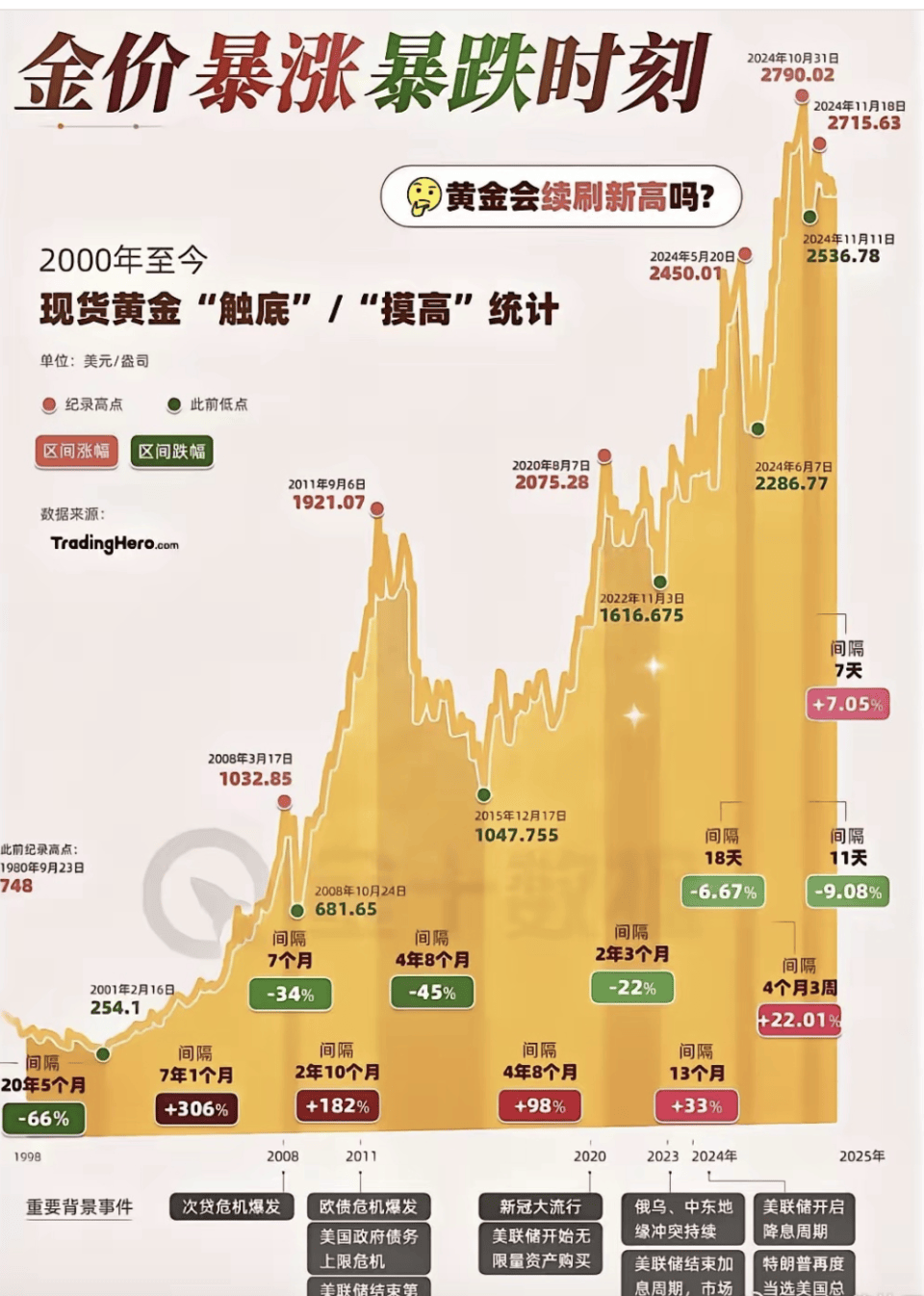
Core Viewpoint - Kevin Warsh has been nominated by Trump as the next Federal Reserve Chairman, indicating a potential shift in monetary policy direction towards a more hawkish stance, which may impact market dynamics and interest rates [1][5]. Group 1: Kevin Warsh's Economic Views - Warsh is known for his hawkish stance, opposing quantitative easing (QE), arguing that it benefits the wealthy while harming ordinary people and distorting the market [2]. - He advocates for a unique theory called "balance sheet reduction for interest rate cuts," suggesting that liquidity should not be provided through monetary easing but rather through a supply-side reform approach, reducing leverage and allowing the market to self-generate liquidity [2]. - Warsh believes inflation is a choice and that the central bank should focus more on controlling money supply and inflation expectations rather than strictly adhering to a 2% inflation target [2]. Group 2: Market Impact and Strategy - Warsh is not inclined to intervene in the market to stabilize it, which may lead to increased volatility in the stock market [3]. - The choice of Warsh over a dovish candidate like Hassett suggests a strategic move to consolidate hawkish influence within the Federal Reserve, potentially leading to a shift in consensus towards a more gradual approach to interest rate cuts [4][5]. - Warsh's appointment is seen as a way to change the game rules within the Fed, aiming to transform hawkish colleagues' perspectives on how to safely achieve interest rate reductions rather than remaining in a stalemate over whether to cut rates [6]. Group 3: Implications for Gold - The anticipated volatility in the market could lead to significant fluctuations in gold prices, with potential declines of 10% or more in a single day due to strong dollar and high real interest rate expectations [7]. - Historical trends indicate that gold prices can drop 30-40% over a year, but recover to previous highs over a decade, suggesting a long-term bullish outlook for gold as a strategic asset [8]. - Central banks globally are actively increasing their gold reserves, reinforcing the notion that physical gold serves as a strategic safeguard rather than merely a trading asset [10].
就在美联储做出暂停降息决定后,特朗普正式发声,不会让现任美联储主席连任,将任命银行高管担任这个职务,这会让美国货币政策大变吗?而从特朗普的决定看,他依然把“忠诚”作为最优先的选择,这会造成怎样的影响?日前,美联储主席鲍威尔宣布,鉴于“美国经济前景有明显改善”,因此决定暂停降息。而业内人...
Sou Hu Cai Jing· 2026-01-31 03:53
Group 1 - The Federal Reserve's decision to pause interest rate cuts is influenced by the improving economic outlook in the U.S. [1] - Trump's nomination of Kevin Walsh as the new Federal Reserve Chair indicates a shift towards a more hawkish monetary policy, prioritizing loyalty over economic theory [1][4] - Walsh's approach opposes quantitative easing and advocates for supply-side reforms, which may lead to increased market volatility if implemented [1] Group 2 - The effectiveness of the Federal Reserve's aggressive interest rate hikes followed by cuts is questioned, as it has not translated into beneficial trade outcomes for the U.S. economy [3] - Walsh's nomination is seen as a result of political loyalty rather than economic expertise, as he surpassed other candidates due to Trump's desire for control over the Federal Reserve [4] - Even with a new chair, the Federal Reserve may still refrain from significant interest rate cuts due to the ongoing economic pressures and geopolitical factors [5]