股权纠纷

Search documents
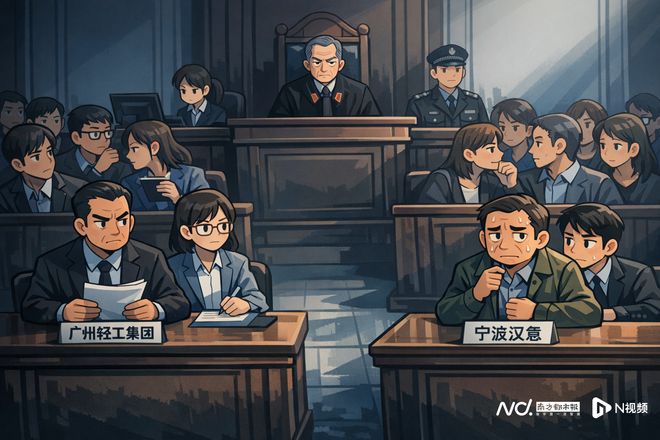
广州轻工诉良品铺子控股股东案开庭,指其两度邀约收购又爽约
Nan Fang Du Shi Bao· 2026-02-06 11:40
Core Viewpoint - The court hearing regarding the equity transfer dispute of Liangpinpuzi has commenced, with Guangzhou Light Industry Group accusing Ningbo Hanyi of intentional breach of contract, seeking nearly 20 million yuan in damages, while Ningbo Hanyi claims no breach occurred [1][2]. Group 1: Background of the Dispute - The dispute traces back to August 2024 when Ningbo Hanyi's representative contacted Guangzhou Light Industry Group to discuss the sale of shares in Liangpinpuzi, leading to a signed confidentiality agreement and a draft agreement in September 2024, which ultimately fell through due to Ningbo Hanyi's unilateral termination [3][5]. - In May 2025, Ningbo Hanyi again approached Guangzhou Light Industry Group to restart the share acquisition to resolve its debt crisis, with a deadline for agreement before June 8, 2025, when the debt was due [3][8]. Group 2: Court Proceedings and Claims - During the court session, Guangzhou Light Industry Group's lawyer stated that they had a prior purchase right for the shares based on a May 2025 agreement and requested the court to annul this agreement and award damages of approximately 19.81 million yuan [6][7]. - Ningbo Hanyi argued that the share transfer agreement was never formally established and requested the court to dismiss all claims from Guangzhou Light Industry Group, asserting that the negotiations were ongoing until the last moment [7][8]. Group 3: Financial Context and Implications - Ningbo Hanyi disclosed a debt of over 300 million yuan that was due on June 8, 2025, which was transferred to Wuhan Changjiang International Trade Group, a state-owned enterprise, as a new creditor [8][10]. - Liangpinpuzi has faced significant financial challenges, reporting its first annual loss in 2024 and projecting a net loss of 120 million to 160 million yuan for 2025, marking a year-on-year increase in losses of 160.28% to 247.04% [20].


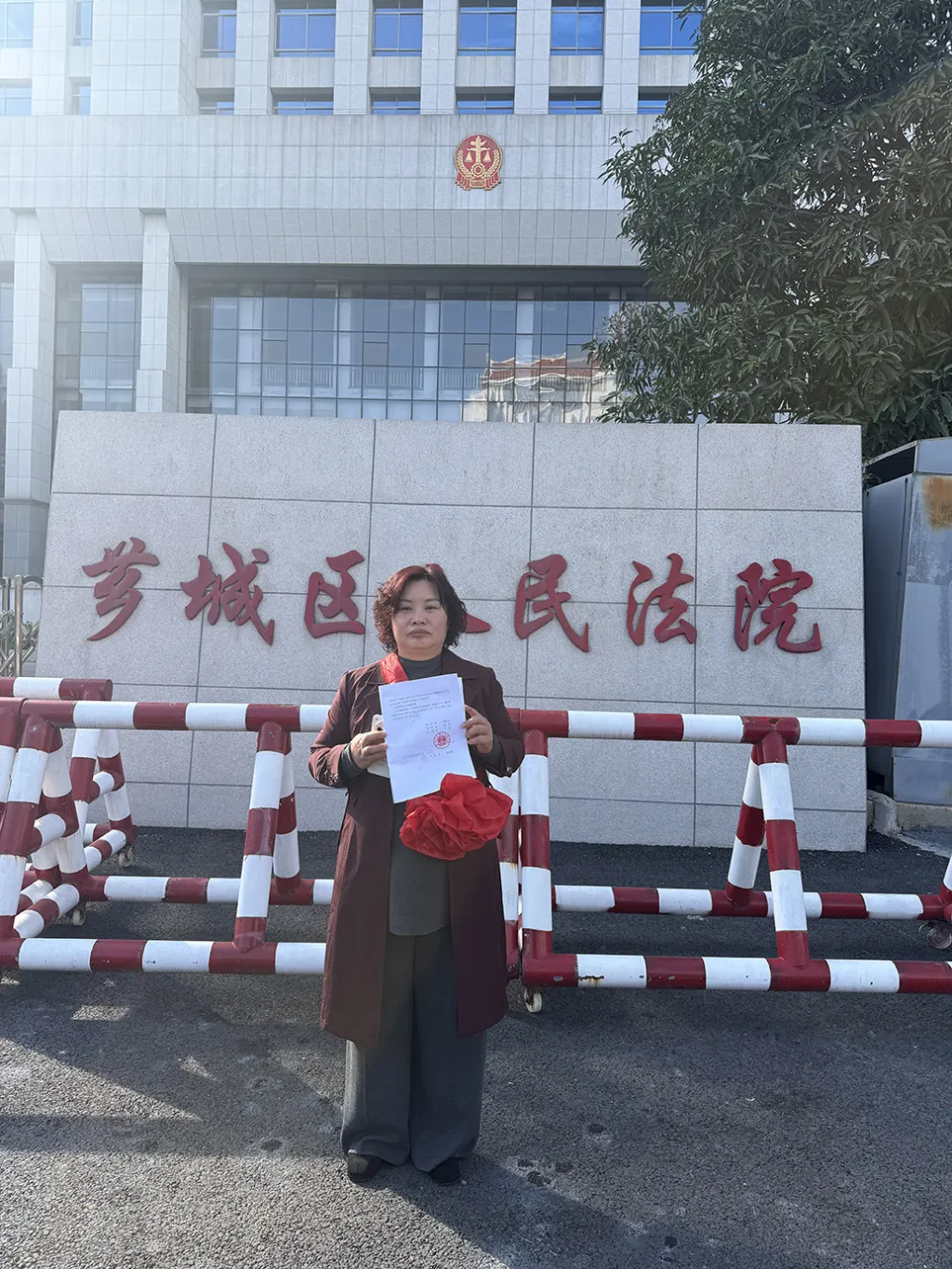
未名医药股权案二审改判:刑期罚金大减
Di Yi Cai Jing Zi Xun· 2026-01-02 12:06
Core Viewpoint - The second-instance judgment by the Zibo Intermediate People's Court on the equity dispute case of Weiming Pharmaceutical (ST Weiming, 002581.SZ) has significantly reduced the penalties for the defendants, indicating a shift in the court's interpretation of the actions taken by the defendants regarding the company's equity structure and control [2][5][6]. Group 1: Court Rulings and Defendants - The court sentenced defendant Pan Aihua to five years in prison for embezzlement and ordered him to return 12.75 million RMB to Weiming Biopharmaceutical Co., Ltd [2][5]. - Li Pengfei was sentenced to two years for forgery of state documents and one year for forgery of company seals, with fines totaling 80,000 RMB [2][5]. - The court found that the actions of the defendants did not constitute embezzlement, as the changes in equity did not result in actual financial loss to the company [6][7]. Group 2: Background of the Case - The case traces back to August 2022 when the Shenzhen Stock Exchange issued a notice regarding investor complaints about a 2.9 billion RMB investment by Hangzhou Qiangxin into Weiming's subsidiary, Xiamen Weiming, which resulted in a 34% equity stake [3][4]. - Weiming Pharmaceutical claimed that this transaction led to a significant loss of core assets and reported the matter to the Zibo Public Security Bureau [3][4]. - Following the investigation, Weiming Pharmaceutical transferred its 26.91% stake in Beijing Kexing to regain control over its assets [3][4]. Group 3: Legal Interpretation and Defense - The court determined that the investment by Hangzhou Qiangxin was an abnormal capital increase, but it did not meet the criteria for embezzlement due to the lack of actual financial damage to the company [6][7]. - The defense argued that the actions of the defendants were aimed at maintaining control over the company rather than illegally appropriating assets, emphasizing that the changes in equity did not lead to any financial loss or benefit for the defendants [8].


良品铺子股权纠纷再添变数,广州轻工硬刚:弃股权要赔偿
2 1 Shi Ji Jing Ji Bao Dao· 2025-12-26 03:24
Core Viewpoint - The ongoing legal dispute between Guangzhou Light Industry Group and Ningbo Hanyi, the controlling shareholder of Liangpinpuzi, indicates a shift in the company's ownership dynamics, with potential implications for its future operations and financial performance [1][2]. Group 1: Legal Proceedings - Guangzhou Light Industry Group has filed a lawsuit against Ningbo Hanyi, seeking to terminate a previously signed equity transfer agreement and demanding compensation totaling 20,738,596.47 yuan [1]. - The lawsuit stems from a series of agreements made earlier in the year, where Ningbo Hanyi engaged with two state-owned enterprises regarding the transfer of shares in Liangpinpuzi, leading to legal conflicts [1][2]. - The initial lawsuit included a request to freeze approximately 79.76 million shares held by Ningbo Hanyi, with a total claim amounting to 996 million yuan [2]. Group 2: Changes in Legal Strategy - Guangzhou Light Industry's recent legal strategy has shifted from seeking to enforce the contract for equity transfer to pursuing economic compensation, as indicated by their request to lift the freeze on shares and instead freeze shares valued at approximately 40 million yuan for future compensation [3]. - The updated lawsuit requests include the termination of the previous cooperation agreement and compensation for legal fees and other costs, totaling 20,738,596.47 yuan [2][3]. Group 3: Financial Performance of Liangpinpuzi - Liangpinpuzi reported a significant decline in financial performance, with a revenue of 4.14 billion yuan for the first three quarters of 2025, representing a year-on-year decrease of 24.45% [3]. - The net profit attributable to shareholders was reported at -122 million yuan, marking a staggering year-on-year decline of 730.83% [3]. - As of December 24, the stock price of Liangpinpuzi was 12.09 yuan per share, reflecting a substantial drop from its historical peak [3].
服刑7年出狱5年,始终没认罪!福建女商人林惠荣坚持申诉,今天被改判无罪:“准备申请国赔”
Mei Ri Jing Ji Xin Wen· 2025-12-23 12:11
Core Viewpoint - The Fujian Zhangzhou court has overturned the conviction of Lin Huirong, a former businesswoman, declaring her not guilty of embezzlement after new evidence emerged that undermined the original charges [1][11]. Group 1: Case Background - Lin Huirong, aged 52, was the legal representative of Jinfurong Trading (Fujian) Co., Ltd., which was established in 2010 with a registered capital of 10 million yuan [4][5]. - In 2012, conflicts arose between Lin and her partners, leading to accusations of financial misconduct and the alleged embezzlement of company assets [5][4]. - Lin was sentenced to seven years in prison in 2016 for embezzlement, with the court ruling that she had illegally transferred shares worth over 1.84 million yuan [5][4]. Group 2: Legal Proceedings - Lin consistently maintained her innocence throughout her imprisonment and continued to appeal her conviction after her release in 2020 [7][6]. - The case gained attention in legal circles, particularly regarding the definition of embezzlement in relation to share transfers [9][8]. - In May 2023, the Fujian High Court ordered a retrial, citing insufficient evidence in the original rulings [9][10]. Group 3: New Evidence and Retrial - The key turning point in the retrial was the discovery of new evidence, including a document submitted by Lin's former partners that indicated mutual agreement on asset division [10][8]. - The court found that the evidence did not support the claim that Lin had the intent to illegally possess the shares, leading to the conclusion that the original charges were unfounded [10][14]. - The final ruling emphasized the importance of evidence-based judgments and the need for judicial correction in cases of wrongful conviction [14][15].
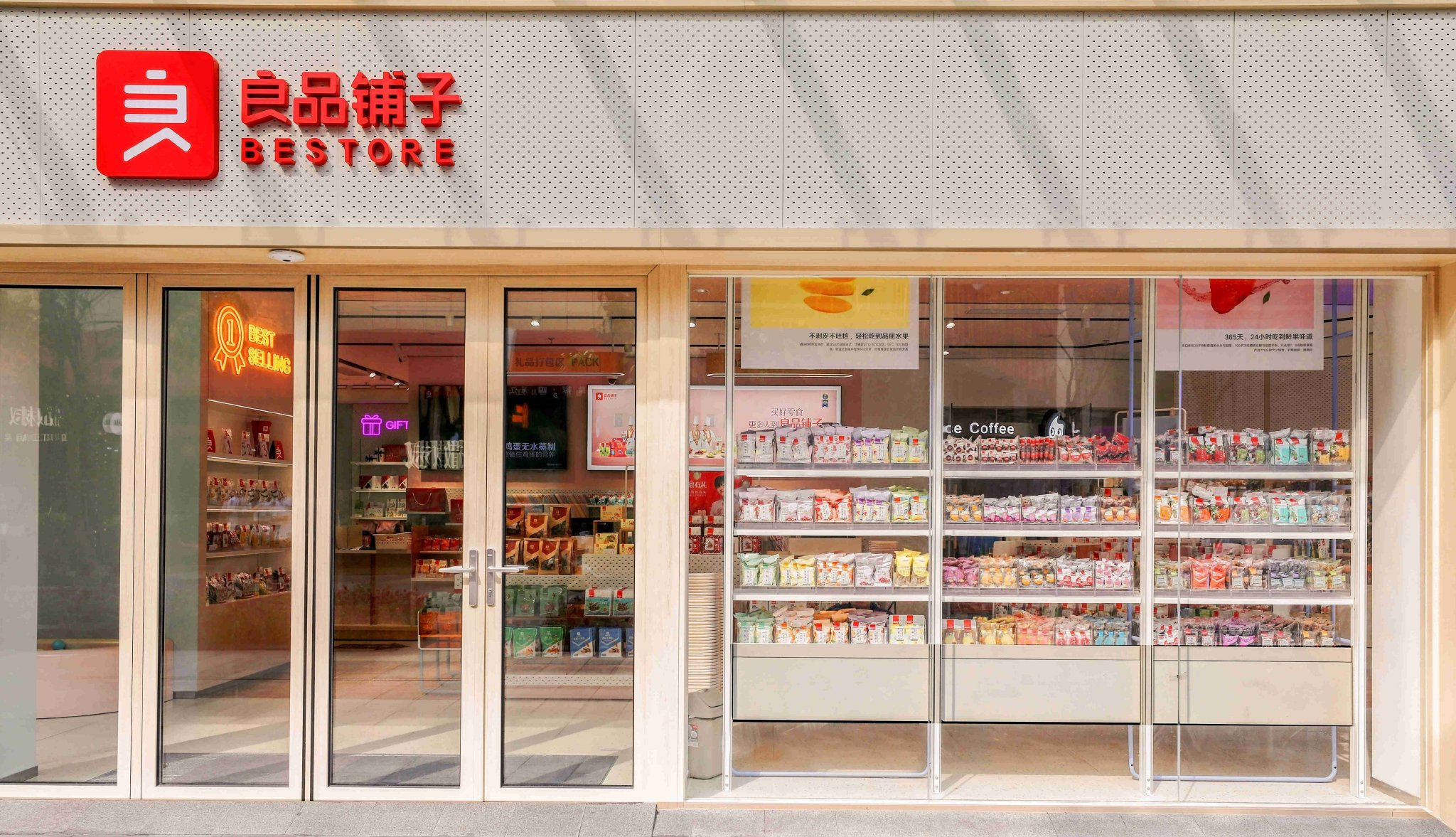
良品铺子股权纠纷再生变,广州轻工放弃收购索赔2073万
Sou Hu Cai Jing· 2025-12-18 02:05
Core Viewpoint - The ongoing turmoil surrounding the equity transfer of Liangpinpuzi has raised significant questions about the company's future, particularly regarding potential acquisition by Wuhan state-owned enterprises and the implications for its operational challenges. Group 1: Equity Transfer Dispute - The equity acquisition agreement between Wuhan state-owned Changjiang Guomao and Liangpinpuzi has been terminated due to unmet conditions [2][11] - Guangzhou Light Industry has altered its lawsuit against Liangpinpuzi's controlling shareholder, now seeking compensation for losses rather than pursuing the equity transfer [4][10] - The legal disputes stem from a previous agreement where Guangzhou Light Industry was to acquire shares to help alleviate the debts of the controlling shareholder, Ningbo Hanyi [6][8] Group 2: Company Performance Challenges - Liangpinpuzi is facing its most challenging period in 20 years, struggling with declining revenues and increased competition in the snack market [12][14] - The company has implemented significant price reductions, averaging 22% across over 300 products, but this has not successfully attracted customers back [14][15] - Financial results indicate a revenue decline of 14.76% in 2023 and a projected 11.02% drop in 2024, with a net loss of 46.1 million yuan in 2024, marking its first loss since going public [15][16] Group 3: Management Changes - The company has experienced frequent changes in its management team, which has raised concerns among stakeholders [17][20] - Recent leadership transitions include the resignation of General Manager Yang Yinfeng and the appointment of Cheng Hong, who lacks prior executive experience [18][20] - The founder, Yang Hongchun, has reassumed the role of General Manager, indicating a potential shift in strategy to address the company's challenges [20]
良品铺子股权纠纷升级,广州轻工索赔2073万并申请解除协议
Mei Ri Jing Ji Xin Wen· 2025-12-17 09:37
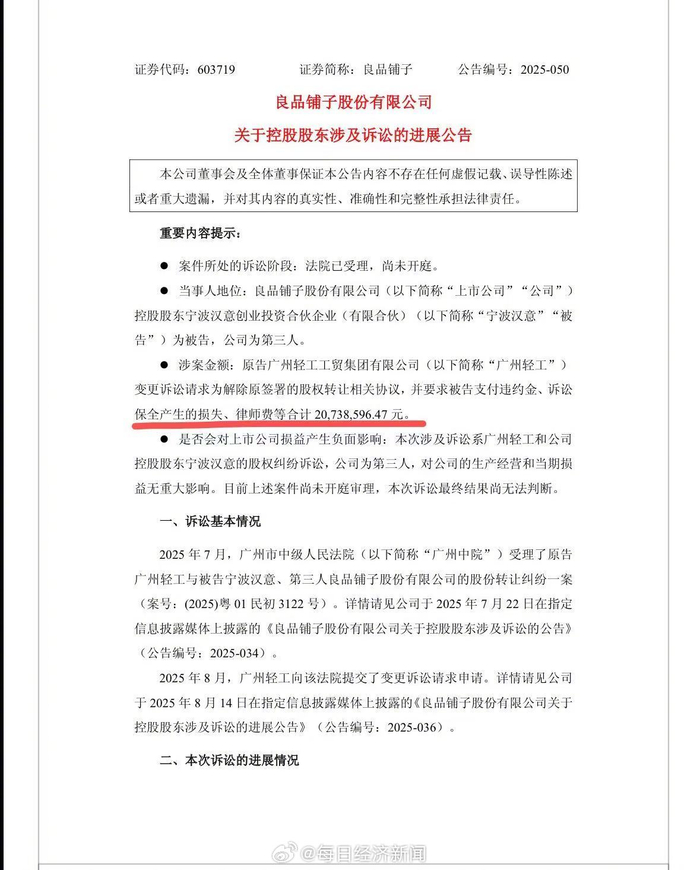
Core Viewpoint - The ongoing legal dispute involves Guangzhou Light Industry and the controlling shareholder of Liangpinpuzi, Ningbo Hanyi, with Guangzhou Light Industry seeking to terminate the original equity transfer agreement and claiming a total of 20.738 million yuan in damages [1][4][10]. Group 1: Legal Proceedings - On December 17, Liangpinpuzi announced that Guangzhou Light Industry has changed its lawsuit request to seek the termination of the original equity transfer agreement and compensation totaling 20.738 million yuan, which includes a penalty calculated at 2% of the total transfer price [1][4]. - The lawsuit was accepted by the Guangzhou Intermediate People's Court in July 2025, with the case number (2025)粤 01 民初 3122 [5]. - The court has not yet scheduled a hearing for the case, and the final outcome remains uncertain [4][10]. Group 2: Financial Implications - The lawsuit is primarily between Guangzhou Light Industry and Ningbo Hanyi, with Liangpinpuzi being a third party, and it is stated that the lawsuit will not have a significant impact on the company's operations or current financial results [2][10][12]. - Guangzhou Light Industry has requested the court to continue freezing 3.268 million shares of Liangpinpuzi held by Ningbo Hanyi, valued at approximately 40 million yuan based on the closing price of 12.24 yuan per share on December 5, 2025 [2][9]. - The total amount involved in the lawsuit, including penalties and legal fees, is approximately 20.738 million yuan, with the penalty portion adjusted to 19.813 million yuan [1][8].
良品铺子股权纠纷迎来新进展:广州轻工放弃股份索赔约2073.86万
Xin Lang Cai Jing· 2025-12-17 05:10
Core Viewpoint - The recent legal developments involving Liangpinpuzi have drawn significant market attention, as Guangzhou Light Industry Group has abandoned its request to acquire shares and is now seeking to terminate the share transfer agreement while claiming compensation of 20.7386 million yuan [1][7]. Group 1: Legal Dispute Progress - The legal dispute originated from Ningbo Hanyi's need to resolve debt issues, leading to a share transfer agreement with Guangzhou Light Industry in May 2025, where the latter aimed to acquire 79.764 million shares at a price of 12.42 yuan per share, totaling 999 million yuan [2][8]. - After failing to formalize the agreement by the set date, Ningbo Hanyi signed a new agreement with Wuhan Changjiang International Trade Group, prompting Guangzhou Light Industry to file a lawsuit and freeze the shares, which ultimately halted the transaction with Wuhan [2][8]. Group 2: Changes in Legal Claims - Guangzhou Light Industry's change in legal claims is significant, as it has not only abandoned its core request for share acquisition but also reduced its compensation claim from 32.6266 million yuan to 20.7386 million yuan [3][9]. - The asset preservation measures have been adjusted to only retain the freeze on 3.268 million shares, with an agreement for Ningbo Hanyi to replace the frozen shares with equivalent assets [3][9]. Group 3: Operational Challenges - Liangpinpuzi is facing its most severe operational challenges since its inception, reporting its first annual loss in 2024, with a 24.45% year-on-year revenue decline to 4.14 billion yuan and a net loss of 122 million yuan in the first three quarters of 2025, marking a staggering 730.83% decline [4][10]. - The company has seen a significant reduction in its store count, with 283 closures against only 65 openings in the third quarter of 2025, resulting in a net decrease of 218 stores, leaving a total of 2,227 stores as of September 30 [4][10]. - Sales across various channels have also declined, with offline franchise sales down 25.58%, direct retail sales down 19.83%, and online e-commerce sales down 14.02%, leading to an overall gross margin drop to 24.96% [4][10]. Group 4: Market Performance - Sales in key regional markets have also weakened, with declines exceeding 30% in East China, Southwest, North China, and Northwest regions, with East China experiencing a 36.33% drop [5][11]. - Despite the stabilization of the shareholding structure following Guangzhou Light Industry's withdrawal from the acquisition, the underlying operational issues remain unresolved, necessitating a focus on optimizing inefficient stores and enhancing operational efficiency [5][11].
卸任集团掌门人,宗馥莉退后一步,娃哈哈权力博弈并未结束
Hua Xia Shi Bao· 2025-11-28 13:42
Core Viewpoint - The internal power struggle within Wahaha Group has intensified following the death of founder Zong Qinghou in February 2024, with significant leadership changes and ongoing disputes over shareholding and trademark rights [2][6]. Leadership Changes - On November 27, 2024, Zong Qinghou's daughter, Zong Fuli, resigned from her positions as legal representative, chairman, and general manager of Wahaha Group, with Xu Simin taking over these roles [2]. - Key personnel changes include the resignation of Vice General Manager Wang Guoxiang and the appointment of new board members Bao Minxia and supervisor Kou Jing, both closely associated with Zong Fuli's company, Hongsheng Group [2][3]. - Xu Simin, born in 1994 and a law graduate from Zhejiang University, has a background in Hongsheng Group and has held various positions within Wahaha Group since August 2024 [3]. Shareholding and Influence - Despite her resignation, Zong Fuli retains a significant 29.4% stake in Wahaha Group, maintaining substantial influence over internal decisions [2][5]. - The company has three major shareholders: Zong Fuli, the employee shareholding committee (24.6%), and the state-owned Hangzhou Shangcheng Cultural Tourism Investment Holding Group (46%) [6][7]. Internal Conflicts - Since Zong Fuli's appointment as chairman in August 2024, she has faced challenges, including employee friction and internal disputes over shareholding and trademark rights [6]. - The employee shareholding committee's 24.6% stake has become a focal point of contention, with former employees contesting a 2018 share buyback agreement [6][7]. - Zong Fuli's attempts to transfer the Wahaha trademark to Wahaha Food were unsuccessful, leading to her resignation from key positions in September 2024 due to compliance issues [7]. Future Outlook - Analysts suggest that the recent leadership changes may reflect either a strategic retreat by Zong Fuli or a result of shareholder conflicts, with implications for her influence within the company [5]. - The ongoing internal power struggle and unresolved shareholding disputes pose risks to Wahaha Group's long-term strategic planning and stability [7].
一封13年前的邮件引发5亿股权纠纷,赤子城创始人被“证婚人”告上法庭
Xi Niu Cai Jing· 2025-11-03 08:03
Core Viewpoint - A significant equity dispute has emerged involving a Hong Kong-listed internet company, which is valued at over HKD 10 billion, stemming from a 13-year-old email that highlights the complexities of early-stage partnerships and the implications for corporate governance and compliance [2][3] Group 1: Background of the Dispute - The lawsuit was filed by Wang Ping against Liu Chunhe, the founder of the company, in September 2025, claiming a 3% equity stake in the company, valued at approximately HKD 489 million based on current market valuation [2] - The dispute traces back to a critical email from 2012, where Liu Chunhe offered Wang Ping a 3% equity gift in recognition of early support, alongside a proposal for Wang to invest an additional HKD 700,000 for a 7% stake, which Wang declined [2] Group 2: Legal and Compliance Implications - Wang Ping has accused Liu Chunhe of failing to honor the equity promise during multiple financing rounds and after the company's IPO in 2019, leading to his decision to file a lawsuit after receiving no response to his requests [3] - The lawsuit raises concerns about the company's compliance with disclosure regulations, as Wang has reported to the Hong Kong Stock Exchange that the company did not disclose this significant equity commitment in its IPO prospectus, potentially concealing legal risks [3] Group 3: Company Performance Amidst Dispute - Despite the ongoing legal issues, the company continues to experience rapid growth, with a reported 13.6% year-on-year revenue increase to HKD 2.58 billion in the third quarter of 2025, and strong performance of its core social product, SUGO, in the Middle East market [3] - The company's journey from a shell company valued at HKD 30,000 to a market capitalization exceeding HKD 19 billion underscores its rapid expansion, while the blurred lines between personal relationships and business interests from its early days now pose significant compliance challenges [3]

反转!宗馥莉重拾“娃哈哈” 新一轮博弈在路上
Hua Xia Shi Bao· 2025-10-25 01:33
Core Viewpoint - The internal dynamics of Wahaha Group are complex, with recent developments indicating a potential reconciliation between the group and its stakeholders regarding the use of the Wahaha brand, following the resignation of Zong Fuli as chairman and general manager [1][4]. Group 1: Brand Strategy - Zong Fuli announced that the Wahaha brand will continue to be used in 2026, despite her previous decision to focus on her new brand, Wah Xiao Zong [1][2]. - The decision to restart the Wahaha brand comes after Zong Fuli's brief tenure with Wah Xiao Zong, indicating a strategic pivot in response to market pressures [3][5]. Group 2: Shareholder Dynamics - Wahaha Group has three major shareholders: the state-owned Hangzhou Shangcheng District Cultural Tourism Investment Holding Group (46%), Zong Fuli (29.4%), and the employee stockholding committee (24.6%), which complicates decision-making regarding brand usage [2][4]. - The recent agreement between Zong Fuli and state-owned shareholders suggests a new alignment in their business strategy, allowing for the continued use of the Wahaha brand [4][6]. Group 3: Market Challenges - The beverage market is increasingly competitive, with major players like Nongfu Spring and Yuanqi Forest engaging in aggressive pricing and product strategies, making it difficult for new brands like Wah Xiao Zong to gain traction [5][6]. - Wahaha Group faces significant challenges, including internal conflicts and external competition, which have led to a decline in brand reputation and market confidence among distributors [5][6].