股灾

Search documents
鲁政委:A股难现2015年那样的大型股灾
Sou Hu Cai Jing· 2026-02-05 00:56
Core Viewpoint - The chief economist of Industrial Bank, Lu Zhengwei, stated that a large-scale stock market crash similar to that of August 2015 is unlikely to occur in the foreseeable future [1] Group 1: Reasons for the Outlook - The first reason provided is the implementation of market stabilization mechanisms after the "9.24" incident in the A-share market [1] - The second reason is the regulatory awareness of the dangers of high leverage, leading to strict control over capital leverage since 2015 [1] - Lu Zhengwei emphasized that without leverage, it is difficult to trigger a stock market crash like that of 2015 [1]

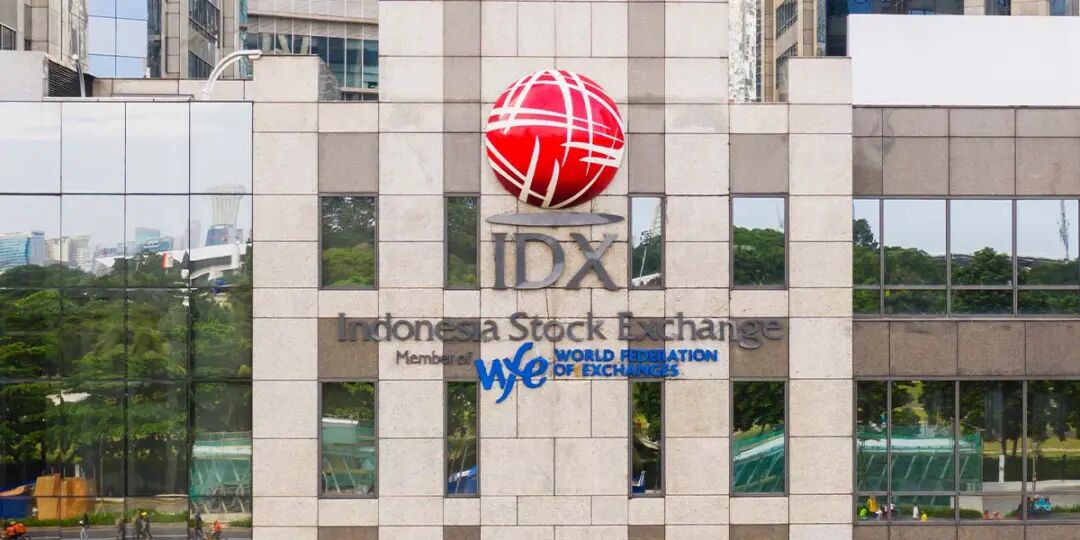
印尼突发史诗级股灾,市值蒸发超800亿,金砖成色迎大考,背后黑手是美国?
3 6 Ke· 2026-02-03 11:16
Core Viewpoint - Indonesia's stock market experienced extreme volatility starting January 28, 2026, leading to a significant market crash, with the Jakarta Composite Index (JKSE) dropping nearly 16% over two days, marking the largest decline since the 1998 Asian financial crisis [1][2][4]. Group 1: Market Performance - The Jakarta Composite Index fell by 7.35% on January 28 and continued to decline, triggering trading halts due to a maximum drop of 10% on January 29 [1][3]. - The total market capitalization of the Indonesian stock market decreased from 16,244 trillion IDR to 15,046 trillion IDR, a reduction of 7.37%, equivalent to over 800 million USD [4]. - On January 30, the index fell nearly 5%, closing at 7,922 points, with 715 stocks declining and only 65 stocks rising, indicating widespread market pressure across all sectors [1][3]. Group 2: Regulatory Changes - Following the market crash, key figures in Indonesia's financial regulatory bodies resigned, including the CEO of the Indonesia Stock Exchange and the Chairman of the Financial Services Authority, indicating a significant shift in the regulatory landscape [2][20]. - The Indonesian government announced emergency regulatory reforms aimed at addressing the core issues highlighted by MSCI, including increasing the minimum free float requirement for listed companies from 7.5% to 15% [17][18]. Group 3: External Influences - The crash was triggered by a warning from MSCI regarding fundamental investability issues in the Indonesian stock market, which could lead to a downgrade from emerging market status to frontier market status if not addressed by May [9][10][25]. - External macroeconomic factors, including a strong US dollar and declining commodity prices, further exacerbated the situation, leading to increased pressure on the Indonesian rupiah and contributing to foreign capital outflows [13][14][26]. Group 4: Market Sentiment and Future Outlook - The market's reaction to MSCI's warning led to panic selling, with significant foreign capital withdrawal, which is expected to continue unless reforms are effectively implemented [10][26]. - Financial institutions are divided on the effectiveness of the government's measures, with some optimistic about short-term stabilization while others remain cautious due to ongoing uncertainties regarding MSCI's evaluation [22][26].

这次牛市什么时候结束
集思录· 2025-08-21 13:52
Core Viewpoint - The article discusses the current state of the stock market, suggesting that a bull market may be nearing its end, with various indicators being analyzed to support this view [1][2][6]. Group 1: Market Indicators - A total of 17 indicators are used to quantify market tops, with only 3 currently met, indicating caution in the market [1]. - The highest performing index, the CSI 500, has seen a 46% increase since its low in February 2024, raising questions about the sustainability of the bull market [2]. - Historical comparisons are made to the 1999 market surge, suggesting that the current bull market may be entering its latter stages, potentially leading to a prolonged bear market [6]. Group 2: Market Sentiment - There is a general sentiment that the market is not yet in a state of euphoria, as evidenced by a lack of widespread stock discussions among peers [3]. - The article highlights that many retail investors are attempting to time the market, which is often seen as a challenging strategy [4]. - The notion that economic conditions may dictate the end of the bull market is discussed, with the idea that a recovering economy could signal a market downturn [3][4]. Group 3: Future Outlook - Speculation exists about the possibility of a slow bull market continuing until economic conditions improve [5]. - Concerns are raised about the potential for a market crash similar to that of 2015, emphasizing the need for market management to prevent significant societal impacts [6].

半仓等股灾
集思录· 2025-07-27 14:16
Core Viewpoint - The article discusses the current market sentiment around the 3600-point level, emphasizing the importance of strategy in stock trading and the cyclical nature of bull and bear markets [1][2]. Group 1: Market Sentiment and Strategy - Investors are currently cautious, with many holding half positions in anticipation of market movements, reflecting a mix of optimism and wariness about potential downturns [2][19]. - The experience of past bull markets suggests that older investors may be overly cautious, potentially missing out on gains as new investors enter the market [2][3]. - The article highlights the importance of having a clear strategy, advising investors to buy and sell based on their plans rather than reacting to news, especially government interventions [2][10]. Group 2: Investment Approaches - Some investors are adopting a mixed approach, balancing between stocks and other assets like convertible bonds and gold ETFs, regardless of market fluctuations [13]. - The sentiment around waiting for a market crash to buy is seen as risky, with some investors preferring to maintain a half position as a cautious strategy [19]. - The discussion includes the potential for significant market movements driven by macroeconomic factors, such as government policies and liquidity in the market [14][18].