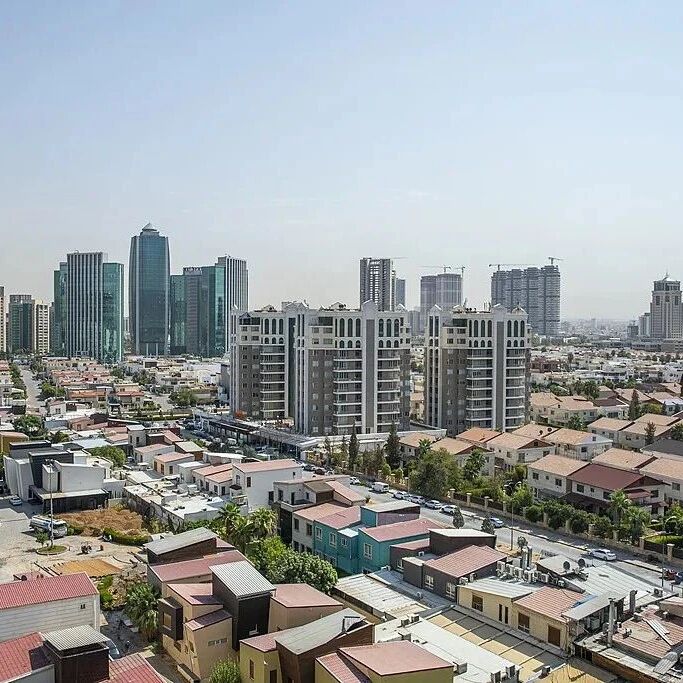
能源供应中断

Search documents
油价涨了你心疼钱包,但有个东西涨价了你该心疼命
虎嗅APP· 2026-03-31 09:19
Group 1: Oil Price Surge - The article discusses the surge in oil prices due to geopolitical tensions, particularly the closure of the Strait of Hormuz, which is a critical passage for global oil and gas supply [5][6]. - As of March 25, the average gasoline price in the U.S. reached $3.98 per gallon, a $1 increase (34%) from the previous month [4]. Group 2: Helium Shortage Crisis - The article highlights a looming helium shortage as a consequence of the geopolitical situation, with Qatar, which supplies about 30% of the world's helium, facing production disruptions [6][7]. - Helium prices have reportedly doubled, and there are concerns that the current helium supply could be depleted within weeks due to storage limitations [6][7]. Group 3: China's Helium Dependency - China's helium dependency is alarmingly high, with an external reliance rate of 83.51% projected for 2024, consuming approximately 25.7 million cubic meters while only producing 448,500 cubic meters domestically [7]. - Qatar is the dominant supplier, accounting for 61.80% of China's helium imports, indicating a fragile supply chain [7]. Group 4: Helium's Unique Properties and Applications - Helium is essential in various high-tech applications, such as MRI machines, which require it for cooling superconductors [16]. - The article emphasizes that helium's unique properties make it irreplaceable in many critical fields, leading to increased demand and highlighting the urgency of the supply issue [15][16]. Group 5: Global Helium Reserves and Future Outlook - The total global helium reserves are estimated at 7.3 billion cubic meters, with current consumption rates suggesting that these reserves could be exhausted within 20 years [18]. - The article warns that the depletion of helium resources could have severe implications for industries reliant on this gas, prompting a search for alternative solutions [22].


地缘扰动加剧,供应预期收缩
Hua Tai Qi Huo· 2026-03-24 06:28
1. Report Industry Investment Rating - Not provided in the given content 2. Core Viewpoints of the Report - The escalation of the Iran situation and the non - opening of the Strait of Hormuz have led to concerns about energy supply disruptions, pushing up chemical prices [2] - On the supply side, the supply of raw material propane has tightened again, increasing the expectation of PDH device maintenance and reducing the supply of propylene. On the demand side, downstream enterprises mainly replenish inventory at low prices, but some have reduced production due to profit issues. In the short term, the supply - demand situation of propylene remains tight, and price support exists before the Strait of Hormuz resumes navigation [2] - The recommended strategy is to cautiously go long on hedging on the single - side, and there is no recommendation for cross - period and cross - variety operations [3] 3. Summary According to Relevant Catalogs 3.1 Propylene Basis Structure - The closing price of the propylene main contract is 9859 yuan/ton (+1019), the East China spot price of propylene is 9300 yuan/ton (+650), the North China spot price of propylene is 9075 yuan/ton (+495), the East China basis of propylene is - 559 yuan/ton (-369), and the Shandong basis of propylene is - 784 yuan/ton (-524) [1] - Figures related to this part include the closing price of the propylene main contract, East China basis, Shandong basis, 05 - 06 contract spread, 05 - 07 contract spread, and market prices in East China, Shandong, and South China [5][6][12][13][16] 3.2 Propylene Production Profit and Operating Rate - The propylene operating rate is 71% (+0%), the difference between propylene CFR in China and naphtha CFR in Japan is 60 dollars/ton (+85), the difference between propylene CFR and 1.2 propane CFR is - 168 dollars/ton (-67), and the import profit is - 1225 yuan/ton (-532) [1] - Figures related to this part include the difference between propylene CFR in China and naphtha CFR in Japan, propylene capacity utilization, PDH production gross profit, PDH capacity utilization, MTO production gross profit, methanol - to - olefin capacity utilization, naphtha cracking production gross profit, crude oil main refinery capacity utilization, the difference between South Korea FOB and China CFR, and propylene import profit [5][19][23][26][27][30] 3.3 Propylene Downstream Profit and Operating Rate - PP powder operating rate is 27% (-4.13%), production profit is - 125 yuan/ton (+305); epoxy propane operating rate is 76% (-1%), production profit is 31 yuan/ton (-368); n - butanol operating rate is 83% (-2%), production profit is 1262 yuan/ton (+294); octanol operating rate is 88% (-3%), production profit is 758 yuan/ton (+144); acrylic acid operating rate is 72% (-5%), production profit is 4609 yuan/ton (+0); acrylonitrile operating rate is 75% (+1%), production profit is - 16 yuan/ton (+15); phenol - acetone operating rate is 87% (+1%), production profit is 16 yuan/ton (+408) [1] - Figures related to this part include the production profit and operating rate of PP powder, epoxy propane, n - butanol, octanol, acrylic acid, acrylonitrile, and phenol - acetone [5][36][37][42][49][50][53][57] 3.4 Propylene Inventory - The on - site inventory of propylene is 46360 tons (+2100), and the figures related to this part include propylene on - site inventory and PP powder on - site inventory [1][5][60]
突然,暴涨35%!伊朗导弹,再度击中!
券商中国· 2026-03-19 10:28
Core Viewpoint - Energy prices have surged significantly due to escalating tensions in the Middle East, particularly affecting natural gas and oil prices, with European natural gas prices rising over 100% since the onset of the Iran conflict [1][3][4]. Group 1: Natural Gas Market - European natural gas prices saw a dramatic increase, with the Dutch TTF natural gas futures for April rising by 35% to a peak of 74 euros per megawatt-hour, before settling at a 25.5% increase at 68.61 euros per megawatt-hour [1][3]. - The conflict in Iran has led to significant supply concerns, with the Qatar Ras Laffan gas facilities suffering missile attacks, which could keep European and Asian natural gas prices elevated for an extended period [3][4]. - The Ras Laffan industrial city, which produces about 20% of the world's liquefied natural gas, has faced severe damage, complicating recovery efforts and potentially leading to prolonged supply disruptions [3][5]. Group 2: Oil Market - Brent crude oil futures surged over 8%, surpassing $111 per barrel, driven by geopolitical tensions and attacks on oil facilities in the region [2][3]. - The attacks on the Ras Laffan gas facilities and the MINA AL-AHMADI refinery in Kuwait have raised concerns about the stability of oil supply, contributing to the price increases [2][3]. - The Samref refinery in Saudi Arabia was also targeted, indicating a broader trend of attacks on energy infrastructure in the region, which could further impact global oil prices [6]. Group 3: Market Reactions - Energy stocks in Europe experienced a collective rise, with companies like Equinor up by 8%, Harbour Energy by over 4%, and BP by nearly 3%, reflecting investor sentiment amid rising energy prices [3]. - The ongoing geopolitical tensions and supply chain disruptions are expected to keep energy prices high, particularly as Europe approaches the summer months needing to replenish gas inventories [4].

印度与伊朗紧急谈判
第一财经· 2026-03-14 12:08
Core Viewpoint - The ongoing conflict in the Middle East is causing significant disruptions to India's energy supply, which may lead to a slowdown in economic growth. Group 1: Energy Supply and Economic Impact - India has approximately 20 oil tankers stranded near the Strait of Hormuz due to the ongoing conflict, prompting urgent negotiations with Iran to ensure safe passage for these vessels [1] - As the world's second-largest importer of liquefied petroleum gas (LPG), India relies heavily on imports, with two-thirds of its LPG sourced from abroad, and 85% to 90% of this coming from the Middle East [3] - India is also the fourth-largest buyer of liquefied natural gas (LNG), with about half of its LNG imports originating from the Middle East [3]

印度被曝与伊朗紧急谈判
中国能源报· 2026-03-14 11:06
Core Viewpoint - Ongoing conflicts in the Middle East may lead to a slowdown in India's economic growth due to disruptions in energy supply, as India heavily relies on imports for its energy needs [1]. Group 1: Energy Supply and Economic Impact - India has approximately 20 oil tankers stranded near the Strait of Hormuz due to the ongoing Middle East conflict, prompting urgent negotiations with Iran to ensure safe passage for these vessels [1]. - As the world's second-largest importer of liquefied petroleum gas (LPG), India imports two-thirds of its LPG, with 85% to 90% of these imports sourced from the Middle East [1]. - India is also the fourth-largest buyer of liquefied natural gas (LNG), with about half of its LNG imports coming from the Middle East [1].

道达尔能源、科威特国家石油公司等多家能源企业停减产
第一财经· 2026-03-13 09:20
Core Viewpoint - The ongoing military conflict in the Middle East, particularly the U.S. and Israel's actions against Iran, has led to significant production halts and reductions among major energy companies operating in the region [1][2] Group 1: Impact on Major Energy Companies - TotalEnergies has announced a halt or reduction in oil and gas production in Qatar, Iraq, and the UAE, affecting approximately 15% of its global output due to the prolonged conflict [1] - The Abu Dhabi National Oil Company temporarily closed the Ruwais refinery following an attack, with the UAE being the third-largest oil producer in OPEC, producing over 3.5 million barrels per day as of January [1] - Kuwait Petroleum Corporation reported facing "force majeure" due to threats to shipping safety in the Strait of Hormuz, leading to reductions in crude oil and refining output [1] Group 2: Qatar's LNG Production - Qatar, as one of the top three global LNG exporters, has nearly all of its liquefied natural gas transported through the Strait of Hormuz, accounting for about 20% of global supply [2] - QatarEnergy announced the suspension of operations at its LNG production facilities in Ras Laffan due to attacks on facilities and disruptions in shipping through the Strait of Hormuz [2]


卡塔尔:若战争持续数周,海湾国家将被迫停产,未来三周油价恐飙至150美元
凤凰网财经· 2026-03-07 10:55
Core Viewpoint - The escalation of conflict in the Middle East is pushing the global energy supply system to a critical point, with potential widespread economic impacts if production is halted in Gulf countries [1][8]. Group 1: Oil Price Surge - The warning from Qatar's Energy Minister led to a significant market reaction, with Brent crude oil prices rising by 12% to $94.41 per barrel and WTI crude oil increasing by over 17% to $92.37 per barrel, marking a weekly increase of 35%, the largest in history [1]. - As of the latest update, Brent crude is priced at $92.9 and WTI at $91.3 [1]. Group 2: Commodity Market Reaction - The rise in oil prices has triggered a broader rebound in the commodity market, with the Bloomberg Commodity Spot Index increasing by 3.7%, reaching a historical high of 701.5756 points, the largest increase since July 2022 [2]. Group 3: LNG Supply Challenges - Qatar's Energy Minister indicated that even if the conflict ceases immediately, it would take "weeks to months" to restore normal LNG deliveries [7]. - If the Strait of Hormuz remains closed, oil prices could soar to $150 per barrel and natural gas prices could reach $40 per million British thermal units, nearly quadrupling pre-war levels [7]. Group 4: Production and Logistics Issues - Following an attack on Qatar's Ras Laffan facility, QatarEnergy declared force majeure, complicating the recovery timeline for LNG exports [9]. - The ongoing conflict has led to a near halt in shipping through the Strait of Hormuz, with significant increases in insurance rates and a general reluctance among shipowners to navigate the area [10]. Group 5: Broader Economic Implications - The disruption in the Strait of Hormuz, a critical route for oil and gas, could have cascading effects on multiple supply chains, impacting global GDP growth and leading to increased energy prices and product shortages [13]. - European markets, while less reliant on Qatari exports, will still face significant pressure as Asian buyers compete for limited LNG supplies, driving up prices [13].
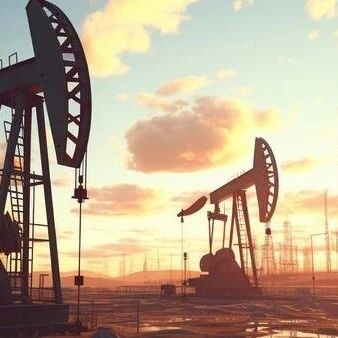
“海湾地区所有能源出口国或在数周内停止油气生产”
中国能源报· 2026-03-06 12:44
Core Viewpoint - Qatar has halted liquefied natural gas (LNG) production, and it may take weeks to months to return to normal supply levels even if conflicts cease [3][4]. Group 1: Production Impact - Qatar's Energy Minister, Saad al-Kaabi, indicated that all energy-exporting countries in the Gulf region might stop oil and gas production within weeks [4]. - The decision to suspend LNG production was made after drone attacks targeted two energy facilities on March 2 [4]. - Qatar holds the world's third-largest natural gas reserves, contributing approximately 20% to global LNG supply [4]. Group 2: Future Projections - In 2025, Qatar is projected to export 82 million tons of LNG [4].

中东风险正在波及工业原材料
日经中文网· 2026-03-06 02:58
Core Viewpoint - The ongoing tensions in the Middle East are driving up international aluminum prices and causing supply shortages for industrial raw materials, including fertilizers and LNG [2][4]. Group 1: Supply Chain Disruptions - QatarEnergy has declared a "Force Majeure" affecting LNG and its derivatives due to damage from drone attacks, impacting aluminum production as well [4]. - Petronet LNG, India's largest LNG importer, has also issued a "Force Majeure" statement due to the blockade of the Strait of Hormuz, complicating LNG procurement from Qatar [4]. - Norsk Hydro's aluminum smelting plant in Qatar has halted production due to the inability to procure LNG, which is essential for power generation in aluminum production [5]. Group 2: Price Increases - The LME three-month aluminum futures price surged to approximately $3,418 per ton, marking a four-year high due to supply disruptions [5]. - Asian urea prices have increased by 20% compared to the previous week, driven by supply concerns from the Middle East, which accounts for 40% of global urea production [6]. - The price of naphtha, a key raw material for producing plastics, has risen by 23% in Japan, with about 40% of Japan's naphtha imports sourced from the Middle East [7]. Group 3: Market Implications - If the Strait of Hormuz remains blocked for an extended period, there may be significant challenges in procuring urea, leading to potential price hikes in fertilizers [6]. - The supply of helium, crucial for semiconductor manufacturing, has been affected as QatarEnergy has ceased helium supplies, although companies have alternative sources and inventories [8].
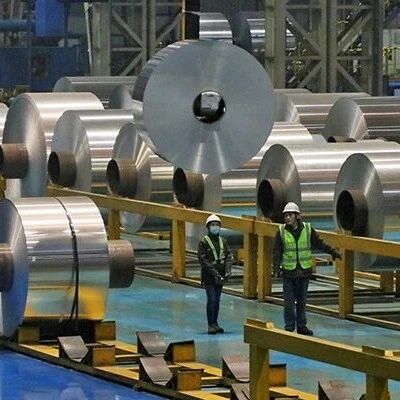
伊拉克发电量损失约4500兆瓦
中国能源报· 2025-12-26 02:00
Group 1 - Iran's gas supply interruption has resulted in a loss of approximately 4,500 megawatts in Iraq's power generation capacity [1][2] - Iraq's total power generation is currently around 17,000 megawatts, significantly impacted by the cessation of Iranian gas supply [1] - The reasons for the gas supply disruption include technical issues and increased domestic energy demand in Iran due to cold winter weather [1][2] Group 2 - The gas supply halt has affected both Baghdad and central regions of Iraq, with limitations also imposed on the southern regions [3]