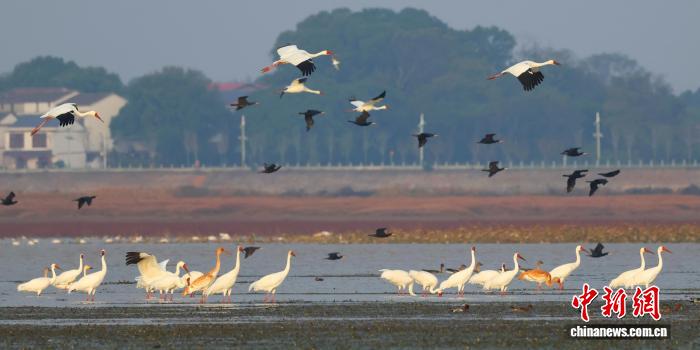
观鸟经济

Search documents
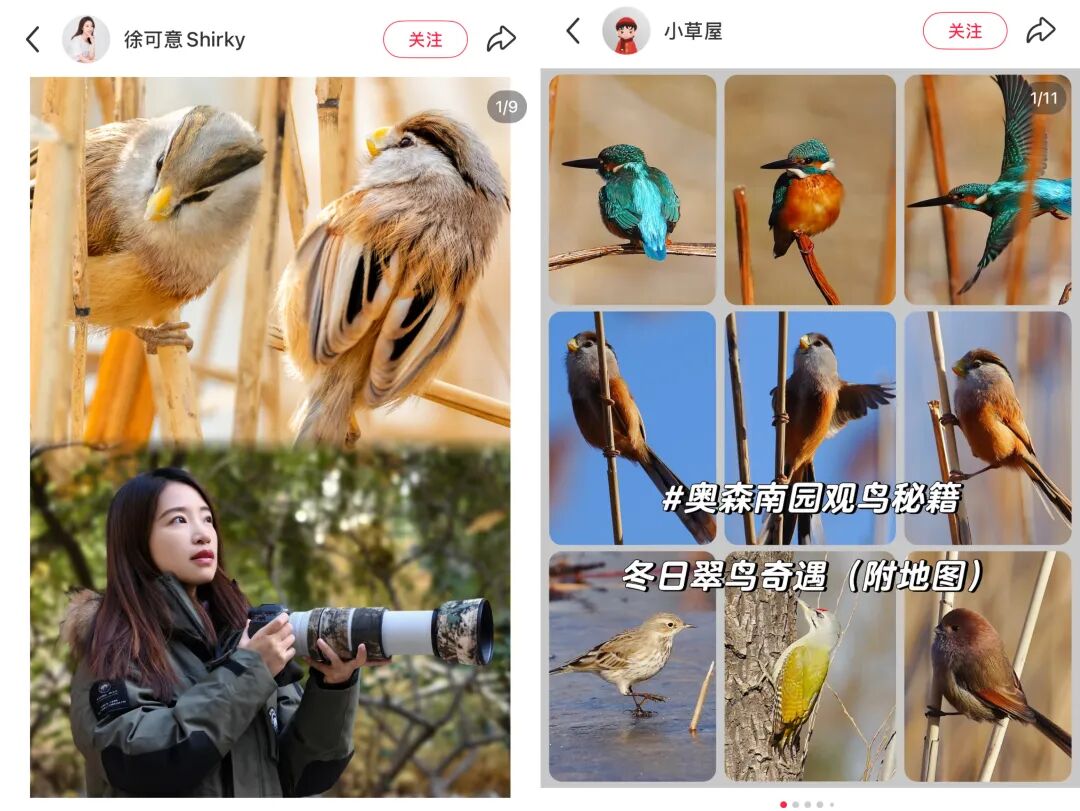
播放量超10亿,年轻人纷纷掉入“鸟门”
3 6 Ke· 2026-02-26 23:14
Core Insights - The interest in birdwatching has surged among young people, transforming from a niche hobby into a popular activity with significant social media engagement [3][18] - The birdwatching economy is emerging, showcasing substantial commercial potential as more young individuals participate in this activity [18][24] Group 1: Birdwatching Trends - Birdwatching has gained immense popularity on content platforms, with over 10 billion views on Douyin and 7.8 billion views on Xiaohongshu, indicating a 115.2% year-on-year growth in related content by 2025 [3][18] - Young birdwatchers are redefining the hobby, moving away from stereotypes and creating a vibrant community with their own language and culture [8][11] Group 2: Economic Aspects - The entry into birdwatching often involves purchasing equipment like binoculars, which can range from hundreds to thousands of yuan, indicating a trend towards consumer spending in this sector [22][24] - Birdwatching-related services, such as guided tours and specialized birdwatching locations (bird ponds), are emerging as new business opportunities, with some guides earning substantial daily incomes [24][23] Group 3: Community and Culture - The birdwatching community has developed its own terminology and social interactions, enhancing engagement and creating a unique cultural identity [8][11] - Young birdwatchers report a deeper connection with nature, viewing birdwatching as a transformative experience that enriches their lives [15][17] Group 4: Environmental Considerations - The rapid growth of the birdwatching economy raises concerns about sustainability and the potential negative impact on bird populations and habitats [24][25] - Balancing commercial interests with ecological preservation is crucial for the long-term viability of the birdwatching industry [24][25]

抓住越冬天鹅带来的商机
Xin Lang Cai Jing· 2026-02-20 22:46
Group 1 - The core idea of the articles highlights the booming tourism industry in Hongcun, driven by the arrival of thousands of swans from Siberia, which has transformed the village into a popular destination for tourists and photographers [1][2] - The owner of Huxi Bieyuan Homestay, Han Chunli, invested over 800,000 yuan to renovate his family home into a homestay, capitalizing on the winter tourism opportunities presented by the swans [1] - The homestay has seen high demand, especially for its traditional Northeast-style heated kang rooms, with guests even booking for the next winter season [1] Group 2 - The success of Huxi Bieyuan has inspired other villagers to renovate their homes into homestays, leading to an increase from 5 to 16 homestays in the village, creating a vibrant homestay street [2] - The village is leveraging its unique climate and the swan habitat to develop a "bird-watching economy," encouraging local residents to participate in the tourism sector and benefit from it [2] - To enhance the tourist experience, the local government is upgrading the Swan Bay scenic area, including the construction of a 2,000 square meter ice skating rink and introducing activities like camel riding and archery [2]
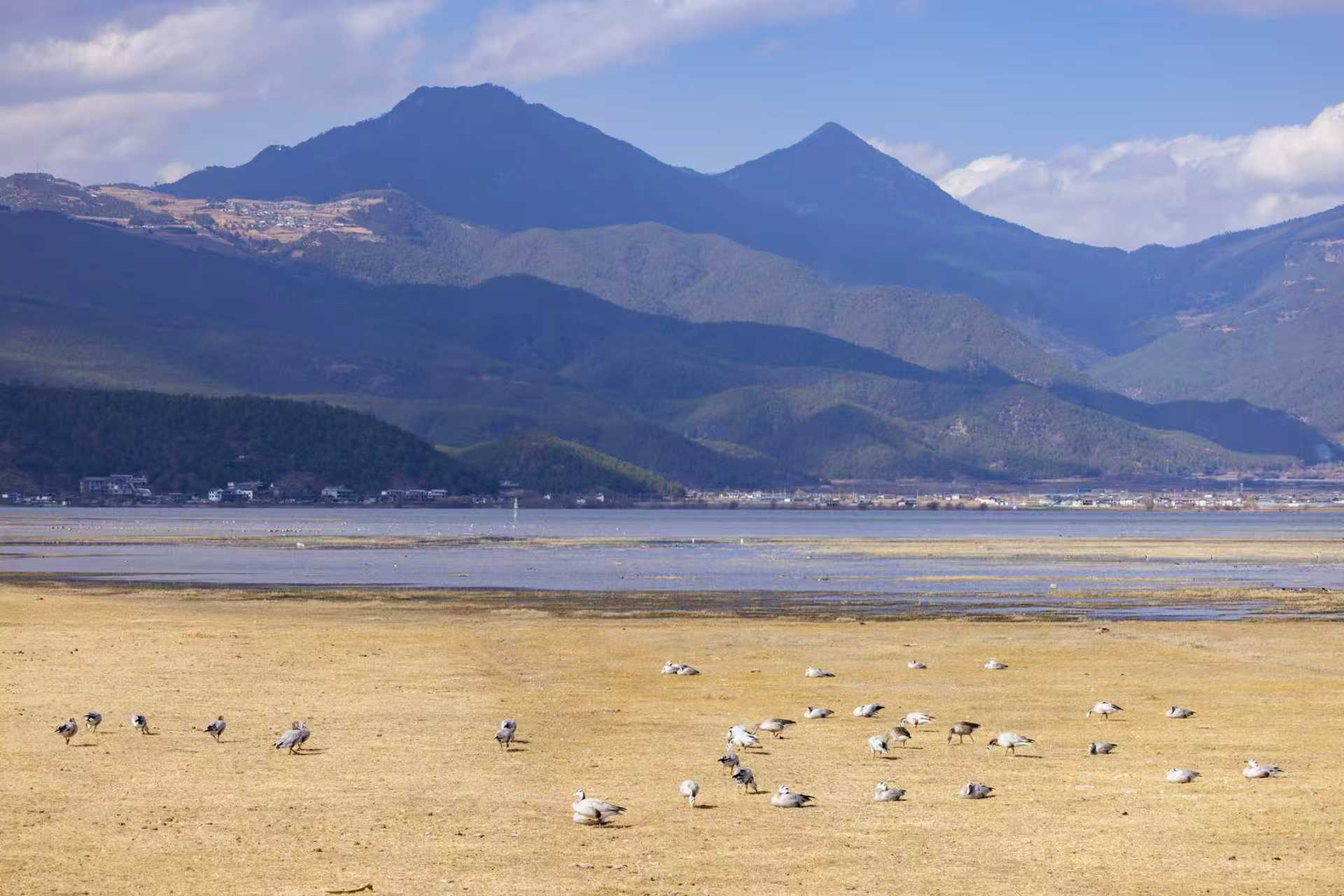
以鸟为媒筑共生——首届丽江市玉龙纳西族自治县观鸟季走笔
Zhong Guo Zi Ran Zi Yuan Bao· 2026-02-13 04:04
Core Viewpoint - The first Bird Watching Season in Lijiang's Yulong Naxi Autonomous County aims to promote ecological transformation and economic development through birdwatching activities, showcasing the region's ecological resources and fostering a harmonious relationship between humans and nature [1][2]. Group 1: Bird Watching Economy - The birdwatching economy is identified as a green, intelligent, and wealth-generating industry, emphasizing its core value in promoting local development [4]. - Over the past decade, the number of bird species recorded at Lashi Lake has increased from 233 to 341, with over 100,000 migratory birds stopping here each year, providing a solid ecological foundation for the birdwatching economy [4]. - The Bird Watching Season features a theme of "Harmony between Humans and Birds," incorporating various activities such as bird photography competitions and roundtable discussions on ecological transformation [4][5]. Group 2: Ecological Transformation and Community Involvement - Yulong County is actively developing new business models like birdwatching and wetland education, gradually establishing a distinctive brand for its cultural tourism, injecting sustainable green vitality into the local economy [6]. - Experts at the ecological transformation roundtable discussed effective paths for converting ecological resources into products, emphasizing the integration of scientific resources with educational experiences [8]. - The county promotes a collaborative governance mechanism involving government, research institutions, enterprises, and communities, ensuring local residents benefit from ecological protection efforts [11]. Group 3: Cultural Integration and Product Development - The integration of traditional Naxi culture with wetland ecological resources is highlighted through the introduction of cultural products during the Bird Watching Season [9]. - Suggestions for developing diversified ecological products include creating immersive experiences and cultural value additions to enhance the appeal of ecological tourism [8][9]. - The initiative aims to ensure that local communities are active participants in ecological protection, aligning their interests with sustainable tourism development [11].
从雪山到湖泊:人与野生动物的温暖共生
Xin Lang Cai Jing· 2026-02-06 09:38
Group 1 - The article highlights the significance of wildlife protection in West Qinghai, particularly focusing on the snow leopard breeding and rescue efforts at the only snow leopard breeding research base in China [1][3] - The city of Xining has officially launched its branding as the "Snow Leopard Capital," emphasizing its commitment to wildlife conservation [4] Group 2 - Poyang Lake serves as the largest wintering ground for migratory birds in Asia, attracting hundreds of thousands of birds each autumn and winter [6] - To address the conflict between humans and birds over food resources, local authorities are compensating farmers for crop losses and encouraging them to leave unharvested rice fields as feeding grounds for the birds [8] Group 3 - The Yangtze River dolphin, known as the "smiling angel," is critically endangered, with its population being lower than that of giant pandas due to ecological changes and human interference [10] - Since the ban on fishing in Poyang Lake began on January 1, 2020, former fishermen have been recruited into patrol teams to protect the Yangtze River dolphins, becoming known as "dolphin guardians" [13] - Recent surveys indicate a recovery in the population of Yangtze River dolphins, with numbers rising from 1,249 in 2022 to 1,426 in 2025 [15]

在观鸟中,看到绿美广东下的人与自然 | 寻美南粤⑫
Nan Fang Nong Cun Bao· 2026-02-06 08:01
Core Viewpoint - The article highlights the significance of the Zhanjiang Mangrove National Nature Reserve as a crucial stopover for migratory birds, particularly the endangered Spoon-billed Sandpiper, and emphasizes the positive impact of ecological restoration efforts on biodiversity and birdwatching activities in the region [13][14][30][35]. Group 1: Migratory Birds and Biodiversity - The migratory season for birds in Guangdong lasts from October to April, attracting numerous species to coastal and inland mudflats [3][4]. - Zhanjiang serves as an important "life supply station" on the East Asia-Australasia migratory route, with thousands of migratory birds stopping to rest and feed [13][14]. - The Spoon-billed Sandpiper, a critically endangered species with a global population of fewer than 600, is a focal point for birdwatchers in the area [17][18]. Group 2: Ecological Restoration Efforts - Zhanjiang has been actively promoting the "Mangrove City" initiative, completing over 2,600 hectares of mangrove planting and restoring more than 1,400 hectares [30][31]. - The Zhanjiang Mangrove National Nature Reserve focuses on mangrove and wetland ecological restoration, enhancing the habitat for migratory birds [32]. - Monitoring data indicates a steady increase in the number of overwintering waterbirds, with the Spoon-billed Sandpiper population rising by 86% [40]. Group 3: Birdwatching Community and Economic Impact - The article describes a birdwatching event where participants recorded at least 15 Spoon-billed Sandpipers, highlighting the rarity and excitement of such encounters [24][25]. - The growing interest in birdwatching and nature education is contributing to the development of an eco-tourism economy in Zhanjiang, transforming "green beauty" into "beautiful economy" [57][58]. - The experience of birdwatching fosters a deeper understanding and respect for nature among the public [59][60].

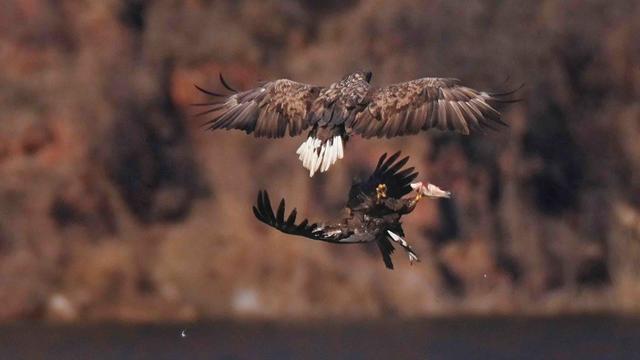
冬季到平谷看雕!餐厅推出“白尾海雕同款”套餐
Xin Lang Cai Jing· 2025-12-27 11:31
Group 1 - The white-tailed eagle, a national first-class protected species, has been observed wintering in Pinggu since the 1990s, attracting hundreds of birdwatchers and photographers each winter [3][4] - Local restaurants and hotels have capitalized on the "birdwatching economy" by offering special packages, including "eagle-themed" fish meals and discounts for birdwatchers [3][4] - The Pinggu District has seen an increase in wild bird species, with a target of 312 species by 2025, up by 34 species from three years ago [4] Group 2 - The local government has implemented facilities such as eco-friendly mobile toilets to enhance the experience for birdwatchers, demonstrating a commitment to visitor comfort [3] - Volunteer efforts include providing hot drinks and accommodation guides, as well as traffic management around birdwatching sites, contributing to a welcoming atmosphere for visitors [3] - The stable population of white-tailed eagles in Pinggu, ranging from 7 to 9 individuals, highlights the area's ecological significance and attracts nature enthusiasts [4]
观鸟经济点绿成金
Xin Lang Cai Jing· 2025-12-19 22:31
Core Insights - The city of Sanmenxia is transforming its ecological assets, particularly the return of swans, into a "beautiful economy" that harmonizes ecological protection with cultural tourism consumption [1][2] - The number of swans wintering in Sanmenxia has increased from over 2,000 a decade ago to approximately 16,000 today, with their habitats expanding along more than 100 kilometers of the Yellow River [1] - The local government has implemented various protective measures, including the establishment of a monitoring network and the creation of a "swan cafeteria" to support the swan population [1] Economic Impact - In 2024, over 10 million tourists are expected to visit Sanmenxia for the swans, driving annual tourism revenue to exceed 10 billion yuan [2] - The swans have become a valuable brand, contributing to the city's identity and attracting various cultural events throughout the year [2] - The tourism sector is experiencing significant growth, with hotel occupancy rates increasing by over 10% year-on-year and new business models emerging in the area [1] Industrial Development - Sanmenxia is simultaneously advancing its industrial transformation, focusing on high-end materials, particularly in the new materials sector, which has seen significant growth and applications in national projects [2] - The city ranks among the top in Henan province for research and development investment intensity, indicating a commitment to innovation and industrial upgrade [2] - The synergy between ecological beauty and technological advancement is driving Sanmenxia's transition towards a greener economy [2]
北京首个“飞鸟集”观鸟主题公园明天正式开放
Xin Jing Bao· 2025-11-28 05:36
Core Viewpoint - The opening of the Shihe area of the Future Science City Ecological Leisure Park in Changping District is set for November 29, creating a birdwatching paradise close to the city [1] Group 1: Park Features - The Shihe area covers a total area of 688 acres, located south of the Shihe Reservoir and adjacent to the Shihe Wetland Park [1] - The park aims to leverage the local resource of 346 bird species to create Beijing's first birdwatching-themed park, integrating birdwatching, ecological experiences, and science education [1] - The park features five major birdwatching landscapes, developed through extensive vegetation construction, including over 3,400 newly planted trees and more than 200,000 square meters of shrubs and ground cover [1] Group 2: Facilities and Layout - The park includes various facilities such as a life tower, birdwatching wall, birdwatching tents, and a bird café, along with a transformed scenic water system [1] - The overall layout consists of "one heart, one tower, two axes, and three areas," with the heart being a cultural center for birdwatchers and the tower serving as a science display and observation point [1] Group 3: Visitor Capacity and Activities - The park is designed to accommodate approximately 12,000 visitors, primarily serving local community residents, employees of the Life Science Park, and birdwatching enthusiasts [2] - Future activities will include birdwatching classes for students, bird surveys, and community bird-loving days, promoting bird science education and the development of the birdwatching economy [2]
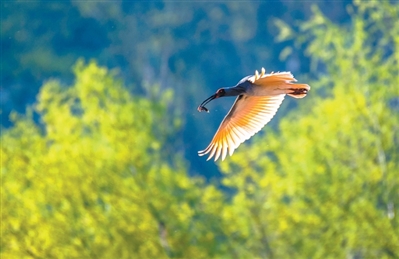
“朱鹮之乡”端起生态饭碗(我的爱鸟故事)
Ren Min Ri Bao· 2025-11-23 22:20
Core Viewpoint - The article highlights the successful conservation efforts for the endangered Japanese crested ibis in Yang County, Shaanxi Province, which has led to a significant increase in their population and has fostered local tourism and organic agriculture, creating a harmonious coexistence between humans and nature [1][2][4]. Group 1: Conservation Efforts - The Japanese crested ibis, known as a "living fossil," faced drastic population decline due to habitat destruction, with only 7 wild individuals discovered in 1981. After over 40 years of protection, the global population has now exceeded 11,000 [1]. - The conservation strategy includes local protection, habitat restoration, and community involvement, which has been crucial for the survival and reproduction of the ibis [1][2]. Group 2: Community Involvement - The establishment of the Bird-Loving Association in 2006 has significantly raised public awareness about ibis protection, with local residents actively reporting injured birds for rescue [2]. - The presence of the ibis has become a part of local life, with villagers witnessing their nesting and feeding habits, enhancing community engagement in conservation [2]. Group 3: Economic Impact - The influx of birdwatching tourists has led to the development of a comprehensive industry chain, including bird guides and local accommodations, generating substantial income for the community [4]. - In 2022, Yang County received 6.38 million tourists, resulting in a tourism revenue exceeding 4 billion yuan [4]. - The strict ecological protection measures have also fostered the growth of organic agriculture, with 115 certified organic products and an industry output value surpassing 5.5 billion yuan [4].
候鸟带来“生态流量” 多地发展“观鸟+”融合业态
Zhong Guo Xin Wen Wang· 2025-11-18 07:17
Core Insights - The article highlights the emergence of a "birdwatching economy" in Jiangxi Province, China, driven by the migration of birds and the increasing popularity of birdwatching tourism [1][3]. Group 1: Economic Impact - The birdwatching tourism has led to significant economic growth in local areas, with one homestay reporting a 60% increase in revenue during the peak season [3]. - The birdwatching economy has generated over 30 million yuan in annual revenue from related forest economy activities [3]. - In 2024, regions like Wuyuan and Yugan are expected to attract over 700,000 tourists, generating economic benefits exceeding 100 million yuan [5]. Group 2: Tourism Development - Jiangxi Province has developed a tourism model that integrates birdwatching, science popularization, and leisure tourism, resulting in over 200 homestays and farms participating in this economy [3]. - New tourism routes such as "birdwatching study tours" have been introduced, enhancing visitor experiences with customized packages for families and couples [5]. - The rise of new business models, including birdwatching guides and meal delivery services, is evident in various regions, indicating a diversification of the birdwatching tourism sector [5]. Group 3: Future Prospects - The local government is focused on transforming ecological flow into sustainable tourism, aiming to attract both domestic and international visitors for birdwatching, photography, and educational activities [5]. - There is a call for the establishment of training bases for birdwatching tourism professionals and the exploration of certification systems for birdwatching guides to ensure sustainable practices [5].