货币财政政策

Search documents
鸽派的FOMC
Xin Lang Cai Jing· 2025-12-14 01:41
Group 1 - The Federal Reserve's current approach is to maintain higher real wages and nominal wages above nominal inflation to enhance affordability for Americans, indicating a focus on controlling inflation while supporting the labor market and strong wages [3] - The consensus view suggests that the U.S. economy will bridge the gap between income and prices by increasing income rather than lowering prices, which is seen as the only viable path forward [4] - The potential for volatility exists in the short term due to asset purchases, but the long-term outlook remains positive for the market [4][5] Group 2 - The investment strategy for risk assets related to the U.S. in 2026 is to buy on dips, with the main concern being how low the dips will be [5] - The U.S. is expected to experience a strategic contraction in foreign policy, which aligns with domestic political dynamics, emphasizing the importance of strong economic and income growth [6] - The real estate sector in China faces two potential strategies: assessing risks during the U.S. interest rate decline or attempting to contain risks at the current moment [7] Group 3 - The need for structural economic improvement in China hinges on either stabilizing resident income or stabilizing housing prices, with both factors being interdependent [7] - Historical patterns suggest that monetary and fiscal stimuli often precede conflicts, indicating that without intervention in real estate or income stabilization, the risk of escalating tensions may increase [8][9] - The focus on technological advancement and geopolitical dynamics is seen as crucial in the current economic landscape, overshadowing traditional financial metrics [9]


Ultima Markets 摩通最新展望:货币财政政策宽松支撑,2026 年美元将走弱
Sou Hu Cai Jing· 2025-11-27 08:23
Core Viewpoint - JPMorgan predicts a weakening of the US dollar by mid-2026 due to relaxed monetary and fiscal policies, but warns that accelerated market bets on future rate hikes could challenge this outlook [1][2] Group 1: Dollar Forecast - JPMorgan's currency strategists expect the dollar to decline by approximately 3% by mid-2026, stabilizing thereafter, particularly against high-yield currencies like the Australian dollar and Norwegian krone [1] - The bank's negative outlook on the dollar was established in March and has remained consistent since then [1] Group 2: Economic Factors - Anticipated interest rate cuts by the Federal Reserve, increased government spending, and concerns over government intervention in Fed decisions are supporting JPMorgan's views [2] - Despite recent rate cuts, US interest rates remain higher than those of many global central banks, attracting global investors to the US and limiting the appeal of diversifying investments outside the US [3] Group 3: Employment and Growth Risks - A rebound in the US job market or growth expectations could lead traders to dismiss the possibility of rate cuts next year and increase bets on potential rate hikes [3] - JPMorgan's analysts note that if US economic growth improves enough to end current easing policies, the bank would shift to a bullish outlook on the dollar [3] Group 4: Market Sentiment - The futures market indicates that the current rate cycle will bottom out by early 2027, with JPMorgan's economic team forecasting a rate hike of about 50 basis points in the first half of 2027 [3] - A significant portion of market participants, including nearly two-thirds of US Treasury secretaries and CFOs surveyed, predict that the Fed will raise rates next year [3]

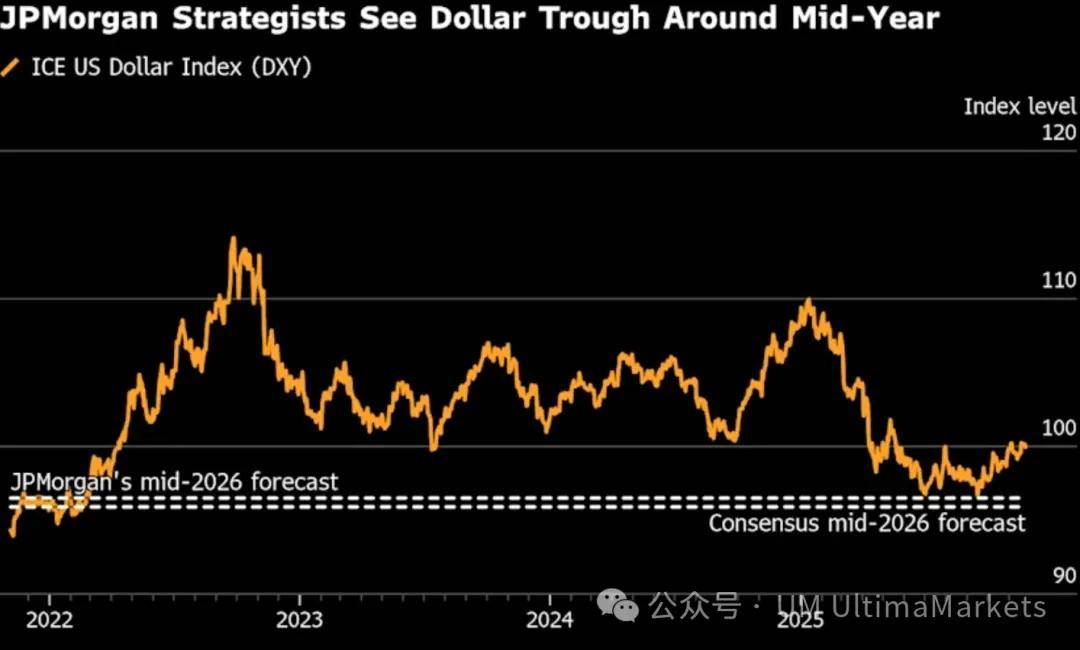
有色金属周报:银价快速上行,金银比或有空间-20250714
Tebon Securities· 2025-07-14 09:43
Investment Rating - The report maintains an "Outperform" rating for the non-ferrous metals industry [2] Core Views - Precious metals are expected to continue their upward trend, with gold prices rising by 0.53% and silver prices by 4.07% in the week of July 7-11, 2025. The gold-silver ratio has reached a maximum of over 100 this year, indicating potential for further increases in silver prices as gold prices stabilize [4] - Industrial metal prices are on the rise, with fluctuations in copper, aluminum, lead, zinc, tin, and nickel prices noted. The report highlights a significant discrepancy between Indonesia's nickel production quotas and actual output due to seasonal weather impacts [4] - Rare earth prices, particularly praseodymium-neodymium oxides, have increased, driven by a recovery in manufacturing demand. Tungsten prices are also rising, indicating a steady growth in demand for tungsten in production tools [4] - Energy metals show mixed trends, with lithium prices increasing while cobalt and nickel prices are declining. The report emphasizes the need to monitor future demand growth for energy metals [4] - The report recommends investing in the non-ferrous metals sector, particularly in precious metals, as the Federal Reserve enters a rate-cutting cycle, and domestic monetary policies are expected to support growth [4] Summary by Sections 1. Industry Data Review 1.1 Precious Metals - Gold prices have shown a consistent upward trend, with the gold-silver ratio indicating potential for silver price increases [4][5] 1.2 Industrial Metals - The report provides a detailed overview of price changes for various industrial metals, noting specific percentage changes for copper, aluminum, lead, zinc, tin, and nickel [27] 1.3 Minor Metals - Prices for rare earth metals and tungsten have increased, reflecting a recovery in manufacturing and steady demand growth [28][31] 1.4 Energy Metals - Lithium prices are rising, while cobalt and nickel prices are declining, highlighting the need for ongoing monitoring of energy metal demand [34] 2. Market Data - The report notes that the non-ferrous metals sector has seen a 1.02% increase, with specific sectors like metal new materials and precious metals showing significant gains [35] 3. Important Events Review - The report highlights significant developments in the industry, including the successful launch of a new aluminum electrolysis production line and the planned expansion of an electrolytic aluminum project [41][42]