
资本支持

Search documents
李东生:从「跟跑」到「领跑」,科技制造业需要资本「长跑」
36氪· 2026-03-26 13:46
Core Viewpoint - The semiconductor display industry in China is leading a transformative change, moving from a position of dependency on foreign technology to achieving significant advancements and self-sufficiency in manufacturing [2][6][9]. Industry Overview - China has built a complete semiconductor display industry chain over the past few decades but has faced challenges in achieving strength despite its large capacity, often relying on imports for advanced technologies [3][4]. - The "Made in China 2025" strategy initiated a focus on integrating technology with manufacturing, emphasizing innovation and positioning advanced fields like integrated circuits and semiconductor displays as key areas for development [5][6]. Market Dynamics - The domestic LCD production capacity has reached 70% of the global total, with companies like TCL and BOE leading the charge in manufacturing technology [6]. - The restructuring of the display panel industry chain has led to increased domestic production of essential materials, with some segments achieving over 60% localization [6]. Investment Landscape - Significant capital investment has been crucial for the development of the semiconductor display industry, with domestic companies raising over 300 billion yuan in the past decade for LCD competition [6][16]. - The capital market's preference for short-term returns poses challenges for long-term investments necessary for technological advancements in the manufacturing sector [7][9]. Technological Advancements - The shift towards new display technologies such as OLED and printed OLED is evident, with TCL investing heavily in the world's first mass production line for 8.6-generation printed OLED technology [19][20]. - The advantages of printed OLED technology include lower costs and higher material utilization rates compared to traditional methods, making it a promising avenue for future growth [20][21]. Competitive Landscape - The global display panel industry has seen significant shifts, with South Korean companies like Samsung and LG dominating the market through substantial government support and investment during critical periods [14][15]. - Chinese companies are now on par with their South Korean counterparts in technology, but a more systematic support structure is needed to sustain competitive advantages [17][24]. Funding Challenges - The need for long-term capital is critical as the industry faces high costs associated with technology upgrades and production line investments, with domestic companies often relying on short-term financing [29][30]. - Regulatory support and tailored financing policies are necessary to facilitate the growth of high-tech, capital-intensive industries in China [32].


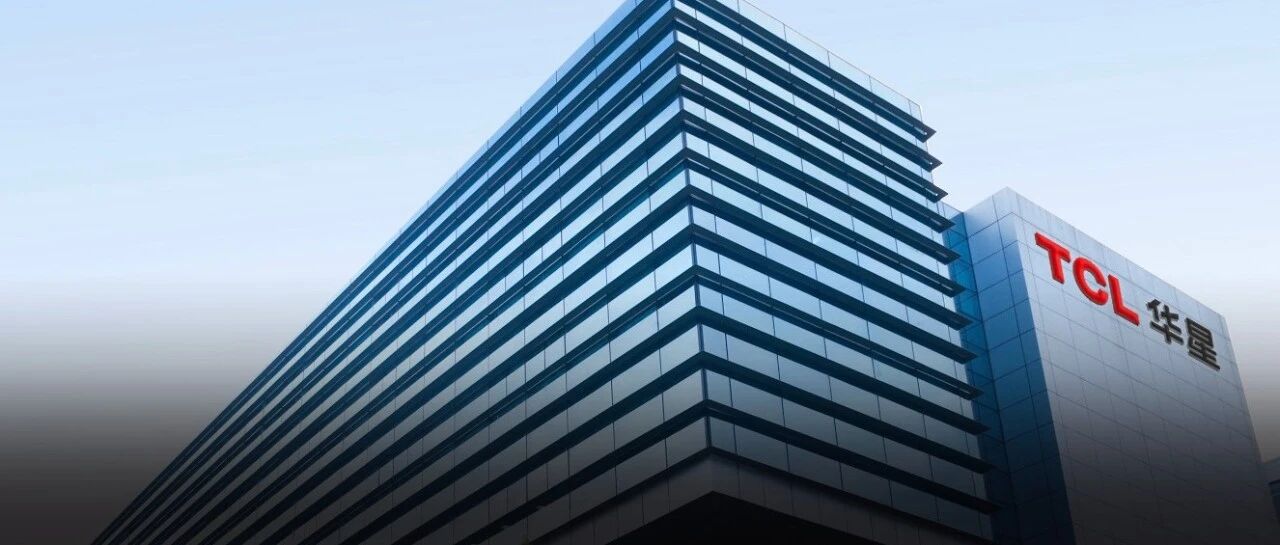
高科技、重资产、长周期:中国先进制造的资本考题
晚点LatePost· 2026-03-15 11:00
Core Viewpoint - The article emphasizes that China's advanced manufacturing, particularly in the display panel industry, requires not only technological breakthroughs but also substantial capital investment to maintain competitiveness and drive innovation [2][4][19]. Group 1: Industry Transformation - In 2023, China's panel industry has fundamentally changed its global position, with major companies like TCL and BOE dominating the traditional LCD market and aggressively pursuing high-end OLED and next-generation display technologies [2][4]. - The transformation of the industry is characterized by a long-term struggle against external technological blockades and significant industry cycle fluctuations, necessitating continuous evolution under high uncertainty [2][4]. Group 2: Capital Investment and Strategy - Companies like TCL Huaxing have chosen to bear the primary investment burden themselves, which increases financial pressure and requires strong judgment from leadership regarding industry outcomes [4][10]. - Continuous and substantial capital investment is essential for building core barriers in advanced manufacturing, whether for long-term investments during industry downturns or for exploring cutting-edge technologies like OLED and Micro LED [4][10]. Group 3: Competitive Landscape - The competition in the high-end manufacturing sector intensifies as any technological lag or production layout delay can significantly reshape the industry landscape [5][21]. - The historical context shows that Japanese companies, despite initial advantages, lost market share due to reduced investments during downturns, while Korean firms capitalized on the opportunity by increasing their investments [7][10]. Group 4: Financial Dynamics - The development of the semiconductor display industry is not only a technological evolution but also a capital competition, where companies must balance technology and capital investment [6][14]. - The high capital requirements for establishing new production lines, often exceeding hundreds of billions of yuan, highlight the significant financial barriers in the industry [14][20]. Group 5: Future Outlook - The article calls for enhanced capital market support for advanced manufacturing, indicating that the challenges faced by the panel industry are indicative of broader issues within China's advanced manufacturing sector [19][22]. - The need for more accessible and effective financing channels is crucial for Chinese companies to maintain competitiveness and achieve long-term growth in the global market [18][22].
一座城市的长期主义:用产业生态撑起下一个技术支点
远川研究所· 2026-01-08 13:37
Core Insights - The article discusses the evolution of Silicon Valley from an agricultural region to a global technology hub, driven by successive waves of technological innovation and the emergence of key companies in the semiconductor, computing, internet, and AI sectors [2][4]. Group 1: Historical Development of Silicon Valley - Before the 1950s, Santa Clara Valley was known as the "World's Fruit Basket" and not the tech hub it is today [2]. - The IPOs of Intel and AMD in 1971 and 1972 marked the beginning of a significant investment wave in the semiconductor industry, providing crucial funding for expansion and R&D [2]. - Apple's IPO in 1980 raised over $100 million, the largest since Ford's in 1956, signaling the start of the personal computing and enterprise IT era [2]. Group 2: Emergence of Key Tech Companies - Adobe, founded in 1982, represented a novel business model in software licensing [3]. - Cisco, Nvidia, Yahoo, and Google were established in the 1980s and 1990s, contributing to the diversification of Silicon Valley's tech landscape [3]. Group 3: Transition to AI Era - Nvidia has become a core player in AI computing, with its market value rising from $100 billion three years ago to over $4 trillion today [4]. - Google has diversified into cloud computing, AI applications, and AI chips, solidifying its position as a leading internet company [4]. - OpenAI, founded in 2015, has emerged as a top-tier company in the AI era [4]. Group 4: Shanghai's AI Industry Development - Shanghai has seen a surge in AI companies, with five firms going public within a month, including MuXi and BiRan Technology [6]. - The city is fostering a comprehensive AI ecosystem, from semiconductor design to application deployment, creating a positive feedback loop in the industry [9][10]. Group 5: Infrastructure and Support for AI Startups - Shanghai's AI startups benefit from a complete supply chain within a 10-kilometer radius, facilitating rapid innovation and production [10]. - The city has established a robust semiconductor industry cluster, providing essential support for AI development [10]. Group 6: Policy and Resource Allocation - Shanghai's policy shift aims to provide entrepreneurs with clearer pathways and more security, enhancing resource responsiveness [14][16]. - Initiatives like the "1 yuan office space" and "targeted apartments" are designed to extend the cash flow lifespan of startups [14]. Group 7: Talent and Ecosystem - Shanghai's talent pool, supported by local universities and international recruitment, is a significant advantage for AI startups [17]. - The city's industrial ecosystem combines manufacturing and services, allowing for unique flexibility in AI application development [20]. Group 8: Long-term Vision - The article emphasizes that the competition among cities in technology is a long-term endeavor, requiring a resilient infrastructure to support ongoing innovation [19][21]. - Shanghai is focused on aligning research, funding, regulations, and market needs to build a strong foundation for future technological waves [21].



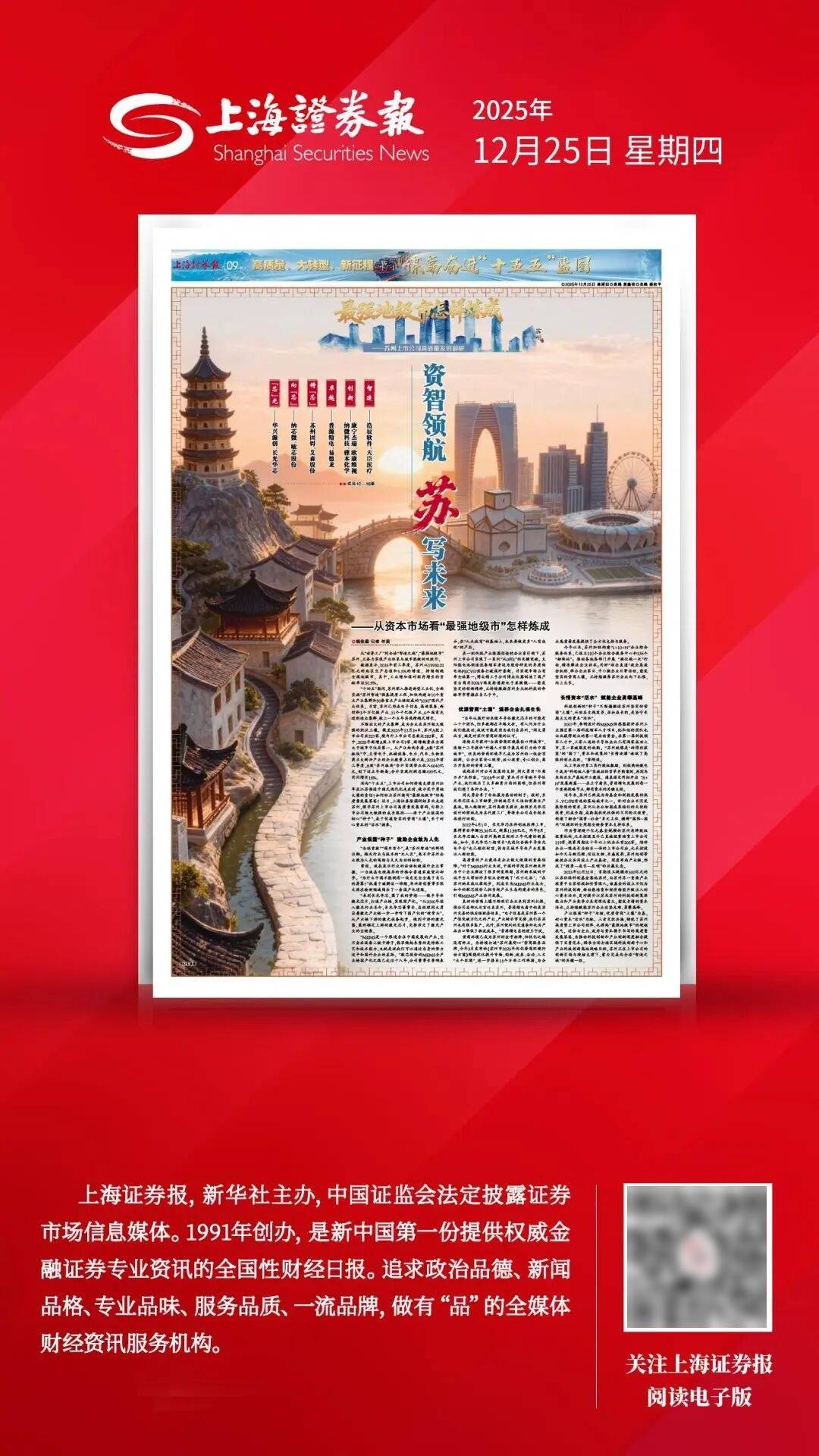
苏州,新增A股上市公司全国第一!
Sou Hu Cai Jing· 2025-12-25 08:23
Core Viewpoint - Suzhou is emerging as a leading city in China, showcasing significant growth in its capital market and industrial development, with a focus on high-quality growth and innovation in various sectors [1][5][16]. Group 1: Capital Market Performance - Suzhou Jiangtian Packaging Technology Co., Ltd. was listed on the Beijing Stock Exchange, bringing the total number of listed companies in Suzhou to 282, with 227 in the domestic A-share market, ranking fifth nationally [1][7]. - In 2025, Suzhou added 10 new A-share listed companies, the highest among major cities in China, contributing to a total of 664 billion yuan in revenue and 49.9 billion yuan in profit for the A-share "Suzhou sector," marking a 16% year-on-year profit growth [7][8]. Group 2: Industrial Development - Suzhou's GDP reached 19,930.21 billion yuan with a growth rate of 5.5% in the first three quarters of 2025, with industrial value added contributing 50.9% to economic growth [5]. - The city is advancing its "Suzhou Manufacturing" initiative, focusing on a modern industrial system comprising 10 key industrial clusters and 30 key industrial chains, achieving significant growth in high-tech sectors [5][11]. Group 3: Business Environment - Suzhou has been recognized for five consecutive years as having the best business environment in China, attracting talent and investment, which supports the growth of local enterprises [9][12]. - The city has established a comprehensive service system for enterprises, including 110 service centers and initiatives to address business needs effectively [12]. Group 4: Innovation and Investment - Companies in Suzhou are making significant breakthroughs in technology, with local firms achieving milestones in sectors like MEMS and semiconductor manufacturing, driven by a culture of innovation [8][13]. - Suzhou has become a hub for venture capital and private equity, with a robust investment ecosystem supporting companies at various growth stages, including a 500 billion yuan fund aimed at fostering technological innovation [15][16].
国投丰乐:国投种业目前重点从生物技术等方面对公司种业进行赋能
Zheng Quan Ri Bao Wang· 2025-12-19 15:45
Group 1 - The core viewpoint of the article is that Guotou Fengle (000713) is focusing on empowering its seed industry through biotechnology, capital support, resource integration, and research talent [1] Group 2 - Guotou Fengle is actively engaging with investors on interactive platforms to communicate its strategic initiatives [1]

科创板创新药企为什么能实现群体性突破?
Zhong Guo Jing Ying Bao· 2025-09-14 12:24
Core Insights - The article highlights the significant breakthroughs achieved by innovative pharmaceutical companies listed on the STAR Market, particularly in the context of the 2025 World Lung Cancer Conference, where several companies presented important research findings [1][2]. Group 1: Innovative Drug Approvals - As of now, nine domestic innovative drugs have received FDA approval in the U.S., with four of these coming from STAR Market companies, including BeiGene, Junshi Biosciences, and Dizal Pharmaceuticals [1]. - The STAR Market's registration system is seen as a key factor in identifying high-quality innovative drug companies, with a call for greater tolerance for the volatility exhibited by these firms [1][2]. Group 2: Investment and R&D Growth - Bai Li Tianheng's R&D investment increased from 181 million yuan to 375 million yuan between 2019 and 2022, with R&D expenses rising from 15% to 53% of revenue [3]. - The company successfully went public on the STAR Market in January 2023, benefiting from the market's inclusive listing standards that allow unprofitable companies to list [3][4]. Group 3: Financial Performance and Market Position - Bai Li Tianheng's strategic partnership with Bristol-Myers Squibb for its drug BL-B01D1 resulted in a total transaction value of 8.4 billion USD, marking a record for domestic innovative drug business development [7]. - The company's market capitalization exceeded 100 billion yuan, making it one of the youngest innovative drug companies in the A-share market [8]. Group 4: Clinical Trials and Drug Development - Bai Li Tianheng has over 80 clinical trials ongoing globally for its 15 candidate drugs, with a projected funding gap of 4.819 billion yuan over the next three years [9]. - The company reported a 90.74% year-on-year increase in R&D investment in the first half of 2024, reaching 1.043 billion yuan [8]. Group 5: Capital Market Dynamics - The STAR Market's efficient capital formation mechanism supports drug companies at various stages of development, facilitating a cycle of investment, cultivation, listing, exit, and reinvestment [13]. - The recent regulatory changes have expedited the refinancing process for STAR Market companies, allowing Bai Li Tianheng to raise up to 3.9 billion yuan for R&D projects in a short timeframe [12].
让更多硬科技“金种子”破土拔节
Zheng Quan Ri Bao Zhi Sheng· 2025-07-11 16:41
Group 1 - The core viewpoint emphasizes that unicorn and gazelle companies are not only key players in technological innovation but also crucial for leading the development of emerging industries and nurturing new growth drivers [1] - Recent initiatives from regions like Shanghai and Sichuan focus on supporting unicorn and gazelle companies through financial support, talent acquisition, and open scenarios [1] - According to the "World Unicorn Company Development Report 2025," nearly 30% of global unicorn companies are based in China, with 53 new unicorns emerging in 2024, primarily in hard technology sectors such as artificial intelligence, integrated circuits, and clean energy [1] Group 2 - To enhance policy precision, a tiered cultivation mechanism should be established, dynamically selecting high-potential companies based on local characteristics and providing targeted support for different stages of growth [2] - Financial capital is essential for the rapid growth and innovation of unicorn and gazelle companies, necessitating the establishment of long-term mechanisms and optimized financial resource supply to meet diverse financing needs [3] - Creating a supportive innovation ecosystem is vital, encouraging collaboration between leading companies and potential unicorns, integrating resources, and facilitating the transformation of research outcomes into market applications [4]