
金银投资

Search documents
金银狂飙 直播间“锁价券”锁住了谁
Bei Jing Shang Bao· 2026-02-26 16:47
Core Viewpoint - The recent surge in gold and silver prices has led to a new marketing strategy called "gold and silver price-lock coupons," which has sparked consumer interest but also raised concerns about potential contractual disputes and risks for both consumers and merchants [1][3][5]. Group 1: Market Trends - As of February 26, gold prices reached a high of $5205.472 per ounce and silver prices peaked at $90.34 per ounce, with year-to-date increases of over 19% for gold and 21% for silver [1]. - The high volatility in gold and silver prices has intensified consumer interest in physical gold and silver investments, leading to the emergence of the "price-lock coupon" marketing strategy [3][5]. Group 2: Price-Lock Coupon Mechanism - Merchants are using "price-lock coupons" to attract customers by allowing them to pay a deposit to secure current prices for physical gold and silver, with the promise of later payment for the remaining balance [3][4]. - The price-lock coupon model has been observed in various platforms, including live-streaming sales, where consumers can pay a deposit to lock in prices, but face strict terms regarding refunds and cancellations [4][5]. Group 3: Consumer Risks and Disputes - There have been multiple reports of merchants refusing to honor price-lock agreements when prices rise, leading to disputes where consumers are left without their purchased goods [5][6]. - Consumers have expressed frustration over merchants' refusal to fulfill orders after price increases, highlighting the potential for one-sided contractual obligations that favor merchants [6][7]. Group 4: Regulatory and Compliance Concerns - Experts warn that the price-lock coupon model may not be sustainable and could face regulatory scrutiny if it leads to widespread disputes and non-compliance with financial regulations [7][10]. - The lack of effective risk management mechanisms among merchants could exacerbate financial losses during periods of significant price volatility, raising concerns about the long-term viability of this marketing strategy [7][10]. Group 5: Recommendations for Consumers and Merchants - Consumers are advised to exercise caution when engaging in price-lock transactions, ensuring they understand the terms and conditions, including the risks of non-delivery and potential loss of deposits [9][10]. - Merchants are encouraged to establish clear pricing rules and risk management strategies to mitigate the risks associated with price fluctuations and to maintain consumer trust [10].

金银狂飙之下,直播间“锁价券”锁住了谁
Bei Jing Shang Bao· 2026-02-26 14:31
Core Viewpoint - The recent surge in gold and silver prices has led to a new marketing strategy called "gold and silver price lock coupons," which has attracted consumer interest but also raised concerns about potential contractual disputes and risks for both consumers and merchants [1][10][12]. Group 1: Market Performance - As of February 26, gold reached a peak of $5205.472 per ounce and silver peaked at $90.34 per ounce, with year-to-date increases of over 19% for gold and 21% for silver, indicating strong performance among major asset classes [1]. - The gold and silver markets have seen significant price fluctuations, with historical highs reached in late January, prompting increased consumer interest in physical gold and silver investments [10]. Group 2: New Marketing Strategies - The "gold and silver price lock coupon" has emerged as a popular sales tactic in live-streaming sessions, where merchants offer consumers the ability to lock in prices by paying a deposit [3][9]. - Merchants are using this strategy to attract customers, with some offering guarantees of authenticity and the option for consumers to verify the products [6][9]. Group 3: Consumer Risks and Disputes - There have been multiple reports of merchants refusing to honor price lock agreements, particularly when prices rise sharply, leading to disputes over deposits and fulfillment of orders [11][12]. - Consumers have expressed frustration over merchants' refusal to deliver products after price increases, highlighting the risks associated with the price lock model [11][12]. Group 4: Regulatory and Compliance Concerns - Experts warn that the price lock model may not be sustainable, as it relies on stable or slightly fluctuating prices; significant price increases could lead to widespread fulfillment issues and damage merchant reputations [13][15]. - There are concerns about the potential regulatory implications of this model, especially if it resembles unauthorized financial transactions, which could attract scrutiny from regulatory bodies [14][16].
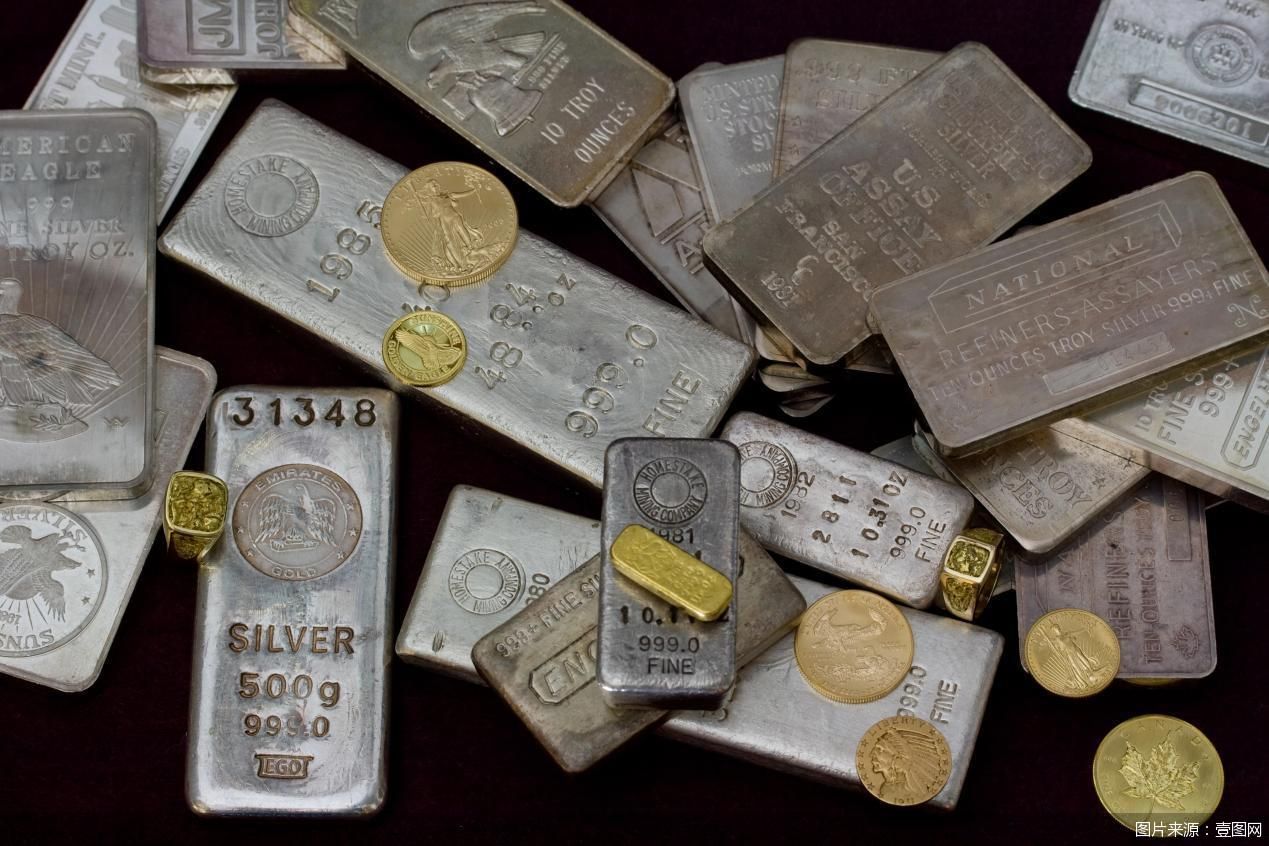
金银还能不能买?答案只有一个:看你是想配置保险,还是想赌短线
Sou Hu Cai Jing· 2026-02-13 10:46
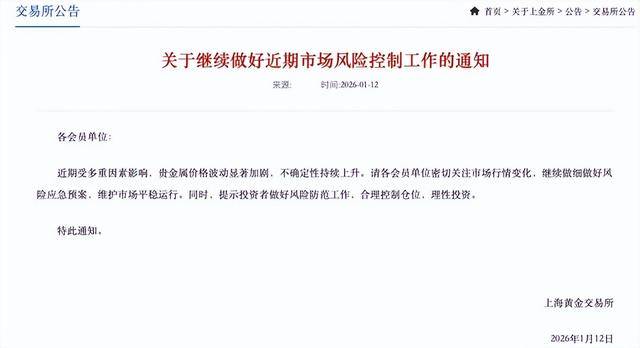
Core Viewpoint - The gold and silver markets have experienced significant volatility in early 2026, with gold prices surpassing $5000 per ounce and silver prices increasing nearly 8% in a single day, prompting regulatory bodies to implement stricter risk management measures [1][2]. Market Dynamics - The recent surge in gold and silver prices has led to a series of adjustments in trading regulations, including higher margin requirements and revised price fluctuation limits, indicating a recognized shift into a high volatility zone [1][5]. - The Shanghai Gold Exchange and the Shanghai Futures Exchange have both issued notifications regarding adjustments to margin and trading limits for silver contracts, reflecting the increased market volatility [1]. Regulatory Actions - Financial institutions, including banks, have raised the minimum investment thresholds for precious metals, with examples such as Industrial Bank increasing the starting point for accumulation gold from 1200 yuan to 1400 yuan, emphasizing the need for cautious investment strategies [5][6]. - The adjustments made by banks aim to mitigate risks associated with concentrated buying and selling during periods of high volatility, indicating a proactive approach to managing investor behavior [5]. Investment Strategies - For ordinary investors, gold and silver should not be viewed as short-term speculative assets but rather as long-term hedges against extreme risks, especially in uncertain macroeconomic environments [8][9]. - The People's Bank of China has been increasing its gold reserves, which reflects a strategic preference for gold as a long-term asset rather than a short-term trading tool [8]. Investment Tools - Different investment vehicles are available for gold and silver, including ETFs, accumulation gold, and physical gold, each with distinct risk profiles and suitability for various investor strategies [11][12]. - ETFs are recommended for those looking to track gold prices with lower risk, while accumulation gold allows for smaller, incremental investments, though recent changes in bank policies require investors to adapt to new rules [12]. - Physical gold is considered a safe asset for long-term holding, while leveraged tools like futures and options are deemed risky for ordinary investors due to the potential for significant losses in volatile markets [12][14].



历史上那些靠金银发大财的人,最后都怎么样了?
Sou Hu Cai Jing· 2026-02-08 09:16
Core Insights - The recent volatility in gold and silver prices highlights the inherent nature of financial markets where significant price increases are often followed by sharp declines, emphasizing the unpredictability of market behavior [2] Group 1: Historical Context of Gold and Silver - Gold and silver have consistently remained central to human wealth throughout history [3] - Historical events, such as the 1987 stock market crash, demonstrate how gold can serve as a safe haven during financial turmoil, as evidenced by Paul Tudor Jones achieving a 62% annual return by leveraging gold [5][6][12] - The 2008 financial crisis saw John Paulson profit significantly by shorting subprime mortgages while investing heavily in gold, showcasing gold's role as a protective asset during crises [14][16] Group 2: Modern Investment Strategies - The rise of quantitative funds, such as Renaissance Technologies, illustrates a modern approach to gold investment, focusing on algorithmic trading rather than direct investment in physical gold [20][21] - The "silver short squeeze" in early 2021 revealed the complexities of the silver market, where retail investors attempted to challenge institutional short positions, highlighting the disconnect between physical and paper silver [25][26][30] Group 3: The Impact of Digital Assets - The emergence of cryptocurrencies, particularly Bitcoin, has introduced a new competitive dynamic with traditional gold, as companies like MicroStrategy allocate significant cash reserves to Bitcoin [31][34] - The growth of digital gold products and blockchain-based trading platforms reflects the industry's adaptation to modern investment trends, with record trading volumes in digital gold products [36] Group 4: Environmental and Social Governance (ESG) Considerations - The rise of ESG investing poses challenges and opportunities for traditional gold mining, as the industry faces scrutiny over its environmental impact while financial products like ETFs gain favor among ESG-conscious investors [37][38] - Innovations in sustainable gold products, such as those from the Royal Mint, indicate a shift towards environmentally responsible investment options [38] Group 5: Evolving Market Dynamics - The financialization of gold has led to increased liquidity but also heightened volatility, with only about 20% of global gold transactions involving physical delivery [39] - The interplay between geopolitical factors, macroeconomic conditions, and gold prices suggests that traditional demand drivers may be overshadowed by broader economic influences [39]
历史上那些靠金银发大财的人,最后都怎么样了?
格隆汇APP· 2026-02-08 09:12
Core Viewpoint - The article discusses the historical significance and modern dynamics of gold and silver investments, highlighting their roles as both traditional safe-haven assets and modern financial instruments in the context of market volatility and changing investor behavior [3][7][50]. Group 1: Historical Context and Key Figures - Paul Tudor Jones, a hedge fund manager, utilized gold as a hedge during the 1987 stock market crash, achieving a 62% annual return by recognizing the inverse relationship between gold and the stock market [10][12][14]. - John Paulson made significant profits during the subprime mortgage crisis by shorting mortgage-backed securities and investing heavily in gold, with his fund's gold assets growing from $300 million to $35 billion between 2006 and 2011 [18][20]. - The "Golden Aunties" phenomenon in China saw a surge in gold purchases during a price drop in 2013, with consumers buying approximately 300 tons of gold worth about $16 billion, showcasing the impact of retail investors on the market [25][26]. Group 2: Modern Investment Strategies - Renaissance Technologies, led by James Simons, achieved an average annual return of 39% by employing quantitative strategies to trade gold-related financial products rather than physical gold [28][29]. - The "silver short squeeze" in early 2021 highlighted the disparity between physical silver supply and paper silver contracts, revealing the complexities of modern precious metal markets [32][36]. - The rise of digital currencies, such as Bitcoin, has introduced competition for gold as a safe-haven asset, prompting companies to allocate funds to cryptocurrencies and innovate in gold trading [38][41]. Group 3: Environmental and ESG Considerations - The gold mining industry faces challenges due to its high carbon emissions, with an average of 0.8 tons of CO2 equivalent emitted per ounce of gold mined, while financialized gold investments produce negligible emissions [45][46]. - The emergence of sustainable gold products, such as those from the Royal Mint, reflects a growing trend towards environmentally responsible investing, with sales of green gold products increasing by 400% in 2021 [48][49]. Group 4: Evolving Market Dynamics - The financialization of gold has led to approximately 80% of global gold trading involving derivatives rather than physical delivery, increasing liquidity but also volatility [50]. - The competition between traditional gold investments and modern financial instruments, including ETFs and futures, is reshaping the landscape of precious metal investments [50]. - The influence of macroeconomic factors, such as Federal Reserve policies and inflation expectations, is becoming more significant in determining gold and silver prices compared to traditional demand factors [50].

黄金白银V型反转,周线收盘意义非凡!
Sou Hu Cai Jing· 2026-02-06 13:10
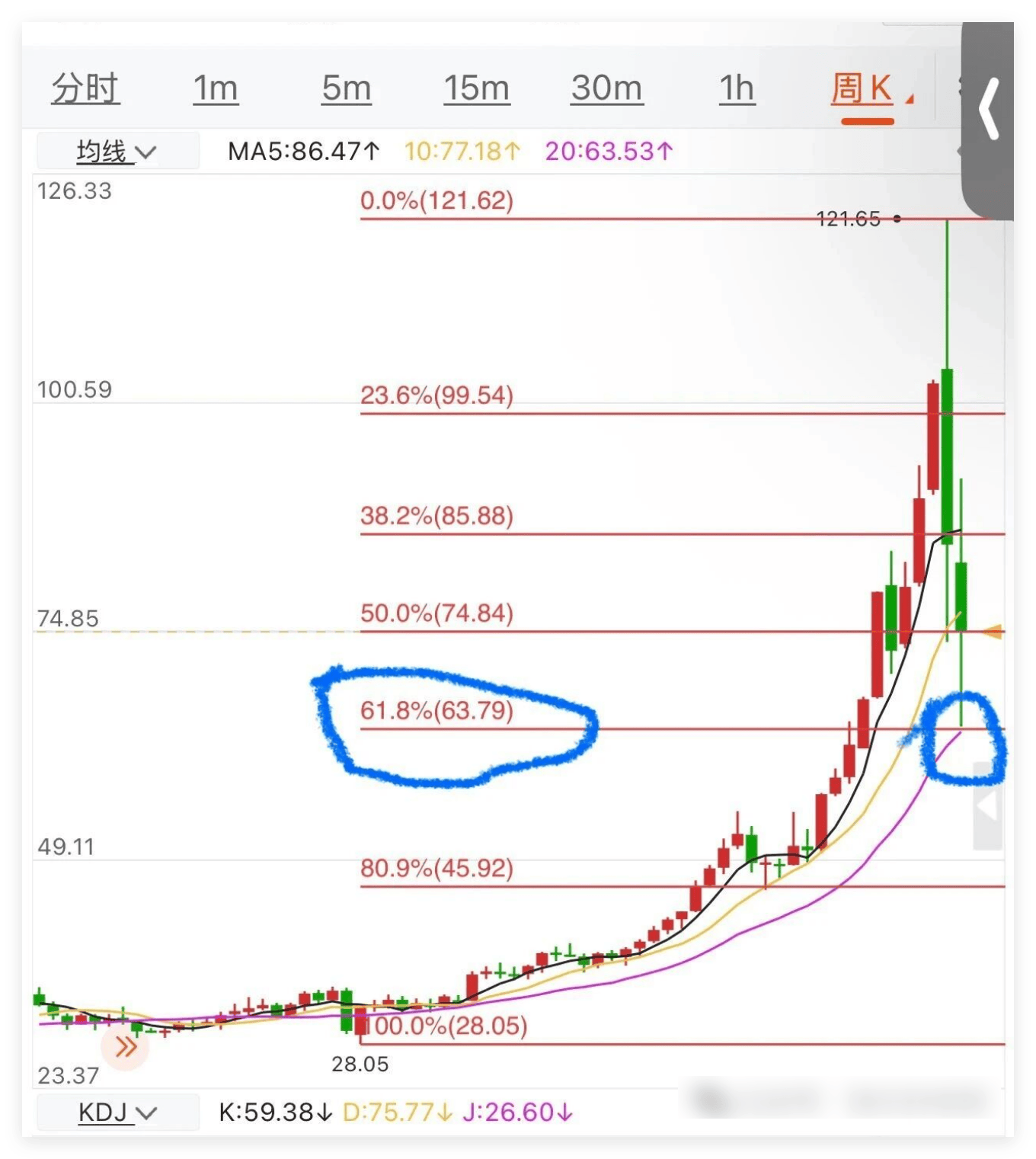
Group 1 - The core viewpoint emphasizes that market conditions can change rapidly, suggesting that during times of panic, there may be opportunities for investment in gold and silver [1] - The analysis indicates that gold has reached a critical support level between 4655-65, while silver is at a similar 0.618 level, suggesting potential for a rebound if these levels hold [1] - The market showed strong buying interest after an initial drop, but there remains significant resistance above, indicating a cautious approach is warranted [1] Group 2 - Silver's closing price above 70-71 is crucial for maintaining bullish sentiment; otherwise, a drop could signal a transition to a bearish market [3] - Key support for silver is identified at 70-71 USD, with resistance levels noted at 76-77 USD, and critical levels at 80-81 and 84-85 USD [5] - The analysis suggests that domestic products should align with international prices, indicating a need for market participants to stay informed about global trends [5]
金银巨震后的启示:没有永远上涨的资产,只有清醒的投资理念
Sou Hu Cai Jing· 2026-02-02 06:32
Core Viewpoint - Gold and silver prices are expected to continue rising significantly in 2024-2025, driven by various factors including geopolitical tensions, central bank purchases, and industrial demand, despite recent volatility and sharp declines in prices [1][2][3]. Group 1: Price Dynamics - Gold and silver prices have recently experienced a dramatic increase, with gold prices dropping 10% in a single day and silver seeing a 30% decline, marking the highest single-day drop in 50 years [1]. - The surge in gold and silver prices is attributed to global geopolitical instability, leading to a heightened demand for safe-haven assets [1]. - Central banks are making record gold purchases to diversify their reserves, which is pushing gold prices higher [1]. Group 2: Market Psychology - The phenomenon of FOMO (Fear of Missing Out) is driving significant investment into gold and silver, reminiscent of past market behaviors seen in real estate [2][6]. - Investors are motivated by a fear of missing out on potential gains, leading to aggressive investment strategies that may not align with rational assessments of value [5][6]. Group 3: Long-term Viability - While gold and silver prices are expected to trend upward in the long term, no asset can sustain perpetual growth, and market cycles will inevitably reverse [3][4]. - Central bank demand for gold may not remain consistently strong, as they could pause purchases or even sell off holdings in response to economic pressures [4]. - Silver's price is influenced by industrial demand, which is cyclical and can lead to sharper declines during economic downturns [4]. Group 4: Investment Strategy - A prudent investment strategy suggests limiting exposure to gold and silver to no more than 10% of an overall portfolio to mitigate risks associated with market volatility [7]. - The historical lesson emphasizes the importance of not chasing market trends blindly, as this can lead to significant financial losses [6][7].
金银周报-20260201
Guo Tai Jun An Qi Huo· 2026-02-01 09:00
1. Report Industry Investment Rating No relevant content provided. 2. Core Viewpoints of the Report - Gold is accelerating its decline, and silver is rapidly venting its emotions. Both gold and silver are in a weak position. The price range for gold is 1000 - 1100 yuan/gram, and for silver, it is 21000 - 25000 yuan/kilogram [3]. - The triggers for the historical plunge in precious metals are mainly the decline of US stocks, the extreme convergence of gold and silver trading, and the hawkish stance of the new Fed Chair Wash, which is essentially an extreme reaction at the trading level [3]. - In the short - term, gold and silver will first experience volatility reduction. It is advisable to consider option strategies mainly based on selling options. For silver, the internal - external price difference may converge, so an internal - external positive arbitrage strategy can be considered. For gold, the first support level is around 4600 US dollars, and the probability of breaking below is small. It may build an oscillating platform around 4800 US dollars and then oscillate upwards. For silver, the first support level is around 70 US dollars. Attention should be paid to the possibility of a new squeeze in March. If the spot situation is significantly alleviated in February, the main idea should be to short on rallies [3]. 3. Summary According to Relevant Catalogs 3.1 Transaction Aspects (Price, Spread, Inventory, Capital, and Position) 3.1.1 Overseas Spot - Futures Price Difference - For gold, this week, the spread between London spot and COMEX gold主力 rebounded to - 27.466 US dollars/ounce, and the spread between COMEX gold continuous and COMEX gold主力 was - 27.9 US dollars/ounce [8][9]. - For silver, this week, the spread between London spot and COMEX silver主力 rebounded to 0.009 US dollars/ounce, and the spread between COMEX silver continuous and COMEX silver主力 was 0.48 US dollars/ounce [8][15]. 3.1.2 Domestic Spot - Futures Price Difference - The domestic gold spot - futures price difference this week was 2.57 yuan/gram, at the lower end of the historical range [21]. - The domestic silver spot - futures price difference this week was - 411 yuan/gram, at the upper end of the historical range [24]. 3.1.3 Inter - month Price Difference - The gold inter - month price difference this week was 8.64 yuan/gram, at the upper end of the historical range [28]. - The silver inter - month price difference this week was 424 yuan/gram, at the lower end of the historical range [32]. 3.1.4 Cross - month Positive Arbitrage Delivery Cost - The total cost of the cross - month positive arbitrage of buying TD and selling Shanghai gold was 28.47 yuan/gram [34]. - The total cost of the cross - month positive arbitrage of buying Shanghai gold December contract and selling June contract was 8.18 yuan/gram [35]. - The total cost of the cross - month positive arbitrage of buying TD and selling Shanghai silver was 597.73 yuan/kilogram [36]. - The total cost of the cross - month positive arbitrage of buying Shanghai silver December contract and selling June contract was 591.89 yuan/kilogram [37]. 3.1.5 Deferred Fee Payment Direction of Gold and Silver Spot in Shanghai Gold Exchange - This week, the gold deferred fee in the gold exchange was mainly paid from long to short, indicating strong delivery power. The silver deferred fee was mainly paid from short to long, indicating strong receiving power [38]. 3.1.6 Gold and Silver Inventory and Position - to - Inventory Ratio - This week, the COMEX gold inventory decreased by 0.4 tons, and the registered warrant ratio rebounded to 53.3% [40]. - The COMEX silver inventory decreased by 327 tons to 12624 tons, and the registered warrant ratio fell to 25.8% [42]. - The gold futures inventory increased by 1.02 tons, and the silver futures inventory decreased by 126 tons to 455 tons [45]. 3.1.7 CFTC Non - commercial Positions of Gold and Silver - This week, the non - commercial net long position of COMEX CFTC gold decreased slightly, and the non - commercial net long position of silver decreased slightly [47]. 3.1.8 ETF Positions - This week, the gold SPDR ETF inventory increased by 0.57 tons, and the domestic gold ETF increased by 20.8 tons [50]. - The silver SLV ETF inventory decreased by 566 tons [54]. 3.1.9 Gold - to - Silver Ratio - This week, the gold - to - silver ratio fell from 50.3 in the previous week to 47 [56]. 3.1.10 COMEX Gold Delivery Volume and Gold and Silver Lease Rates - This week, the 3 - month gold lease rate was - 0.2%, and the 3 - month silver lease rate was 2.12% [58]. 3.2 Core Drivers of Gold 3.2.1 Gold and Real Interest Rates - This week, the correlation between gold and real interest rates recovered, and the 10 - year TIPS continued to decline [63]. 3.2.2 Inflation and Retail Sales Performance No specific summary content provided in the text. 3.2.3 Non - farm Employment Performance No specific summary content provided in the text. 3.2.4 Industrial Manufacturing Cycle and Financial Conditions No specific summary content provided in the text. 3.2.5 Economic Surprise Index and Inflation Surprise Index No specific summary content provided in the text. 3.2.6 Fed Rate - cut Probability No specific summary content provided in the text.
半小时暴跌400美元!金价这两天,把多少人吓醒了?
Sou Hu Cai Jing· 2026-01-31 04:12
Group 1 - The international gold price experienced a dramatic surge, reaching a historical high of $5,600 per ounce on January 29, which is approximately 1,708 RMB per gram, marking an increase of over 27% within a week [3][4]. - Shortly after hitting the peak, the gold price plummeted by over $400 within 28 minutes, dropping to around $5,100, resulting in a volatility of nearly 9% for the day [5][6]. - Domestic gold jewelry prices also fell sharply, with brands like Chow Sang Sang seeing prices drop from 1,708 RMB per gram to 1,543 RMB per gram [6][7]. Group 2 - As of January 31, the market showed slight stabilization, but the gold price remained volatile, indicating that it had not returned to previous levels nor stabilized [8]. - Over a longer time frame, gold prices have increased significantly, with a rise of over 340% in more than six years, reflecting a broader trend of currency devaluation [10]. - Silver prices exhibited even more extreme volatility, with a single-day drop of 17% on January 30, highlighting its role as a more volatile asset compared to gold [11]. Group 3 - The current gold market is characterized by extreme fluctuations, driven by emotions, capital flows, and market expectations, rather than being a stable asset for value preservation [12]. - Domestic spot gold prices are fluctuating between 1,055 and 1,262 RMB per gram, while silver prices have dropped to 30.6 RMB per gram [13]. - From 2020 to 2025, silver prices increased by 146%, while gold saw a growth of only 44% during the same period [14].
刘福云:日内黄金行走势分析
Xin Lang Cai Jing· 2026-01-30 06:37
Core Viewpoint - The gold and silver market shows a bullish trend, with expectations for further price increases due to various factors including geopolitical tensions and economic conditions [1][3]. Market Analysis - On January 30, gold and silver initially surged before experiencing a dip and subsequent recovery, indicating a strong bullish sentiment [1][3]. - The short-term energy ceasefire agreement is only for one week, leaving unresolved issues that may lead to increased safe-haven demand for gold and silver [1][3]. - The Federal Reserve's interest rate cut pace is slowing, with officials suggesting the need for further cuts in 2026, which supports the bullish outlook for gold and silver [1][3]. - The global economic downturn is identified as a fundamental driver for the sustained rise in gold and silver prices [1][3]. Trading Strategy - The recommendation is to adopt a low-buy strategy while considering high-sell positions as a secondary option [1][3]. - Key support levels to watch include 5400-5385, with a critical focus on the 5300 level [1][3]. - There is potential for gold prices to reach the 6000 mark if the current bullish trend continues [1][3].