风投

Search documents
吴说每日精选加密新闻 - 渣打银行将 XRP 年底目标价从 8 美元大幅下调至 2.8 美元
Xin Lang Cai Jing· 2026-02-17 14:22
Group 1 - Standard Chartered Bank has significantly reduced its year-end price target for XRP from $8 to $2.8, a decrease of approximately 65%, and expects the cryptocurrency market to remain under pressure in the short term [1] - The bank also lowered its year-end price targets for Bitcoin to $100,000 (previously $150,000), Ethereum to $4,000 (previously $7,000), and Solana to $135 (previously $250) [1] Group 2 - Bank of America reported that investor short positions on the dollar have fallen to the lowest level since 2012, indicating a historically low allocation to the dollar [2] - Traditionally, a weaker dollar benefits risk assets like Bitcoin; however, since early 2025, Bitcoin has shown an unusual positive correlation with the dollar index, with a 90-day correlation coefficient reaching 0.60 [2] - If this correlation persists, further declines in the dollar may not benefit Bitcoin and could instead exert pressure on it [2] Group 3 - Data indicates that 85% of tokens issued in 2025 have seen their prices drop below their issuance prices, reflecting a decline in venture capital-supported project returns [2] - Despite a significant increase in venture capital investment in the previous quarter, the number of new funds has dropped to a five-year low, with fundraising only 12% of what it was in Q2 2022 [2] - The traditional venture capital model of "investment—token issuance—retail sell-off" is declining, with future project success increasingly dependent on real users and actual revenue [2] Group 4 - Robert Kiyosaki, author of "Rich Dad Poor Dad," has warned that the largest stock market crash in history is still forthcoming and is "imminent" [3] - Kiyosaki has stated that he holds physical gold, silver, Ethereum, and Bitcoin, and plans to continue buying Bitcoin as its price declines, viewing market panic selling as an opportunity to acquire quality assets at discounted prices [3]
4000万美元豪赌:1mind如何用AI打造“超人员工”?
3 6 Ke· 2026-02-02 11:18
Core Insights - Amanda Kahlow's entrepreneurial journey began unexpectedly at the age of 21, selling a self-service terminal she had no knowledge of, which sparked her entrepreneurial spirit [1] - Kahlow has successfully raised $40 million for her new startup, 1mind, with a vision to empower humans through AI [1] - The relationship between Kahlow and investor Cassie Young is characterized by friendship rather than mere transactional dynamics, which facilitated the investment [2] Group 1: Background and Early Career - Kahlow describes her upbringing as below the poverty line, feeling like the troublemaker in her family, which contrasts sharply with the elite circles of venture capital [3] - Her early exposure to the digital world through her father's website-building tool and her role at Forrester opened new opportunities, leading to the creation of a multimillion-dollar website rating service [3][4] - Despite generating significant revenue for her employer, Kahlow felt unfulfilled and sought to create something that could help clients see beyond their immediate needs, leading to the founding of 6sense [4] Group 2: Building 6sense and Overcoming Challenges - Kahlow faced challenges in securing funding for 6sense due to her lack of familiarity with venture capital language, attending over 60 investor meetings before finding success [5] - She eventually built a strong engineering team to develop the 6sense engine, which extracts business signals from user intent data, capturing market share in the go-to-market space [5] Group 3: Investment Dynamics and Growth Metrics - Cassie Young, a partner at Primary Venture Partners, recognized Kahlow's potential and was eager to invest in 1mind, seeing her as an ideal founder [8][9] - Kahlow's approach to investor relations has evolved; she now views her investors as true partners, fostering a relationship built on trust and openness [12] - 1mind has reportedly exceeded growth benchmarks, achieving threefold growth in the first two years and doubling in the third year, with 80% of its sales pipeline generated by AI "super employees" [10][12] Group 4: Vision for 1mind and AI Integration - Kahlow describes 1mind's AI tool as a go-to-market super employee that streamlines sales processes and enhances customer communication [13] - The concept of AI super employees aims to address systemic pain points in sales, providing seamless and intelligent interactions without the limitations of human capacity [13] - Kahlow's unique ability to identify market trends and articulate a compelling vision has attracted investment interest, indicating a potential shift in go-to-market strategies [13]


300523,即将停牌,“最牛风投”又出手
Zhong Guo Ji Jin Bao· 2025-11-27 15:19
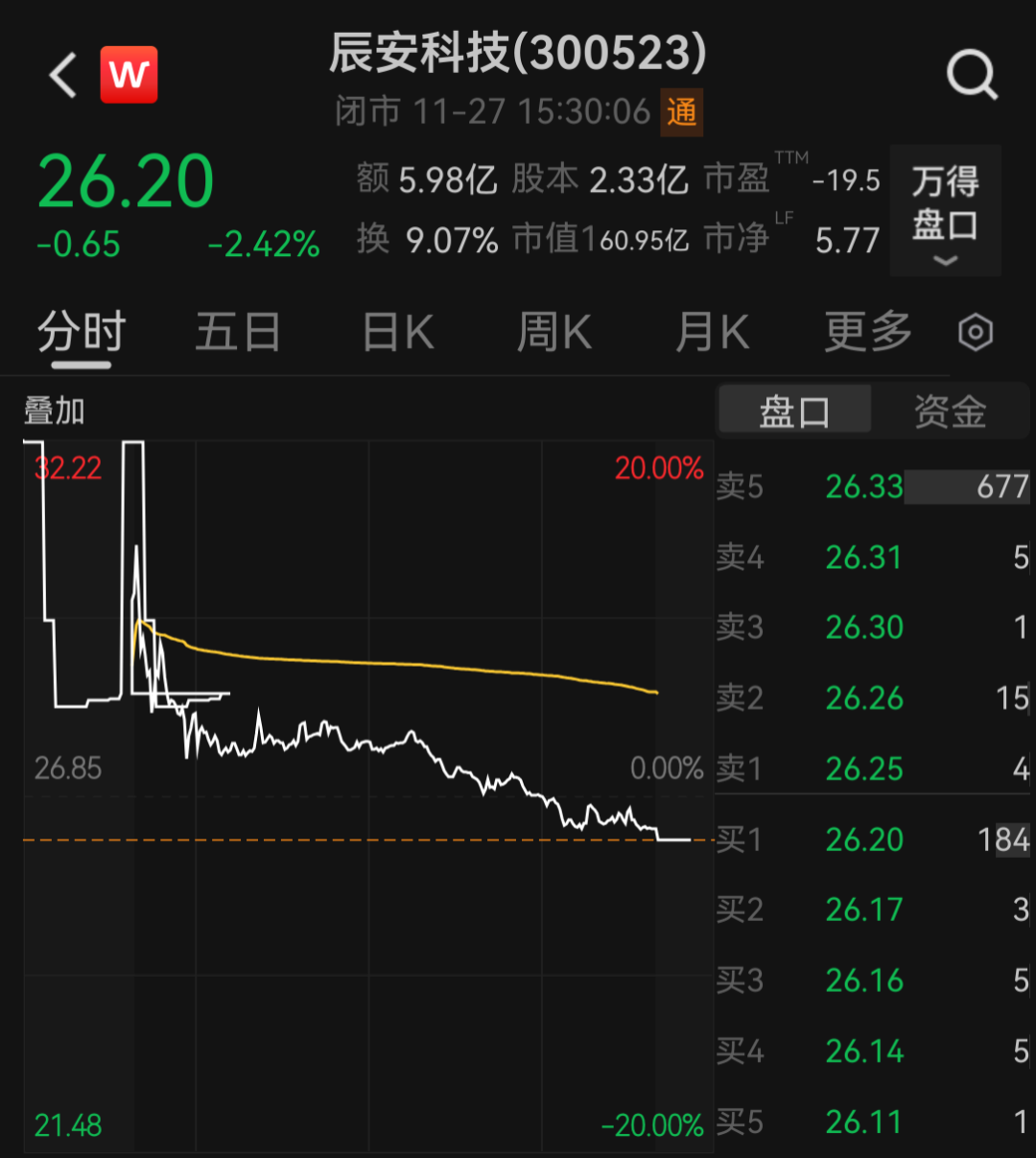
Group 1 - The core point of the article is that Changan Technology is planning to issue A-shares to Hefei State-owned Capital Venture Investment Co., Ltd. to deepen cooperation and promote high-quality development, which may lead to a change in control of the company [1] - The stock of Changan Technology will be suspended from trading starting November 28, 2025, for a period not exceeding two trading days due to the uncertainty surrounding the issuance [1] - Hefei State-owned Capital currently holds 7.22% of Changan Technology's shares, and the controlling shareholder, China Telecom Group Investment Co., Ltd., will maintain its shareholding post-issuance [1] Group 2 - Hefei State-owned Capital is recognized as a prominent venture capital firm in China, having invested in well-known projects such as BOE Technology Group [2] - As of December 31, 2024, Hefei Construction Investment Holding Group Co., Ltd. has total consolidated assets of 741.301 billion and net assets of 247.669 billion, ranking among the top three in the national urban investment companies [2] - If the private placement by Changan Technology is successfully completed, Hefei Construction Investment is expected to add another listed company to its portfolio [3] Group 3 - On November 27, 2025, Changan Technology's stock opened significantly higher, reaching a peak increase of over 14%, but closed at 26.20 yuan per share, down 2.42%, with a market capitalization of 6.1 billion [4]

重庆学渣救丁磊、刘强东,造就3个首富,50岁身价百亿,凭啥?
Sou Hu Cai Jing· 2025-11-26 10:24
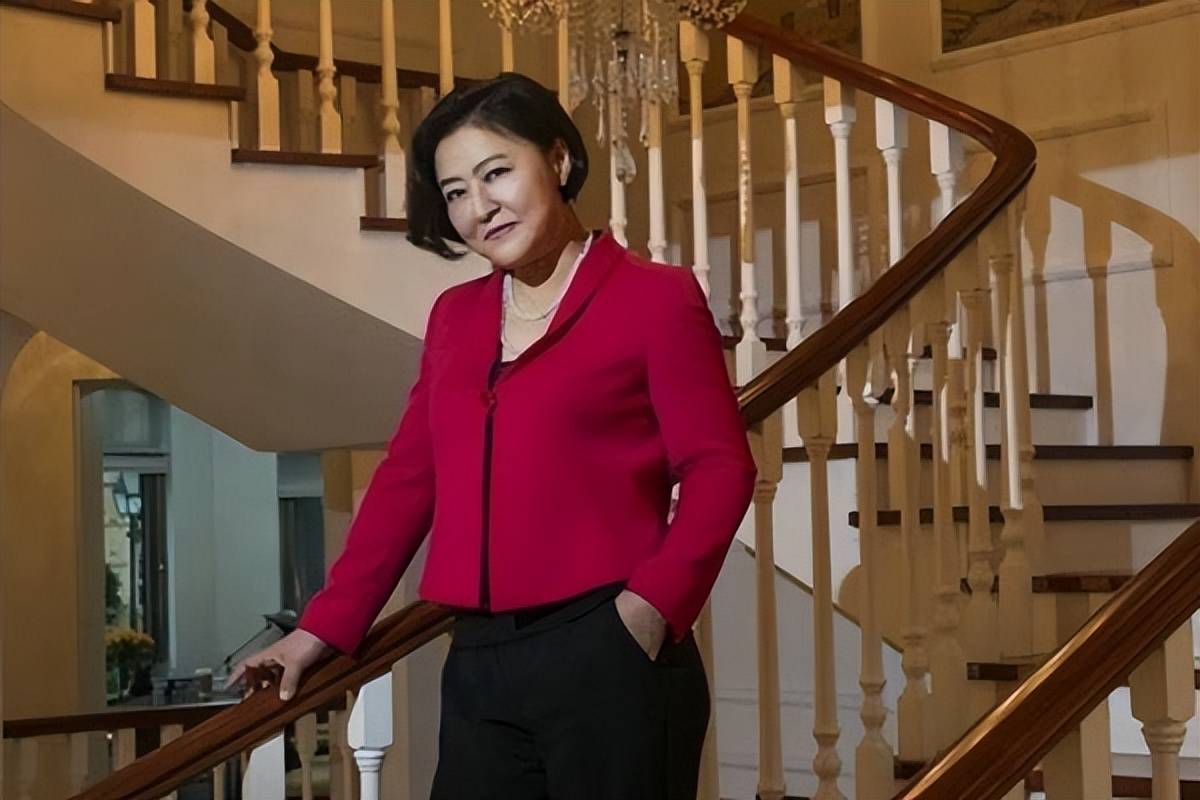
Core Insights - Xu Xin is recognized as a prominent figure in the investment industry, being the only female investor listed among China's top investors by Forbes [1] - She founded "Today Capital" in 2005 and has made significant investments in well-known companies such as JD.com and NetEase, showcasing her ability to identify potential in entrepreneurs and market trends [2][5] Investment Journey - Xu Xin's first major investment was in Wahaha, where she recognized the potential of bottled water in China, leading to a successful partnership that helped the company become the largest food company in China by 2006 [19][21] - She invested $500 million in NetEase in 1999, which faced significant challenges but ultimately proved to be a successful investment as the company thrived in the gaming sector [24][26] - In 2006, Xu Xin invested $10 million in JD.com, which faced difficulties during the global financial crisis, but her continued support helped the company grow and eventually go public in 2014 [30][34] Investment Philosophy - Xu Xin emphasizes the importance of the entrepreneur's character and the industry's potential when making investment decisions, believing that successful entrepreneurs are passionate and capable of changing the world [34][36] - She acknowledges that not every investment will be successful, citing missed opportunities with companies like ByteDance and Pinduoduo, which taught her valuable lessons about understanding market dynamics [38][46] - Xu Xin's investment strategy involves frequent engagement with entrepreneurs and a focus on emerging trends, such as community group buying, which she invested in after recognizing the need for efficient delivery solutions [46][47]
全国融资活跃城市20强出炉,珠海嘉兴成黑马
21世纪经济报道· 2025-09-28 12:44
Core Insights - Chengdu's state-owned capital achieved a remarkable return of over 100 billion yuan from an investment of less than 1 billion yuan in Haiguang Information, showcasing the city's growing prominence in venture capital [1] - The competition among "venture capital cities" in China is intensifying, with distinct strategies and focuses on capital operations and industry investments across different regions [1][15] Investment Landscape - The majority of venture capital activities are concentrated in the eastern coastal regions, particularly in cities like Shanghai, Hangzhou, Nanjing, Suzhou, and Jiaxing, which form a capital-rich area [1][3] - Beijing leads in financing scale with 26.2 trillion yuan, followed by Shanghai at 16.6 trillion yuan and Guangdong at 14.4 trillion yuan, collectively accounting for nearly 60% of national financing [2][3][5] Regional Analysis - The financing landscape shows significant regional differentiation, with the eastern regions dominating in transaction volume and funding scale, while central and western regions like Chengdu, Wuhan, and Chongqing are emerging with unique characteristics [3][7] - In the central region, Hubei, Hunan, and Henan focus on new energy vehicles, while Jiangxi stands out in "future industries" and "carbon neutrality," reflecting its alignment with national strategies [7][8] City Rankings - The top cities for financing activity include Beijing, Shanghai, and Shenzhen, with significant transaction volumes and financing scales, while non-first-tier cities like Zhuhai and Jiaxing are also making notable appearances due to their unique advantages [10][12][13] - Zhuhai's financing model is characterized by fewer but larger transactions, driven by strategic initiatives and leading enterprises in sectors like semiconductors and smart manufacturing [13] Investment Strategies - Different cities exhibit distinct investment strategies, with Hefei focusing on high-stakes bets in emerging industries, while Chengdu adopts a "small investment for large returns" approach [15][16] - The success of cities like Ningbo and Wuxi is attributed to their strong industrial foundations and active private capital, which are closely linked to local industry advantages [16]


近40家村集体经济转型做风投
Nan Fang Du Shi Bao· 2025-09-02 23:12
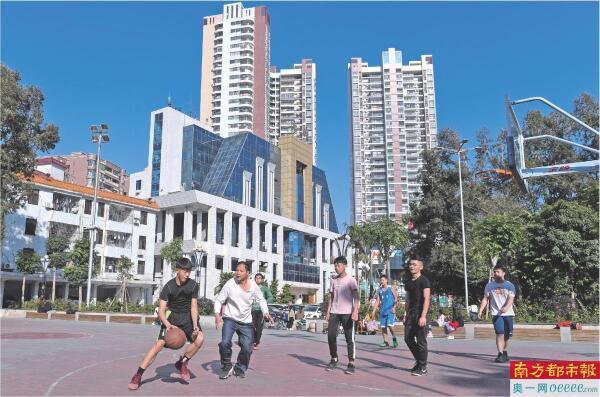
Core Viewpoint - Shenzhen's village collective economy is undergoing a significant transformation, with the establishment of venture capital funds aimed at investing in strategic emerging industries, particularly in artificial intelligence [2][3][4]. Group 1: Fund Establishment and Scale - Two venture capital funds, the Sakata Artificial Intelligence Venture Capital Fund and the Longgang Longxing Venture Capital Fund, have been launched with a total scale of 300 million yuan, with a 10-year duration and a focus on AI and strategic emerging industries in Shenzhen [2][5]. - Nearly 40 village cooperative companies in various districts of Shenzhen have engaged in venture capital activities, indicating a broader trend beyond just these two funds [2]. Group 2: Transition from Rental to Investment - The traditional rental income model has reached its limits, prompting village collectives to seek new growth avenues through venture capital, which presents a higher risk-reward profile compared to stable rental income [3][4]. - The South Ling Village has pioneered this transition by establishing the first venture capital fund management company controlled by a village collective in 2017, leading to multiple investments in high-tech sectors [4][5]. Group 3: Challenges and Governance - The shift from being landlords to shareholders involves not only changes in funding allocation but also a fundamental rethinking of governance and decision-making processes [6][7]. - Experts emphasize the need for proper fund isolation, a dual revenue model combining rental and equity, and the establishment of a scientific decision-making mechanism to mitigate risks associated with venture capital investments [6][7]. Group 4: Unique Advantages and Collaboration - The collaboration model involving state-owned assets, village collectives, and professional institutions is seen as a unique approach, leveraging the village collectives' proximity to enterprises for better oversight and resource allocation [8][9]. - Village collectives are positioned as limited partners in the funds, allowing professional teams to manage investments while providing local insights and support [8]. Group 5: Limitations and Future Outlook - The scale of venture capital investments from village collectives remains small compared to their overall assets, indicating that this is still a tentative exploration rather than a full-scale shift [9][10]. - The transformation of Shenzhen's village collectives from rental income to venture capital is a response to economic realities, policy changes, and industry dynamics, requiring careful risk management and governance to ensure stability [9][10].

合肥模式启示录——解码“最牛风投城市”的实践
母基金研究中心· 2025-06-10 08:57
Core Viewpoint - Hefei has established itself as a leading venture capital city through government-led industrial investments, evolving from a focus on infrastructure to becoming an ecosystem builder for industries, particularly in the context of the Fengxi County's development [1][3][17]. Group 1: Transformation of State-owned Capital Platforms - Hefei's state-owned capital platforms have transitioned from "urban infrastructure service providers" to "industrial ecosystem builders," showcasing a successful model of government-led investment [1][3]. - The Fengxi Industrial City Group has transformed into a comprehensive operator for industrial development, integrating capital into the county's key industries, including new energy and smart vehicles [3][6]. - The group has successfully launched local enterprises like Kobalt on the Beijing Stock Exchange, demonstrating the vitality of Hefei's venture capital gene in county-level economies [1][3]. Group 2: Financial Innovations and Achievements - The Fengxi Industrial City Group recently achieved a "Double AAA" credit rating, facilitating a shift from land-based finance to equity-based finance for local governments [4][6]. - The group issued a non-public bond of 1 billion yuan with a record-low interest rate of 2.1%, marking a significant achievement in the capital market [4][6]. - As of June 2025, the group has established 33 cooperative funds with a total scale of nearly 400 billion yuan, leveraging state-owned capital to attract over five times the amount in social capital [6][12]. Group 3: Investment Strategies and Ecosystem Development - The Fengxi Industrial City Group employs a "1+3+X" fund matrix strategy to effectively allocate limited capital towards industries aligned with local strengths [6][7]. - The group focuses on a comprehensive service model that includes project selection, equity/fund investment, and operational support, creating a full-cycle service capability [7][8]. - The investment logic emphasizes a "point-to-surface" approach, fostering a chain reaction in the local economy through strategic investments in key projects [8][10]. Group 4: Talent and Infrastructure Development - The group integrates talent services with industrial development, establishing partnerships with local universities to attract high-level talent and promote research outcomes [15][16]. - It has created a talent housing initiative, providing over 1,226 rental apartments to support talent retention and local employment [15][16]. - The group has developed 38 industrial parks covering approximately 2.3 million square meters, enhancing the local infrastructure to support industrial growth [14][16]. Group 5: Future Outlook and Strategic Insights - The Fengxi Industrial City Group ranks 44th in total revenue and 38th in total assets among county-level state-owned platforms, highlighting its strong potential for growth [16]. - Key strategic insights include maintaining a focus on local industrial strengths, innovating mechanisms for market-oriented assessments, and embedding projects within the industrial chain to maximize collaborative value [16][17]. - The group's approach serves as a replicable model for county-level economic transformation, emphasizing the importance of a collaborative ecosystem involving government, industry, and community [17].

左丁:未来中国培育新兴产业要以人民币基金为主
母基金研究中心· 2025-05-21 06:35
Group 1 - The core viewpoint emphasizes the importance of RMB funds in nurturing emerging industries in China, particularly in the context of the artificial intelligence era [1] - The chairman of Shenzhen Capital Group, Zuo Ding, highlighted the need for Chinese venture capital to provide ample patient capital for domestic innovation [1] - The upcoming Middle East Investors Summit in Abu Dhabi is set to attract over a hundred participants from sovereign funds and family offices, focusing on investment industry trends [3] Group 2 - The 2025 Mother Fund Research Center has officially launched its special rankings, including the 2025 40U40 Outstanding Young Investors list and the 2024 China Mother Fund Panorama Report [4]