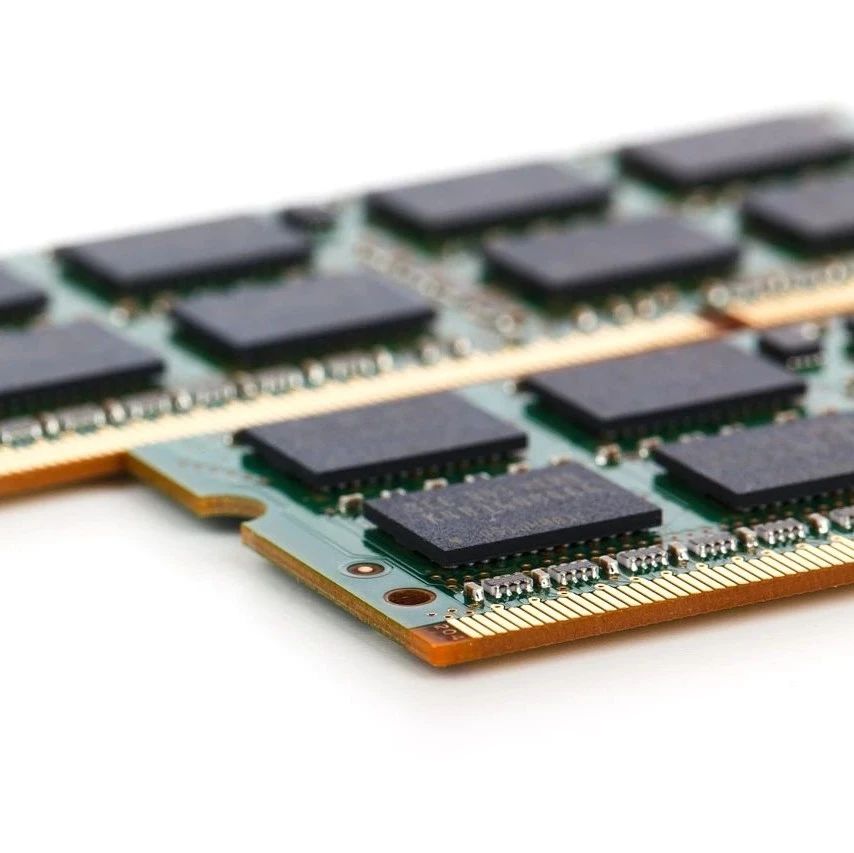
高带宽内存(HBM)

Search documents
美光电话会:AI将存储重塑为“战略资产”!应对缺货必须烧钱建厂并首签5年长单,HBM4直供英伟达
Hua Er Jie Jian Wen· 2026-03-19 01:05
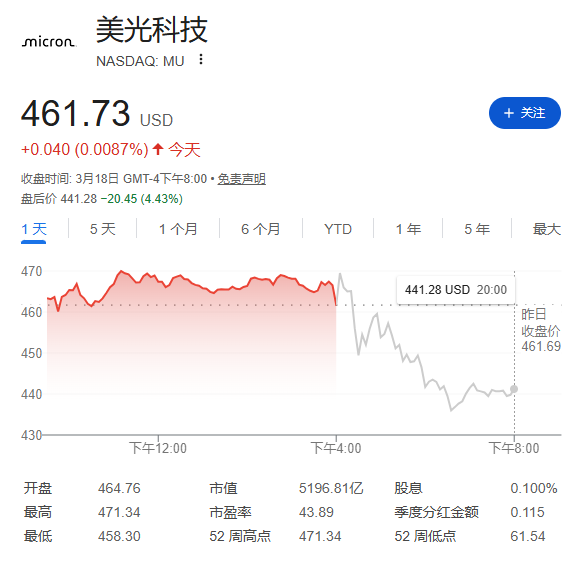
Core Viewpoint - Micron Technology reported a significant revenue increase of nearly 200% year-over-year to approximately $23.9 billion for Q2 FY2026, with a record gross margin of 75% and guidance for Q3 gross margin reaching 81% [1][28]. Financial Performance - The company achieved a record revenue of $23.9 billion, a 75% quarter-over-quarter increase, and a 196% year-over-year increase, marking the fourth consecutive quarter of record revenue [28]. - DRAM revenue reached a record $18.8 billion, up 207% year-over-year, while NAND revenue hit a record $5 billion, up 169% year-over-year [28]. - The gross margin for Q2 was 75%, an 18 percentage point increase quarter-over-quarter, driven by price increases and favorable product mix [29]. Capital Expenditure and Investment - Micron announced that capital expenditures for FY2026 will exceed $25 billion, significantly higher than analyst expectations of $22.4 billion, with FY2027 construction-related expenditures expected to increase by over $10 billion [3][27]. - The CEO emphasized that the majority of the increased spending is driven by cleanroom facility-related capital expenditures, including expansions in Taiwan and the U.S. [3]. Strategic Partnerships - Micron signed its first five-year Strategic Customer Agreement (SCA), which differs from traditional one-year Long-Term Agreements (LTA) by providing better visibility and stability for the business model [4][16]. - The company confirmed that it began mass production of HBM4 36GB 12H products in Q1 FY2026, specifically designed for NVIDIA's Vera Rubin architecture [4][18]. Market Dynamics - The company highlighted a structural shortage in the memory market, supporting the high gross margin guidance of 81% [5][6]. - The demand for high-bandwidth memory (HBM) is driven by AI applications, which are reshaping the memory market into a strategic asset for the AI era [5][6]. - Micron expects that the overall DRAM and NAND bit shipments will be constrained in 2026, with industry DRAM bit shipments projected to grow in the low 20% range [25][28]. Supply Chain and Demand - The CEO noted that supply is extremely tight across all end markets, with some key customers only able to meet 50% to two-thirds of their demand [7][44]. - The company anticipates that the demand for memory will continue to grow, particularly in data centers, driven by AI workloads and server refresh cycles [17][21]. Future Outlook - Micron expects to significantly increase R&D investments in FY2027 to support unprecedented long-term opportunities in memory and storage [17][34]. - The company plans to maintain a strong balance sheet while investing in growth opportunities, with a focus on enhancing its manufacturing capabilities [33][34].


事关HBM4,美光否认
半导体芯闻· 2026-02-12 10:37
Core Viewpoint - Micron has officially launched the shipment of its sixth-generation High Bandwidth Memory (HBM4), breaking the expectation that Samsung and SK Hynix would dominate the supply chain for NVIDIA's upcoming AI accelerator, "Vela Rubin" [1]. Group 1: Micron's HBM4 Production and Market Position - Micron's CFO, Mark Murphy, announced that the company has entered the mass production phase of HBM4 and has begun shipping to customers [1]. - Murphy addressed recent rumors regarding HBM4's exit from the market, stating that the shipment volume is expanding smoothly and is ahead of the previously mentioned timeline by one quarter [1]. - The production capacity for HBM is steadily increasing as planned, with Micron's HBM capacity for 2026 already sold out, and the yield for HBM4 meeting expectations, providing speeds over 11Gbps [1]. Group 2: Competitive Landscape - Prior opinions suggested that Micron's HBM4 could not meet NVIDIA's requirement of over 11Gbps, placing it at a disadvantage against Samsung and SK Hynix in the supply competition [1]. - SemiAnalysis projected that SK Hynix and Samsung would capture 70% and 30% of the supply chain for NVIDIA's Vela Rubin, respectively [2].
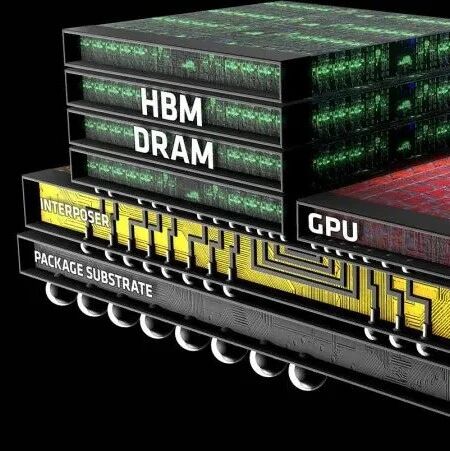
东兴证券:混合键合行业已进入高速落地期 设备国产替代机遇明确
智通财经网· 2026-01-27 04:01
Group 1 - The hybrid bonding industry is entering a high-speed implementation phase, with equipment demand expected to grow several times before 2030, marking this technology as a key driver for the next generation of computing power [1][3] - Hybrid bonding technology is a critical enabling technology for breaking through computing power bottlenecks in the post-Moore era, driven by explosive growth in AI, high-performance computing (HPC), and high-bandwidth memory (HBM) [1][3] - The current market is dominated by overseas leaders, but there are clear opportunities for domestic alternatives [1] Group 2 - Hybrid bonding offers extreme interconnect density and performance breakthroughs, process compatibility, cost optimization potential, and flexibility in three-dimensional integration and heterogeneous design [2] - However, challenges such as defect control, alignment precision, thermal management, wafer warping, material compatibility, and process throughput must be addressed for successful mass production [2] Group 3 - The demand for hybrid bonding technology is transitioning from an advanced option to a core infrastructure in the AI era, with significant applications in storage and logic integration [3] - Major manufacturers like TSMC are expanding production in advance, with HBM4/5 and high-end AI chips expected to be the first to scale, indicating a robust growth trajectory for related equipment [3] Group 4 - The hybrid bonding equipment market is characterized by a clear pattern of "overseas dominance and domestic breakthroughs," with Dutch company BESI holding about 70% of the global market share [4] - Chinese equipment manufacturers are accelerating their catch-up efforts, with companies like Tuojing Technology launching mass production-level hybrid bonding equipment and receiving repeat orders [4] - Domestic equipment is rapidly entering the key tracks of 3D integration and advanced packaging, with market share expected to continue increasing due to rising precision and stability [4] Group 5 - BESI is the absolute leader in the global hybrid bonding equipment market, establishing a core position in high-performance computing with a complete range of equipment from traditional packaging to cutting-edge 2.5D/3D integration [5] - Its flagship product, Datacon 8800 CHAMEO ultra plus AC, achieves 100nm alignment precision and a throughput of 2000 CPH, indicating a shift from laboratory to mass production [5] - BESI's advanced packaging business demonstrates strong technical premium capabilities with a gross margin exceeding 65%, reflecting a successful transition to an AI-driven growth model [5]

力积存储再度递表港交所 报告期内累计亏约5.42亿元
Mei Ri Jing Ji Xin Wen· 2025-12-18 13:24
Core Viewpoint - Zhejiang Liji Storage Technology Co., Ltd. (Liji Storage) has submitted its application to the Hong Kong Stock Exchange again, with a significant increase in revenue from memory modules and a decline in revenue from memory chips during the reporting period from 2022 to the first half of 2025 [1][5]. Financial Performance - Liji Storage's revenues for the years 2022, 2023, 2024, and the first half of 2025 were 610 million, 580 million, 646 million, and 412 million respectively, while the company has not achieved profitability, incurring losses of 139 million, 244 million, 109 million, and 49.82 million during the same periods, totaling approximately 542 million in losses [5]. - The inventory amount reached 149 million by the end of the first half of 2025, accounting for nearly 30% of the total assets of 525 million, which increased to 206 million by the end of the third quarter of 2025 [6]. Product Revenue Breakdown - The revenue share from memory chips decreased from 88.2% in 2022 to 53.3% in the first half of 2025, while the revenue share from memory modules increased from 0% to 40.1% during the same period [6]. - Most of the memory modules are based on third-party memory chips rather than the company's own products, as the company's self-developed memory chips are targeted at niche markets and have not yet entered the mainstream DRAM market [6]. Investment and Valuation - The Zhejiang Jinyi Tianyuan Smart City High-tech Industry Development Co., Ltd. (Tianyuan Smart City) invested a total of 100 million in Liji Storage in 2021 and 2022, but transferred all its shares at a price significantly below market value in March 2025, valuing Liji Storage at less than 1.3 billion [3][7]. - In contrast, a recent capital increase in December 2023 valued Liji Storage at nearly 2.9 billion, indicating a significant discrepancy in valuation [8]. Market Position and Future Prospects - Liji Storage ranks fourth among Chinese companies in the global niche DRAM market and eleventh among all participants [4]. - The company is one of the few in China with high-bandwidth 3D stacking technology and plans to launch HSM (Hybrid Stacked Memory) products by 2026, aiming to become a pioneer in domestic high-bandwidth memory chip production and commercialization [11][12]. - The market share of high-bandwidth memory (HBM) in the DRAM sector is expected to grow from 18% in 2024 to over 50% by 2030, with a compound annual growth rate of 33% [11].

Micron Technology(MU) - 2026 Q1 - Earnings Call Transcript
2025-12-17 22:30
Financial Data and Key Metrics Changes - Micron reported total fiscal Q1 revenue of $13.6 billion, up 21% sequentially and 57% year over year, marking a quarterly record for the third consecutive quarter [20] - Fiscal Q1 DRAM revenue reached a record $10.8 billion, up 69% year over year and 20% sequentially, representing 79% of total revenue [20][21] - Fiscal Q1 NAND revenue was a record $2.7 billion, up 22% year over year and sequentially, accounting for 20% of total revenue [21][22] - Consolidated gross margin for fiscal Q1 was 56.8%, up 11 percentage points sequentially, driven by higher pricing and strong cost execution [22] - Non-GAAP diluted earnings per share in fiscal Q1 was $4.78, reflecting 58% sequential growth and 167% year-over-year growth [24] Business Line Data and Key Metrics Changes - Cloud memory business unit revenue was a record $5.3 billion, representing 39% of total revenue, up 16% sequentially [22] - Core data center business unit revenue reached a record $2.4 billion, up 51% sequentially, representing 17% of total revenue [23] - Mobile and client business unit revenue was a record $4.3 billion, up 13% sequentially, representing 31% of total revenue [23] - Automotive and embedded business unit revenue was a record $1.7 billion, up 20% sequentially, representing 13% of total revenue [23] Market Data and Key Metrics Changes - Server unit demand is expected to grow in the high teens percentage range for calendar 2025, higher than previous expectations [10] - PC unit sales are forecasted to grow in the high single-digit percentage range for calendar 2025, above prior expectations [12] - Smartphone unit volumes are on track to grow in the low single-digit percentage range for calendar 2025 [12] - The aggregate industry supply is expected to remain substantially short of demand for the foreseeable future, with DRAM and NAND bit demand growth expectations revised higher [16][17] Company Strategy and Development Direction - Micron is focused on maximizing production output and ramping industry-leading technology nodes while investing in new cleanroom space to enhance supply capability [6][18] - The company anticipates substantial new records in revenue, gross margin, EPS, and free cash flow for both the second quarter and the full fiscal year 2026 [6] - Micron plans to increase fiscal 2026 capital expenditures to approximately $20 billion, primarily to support HBM supply capability and 1-gamma supply [17][18] Management's Comments on Operating Environment and Future Outlook - Management highlighted that AI-driven demand is accelerating, with significant growth in data center capacity driving demand for high-performance memory [9][10] - The company expects tight market conditions to persist beyond calendar 2026 due to sustained strong industry demand and supply constraints [6][16] - Management expressed confidence in Micron's competitive position, emphasizing technology leadership and a differentiated product portfolio [6][7] Other Important Information - Micron generated record free cash flow of $3.9 billion in fiscal Q1, exceeding the previous record from fiscal Q4 2018 by over 20% [25] - The company reduced debt by $2.7 billion during the quarter, closing with $11.8 billion of debt and a net cash balance of over $250 million [25][26] - Over 80% of Micron's professional workforce actively uses GenAI, significantly enhancing productivity across various functions [26] Q&A Session Summary Question: Long-term agreements with customers - Management discussed ongoing discussions for multi-year contracts with key customers, emphasizing stronger contract structures compared to previous agreements [31] Question: Capital expenditures and intensity - Management confirmed an increase in capital expenditures to $20 billion for fiscal 2026, with a focus on supporting DRAM and HBM supply [32][34] Question: Supply constraints and cleanroom space - Management acknowledged supply constraints and the need for cleanroom space, emphasizing efforts to maximize production efficiency within existing facilities [35][36] Question: HBM market share and competitive positioning - Management expressed confidence in Micron's competitive position, highlighting strong performance and low power consumption of HBM products [46][47] Question: Pricing dynamics for HBM - Management confirmed that HBM for 2026 is sold out in terms of volume, with completed negotiations for pricing, ensuring strong profitability [56]
[热闻寻踪]HBM4溢价红利来袭,A股产业链谁能分羹?
Quan Jing Wang· 2025-11-08 03:58
Core Viewpoint - The A-share market is experiencing significant interest in high bandwidth memory (HBM) concepts, with related stocks seeing substantial capital inflow and price increases. SK Hynix and NVIDIA have finalized an HBM4 supply agreement, with a price increase of over 50% compared to HBM3E, and predictions of operating profits exceeding 70 trillion KRW by 2025 [1]. Group 1: Company Developments in HBM - Zhongtian Precision has a 6.71% indirect stake in Visionary Storage and is focused on HBM technology, with HBM2/2e products in final testing and HBM3/3e in development, targeting applications in AI and edge devices [1]. - Unisoc's HBM products are still in the R&D phase, with future iterations planned based on user needs, particularly for specialized industry applications [2]. - Jingce Electronics has aging testing equipment for HBM chips and has received orders for related products, benefiting from the demand surge due to AI developments [3]. - Longxin Technology is collaborating with industry partners on HBM R&D, aiming to enhance bandwidth and reduce latency for future GPGPU needs [4]. - Aisen Co. has developed advanced packaging materials applicable to HBM storage chips [5]. - Kuaike Intelligent is advancing TCB equipment for HBM packaging, which is crucial for the process [6]. - Sanxiang New Materials is focusing on electronic-grade zirconium and hafnium materials, which are essential for HBM and other high-performance storage chips, with some products already sent to semiconductor clients [6]. Group 2: Market Trends and Predictions - The HBM4 high premium is currently benefiting overseas oligopolies, while domestic companies are primarily focused on thematic trading, necessitating close monitoring of certification progress and DRAM price increases for valuation flexibility [1]. - The demand for large-capacity, high-performance storage chips is rising, leading to tighter supply of core materials [6].




韩国厂商,要垄断HBM4
半导体芯闻· 2025-07-30 10:54
Core Viewpoint - Hanmi Semiconductor is confident in dominating the increasingly competitive HBM4 (High Bandwidth Memory) TC bonding machine market and has received orders for the next-generation Fluxless Bonder, expected to be delivered in the second half of the year [1][2]. Group 1: Company Performance and Market Position - Hanmi Semiconductor reported a projected sales revenue of 180 billion KRW and an operating profit of 86.3 billion KRW for Q2 2025, representing year-on-year growth of 45.8% and 55.7% respectively, with an operating profit margin of 47.9% [2]. - The company anticipates that if the growth trend continues in the second half of the year, total sales for the year could reach between 800 billion and 1.1 trillion KRW [2]. Group 2: Market Strategy and Customer Base - Hanmi Semiconductor aims to secure all major customers' orders for HBM4 TC bonding machines, leveraging long-term partnerships and accumulated mass production experience [3]. - The company is actively expanding its overseas sales of TC bonding machines, with profit margins in international markets being 30-40% higher than domestic ones [3]. Group 3: Technological Advancements - The company is preparing to deliver Fluxless Bonding machines this year, which will reduce bonding gaps and enable thinner HBM packaging structures [4]. - Hanmi Semiconductor is also developing Hybrid Bonding equipment, which does not use bump connections, aiming to further reduce packaging thickness and improve heat dissipation [4]. - A planned investment of 100 billion KRW is set for a new factory to produce next-generation products, with the Hybrid Bonding machine expected to launch in 2027 [4].