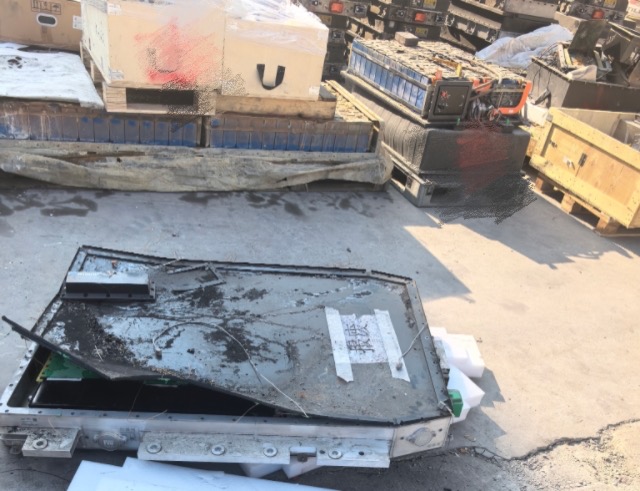
动力电池回收

Search documents
动力电池回收产业趟进“深水区”
中国能源报· 2026-03-23 04:18
Core Viewpoint - The construction of a green, standardized, and efficient recycling system for power batteries is an urgent challenge for the industry as the market faces a significant wave of retired batteries [3]. Group 1: Market Overview - China's annual production of new energy vehicles has exceeded 16 million units, leading to a corresponding surge in the retirement of power batteries, with an estimated total of 400,000 tons expected to be retired in 2024 and 1.5 million tons by 2030 [3]. - The recycling market for retired power batteries is projected to exceed 100 billion yuan [3]. Group 2: Industry Challenges - The power battery recycling industry is experiencing a mismatch between supply and demand, with formal enterprises operating at less than 20% capacity while approximately 75% of retired batteries flow into unregulated channels [5]. - The economic imbalance is a core issue, as formal enterprises face high compliance costs related to environmental protection, safety, and taxation, while informal "small workshops" evade these costs, leading to lower operational expenses [5][6]. Group 3: Regulatory and Structural Issues - The number of battery recycling-related enterprises has surged to 190,000, far exceeding actual processing needs, contributing to industry chaos [6]. - There is a pressing need for enhanced regulation and legal frameworks, with suggestions for a collaborative regulatory mechanism involving multiple government departments to address illegal dismantling and improve compliance [7]. Group 4: Economic and Technical Challenges - The shift from ternary batteries to lithium iron phosphate batteries, which account for about 69% of retired batteries, poses economic challenges for recycling companies due to lower profit margins [9]. - The profitability of recycling lithium iron phosphate batteries is highly dependent on fluctuating lithium carbonate prices, with current margins below 4%, contrasting sharply with the 10% margins for ternary batteries [9]. Group 5: Lifecycle Management and Innovation - The recycling of power batteries is a system engineering challenge that spans the entire lifecycle, with current issues in second-life utilization due to narrowing application scenarios and a lack of standards [12]. - The establishment of a "battery passport" and a comprehensive lifecycle data management system is crucial for improving transparency and accountability in battery recycling [13].

政策、技术、市场齐发力,规范废旧电池回收利用
Jing Ji Ri Bao· 2026-02-24 10:16
Core Insights - The production and sales of new energy vehicles in China are expected to grow by nearly 30% by 2025, while the volume of retired batteries is also increasing significantly [1] - By 2028, the retired volume of power batteries in China is projected to exceed 4 million tons, with the waste battery recycling industry expected to exceed 280 billion yuan in value [1] - The current standardized recycling rate of waste power batteries in China is still below 50%, indicating both pressure for recycling and significant market opportunities [1] Group 1: Policy and Regulatory Framework - In 2018, the Ministry of Industry and Information Technology introduced interim measures for the recycling and utilization of new energy vehicle power batteries, establishing a battery coding traceability system and designating automobile manufacturers as the main entities responsible for recycling [2] - The State Council approved an action plan in February 2025 to improve the recycling system for power batteries, emphasizing the need for a standardized, safe, and efficient recycling process [2] - The upcoming interim measures for the management of waste power battery recycling and comprehensive utilization, effective April 1, aim to create a full lifecycle regulatory system for power batteries [2] Group 2: Industry Development and Market Opportunities - The construction of a waste power battery recycling system is crucial, requiring a closed-loop model that integrates production, use, recycling, and regeneration [3] - The comprehensive utilization of waste power batteries in China is expected to exceed 400,000 tons by 2025, reflecting a year-on-year growth of 32.9%, driven by market demand and technological advancements [3] - The application of digital traceability technology is transforming traditional recycling models, while innovations in production processes are reducing costs and improving recovery efficiency [3] Group 3: Market Environment and Competition - The recycling of power batteries has transcended industrial boundaries, becoming a battleground for global strategic resource competition [3] - A standardized and orderly market environment is essential to prevent a large number of waste batteries from flowing into informal recycling channels, thereby promoting the transformation of waste battery recycling into a new industry with significant commercial value [3]
电池回收进入“硬监管时代”,车企、电池厂、拆解企业该做什么?| 退役电池研究室①
Xin Lang Cai Jing· 2026-02-05 05:51
Core Viewpoint - The new regulations for the recycling and comprehensive utilization of used power batteries in the electric vehicle industry mark a transition to a stringent regulatory phase, emphasizing compliance and accountability in battery recycling practices [1][4]. Group 1: Regulatory Framework - The Ministry of Industry and Information Technology issued the "Interim Measures for the Management of Recycling and Comprehensive Utilization of Used Power Batteries for New Energy Vehicles," which signifies the entry into a strong regulatory phase for battery recycling [1][4]. - The new regulations optimize the recycling management system by clarifying responsibilities at various stages, enhancing the battery traceability system throughout its lifecycle, and improving multi-departmental collaborative supervision mechanisms [1][4]. Group 2: Compliance and Accountability - The regulations introduce clear penalties and accountability for recycling violations, transitioning from principle-based advocacy to mandatory compliance requirements [2][4]. - The introduction of a battery identification system provides a basis for legally holding specific companies accountable, effectively reducing the flow of retired batteries into informal recycling channels [2][4]. Group 3: Lifecycle Management - The new regulations enhance the existing battery recycling traceability management system established in 2018, requiring a unified battery coding system for credible and traceable data throughout the battery's lifecycle [8]. - The system will allow different data access levels for government and enterprises, facilitating regulatory oversight and operational management optimization [8]. Group 4: Responsibility Allocation - The new regulations clarify the responsibilities of various stakeholders based on battery source types, assigning responsibilities to vehicle manufacturers, battery manufacturers, and comprehensive utilization enterprises [9]. - Vehicle manufacturers are required to establish recovery service points that match their sales volume and inform consumers about recycling procedures when batteries reach suggested retirement conditions [9][10]. Group 5: Recommendations for Stakeholders - Battery and vehicle manufacturers should implement dedicated management for waste batteries and ensure compliance with the unified information reporting system [10]. - Scrap vehicle dismantling enterprises are encouraged to collaborate with vehicle manufacturers to guide consumers in proper disposal practices [11]. - Consumers are advised to choose recognized service points for maintenance and disposal to avoid unqualified recycling channels [12]. - Other enterprises, such as maintenance and battery swap companies, must ensure proper storage and transfer of waste batteries to designated recovery service points [13].
动力电池回收产业的“新叙事”
Zhong Guo Jing Ying Bao· 2026-02-01 06:08
Core Insights - The penetration rate of new energy vehicles (NEVs) has surpassed 50%, leading to a shift in policy focus from merely subsidizing purchases to enhancing the entire lifecycle of the industry [1] - The number of NEVs is expected to exceed 120 million during the 14th Five-Year Plan period, with NEVs potentially accounting for nearly 30% of total vehicle ownership, creating both challenges and new market opportunities [1] Group 1: Battery Recycling and Market Opportunities - The domestic market is approaching a phase of large-scale retirement of power batteries, with projections indicating that by 2030, the volume of waste power batteries will exceed 1 million tons [2] - A well-structured battery recycling system is urgently needed to prevent environmental pollution and resource wastage, as only about 30% of retired batteries are currently being recycled through formal channels [2][3] - The global lithium battery market is expected to reach 5 TWh by 2030, with annual power battery shipments potentially reaching several million tons, emphasizing the need for effective management in the aftermarket [2] Group 2: Industry Challenges and Development Directions - The increasing complexity of battery structures, such as CTP (Cell to Pack), poses challenges for recycling companies, necessitating the establishment of an industrial-grade system for safety and efficiency [3] - The industry is still in its early stages, with many players leading to various issues; however, there is a consensus on the need to develop a standardized and scalable recycling system [3] - Key development directions include enhancing battery detection, automatic disassembly technology, and focusing on high-value chain segments like precious metal recovery [3] Group 3: Global Perspective and Sustainability - The global transition from fossil fuels to renewable energy, particularly lithium batteries, requires a massive scale of battery production, highlighting the importance of recycling for sustainable development [4] - The current recycling capacity is insufficient to support the complete replacement of traditional energy sources, which is why the focus on circular resources is increasing globally [4] - Major economies are emphasizing supply chain security, with battery recycling seen as a viable path to ensure resource supply and industry chain safety [5] Group 4: Policy and Regulatory Framework - The Ministry of Industry and Information Technology and other government bodies have issued interim measures for the recycling and comprehensive utilization of retired power batteries, effective from April 1, 2026 [7] - These measures clarify the responsibilities of NEV manufacturers and battery companies in battery recycling, aiming to establish a regulated, safe, and efficient recycling system [7]
动力电池报废新规开启产业新篇
Zhong Guo Qi Che Bao Wang· 2026-01-31 05:24
Core Viewpoint - The introduction of the "Interim Measures for the Recycling and Comprehensive Utilization of Used Power Batteries for New Energy Vehicles" marks a significant regulatory shift aimed at establishing a comprehensive management framework for battery recycling, emphasizing lifecycle management and digital solutions to enhance sustainability in the new energy vehicle industry [1][2]. Group 1: Regulatory Innovations - The "Vehicle-Battery Integrated Scrapping" system addresses industry pain points by mandating that scrapped vehicles must be accompanied by their power batteries, preventing the illegal sale of batteries in black markets [1][2]. - The digital identity management system for power batteries introduces unique dynamic codes for each battery, enabling full traceability across all stages from production to recycling, thus enhancing regulatory oversight and consumer transparency [2]. - A comprehensive responsibility system and strict penalty mechanisms are established, holding all stakeholders accountable and imposing administrative penalties for non-compliance, with severe cases potentially leading to criminal liability [2]. Group 2: Challenges in Implementation - Market-level challenges include the need to address the knowledge gap and financial concerns of vehicle owners, particularly those in the ride-hailing and freight sectors, who may resist the new regulations due to perceived short-term financial losses [3]. - Small and medium-sized enterprises face significant compliance costs and technological adaptation challenges, which may lead to the elimination of some potentially viable companies during industry consolidation [3][4]. - Regional disparities in enforcement capabilities and a lack of specialized detection equipment hinder effective regulation, particularly in lower-tier cities [4][6]. Group 3: Recommendations for Successful Implementation - To balance interests, a market-based recycling pricing mechanism should be established, along with incentives for compliant battery disposal, such as subsidies or points for vehicle owners [4][5]. - Strengthening policy support and technical assistance for small enterprises is crucial, including financial aid and standardized technical guidelines to reduce adaptation costs [5][6]. - Enhancing grassroots enforcement capabilities through training and improved detection tools is essential, alongside fostering inter-departmental collaboration for real-time data sharing to eliminate regulatory blind spots [6].
全链条、强监管、严处罚 动力电池回收管理新规出台
Huan Qiu Wang· 2026-01-30 03:45
Core Viewpoint - The Ministry of Industry and Information Technology, the Ministry of Ecology and Environment, and the State Administration for Market Regulation jointly issued the "Interim Measures for the Management of Recycling and Comprehensive Utilization of Waste Power Batteries for New Energy Vehicles," which will take effect on April 1, 2026, aiming to standardize the recycling and utilization of power batteries in the new energy vehicle sector [2][3] Group 1: Industry Development and Statistics - The rapid development of the new energy vehicle industry in China has led to a significant increase in production and sales, with projected sales of 16.49 million units in 2025, a year-on-year growth of 28.2%, and a penetration rate of 47.9% [3] - By June 2025, the total number of new energy vehicles in China is expected to reach 36.89 million, accounting for 10.27% of the total number of vehicles [3] - The volume of waste power batteries is anticipated to exceed 1 million tons by 2030, marking the beginning of a large-scale retirement phase for power batteries [3] Group 2: Regulatory Framework and Responsibilities - The new management measures aim to enhance the legal binding force of regulations, addressing previous inadequacies in the management of waste power batteries and illegal dismantling practices [4][5] - The "Interim Measures" outline specific responsibilities and obligations for battery manufacturers, new energy vehicle producers, and other related enterprises to ensure compliance and accountability throughout the recycling process [5] - The measures include penalties for non-compliance, with fines up to 50,000 yuan for failing to fulfill recycling responsibilities or providing false information [5] Group 3: Traceability and Digital Management - A nationwide unified traceability information platform will be established, implementing a "digital identity" management system for power batteries, requiring timely reporting of battery codes and flow information [6][7] - The traceability management scope has been expanded to include the entire lifecycle of power batteries, ensuring that all stakeholders are accountable for their respective roles in the recycling process [7] Group 4: Safety and Utilization Standards - The "one vehicle, one battery" scrapping system is introduced to prevent the illegal sale of waste power batteries, which poses safety risks [8] - The concept of "梯次利用" (cascade utilization) will no longer be used, emphasizing that all battery products must meet quality standards for their intended applications [9][10] - Strict regulations will be enforced to prevent the use of waste power batteries in prohibited areas, ensuring public safety and environmental protection [10]
江西政协委员建言:完善新能源汽车动力电池回收利用体系
Zhong Guo Xin Wen Wang· 2026-01-29 15:37
Core Viewpoint - The construction of a recycling system for electric vehicle power batteries has become a hot topic during the Jiangxi Provincial Two Sessions in 2026, focusing on transforming industrial advantages into sustainable development momentum [1] Group 1: Challenges in Battery Recycling - The current electric vehicle battery recycling industry faces issues such as an incomplete system, regulatory loopholes, low proportion of formal recycling channels, and significant environmental and safety risks [2] - There is a need to clarify the responsibility of waste battery recycling, standardize the traceability responsibilities of battery manufacturers, and ensure the return and reuse of batteries through innovative models like buy-back agreements and rental systems [3] Group 2: Technological Innovation and Market Expansion - To address technical bottlenecks and insufficient market dynamics, it is recommended to strengthen technological research and encourage collaboration between local companies and leading lithium battery firms for the development of solid-state and sodium-ion battery recycling technologies [4] - Financial incentives such as tiered subsidies for compliant recycling companies and tax exemptions for equipment investments are suggested to stimulate the market [4] Group 3: Cluster Development and Best Practices - The establishment of a "green dismantling and comprehensive utilization demonstration base" is proposed to create a replicable "Jiangxi model" for the lithium battery industry, integrating dismantling, sorting, and recycling in modern parks [5] - The exploration of international transit and tiered utilization models for power batteries is recommended, leveraging existing ports to develop battery import dismantling and material recovery businesses [5] Group 4: Extension to Solid-State Battery Industry - There is a suggestion to consolidate advantages in battery and three-electric systems by extending into the solid-state battery supply chain, focusing on attracting research and production enterprises for solid-state electrolytes and high-nickel materials [6]
电池回收黑灰暴利产业曝光!拆一辆赚1万
Di Yi Cai Jing· 2026-01-29 10:42
Core Viewpoint - The article highlights the rise of small workshops engaged in the recycling of used power batteries in China, particularly in Guangdong, amidst a growing market driven by the retirement of electric vehicle batteries. It discusses the operational methods, market dynamics, and regulatory challenges faced by these small players in the battery recycling industry. Group 1: Industry Overview - The penetration rate of new energy vehicles has surpassed 50%, leading to a wave of retired power batteries. It is estimated that by 2025, the retired volume of power batteries in China will reach 820,000 tons [3] - The nominal capacity for battery recycling can reach 3.8 million tons, but actual recycling by white-listed companies is only 623,000 tons, indicating a utilization rate of less than 18% [4] - Approximately 75% of waste batteries are processed by non-white-listed companies, including small workshops, which often operate with lower costs and higher profit margins [10] Group 2: Operational Insights - Small workshops typically require less than 600,000 yuan to enter the battery recycling business, with potential profits reaching millions [4] - The process involves acquiring used power battery packs, disassembling them, testing the cells, and selling the good quality cells while extracting valuable metals from the lower quality ones [4][5] - The average price for recycling good quality batteries is between 0.5 to 0.6 yuan per amp-hour, while resale prices can reach 1 yuan per amp-hour, leading to significant profit margins [10][12] Group 3: Market Dynamics - Small workshops are able to offer higher prices for used batteries compared to white-listed companies, often exceeding 30% more, which attracts suppliers [10] - The market is characterized by a "high price wins" principle, making it challenging for regulated companies to compete effectively [4][14] - The upcoming regulations are expected to improve the situation by controlling small workshops, but many still claim to have access to battery sources [4][14] Group 4: Regulatory Challenges - The new regulations set to be implemented aim to enhance the management of battery recycling and ensure compliance, but the effectiveness of these measures remains to be seen [4][18] - The presence of small workshops poses systemic risks, including price inflation and quality degradation of recycled materials, which can undermine the efforts of compliant companies [15][17] - Regulatory bodies are increasing enforcement actions against illegal operations, with over 8,300 inspections conducted recently [17]
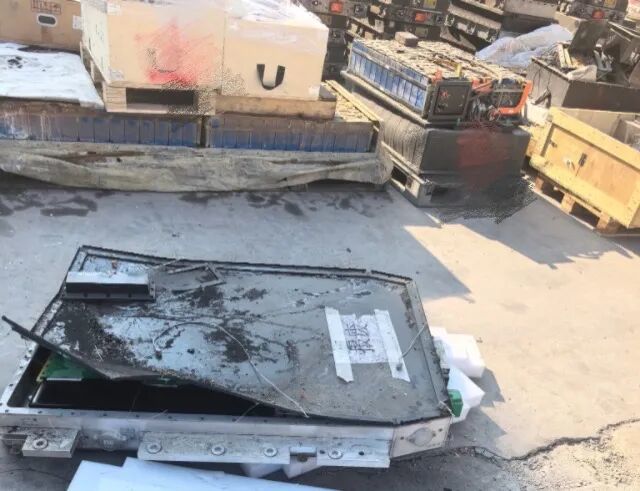
电池回收黑灰暴利产业曝光!拆一辆赚1万
第一财经· 2026-01-29 10:37
Core Viewpoint - The article highlights the booming yet unregulated market of used power battery recycling in China, focusing on small workshops that operate without proper qualifications, posing risks to both the environment and the industry [5][6][18]. Group 1: Industry Overview - The penetration rate of new energy vehicles in China has surpassed 50%, leading to a surge in retired power batteries, with an estimated 820,000 tons expected to be retired by 2025 [5]. - The nominal capacity for battery recycling in China is projected to reach 3.8 million tons, but actual recycling by qualified enterprises is only 623,000 tons, indicating a utilization rate of less than 18% [5][19]. - Approximately 75% of waste batteries are processed by non-qualified enterprises, including small workshops, which are drawn to the high-profit margins of this business [13][19]. Group 2: Business Model of Small Workshops - Small workshops can enter the battery recycling market with an investment of less than 600,000 yuan, while the profits can reach millions [5]. - The average price for recycling quality batteries (50%-80% capacity) is 0.5-0.6 yuan per ampere-hour, while resale prices can reach 1 yuan per ampere-hour, leading to significant profit margins [12][15]. - A single 100Ah battery can yield a profit of 50 yuan, and servicing multiple vehicles can result in profits of around 100,000 yuan [12][15]. Group 3: Regulatory Challenges - New regulations aimed at controlling small workshops are set to be implemented, but many operators claim they still have access to battery sources [6][21]. - The lack of proper oversight and the competitive pricing of small workshops make it difficult for qualified enterprises to compete, leading to a structural mismatch in the recycling market [19][21]. - The article suggests that the upcoming regulations will enhance information traceability and recycling management, but the effectiveness of these measures remains to be seen [21][22]. Group 4: Environmental and Safety Concerns - The operations of small workshops often lack safety measures, with workers exposed to hazardous conditions during battery disassembly [8][11]. - The recycling process in these workshops does not meet the required recovery rates for valuable metals, which poses environmental risks [20]. - The article emphasizes the need for stricter enforcement against illegal operations to protect both the environment and the integrity of the recycling industry [20][22].
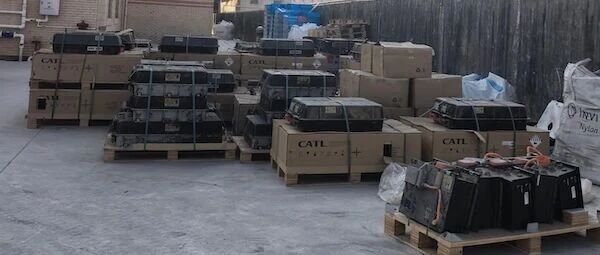
电池回收黑灰暴利产业曝光!拆一辆赚1万,75%废旧电池流向了小作坊
Di Yi Cai Jing· 2026-01-29 10:05
Core Viewpoint - The article highlights the booming yet unregulated business of small workshops engaged in the recycling of used power batteries, revealing the risks and challenges posed to the formal recycling industry as the market for retired batteries expands rapidly [1][3][10]. Group 1: Industry Overview - The penetration rate of new energy vehicles in China has surpassed 50%, leading to a surge in retired power batteries, with an estimated 820,000 tons expected by 2025 [3][13]. - Approximately 75% of used batteries are processed by non-compliant entities, including small workshops, which operate with minimal investment and high profit margins [4][10]. - The nominal capacity for battery recycling in China is reported to be 3.8 million tons, but actual recycling by compliant companies is only 623,000 tons, indicating a utilization rate of less than 18% [4][14]. Group 2: Business Model of Small Workshops - Small workshops can enter the battery recycling business with costs as low as 600,000 yuan, while profits can reach millions, significantly higher than compliant companies [4][10]. - The average recovery price for quality batteries is between 0.5 to 0.6 yuan per ampere-hour, while resale prices can reach 1 yuan per ampere-hour, leading to substantial profits [10][12]. - A single 100Ah battery can yield a profit of approximately 50 yuan, translating to potential earnings of around 10,000 yuan for a full battery pack needed for a new energy vehicle [10][12]. Group 3: Quality and Safety Concerns - The quality of refurbished batteries is questionable, as workshops may substitute lower-capacity batteries to meet customer demands without proper guarantees [12][15]. - The working conditions in these workshops are often unsafe, with workers lacking proper protective equipment while handling hazardous materials [5][9]. - The lack of proper tracking and certification for recycled batteries raises concerns about environmental safety and the integrity of the recycling process [9][15]. Group 4: Regulatory Environment and Future Outlook - New regulations aimed at controlling the operations of small workshops are set to be implemented, with expectations of improving compliance and safety in the industry [4][16]. - The Ministry of Industry and Information Technology has indicated that the market for retired batteries will continue to grow, with projections of over 1 million tons by 2030 [13][16]. - The article suggests that the competition between compliant companies and small workshops will intensify, necessitating stronger regulatory measures and market adjustments to ensure sustainable practices [14][16].