
机场

Search documents
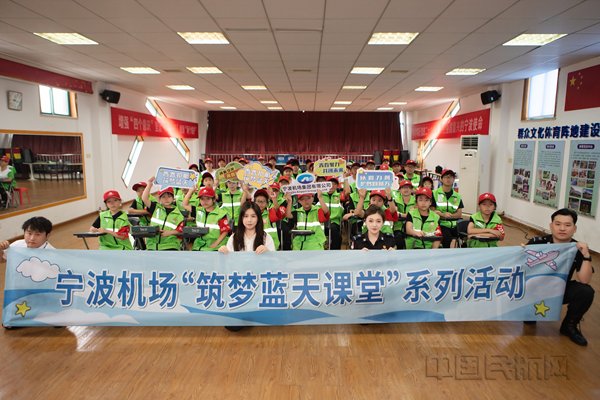
宁波机场“筑梦蓝天课堂”让“小小新市民”变身“航空知识小达人”
Zhong Guo Min Hang Wang· 2025-10-20 07:20
Core Viewpoint - Ningbo Airport's youth volunteers conducted a "Dreaming of the Blue Sky" classroom for over 40 children of migrant workers, aiming to instill aviation knowledge and dreams in them through interactive learning experiences [1][9]. Group 1: Event Overview - The event is the third volunteer educational activity organized by Ningbo Airport's Youth League this year, involving young professionals from various airport operations [1]. - The volunteers used a combination of thematic explanations, interactive Q&A, and experiential learning to engage the children in aviation knowledge [1]. Group 2: Learning Activities - The children were captivated by an animated video on "Safe Flying and Civilized Travel," which effectively communicated practical knowledge about airport security and flight procedures [4]. - Volunteers presented aviation knowledge through simple language and engaging PowerPoint presentations, addressing relatable questions that sparked the children's curiosity [4]. - An interactive quiz segment allowed children to answer questions based on the video and presentations, with correct answers rewarded with small gifts from Ningbo Airport [4]. Group 3: Simulation Experiences - The event featured simulation areas for "Check-in" and "Security Check," where children role-played as passengers, enhancing their understanding of airport procedures [5]. - In the check-in area, volunteers guided children through the process, emphasizing the importance of information verification [5]. - The security check simulation involved children cooperating with volunteers acting as security personnel, learning about regulations such as the restrictions on carrying certain items on flights [7]. Group 4: Social Responsibility - This initiative exemplifies Ningbo Airport's commitment to corporate social responsibility by integrating aviation knowledge into youth education, promoting awareness of air travel safety and environmental protection [9]. - The Youth League plans to continue developing the "Dreaming of the Blue Sky" curriculum, aiming to innovate course formats and content to inspire more children to pursue their dreams of flying [9].

从“变废为宝”到“无中生油”,上海机场集团助力SAF产业开启绿色航空新纪元
Xin Lang Cai Jing· 2025-10-20 07:01
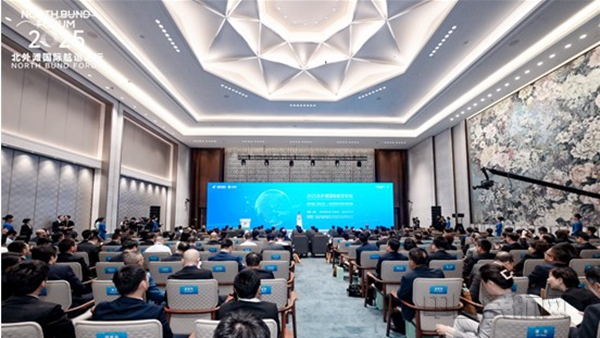
Core Insights - The 2025 Sustainable Global Leaders Conference is scheduled from October 16 to 18 in Shanghai, co-hosted by the World Green Design Organization and Sina Group, focusing on sustainable development and green practices [1] Group 1: China's Future and Technological Advancements - China's future is promising due to its "striving spirit" and "technological self-reliance," with a new generation excelling in various fields, contributing to national success [1] - Significant progress has been made in China's renewable energy technology, with green electricity emerging as a crucial resource, akin to "oil in the new era" [1] Group 2: Shanghai Airport Group's Green Practices - Shanghai Airport Group is committed to green transformation, emphasizing the importance of innovative technology to enhance sustainability [1] - The group is focusing on two main Sustainable Aviation Fuel (SAF) technology routes: 1. "Turning waste into treasure" by developing SAF from waste cooking oil, which eliminates hydrogenation and heavy metal catalysts, improving efficiency [1] 2. "Creating oil from nothing" by exploring methods to produce SAF without relying on biomass, addressing future aviation fuel demands [1] - The company aims to drive development through innovation, overcoming challenges and setting new paths in the industry [1]

上海机场宋雪枫:从“变废为宝”到“无中生油”,推动可持续航空燃料“走向蓝海”
Xin Hua Cai Jing· 2025-10-20 05:01
Core Viewpoint - The Shanghai Airport Group is positioning itself to lead in the sustainable aviation fuel (SAF) sector, leveraging China's advantages in green electricity to transform into a "green oil" powerhouse, with SAF as a key driver for this transition [1][5]. Group 1: Green Energy and Cost Reduction - Green electricity is viewed as China's "green oil," serving as a critical strategic resource for future development, extending beyond mere energy supply [1][2]. - A strong positive feedback loop is being established among electricity, materials, and computing power, where reductions in electricity costs will lead to lower costs in materials and computing, ultimately benefiting electricity production costs [2]. - The Shanghai Airport Group aims to create a cost reduction cycle through technological advancements and scaling, potentially achieving sustainable "green oil" resources that rival traditional oil [2]. Group 2: Sustainable Aviation Fuel (SAF) Development - SAF is identified as a potential key trigger point for driving down costs in the green energy sector, with its high technical feasibility and clear market demand [2]. - The Shanghai Airport Group is implementing a comprehensive green transformation strategy, focusing on increasing SAF application, reducing emissions, and fostering innovation in low-carbon technologies [3]. - The development of SAF is structured in three phases: 1. "Turning waste into treasure" by utilizing waste oils like "gutter oil" to produce SAF, with an estimated annual capacity increase of 1 million tons and a CO2 reduction of 2 million tons [3][4]. 2. "Creating oil from nothing" by capturing CO2 from the air and using innovative low-cost methods to synthesize SAF, with potential production costs significantly lower than global averages [4]. 3. "Heading towards blue oceans" by harnessing offshore wind energy and advanced technologies to create a nearly limitless supply of green fuel [4]. Group 3: Future Aspirations - The Shanghai Airport Group is committed to innovation as a driving force, actively participating in the global green aviation system and contributing to China's vision of becoming a "green oil" leader [5].
探索航空碳中和“上海方案”:上海机场联合多方发布可持续航空燃料技术和验证项目成果
Zhong Guo Jin Rong Xin Xi Wang· 2025-10-19 16:20
Core Insights - The aviation industry is taking significant steps towards carbon neutrality through the development of sustainable aviation fuel (SAF) derived from waste cooking oil, marking a crucial advancement in reducing carbon emissions [1][2]. Group 1: Sustainable Aviation Fuel Development - A project named "Key Technologies and Pilot Testing for Sustainable Aviation Fuel" was launched, successfully converting waste cooking oil into a new type of SAF with full blending characteristics [1]. - The project is expected to enhance SAF production capacity by approximately 1 million tons annually and reduce carbon dioxide emissions by about 2 million tons, translating to a cost reduction of around 10 billion yuan for the aviation industry [1]. Group 2: Future Development Phases - The Shanghai Airport Group has outlined a three-phase development path for sustainable fuel, with the second phase focusing on capturing carbon dioxide directly from the air and coupling it with hydrogen production through water electrolysis [2]. - The third phase aims to utilize offshore wind energy and advanced technologies to create a nearly limitless supply of green fuel, addressing both carbon and energy source challenges [2]. Group 3: Strategic Vision - The Shanghai Airport Group emphasizes innovation as a driving force in contributing to the global green aviation system and aims to support China's ambition to become a major player in the green oil sector [3].
2025中国运输机场发展指数发布 六大维度表现全面提升
Xin Hua Cai Jing· 2025-10-19 13:57
Core Insights - The 2025 China Transport Airport Development Index has reached a total score of 113.40, marking a 6.33% increase from 2023 and a 13.4 percentage point rise from the 2019 baseline, indicating strong resilience and recovery momentum in China's airport sector [1] Summary by Dimensions - **Safety**: The safety score is 113.75, reflecting a year-on-year increase of 1.88% and a 13.75% rise from the 2019 baseline, with China's civil aviation achieving a historic high score of 90.19 in the USOAP audit [1][2] - **Accessibility**: The accessibility score stands at 118.64, showing a 6.69% increase year-on-year and an 18.64% increase from 2019, with a net addition of 123 international passenger routes in the first half of 2025 and a 28.5% year-on-year growth in passenger transport volume [2] - **Convenience**: The convenience score is 118.08, with a slight year-on-year increase of 0.13% and an 18.08% increase from 2019, highlighting the widespread adoption of smart travel and a consistent flight punctuality rate exceeding 80% for seven consecutive years [2] - **Service**: The service score is 107.48, reflecting a 4.31% year-on-year increase and a 7.48% rise from 2019, with high passenger satisfaction and continuous improvements in special passenger services and payment convenience [2] - **Green Development**: The green score is 120.36, with a year-on-year increase of 12.88% and a 20.36% increase from 2019, showcasing a decline in airport energy consumption intensity and accelerated adoption of technologies like solar power and sustainable aviation fuels [2] - **Contribution**: The contribution score is 106.05, indicating a 13.08% year-on-year increase and a 6.05% rise from 2019, with fixed asset investments in airports exceeding 100 billion yuan for five consecutive years, significantly boosting regional economic development [2] Index Development - The index was jointly developed by the China Civil Airport Association and the Peking University Global Connectivity Research Center, aiming to continuously quantify and assess the development status of China's transport airports [3] - The weight design allocates 20% to safety and contribution dimensions, while accessibility, convenience, service, and green dimensions each account for 15% [3]
《中国民用机场协会 2025中国运输机场发展指数》发布
Zhong Guo Min Hang Wang· 2025-10-19 12:12
Core Insights - The "2025 China Transportation Airport Development Index" was released by the China Civil Airports Association, aiming to provide a systematic and objective reference for government decision-making, industry development, corporate operations, and social awareness [1][3] Summary by Categories Index Overview - The index maintains consistency in its research scope and indicator system compared to the previous year, focusing on domestic transportation airports in China, excluding Hong Kong, Macau, and Taiwan [3] - The index evaluates six dimensions: safety, accessibility, convenience, service, sustainability, and contribution, with a total of 20 secondary indicators [3] Performance Metrics - The total score of the index reached 113.40, representing a 6.33% increase from 2023 and a 13.4 percentage point increase from the 2019 baseline, marking a historical high [4] - All six dimensions showed improvement, indicating a positive overall trend: - Safety score: 113.75, up 1.88% year-on-year, and 13.75% from 2019 [4] - Accessibility score: 118.64, up 6.69% year-on-year, and 18.64% from 2019 [4] - Convenience score: 118.08, slightly up 0.13% year-on-year, and 18.08% from 2019 [4] - Service score: 107.48, up 4.31% year-on-year, and 7.48% from 2019 [4] - Sustainability score: 120.36, up 12.88% year-on-year, and 20.36% from 2019 [4] - Contribution score: 106.05, up 13.08% year-on-year, and 6.05% from 2019 [4] Trends and Developments - The index reflects a transition from scale recovery to quality and efficiency leadership in Chinese airports, highlighting three major trends: - Accelerated digital transformation with the integration of AI, digital twins, and smart travel technologies [5] - Systematic advancement of green development, moving from "single-point demonstration" to "system construction" under the dual carbon goals [5] - Enhanced collaborative patterns as airport layout planning and the 14th Five-Year Plan progress, strengthening the synergy between airports and economic zones, ports, and comprehensive transportation hubs [5]
提前25天 重庆江北国际机场2025年货邮吞吐量突破40万吨
Sou Hu Cai Jing· 2025-10-19 08:11
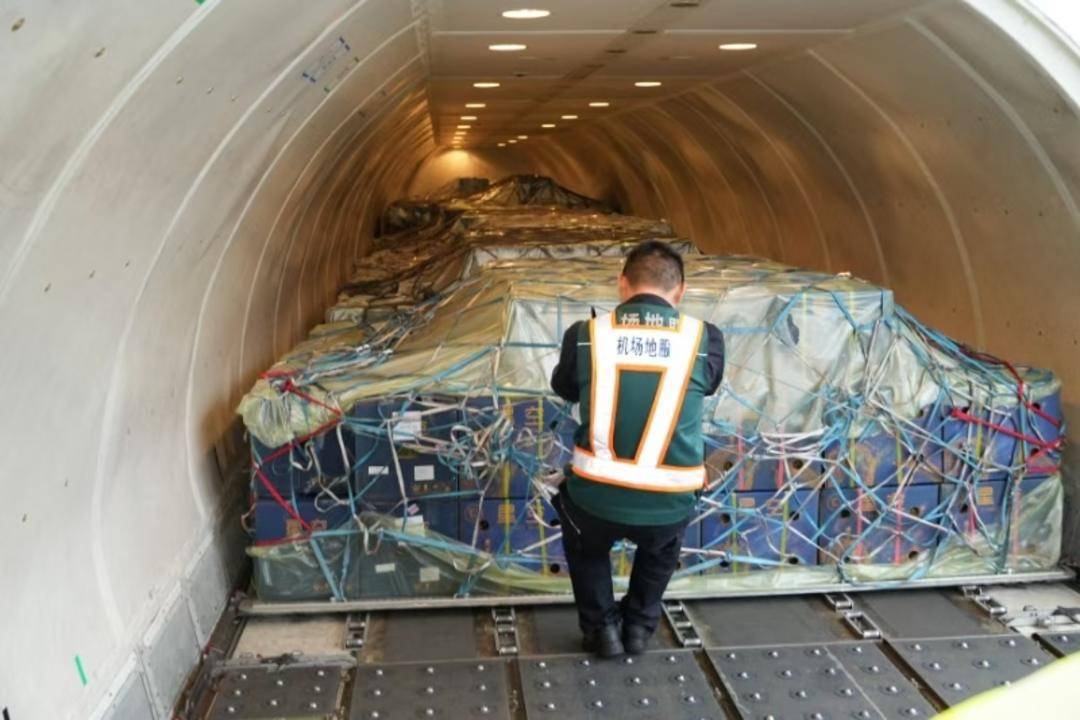
Core Insights - Chongqing Jiangbei International Airport is set to exceed a cargo throughput of 400,000 tons by 2025, achieving this target 25 days ahead of schedule compared to last year [1][7] - In September, the airport handled 52,400 tons of cargo, marking a year-on-year increase of 31.96%, positioning it among the top airports in China for growth [3][5] Cargo Route Development - The airport has strategically focused on expanding cargo routes towards Europe and Southeast Asia, recently launching or resuming flights to key destinations such as Amsterdam, Bournemouth, Frankfurt, Milan, Hanoi, Bangkok, and Dhaka [3][5] - Currently, Jiangbei Airport operates 15 international cargo routes with 51 flights per week, establishing a "Y"-shaped logistics corridor connecting Eurasia and North America [3][7] Cargo Volume Growth - As of October 16, the airport's international cargo volume reached 124,600 tons, reflecting a year-on-year growth of 1.8%, despite earlier declines due to international trade uncertainties [5][7] - The airport has seen a significant increase in both international and domestic transshipment cargo, with respective year-on-year growth rates of 81.9% and 17.4% as of September [7] Daily Cargo Performance - The airport has frequently surpassed a daily cargo handling capacity of 2,000 tons this year, with a record high of 2,245 tons on October 15, setting a new daily record since its opening [8]
提前25天!重庆江北机场2025年货邮吞吐量突破40万吨
Zhong Guo Min Hang Wang· 2025-10-19 04:41
Core Insights - Chongqing Jiangbei Airport has achieved significant milestones in its international air cargo hub construction, with a projected cargo throughput exceeding 400,000 tons by 2025, reaching this target 25 days ahead of schedule compared to last year [1][3] - The airport's cargo volume in September reached 52,400 tons, marking a year-on-year increase of 31.96%, positioning it among the top airports in China for growth [1][3] Group 1: Cargo Volume and Growth - The airport successfully transitioned from negative to positive growth in international and regional cargo throughput, with a total of 124,600 tons recorded by October 16, reflecting a year-on-year increase of 1.8% [5][6] - In September, the airport's international cargo routes expanded to 15, with 51 flights per week, establishing a "Y" shaped logistics corridor connecting Europe, Asia, and North America [3][6] Group 2: Strategic Developments - The airport has focused on enhancing its cargo route network, launching new routes to major cities such as Amsterdam, Frankfurt, and Bangkok, and achieving a breakthrough in all-cargo routes to Southeast Asia [3][6] - Collaborative efforts with various airlines and logistics companies have led to a significant increase in cargo volume, with daily cargo loads averaging an additional 150 tons since August [6][7] Group 3: Operational Efficiency - To meet the growing cargo demand, the airport has improved its operational capabilities, achieving daily cargo handling records, including a peak of 2,245 tons on October 15 [7] - The airport is committed to further expanding its route network and enhancing cargo sourcing and bellyhold resource development to strengthen its hub capabilities [7]
前9个月深圳机场口岸货运吞吐量77.1万吨,创历史新高
Bei Ke Cai Jing· 2025-10-19 04:39
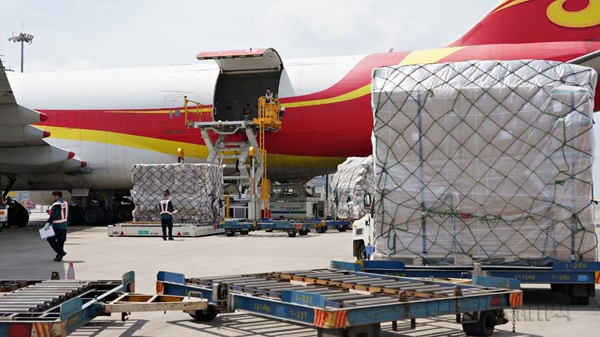
Core Insights - Shenzhen Customs reported that the international and regional cargo throughput at Shenzhen Airport reached 771,000 tons in the first nine months of this year, marking a year-on-year increase of 12.7%, which is a historical high for the same period [1] Group 1 - The cargo throughput at Shenzhen Airport demonstrates strong logistics vitality [1]

深圳机场口岸货运吞吐量达77.1万吨 创同期历史新高
Xin Lang Cai Jing· 2025-10-19 02:05
Core Insights - The core point of the article highlights the significant growth in international and regional cargo throughput at Shenzhen Airport, reaching a record high in the first nine months of the year, indicating strong logistics vitality at the Shenzhen air port [1] Group 1 - Shenzhen Airport's international and regional cargo throughput reached 771,000 tons in the first nine months of the year [1] - This figure represents a year-on-year increase of 12.7%, marking the highest level for the same period in history [1]