手术机器人

Search documents
服贸会“新”意不断涌现 “技术+文旅”的N种打开方式解锁新体验
Yang Shi Wang· 2025-09-14 01:54
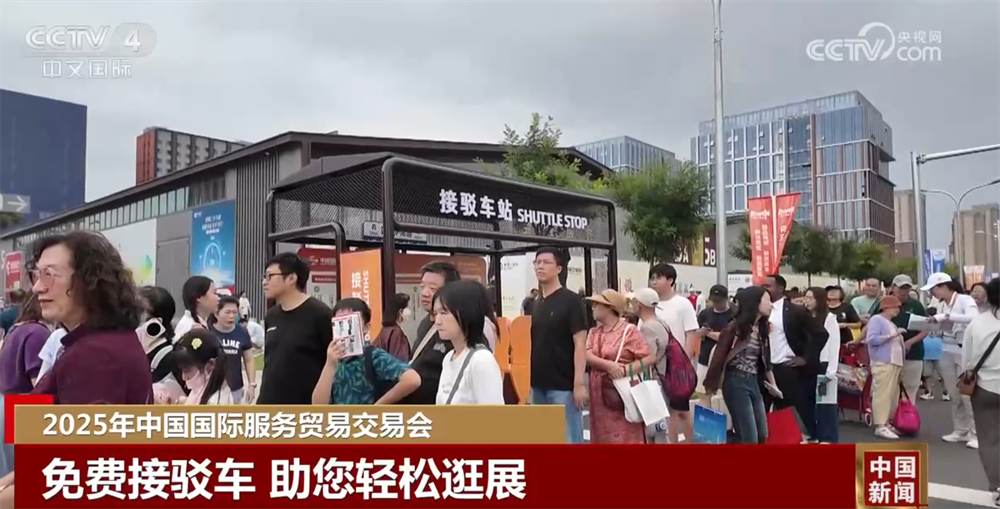
Group 1 - The 2025 China International Service Trade Fair is taking place from September 14, with public open days on the 13th and 14th, attracting many visitors to the Shougang Park exhibition area [1] - The exhibition area spans 3 square kilometers, with shuttle buses provided for easy access to different exhibition halls [1] - The fair features various thematic exhibitions, including cultural tourism services, health and hygiene services, and interactive experience zones [4][6][8] Group 2 - The cultural tourism service exhibition allows visitors to experience cultures and cuisines from over 20 countries without leaving China, showcasing items like Moroccan handicrafts and Jordanian sand art [4] - Advanced surgical robots are displayed in the health and hygiene services section, allowing attendees to observe their operation up close [6] - An AI dentist system can generate personalized oral health reports in just 10 seconds by capturing images of the oral environment [11] Group 3 - The integration of digital technologies such as AI and virtual reality is transforming the traditional cultural tourism industry, creating new experiences for visitors [12] - A VR experience allows visitors to explore a one-to-one replica of the Old Summer Palace, enhancing the immersive experience [14] - The "Time Bus" at the Old Summer Palace combines real-time natural scenery with virtual reality, providing a rich cultural experience [16][21]

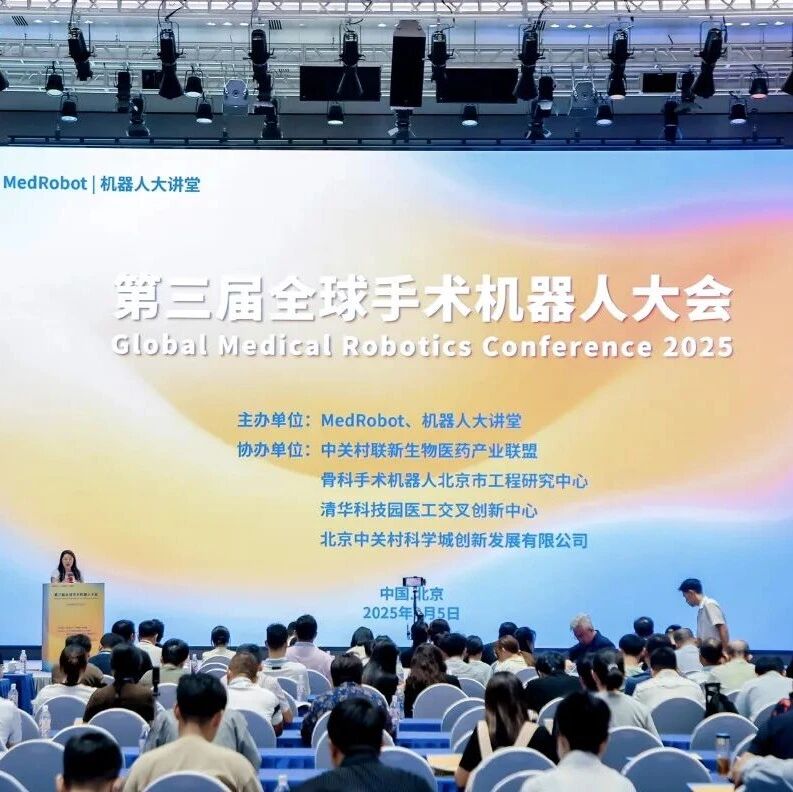
第三届全球手术机器人大会回顾:成果集中释放,跨界共鸣加速
机器人大讲堂· 2025-09-10 06:39
Core Viewpoint - The third Global Medical Robotics Conference 2025 highlighted the evolution of surgical robots, focusing on technological advancements, clinical applications, and globalization pathways in the industry [2][49]. Group 1: Conference Overview - The conference attracted over 700 professionals from hospitals, enterprises, research institutions, and investment agencies to discuss the future of the surgical robotics industry [2]. - The event featured discussions on various topics, including minimally invasive surgery, orthopedic applications, AI integration, and market access strategies [2]. - Key activities included the release of white papers, award presentations, and multiple keynote speeches and roundtable forums, showcasing the industry's progress and consensus [2][8]. Group 2: Policy and Clinical Collaboration - Beijing is positioning itself as a strong supporter of the surgical robotics industry, emphasizing the importance of policy guidance and clinical collaboration to drive innovation [3][6]. - The Beijing Medical Health Technology Development Center highlighted the city's commitment to building a high-end medical technology cluster, with surgical robots entering a new phase of policy, technology, and application synergy [3][6]. Group 3: Awards and Recognition - The conference awarded the "Global Medical Robotics Series Awards," recognizing significant achievements in technology breakthroughs, clinical implementation, market performance, and international expansion for the years 2024-2025 [8][10]. Group 4: Industry Insights and Innovations - Shanghai MicroPort Medical Robotics introduced remote surgery as a solution to address healthcare resource imbalances, having completed nearly 500 human surgeries across multiple continents [12]. - Beijing Rosenbot Technology emphasized the need for clinical-driven robot development, showcasing innovations in pelvic fracture repositioning robots [14]. - The evolution of orthopedic surgical robots is moving towards autonomous execution under physician supervision, focusing on system-level capabilities rather than just hardware performance [16]. Group 5: Training and Economic Considerations - The importance of replicable low-cost training models for technology dissemination was emphasized, with 3D printing being a key tool for creating high-fidelity training systems [22]. - The need for robotic services to demonstrate clinical value, usage frequency, and economic viability was highlighted to gain acceptance from payers [24]. Group 6: Internationalization and Market Strategies - The conference discussed the necessity for Chinese surgical robotics companies to focus on international expansion and differentiation strategies [29]. - The importance of building trust through multi-center collaborations and expert endorsements was emphasized as a critical factor for success in international markets [43]. Group 7: Future Directions and System Integration - The future of surgical robotics is seen as a transition from technical breakthroughs to system capabilities, with a focus on ecological collaboration and international dialogue [76]. - The integration of AI and collaborative systems in surgical environments is expected to enhance decision-making efficiency and safety [71].
【RimeData周报08.30-09.05】人形机器人关键窗口期已至!年内融资已超100亿元
Wind万得· 2025-09-06 22:28
Key Points - The total number of financing events this week reached 142, with a total financing amount of approximately 15.892 billion yuan, marking an increase of 11.707 billion yuan from the previous week [4] - There were 59 disclosed financing events this week, a decrease of 15 from last week, with the financing amount distribution remaining relatively unchanged [5] - The top five industries by financing event count were electronics, information technology, equipment manufacturing, healthcare, and consumer goods and services, accounting for 74.65% of total events [12] - The top five industries by financing amount were transportation, electronics, healthcare, information technology, and equipment manufacturing, together accounting for 96.65% of total financing [12] - The most notable financing events included significant rounds for humanoid robots, semiconductor materials, optical chips, and surgical robots, indicating strong investment interest in these sectors [7][8][9] Financing Events Overview - This week saw 17 financing events with amounts of 1 billion yuan or more, a decrease of 2 from the previous week [4] - The financing amount for the semiconductor materials sector exceeded 1 billion yuan, while the optical chip sector secured over 1.5 billion yuan [8][9] - The humanoid robot sector has received over 10 billion yuan in financing since the beginning of 2025, indicating a growing trend towards commercialization and large-scale application [14] Industry Distribution - The electronics and information technology sectors were tied for the highest number of financing events, each with 28 events, while the equipment manufacturing sector followed with 26 events [12] - The healthcare sector had a notable presence with 15 financing events, reflecting ongoing investment in medical technology [12] Regional Distribution - The top five regions for financing events were Jiangsu, Guangdong, Shanghai, Zhejiang, and Beijing, collectively accounting for 78.87% of total events [18] - In terms of financing amount, Shanghai led with 15.242 billion yuan, followed by Guangdong and Zhejiang, indicating a concentration of investment activity in these areas [18] Financing Rounds - Angel and A rounds were the most active, totaling 105 events, while strategic financing and B rounds followed [22] - A rounds accounted for nearly 80% of the financing amount this week, primarily driven by a significant A+ round in the transportation sector [22] Investment Institutions - A total of 170 investment institutions participated this week, with notable activity from institutions like Shenzhen Capital Group and Zhongxin Juyuan [24]

第三届全球手术机器人大会获奖名单出炉!八大奖项揭晓,三项个人荣誉致敬领军者
机器人大讲堂· 2025-09-06 11:43
Core Viewpoint - The 2025 Global Medical Robotics Conference highlighted advancements in surgical robotics, recognizing key players and innovations in the industry, indicating a shift towards high-quality competition and global expansion in the field [2][72]. Group 1: Awards and Recognitions - The conference awarded eight categories including Annual Surgical Robot, Technological Innovation Award, Clinical Innovation Award, Market Performance Award, International Expansion Award, Outstanding Service Partner Award, Outstanding Supply Chain Award, and Annual Rehabilitation Robot [2][3]. - New individual awards were introduced, focusing on key figures in the industry such as Annual Surgical Robot Entrepreneur, Annual Surgical Robot Doctor Award, and Innovation Transformation Award [2]. Group 2: Key Innovations and Companies - MicroPort Robotics has achieved significant milestones in various surgical fields, including the first CE-certified laparoscopic robot in Asia and the world's first remote surgery robot, completing nearly 500 clinical surgeries [6]. - Rosenbot's innovative surgical robot system for complex fracture reduction has been implemented in 35 top hospitals across 22 provinces, achieving a 100% success rate in closed reduction surgeries [9]. - Kangnuo's Sentire laparoscopic robot has received NMPA approval and has made breakthroughs in autonomous surgery, showcasing China's advancements in surgical robotics [10]. - Xinjunte's spinal surgery robot is the first in China with active needle placement functionality, enhancing safety and repeatability in spinal surgeries [18]. - The 3D 4K fluorescence endoscope system developed by Tugu Medical has broken the monopoly of foreign technology, significantly improving the precision and efficiency of minimally invasive surgeries [38]. Group 3: Market Expansion and Global Reach - MicroPort Robotics has established a presence in over 30 countries, with nearly 150 global orders and significant market penetration in both laparoscopic and orthopedic robotics [30]. - Stryker's Mako robot has completed over 30,000 surgeries in China, becoming one of the most widely adopted joint replacement robots in the market [26]. Group 4: Technological Advancements - The integration of multi-modal imaging and spatial positioning technologies has led to the development of high-precision, low-latency navigation systems for minimally invasive surgeries [71]. - Companies like ATI Industrial Automation and Novant focus on providing high-precision components and solutions that enhance the performance and reliability of surgical robots [33][34]. Group 5: Future Outlook - The conference emphasized the importance of balancing technological advancements with international expansion, aiming to create globally competitive Chinese solutions in the surgical robotics sector [72].
完整议程发布!免费参会名额开抢!第三届全球手术机器人大会
思宇MedTech· 2025-08-31 00:10
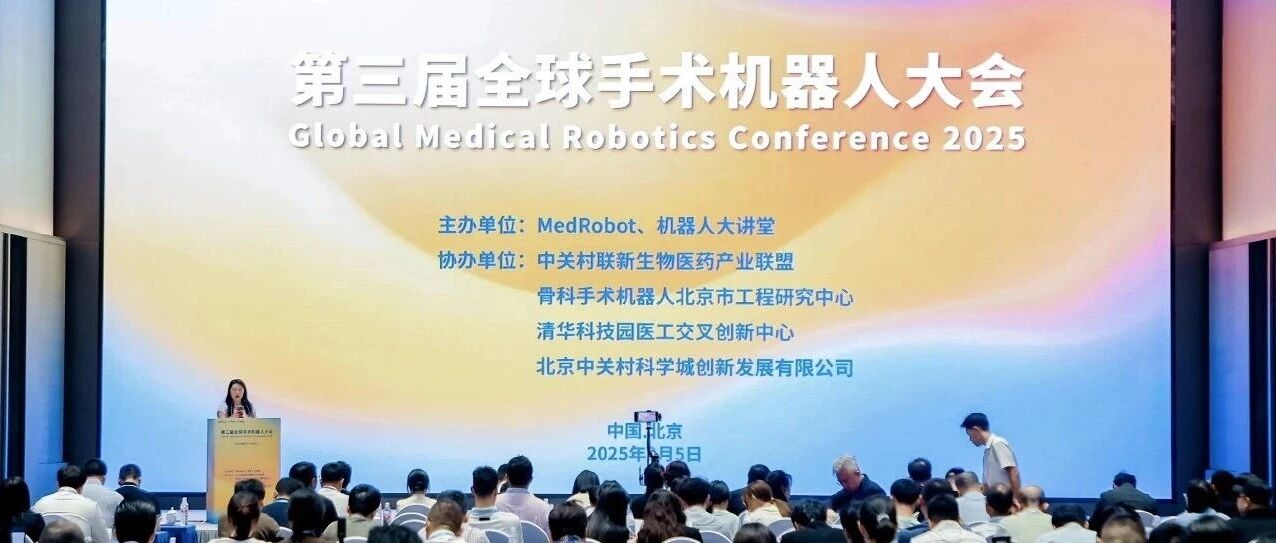
Event Overview - The Third Global Surgical Robotics Conference will be held on September 5-6, 2025, at the Zhongguancun Autonomous Innovation Demonstration Zone Exhibition Center in Beijing [2]. - The event is organized by MedRobot and the Robotics Lecture Hall, with support from various medical and engineering institutions [2]. Conference Agenda Highlights - The conference will feature a series of speeches and discussions from industry leaders, including topics on surgical robotics, AI integration, and innovative medical technologies [3][4]. - Keynote speeches include "Intelligent Surgery, The Future is Here" and "Exploration of Intelligent Autonomous Execution in Orthopedic Surgical Robots" [3][4]. - A roundtable forum will include experts from major hospitals and investment firms discussing the future of surgical robotics [3]. Focus Areas - The conference will cover advancements in minimally invasive surgery and the role of AI in enhancing surgical procedures [5]. - Discussions will also address the challenges and opportunities in the international market for Chinese medical robotics [4][5]. - Specific sessions will focus on the integration of 3D printing in surgical training and the development of flexible surgical robots for early cancer diagnosis [4]. Registration Information - Attendees can register for the event with a discount code and are encouraged to book travel arrangements early due to potential congestion [5][6]. - Ticket options include professional tickets for two days of attendance and lunch, as well as general admission tickets [6].

县城医院的未来,正在易主
虎嗅APP· 2025-08-30 03:25
Core Viewpoint - The article discusses the transformation of the domestic surgical robot industry in China, highlighting the shift from reliance on foreign technology to the emergence of local companies that are innovating and competing effectively in the market [4][5]. Group 1: Market Dynamics - The global surgical robot market has been historically dominated by the Intuitive Surgical's "da Vinci" system, which has created significant barriers to entry for other companies due to high prices and maintenance costs [7]. - Domestic companies are leveraging lower prices as a key entry point, with some surgical robots priced at about one-third of the "da Vinci" system [8]. - From 2020 to 2022, the Chinese surgical robot industry saw nearly 100 financing events, with disclosed total financing exceeding 20 billion yuan, indicating strong investor interest [9]. Group 2: Growth Potential - The surgical robot market in China is projected to grow significantly, with an expected market size of 3.84 billion USD by 2026, reflecting a growth rate of 44.3% [10]. - The high profit margins in the industry, with Intuitive Surgical maintaining gross margins around 70% and net margins over 20%, highlight the lucrative nature of this market [10]. Group 3: Challenges and Adjustments - Despite the growth potential, the industry is experiencing a cooling in capital investment, with only nine financing events in 2024, compared to previous years [16]. - The lengthy procurement process in hospitals and limited insurance coverage for robotic surgeries are significant barriers to market penetration [17][18]. - The lack of a comprehensive training system for doctors and unclear liability in case of surgical complications further hinder the adoption of surgical robots [19]. Group 4: Strategic Shifts - Companies are moving away from price competition and focusing on differentiated innovation to build core competencies, as evidenced by advancements in technology and product performance [22]. - There is a strategic shift towards penetrating lower-tier medical markets, with a notable increase in installations in county-level hospitals [24]. - Expanding into international markets is becoming a crucial growth strategy for domestic surgical robot companies, with some achieving significant overseas orders [25][26]. Group 5: Future Outlook - The current capital market cooling is viewed as a new starting point for the industry, emphasizing the importance of long-term value and balancing technology, clinical application, and commercialization [27].


手术刀尖上的科技革命:盘点20家国内手术机器人领军企业
机器人圈· 2025-08-29 10:48
Core Viewpoint - Surgical robots are rapidly transforming modern healthcare, representing a significant technological revolution and serving as a benchmark for a country's innovation and high-end manufacturing capabilities [1]. Group 1: Industry Overview - Surgical robots encompass a range of applications from minimally invasive laparoscopic surgeries to complex orthopedic procedures, and they integrate mechanical engineering, artificial intelligence, and clinical medicine [1]. - A number of Chinese companies with independent innovation capabilities are emerging in the surgical robot sector, breaking technological monopolies and creating solutions tailored to local clinical needs [1]. Group 2: Company Highlights - **Tianzhihang Medical Technology Co., Ltd.**: Founded in 2005, it focuses on orthopedic surgical robots and is the first in China to obtain a medical robot registration license. Its core product, the Tianji orthopedic surgical robot, covers multiple surgical indications [4]. - **Kangnuo Stent Robotics (Shenzhen) Co., Ltd.**: Established in 2019, it specializes in high-end surgical robots. Its Sentire laparoscopic surgical robot features high dexterity and immersive 3D imaging [7]. - **Baihui Weikang**: Founded in 2010, it focuses on neurosurgery and oral surgery robots, with its neurosurgery robot achieving a positioning accuracy of within 0.3 mm [10]. - **Sizhe Rui**: Established in 2013, it has a diverse product matrix covering various surgical fields and is in the process of IPO [12]. - **Shanghai MicroPort Medical Robotics Group**: Launched in 2014, it developed the world's first laparoscopic surgical robot applicable for remote surgeries across all departments [14]. - **Huake Precision**: A leader in neurosurgery medical devices, it is the only Chinese neurosurgery robot to receive FDA certification [17]. - **Xinjunte Intelligent Medical Devices**: Founded in 2015, it focuses on intelligent orthopedic surgical robots and has developed a navigation system for spinal surgeries [20]. - **Suzhou Zhuzheng Robotics Co., Ltd.**: Established in 2016, it provides digital solutions for spinal surgeries and has developed a surgical navigation system [23]. - **Yuanhua Intelligent Technology**: Founded in 2018, it is the only company in China with the capability to independently develop all core components of orthopedic surgical robots [26]. - **Jianjia Medical Technology**: Established in 2018, it has developed the first domestic surgical robot platform covering both hip and knee joints [31]. - **Yake Wisdom**: Founded in 2017, it specializes in dental implant surgical robots and has developed a digital design software for precise operations [34]. - **Weigao Group**: A leading medical device company with multiple subsidiaries focusing on various robotic applications, including minimally invasive orthopedic robots [38]. - **Qiaojieli Medical Robotics**: Founded in 2022, it focuses on flexible endoscopic surgical robots and has completed A+ round financing [41]. - **Shu Rui Robotics**: Established in 2014, it specializes in minimally invasive surgical robots and has initiated its A-share IPO process [44]. - **Zhenjiankang Medical Technology**: Founded in 2018, it focuses on AI and robotic control technologies for soft tissue procedures [47]. - **Luo Senbo Technology**: Established in 2017, it has developed an intelligent orthopedic robot for complex pelvic fracture treatments [50]. - **Jingzhen Medical Technology**: Founded in 2018, it focuses on AI-driven digital medical solutions, including surgical robots [53]. - **Tao Dao Medical Technology**: Established in 2019, it provides robotic solutions across multiple surgical fields [56]. - **Sainuo Micro Medical Technology**: Founded in 2015, it focuses on minimally invasive surgery and has developed a comprehensive solution platform [59]. - **Shenzhen Jingfeng Medical Technology**: Established in 2017, it offers a complete range of surgical robots for minimally invasive procedures [62].
国产手术机器人全球突围,下一个估值跃升点在哪?
2 1 Shi Ji Jing Ji Bao Dao· 2025-08-28 03:47
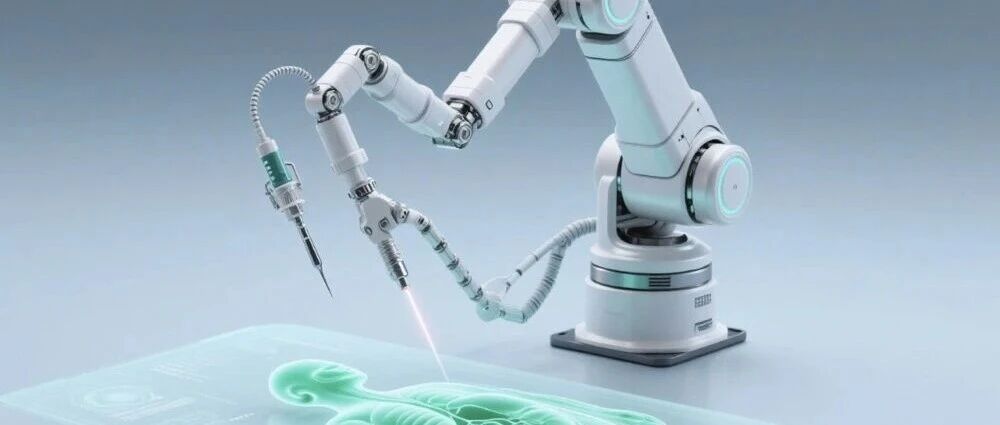
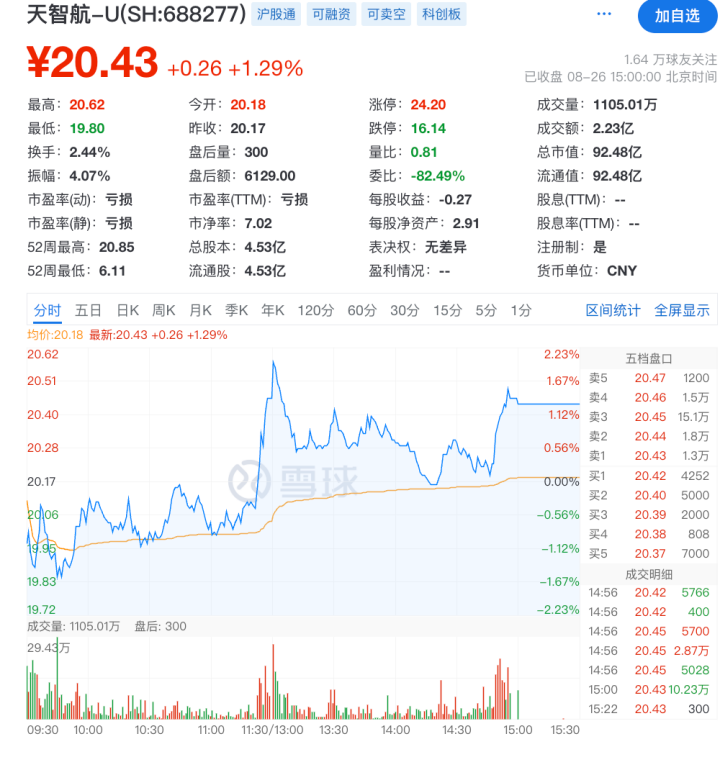
Core Insights - Surgical robots are a significant indicator of a country's medical technology development, with China witnessing a collective rise in this sector, previously dominated by international giants [1][2] Group 1: Company Performance - Tianzhihang (688277) reported a revenue of 125 million yuan for the first half of 2025, marking a year-on-year increase of 114.89%, primarily due to the recovery of industry bidding and a 641.83% increase in sales of orthopedic surgical navigation systems [1] - The company performed over 22,000 surgeries with its Tianzhihang series robots during the reporting period, accumulating over 120,000 surgeries by June 30, 2025 [1] Group 2: Market Dynamics - The domestic market for surgical robots is primarily composed of laparoscopic and orthopedic surgical robots, which together account for approximately 74% of the total market, with orthopedic robots alone representing 47% [2] - The Chinese medical robot market is projected to exceed 22.1 billion yuan by 2025 and reach 80 billion yuan by 2030, with surgical robots holding the largest share (62%) [2] Group 3: Competitive Landscape - As of 2024, 27 orthopedic surgical robots have been approved in China, making up 47% of all approved surgical robots, indicating a highly competitive environment [3] - The introduction of orthopedic surgical robots into clinical reimbursement lists across over 20 provinces has significantly boosted market growth [2][3] Group 4: International Expansion - The global orthopedic surgical robot market is expected to grow from approximately 1.7 billion yuan in 2016 to 56.7 billion yuan by 2030, with a compound annual growth rate of about 16.8% [4] - Chinese surgical robot companies face challenges in international markets, including the need for global competitiveness and the establishment of commercial channels [4][5] Group 5: Innovation and Collaboration - The current trend in China is a "one machine, multiple products" model, while overseas markets prefer a "one machine, one product" model, emphasizing the integration of equipment, consumables, and services [5] - Successful internationalization of Chinese surgical robots will require effective resource integration and the establishment of a robust service platform [5][6]

县城医院的未来,正在易主
Hu Xiu· 2025-08-27 10:23
Core Viewpoint - The surgical robotics market is undergoing significant changes, particularly in China, where local companies are breaking through in technology development, clinical application, and business models, leading to a transformation in the industry [6][11]. Group 1: Market Dynamics - The global surgical robotics market has been dominated by Intuitive Surgical's "da Vinci" system, which has created substantial technical and commercial barriers [7][8]. - The high price of the "da Vinci" system, approximately 30 million RMB per unit, has limited access for many medical institutions in China [8][9]. - Local companies are entering the market by offering surgical robots at about one-third the price of the "da Vinci" system, making them more accessible [9]. Group 2: Investment Trends - From 2020 to 2022, the Chinese surgical robotics industry saw nearly 100 financing events, with disclosed total funding exceeding 20 billion RMB [12]. - The market is characterized by high technical barriers, high growth potential, and high profit margins, with projections indicating the market could reach 3.84 billion USD by 2026, growing at a rate of 44.3% [13]. Group 3: Challenges and Adjustments - Despite the growth potential, the industry is facing a cooling trend in capital investment, with only nine financing events reported in 2024 [19]. - The lengthy procurement process in hospitals and limited insurance coverage for robotic surgeries are significant barriers to market penetration [23][24]. - The lack of a clear mechanism for medical accident liability is causing hospitals to be cautious in adopting robotic surgeries [26]. Group 4: Strategic Shifts - Companies are moving away from price competition and focusing on differentiated innovation to build core competitiveness [29]. - Many firms are targeting lower-tier cities for market expansion, with a notable increase in installations in county-level hospitals [32]. - International expansion is becoming a crucial growth strategy, with companies like MicroPort and Jingfeng Medical successfully securing overseas orders [35]. Group 5: Future Outlook - The current cooling of capital is viewed as a new starting point for the industry, indicating a shift towards maturity rather than a downturn [36]. - Companies that focus on long-term value and balance technology, clinical application, and commercialization are likely to succeed in the competitive landscape of high-end medical equipment [37].
下沉、出海、卷技术,国产手术机器人等待价值回归
Tai Mei Ti A P P· 2025-08-27 09:49
Core Viewpoint - The global surgical robot market is undergoing significant changes, particularly in China, where local companies are breaking through in technology development, clinical application, and business models, leading to a transformation in the industry [4][8]. Market Dynamics - The surgical robot market was previously dominated by Intuitive Surgical's "da Vinci" system, which held about 60% of the global market share, creating high barriers to entry and elevated prices for end-users [3][5]. - The price of a single "da Vinci" device is approximately 30 million RMB, with high annual maintenance costs, making it unaffordable for many medical institutions [5]. - Domestic companies are entering the market by offering surgical robots at about one-third the price of "da Vinci," marking a shift from "following" to "running alongside" in the competitive landscape [7][8]. Investment Trends - From 2020 to 2022, the Chinese surgical robot industry saw nearly 100 financing events, with disclosed total financing exceeding 20 billion RMB, indicating strong investor interest [8]. - The market is characterized by high technical barriers, growth potential, and profitability, with a projected market size of 3.84 billion USD by 2026, growing at a rate of 44.3% [9]. Challenges and Adjustments - Despite the growth potential, the industry is experiencing a cooling in capital markets, with fewer financing events in 2024 compared to previous years, attributed to macroeconomic factors and a shift in investor focus towards certainty [10][13]. - The lengthy procurement process in hospitals and limited insurance coverage for robotic surgeries are significant barriers to market penetration [15][16]. Strategic Shifts - Companies are moving away from price competition to focus on differentiated innovation to build core competitiveness, as stability in product performance is prioritized by top hospitals [18]. - Many companies are targeting lower-tier cities for market expansion, supported by government policies that simplify approval processes and promote equipment distribution to grassroots medical institutions [20]. International Expansion - Increasingly, domestic surgical robot companies are looking to international markets for growth, as established markets like Europe and the US have more developed payment systems and procurement decision-making processes [21][22]. - For instance, MicroPort achieved a revenue of 257 million RMB in 2024, with a year-on-year growth of 146%, and significant international orders [23]. Conclusion - The cooling of capital is viewed not as a "winter" but as a new starting point for industry maturation, where companies that focus on long-term value and balance technology, clinical application, and commercialization will succeed in the competitive landscape of high-end medical equipment [24].