塑料

Search documents
长江期货聚烯烃周报-20260224
Chang Jiang Qi Huo· 2026-02-24 03:12
1. Report Industry Investment Rating - Not provided in the document 2. Core Viewpoints of the Report - Polyolefins: Due to intensified geopolitical conflicts, it is expected to experience a relatively strong oscillation. Key factors to monitor include downstream demand, inventory levels, the situations in Venezuela and Iran, and fluctuations in crude oil prices [8][9]. 3. Summary by Relevant Catalogs Plastic Market Review - On February 13, the closing price of the plastic main contract was 6644 yuan/ton, a week - on - week decrease of 2.47%. The average price of LDPE was 8700 yuan/ton, a decrease of 0.57% compared to the previous period. The average price of HDPE was 7375 yuan/ton, with no change. The average price of LLDPE (7042) in South China was 6930.56 yuan/ton, a decrease of 1.17%. The South China basis of LLDPE was 286.56 yuan/ton, a decrease of 1.79%, and the May - September spread was - 65 yuan/ton (-13) [11]. Key Data Tracking - **Month - to - Month Spread**: The 1 - 5 month spread on February 13, 2026, was 76 yuan/ton (a change of 22 yuan/ton); the 5 - 9 month spread was - 65 yuan/ton (-13); and the 9 - 1 month spread was - 11 yuan/ton (-9) [19]. - **Spot Price**: Provided detailed spot prices of different varieties and regions of plastics on February 13, 2026, with most prices remaining stable [20][21]. - **Cost**: Last week, WTI crude oil closed at 66.31 US dollars/barrel, an increase of 3.50 US dollars/barrel compared to the previous week. Brent crude oil closed at 71.24 US dollars/barrel, an increase of 3.51 US dollars/barrel. The quoted price of anthracite at the Yangtze River port was 1070 yuan/ton, with no change [23]. - **Profit**: The profit of oil - based PE was - 830 yuan/ton, a decrease of 135 yuan/ton compared to the previous week. The profit of coal - based PE was 123 yuan/ton, a decrease of 191 yuan/ton [28]. - **Supply**: This week, the production start - up rate of polyethylene in China was 87.30%, an increase of 1.39 percentage points compared to the previous week. The weekly output of polyethylene was 72.39 tons, a month - on - month increase of 1.61%. This week's maintenance loss was 7.38 tons, a decrease of 0.48 tons compared to the previous week [32]. - **2026 Production Plan**: Multiple companies have new production capacity planned to be put into operation in 2026, with a total planned production capacity of 550 tons [35]. - **Maintenance Statistics**: Many enterprises' polyethylene production lines are under maintenance, and the resumption time of some production lines is uncertain [36]. - **Demand**: This week, the overall start - up rate of domestic agricultural films was 24.74%, a decrease of 5.44% compared to the previous week; the start - up rate of PE packaging films was 20.30%, a decrease of 18.52%; and the start - up rate of PE pipes was 9.33%, a decrease of 14.13% [38]. - **Downstream Production Ratio**: Currently, the production ratio of linear films is the highest, accounting for 35.7%, with a difference of 1.7% from the annual average level. The proportion of low - pressure pipes shows a significant difference from the annual average data, currently accounting for 12.6%, with a difference of 3.9% from the annual average level [42]. - **Inventory**: This week, the social inventory of plastic enterprises was 51.63 tons, an increase of 3.13 tons compared to the previous week, a month - on - month increase of 6.45% [44]. - **Warehouse Receipts**: The number of polyethylene warehouse receipts was 9428 lots, with no change compared to the previous week [48]. PP Market Review - On February 13, the closing price of the polypropylene main contract was 6568 yuan/ton, a decrease of 123 yuan/ton compared to the previous weekend, a week - on - week decrease of 1.84% [53]. Key Data Tracking - **Downstream Spot Price**: Provided prices and price changes of various PP - related products and other plastics on February 13, 2026 [56][59]. - **Basis**: On February 13, the spot price of polypropylene reported by Shengyi.com was 6640 yuan/ton (no change). The PP basis was 72 yuan/ton (123), and the May - September spread was - 32 yuan/ton (1) [61]. - **Month - to - Month Spread**: The 1 - 5 month spread on February 13, 2026, was 13 yuan/ton (a change of 18 yuan/ton); the 5 - 9 month spread was - 25 yuan/ton (7); and the 9 - 1 month spread was 12 yuan/ton (-25) [67]. - **Cost**: Consistent with the cost data of plastics, last week, WTI crude oil closed at 66.31 US dollars/barrel, an increase of 3.50 US dollars/barrel compared to the previous week. Brent crude oil closed at 71.24 US dollars/barrel, an increase of 3.51 US dollars/barrel. The quoted price of anthracite at the Yangtze River port was 1070 yuan/ton, with no change [70]. - **Profit**: The profit of oil - based PP was - 642.23 yuan/ton, a decrease of 16.10 yuan/ton compared to the previous week. The profit of coal - based PP was - 166.21 yuan/ton, a decrease of 4.87 yuan/ton [75]. - **Supply**: This week, the start - up rate of Chinese PP petrochemical enterprises was 75.93%, a decrease of 0.66 percentage points compared to the previous week. The weekly output of PP pellets reached 77.99 tons, a week - on - week increase of 2.19%. The weekly output of PP powder was 4.63 tons, a week - on - week decrease of 18.27% [79]. - **Maintenance Statistics**: Many PP production lines of various enterprises are under maintenance, and the resumption time of some production lines is uncertain [83]. - **Demand**: This week, the average start - up rate of PP downstream industries was 41.78% (-8.06%). The start - up rate of plastic weaving was 27.86% (-8.88%), the start - up rate of BOPP was 60.25% (-4.30%), the start - up rate of injection molding was 29.74% (-23.28%), and the start - up rate of pipes was 29.53% (-4.17%) [85]. - **Import and Export Profit**: This week, the import profit of polypropylene was - 379.05 US dollars/ton, a decrease of 27.70 US dollars/ton compared to the previous week. The export profit was - 32.38 US dollars/ton, an increase of 14.19 US dollars/ton compared to the previous week [91]. - **Inventory**: This week, the domestic inventory of polypropylene was 39.12 tons (+5.92%); the inventory of the two major oil companies decreased by 7.30% month - on - month; the inventory of traders decreased by 3.55% month - on - month; and the port inventory increased by 14.44% month - on - month. The finished product inventory of large - scale plastic - weaving enterprises was 495.28 tons, a month - on - month decrease of 41.02%, and the raw material inventory of BOPP was 15.10 days, a month - on - month increase of 0.40% [93][97]. - **Warehouse Receipts**: The number of polypropylene warehouse receipts was 18679 lots, an increase of 1475 lots compared to the previous week [101].
化工周报:春晚机器人大放异彩,美国关税下调利好出口链,化工春旺行情将至-20260224
Shenwan Hongyuan Securities· 2026-02-24 02:49
Investment Rating - The report maintains a "Positive" rating for the chemical industry [4][3]. Core Insights - The macroeconomic outlook for the chemical industry indicates a stable increase in oil demand due to global economic recovery and tariff adjustments, with Brent crude oil expected to remain in the range of $60-75 per barrel [4][5]. - The report highlights a potential spring boom in the chemical sector, driven by the success of domestic robotics showcased during the Spring Festival and favorable export conditions following tariff reductions [4][3]. - Investment opportunities are identified in various chains, including textiles, agricultural chemicals, and overseas real estate, with specific companies recommended for investment [4][3]. Industry Dynamics - Oil supply is tightening due to OPEC+ production delays and peak shale oil output, while demand is stabilizing with improved global economic conditions [5]. - The chemical industry is at a cyclical turning point, with downstream operations gradually resuming post-holiday, indicating a positive demand outlook for the year [4][3]. - The report notes that the Producer Price Index (PPI) for industrial products decreased by 1.4% year-on-year in January, while the manufacturing PMI recorded 49.3, indicating some volatility in manufacturing activity [7][4]. Investment Analysis - The report suggests a diversified investment strategy focusing on four key areas: textiles, agricultural chemicals, export chains, and beneficiaries of "anti-involution" policies [4][3]. - Specific companies to watch include those in the textile chain like Lu Xi Chemical and Tongkun Co., and in the agricultural chain like Hualu Hengsheng and Baofeng Energy [4][3]. - The report emphasizes the importance of self-sufficiency in key materials, particularly in semiconductor and panel materials, recommending companies such as Yake Technology and Ruilian New Materials [4][3].


LLDPE:节中地缘扰动,成本支撑偏强震荡
Guo Tai Jun An Qi Huo· 2026-02-24 02:24
商 品 研 究 2026 年 2 月 24 日 【基本面跟踪】 LLDPE:节中地缘扰动,成本支撑偏强震荡 周富强 投资咨询从业资格号:Z0023304 zhoufuqiang@gtht.com LLDPE 基本面数据 | 期 货 | | 昨日收盘价 | 日涨跌 | 昨日成交 | 持仓变动 | | --- | --- | --- | --- | --- | --- | | | L2605 | 6644 | -1.34% | 370693 | -17121 | | 基差月差变化 | | 昨日价差 | | 前日价差 | | | | 05合约基差 | -144 | | -184 | | | | 05-09合约价差 | -65 | | -47 | | | 重要现货价格 | | 昨日价格 | (元/吨) | 前日价格 | (元/吨) | | | 华北 | 6500 | | 6550 | | | | 华东 | 6550 | | 6650 | | | | 华南 | 6600 | | 6650 | | 资料来源:卓创资讯,国泰君安期货 【现货消息】 期货节前回调,上游前期库存转移,企业报价小幅下调,代理开单尚可。裕龙石化复产 ...
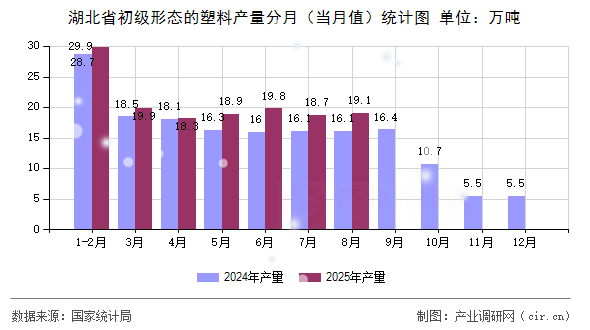
美拟以国家安全为由推出新关税,超1000家企业起诉美国政府要求“退税”
Mei Ri Jing Ji Xin Wen· 2026-02-24 02:12
Group 1 - The U.S. government is considering imposing new tariffs on approximately six industries, citing "national security" as the reason, which may include large batteries, cast iron and iron fittings, plastic pipes, industrial chemicals, and grid and telecommunications equipment [1] - The proposed tariffs will be separate from the recently announced global 15% tariff measures [1] - Over 1,000 companies have joined legal actions against the government, seeking refunds for previously paid tariffs, including major firms like Costco and Reebok [1] Group 2 - U.S. Treasury Secretary Scott Bencet emphasized that the Supreme Court's ruling did not address the refund process for previously collected tariffs, leaving it to lower courts to decide [6][7] - The potential refund amount is estimated to be around $134 billion, with some models suggesting it could exceed $175 billion when considering future adjustments [10] - The refund process is expected to involve a combination of court actions, customs, and administrative departments, with the White House already signing an executive order to terminate additional tariffs under the IEEPA [11][12] Group 3 - The legal battle over the IEEPA tariffs represents a significant financial tug-of-war between companies and the Treasury, with the refund issue becoming a politically sensitive topic for the current U.S. administration [15]

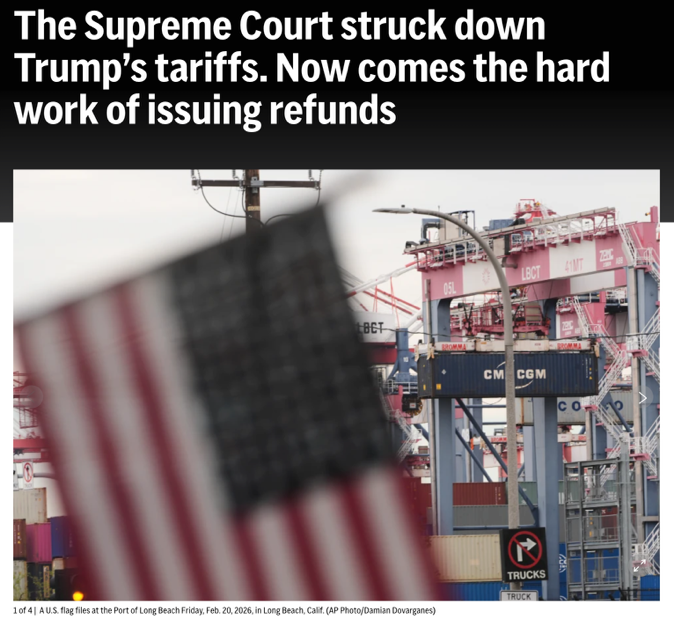
【图】2025年1-8月湖北省初级形态的塑料产量统计分析
Chan Ye Diao Yan Wang· 2026-02-24 00:39
Core Insights - The plastic production in Hubei Province for August 2025 reached 191,000 tons, marking an 18.7% year-on-year increase, with a growth rate 38.5 percentage points higher than the same period last year [1] - For the period from January to August 2025, the total plastic production was 1,493,000 tons, reflecting a 14.3% year-on-year growth, which is 25.0 percentage points higher than the previous year [1] Monthly Production Analysis - In August 2025, Hubei's plastic production accounted for 1.5% of the national total of 12,657,053.7 tons, with a growth rate that exceeded the national average by 5.9 percentage points [1] - The cumulative plastic production from January to August 2025 also represented 1.5% of the national total of 97,073,062.5 tons, with a growth rate surpassing the national average by 2.7 percentage points [1]
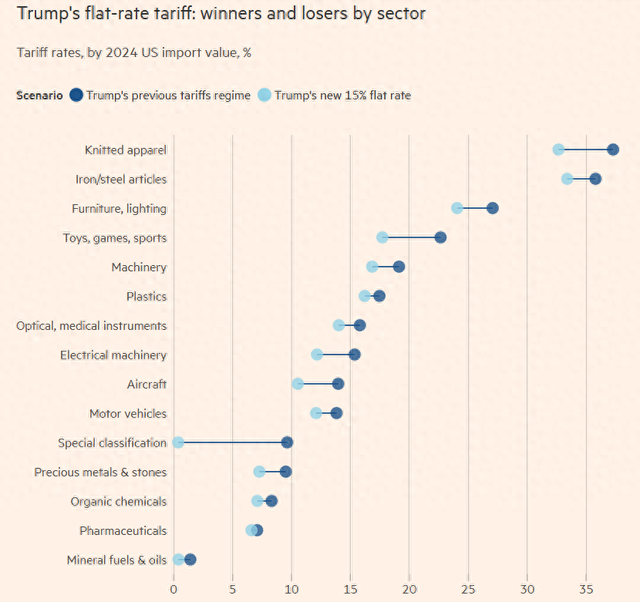
拱火的来了,“美一众盟友惨了,中国巴西受益最大”
Sou Hu Cai Jing· 2026-02-23 18:15
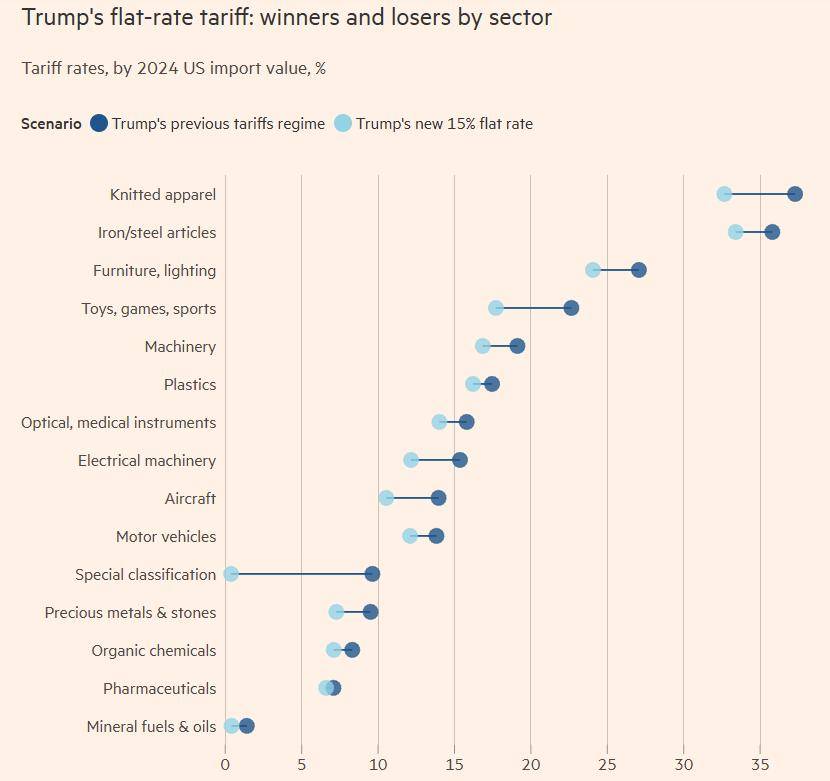
Core Viewpoint - The new 15% global uniform tariff introduced by Trump is expected to benefit countries like China and Brazil, while traditional allies such as the UK, EU, and Japan will face significant losses [1][6]. Group 1: Impact on Countries - Brazil will see the largest average tariff reduction of 13.6 percentage points, followed by China with a 7.1 percentage point decrease [1]. - The new tariff structure will particularly benefit countries previously criticized by the U.S., such as Mexico, Canada, Vietnam, Thailand, and Malaysia, in sectors like apparel, furniture, toys, and plastics [1]. - The UK is projected to be the most adversely affected, with an average tariff increase of 2.1 percentage points, disappointing around 40,000 exporting companies [6]. - The EU will experience an overall average tariff increase of 0.8 percentage points, with Italy and France being the most impacted [6]. Group 2: U.S. Trade Policy and Reactions - The U.S. government has indicated a willingness to utilize legal provisions to impose additional tariffs, signaling a new round of trade negotiations [2]. - U.S. Treasury Secretary and Trade Representative have defended the new tariffs, asserting that all trade partners wish to maintain existing agreements despite the changes [8][10]. - The U.S. Trade Representative plans to initiate investigations into unfair trade practices, particularly concerning overcapacity in Asian countries [10]. Group 3: Future Trade Dynamics - The uncertainty surrounding U.S. tariff policies remains high, with potential for further investigations and tariffs based on the 1974 Trade Act [1][10]. - Trump's upcoming visit to China is aimed at maintaining bilateral stability and encouraging China to fulfill agreements, including purchasing U.S. agricultural products and aircraft [11][12].
聚烯烃周报:低利润停工幅度更大,逢低做多PP5-9价差-20260223
Wu Kuang Qi Huo· 2026-02-23 15:23
1. Report Industry Investment Rating - Not provided in the document 2. Core Viewpoints of the Report - During the Spring Festival, crude oil fluctuated significantly, and polyolefins followed the trend. Against the backdrop of low profits in various polyolefin production processes, the supply side of PE faced new capacity coming online and large import volumes, resulting in a weaker short - term rebound compared to PP. During the Spring Festival, the upstream capacity utilization rate decreased seasonally. The PP2605 contract had no new capacity pressure, and the profit of BOPP on the demand side was better than in previous years, which might become an important marginal variable on the demand side. The alleviation of supply - side pressure might help the polyolefin prices continue to rebound [17][18]. - The recommended strategy is to go long on the PP2605 - PP2609 spread (positive spread strategy) [17]. 3. Summary by Directory 3.1 Week - to - Week Assessment and Strategy Recommendation - **Market Information**: During the Spring Festival, crude oil fluctuated significantly, and polyolefins followed the trend. The weekly decline of polyethylene was in the order of spot > futures > cost, and for polypropylene, it was also spot > futures > cost. The cost side rebounded, with WTI crude oil down - 0.78%, Brent crude oil down - 0.09%, coal price up 1.88%, methanol down - 1.00%, ethylene up 1.35%, propylene up 0.23%, and propane up 4.19% [15]. - **Supply Side**: PE capacity utilization was 88.16%, up 0.99% week - on - week, up 1.92% year - on - year, and down - 6.57% compared to the five - year average. PP capacity utilization was 76.61%, up 2.27% week - on - week, down - 4.55% year - on - year, and down - 17.81% compared to the five - year average [15]. - **Import and Export**: In December, domestic PE imports were 1.3299 million tons, up 25.21% month - on - month and up 4.62% year - on - year. PP imports were 205,800 tons, up 14.81% month - on - month and down - 4.83% year - on - year. Import profits decreased, and the supply of PE from North America decreased, reducing the pressure on the import side. In December, PE exports were 92,100 tons, up 7.27% month - on - month and up 58.30% year - on - year. PP exports were 230,500 tons, up 2.89% month - on - month and up 29.81% year - on - year. The continuous appreciation of the RMB exchange rate put pressure on the import side [15]. - **Demand Side**: The downstream operating rate of PE was 31.00%, down - 8.09% week - on - week and up 13.39% year - on - year. The downstream operating rate of PP was 38.66%, down - 22.43% week - on - week and down - 11.37% year - on - year. The seasonal off - season arrived, and there were no bright spots in the downstream operation of polyolefins [16]. - **Inventory**: PE production enterprise inventory was 343,700 tons, with a de - stocking of - 9.48% week - on - week and - 37.57% compared to the same period last year; PE trader inventory was 23,700 tons, with an inventory build - up of 2.11%. PP production enterprise inventory was 391,200 tons, with a de - stocking of - 5.92% week - on - week and - 42.42% compared to the same period last year; PP trader inventory was 176,700 tons, with a de - stocking of - 3.55%; PP port inventory was 72,900 tons, with an inventory build - up of 14.44%. Coal - based enterprises significantly reduced their inventories [16]. - **Strategy Recommendation**: The recommended strategy is to go long on the PP2605 - PP2609 spread (positive spread strategy). The predicted trading range for polyethylene (LL2605) is 6,700 - 7,000, and for polypropylene (PP2605) is 6,600 - 6,900 [17]. 3.2 Spot and Futures Market - Multiple figures are presented, including the term structure, prices, basis, spreads, trading volume, open interest, and registered warehouse receipts of LLDPE and PP, as well as the spreads between different varieties such as LL - PP, PP - 1.2PG, PP - 3MA, and LL - PVC [30][44][58][62]. 3.3 Cost Side - The oil - based cost stopped falling and rebounded. Multiple figures show the prices of WTI crude oil, thermal coal, naphtha, propane, and other raw materials, as well as related spreads, registered warehouse receipts, and the supply and demand situation of LPG [67][74][76][80][82][84][86][90][95][97][99][105][108][110][112][114][116][120]. 3.4 Polyethylene Supply Side - **Raw Material Proportion**: The proportion of raw materials for PE production includes 80.00% oil - based, 12.00% light - hydrocarbon - based, 5.00% coal - based, 2.00% methanol - based, and 1.00% purchased ethylene [126]. - **Capacity and Production**: In 2026, there are multiple domestic polyethylene production projects planned to be put into operation, with a total of 500,000 tons already in production and 5.2 million tons yet to be put into operation. The capacity utilization rate, maintenance loss, and production volume of PE are also presented in figures [130][131][133][135][138]. 3.5 Polyethylene Inventory and Import - Export - **Inventory**: The coal - based inventory of PE rebounded from a low level. Figures show the inventory of production enterprises, two - oil enterprises, coal - based enterprises, and traders, as well as the inventory - to - sales ratio and total inventory forecast [150][153][154][155]. - **Import - Export**: Figures show the import sources, import volume, and import profit of LLDPE, as well as the import volume and year - to - date import volume of PE [157][159]. 3.6 Polyethylene Demand Side - **Downstream Demand Proportion**: The downstream demand of LLDPE is mainly for packaging film (51.00%), followed by hollow products (12.31%), pipes (11.65%), injection molding (10.00%), agricultural film (7.03%), drawing (4.51%), and wires and cables (3.50%) [164]. - **Operating Rate and Inventory**: Figures show the downstream total operating rate, packaging film available days, agricultural film order days, agricultural film raw material inventory, and downstream raw material and finished product inventories of PE [173][177][179]. 3.7 Polypropylene Supply Side - **Raw Material Proportion**: The proportion of raw materials for PP production includes 53.00% oil - based, 25.00% PDH - based, 18.00% coal - based, 2.00% methanol - based, and 2.00% purchased propylene [185]. - **Capacity and Production**: In 2026, there are multiple domestic polypropylene production projects planned to be put into operation, with a total of 0 tons already in production and 4.37 million tons yet to be put into operation. The capacity utilization rate, maintenance loss, and production volume of PP are also presented in figures [190][192][193][195][198]. 3.8 Polypropylene Inventory and Import - Export - **Inventory**: Figures show the inventory - to - sales ratio, total inventory forecast, production enterprise inventory, two - oil inventory, coal - based enterprise inventory, PDH - based enterprise inventory, trader inventory, and port inventory of PP [205][208][212][216]. - **Import - Export**: Figures show the import volume, import profit, export country composition, export volume, and export profit of PP [219][221][222]. 3.9 Polypropylene Demand Side - **Downstream Demand Proportion**: The downstream demand of PP is mainly for drawing (34.00%), followed by high - and low - melt copolymer (24.00%), injection molding (17.00%), BOPP (6.00%), high - melt fiber (6.00%), transparent materials (5.00%), pipes (5.00%), and CPP (3.00%) [227]. - **Operating Rate and Inventory**: Figures show the downstream total operating rate, injection - molding operating rate, pipe operating rate, plastic - weaving operating rate, and the raw material and finished product inventories of plastic - weaving and BOPP of PP [228][236][244][247].
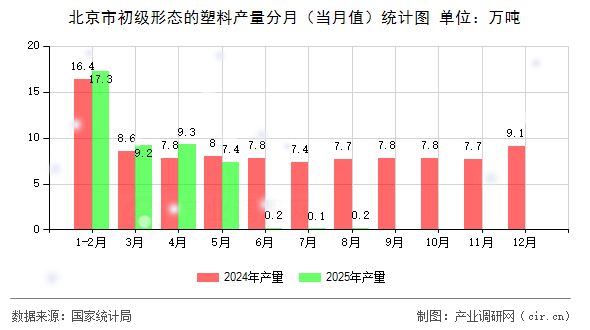
【图】2025年8月北京市初级形态的塑料产量数据
Chan Ye Diao Yan Wang· 2026-02-23 10:23
Core Viewpoint - In August 2025, the production of primary plastic shapes in Beijing experienced a significant decline, with a year-on-year decrease of 98.0%, indicating a severe contraction in the industry [1]. Group 1: August 2025 Production Data - The production of primary plastic shapes in Beijing was recorded at 0.2 thousand tons in August 2025 [1]. - The year-on-year growth rate for August 2025 was -98.0%, which is a decrease of 86.5 percentage points compared to the same month in the previous year [1]. - The production in Beijing accounted for approximately 0.0% of the national output of 1265.70537 million tons for the same period [1]. Group 2: January to August 2025 Production Data - From January to August 2025, the total production of primary plastic shapes in Beijing reached 43.5 thousand tons [1]. - This figure represents a year-on-year decline of 31.6%, with a reduction of 20.6 percentage points compared to the same period in the previous year [1]. - The production in Beijing constituted about 0.4% of the national total of 9707.30625 million tons during the same timeframe [1].
外媒炒作:美国一众盟友惨了,中国和巴西受益最大
Guan Cha Zhe Wang· 2026-02-23 05:19
Core Viewpoint - The new 15% global uniform tariff introduced by Trump is expected to benefit countries like China and Brazil while adversely affecting traditional allies such as the UK, EU, and Japan [1][4]. Group 1: Tariff Impact on Countries - Brazil will see the largest average tariff reduction of 13.6 percentage points, followed by China with a 7.1 percentage point reduction [1]. - The new tariff structure significantly benefits countries previously criticized by the U.S., including Mexico and Canada, as well as Asian manufacturing economies like Vietnam, Thailand, and Malaysia [1]. - The UK is projected to be the most affected, with an average tariff increase of 2.1 percentage points, disappointing around 40,000 exporting companies [4]. Group 2: Reactions from Allies - The EU's average tariff is expected to rise by 0.8 percentage points, with Italy and France facing the most significant impacts [4]. - The EU has demanded clarification from the U.S. regarding the tariff increases, emphasizing that they will not accept any rise in tariffs, asserting that "a deal is a deal" [4]. - European Central Bank President Christine Lagarde echoed the EU's call for clear policy rules from the U.S. [5]. Group 3: U.S. Government's Position - U.S. Treasury Secretary and Trade Representative defended the new tariffs, claiming that all trade partners wish to maintain existing agreements despite the changes [6][8]. - The U.S. plans to continue trade investigations and may impose additional tariffs based on findings related to overcapacity in various countries [8]. - Trump's upcoming visit to China is aimed at maintaining bilateral stability and encouraging China to fulfill agreements, including purchasing U.S. agricultural products [9][10].
数据揭示“春节效应”:券商提示节后市场上涨概率高 成长与红利风格有望共舞
Xi Niu Cai Jing· 2026-02-23 01:24
Core Viewpoint - The A-share market is expected to experience a new round of upward momentum after the Spring Festival, driven by improving macroeconomic fundamentals and positive market sentiment [2][3][4]. Group 1: Market Trends and Historical Data - Historical data from 2006 to 2025 shows a significant "Spring Festival effect," with the Shanghai Composite Index having an 80% probability of rising in the first five days and a 75% probability in the following five days after the festival [2]. - Research from multiple brokerages indicates that the market typically sees a surge in risk appetite and a transition from emotional-driven rallies to trend continuation in the weeks following the Spring Festival [3][4]. Group 2: Sector Focus and Investment Opportunities - Brokerages recommend focusing on high-quality blue-chip stocks and low-volatility sectors before the festival, while suggesting a shift towards technology growth, small-cap stocks, and policy beneficiaries (such as TMT and consumer sectors) after the festival [6][7]. - The semiconductor and AI-related sectors are highlighted as key areas of interest, with expectations of continued performance due to favorable industry trends [4][8]. Group 3: Economic Indicators and Policy Impact - The upcoming Two Sessions are expected to catalyze policy changes that will positively impact market performance post-festival [4]. - The first two months of the year are typically a data vacuum period, but current trends indicate a positive outlook for performance improvements in various industries [4][5]. Group 4: Risks and Market Dynamics - While there are short-term risks such as overseas market fluctuations and sector rotation, these are viewed as temporary disturbances that are unlikely to alter the overall positive trend for February [5][6]. - The white liquor sector is anticipated to see a valuation recovery as consumer demand rebounds, supported by favorable policies and improving fundamentals [7][8].