
PVC粉

Search documents
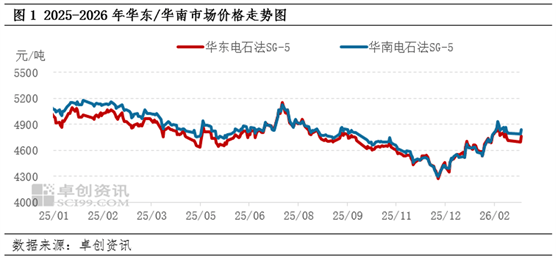
PVC粉:基本面偏弱 节后价格重心下移
Sou Hu Cai Jing· 2026-02-27 09:44
Core Viewpoint - The domestic PVC powder market is experiencing weak fundamentals, with prices expected to decline further after the holiday period [1][4]. Group 1: Market Performance - The domestic PVC powder market price fluctuated within a range, with an average price of 4720 yuan/ton as of February 26, down by 38 yuan/ton or 0.80% compared to pre-holiday levels [1][3]. - Downstream demand is in a recovery phase, with some improvement in transactions during price declines, but overall trading atmosphere remains average [1][3]. Group 2: Influencing Factors - The market trends are primarily influenced by a macroeconomic environment that shifted from strong to weak, alongside weak fundamentals in the PVC sector [3]. - During the holiday, the price of crude oil fluctuated upwards, initially supporting chemical products, including PVC futures, but the overall macroeconomic environment weakened afterward, leading to a correction in PVC futures [3]. Group 3: Supply and Demand Outlook - Supply and demand fundamentals are expected to remain weak, although there may be some macroeconomic support; prices are anticipated to fluctuate within a range next week [4]. - On the supply side, limited maintenance of enterprises is expected, with high operational rates in the industry, and sales pressure is manageable due to pre-holiday order fulfillment [4]. - On the demand side, production enterprises are gradually resuming operations, but operating rates may remain low, leading to cautious raw material procurement [4]. Group 4: Inventory and Price Expectations - Social inventory is expected to continue increasing, with high inventory levels putting pressure on the market [4]. - The average price of PVC powder is projected to range between 4680 and 4800 yuan/ton, with a slight downward shift in price focus [4].

政策催化+供需格局改善 PVC行业边际向好
Qi Huo Ri Bao Wang· 2026-02-26 01:51
Core Viewpoint - The PVC industry is significantly impacted by the implementation of differential electricity pricing and the cancellation of export tax rebates, which are key measures under the "anti-involution" policy, affecting costs, export patterns, and capacity structure in the industry [1][6]. Group 1: Differential Electricity Pricing - The differential electricity pricing policy is set to be implemented in July 2026 in Shaanxi, covering high-energy-consuming industries including PVC, with local PVC and calcium carbide capacities accounting for 7.18% and 9% of the national total, respectively [2]. - The policy is expected to increase PVC production costs in Shaanxi by 70 yuan per ton, which is lower than theoretical estimates, and companies can mitigate impacts through coal-electricity index swaps and sourcing cheaper calcium carbide from Inner Mongolia [2]. - Respondents believe that the differential electricity pricing is not just a regional policy but a national industrial adjustment measure, likely to become a significant tool for regulating high-energy-consuming enterprises [2]. Group 2: Export Tax Rebate Cancellation - The cancellation of export tax rebates for PVC products has led to a short-term "rush to export," with many companies pre-selling orders into February and some reducing domestic trade in favor of exports [3]. - It is anticipated that PVC exports will weaken in early March due to shipping delays and seasonal weather factors, with a prolonged adjustment period expected until July [3]. - The cancellation is likely to raise international PVC prices and trigger regional trade restructuring, while long-term advantages in cost and capacity for China's PVC industry may lead to expanded export opportunities and product diversification [3]. Group 3: Company Operations - Current cash flow among PVC companies in Shaanxi, Ningxia, and Inner Mongolia is generally healthy, with no losses reported, although some companies experienced temporary cash flow issues in late December 2025 due to price drops [4]. - The industry shows regional differentiation in capacity clearance, with the northwest region benefiting from resource advantages and unlikely to see early capacity reductions, while higher-cost producers in Henan and Shandong may face capacity exit [4]. - State-owned enterprises face challenges such as insufficient self-supplied resources and high costs, while private enterprises are performing better due to cost control and flexible operations, leading to a more optimistic outlook [5]. Group 4: Market Trends - The PVC market is expected to experience a "pre-holiday high and post-holiday low" pattern, supported by factors such as rising calcium carbide costs, low inventory levels, and ongoing export activities prior to the tax rebate cancellation [5]. - After the holiday, the market will face pressures from the end of the export rush, domestic destocking, and reduced demand, compounded by the cancellation of export tax rebates, leading to downward price pressures [5]. Group 5: Long-term Outlook - The Chinese PVC industry has a clear positive foundation, with ongoing "anti-involution" policies expected to accelerate the exit of inefficient capacities and optimize the industry structure [6][7]. - The industry is projected to see a reduction of 89.5 million tons in capacity by 2026, while global new capacity is only expected to increase by 70.5 million tons, indicating a tightening supply side [6]. - The PVC industry is expected to improve its supply-demand balance and maintain a long-term upward trend, supported by the dual catalysts of policy implementation and improved market conditions [7].
短期存抢出口现象 预计PVC期货价格承压震荡偏强
Jin Tou Wang· 2026-01-25 23:27
Market Overview - As of January 23, 2026, the main PVC futures contract closed at 4921 CNY/ton, with a weekly decline in the K-line and an increase in open interest by 48,696 contracts compared to the previous week [1] - During the week of January 19-23, the PVC futures opened at 4806 CNY/ton, reached a high of 4926 CNY/ton, and a low of 4708 CNY/ton, resulting in a weekly price change of 2.07% [1] Price Trends - On January 22, the spot prices for PVC in Hangzhou stabilized, with slight increases in transaction prices. The prices for different types of PVC ranged from 4500 to 4720 CNY/ton [2] - The domestic PVC powder operating rate decreased by 1.10 percentage points to 77.98% [2] Supply and Demand Dynamics - Yibin's 200,000-ton facility has restarted, while Wanhua's 500,000-ton facility has been affected by shutdowns, leading to little change in PVC capacity utilization [2] - The social inventory of PVC has reached a record high, following the strength of the chemical sector. However, the overall demand remains weak due to seasonal factors, with domestic operating rates rising to 80% [3] - PVC production companies are maintaining high supply levels, but domestic demand is in a traditional off-season, leading to rapid accumulation of industry inventory [3]
中国2025年GDP同比增长5%
Dong Zheng Qi Huo· 2026-01-20 00:41
1. Report Industry Investment Ratings No specific industry investment ratings are provided in the given content. 2. Core Views of the Report - **Financial Markets**: Geopolitical risks, such as Trump's tariff policies and statements regarding Greenland, along with the upcoming Cook hearing, are influencing market risk - appetite. These factors are causing increased volatility in precious metals, US stock index futures, and other financial instruments. For example, the uncertainty around the Cook hearing and Trump's actions are leading to concerns about the Fed's independence and future inflation [11][14]. - **Commodity Markets**: Different commodities are facing various supply - demand situations. In the agricultural sector, South American soybean production is expected to be bountiful, while in the metal and energy sectors, factors like production changes, inventory levels, and geopolitical events are affecting prices. For instance, the potential release of Russian gasoline exports and the production adjustments of First Quantum Minerals in the copper market [32][52][45]. 3. Summaries by Relevant Catalogs 3.1 Financial News and Reviews 3.1.1 Macro Strategy (Gold) - **News**: Powell will attend the Cook hearing. Geopolitical risks and Trump's tariff policies have increased market risk aversion, driving up precious metals prices [11]. - **Investment Advice**: Short - term precious metals may experience increased volatility. With the gold - silver ratio at a low level, there are opportunities to go long [12]. 3.1.2 Macro Strategy (US Stock Index Futures) - **News**: Powell's attendance at the Cook case hearing and Trump's ambiguous statement about Greenland are increasing geopolitical risks. The potential dismissal of Cook may raise concerns about the Fed's independence [13][14]. - **Investment Advice**: During the US stock earnings season, volatility is expected to increase, and the US stock market is likely to oscillate at high levels [15]. 3.1.3 Macro Strategy (Stock Index Futures) - **News**: Premier Li Qiang held a symposium, emphasizing high - quality development and the implementation of more active fiscal and moderately loose monetary policies. China's GDP in Q4 2025 increased by 4.5% year - on - year, and the narrowing of price declines has boosted nominal GDP growth [16][18]. - **Investment Advice**: Hold long positions in stock index futures [19]. 3.1.4 Macro Strategy (Treasury Bond Futures) - **News**: December economic data was mostly below expectations, with a pattern of weakening overall, strong supply and weak demand, and domestic demand weaker than external demand. The bond market is expected to be volatile, and the probability of continued weakening after the oscillation is relatively high [20][22]. - **Investment Advice**: Be cautious when chasing up or betting on rebounds. Consider short - selling opportunities during rebounds [23]. 3.2 Commodity News and Reviews 3.2.1 Black Metals (Coking Coal/Coke) - **News**: The price of metallurgical coke in the Lvliang market is stable with a slight upward trend. Downstream steel mills have not responded to the coke price increase proposed by coke enterprises. Short - term spot prices are supported by downstream replenishment, but the upward momentum in the futures market is limited [24]. - **Investment Advice**: Expect short - term oscillations [24]. 3.2.2 Black Metals (Rebar/Hot - Rolled Coil) - **News**: In 2025, China's infrastructure investment decreased by 2.2% year - on - year, and real estate investment decreased by 17.2%. The terminal demand for steel products remains weak, and the fundamentals do not support a significant rebound in steel prices [25][28][29]. - **Investment Advice**: Adopt an oscillatory approach to steel prices. Hedge inventory at high prices if there is a rebound [30]. 3.2.3 Agricultural Products (Soybean Meal) - **News**: As of last Thursday, the Brazilian 25/26 soybean harvest rate was 2%. South American soybean production is expected to be abundant. Domestic soybean meal inventory has decreased but remains at a historically high level [31][32]. - **Investment Advice**: Expect weak oscillations in domestic and international futures prices [33]. 3.2.4 Non - Ferrous Metals (Lead) - **News**: Lead inventories in five major social warehouses increased. The low - inventory risk has been alleviated, and the fundamentals are weakening [34][35]. - **Investment Advice**: Consider short - selling opportunities at high prices. Adopt a wait - and - see approach for arbitrage [37]. 3.2.5 Non - Ferrous Metals (Zinc) - **News**: The zinc price is oscillating. Social inventories are rising, but the absolute increase is not large. Geopolitical risks need to be watched out for [38][39]. - **Investment Advice**: Adopt a wait - and - see approach for short - term single - side trading, and do not chase short positions. Wait and see for both monthly spread and internal - external arbitrage [39]. 3.2.6 Non - Ferrous Metals (Lithium Carbonate) - **News**: The second - phase project of Qingtao Energy's solid - state battery in Chengdu is progressing smoothly. The futures trading rules of lithium carbonate have been adjusted. The demand side is showing signs of strength, but the price transmission issue needs attention [40][41][42]. - **Investment Advice**: Focus on long - position opportunities at low prices after the trading volume and volatility stabilize [43]. 3.2.7 Non - Ferrous Metals (Copper) - **News**: South Mining Group focuses on gold and copper investments. First Quantum Minerals has lowered its copper production guidance. Geopolitical risks and macro - economic uncertainties are affecting copper prices [44][45][47]. - **Investment Advice**: Adopt a short - term wait - and - see approach. Look for long - position opportunities at low prices in the medium term. Wait and see for arbitrage [48]. 3.2.8 Non - Ferrous Metals (Tin) - **News**: The LME tin price is in a contango. The Shanghai Futures Exchange has adjusted the tin futures delivery warehouses. Supply uncertainties exist, and demand is weak [49][50][51]. - **Investment Advice**: Pay attention to December customs data, processing fees in Yunnan refineries, and the recovery of consumption [51]. 3.2.9 Energy and Chemicals (Crude Oil) - **News**: Russia may lift the gasoline export ban in February. As the Iranian situation cools down, the risk premium of oil prices is expected to decrease [52][53]. - **Investment Advice**: The short - term upward driving force for oil prices is weakening [54]. 3.2.10 Energy and Chemicals (Liquefied Petroleum Gas) - **News**: The weekly production of domestic liquefied petroleum gas increased slightly. The external market is relatively strong, but the upward space is limited [55]. - **Investment Advice**: Expect price sideways oscillations [56]. 3.2.11 Energy and Chemicals (Asphalt) - **News**: Asphalt refinery inventories decreased, while social inventories increased. Terminal demand is weakening, and the market is expected to be weak before the Spring Festival [56]. - **Investment Advice**: Expect short - term weak oscillations in asphalt prices [57]. 3.2.12 Energy and Chemicals (Styrene) - **News**: Pure benzene and styrene prices are rising. The increase in styrene is due to unexpected maintenance and export growth. Attention should be paid to geopolitical risks and US tariff policies [60]. - **Investment Advice**: Focus on long - position opportunities at low prices, but beware of risks such as excessive pure benzene imports and weak terminal purchasing [61]. 3.2.13 Energy and Chemicals (Urea) - **News**: The demand for urea from a sample of compound fertilizer producers in Shandong decreased. Urea production is expected to increase, and inventories are decreasing at a slower pace. Policy and demand factors are influencing prices [62][63]. - **Investment Advice**: Expect short - term oscillations in urea prices. The average price may decline in the next two weeks. Consider long - position opportunities in the 05 contract after the demand recovers [64]. 3.2.14 Energy and Chemicals (PVC) - **News**: The domestic PVC powder market price is slightly weak. The export tax - rebate policy will be cancelled in April, and domestic demand is expected to weaken before the Spring Festival [65][66]. - **Investment Advice**: Be bearish on PVC in the short term [66]. 3.2.15 Energy and Chemicals (Caustic Soda) - **News**: The price of caustic soda in Shandong decreased. Supply is abundant, and demand is weak. Inventories are high, and the market is under pressure [67][68][69]. - **Investment Advice**: Expect the caustic soda market to be under pressure before the Spring Festival [69].
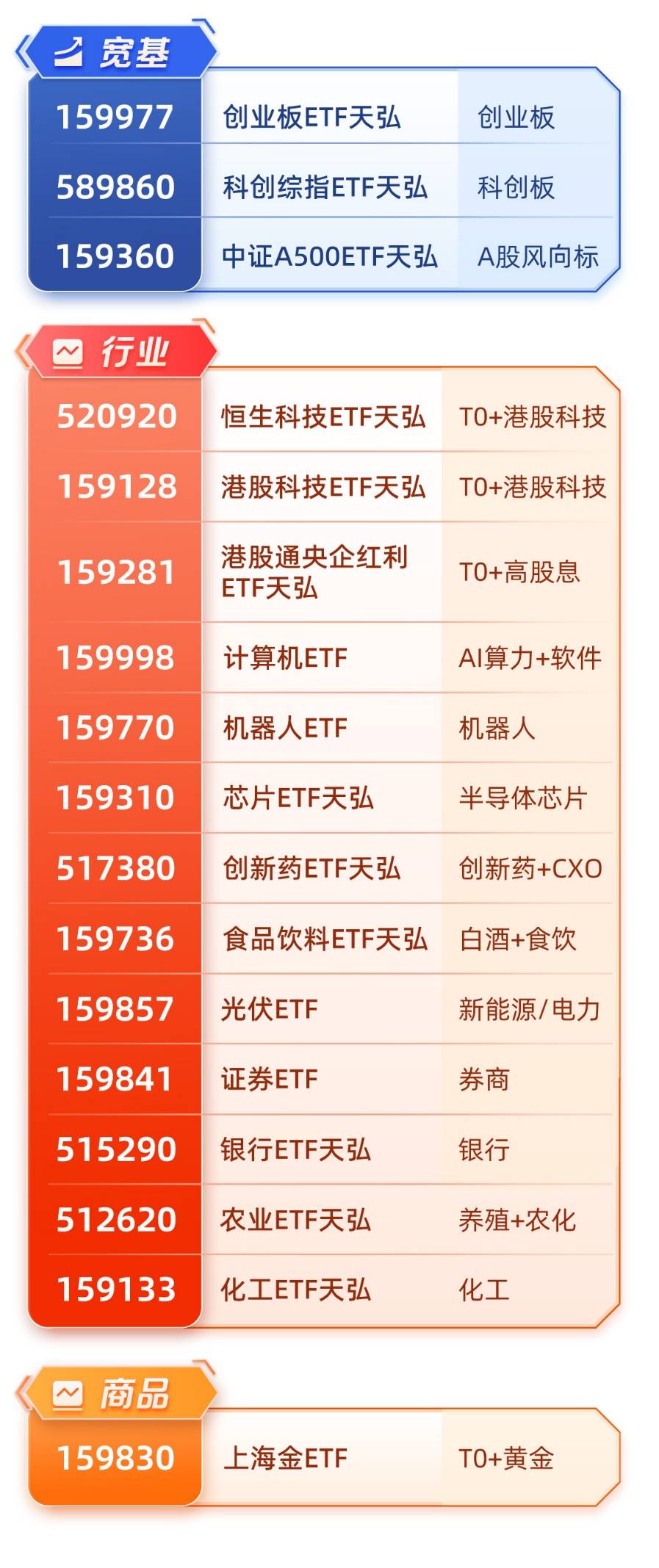
传统化工行业迎供给侧优化窗口!化工ETF天弘(159133)标的指数盘中涨超2%,连续11日“吸金”2.33亿元
Sou Hu Cai Jing· 2026-01-15 02:35
Core Viewpoint - The chemical ETF Tianhong (159133) has seen significant inflows and performance, reflecting a positive outlook for the chemical industry as it undergoes structural changes and optimization [2][3]. Group 1: ETF Performance - As of January 14, the chemical ETF Tianhong (159133) reached a new high with a total size of 843 million yuan and 735 million shares outstanding [2]. - The ETF has experienced continuous net inflows over the past 11 days, accumulating a total of 233 million yuan [2]. Group 2: Industry Trends - The Ministry of Finance announced the cancellation of the 13% export tax rebate on PVC powder starting April 1, 2026, which is expected to increase export costs by approximately 75 USD per ton. This may lead to a short-term surge in exports and a long-term shift towards high-value products and overseas capacity [2]. - The chemical industry is currently at a historical low point, with a shift from capacity expansion to optimization driven by "anti-involution" policies. Key sectors such as coal chemical, organic silicon, and pesticides are expected to see a supply-demand reversal [3]. Group 3: Investment Opportunities - Leading companies in the chemical sector are anticipated to benefit from the ongoing exit of low-efficiency capacity and the transition to high-value products, with potential profit recovery expected [3]. - Sub-industries with resource attributes or technical barriers, such as phosphorus chemicals and refrigerants, may present opportunities for value reassessment [3].


“出口退税取消”对PVC市场有多重要?
Qi Huo Ri Bao· 2026-01-11 23:29
Core Viewpoint - The Ministry of Finance and the State Taxation Administration announced an adjustment to the export tax rebate policy for PVC products, which will eliminate the VAT export rebate for PVC powder starting April 1, 2026, significantly impacting the PVC market and raising export costs [1] Group 1: Policy Impact - The current export tax rebate rate for PVC powder is 13%, and its removal is expected to increase export costs by approximately $75 per ton based on current domestic prices of 4500 RMB per ton [1] - The adjustment is anticipated to have a profound effect on the PVC market, drawing significant attention from both the industry and capital markets [1] Group 2: Export Dynamics - China's PVC powder exports have become a crucial support for domestic demand, with total exports projected to reach 2.617 million tons in 2024 and exceed 3.8 million tons in 2025, driven by increasing global demand and a surplus in domestic supply [1] - There is an emerging trend of overseas clients actively seeking imports from China, anticipating a rise in costs post-April, which may lead to increased transaction activity in the export market [1] Group 3: Domestic Concerns - Domestic industry analysts express concerns regarding high inventory levels, with PVC social inventory reaching 1.0611 million tons by December 25, 2025, a year-on-year increase of 31.92%, indicating historical highs [2] - The upcoming nine-day Spring Festival holiday is expected to exacerbate inventory accumulation, with downstream demand recovery likely experiencing delays [2] Group 4: Long-term Industry Trends - The cancellation of the export tax rebate is expected to drive deep adjustments in the PVC industry, leading to four major trends: accelerated capacity elimination, structural upgrades, reshaped export patterns, and domestic demand becoming the primary price driver [3] - The industry is likely to see a shift towards higher-value PVC products, driven by cost pressures, and an increase in overseas production capacity as companies adapt to changing market conditions [3] Group 5: Market Outlook - Short-term demand for imports is expected to gradually release, with concentrated purchasing likely before early April; however, a new price structure may emerge as the market adjusts to higher costs, potentially supporting overall price recovery in the long run [4]

PVC数据日报-20251225
Guo Mao Qi Huo· 2025-12-25 03:12
Group 1: Report Industry Investment Rating - Not provided Group 2: Core Viewpoints - The macro - policy has high uncertainty, so it is recommended to stay on the sidelines. The fundamentals have little change, and there is still an expectation of weakening in the medium term [1] Group 3: Summary by Relevant Catalogs Raw Materials - The price of Q5500 coal ash decreased from 701 on 2025/12/23 to 694 on 2025/12/24. The price of Shaanxi medium - grade coal decreased by 30 from 850 to 820. The price of Inner Mongolia calcium carbide remained at 2400, and the price of Shandong calcium carbide remained at 2780 [1] Futures and Spot - PVC futures prices rose. The price of Fengli Xushao increased by 43 from 4738 to 4781. The price of East China SG - 5 increased by 60 from 4420 to 4480, and the price of South China SG - 5 increased by 50 to 4500. The spot price of PVC powder rose slightly, with participants having a strong wait - and - see sentiment. East China mainstream spot cash self - pick is 4380 - 4480 yuan/ton, South China mainstream spot cash self - pick is 4380 - 4440 yuan/ton, Hebei spot cash delivery is 4200 - 4320 yuan/ton, and Shandong spot cash delivery is 4350 - 4450 yuan/ton [1] Basis - The basis in East China increased by 17 from - 318 to - 301, in South China increased by 7 from - 288 to - 281, and in North - Central decreased by 13 from - 338 to - 351 [1] Profit - The profit of Shandong calcium carbide method increased by 30 from - 1329 to - 1299, and the profit of Inner Mongolia calcium carbide method increased by 40 from - 968 to - 928 [1] External Market - CFR China remained at 639, CFR Southeast Asia remained at 599, and FAS Houston increased by 5 from 570 to 575 [1] Operating Rate - The total operating rate decreased by 2.05% from 79.43% to 77.38%. The operating rate of calcium carbide method decreased by 1.92%, and the operating rate of ethylene method decreased by 2.36% to 76.54% [1] Inventory - The East China inventory decreased by 0.42 to 46.83, and the social inventory decreased from 51.74 to 51.06 [1]
PVC:供需矛盾突出 采购价格下行
Jin Tou Wang· 2025-12-25 02:03
PVC Market Overview - The domestic PVC powder market prices have decreased, with most mainstream markets dropping by 15-65 yuan/ton [1] - PVC futures are experiencing weak fluctuations, and the spot market has seen slight price adjustments with limited high-price transactions [1] - Downstream purchasing enthusiasm is low, leading to average transaction volumes in the spot market [1] PVC Production and Inventory - According to Zhuochuang Information, the overall PVC powder operating rate is 76.12%, a decrease of 2.27 percentage points from the previous week [1] - The operating rate for calcium carbide method PVC powder is 77.01%, down by 2.12 percentage points, while the ethylene method is at 74.06%, down by 2.61 percentage points [1] - As of December 18, the inventory days for PVC production enterprises in China is 5.3 days, a decrease of 2.75% due to reduced market supply and increased pre-sale deliveries [1] PVC Market Outlook - The market is expected to maintain a range-bound operation due to cautious demand and low purchasing enthusiasm [1] - The demand side remains under pressure, with seasonal declines in construction activities and reduced real estate demand negatively impacting the market [1] - Export demand, particularly from India, is limited, and international competition is fierce, leading to an overall weak demand environment for PVC [1]
PVC期价连续拉升 拐点是否出现?
Qi Huo Ri Bao· 2025-12-17 00:22
Core Viewpoint - The PVC market has been under pressure since 2025 due to increased supply and decreased demand, with prices hitting a nearly 10-year low. Recent price increases lack strong driving forces, and future price recovery will depend on policy effects and export conditions [1]. Supply Summary - In 2025, the PVC market will see an additional capacity of 2.2 million tons, with a net increase of 2.05 million tons, bringing total capacity to 29.93 million tons, a year-on-year increase of 7.35%. Ethylene-based capacity will account for 80% of this [1]. - From January to November, domestic PVC production reached 22.32 million tons, a year-on-year increase of 4.35%, with ethylene-based production growing by 11.48% [1]. - The operating rate for PVC powder is currently at 78.39%, down 0.62 percentage points from the previous week, indicating a reduction in production due to safety and production task considerations [1]. Inventory Summary - As of December 12, domestic PVC social inventory stood at 1.0593 million tons, with East and South China warehouses at historically high levels for this time of year. Despite the peak season, inventory levels have not decreased effectively [2]. - The pressure from high inventory levels remains a core factor affecting prices, with both social and enterprise inventories being high [2]. Demand Summary - Demand for PVC is weak, heavily reliant on the real estate and infrastructure sectors, which have seen significant declines in new construction and investment [3]. - From January to November, new housing starts fell by 20.5%, and real estate development investment decreased by 15.9%, limiting the demand pull for PVC [3]. - The operating rates for downstream pipe and profile production are below 40%, indicating further weakening demand as the Spring Festival approaches [3]. Export Summary - PVC powder exports increased by 49% year-on-year to 3.23 million tons from January to October, while exports of PVC products fell by 11.5% [4]. - The domestic price advantage for PVC powder has improved order intake, but rising shipping costs may hinder significant export volume increases [4]. - Expectations for a 15% increase in PVC exports in the first half of next year could help alleviate domestic oversupply pressures [4]. Short-term and Mid-term Outlook - The PVC market continues to face supply-demand imbalances, with price increases lacking core driving forces. However, the current market valuation is at historical lows, and potential unplanned maintenance due to losses may limit price declines [5]. - In the mid-term, supply-demand contradictions are expected to gradually ease as more companies may reduce production and extend maintenance periods due to ongoing profit declines [2][5].
印度对华BIS认证撤销,有机硅DMC价格涨幅居前| 投研报告
Zhong Guo Neng Yuan Wang· 2025-11-19 08:30
Industry Overview - The chemical sector's overall performance ranked 9th this week (2025/11/10-2025/11/14) with a change of 2.61%, outperforming the Shanghai Composite Index by 2.79 percentage points and the ChiNext Index by 5.62 percentage points [1] - The chemical industry is expected to continue its differentiated trend in 2025, with a focus on synthetic biology, pesticides, chromatography media, sweeteners, vitamins, light hydrocarbon chemicals, COC polymers, and MDI [1] Synthetic Biology - The arrival of a pivotal moment in synthetic biology is anticipated, driven by the adjustment of energy structures, which may disrupt fossil-based materials and favor low-energy products [1] - Traditional chemical companies are expected to compete on energy consumption and carbon tax costs, with successful firms leveraging green energy and integrated advantages to reduce costs [1] - The demand for bio-based materials is projected to surge, leading to potential profitability and valuation increases for companies in this sector, such as Kasei Bio and Huaheng Bio [1] Refrigerants - The implementation of quota policies is expected to usher in a high-growth cycle for third-generation refrigerants, with supply entering a "quota + continuous reduction" phase starting in 2024 [2] - The demand for refrigerants is anticipated to grow due to the development of heat pumps, cold chain markets, and the expansion of the air conditioning market, particularly in Southeast Asia [2] - Companies with a high quota share, such as Juhua Co., Sanmei Co., Haohua Technology, and Yonghe Co., are expected to benefit significantly [2] Electronic Specialty Gases - Electronic specialty gases are critical to the electronics industry, characterized by high technical barriers and added value [3] - The domestic market faces a mismatch between rapid upgrades in wafer manufacturing and insufficient high-end electronic specialty gas capacity, presenting opportunities for domestic replacements [3] - Companies like Jinhong Gas, Huate Gas, and China Shipbuilding Gas are positioned to capitalize on this demand [3] Light Hydrocarbon Chemicals - The trend towards light raw materials in the global olefin industry is becoming more pronounced, with a shift from heavy naphtha to lighter low-carbon alkanes like ethane and propane [4] - Light hydrocarbon chemicals are favored for their low carbon emissions, low energy consumption, and low water usage, aligning with global carbon neutrality goals [4] - Companies in the light hydrocarbon sector, such as Satellite Chemical, are expected to see a revaluation of their worth [4] COC Polymers - The industrialization of COC/COP (cyclic olefin copolymer) is accelerating in China, driven by domestic companies overcoming previous R&D challenges [5] - The shift of downstream industries like consumer electronics and new energy vehicles to domestic production is enhancing the demand for COC/COP materials [5] - Companies like Acolyte are recommended for their potential in the COC polymer production segment [5] Potash Fertilizers - Potash fertilizer prices are expected to rebound as the industry enters a destocking cycle, with supply reductions from major players like Canpotex and Nutrien [6] - The termination of the Black Sea Grain Export Agreement has led to increased prices for wheat and corn, boosting the demand for potash fertilizers [6] - Companies such as Yara International, Salt Lake Potash, and Zangge Mining are highlighted as key players in this sector [6] MDI Market - The MDI market is characterized by oligopoly, with demand steadily increasing due to the expansion of polyurethane applications [7] - Major global manufacturers, including Wanhua Chemical, BASF, Covestro, Huntsman, and Dow, control over 90% of MDI production capacity [7] - Despite current price pressures, MDI is expected to maintain profitability, with a positive outlook as demand recovers [7] Chemical Price Tracking - The top five price increases this week included dimethylcyclosiloxane (DMC) at 18.18%, sulfur at 8.96%, and NYMEX natural gas at 5.82% [8] - The top five price decreases included butadiene at -7.89% and hydrofluoric acid at -4.27% [8] Supply Side Tracking - This week, 164 chemical enterprises reported production capacity changes, with 11 new repairs and 5 restarts noted [9]