
无人机

Search documents
大疆VS影石,天才的烦恼
3 6 Ke· 2025-10-12 10:21
Core Insights - DJI has significantly reduced prices on various products, including the Mini 4 PRO drone, which saw a price drop of 1,478 yuan, amidst competition with Insta360 [1][2] - The competition between DJI and Insta360 represents a strategic battle between two leading tech companies in China, both facing growth challenges as their respective markets approach saturation [1][14] Group 1: Market Dynamics - DJI holds over 70% of the global drone market and has increased its market share to 85% by 2020, while Insta360 has dominated the panoramic camera market with a 67.2% share since 2019 [1][4] - The price competition is intensified as DJI aims to enter the action camera market, while Insta360 is venturing into the drone sector, challenging DJI's core business [10][12] Group 2: Competitive Strategies - DJI's strategy includes expanding its product line to include action cameras, with the Osmo 360 being a direct competitor to Insta360's X5, which led to price adjustments from both companies [7][8] - Insta360's entry into the drone market with the Antigravity A1 aims to leverage its existing technology and market presence, while DJI's focus on action cameras is seen as a move to diversify its revenue streams [9][10] Group 3: Growth Challenges - Both companies are facing growth limitations; DJI's revenue from consumer drones is projected to plateau at around 200 billion yuan, while the global panoramic camera market is relatively small, valued at 50.3 billion yuan in 2023 [14][16] - The saturation of the drone market and the limited growth potential in the panoramic camera sector are prompting both companies to seek new growth avenues by encroaching on each other's markets [14][17]


林武在烟台调研并指导市委常委会会议时强调 扛牢经济大市勇挑大梁使命担当 加快打造绿色低碳高质量发展示范城市
Da Zhong Ri Bao· 2025-10-12 01:19
Group 1 - The core message emphasizes the importance of implementing Xi Jinping's important speeches and directives, focusing on economic development and the cultivation of strategic emerging industries in Yantai [1][2] - The government encourages companies like Yitong Drone System Co., Ltd. to seize opportunities in the low-altitude economy and enhance innovation and market competitiveness [1] - The Wanhu Green Power Industrial Park project is highlighted, with a call to accelerate construction and ensure the production of new materials for power and energy storage batteries [1] Group 2 - The successful launch of the Yiyuan-1 remote second carrier rocket in Haiyang, Yantai, is noted, showcasing advancements in the commercial aerospace industry [1] - The meeting with academicians and experts aims to promote the development of Shandong's commercial aerospace industry and encourage the implementation of more results [1][2] - The emphasis on scientific, democratic, and legal decision-making processes within the Yantai Municipal Committee is aimed at achieving high-quality development and risk management [2]
年入800亿的“直男品牌”,“背刺”小红书女孩?
3 6 Ke· 2025-10-12 00:40
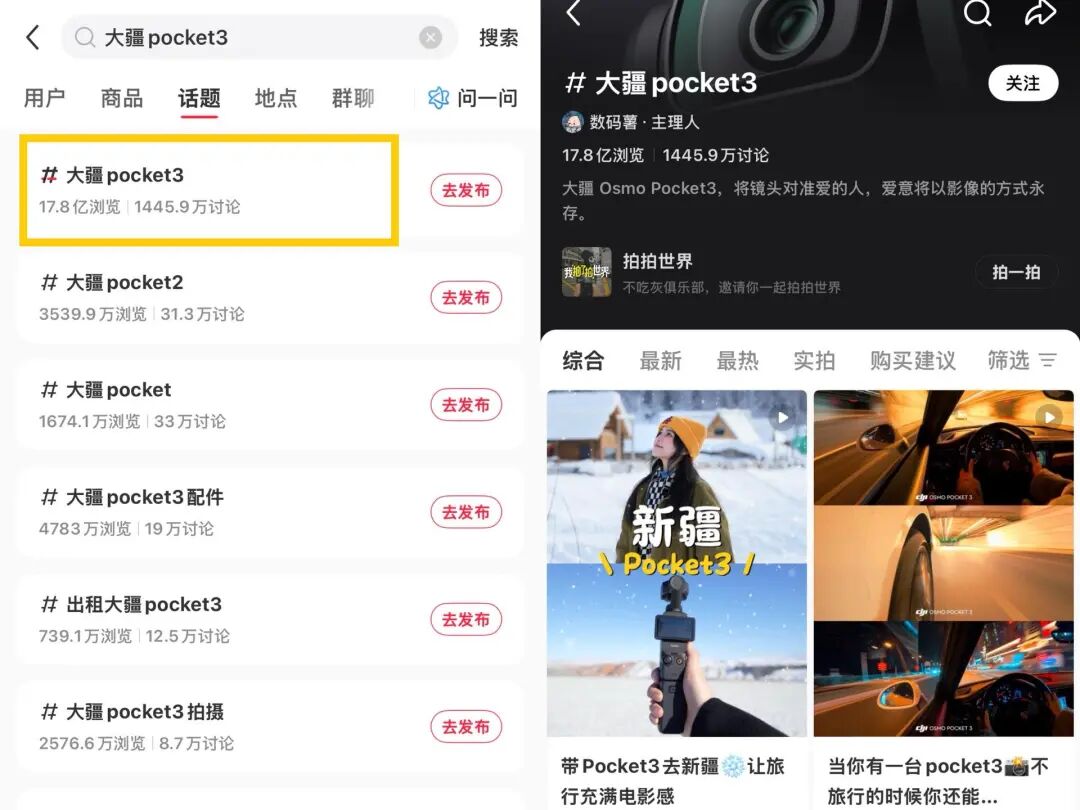
Core Insights - DJI has significantly reduced prices on several products, including the Osmo Pocket 3, Mini 3, Mini 4 Pro, and Action 4, with discounts ranging from 20% to over 30% [1][5][18] - The sudden price drop has led to widespread dissatisfaction among consumers, particularly those who purchased products shortly before the price cuts [2][6][8] - DJI's brand image, previously associated with high value and scarcity, is at risk due to this pricing strategy, potentially leading to a decrease in brand loyalty and premium pricing power [5][6][10] Pricing Strategy - The price reduction includes a nearly 700 yuan drop for the Osmo Pocket 3, which was originally priced at 3499 yuan, and a 1478 yuan drop for the Mini 4 Pro [1][5] - This move is perceived as a response to increasing competition in the consumer drone market, particularly from emerging players like影石创新 [5][18] Consumer Reaction - Many consumers expressed feelings of betrayal, especially those who bought the Pocket 3 just before the price cut, missing the 7-day price protection window [8][10][13] - Social media platforms have seen a surge in discussions criticizing DJI for the abrupt price changes, with some users stating they would resist purchasing DJI products in the future [2][13] Market Position - DJI has historically maintained a strong market presence, with its products often sold out and viewed as "hard currency" in the consumer electronics market [4][10] - However, the recent price cuts have raised questions about the perceived value and scarcity of DJI products, potentially undermining the brand's established market position [10][18] Competitive Landscape - DJI is facing intensified competition from影石创新, which has increased its market share from 28.4% to 35.6% while DJI's share has dropped from 19.1% to 13.2% [18][20] - In response, DJI has launched new products, including the Osmo 360, to regain market competitiveness [18][20] Product Development - DJI's innovation has been criticized for being incremental rather than groundbreaking, with recent products showing high similarity to previous models [17][21] - The company is also diversifying its product line by entering new markets, such as the home cleaning robot sector, although initial feedback indicates some quality issues [20][21]
大疆降价,惹怒了谁?
3 6 Ke· 2025-10-10 12:35
Core Insights - DJI has maintained over 70% market share in the global consumer drone market for a decade, with its latest product, the Pocket 3, becoming a trendsetter among young consumers [1][10][12] - The company is facing increasing market competition and has recently announced significant price reductions on multiple products, indicating a sense of urgency to maintain growth [3][4][9] Pricing Strategy - On October 9, DJI initiated a promotional campaign, reducing prices on key products, with the Pocket 3 dropping from 3499 yuan to 2799 yuan, and the Action 4 seeing a maximum reduction of 1129 yuan [4][9] - The price cuts have led to consumer dissatisfaction, particularly among those who purchased products shortly before the announcement, highlighting inconsistencies in DJI's return and price protection policies [5][6][9] Market Competition - DJI's market share is projected to decline from 19.1% in 2023 to 13.2% in 2024, while competitors like Insta360 are gaining ground, increasing their share from 28.4% to 35.6% [13][14] - The entry of smartphone manufacturers into the drone market adds further pressure on DJI, necessitating strategic responses to maintain its competitive edge [14][19] New Product Development - DJI has expanded into new categories, launching the ROMO robot vacuum and the Osmo 360 panoramic camera, aiming to diversify its product offerings [16][21] - The ROMO vacuum has faced criticism for performance issues, indicating challenges in establishing a foothold in the competitive smart home market [19][21] Company Philosophy and Future Outlook - DJI's founder, Frank Wang, emphasizes a non-profit-driven approach to innovation, focusing on passion and interest in technology [10][12] - The company is at a crossroads, needing to balance maintaining its core drone business while successfully venturing into new markets to sustain growth [15][23]
“工业第一城”做起工业游:城市文旅新物种的诞生
2 1 Shi Ji Jing Ji Bao Dao· 2025-10-10 12:17
Core Insights - Guangdong is emerging as a significant tourism destination, with projected visitor numbers reaching 65.18 million during the 2025 National Day and Mid-Autumn Festival holidays, marking an 11.5% increase from 2024, and tourism revenue expected to rise to 61.32 billion yuan, a 14.2% growth [2] Group 1: Tourism Trends in Guangdong - Various cities in Guangdong are developing unique tourism projects, such as industrial tourism in Shenzhen, dragon boat cultural tourism in Foshan, culinary experiences in Shantou, and rural ecological tourism in Meizhou, reflecting a new trend in the province's cultural tourism [2][8] - The transformation in local tourism markets is characterized by three shifts: from "resource dependence" to "creative drive," from "sightseeing" to "lifestyle consumption," and from "general audience" to "targeted demographics" [2][8] Group 2: Industrial Tourism Development - Shenzhen's industrial tourism is gaining traction, with the establishment of interactive educational bases like the one by Gaoju Innovation, which aims to engage youth in understanding the low-altitude industry through hands-on experiences [3][4] - The city has launched the "Top Ten Industrial Technology Tourism Routes," showcasing significant industrial sites and aiming to attract both domestic and international tourists [3][4] Group 3: Visitor Statistics and Economic Impact - During the recent holiday period, Shenzhen received 9.2 million visitors, a 12.4% increase from 2024, with international tourist numbers rising by 145.2% to 91,000, and total tourism revenue reaching 8.94 billion yuan, up 17.6% [7] - Shantou and Meizhou also reported significant increases in visitor numbers and tourism revenue during the holiday, with Shantou receiving 4.5 million visitors (17.18% growth) and Meizhou hosting 2.26 million visitors (12.31% growth) [9] Group 4: Future Directions and Strategies - The development of industrial tourism in Shenzhen is expected to evolve from simple visits to immersive experiences that showcase the entire production process, enhancing the appeal to diverse visitor groups [5][6] - Future initiatives will focus on integrating industrial tourism with education, optimizing tourism routes, and enhancing the overall visitor experience through innovative projects and collaborations [6][10]
聚焦低空经济,山东华辰航空科技构建无人机应用服务“生态圈”
Qi Lu Wan Bao Wang· 2025-10-10 05:12
齐鲁晚报·齐鲁壹点 隋忠伟 邹杰 在日照高新区这片充满创新活力的土地上,山东华辰航空科技有限公司以敢为人先的闯劲、精益求精的 钻劲,在低空经济与无人机产业领域深耕细作,凭借完善的资质体系、自主可控的核心技术和扎实的人 才培养体系,成为推动区域低空经济高质量发展的中坚力量,为低空经济产业发展注入"日照动能"。 一月斩获"黄金三证" 树行业规范标杆 "从今年8月初落地日照高新区以后。我们就提交材料拿到民航局运营资质、完成空域备案、获批CAAC 培训资质,只用30天!"回忆起资质申报的过程,山东华辰航空科技有限公司副总经理陈福生仍难掩激 动。在公司资质展示厅的玻璃展柜里,三本红色资质证书格外醒目,这便是业内公认的无人机领域"黄 金三证",全国持有机构屈指可数。 "有了空域备案资质,我们能快速为电力巡检、农业植保等作业申请飞行空域;CAAC培训资质则意味 着学员拿到的执照全国通用,就业更有保障。"陈福生指着证书介绍,作为日照高新区唯一同时拥有这 三项资质的无人机培训机构,公司还获得UAV CM平台甲级认证,业务范围覆盖无人机驾驶员培训、校 企合作课程开发、无人机电力/管线巡检、农业植保飞防、应急救援以及低空飞行服务站 ...
产品直降千元后,大疆往何处去?
Mei Ri Jing Ji Xin Wen· 2025-10-10 01:27
Core Insights - DJI's recent announcement of significant price cuts on multiple products, including the Pocket 3 camera and Mini 4K drone, has sparked considerable consumer reaction, with price reductions around a thousand yuan [1][2] - The price drop is seen as a response to growing market pressures and competition, indicating underlying growth anxiety within the company [3][4] Industry Trends - The growth rate of the Chinese civil drone market is projected to decline from 32% in 2023 to 20% by 2025, highlighting a slowdown in industry expansion [5] - Increased competition is evident as new entrants, such as影石创新 and GoPro, are targeting DJI's market share, with DJI's share in handheld imaging devices expected to drop from 19.1% in 2023 to 13.2% in 2024 [5] Company Challenges - DJI faces criticism for its lack of innovation, with products being described as "incremental" rather than groundbreaking, leading to concerns about its competitive edge [5][6] - The company is attempting to diversify its product offerings, such as entering the sweeping robot market, but initial results have not met expectations [6] Strategic Response - The price cuts are viewed as a short-term strategy to attract hesitant consumers and expand market share, but they may also lead to reduced profit margins and potential price wars within the industry [6][7] - DJI needs to transition from being a hardware-centric company to an ecosystem builder focused on user value, emphasizing deeper customer relationships rather than just market coverage [7][8] Future Outlook - For sustained growth, DJI must innovate beyond current product iterations and address significant pain points in drone technology, such as payload capacity and battery life [7] - The long-term success of the company will depend on its ability to establish a technological moat and maintain consumer trust and brand value [8]

大疆成“双11”急先锋 千元级降价促销引发消费维权风波
Bei Ke Cai Jing· 2025-10-10 00:04
Core Viewpoint - DJI has announced significant price reductions on various products ahead of the "Double 11" shopping festival, leading to consumer dissatisfaction and potential legal implications regarding pricing practices [1][2][9]. Group 1: Price Reduction Details - DJI's price cuts, effective from October 9, include reductions of up to 1500 yuan for the Mini 3 drone and 1478 yuan for the Mini 4 PRO drone, among others [6][8]. - Consumers have reported feeling misled, with some experiencing price drops shortly after their purchases, leading to demands for refunds or price adjustments [7][10]. Group 2: Legal and Market Implications - Legal experts indicate that DJI's pricing strategy is a legitimate business decision, but if consumers can prove they were misled about future price changes, it could constitute price fraud [3][11]. - The competitive landscape in the drone market is intensifying, prompting DJI to adopt aggressive pricing strategies to maintain market share [9][12]. Group 3: Consumer Rights and Company Obligations - Consumers have varying experiences with returns, particularly between online and offline purchases, highlighting discrepancies in return policies [10][14]. - Legal experts suggest that DJI should enhance transparency regarding pricing changes and establish clear communication channels to mitigate consumer dissatisfaction [14].
产品千元降价后,大疆往何处去
Mei Ri Jing Ji Xin Wen· 2025-10-09 22:57
Core Viewpoint - DJI's recent price cuts on several key products, including the Pocket 3 and Action 4, indicate underlying growth anxiety despite its dominant market position in the consumer drone sector, where it holds over 70% market share globally [1][2]. Industry Analysis - The growth rate of the Chinese civil drone market is projected to decline from 32% in 2023 to 20% by 2025, highlighting a slowdown in industry expansion [2]. - Increased competition is evident as new entrants, such as Yingshi Innovation and OPPO, are targeting DJI's market share, with DJI's share in the handheld imaging device sector dropping from 19.1% in 2023 to 13.2% in 2024 [2]. Company Challenges - DJI faces criticism for its slow innovation pace, with recent products showing minimal advancements compared to predecessors, raising concerns about its ability to maintain competitive advantages [2][3]. - The company is attempting to diversify its product offerings, such as entering the sweeping robot market, but initial results have not met expectations, indicating challenges in establishing competitiveness in new sectors [3]. Strategic Response - DJI's price reduction strategy aims to attract hesitant new users and expand its market share, but it risks damaging profitability and could trigger a price war within the industry, potentially leading to reduced margins for all players [3][4]. - The company must transition from being a hardware-centric "conqueror" to a user-value-focused "ecosystem builder," emphasizing deeper customer relationships rather than just market coverage [4]. Future Outlook - To sustain growth, DJI needs to pursue disruptive innovations that address existing pain points in the drone market, such as payload capacity and battery life, while also exploring new technologies that could enhance its product offerings [5]. - The long-term success of DJI will depend on its ability to innovate technologically, build lasting customer trust, and maintain brand value, which are essential for establishing a competitive moat in the evolving market landscape [5].
每经热评丨产品千元降价后 大疆往何处去
Mei Ri Jing Ji Xin Wen· 2025-10-09 16:00
Core Viewpoint - DJI's recent price cuts on several key products, including the Pocket 3 and Action 4, indicate underlying growth anxiety despite its dominant market position in the consumer drone sector, where it holds over 70% market share globally [1][2]. Industry Analysis - The growth rate of the Chinese civil drone market is projected to decline from 32% in 2023 to 20% by 2025, highlighting a slowdown in industry expansion [2]. - Increased competition is evident as new entrants like Yingshi Innovation and GoPro are targeting DJI's market share, with DJI's share in the handheld imaging device sector dropping from 19.1% in 2023 to 13.2% in 2024 [2]. - DJI's innovation has been criticized for being incremental, with recent products showing little differentiation from previous models, raising concerns about its ability to maintain competitive advantages [2][3]. Company Strategy - DJI is attempting to diversify its growth avenues by launching new products such as the Osmo 360 and the DJI ROMO robot vacuum, although these efforts have not yet yielded significant market impact [3]. - The company's recent price cuts are seen as a desperate measure to attract hesitant new users, potentially leading to a price war that could harm overall industry profitability [3][4]. - To sustain growth, DJI must transition from being a hardware-centric company to one focused on user value and ecosystem development, emphasizing deeper customer relationships rather than just market coverage [4][5]. Future Outlook - There are still opportunities for innovation in the drone sector, particularly in areas like payload capacity and battery life, which could enhance DJI's competitive edge if successfully developed [5]. - The long-term success of DJI will depend on its ability to innovate and build lasting trust with users, establishing a robust brand value that transcends current market challenges [5].