水果零售

Search documents
当百果园面对3000多条消费者投诉,谁“教育”了谁?
Sou Hu Cai Jing· 2025-08-12 03:57
Core Viewpoint - The chairman of Baiguoyuan, Yu Huiyong, defended the company's high fruit prices, stating that the company prioritizes quality over catering to consumer expectations, which has sparked controversy online [1][3][6]. Group 1: Consumer Reactions - Many consumers expressed dissatisfaction with Yu's comments, suggesting that the company should be more responsive to consumer needs [3]. - Some consumers argued that higher prices could be justified if the fruits are of superior quality [5]. Group 2: Quality Control Issues - Baiguoyuan claims to focus on quality through strict operational standards and cold chain management to ensure freshness [7]. - Despite this, the company has faced multiple quality complaints, including incidents of selling spoiled fruits and mislabeling fruit grades [8][11]. Group 3: Financial Performance - Baiguoyuan reported a revenue of 10.273 billion RMB in 2024, a decrease of 9.8% year-on-year, with a shift from profit to loss, recording a net loss of 3.86 billion RMB [14][16]. - The revenue from fruit and other food sales accounted for over 97% of total income, which also saw a decline of 9.6% in 2024 [14][16]. - The number of franchise stores decreased from 4,818 in 2023 to 4,039 in 2024, attributed to high rental costs and profitability issues for franchisees [17]. Group 4: Profitability Challenges - The company's net profit margin has declined from around 3% in previous years to 1.49% in the first half of 2024 [21]. - Despite a large network of stores and a premium pricing strategy, Baiguoyuan has struggled to achieve significant growth in performance [21].


钟薛高创始人谈百果园董事长争议言论:表述方式让人不太舒服,但相信没有恶意
Sou Hu Cai Jing· 2025-08-12 03:39
Core Viewpoint - The recent controversy surrounding Baiguoyuan's pricing strategy and its CEO's comments has sparked significant public debate, highlighting the challenges faced by companies in balancing quality and consumer expectations [3][4]. Group 1: Baiguoyuan's Position and Strategy - Baiguoyuan's chairman, Yu Huiyong, stated that the company will not cater to consumer demands, emphasizing a commitment to high-quality fruits and consumer education [3]. - The company claims to have millions of members who recognize its value and are willing to pay for premium products, indicating a loyal customer base [3]. - However, the high pricing strategy has led to public backlash, with consumers expressing concerns over affordability and perceived value [3][4]. Group 2: Financial Performance and Market Challenges - Baiguoyuan reported a 9.8% year-on-year decline in revenue for 2024, marking its first net loss in five years, alongside a reduction in store numbers [4]. - The company's insistence on "educating consumers" raises questions about its understanding of market demands and consumer needs, especially in a competitive landscape [4]. - The current economic climate, where consumers prioritize cost-effectiveness, poses significant challenges to Baiguoyuan's high-price strategy [3][4]. Group 3: Industry Context and Comparisons - The situation with Baiguoyuan is reminiscent of the challenges faced by other companies like Zhong Xue Gao, which has recently encountered financial difficulties and public scrutiny over its pricing and product quality [5][6]. - Zhong Xue Gao's founder acknowledged operational issues leading to financial strain, reflecting broader industry challenges related to consumer perception and market positioning [10]. - The trend of companies attempting to "educate" consumers has often backfired, as seen in various cases within the industry, suggesting a need for a more consumer-centric approach [4][6].
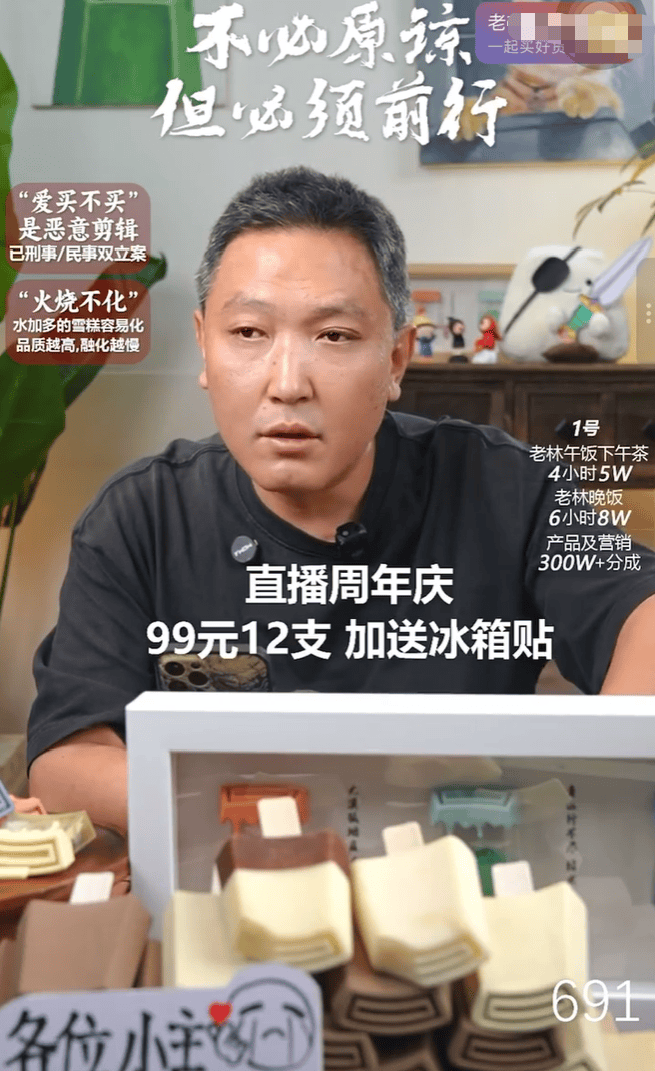
百果园董事长“教育消费者”言论上热搜,回应未能平息争议!一年关店近千家、市值缩水至26.9亿港元,加盟失控引发信任危机
Sou Hu Cai Jing· 2025-08-12 01:50
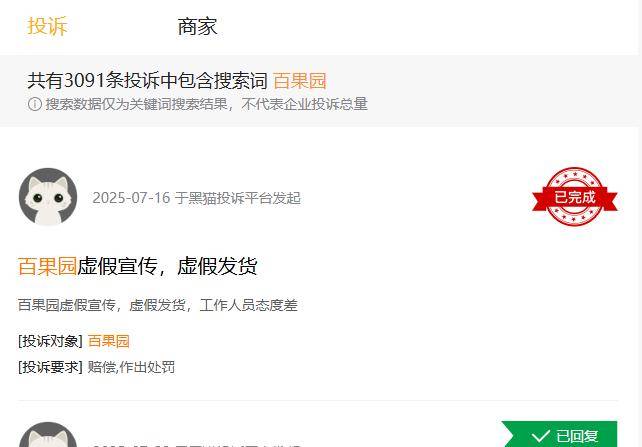
Core Viewpoint - The controversy surrounding the chairman of Baiguoyuan, Yu Huiyong, stems from his statement that the company will not cater to consumer demands, which has led to significant backlash and a decline in the company's performance metrics [1][2]. Financial Performance - In 2024, Baiguoyuan reported a revenue of 10.273 billion yuan, a decrease of 9.8% year-on-year, and a net loss of 386 million yuan [12]. - The company's gross profit fell by 41.9% to 760 million yuan [12]. - The total number of stores decreased from 6,093 to 5,127, with a net reduction of 966 stores within a year [4][11]. Membership and Customer Engagement - The number of paid members dropped from 1.171 million in 2023 to 854,000 by the end of 2024, marking a decline of 27.1% [4][11]. - The average daily foot traffic in some stores has significantly decreased, with reports of customer numbers dropping from 350 to 180 [4]. Quality and Consumer Trust Issues - Baiguoyuan has faced multiple quality issues, including the use of rotten fruits and mislabeling of products, which have damaged consumer trust [4][10]. - Complaints on platforms like Black Cat Complaints have exceeded 3,091, primarily concerning issues like "bad fruit not compensated" and "overpriced" products [5]. Business Model and Market Challenges - The majority of Baiguoyuan's stores (99%) are franchise-operated, leading to weak oversight and quality control from the headquarters [10]. - The shift in consumer preferences from "high-end premium" to "quality and cost-effectiveness" has intensified competition, with rivals offering similar products at prices 30% lower [11]. Strategic Response and Future Outlook - To survive in the competitive landscape, Baiguoyuan must return to its core principles of "quality first and service above all" and implement systemic changes in supply chain efficiency, franchise management, and brand trust [13].
百果园,口碑崩了
Sou Hu Cai Jing· 2025-08-11 23:48
Core Viewpoint - The founder of Baiguoyuan, Yu Huiyong, sparked controversy by stating that the company is not catering to consumers but rather educating them to mature, which has led to public backlash and criticism of the company's approach to consumer relations [1][3][5]. Group 1: Company Positioning and Consumer Relations - Baiguoyuan's business model is categorized by Yu as either "exploiting consumer ignorance" or "educating consumers," with the latter being the chosen path for the company [3]. - The company's claim of educating consumers has been met with skepticism, as many consumers feel that purchasing fruit should not involve being lectured [5]. - The perception of Baiguoyuan as an "educator" has created a disconnect in the consumer-business relationship, where consumers feel patronized rather than valued [5][12]. Group 2: Quality Control and Consumer Complaints - Despite Baiguoyuan's emphasis on quality, there have been multiple reports of quality control failures, including the sale of spoiled fruit and mislabeling of products [7]. - Over 3,000 complaints on the Black Cat Complaint platform highlight issues such as poor quality and inadequate compensation for defective products, contradicting the company's high-quality image [7]. Group 3: Financial Performance and Market Position - Baiguoyuan's financial performance has deteriorated, with a reported revenue of 10.273 billion yuan in 2024, a year-on-year decline of 9.8%, and a net loss of 386 million yuan, marking the first net loss in five years [9]. - The number of retail stores has significantly decreased, with a net reduction of 966 stores in 2024, leaving only 5,127 stores, which contrasts sharply with previous expansion ambitions [9]. - The company faces intense competition from community group buying and e-commerce giants, which have adopted aggressive pricing strategies, undermining Baiguoyuan's supply chain advantages [9]. Group 4: Strategic Shifts and Market Perception - Baiguoyuan's strategy has shifted towards emphasizing "value for money," with the term appearing 25 times in the 2024 financial report, indicating a response to consumer demand for better pricing [11]. - The introduction of promotional activities aimed at providing discounts on high-quality products suggests an attempt to balance high-end positioning with market accessibility [11]. - However, this dual strategy has led to a blurred brand image, alienating both high-end consumers and price-sensitive customers [12].

百果园董事长“教育消费者”惹争议 一年闭店966家万店目标渐远
Chang Jiang Shang Bao· 2025-08-11 23:45
Core Viewpoint - The founder of Baiguoyuan, Yu Huiyong, sparked widespread discussion with his comments on consumer education and pricing strategy, which led to a decline in the company's stock price and raised concerns about its quality and consumer trust [1][6][8]. Group 1: Company Performance - Baiguoyuan reported a net loss of 386 million yuan in 2024, marking its first annual loss since 2020 [4][12]. - The company's revenue for 2024 was 10.273 billion yuan, a year-on-year decrease of 9.81% [12]. - As of the end of 2024, Baiguoyuan had 5,127 stores, a net decrease of 966 stores from 2023, moving away from its goal of exceeding 10,000 stores [3][14]. Group 2: Market Reaction - On August 11, 2023, Baiguoyuan's stock opened lower, experiencing an intraday drop of 8%, ultimately closing with a decline of 0.57% [2][7]. - Since its IPO on January 16, 2023, at an issue price of 5.6 HKD per share, Baiguoyuan's stock has seen a maximum decline of 75.56%, closing at 1.74 HKD on August 11, 2025 [7]. Group 3: Consumer Trust and Quality Issues - Baiguoyuan was once regarded as a benchmark for quality fruit, but recent years have seen frequent quality issues, leading to a decline in consumer trust [8][10]. - Reports of selling substandard products, including overnight fruit cuts and spoiled fruit, have surfaced, damaging the brand's reputation [10][11]. - The company's strategy of educating consumers about fruit quality has been met with backlash, as many consumers feel that they should not need to be "educated" to purchase fruit [6][8].
“教育消费者” 最终会被市场教育
Mei Ri Shang Bao· 2025-08-11 22:31
Core Viewpoint - The chairman of Baiguoyuan, Yu Huiyong, expressed a controversial stance on high fruit prices, suggesting that the company aims to "educate consumers" rather than cater to them, which has raised eyebrows given the company's high pricing strategy and recent negative publicity [1][2]. Group 1: Company Pricing Strategy - Baiguoyuan's fruit prices are significantly higher than market averages, with examples showing prices nearly double that of nearby competitors [1]. - The company has faced criticism for its pricing strategy, which lacks a corresponding quality or brand advantage compared to other premium products in the market [2]. Group 2: Financial Performance - Baiguoyuan reported a revenue of 10.273 billion yuan for 2024, a year-on-year decline of 9.8%, marking the first net loss in five years with a pre-tax loss of 391 million yuan [3]. - The number of retail stores decreased by nearly 1,000, reflecting a negative consumer response to the company's pricing and service approach [3]. Group 3: Consumer Sentiment - Consumer experiences highlight dissatisfaction with Baiguoyuan's pricing model, as illustrated by a notable incident where a customer was shocked by the high cost of a few fruits, leading to a loss of repeat business [3].
百果园“教育消费者”不妨听市场怎么说
Bei Jing Shang Bao· 2025-08-11 16:39
Core Viewpoint - The founder of Baiguoyuan, Yu Huiyong, made statements that sparked significant backlash on social media regarding the company's high fruit prices, indicating a disconnect between the brand's positioning and consumer expectations [1][2]. Group 1: Brand Positioning and Pricing - Baiguoyuan has positioned itself as a high-end fruit retailer, becoming the largest in China, but faces criticism for its consistently high prices, leading to consumer complaints about affordability [1][2]. - The brand's strategy of creating a premium image through expert positioning may not align with consumer perceptions of value, especially in a competitive market where price comparisons are easily made [2][4]. Group 2: Consumer Sensitivity and Market Dynamics - Consumers are increasingly price-sensitive, particularly for everyday items like fruit, which complicates Baiguoyuan's ability to justify its pricing strategy [2][3]. - The retail industry requires a deep understanding of consumer needs, and any perception of being "educated" by the brand can lead to a decline in consumer trust and purchasing decisions [3][5]. Group 3: Operational Challenges - The fruit retail business faces challenges such as high product loss rates, low market concentration, and intense competition, making it difficult to maintain profitability while justifying higher prices [3][4]. - Key factors influencing consumer willingness to pay include pricing structure, quality standards, supply chain management, and service experience, rather than mere verbal assertions of value [4][5].
百果园“教育消费者”言论引热议,市场反馈成最好老师
Sou Hu Cai Jing· 2025-08-11 16:15
Group 1 - The core viewpoint of the articles revolves around the controversy sparked by the founder of Baiguoyuan, Yu Huiyong, regarding the high prices of fruits and the company's commitment to quality over quantity [1][2] - Baiguoyuan, as the largest chain fruit retailer in China, has a market share of only about 1% despite annual revenues exceeding 10 billion [2] - The company has been recognized for its quality and service, offering a wide variety of fruits and value-added services, but this has led to a perception of being "expensive" [2] Group 2 - The competitive landscape in the fruit industry is intensifying with the rise of new retail models such as instant retail and community group buying, leading to increased price transparency [2] - Baiguoyuan's profitability has been under pressure, with gross margins around 11% in recent years and a net margin that has not exceeded 3% [2] - In 2024, Baiguoyuan's gross margin dropped to 7.4%, resulting in a significant loss of 386 million, alongside a reduction in the number of stores [2] Group 3 - Investor sentiment towards Baiguoyuan has been pessimistic, with the company's stock price declining significantly since its IPO, leading to a substantial decrease in market capitalization [2] - The company needs to reassess its market positioning and strategic choices to adapt to changing consumer preferences that prioritize cost-effectiveness and personalized needs [2] - To remain competitive, Baiguoyuan must deepen its understanding of consumer demands, optimize its cost structure, and offer more competitive products and services [2]
【西街观察】百果园“教育消费者”,不妨听市场怎么说
Bei Jing Shang Bao· 2025-08-11 13:55
Core Viewpoint - The founder of Baiguoyuan, Yu Huiyong, has sparked significant online backlash with his comments about consumer education and the company's pricing strategy, failing to address why Baiguoyuan's fruit prices are perceived as high [1][2]. Group 1: Pricing Strategy and Market Position - Baiguoyuan has positioned itself as a high-end fruit retailer, becoming the largest in China, but faces criticism for its consistently high prices, leading to consumer complaints about affordability [1][2]. - The brand's premium pricing strategy relies on perceived quality and service, but consumer acceptance of this premium is contingent on tangible differences in product quality and shopping experience [2][4]. Group 2: Consumer Sentiment and Brand Perception - Consumer sensitivity to pricing is heightened in the current market, and any perception of being "educated" by the brand can lead to a decline in brand trust and purchasing decisions [3][5]. - The retail industry must prioritize consumer needs and experiences, as negative sentiments can quickly translate into distrust towards both the brand and its pricing [3][4]. Group 3: Market Dynamics and Competition - The fruit retail market is characterized by high competition, low market concentration, and significant product loss rates, making it a challenging business environment despite the constant demand for fruit [3][4]. - Baiguoyuan's ability to justify its pricing hinges on effective management of pricing structures, quality standards, supply chain efficiency, and customer service, rather than solely relying on consumer education [4][5].
「月薪两万吃不起」的百果园,去年关店近千家
36氪· 2025-08-11 13:35
Core Viewpoint - The article discusses the recent backlash against Baiguoyuan, highlighting the disconnect between the company's pricing strategy and consumer expectations regarding quality and value. The CEO's statement about not catering to consumer demands has sparked significant criticism, reflecting a broader sentiment of disappointment among consumers who feel let down by the brand's quality standards [5][10][42]. Group 1: Consumer Sentiment and Backlash - Baiguoyuan's chairman, Yu Huiyong, stated that the company will not cater to consumers, which led to widespread criticism on social media, with users expressing their dissatisfaction and disappointment [5][6][9]. - Consumers have voiced their frustration over the perceived decline in quality, with many sharing negative experiences related to spoiled or substandard products purchased from Baiguoyuan [20][22][24][28]. - The article emphasizes that consumers are willing to pay for quality but are resistant to being "educated" into purchasing expensive products that do not meet their expectations [10][28]. Group 2: Company Performance and Financials - Baiguoyuan's financial performance has deteriorated, with a reported revenue of 10.27 billion RMB in 2024, a decline of 9.8% from the previous year, and a pre-tax loss of 391 million RMB [34][35]. - The company has seen a significant reduction in its store count, closing nearly 1,000 locations in 2024, leaving only 5,127 stores operational [36]. - Membership numbers have also dropped, with a decrease of 317,000 paying members, representing a 27.1% decline from 2023 [38]. Group 3: Market Position and Competition - Baiguoyuan's market position has weakened, with its stock value plummeting by 71.5% since its IPO, reflecting a loss of investor confidence [41]. - The competitive landscape has intensified, with new players in the market offering fresh and affordable options, challenging Baiguoyuan's traditional business model [41][42]. - The article suggests that Baiguoyuan's refusal to adapt to consumer needs may lead to further losses in market share as consumers seek better value elsewhere [42][43].