
低空经济

Search documents
低空经济缺人?广东这场会上,人大代表建议开设“微专业”
Nan Fang Du Shi Bao· 2025-09-15 12:05
Group 1 - Guangdong has prioritized the cultivation of high-quality talent to support the construction of a modern industrial system, with over 1 million college graduates attracted to work and start businesses in the region by July 2025 [1] - A special meeting was held on September 15 to discuss the acceleration of modern industrial system construction, focusing on high-quality talent cultivation [1] - National representatives provided suggestions on talent cultivation, innovation, and mobility to enhance the talent support for Guangdong's modern industrial system [1] Group 2 - The establishment of "micro-specialties" is recommended to empower emerging industries, particularly in the low-altitude economy, with a focus on interdisciplinary talent [2] - Suggestions include creating a "Low Altitude Regulations and Ethics" interdisciplinary course and a provincial low-altitude economic talent development fund [2] - Emphasis on deepening industry-education integration and practical training to enhance the capabilities of graduates in relevant fields [2] Group 3 - Recommendations for a "Biomedicine Future Industry Talent Training Program" to encourage multi-position training and establish a cross-school "Biomedicine + X" micro-specialty [3] - The proposal to create a talent "reverse flying ground" to separate innovation and application, facilitating targeted talent development [3] - Suggestions to enhance talent retention through regional honor systems and professional communities to reduce talent loss [3] Group 4 - The importance of breaking down barriers to talent mobility between institutions, enterprises, and research platforms is emphasized [4] - Encouragement for innovative enterprises to engage research personnel in applied research to promote two-way talent flow [5] - Recommendations for reforming talent evaluation mechanisms to grant enterprises greater autonomy in talent assessment [5]
东莞发布14条低空经济新政,剑指“低空场景之城”
Nan Fang Du Shi Bao· 2025-09-15 11:52
Core Insights - Dongguan is accelerating the development of its low-altitude economy, with the release of specific measures aimed at fostering high-quality growth in this sector [1] - The low-altitude economy is identified as one of Dongguan's eight key strategic emerging industries, currently in its early stages of development [1] Infrastructure Development - The measures propose 14 specific initiatives focusing on enhancing low-altitude infrastructure, creating demonstration application scenarios, supporting the industrial chain, and improving industry support systems [1][2] - Aiming to build 100 infrastructure projects within a year, the city will provide subsidies of up to 5 million yuan for new general airports and 10% of actual investment for low-altitude takeoff and landing facilities [2][3] Application Scenarios - Dongguan plans to develop 28 application scenarios in areas such as government services, urban governance, and logistics, with a goal of creating over 100 application scenarios by the end of the year [4][6] - The city will support the establishment of drone logistics routes and provide subsidies for enterprises generating over 2 million yuan in annual service revenue [4][6] Industry Chain Enhancement - Specific measures will be implemented to strengthen the low-altitude industry chain, including subsidies for equipment manufacturing and maintenance projects [5][7] - Investments exceeding 100 million yuan for complete machine projects and 50 million yuan for component projects will receive a one-time subsidy of 10% [5][7] Talent and Market Development - The measures address challenges such as talent shortages and high certification costs, offering subsidies for training and certification processes [7][8] - Financial support will be provided for international market expansion, including subsidies for exhibition participation [7][8] Overall Strategy - Dongguan aims to create a comprehensive service system for the low-altitude economy, focusing on talent cultivation, certification, financial support, and market development [8] - The city plans to establish a low-altitude economic development company and an industry association to enhance its capabilities and support the sector's growth [8]
冲刺低空应用场景之城,全国七成无人机零配件产自东莞
2 1 Shi Ji Jing Ji Bao Dao· 2025-09-15 11:42
在发展低空经济产业链方面,东莞将通过一系措施加快补链强链步伐。《若干措施》提出,对于投资超 过1亿元的整机项目和5000万元的零部件项目,东莞将按实际投资的10%提供一次性补贴;对于维修维 护和检验检测项目主体,也将给予最高200万元的补贴;低空经济企业新建、改扩建投资超5000万元 的,最高可获1000万元的补贴。此外,东莞还将规划建设低空经济产业集聚区,推动低空产业园区的落 地建设,帮助低空企业拓展产业链条。 《若干措施》提出,东莞将在全市范围内打造推广低空应用场景,年内打造100个以上低空应用场景, 到2027年打造各类低空应用场景不少于150个、整机制造企业突破30家。东莞还计划近期挂牌建设8个低 空产业园区,以集聚区为核心挂牌建设低空示范产业园,在东莞构建"综合集聚+特色载体"的空间布 局,进一步提升产业集聚效应。 针对低空经济领域人才短缺、适航成本高、融资渠道受限、国际市场对接难等产业化核心堵点,东莞 用"真金白银"支持人才引培、适航认证、融资支持和市场开拓。如eVTOL航空器取证可获得最高1500万 元的补贴,单个企业年累计不超过3000万元。针对低空领域的人才引培,东莞市将按培训费用的10%给 ...
东莞发布低空新政 一年内将建100个基础设施
Zhong Guo Xin Wen Wang· 2025-09-15 09:16
东莞发布低空新政 一年内将建100个基础设施 中新网东莞9月15日电 (记者 许青青)《东莞市支持低空经济高质量发展的若干措施》(下称《若干措 施》)15日正式发布,该措施围绕加强低空基础设施支撑、打造低空飞行示范应用场景、支持低空产业 强链补链、完善低空产业配套保障等四大方面,提出14条具体举措,以真金白银的硬举措鼓励发展新技 术、新业态、新模式。 据介绍,低空经济是东莞市八大重点战略性新兴产业之一,处于产业培育初期。此次《若干措施》借鉴 了广州、深圳、成都等先进城市的成功经验,力破产业基础、应用场景、支撑体系、区域协同等方面的 发展掣肘,系统规划低空经济发展的路径和方向。 《若干措施》提出加强基础设施支撑,支持低空起降基础设施建设、支持低空信息基础设施建设。社会 投资新建通用机场,最高可获500万元补贴,新建或改扩建的低空起降基础设施则可按实际投资的10% 给予补贴。鼓励国企、大型园区以及医院等公共服务单位等按照实际需求布设低空设施,力争一年内建 100个基础设施,推动形成全市低空经济基础设施建设的多元化格局。 鼓励开通市内、跨市及莞港跨境无人机物流航线,并给予不同级别的补贴。鼓励政府购买巡检巡查、应 急 ...
最高补贴不超1000万元,东莞市发文支持低空经济发展
Zhong Zheng Wang· 2025-09-15 08:28
加快壮大低空装备制造。推动整机研发、制造和运营项目落地,大力培育引进低空核心零部件及关键设 备研制企业。支持研发、制造和运营项目在东莞市建设。对建设投资金额(不含地价)分别达到1亿元 以上、5000万元以上的整机项目、零部件项目,按项目实际建设投资的10%给予一次性补贴,单个企业 累计不超过1000万元。 支持低空企业增资扩产。对东莞市低空经济企业新建、改扩建投资达到5000万元以上的重大工业投资项 目,按不超过项目实际建设投资的15%给予最高不超过1000万元的补贴。 9月15日,东莞市发展和改革局网站消息,该局发布《东莞市支持低空经济高质量发展的若干措施》。 其中提出,加强低空基础设施支撑,打造低空飞行示范应用场景,支持低空产业强链补链。 《若干措施》提出,支持低空起降基础设施建设。支持社会投资新建通用机场,按项目建成后实际建设 投资的10%给予补贴,每个项目最高补贴金额不超过500万元。加快布局建设直升机、eVTOL、无人驾 驶航空器的地面配套设施,对社会投资新建或改扩建的低空起降基础设施,按项目建成后实际建设投资 的10%给予补贴,对中大型起降点、eVTOL起降场、直升机起降平台、测试场等,单个项目最 ...
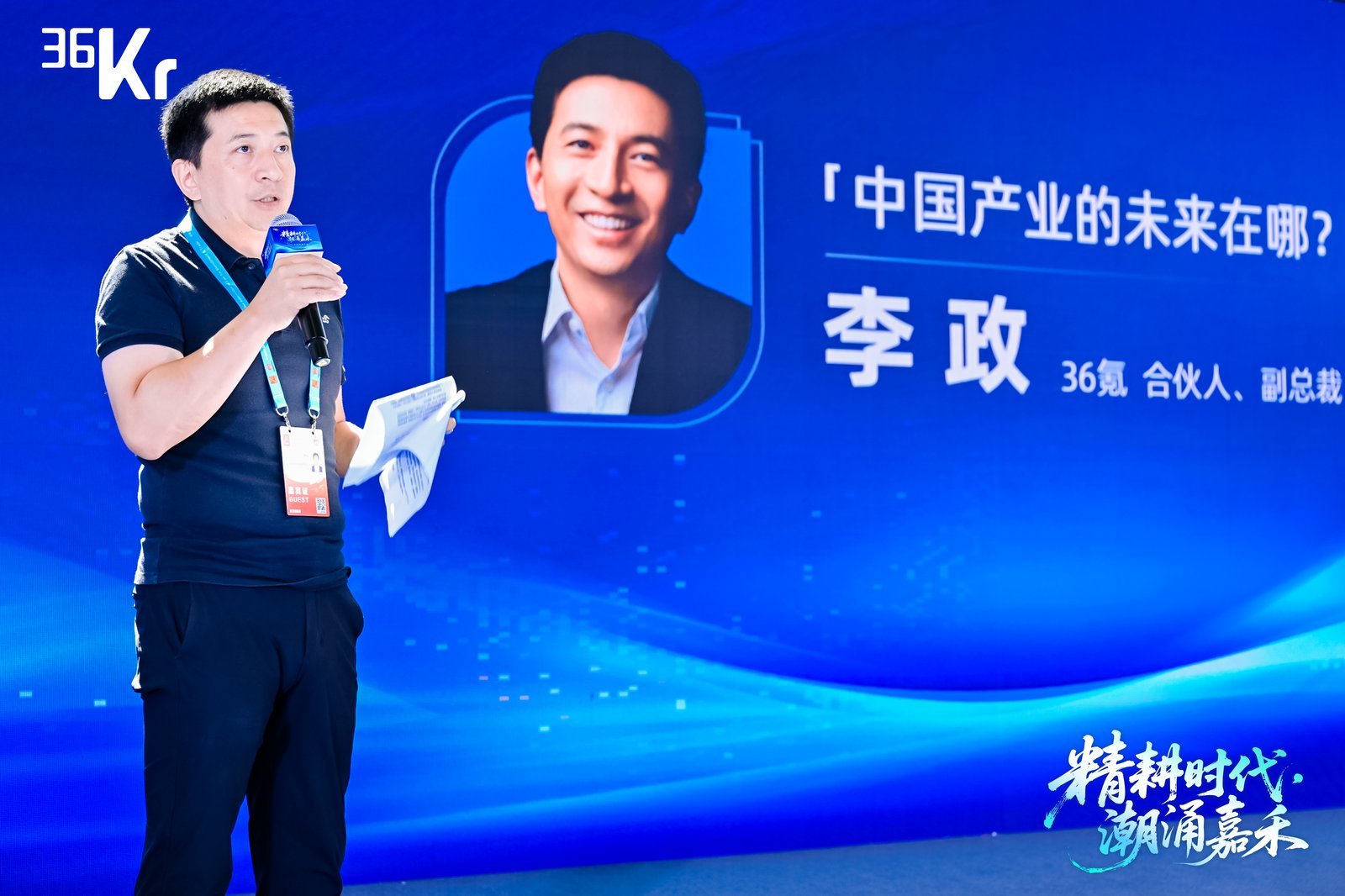
36氪合伙人、副总裁李政:中国产业的未来在哪?| 2025年36氪产业未来大会
3 6 Ke· 2025-09-15 06:54
Core Insights - The 2025 36Kr Industry Future Conference was held in Xiamen, China, focusing on national strategies and industry development in key sectors such as AI, low-altitude economy, advanced manufacturing, new energy, and consumer goods [1] - The conference emphasized the collaboration between government, capital, and industry to address challenges in industrial development [1] Investment Trends - The investment market shows a positive trend with significant growth in both fundraising quantity and scale, achieving double-digit growth [3] - In the first eight months, the number of investment projects increased by 20% year-on-year, while fundraising quantity grew by 1.6% [3] - The platform reported a 10% increase in financing news and new project financing, indicating heightened activity in fundraising and investment [3] Capital Structure - There is a noticeable shift towards state-owned capital, with over 68% of the disclosed fundraising scale of over 800 billion yuan coming from state-owned sources [4] - Non-state capital accounts for less than one-third of the total fundraising [4] - The role of industrial capital, including state-backed and large enterprise capital, is becoming increasingly significant in the investment landscape [4] Investment Focus - Investment directions are increasingly centered on "self-controllable" and "technology-driven" initiatives, with a focus on hard technology [4] - Key metrics for investment discussions have shifted from business models to technical parameters, patent status, and team backgrounds [4] Hot Investment Sectors - AI is transitioning from conceptual discussions to practical applications, with capital flowing towards companies that demonstrate real-world value [5] - Embodied intelligence, represented by robotics, is gaining traction, with significant investment in core components and development firms [5] - The low-altitude economy is rapidly developing, with many companies obtaining airworthiness certificates, indicating potential for future growth [5] - New energy and new materials are viewed as foundational for future technological innovations, despite a decrease in media attention [6] - The biopharmaceutical sector is experiencing a revolution in research efficiency through AI integration, significantly reducing drug development timelines [6] Industry Dynamics - The narrative in the industry is shifting from business models to a focus on technical granularity, emphasizing long-term technological value [7] - The competitive landscape is evolving from a "jungle law" approach to one of "ecological collaboration," where companies must engage with national teams and industry partners [7] - The mindset of industry participants is becoming more rational and pragmatic, moving away from high-frequency financing and inflated valuations towards sustainable growth models [7]

2025服贸会 | 国资国企主题日——嘉宾共话“国资领航低空产业发展与生态建设”
Sou Hu Cai Jing· 2025-09-15 06:34
在9月11日的服贸会上,毕马威聚焦"国资领航低空产业发展与生态建设"主题,成功举办了《国资国企发展低空经济正当时》报告发布会及嘉宾对话活 动。 报告发布: 在9月11日下午举行的《国资国企发展低空经济正当时》报告发布会上,毕马威中国国资国企改革发展中心与国资研究院主管合伙人乔漠分享了报告的主 要内容。报告从国资国企发展低空经济的责任与担当出发,聚焦国资国企增强核心功能、核心竞争力的主线,深入探讨低空经济差异化发展策略、集群式 发展模式、基于"十五五"产业转型需求创新应用场景、争取国家示范试点、推动政策法规体系完善等任务重点,解码国资国企发展低空经济的战略蓝图, 为众多正在积极探索低空经济发展路径、寻找新赛道、加速发展新质生产力的国资国企提供有益的参考和借鉴。 嘉宾对话: 国资领航低空产业发展与生态建设 报告发布会后,乔漠主持了以"国资领航低空产业发展与生态建设"为主题的嘉宾对话环节,参与嘉宾包括沈阳航空产业集团副总经理徐晓东、深圳市启赋 安泰投资管理有限公司合伙人兼副总经理刘海涛。 在交流中,围绕对话主题,乔漠精心组织提出的问题,引导各位嘉宾从不同角度展开深入讨论。 就乔漠提出的"低空经济发展中国资央企所发挥 ...
“三轮驱动”激活消费新动能
Sou Hu Cai Jing· 2025-09-15 04:20
Core Viewpoint - The economic resilience and development vitality of Xining's Chengxi District are highlighted through various initiatives aimed at boosting consumption and employment, showcasing a comprehensive approach to economic growth and community engagement [5][12]. Consumption Initiatives - Chengxi District has distributed over 480,000 consumption vouchers, benefiting more than 5,000 key merchants and directly driving consumption of 360 million yuan [4]. - The district has launched a "Consumer Upgrade" campaign, investing 5 million yuan in special funds to stimulate consumer confidence through various promotional activities [6][7]. - The integration of cultural and tourism activities has attracted 1.58 million tourists, generating 1.745 billion yuan in related consumption [8]. Employment and Economic Development - In the first half of the year, Chengxi District created 5,596 new urban jobs, achieving 81.1% of its annual target, while maintaining a registered urban unemployment rate below 2.5% [4][12]. - The district has established a community-based employment service station, facilitating job placements and providing various employment services to residents [12][13]. Investment and Business Environment - Chengxi District has signed 11 projects in digital economy, cultural tourism, and modern commerce with a total contract value of 3.175 billion yuan in the first seven months [4][10]. - The district aims to create a first-class business environment by optimizing market access, improving government services, and enhancing financing mechanisms [11]. Community Engagement and Local Economy - The district has implemented a "one street, one feature" strategy to promote local markets and street vendors, significantly increasing foot traffic and sales in commercial areas [14]. - The "street economy" has been effectively harnessed, with daily foot traffic exceeding 100,000 and total sales reaching nearly 5 million yuan [14].

南方基金:9月18日美联储将公布利率决议结果!
Sou Hu Cai Jing· 2025-09-15 01:57
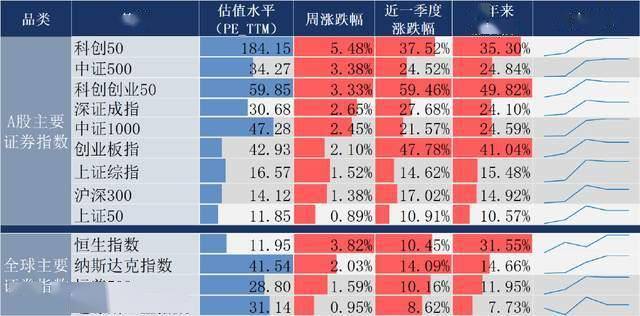
Market Overview - The overall market experienced an upward trend last week, with the Shanghai Composite Index closing at 3870.60 points, up 1.52%, and the Sci-Tech Innovation 50 Index closing at 1338.02 points, up 5.48% [1] Sector Performance - In terms of sector performance, real estate, electronics, and agriculture showed the highest gains, while banking, comprehensive finance, and pharmaceuticals faced the largest declines [2] - The valuation levels (PE TTM) and weekly performance of various indices are as follows: - Sci-Tech Innovation 50: PE 184.15, weekly increase 5.48%, quarterly increase 37.52% [2] - CSI 500: PE 34.27, weekly increase 3.38%, quarterly increase 24.52% [2] - ChiNext Index: PE 42.93, weekly increase 2.10%, quarterly increase 47.78% [2] Key Events - The Federal Reserve is set to announce its interest rate decision on September 18, with the U.S. stock market indices reaching new highs, particularly the Nasdaq [4] - The Ministry of Industry and Information Technology aims for automobile sales to reach approximately 32.3 million units in 2025, with a target of 1.55 million units for new energy vehicles, reflecting a 20% year-on-year growth [5] - The public fund market is undergoing a significant reshuffle, with top institutions like Ant Fund and China Merchants Bank maintaining their positions, and equity fund holdings showing rapid growth [5] - New policies are being introduced to support wind power, nuclear power, and marine energy projects in Fujian Province, indicating a push towards green energy [6] - OpenAI and Nvidia are planning to invest significantly in the UK data center project, highlighting the ongoing demand in the AI industry [7] - The U.S. government has launched a pilot project to promote the safe operation of electric vertical takeoff and landing (eVTOL) aircraft, with significant market interest in this sector [9] Market Outlook - The macro strategy department of a fund company suggests that the market's recent strong rebound reflects positive internal sentiment and capital support, driven by policy support, industry catalysts, and overseas liquidity [10] - Investment strategies recommend focusing on both technology and cyclical sectors, particularly innovative pharmaceuticals and AI applications, as well as cyclical resource leaders with strong pricing power [10]
万亿“蓝海”,如何乘势起飞
Xin Hua Ri Bao· 2025-09-15 01:03
Core Insights - The low-altitude economy in Jiangsu is rapidly evolving, with a current industry scale of nearly 30 billion yuan and around 1,300 companies involved, positioning it as a national leader in various aspects such as innovation and financing [1][5] - The application of low-altitude technology is expanding, exemplified by the integration of smart logistics systems that utilize drones for efficient delivery, showcasing the province's technological advancements [2][3] - Jiangsu has established a dual-driven model of manufacturing and services in the low-altitude sector, with nearly 800 upstream and downstream enterprises and a core industry scale exceeding 20 billion yuan [3][4] Industry Development - Jiangsu's low-altitude manufacturing sector is projected to encompass nearly 800 companies by 2024, covering the entire value chain from aircraft manufacturing to infrastructure [3] - The service sector is also growing, with around 400 companies generating nearly 10 billion yuan in revenue, enhancing the industry's support capabilities [3] - The province's innovation capabilities are highlighted by its ranking third nationally in patent applications and grants in the low-altitude economy, with significant technological advancements in products like the FP-98 cargo drone [3][4] Policy and Financial Support - Jiangsu has implemented policies to accelerate the high-quality development of the low-altitude economy, with local governments creating specific action plans to translate these policies into actionable strategies [4][5] - Financial backing is robust, with over 2.65 billion yuan raised in seed and Series A funding, and more than 1 billion yuan allocated for airport construction and technology research [4][5] Challenges and Opportunities - Despite the positive momentum, the low-altitude economy is still in its infancy, facing challenges such as a lack of leading enterprises and insufficient market scale to foster a complete industrial cluster [6][7] - The industry is hindered by regulatory complexities and a lack of sustainable business models, with many applications still reliant on government subsidies [7][8] - The potential for growth is significant, with predictions indicating that China's low-altitude economy market could reach 1.5 trillion yuan by 2025 and exceed 3.5 trillion yuan by 2035 [8] Future Directions - To maintain its leading position, Jiangsu should focus on enhancing its manufacturing capabilities and nurturing specialized enterprises within the low-altitude sector [9][10] - Expanding application scenarios is crucial, with opportunities in urban management, public services, and emergency response identified as key areas for development [9][10] - Establishing a supportive regulatory framework and improving low-altitude infrastructure are essential for fostering a conducive environment for industry growth [10]