高等教育

Search documents
杠赛来!山东产业升级的秘诀,藏在这些转型故事里
Qi Lu Wan Bao· 2025-08-14 14:44
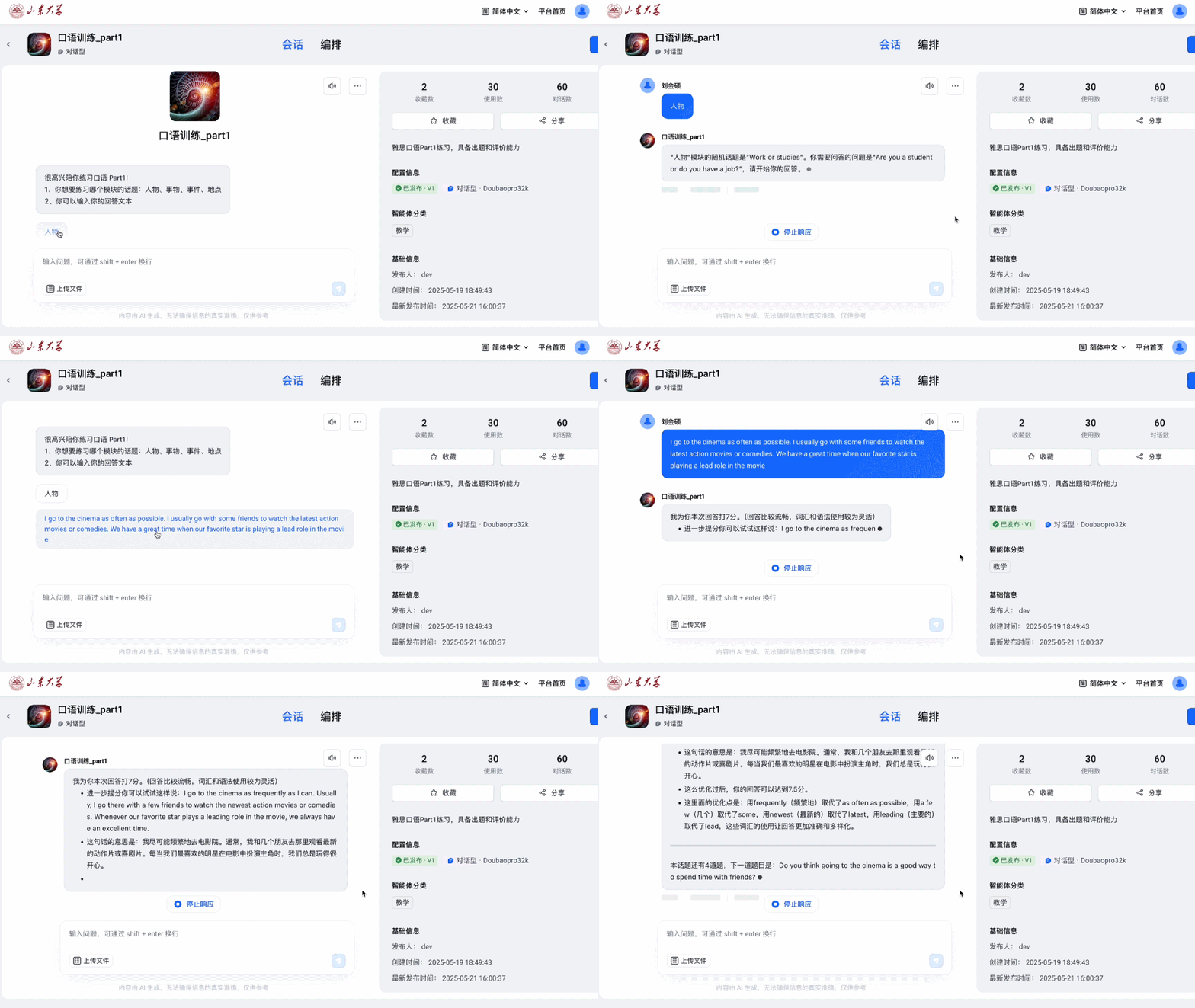
Group 1: Digital Transformation in Shandong - The digital transformation wave is significantly impacting various sectors in Shandong, including education, logistics, and healthcare, leading to a revolutionary "intelligent change" [1] - The integration of AI technologies is enhancing operational efficiency and service quality across industries, with specific examples in education and port services [1][6] Group 2: Shandong University AI Initiatives - Shandong University has developed an AI application development platform, HiAgent, enabling over 3,000 users to create more than 100 different AI agents within a month, achieving a daily token usage of over 80 million [2][5] - The AI agents cover various fields such as scientific research and education, improving interaction with knowledge and enhancing research quality [3][5] Group 3: Qingdao Port Innovations - Qingdao Port, a major global shipping hub, is utilizing the "Cloud Port APP" to enhance service efficiency for over 57,000 users, focusing on the needs of truck drivers [6][7] - The port's collaboration with Fire Mountain Engine has led to significant improvements in operational efficiency, including streamlined business processes and enhanced navigation services for drivers [6][7] Group 4: Yingke Medical's AI Integration - Yingke Medical, a leader in the medical protective equipment sector, is leveraging AI to optimize its global supply chain and enhance operational efficiency [8][10] - The company has implemented an "Intelligent Sales Assistant" with a 90% accuracy rate for customer management and document review, significantly improving sales processes [8][10] Group 5: Overall Impact of Fire Mountain Engine - Fire Mountain Engine is facilitating the digital transformation across various industries in Shandong, including education, logistics, and healthcare, by providing tailored AI solutions [14] - The company's AI models and cloud services are being applied in diverse sectors such as automotive, finance, and retail, driving further industry advancements [14]

上海高校微专业火了 瞄准AI+新赛道 就业buff叠满︱一探
Di Yi Cai Jing· 2025-08-14 11:23
Core Viewpoint - Shanghai universities are actively exploring new talent cultivation models through the introduction of micro-specialties, which allow undergraduate students to supplement their major studies with focused, smaller-scale programs [1] Group 1: Micro-Specialties Development - A variety of new micro-specialties have emerged in Shanghai universities, covering fields such as integrated circuits, artificial intelligence, low-altitude economy, and carbon management [1] - East China Normal University has launched 32 micro-specialties since the program's initiation in 2022, encompassing areas like artificial intelligence, integrated circuits, spatial governance, and digital trade [1] Group 2: Educational Reform Impact - The micro-specialty model employs a "dual-track empowerment" approach, which supports academic interdisciplinary potential while anchoring employment opportunities in industry [1] - This initiative helps students in both academic advancement and employment, effectively addressing the issue of professional mismatch in the job market [1]
山东产业升级“杠赛来”的秘诀,藏在与火山引擎共写的转型故事里!
Cai Fu Zai Xian· 2025-08-14 06:33
Group 1: Digital Transformation in Shandong - The digital transformation wave is significantly impacting various sectors in Shandong, including education, logistics, and healthcare, leading to a revolutionary "intelligent change" [1] - Shandong University has developed a low-threshold AI application development platform, enabling over 3,000 students and faculty to create more than 100 different AI applications within a month [5][6] - The AI applications at Shandong University are enhancing research, education, and service interactions, thereby improving efficiency and innovation [5] Group 2: AI Integration in Education - Shandong University's "Shanda AI Assistant" utilizes a knowledge base tailored to various academic disciplines, enhancing learning experiences for students [6] - The AI assistant can handle up to 300 million token calls per day, showcasing its capacity to support a large user base effectively [6] Group 3: Smart Port Operations - Qingdao Port is projected to handle 710 million tons of cargo in 2024, maintaining its position as the fourth-largest port globally [7] - The "Cloud Port APP" is being enhanced to provide better services for over 20,000 enterprises and 570,000 users, focusing on improving the experience for truck drivers [9] - Data analysis of over 100,000 drivers' operations is being used to optimize logistics processes, significantly improving operational efficiency [9][10] Group 4: AI in Healthcare - Yingke Medical, a leader in the medical protective equipment sector, is leveraging AI to enhance global collaboration and operational efficiency [11][13] - The company has implemented an "Intelligent Sales Assistant" with a 90% accuracy rate to streamline customer management and document review processes [13][14] - An "Intelligent Operations Center" has been established to monitor operational risks and improve inter-departmental collaboration, enhancing overall efficiency [14] Group 5: Broader Industry Impact - Fire Mountain Engine is facilitating the application of AI technology across various industries, including automotive, smart devices, finance, and retail, driving digital transformation [15]

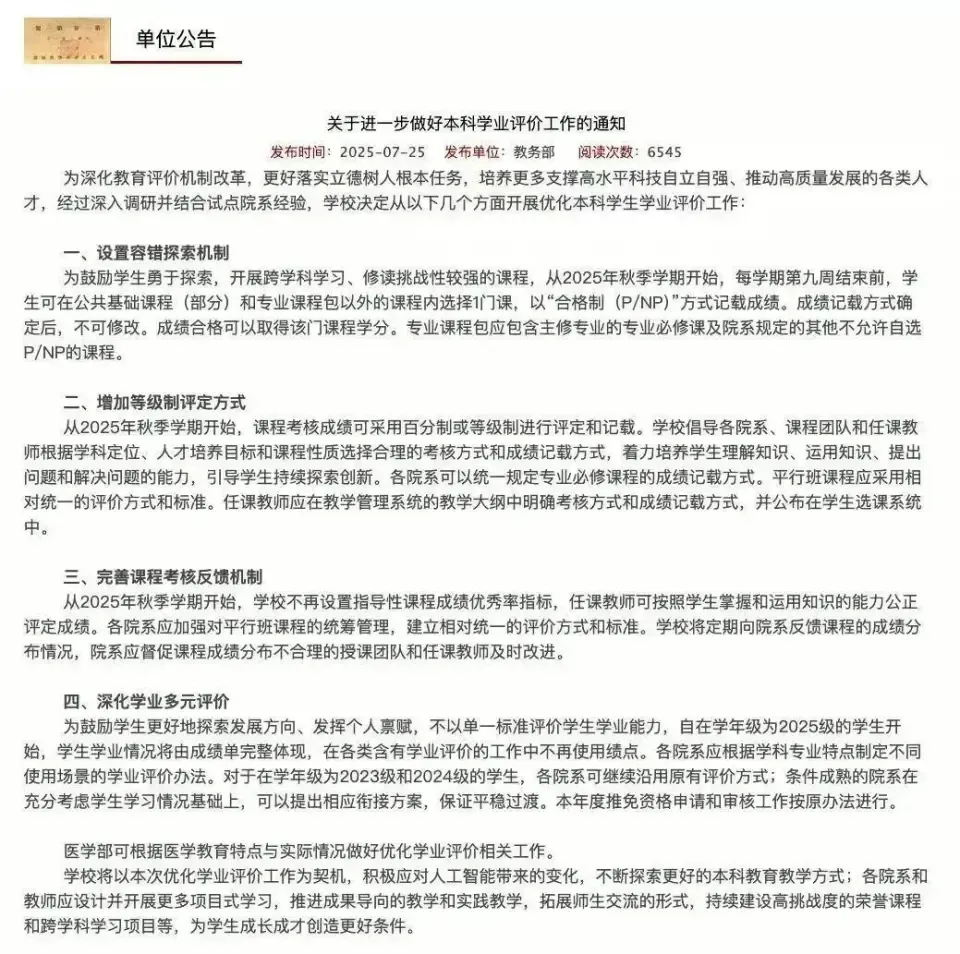
大学反内卷,北大先动手了?
Hu Xiu· 2025-08-14 05:57
Group 1 - Peking University announced significant reforms to undergraduate academic evaluation, including the complete cancellation of GPA ranking starting from the 2025 cohort [2][20] - The reform aims to provide a more holistic representation of students' academic performance, moving away from a system that emphasizes GPA as the primary measure of success [5][10] - The university's decision has sparked mixed reactions among students, with some welcoming the change while others express concerns about the potential for new forms of competition and evaluation [4][17] Group 2 - The GPA system has been criticized for promoting a culture of grade inflation and prioritizing scores over genuine learning, leading students to choose easier courses for higher grades [6][12] - Historical context shows that the GPA system has been in place since the late 19th century, with many universities adopting it as a standard for academic evaluation [7][9] - Other prestigious universities in China, such as Tsinghua University and Fudan University, have also experimented with alternative evaluation methods, indicating a broader trend in higher education reform [13][23] Group 3 - The cancellation of GPA is seen as a way to alleviate student pressure and reduce the phenomenon of "involution," where students compete intensely for marginal advantages [14][20] - Peking University has a high graduate school recommendation rate, which may lessen the impact of GPA cancellation on students' future opportunities [19][18] - The introduction of a Pass/Fail (PF) grading system for certain courses allows students to focus on learning without the stress of numerical grades [21][22] Group 4 - Students' perspectives on the GPA cancellation vary, with some believing it will not significantly change the competitive landscape, while others feel it may allow for more genuine academic exploration [16][27] - The ongoing debate highlights the challenges of creating a fair and effective evaluation system in higher education, as students continue to seek ways to demonstrate their capabilities [26][24] - The reform at Peking University may serve as a model for other institutions, but the transition away from GPA may not be straightforward for all universities [23][28]
1.83亿元!清华大学采购大批仪器设备
仪器信息网· 2025-08-14 04:09
Core Viewpoint - Tsinghua University has announced procurement intentions for 33 items of scientific instruments and equipment, with a total budget of 183 million yuan, scheduled for procurement between July and September 2025 [1][8]. Summary by Relevant Sections Procurement Overview - The procurement includes advanced instruments such as sensitive environmental biological aerosol and toxic solid-liquid gas rapid detection prototypes, water-lubricated bearings and vibration noise testing analysis systems, isostatic presses, electrochemical differential mass spectrometers, and a 300 kV cryo-transmission electron microscope [1][2]. Instrument Descriptions - **Electrochemical Differential Mass Spectrometer**: Combines electrochemistry and mass spectrometry to monitor volatile substances generated during electrochemical reactions, crucial for studying reaction mechanisms and catalyst activity [1]. - **Cryo-Transmission Electron Microscope (Cryo-TEM)**: Allows observation of biological samples at near-physiological conditions, overcoming limitations of traditional electron microscopy by using rapid freezing techniques to preserve sample structure [2]. - **Laser Vibrometer**: Measures vibration parameters such as velocity, displacement, and acceleration using laser Doppler effect and interference techniques [3]. Detailed Procurement List - The procurement list includes various instruments with specific budgets, such as: - Sensitive environmental biological aerosol detection machine: 4.06 million yuan - Water-lubricated bearing and vibration noise testing system: 1.95 million yuan - Electrochemical differential mass spectrometer: 2.62 million yuan - 300 kV cryo-transmission electron microscope: 45 million yuan [5][6][7]. Additional Procurement Information - Tsinghua University has previously announced multiple procurement intentions totaling over 2.13 billion yuan for various scientific instruments, indicating a strong investment in research and development capabilities [8].

1.95亿元!内蒙古工业大学采购大批仪器(含一流培育学科建设项目)
仪器信息网· 2025-08-14 04:09
Core Viewpoint - Inner Mongolia University has announced procurement intentions for six types of instruments and equipment, with a total budget of 195 million yuan, expected to be purchased between May and August 2025 [1][2]. Summary by Categories Procurement Overview - The total budget for the procurement of instruments and equipment is 195 million yuan, covering items such as wideband digital oscilloscopes, flexible DC transmission systems, solid-state fermentation equipment systems, and fluorescence and chemiluminescence imaging systems [2][5]. Instrument Descriptions - **Electrochemical Workstation**: A device used for studying and measuring electrochemical reactions, playing a crucial role in fields like materials science, energy storage, corrosion science, biomedical research, and environmental monitoring [3]. - **Semi-preparative High-Performance Liquid Chromatography (Semi-prep HPLC)**: This technology is used for separating and purifying specific components from complex mixtures, widely applied in pharmaceuticals, biochemistry, natural product extraction, and food science [4]. Specific Procurement Items - **Wideband Digital Oscilloscope**: Budgeted at 4.6 million yuan, it includes high-speed serial signal analysis, jitter testing, and waveform mathematical operations, with a required bandwidth of at least 59 GHz and a sampling rate of at least 256 GSa/s [6]. - **Flexible DC Transmission System**: Budgeted at 3.55 million yuan, it aims to simulate multi-terminal flexible DC transmission and conduct research on power system faults [6][7]. - **Solid-State Fermentation Equipment System and Fluorescence Imaging System**: Budgeted at 9 million yuan, these systems support research and education in the biological and pharmaceutical fields [7]. - **Additional Instruments**: Including a glove box, electrochemical workstation, and semi-preparative HPLC, budgeted at 9 million yuan, aimed at addressing the shortage of instruments due to increasing student numbers [7]. - **Smart Laboratory Construction**: Budgeted at 15 million yuan, it aims to create a digital twin and IoT control system for precise simulation and monitoring of laboratory environments [7].

创新“四维联动”模式 探索应用型经济类人才培养路径
Jing Ji Ri Bao· 2025-08-14 03:13
Core Viewpoint - The article emphasizes the innovative talent cultivation model adopted by Shandong University of Commerce's School of Economics, which integrates "course-competition fusion, school-local collaboration, digital intelligence empowerment, and ideological education" to enhance the quality of economic talent training in response to the demands of the digital economy and industrial transformation [1][2][6]. Group 1: Talent Development Challenges - The rapid development of the digital economy and industrial transformation has created new requirements for economic talent, highlighting structural issues in traditional training models such as lack of learning interest, practical skills, digital literacy, and social responsibility [2][3]. - The institution aims to break the path dependency by systematically reshaping educational concepts, curriculum systems, and practical mechanisms to cultivate talents that meet the needs of the new era [2]. Group 2: Innovative Educational Practices - The "course-competition fusion" approach is central to the curriculum restructuring, stimulating students' intrinsic motivation to learn by integrating professional competitions with daily teaching [3][4]. - The institution encourages participation in provincial and national competitions, allowing students to apply their knowledge in practice and reflect on their learning experiences [3]. - A flexible evaluation system has been implemented, reducing the weight of final exams and increasing diverse assessment methods to enhance student engagement [3]. Group 3: Collaboration with Industry - The institution collaborates deeply with government, enterprises, and industry associations to establish internship and training bases, providing students with ample practical opportunities [4][6]. - Through professional internships, social practices, and graduation projects, students can apply their knowledge in real-world settings, thereby enhancing their employability [4]. - Customized talent training is achieved by aligning curriculum design and teaching content with market demands, ensuring a precise match between talent supply and market needs [4]. Group 4: Digital Literacy Enhancement - In the digital economy era, digital literacy is identified as a crucial skill for economic talent, leading to the strengthening of digital course modules and the inclusion of digital literacy as a compulsory general education module [5]. - New courses such as "Introduction to Artificial Intelligence" and "Python Economic Modeling" have been added to the curriculum to improve students' digital skills [5]. - The institution collaborates with research institutes to build databases and enhance students' ability to utilize authoritative data [5]. Group 5: Ideological and Ethical Education - The institution integrates ideological education throughout the teaching process, fostering a sense of national pride and social responsibility among students [5]. - Summer social practices are combined with volunteer services to deepen students' understanding of society and enhance their sense of social responsibility [5]. Group 6: Reform Outcomes - Since the implementation of reforms, students have achieved over 180 awards in national and provincial competitions, published more than 200 academic papers, and increased the graduate school admission rate from 10% to 20% [6]. - The institution has received recognition for its academic programs, with several majors being designated as first-class programs at the national and provincial levels [6]. - Collaborative projects with local governments and enterprises have resulted in over 5 million yuan in external funding and significant contributions to regional economic development [7].
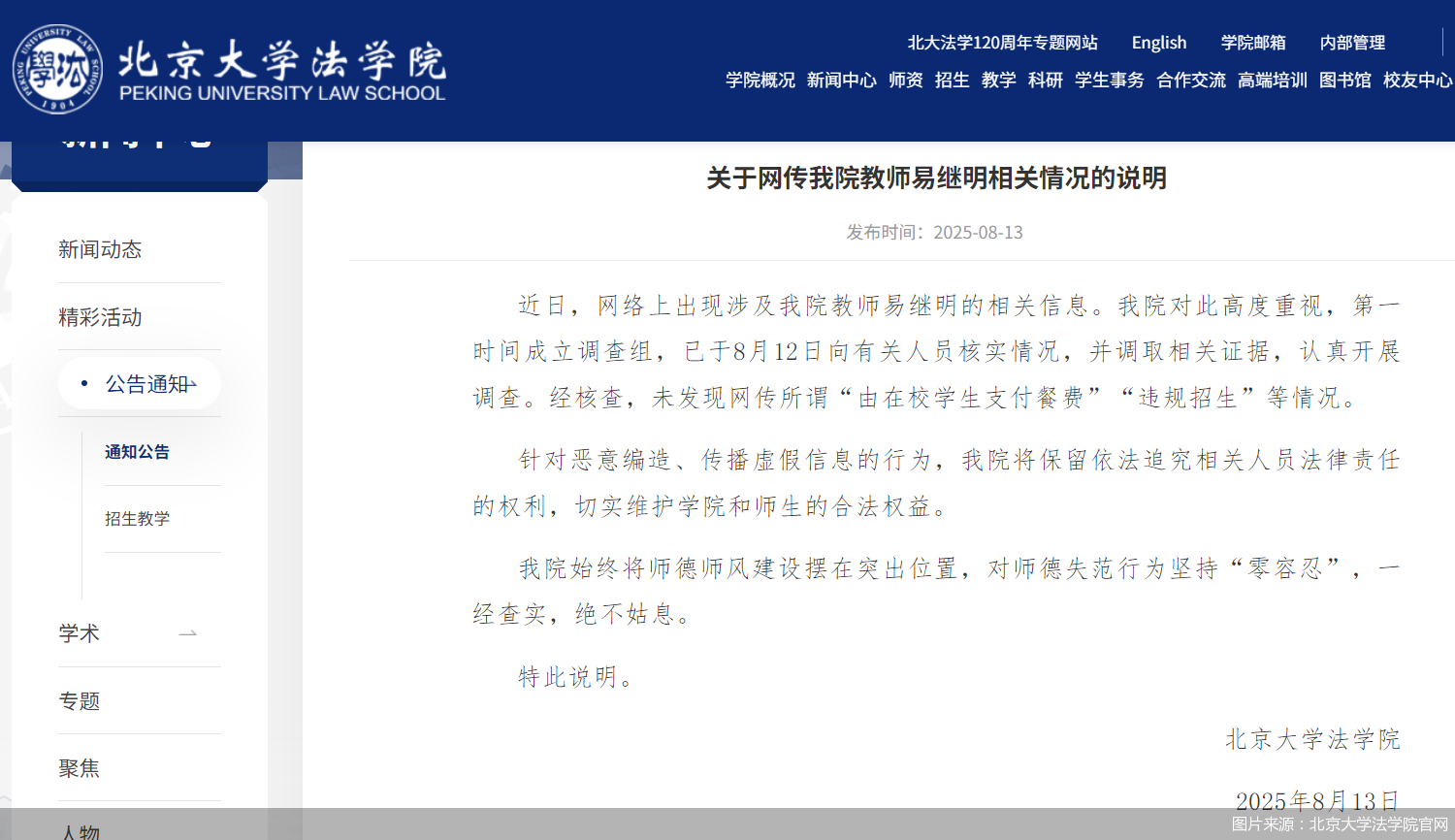
北京大学法学院回应“教授被举报违规招生”:未发现网传相关情况
Bei Jing Shang Bao· 2025-08-14 02:52
北京大学法学院方面表示,针对恶意编造、传播虚假信息的行为,学院将保留依法追究相关人员法律责任的权利,切实维护学院和师生的合法权益。学院始 终将师德师风建设摆在突出位置,对师德失范行为坚持"零容忍",一经查实,绝不姑息。 北京商报讯(记者 吴其芸)8月14日,北京商报记者从北京大学法学院官网获悉,北京大学法学院发布公告称,近日,网络上出现涉及本院教师易继明的相 关信息。学院对此高度重视,第一时间成立调查组,已于8月12日向有关人员核实情况,并调取相关证据,认真开展调查。经核查,未发现网传所谓"由在校 学生支付餐费""违规招生"等情况。 ...
学历贬值又如何,民办大学赚疯了
3 6 Ke· 2025-08-14 02:44
Core Viewpoint - The rising tuition fees in private universities are leading to a situation where the value of degrees is diminishing, resulting in a phenomenon termed "tuition inflation" [1][5]. Group 1: Tuition Fee Trends - This year, university tuition fees have increased significantly, with some private university programs exceeding 40,000 yuan, which can deplete the annual salary of an average family in second or third-tier cities [2][10]. - Public universities have raised tuition fees modestly, typically between 500 to 2000 yuan, while private universities have seen dramatic increases, with some fees rising by tens of thousands of yuan [10][11]. Group 2: Profitability of Private Universities - Private universities are experiencing high profit margins, with companies like Zhongjiao Holdings and Yuhua Education reporting net profit margins of 30% and 32% respectively, comparable to luxury brands like Hermes [3][9]. - The business model of private universities resembles an upgraded version of chain retail, focusing on "expansion + high prices + low costs," which allows for high gross margins, often exceeding 40% [3][20]. Group 3: Quality Concerns - The pursuit of high profit margins in private universities often leads to reduced educational quality, as cost-cutting measures may include lowering teacher salaries and minimizing investment in educational resources [4][22]. - The high tuition fees do not necessarily correlate with quality education, raising concerns about the sustainability of such a business model [5][22]. Group 4: Enrollment Challenges - The increasing difficulty in attracting students to private universities is becoming widespread, with many institutions facing significant enrollment shortfalls, some exceeding 100 students [6][24]. - The combination of high tuition fees and a devaluation of degrees is making private university education appear as a "losing investment" for students [25]. Group 5: Employment Outcomes - The oversupply of graduates is leading to a challenging job market, with a significant number of graduates struggling to find suitable employment, resulting in lower average salaries for new graduates [25][26]. - The rising costs of education versus the diminishing returns in terms of employment opportunities are prompting students to consider vocational schools as a more viable option [26].
民办本科崩了,597分读大专,高考再次见证历史
3 6 Ke· 2025-08-14 02:03
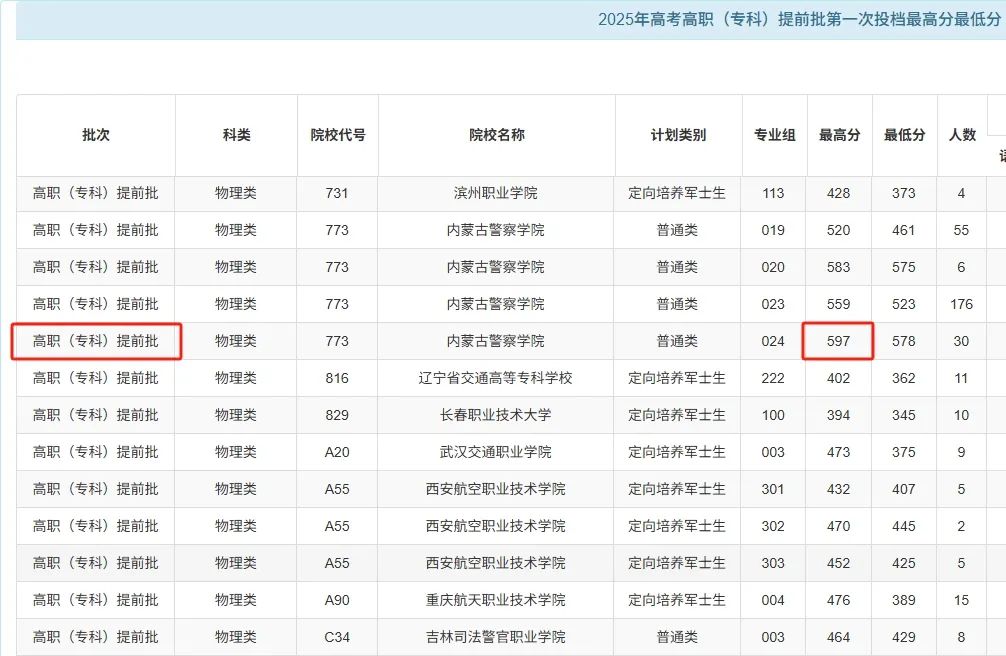
Core Viewpoint - The article highlights a significant shift in China's higher education landscape, where traditional undergraduate programs are facing enrollment challenges, while vocational colleges are experiencing increased demand. This reflects changing perceptions of educational value and job market realities. Group 1: Undergraduate Programs - Many undergraduate institutions, particularly private ones, are struggling with enrollment, with some institutions unable to fill over 25,000 spots in Guangdong alone [3] - In Guangxi, rumors circulated that students could enroll in undergraduate programs with zero scores, leading to a drop in admission standards, with some institutions lowering scores by as much as 39 points [1][3] - The number of private undergraduate institutions has increased significantly, with 388 private universities and 23 vocational schools by mid-2025, accounting for 31.4% of the total [6] Group 2: Vocational Colleges - In contrast to the struggles of undergraduate programs, vocational colleges, especially those in military, medical, and teaching fields, are seeing a surge in applications, with high scores from students who could have entered prestigious universities [1][12] - The Inner Mongolia Police Academy, for example, had a maximum admission score of 597, significantly higher than the local undergraduate admission threshold [1] - Vocational colleges often offer lower tuition fees and better job placement rates, making them attractive options for students [12][13] Group 3: Changing Perceptions - The perception of private undergraduate degrees has shifted, with many students and parents questioning the return on investment, especially as tuition fees rise while job opportunities remain limited [10][11] - The article notes that the number of undergraduate admissions has doubled from 2000 to 2023, leading to a saturated job market where many graduates struggle to find suitable employment [10] - There is a growing trend of students with undergraduate degrees opting to enroll in vocational programs, indicating a shift in priorities from prestige to practical job readiness [16][17] Group 4: Global Context - The article draws parallels with global trends in vocational education, highlighting successful models in countries like South Korea, Germany, and France, where vocational training is respected and integrated with industry needs [18][20] - These countries emphasize practical experience and job readiness, which could serve as a model for China's evolving educational landscape [20]