
铁路运输

Search documents
抢票速看!国铁集团:春运增开夜间高铁,网上误购限时免费退票
2 1 Shi Ji Jing Ji Bao Dao· 2026-01-29 05:03
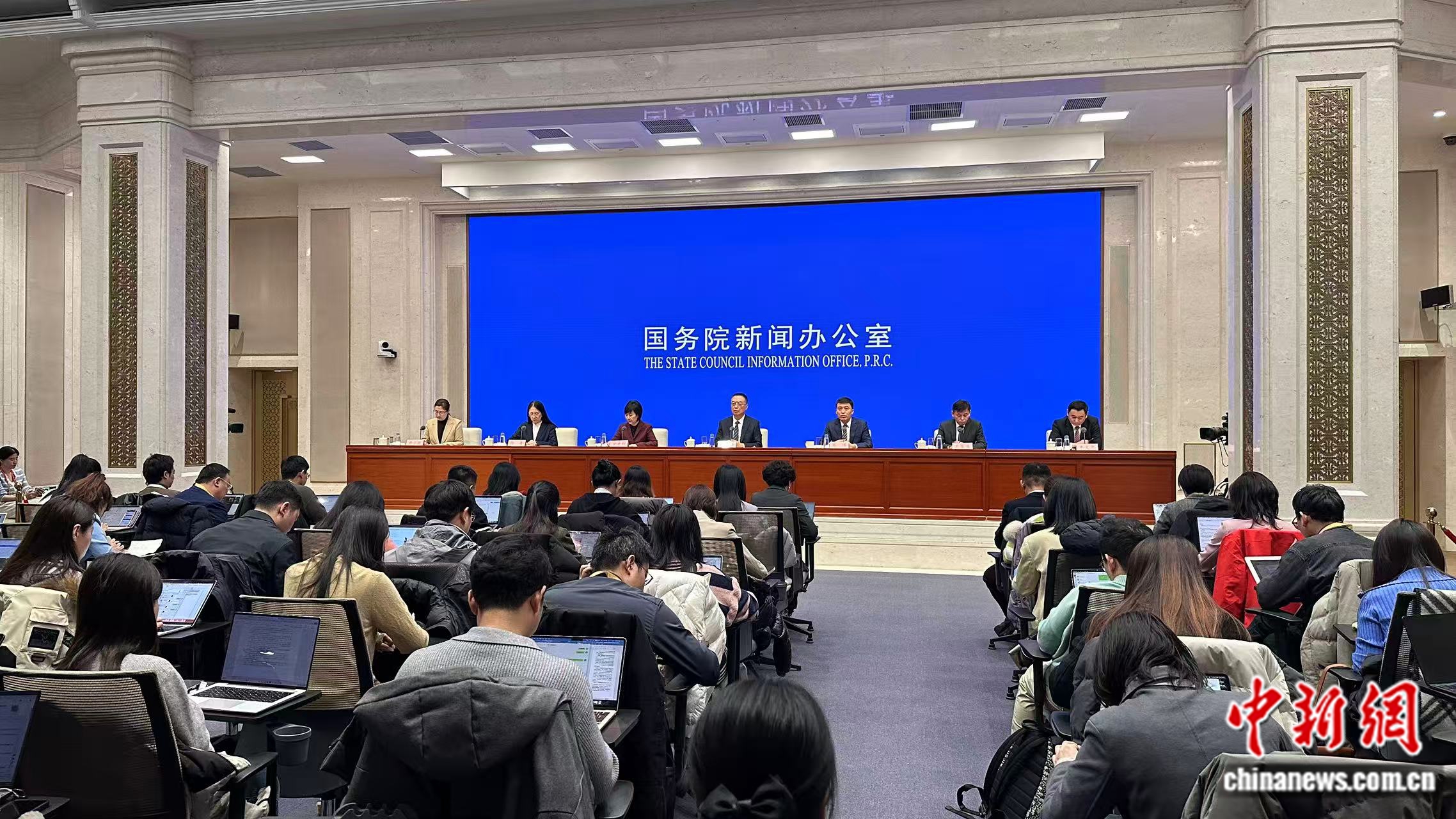
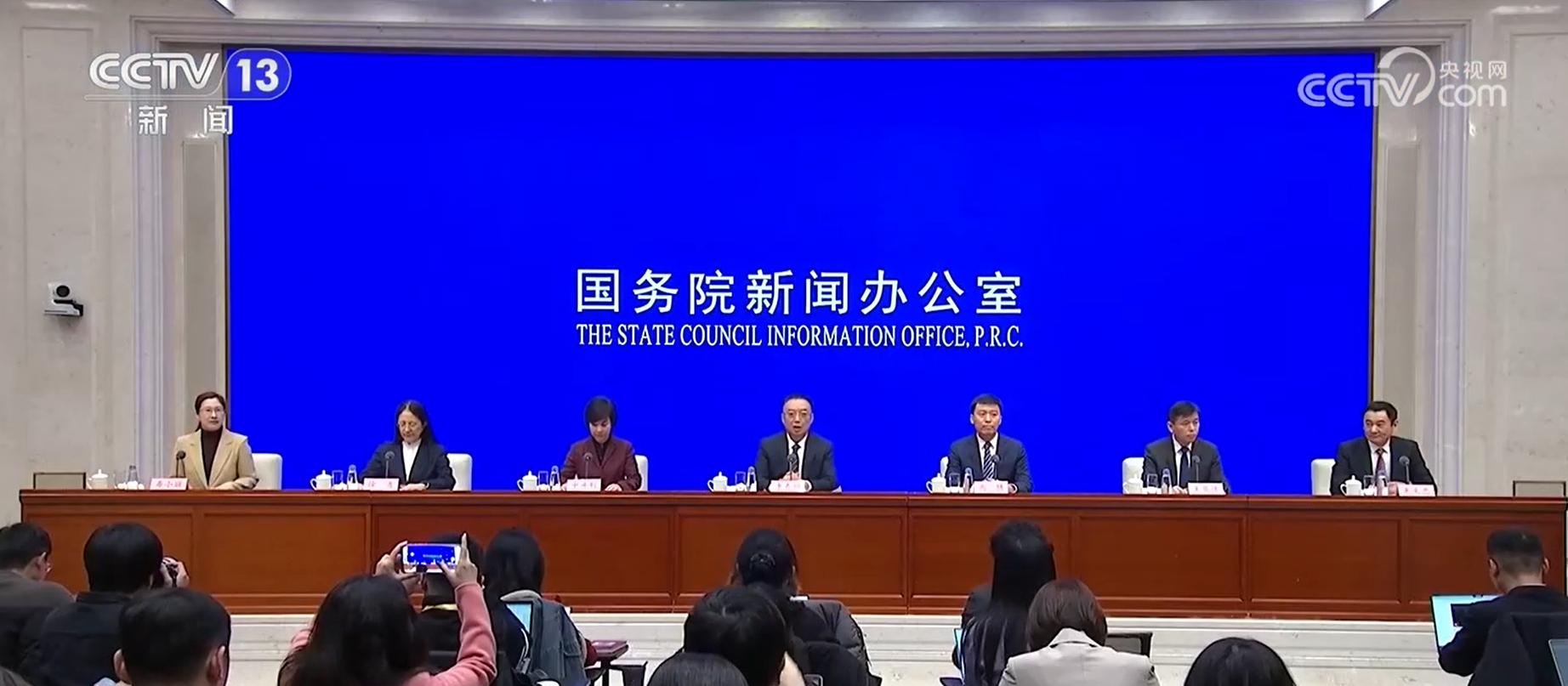
21世纪经济报道记者 周潇枭 北京报道 1月29日,国新办举行新闻发布会,邀请国家发展改革委和交通 运输部、应急管理部、中国气象局、中国民航局、国铁集团有关负责人介绍2026年春运形势和工作安 排,并答记者问。 2026年的春节假期为2月15日(农历腊月二十八、周日)至23日(农历正月初七、周一)放假调休,长 达9天。 朱文忠表示,买火车票历来是广大旅客关注的焦点。将重点抓好四个方面售票组织工作: 一是关注学生、务工人员及老年人等重点群体的购票需求。一方面,继续为学生、务工人员提供预约购 票服务。另一方面,今年1月20日起,首次推出了60周岁及以上老年旅客电话订票服务,不便于使用互 联网购票的老年旅客,可以直接拨打铁路12306客服电话,安排了人工座席,可以帮助老人选票、订 票,并且可以选择线上或线下方式支付票款,进一步方便老年旅客购票出行。 二是首次推出互联网误购限时免费退票的新举措。如果旅客朋友们在12306客户端购票时,因时间紧、 未看清、误操作等原因造成误购车票,在购票支付成功30分钟以内且在开车前4小时以上,退票时不收 取退票费。这一举措也将成为今后常态化实施的一项政策。 国家发展改革委副主任李春临 ...
关于春运期间新能源车充电保障,最新回应来了!
Zheng Quan Ri Bao Wang· 2026-01-29 04:53
Group 1: Spring Festival Travel Overview - The Spring Festival travel period will last from February 2 to March 13, 2026, totaling 40 days, with an expected cross-regional passenger flow of 9.5 billion trips, marking a historical high [1] - Self-driving trips are projected to account for approximately 80% of total travel, while railway and civil aviation passenger volumes are expected to reach 540 million and 95 million, respectively, with both overall scale and daily peak volumes likely exceeding historical levels [1] Group 2: Railway Transportation Enhancements - The China National Railway Group plans to optimize travel by opening 22 new lines totaling 3,109 kilometers and adding over 560 passenger trains to facilitate travel for the public [1] - A total of 251 new train sets will be deployed before the Spring Festival to enhance capacity, with the ability to operate over 14,000 passenger trains on peak days, reflecting a 5.3% year-on-year increase in seating capacity [1] Group 3: Service and Safety Measures - Various transportation sectors, including rail, road, water, and civil aviation, will enhance information sharing and service coordination to ensure smooth transitions for travelers, especially during peak times [2] - During the Spring Festival holiday from February 15 to February 23, 2026, tolls for small passenger vehicles will be waived on national highways to facilitate travel [2] Group 4: Electric Vehicle Charging Infrastructure - The number of electric vehicle charging stations on highways is expected to reach 71,500 by the end of 2025, with 20,000 new stations added in 2025 alone, addressing the growing demand for electric vehicle charging during the Spring Festival [3] - The Ministry of Transport has developed targeted plans to enhance charging services, including the deployment of mobile emergency charging devices and optimizing charging times for electric vehicles [3]
春运期间超8000列动车组列车提供静音车厢
Xin Jing Bao· 2026-01-29 04:40
Core Viewpoint - The railway sector has introduced a series of new measures to enhance passenger convenience during the Spring Festival travel season, including expanded services and fare discounts [1] Group 1: Service Enhancements - The implementation of quiet carriages has been expanded to over 8,000 high-speed trains [1] - The pilot program for pet transportation services has been extended to 110 stations and 170 trains [1] - The "door-to-station" and "door-to-door" luggage delivery services have been expanded to cover 111 stations [1] - A new "ski equipment convenience" service has been introduced on the Beijing-Zhangjiakou high-speed railway and certain trains in Northeast China to cater to skiing enthusiasts [1] Group 2: Accessibility and Comfort Improvements - A dedicated section and entry point for these services has been established on the 12306 mobile app to facilitate quick access for travelers [1] - The fare discount policy has been enhanced, particularly for less popular routes, allowing more travelers to benefit from reduced prices [1] - The railway will gradually add platform seating at over 500 major passenger stations to improve waiting conditions [1] - Free charging facilities will be increased at major passenger stations to meet travelers' charging needs [1]
又一段城际开通!肇庆人出行方式+1!
Xin Lang Cai Jing· 2026-01-29 04:20
Core Insights - The Guangzhou-Qingyuan Intercity Railway South Extension Line will officially open on January 28, significantly enhancing the intercity transportation network in the Greater Bay Area [1][2] - The total length of the Guangzhou-Qingyuan Intercity Railway will reach 79.9 kilometers, facilitating a "half-hour living circle" and promoting integration between Guangzhou and Qingyuan [2][4] Group 1: Operational Details - The South Extension Line spans 22 kilometers and includes four stations: Shenshan, Jianggao, Baiyun Lake, and Guangzhou Baiyun Station [2] - The railway will operate under a "stop at every station + express service" model, with an average of 72 train services per day and a 27-minute interval between trains [4] - Travel times from Guangzhou Baiyun Station to key destinations include 16 minutes to Huadu Station, 34 minutes to Qingcheng Station, and 48 minutes to Feixia Station [4] Group 2: Ticketing and Connectivity - The ticketing system will support a dual model of "intercity railway public transport multi-payment + 12306," allowing for flexible ticket options [6] - Passengers can enjoy a "one ticket for multiple rides" policy, enhancing convenience for frequent travelers [6] - The new line will improve connectivity with existing rail services, allowing seamless transfers between intercity and national rail services without the need for re-checking [11][13] Group 3: Enhanced Transfer Efficiency - The Guangzhou Baiyun Station will provide efficient transfers to the Guangfo Ring Line and other national rail lines, ensuring a "zero transfer" experience [11] - The transfer process at Huadu Station has been optimized to facilitate quicker connections between different train services [13] - Passengers traveling from Zhaoqing can easily transfer to the intercity railway at Huadu Station without exiting the station or undergoing additional security checks [11]


事关2026年春运,多部门发声
Zhong Guo Xin Wen Wang· 2026-01-29 04:17
Core Insights - The 2026 Spring Festival travel season will start on February 2 and last for 40 days, with an expected record high of 9.5 billion trips across regions, primarily driven by personal vehicle travel, which will account for about 80% of the total [3][4] - The railway and civil aviation sectors anticipate passenger volumes of 540 million and 95 million, respectively, with both overall scale and peak daily volumes expected to exceed historical records [3] Group 1: Travel Volume and Trends - The total cross-regional passenger flow during the 2026 Spring Festival is projected to reach 9.5 billion trips, marking a historical high [3] - Personal vehicle travel will dominate, making up approximately 80% of the total travel volume [3] - Railway and civil aviation are expected to handle 540 million and 95 million passengers, respectively, with both sectors poised to surpass previous peak levels [3] Group 2: Weather Conditions - The overall weather during the Spring Festival is characterized by significant fluctuations in temperature, with more precipitation expected in the north and less in the south [4] - Two cold air masses are forecasted to impact northern, eastern, central, and southwestern regions from February 2 to 14, potentially leading to severe cold and snow in northern areas [4] Group 3: Transportation Capacity and Services - The National Development and Reform Commission plans to enhance transportation capacity, with over 14,000 passenger trains expected to operate on peak days, reflecting a 5.3% increase in seating capacity [5] - Civil aviation will increase flights to key airports and popular tourist destinations, with an average of 19,400 flights per day, a 5% year-on-year increase [5] - The introduction of a telephone booking service for elderly passengers and a new policy for free refunds on mistakenly purchased tickets within 30 minutes are aimed at improving customer service [6][7] Group 4: Emergency Preparedness - The Ministry of Emergency Management has pre-positioned over 40,000 emergency rescue personnel and equipped them with various rescue tools to respond swiftly to low-temperature and snow-related disasters [9] - Emergency supplies and specialized equipment for snow removal and ice breaking have been adequately stocked in key regions [9] Group 5: Support for Electric Vehicle Owners - The Ministry of Transport will implement measures to ensure charging needs for electric vehicle owners during the holiday, including mobile charging units and real-time updates on charging station availability [10]
春运惠民政策提醒:春节期间高速公路免收通行费 误购火车票限时免费退票
Yang Shi Wang· 2026-01-29 03:47
Group 1 - The Spring Festival travel season in 2026 will last for 40 days, starting from February 2 and ending on March 13 [1] - The total cross-regional population flow is expected to reach 9.5 billion person-times, marking a historical high, with self-driving trips accounting for approximately 80% of the total [2] - Railway and civil aviation passenger volumes are projected to reach 540 million and 95 million respectively, with both overall scale and daily peak expected to exceed historical levels [2] Group 2 - From February 15 to February 23, highways will waive tolls for small passenger vehicles with 7 seats or fewer [3] - The China National Railway Group will implement a new policy for free refunds on mistakenly purchased tickets, which will become a regular practice [3]

春运京广、京沪等高铁干线将开行夜间高铁
Xin Jing Bao· 2026-01-29 03:17
Core Viewpoint - The railway sector is enhancing its capacity and service offerings during the Spring Festival travel rush, focusing on safety and efficiency while adapting to changing passenger demands [1] Group 1: Capacity Enhancement - The railway department will operate nearly 1,000 night high-speed trains on major routes such as Beijing-Guangzhou, Beijing-Shanghai, and Shanghai-Kunming [1] - A total of 251 new train sets will be deployed before the Spring Festival to boost capacity [1] - The maximum number of passenger trains that can be scheduled on peak days will exceed 14,000, with a year-on-year increase in seating capacity of 5.3% [1] Group 2: New Routes and Services - 22 new railway lines, totaling 3,109 kilometers, and over 50 passenger stations will be operational for the first time during the Spring Festival [1] - More than 560 additional and optimized passenger trains will be introduced to facilitate travel for local communities [1] - The railway sector is responding to changing travel patterns, such as "visiting relatives + tourism," by increasing capacity and adding trains to popular destinations [1] Group 3: Social Responsibility - The railway will maintain the operation of public welfare slow trains throughout the Spring Festival to meet the travel needs of people in remote and inconvenient areas [1]
春节假期国铁首次推出60岁以上老人电话订票
Xin Lang Cai Jing· 2026-01-29 03:15
Core Viewpoint - The State Council Information Office held a press conference on January 29 to discuss the spring transportation situation and work arrangements for 2026, highlighting new services for elderly travelers [1] Group 1: Service Enhancements - Starting from January 20, the China National Railway Group launched a telephone ticket booking service for elderly passengers aged 60 and above, allowing them to call the railway customer service at 12306 for assistance [1] - The service includes the option for elderly travelers to choose between online and offline payment methods, making it more convenient for them to purchase tickets [1]

铁路上海站2026年春运预计发送旅客1677万人次 或创历史新高
Xin Hua Cai Jing· 2026-01-29 02:29
新华财经上海1月29日电据铁路上海站(下辖上海站、上海南站、上海虹桥站、上海松江站、上海西 站、南翔北站、安亭北站、安亭西站、金山北站、练塘站)消息,2026年春运40天,该站预计发送旅客 1677万人次,日均发送旅客预计41.9万人次,同比增长约5.78%,或将创历史新高。 (文章来源:新华财经) 据悉,2月12日至15日,铁路上海站每日发送旅客预计将超70万人次,其中2月14日为客流最高峰,预计 将突破82万人次。为尽力满足旅客出行需求,该站在启用高峰运行图的基础上,计划增开热门方向列车 223.5对。 ...
热点追踪丨今年春运有哪些不一样?
Xin Hua Wang· 2026-01-29 02:12
Core Viewpoint - The 2026 Spring Festival travel season in China will start on February 2 and end on March 13, lasting for 40 days, with an expected passenger volume of 539 million, representing a 5.0% year-on-year increase [3]. Group 1: New Measures for Spring Festival Travel - Passengers can now utilize a limited-time free ticket refund service if they mistakenly purchase tickets, allowing for self-service refunds within 30 minutes of payment, provided the train departs more than 4 hours later [4]. - The railway department encourages the use of the 12306 platform's ticket reservation feature, allowing for up to 60 combinations of "date + train number" to increase the chances of successful ticket purchases [5]. - In cases where direct annual tickets are sold out, passengers can follow recommended optimal plans for connecting trains and transfers through the 12306 platform [6]. Group 2: Enhanced Services for Travelers - The "Light Travel" service allows passengers to book luggage handling services through the 12306 platform, with options for "door-to-station" and "station-to-door" delivery [7]. - Special discounts and conveniences are provided for students and elderly travelers, including additional single-trip student discount tickets for the 2026 graduating class and a dedicated booking service for elderly passengers [9][10]. - Workers can make advance reservations for Spring Festival train tickets through the 12306 app, starting from 20 days before departure [12][13]. Group 3: Specialized Services for Specific Needs - The "Snow Equipment Convenience" service allows passengers to carry snow gear with specific size restrictions, ensuring synchronized arrival with their equipment [15]. - The "Pet Transport" service enables the transport of small pets under certain weight and size limits, with a streamlined booking process [17]. - The "Quiet Carriage" option provides a quieter travel environment by adjusting audio levels and encouraging quiet behavior among passengers [20].
