民宿

Search documents
河南信阳 “金融+小院” 文旅火出“圈”
Jin Rong Shi Bao· 2025-12-30 02:03
居"有稻山房"享岁月静好,于"见山营地"品茗赏景,在"山味书屋"阅书读己……深冬时节,豫南信阳, 一处处庭院式特色民宿小院,如散落在山水间的璀璨明珠,点亮了人们心中的"诗与远方"。这背后离不 开金融活水的精准滴灌。近年来,中国人民银行信阳市分行立足信阳生态文旅资源禀赋,创新打造"金 融+小院"服务模式,从创新金融产品、搭建对接平台、优化支付服务三点发力,让散落于信阳山水之 间的特色小院焕发勃勃生机,走出了一条"生态美、产业兴、百姓富"的可持续振兴之路。截至今年10月 末,信阳市文旅产业贷款余额12.6亿元,为当地特色民宿及相关文旅产业发展注入强劲金融动力。 创新金融产品 拓宽多元融资渠道 针对文旅经营主体普遍存在的"轻资产、缺抵押"问题,中国人民银行信阳市分行指导金融机构积极探 索"信用+抵押"组合模式,将民宿装修设施、家具家电等动产纳入抵押物范围,对信用良好者降低抵押 物要求、提高贷款额度;引入第三方担保机构,为符合条件的经营者提供增信服务,有效拓宽融资渠 道,实现融资增信"多元覆盖",有效拓宽小院融资渠道。 为打通金融服务"最后一公里",增强文旅产业资金保障力度,中国人民银行信阳市分行主动作为,指导 金融 ...
唤醒“沉睡资源” 激活乡村振兴新动能
Hai Nan Ri Bao· 2025-12-30 01:24
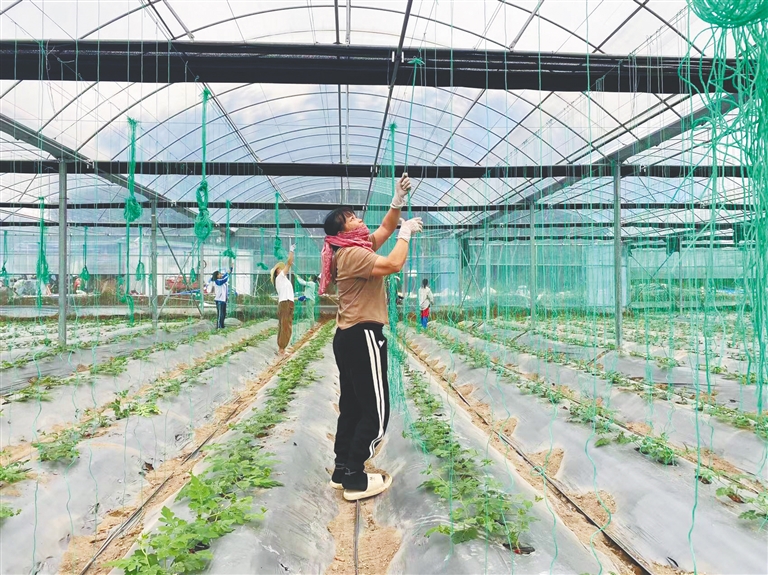
Core Insights - The article discusses the collaborative efforts of planning and institutional innovation in revitalizing idle rural land resources and enhancing industrial development in Hainan Province [1][3]. Group 1: Land Resource Utilization - Idle agricultural land in Qirong Village, Danzhou City, has been transformed into high-standard greenhouses for winter crops, showcasing a successful agricultural demonstration base [3]. - The old school site in Shuikou Village has been repurposed into a rural guesthouse with 34 unique rooms, providing a weekend getaway for tourists [3][5]. - The "Three Transformations" reform encourages farmers to consolidate idle and scattered land into collective economic organizations for unified planning and development [5]. Group 2: Economic Impact - Villagers in Shuikou Village reported increased income from new employment opportunities in the guesthouse, with monthly wages of 3,500 yuan and additional year-end bonuses [4]. - The introduction of enterprises into rural areas has created numerous job opportunities, helping to revitalize previously depopulated villages [5][6]. - The integration of various industries, such as agriculture, hospitality, and coffee production, has diversified local economies and improved living standards [6][7]. Group 3: Policy and Planning - Hainan Province has implemented a comprehensive land resource management strategy, ensuring that both new and existing land use supports rural industrial development [8][9]. - The provincial government is committed to enhancing the rural environment and optimizing land use through various projects, including the addition of 273.26 hectares of arable land and ecological restoration efforts [7][9]. - Future plans include learning from successful rural development models to improve implementation mechanisms and promote orderly rural revitalization [8].

年终“阅卷”:“百千万”成效,群众说了算
Nan Fang Nong Cun Bao· 2025-12-30 00:35
Core Viewpoint - The article highlights the significant achievements of the "Hundred Million Project" over three years, emphasizing the positive changes in rural and urban areas as perceived by the local population [4][157]. Group 1: Community Transformation - Citizens express their satisfaction with the improvements in their living environments, noting changes such as beautified homes and enhanced public spaces [9][10]. - In Meizhou, residents take pride in the transformation of their village, with upgraded roads and renovated houses reflecting local architectural styles [11][12]. - The establishment of "star-rated" evaluations in villages encourages cleanliness and beautification, leading to a more pleasant living atmosphere [16][17]. Group 2: Economic Development - The development of cultural and tourism industries in villages, such as the transformation of abandoned schools into boutique hotels, has increased local tourism and economic activity [19][20]. - In Foshan, the creation of a vibrant cultural street has attracted over 70 businesses, revitalizing the local economy and turning a quiet fishing village into a popular destination [28][30]. - The agricultural sector has seen significant growth, with the establishment of large-scale lychee plantations generating over 100 million yuan in annual revenue for the village [77][78]. Group 3: Technological Advancements - The integration of AI technology in toy manufacturing in Shantou has positioned local companies to compete internationally, enhancing product offerings [63][64]. - Innovations in marine farming technology, such as the "Zhanjiang Bay No. 1" floating fish farming vessel, have expanded the potential for deep-sea aquaculture [68][70]. Group 4: Infrastructure and Public Services - The construction of modern public facilities, such as sports parks and improved roadways, has enhanced the quality of life in urban areas, attracting more visitors and residents [22][24]. - The establishment of a tightly-knit medical community in Yangxi has improved healthcare access for residents, allowing for quicker and more efficient medical services [129][130]. Group 5: Community Engagement and Employment - The rise of micro-factories in rural areas has created numerous job opportunities, allowing local residents to work closer to home and support their families [104][105]. - The implementation of community-driven initiatives, such as the "civilization points" system, encourages civic engagement and rewards participation in community service [110][111]. Group 6: Future Prospects - The article concludes with a vision for continued development under the "Hundred Million Project," aiming for significant changes in the next five years, driven by community involvement and government support [158].

“数”说元旦旅游市场,跨年游将有这些新花样
Guan Cha Zhe Wang· 2025-12-29 09:28
Core Insights - The domestic tourism market in China is experiencing a vibrant mix of "ice and snow" and "warm sunshine" during the year-end period, with "cross-regional travel" becoming a notable trend this winter [1] - As the New Year holiday approaches, there is a surge in demand for "post-holiday travel" and "leave-splitting travel," leading to a peak in cultural and tourism consumption [1] - Online travel platforms report significant increases in bookings for flights, hotels, and homestays during the New Year holiday, indicating strong vitality in both domestic and outbound tourism markets [1] Domestic Tourism Trends - Ice and snow tourism is dominating the market during the New Year holiday, with popular destinations like Jilin's Changbai Mountain and Harbin's snow resorts seeing ticket sales increase by 2.7 times and 2 times respectively [1][2] - The demand for ice and snow tourism is extending to southern regions, with places like Sichuan's Jiuzhaigou and Yunnan's Jiaozi Snow Mountain experiencing a 100% increase in ticket bookings [2] - Young travelers, particularly those born in the 1980s and 1990s, are the main force behind the surge in travel, accounting for over 70% of bookings [2] Accommodation Insights - Hotel bookings in popular cities during the New Year holiday have tripled year-on-year, with high-end hotels seeing a fivefold increase in orders [3] - Harbin continues to lead in homestay bookings, with a 15-fold increase in reservations around the Wansui Mountain Martial Arts City in Kaifeng [5] Short-Distance Travel Preferences - Short-distance micro-vacations are becoming mainstream, with popular train routes concentrated within a "4-hour high-speed rail circle," catering to the demand for flexible travel options [7] - Hotel bookings in smaller cities are also seeing significant growth, with some counties experiencing increases of over five times [8] Outbound Tourism Growth - The inbound and outbound tourism markets are both showing strong growth, with inbound hotel search heat increasing by over 150% and outbound flight bookings exceeding 620,000 [16] - Popular outbound destinations include Bangkok, Seoul, and Hong Kong, with flight bookings to Seoul increasing by 3.3 times year-on-year [21] Event-Driven Travel - Events such as New Year's Eve concerts and fireworks shows are driving tourism, with searches for related activities increasing by over 500% [15] - Major cities are hosting various New Year activities, enhancing the festive atmosphere and attracting tourists [13]

孵化精品+辐射带动,朴居湖畔精品民宿引领乡村振兴新路径
Xin Lang Cai Jing· 2025-12-28 23:33
(来源:中华工商时报) 转自:中华工商时报 "我们不仅要让游客感受到太行山的自然之美,更要让他们体验到乡村的温度和活力。"朴居湖畔负责人 张杰表示,"未来我们将继续深化文旅融合,为乡村振兴贡献更多力量。" 朴居湖畔的成功不是个例,而是一场以点带面的集群发展实践。在县委、县政府引领下,朴居湖畔探索 出"政府设计+群众营建"发展模式,通过"孵化精品+辐射带动"路径,按照"一户一精品、一家一故事"标 准,成功打造西五六示范精品民宿街区。 这一模式激发了周边群众积极参与。岸上村200余户家庭宾馆主动投入8000万元进行升级改造,实现从 零散经营向高端民宿集群发展华丽转身。农户们纷纷感慨:"以前是我们自己单打独斗,现在是集群发 展,收入翻了好几番。" 为促进整个行业规范发展,朴居湖畔联合岸上村其他民宿从业者共同成立民宿协会,通过定期开展经营 管理、操作技能等专题培训,提升从业者整体素质。协会在严禁喊客揽客、规范经营秩序、保持卫生整 洁和保障食品安全四个方面建立严格规范,推动旅游服务品质全面升级。 "协会成立后,我们不再是竞争对手,而是合作共赢的伙伴。"一位会员表示,"通过资源共享和行业自 律,整个岸上村的旅游形象都得到 ...
行进的海岸线|点石成金 “东海好望角”从空心村蝶变中国最美渔村
Yang Guang Wang· 2025-12-28 14:32
早在宋元时期,海利村便有居民生息。为抵御台风侵袭,当地居民就地取材,用山石垒砌成屋,形成了"屋咬 山,山抱屋"的独特石砌建筑群。这些石屋墙体厚达50厘米,屋顶压着石块以防瓦片被风掀走,是沿海先民生存 智慧的结晶。 央广网台州12月28日消息(记者 李晓晓 项楠 见习记者 于东冉)清晨,推开木窗,海风扑面而来。浙江省台州温 岭市石塘镇海利村村民杨彪站在自家民宿的露台上,眼前是一望无际的东海,身后是依山而建、错落有致的石屋 群落。十余年前,海利村还曾堆满垃圾、苍蝇乱飞,全村仅剩8位老人留守。而如今,这里已成为每年吸引超百 万人次游客的"中国最美渔村"。 "月光洒在海面上,波光粼粼的,美得无法形容。"奢野既来民宿负责人屠华军被海利村的海岸风光深深震撼,投 入资金打造高端民宿。"彪哥做的是'海的情怀',我们做的是时尚,其他还有主打音乐、艺术的……海利村的民 宿,现在已经发展到了3.0版本。" 然而,早些年由于交通不便,村民纷纷选择外出谋生,村庄日渐破败,村里的500余间石屋也就此闲置了下 来。"以前路不通、水不通、电不通,年轻人全往外走,根本没想过能在村里靠着房子赚到钱。"杨彪回忆,受限 于当时海利村的发展条件,自己 ...

“跨年好去处”搜索热度飙升!年轻人成出游主力→
Sou Hu Cai Jing· 2025-12-27 13:18
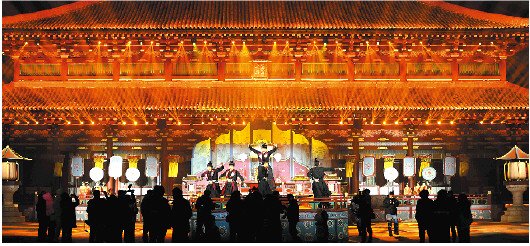
Group 1 - The core viewpoint of the article highlights the increasing diversity in how people celebrate the New Year, with activities ranging from sightseeing to winter sports, creating a sense of ritual [1] Group 2 - The New Year holiday this year spans three days, significantly boosting short-distance travel, with a 150% increase in search interest for "New Year destinations" compared to the previous week, and a nearly fivefold increase in booking volume compared to the same period last year [3] - Young people, particularly those born in the 1990s, are becoming the main demographic for travel, accounting for 40% of bookings, with an average order value that has increased by 17% year-on-year, indicating a stronger willingness to pay for high-quality services and experiences [5] - Many travelers are opting for "overnight trains" or "night flights" to celebrate the New Year, which not only saves accommodation costs but also adds a unique sense of ceremony, becoming a new trend for the holiday [7] Group 3 - During the New Year holiday in 2026, staying in vacation rentals with friends and family has become one of the most popular ways to celebrate, with a 140% year-on-year increase in bookings for standalone vacation homes, and "post-2000" generation travelers making up 52% of these bookings, reflecting a 170% increase [9] - A notable highlight of this year's New Year holiday is the new cultural and experiential model, as seen in Kaifeng, Henan, where visitors can interact with over a hundred different NPCs along the ancient stone paths [11] - In Xiamen, Fujian, the theme park "Yujian Minnan" showcases different historical periods of Minnan culture, creating an immersive experience space where visitors can engage with performers and taste local delicacies [13]

住进风景里 乐在山水间 句容民宿让长三角多一处“诗与远方”
Zhen Jiang Ri Bao· 2025-12-27 10:35
Core Insights - The development of the homestay industry in Jurong reflects a high-quality transformation, supported by its ecological advantages and strategic location within the Yangtze River Delta urban agglomeration [1] Group 1: Policy Support - The growth of Jurong's homestay sector is significantly influenced by top-level design and supportive policies, with the central government's focus shifting from "quality upgrade" to "homestay economy" [2] - Jurong has taken the lead in implementing local standards and regulations to facilitate the development of homestays, including a joint filing mechanism for rural homestays that simplifies approval processes [2] - As a result of these policies, Jurong has seen a notable increase in quality, with three out of four newly rated national-level homestays in Jiangsu Province located in Jurong [2] Group 2: Collaborative Development - The rise of homestays in Jurong is characterized by a shift from individual operations to collaborative development through village-enterprise partnerships and associations [3] - The Nanshan Bamboo Garden homestay exemplifies successful village-enterprise cooperation, achieving a 90% occupancy rate by offering customized accommodation options and shared facilities [3] - The establishment of a township-level homestay association in the Meishan scenic area has further promoted standardized and scaled development, enhancing brand promotion and product packaging [3] Group 3: Cultural Empowerment - The uniqueness and attractiveness of homestays in Jurong are enhanced through cultural empowerment, with operators creating distinctive IPs that reflect local culture [4] - Various homestays offer themed experiences, such as Daoist cultural activities and historical reenactments, contributing to a diverse portfolio of themed homestays [4] - This cultural focus not only boosts employment for local farmers but also strengthens collective village economies, leading to personalized development strategies [4] Group 4: Infrastructure and Future Plans - Jurong is leveraging its homestay sector to drive broader industrial development, focusing on improving infrastructure and creating beautiful rural environments [5] - Recent promotional events have highlighted Jurong's appeal as a micro-vacation destination, integrating homestays with scenic spots and recreational activities [6] - The city is committed to optimizing its productivity layout and enhancing the role of homestays in utilizing local resources and stimulating tourism consumption [6]
江源故土焕新颜返乡逐梦报恩情
Xin Lang Cai Jing· 2025-12-26 21:01
Core Viewpoint - The article highlights the transformative journey of a local entrepreneur in Yushu, who returned to her hometown to establish a culturally rich guesthouse, contributing to the local economy and promoting traditional Tibetan culture [3][4][6]. Group 1: Entrepreneurial Initiatives - The entrepreneur initiated a project to build a guesthouse that reflects the unique characteristics of Yushu, aiming to attract tourists and share local stories [3][4]. - The guesthouse incorporates local intangible cultural heritage through handcrafted decorations made by local artisans [4]. - The establishment of a 200-square-meter agricultural product experience store and a 360-square-meter exhibition center at the airport showcases local products and creates job opportunities for over 60 local women [6][7]. Group 2: Government Support and Policies - The local government has implemented a series of supportive policies, including the "36 measures for benefiting enterprises and the public," which provide financial support and reduce entrepreneurial pressure [4][6]. - The Yushu Chamber of Commerce has facilitated exchanges with regions like Nepal, allowing local entrepreneurs to learn and promote their products [6]. Group 3: Cultural and Economic Impact - Yushu has been designated as a national-level Tibetan cultural ecological protection zone, with numerous intangible cultural heritage projects and practitioners thriving in the area [7]. - The local economy is experiencing growth, with an increasing number of tourists visiting the area and engaging with local products, thereby enhancing the visibility of Yushu's agricultural offerings [6][7].

在文明经纬上织就新刻度
Xin Lang Cai Jing· 2025-12-26 16:59
Core Insights - The "Good Shandong" weekly report for 2025 highlights the province's vibrant culture, innovation, and community spirit through various stories of individuals and industries [3][4][5][6][8][9]. Group 1: People and Community - The essence of "Good Shandong" is rooted in its people, showcasing ordinary individuals who embody kindness, dedication, and innovation, contributing to the warm spirit of the Qilu culture [4]. - Notable stories include Zhang Maolu, who has dedicated 62 years to preserving Lei Feng's spirit through extensive documentation and public exhibitions, and Cheng Jie, a teacher who has helped 200,000 adults learn to read [4][5]. - The narrative emphasizes the cycle of kindness and community responsibility, illustrated by a rescue incident that connected several altruistic individuals, and the efforts of local farmers and entrepreneurs to uplift their communities [5]. Group 2: Quality and Innovation - "Good Shandong" represents a blend of quality, innovation, and cultural richness, with agricultural advancements such as the "Snow Apple" and new cherry varieties showcasing technological integration in farming [6]. - The report highlights various industries, including the second-hand car market in Liangshan, which has seen export growth due to quality and trust, and the fitness equipment manufacturing in Ningjin, which has become a global leader [7]. - Cultural heritage is preserved and innovated upon, with traditional crafts like kite-making and embroidery being adapted for modern markets, ensuring their relevance and appeal to younger generations [7]. Group 3: Tourism and Experience - The concept of "Good Guest" has evolved to encompass immersive experiences and community engagement, with successful projects like the "National Color" drama boosting local tourism and cultural sales [8]. - Villages are leveraging their unique characteristics to attract tourists, such as the design of the "Moon Bridge" in Yishui, which connects to a scenic area, and the establishment of a "Cultural Street" in Qufu that integrates local heritage with hospitality [9]. - The report underscores the importance of shared development, where local communities benefit from tourism initiatives, enhancing both visitor experience and local economies [9].