
购物中心

Search documents
新华社经济随笔·四中全会精神在基层|多地商场冷落,“华南第一商圈”为何人流熙攘?
Xin Lang Cai Jing· 2025-11-01 12:22
Core Insights - The article highlights the contrasting situation of the Tianhe Road commercial district in Guangzhou, which continues to attract large crowds despite the rise of online shopping, showcasing its resilience and appeal in the face of e-commerce challenges [2][3]. Group 1: Commercial District Performance - Tianhe Road commercial district, known as "the first commercial circle in South China," spans approximately 2.8 kilometers and houses 25 large commercial complexes with over 10,000 merchants [2]. - The average daily foot traffic in the Tianhe Road commercial district is about 1.5 million, indicating strong consumer engagement and spending power comparable to online platforms [3]. Group 2: Strategies for Attracting Consumers - The district's success is attributed to a shift in business strategy, focusing on enhancing consumer experience rather than merely collecting rent from merchants, aiming to transform into a "super experience center" [4]. - Merchants in the district emphasize offering unique products that cannot be found elsewhere, with many first stores in South China and China opening in the area, thus attracting customers seeking exclusive items [5]. - The physical space of the commercial district has been expanded to include attractions like aquariums and climbing gyms, transforming shopping into a multifaceted urban lifestyle experience [6]. Group 3: Enhanced Services and Government Support - The Tianhe district has improved service offerings, such as pet-friendly spaces and multilingual support for international visitors, enhancing the overall shopping experience [7]. - The local government has streamlined processes for merchants, reducing bureaucratic hurdles and fostering a collaborative environment between government, business associations, and enterprises, which has led to a vibrant and orderly commercial ecosystem [8].
王府井(600859) - 王府井2025年第三季度经营数据公告
2025-10-30 10:02
王府井集团股份有限公司 根据上海证券交易所《上市公司自律监管指引第 3 号——行业信息披露》"第 四号——零售"要求,现将王府井集团股份有限公司(以下简称"公司")2025 年 第三季度经营数据披露如下: 证券代码:600859 股票名称:王府井 编号:临 2025-073 | 地区 | 经营业态 | | 新开门店 | | 关闭门店 | | | 期末门店 | | | --- | --- | --- | --- | --- | --- | --- | --- | --- | --- | | | | 门店 家数 | 建筑面积/ 租赁面积 (万平方米) | | 门店 家数 | 建筑面积/ 租赁面积 (万平方米) | 门店 家数 | 建筑面积/ 租赁面积 (万平方米) | | | 华北地区 | 购物中心/百货/奥特莱斯 | 0 | | 0 | 0 | 0 | 25 | 146.4 | | | 华中地区 | 购物中心/百货/奥特莱斯 | 0 | | 0 | 0 | 0 | 9 | | 71 | | 华南地区 | 购物中心/奥特莱斯/免税 | 0 | | 0 | 0 | 0 | 3 | | 37.9 | | 西南地区 | ...

长沙这8大商场,突围成“区域王”
3 6 Ke· 2025-10-29 02:39
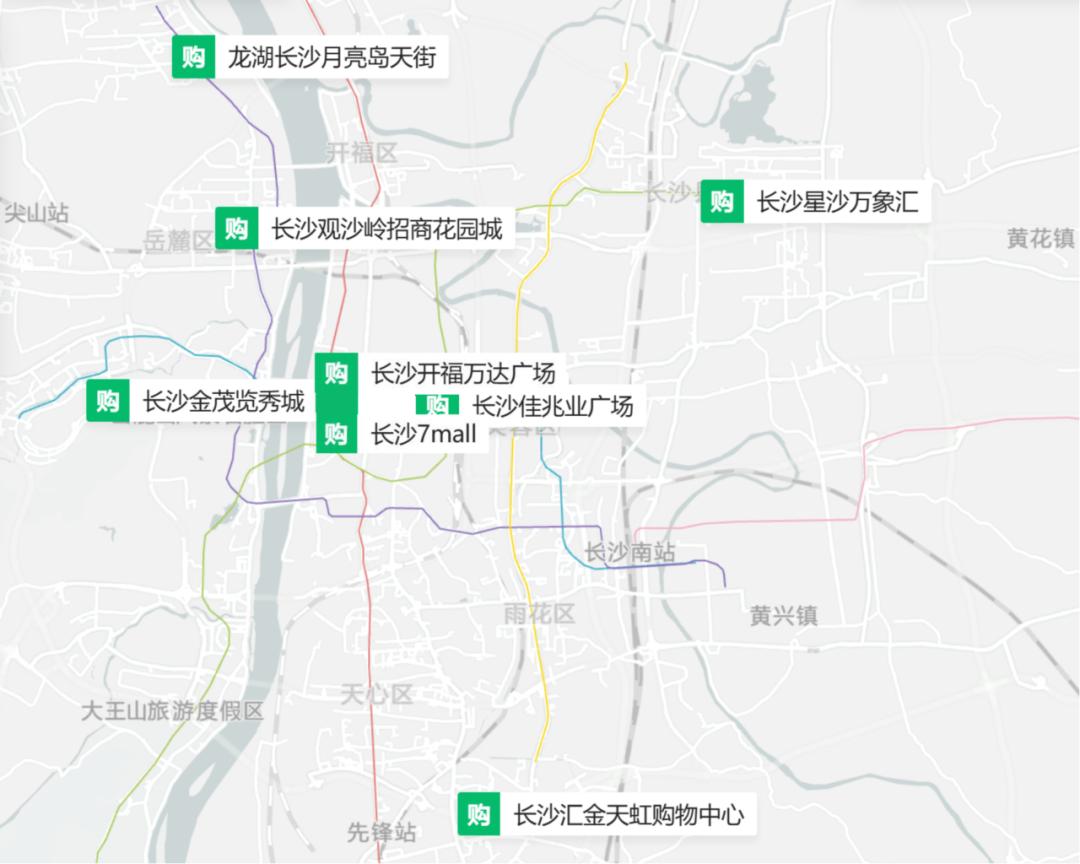
Core Insights - The article discusses the evolving commercial landscape in Changsha, highlighting emerging "potential stars" in the retail sector that are gaining traction despite not yet appearing in the top rankings [1] Group 1: Emerging Commercial Projects - Changsha Jinmao Lanxiu City is positioned as a quality family art and entertainment venue, with a commercial area of 103,000 square meters and located in a rapidly developing area [3][5] - The first REIT in Hunan, based on Changsha Jinmao Lanxiu City, was listed in March 2024, achieving a fund operating income of 47.44 million yuan and a distribution rate of 5.42% in the first half of 2025 [6] - Changsha Xingsha Wanxianghui serves as a flagship project for China Resources, focusing on quality, trend, and family-oriented brands, with over 170 brands including regional first stores [10][13] Group 2: Marketing and Community Engagement - Xingsha Wanxianghui has successfully implemented various marketing strategies, including the first hamburger festival in Changsha and a music festival, significantly increasing foot traffic and sales [14] - The project has also innovated in member services, creating a high-quality service team and community events to enhance customer engagement, resulting in over 670,000 members [15][16] Group 3: Neighborhood and Cultural Integration - Changsha Moon Island Tianjie, opening in December 2024, aims to be a neighborhood lifestyle hub, focusing on high-frequency operations and community engagement [17][19] - The project has adopted a three-step strategy to establish itself as a neighborhood commercial benchmark, emphasizing local cultural integration and community events [20][21] Group 4: Unique Retail Experiences - Changsha Guanshaling招商花园城, opening in November 2024, will feature over 260 brands and a rooftop children's playground, targeting family-oriented consumers [22][25] - The 7mall Food Trend Landmark has become a cultural hub in Central South China, featuring a diverse range of dining and retail options, and has successfully launched several popular brands [27][29] Group 5: Innovative Concepts and Trends - Changsha Jiazhaoye Plaza, opened in December 2022, integrates high-end business and trendy lifestyle experiences, creating a vertical ecosystem that caters to both business and leisure [31][34] - Changsha Huijin Tianhong Shopping Center, set to open in December 2023, focuses on integrating intangible cultural heritage, trendy sports, and subculture, creating a unique shopping experience [40][42]

商业体量越大越危险?大Mall如何创新重构化弊为利?
3 6 Ke· 2025-10-28 02:53
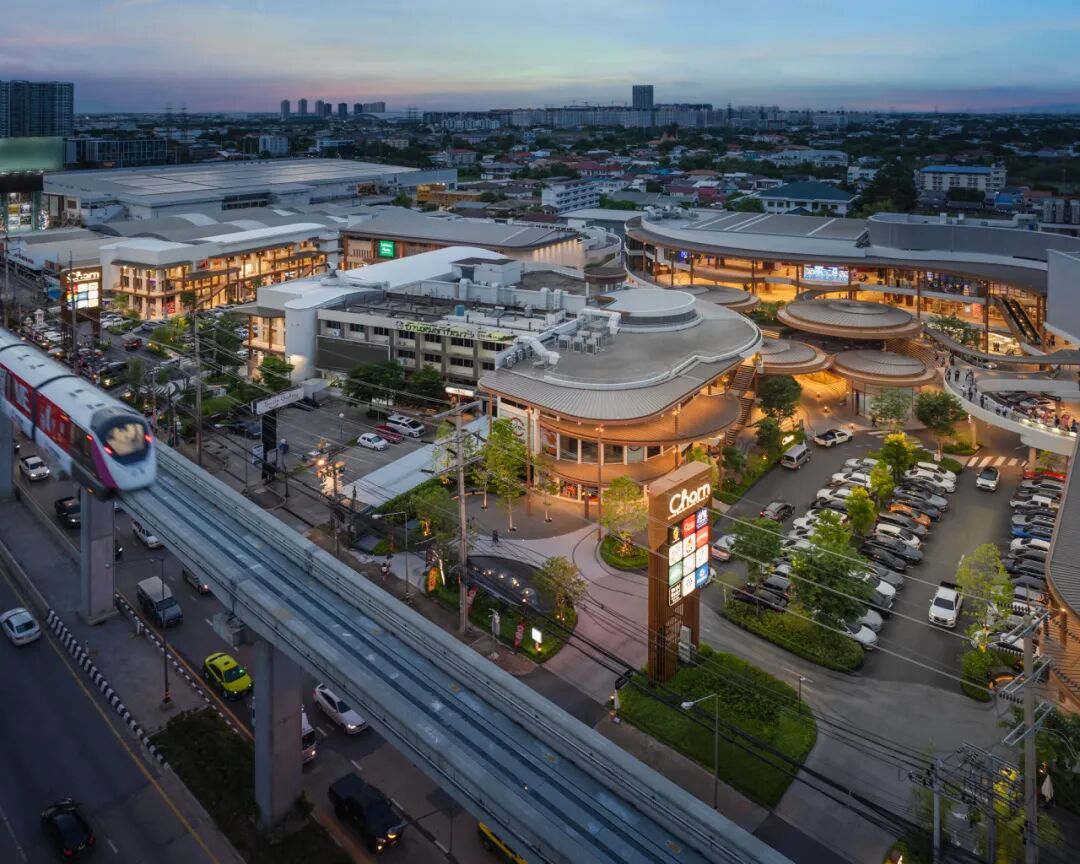
Core Insights - The traditional commercial real estate model in China, which relied on large-scale developments to attract consumers, is facing unprecedented challenges as the market dynamics shift [1][2] - The era of "big efforts yield miracles" is ending, as the foundational elements supporting this logic are disintegrating [2] Group 1: Market Dynamics - Large shopping centers are struggling with tenant acquisition and low foot traffic, indicating that size alone no longer guarantees competitiveness [1] - The shift towards online shopping has diminished the appeal of large physical retail spaces, as consumers prioritize experiences over mere product availability [3] - The rise of community and regional commercial spaces has reduced the necessity for long-distance travel to large malls, promoting a preference for nearby shopping options [5][6] Group 2: Consumer Behavior - Today's consumers, particularly younger generations, seek personalized experiences and cultural resonance rather than simply visiting large malls [4] - The homogenization of large commercial spaces leads to a lack of distinctiveness, making it difficult for them to attract attention in a market where consumer preferences are increasingly niche [4][8] Group 3: Operational Challenges - The "box-like" structure of many large shopping centers limits their ability to create immersive experiences that resonate with modern consumers [7] - The operational inefficiencies of large malls, such as long search times for parking and navigating through vast spaces, contribute to a negative shopping experience [8] Group 4: Future Directions - The future of commercial spaces should focus on building relationships rather than merely facilitating transactions, emphasizing community engagement and public space utilization [9][11] - Strategies to overcome the challenges of large-scale commercial projects include creating mixed-use spaces that combine various formats and experiences, thereby enhancing consumer engagement [13][15] - Emphasizing public space as a core element of commercial design can transform shopping centers into vibrant community hubs, fostering longer visits and repeat patronage [16][17] Conclusion - The essence of commerce remains unchanged: meeting human needs. However, the methods of fulfilling these needs are undergoing significant transformation, necessitating a shift from space-centric to people-centric approaches in commercial real estate [18][19]
新城控股旗下平潭吾悦广场--逛供销集市、购八闽好物!
Sou Hu Cai Jing· 2025-10-27 15:50
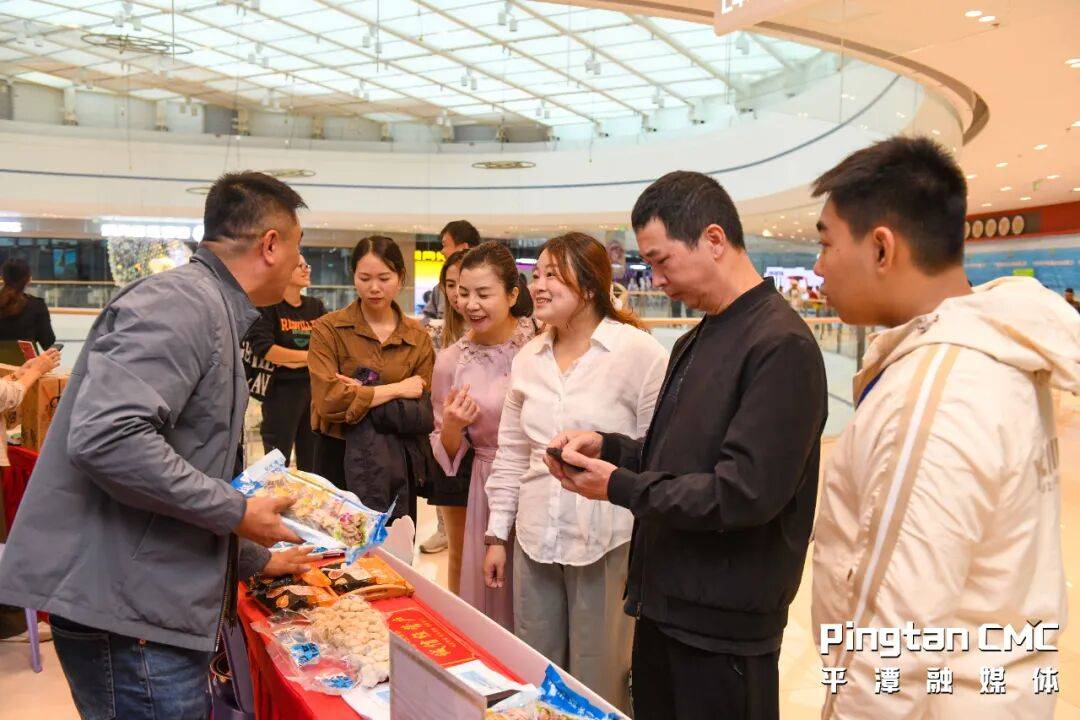
Group 1 - The event "Fujian Supply and Marketing Market - Helping Farmers Sell, Convenient Consumption" was launched at Pingtan Wuyue Plaza, showcasing over a hundred types of local specialty products from Fujian [1][11] - The market features a variety of agricultural and fishery products, including traditional snacks and fresh seafood, catering to diverse consumer needs [3][7] - The initiative aims to connect local farmers with consumers, enhancing the sales channels for agricultural products and promoting rural revitalization [11] Group 2 - The event is organized by Fujian Supply and Marketing Group Co., Ltd. and the Experimental Zone Supply and Marketing Cooperative, running until October 26 [11] - Local residents expressed satisfaction with the event, appreciating the convenience of accessing quality products from across the province [10]

武商集团:2025年上半年武汉梦时代广场管理有限公司营业收入36009.77万元
Zheng Quan Ri Bao Wang· 2025-10-24 11:43
Core Insights - The company, Wushang Group, reported on its major investment projects, Wushang Dream Times and Nanchang Wushang MALL, which opened in November 2022 and April 2023 respectively [1] - Both projects underwent market research, feasibility studies, and professional evaluations during the planning phase, adhering to the company's internal regulations [1] - The financial statements of the company are audited annually, receiving standard unqualified audit reports [1] Financial Performance - Wuhan Dream Times Plaza Management Co., Ltd. achieved an operating income of 360.10 million yuan, representing a year-on-year growth of 10.86%, with a net profit of 43.34 million yuan, up 64.73% year-on-year [1] - Nanchang Wushang Commercial Management Co., Ltd. reported an operating income of 57.21 million yuan, with a net profit loss of 39.96 million yuan, showing a significant reduction in losses compared to previous periods [1]

河北三河:非遗“邂逅”商圈 文化盛宴带动消费新热潮
Sou Hu Cai Jing· 2025-10-22 12:31
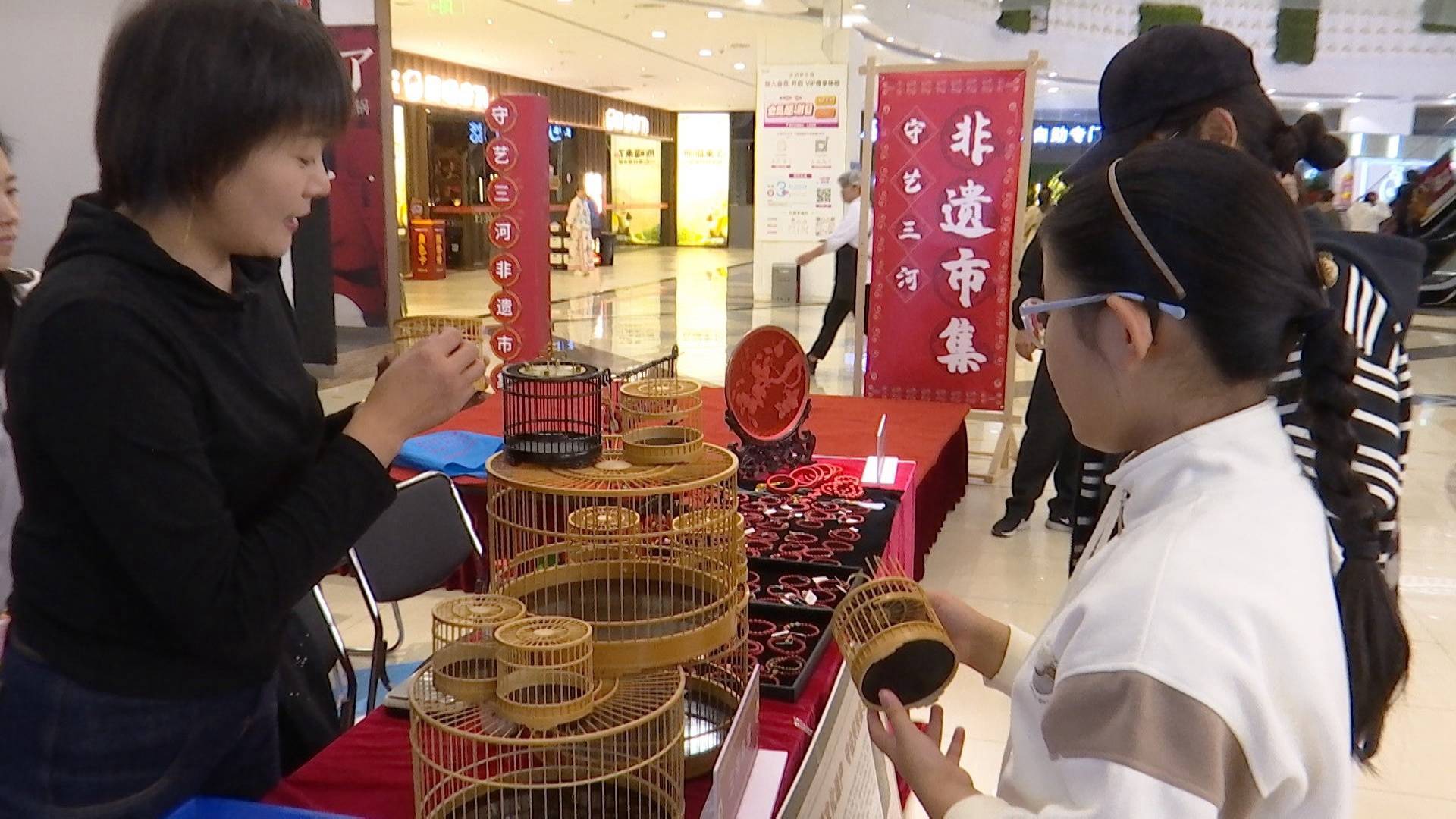
Core Insights - The event "Guarding the Craft of Sanhe: Intangible Cultural Heritage Journey" was held at AEON Mall in Hebei, showcasing traditional cultural experiences through a market format [1] - The event featured 22 types of intangible cultural heritage products, including carved snuff bottles, Jingtailan, and handmade pastries, providing an immersive cultural experience for citizens [1] Group 1 - The market transformed the basement of AEON Mall into an open "intangible cultural heritage market," allowing citizens to appreciate and purchase unique cultural artifacts [1] - Non-heritage inheritors demonstrated the craftsmanship of birdcage making, captivating children and visitors with their skills [2] - A special lottery event called "Intangible Cultural Creative Lottery" was introduced, linking cultural experiences with commercial consumption, enhancing the mall's popularity [4] Group 2 - The event successfully integrated intangible cultural heritage into modern consumer spaces, providing a platform for ancient crafts and enriching the cultural essence of urban commercial entities [4] - Future plans for Sanhe City include deepening the "intangible heritage +" innovation model, aiming to make intangible heritage a new cultural brand and an engine for consumption upgrade [4]
中国的新兴前沿-入境旅游增长:谁将受益?
2025-10-21 01:52
Summary of Inbound Tourism Growth in China Industry Overview - The report focuses on the inbound tourism industry in China, highlighting its potential growth as a significant profit engine within the next three years, driven primarily by online travel agencies (OTAs) and airlines [1][2][10]. Key Insights 1. **Inbound Tourism Growth**: - Inbound tourism is expected to become a major profit driver for China's tourism industry, which is currently dominated by domestic and outbound travel [1][10]. - The share of inbound tourism in China's tourism revenue is currently 11%, projected to increase to 18% within five years [2]. 2. **Macroeconomic Indicators**: - China's service exports grew by 14% year-on-year in the first eight months of 2025, significantly outpacing the overall export growth of 6% [2]. - Tourism service exports surged by 56%, reaching 150% of pre-pandemic levels [2]. 3. **Regional Growth**: - Non-first-tier cities are becoming increasingly attractive for inbound tourists, with Hangzhou seeing a 23% year-on-year increase in inbound visitors in the first eight months of 2025 [2]. 4. **Policy Impact**: - The introduction of the K1 visa on October 1, 2025, is expected to attract more young talent to China, further boosting the tourism sector [1]. 5. **Profitability Outlook**: - The hotel sector is anticipated to have the highest revenue exposure to inbound tourism, averaging over 20% by 2030 [2]. - OTAs, airlines, and duty-free businesses are expected to see revenue exposure of 5-10% over the next five years [2]. Investment Opportunities 1. **Selected Beneficiary Stocks**: - A list of ten stocks identified as potential beneficiaries of inbound tourism growth includes: - Trip.com (TCOM.O) - Air China (0753.HK) - Shanghai Airport (600009.SS) - China Tourism Group Duty-Free (1880.HK) - H World Group (HTHT.O) - Marriott (MAR.O) - IHG (IHG.L) - Hygeia Healthcare (6078.HK) - CR Mixc (1209.HK) - Hang Lung Properties (0101.HK) [3][11][14]. 2. **Sector Analysis**: - OTAs rank highest in potential profitability due to favorable market conditions and significant synergies with existing operations [10][12]. - Airlines are also positioned well, with new international routes expected to enhance profit margins [12]. 3. **Market Dynamics**: - The report emphasizes the importance of pricing power in inbound tourism, particularly for OTAs and airlines, which may achieve higher pricing due to increased demand [2][10]. Additional Considerations - The report notes the potential for upward pressure on profit margins from inbound tourism, driven by higher pricing and synergies with existing domestic and outbound operations [2][12]. - The impact of infrastructure upgrades and clean energy investments on air quality is expected to enhance the attractiveness of China as a leisure travel destination [1][10]. This comprehensive analysis provides insights into the evolving landscape of China's inbound tourism sector, highlighting key growth drivers, investment opportunities, and potential risks associated with this emerging market.
明年亮相!这里将添美味新场景
Sou Hu Cai Jing· 2025-10-18 00:06
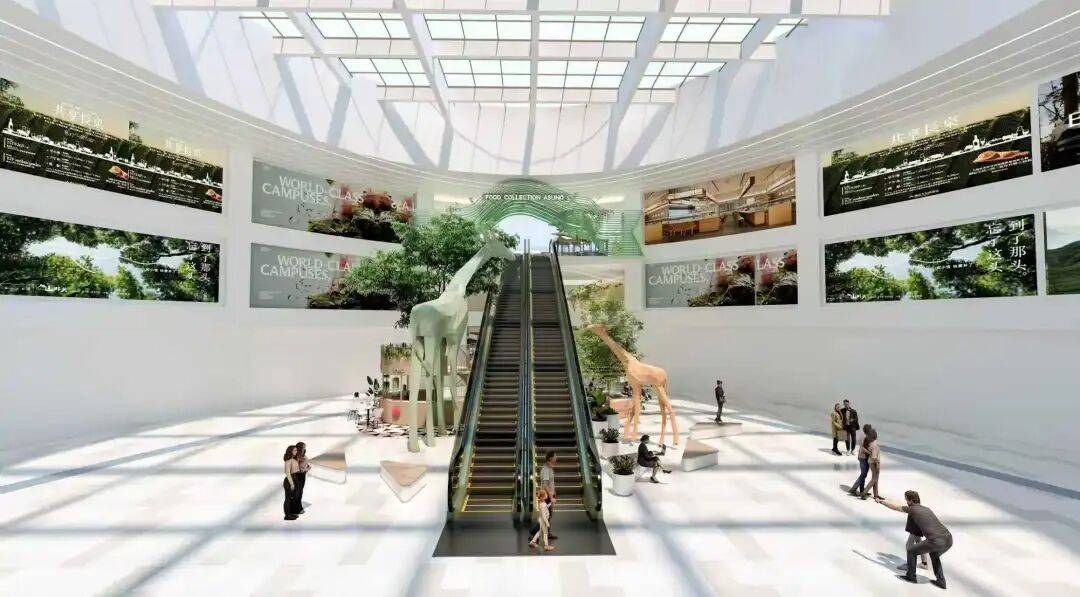
Core Insights - SM Tianjin Binhai City Square is set to launch the FOODIE TIME dining area on January 16, 2026, enhancing the commercial offerings in the area and providing a "one-stop" consumer experience [1] Group 1: Project Overview - The FOODIE TIME area will cover 12,000 square meters and is designed with a "green tropical" theme, integrating natural elements and tropical flair [4] - The dining area aims to combine dining, culture, and leisure, creating a new model of experience for consumers [4] Group 2: Consumer Experience - The area will feature a variety of dining options and brands, offering consumers a more diverse and convenient dining experience [4] - SM Square plans to create an immersive dining experience space that serves as a venue for family gatherings and a comfortable lifestyle area [4] Group 3: Accessibility Enhancements - To facilitate direct access to the FOODIE TIME area, a dedicated "Sky Ladder" will be constructed, allowing consumers to easily reach the dining experience [4] - Additional escalators will be opened to improve the flow of movement within the shopping area [4]
永旺时代谢幕 鑫嘉汇购物中心转打“家庭牌”
Bei Jing Shang Bao· 2025-10-16 16:17
Core Insights - The Beijing Xinjiahui Shopping Center officially opened on October 16, marking the exit of Aeon Mall after ten years in Fengtai [1] - The center aims to position itself as a "family gathering place," focusing on parent-child and family consumption to invigorate regional commerce [1][3] - The project has undergone significant renovations, including lighting upgrades and the introduction of new brands, with a brand renewal rate exceeding 95% [1][2] Company Overview - The Xinjiahui Shopping Center is located in the Fengtai Technology Park, a key urban industrial area in Beijing, with a potential customer base of approximately 340,000 people within a 3-kilometer radius [2] - The center's management is under Beijing Xinjiahui Commercial Management Co., a wholly-owned subsidiary of Beijing Nanji Star Investment Management Co., which marks its first large-scale commercial project [2] Market Positioning - The shopping center's strategy includes enhancing service quality and optimizing consumer experiences to become a recognizable commercial landmark in the region [3] - The project will focus on introducing first stores, concept stores, and experiential stores, particularly in the dining sector, to cater to family and business needs [1][2]