旅游业

Search documents
投21万亿日元救市 大把撒钱有用吗?
Sou Hu Cai Jing· 2025-11-26 01:12
Economic Overview - Japan's economy has entered a phase of negative growth, with a reported GDP decline of 1.8% year-on-year in Q3, marking a return to negative growth since Q1 2024. The primary cause is a sharp contraction in external demand, contributing -0.2 percentage points to economic growth [1] - The U.S. has increased tariffs on Japanese goods, particularly raising auto tariffs from 2.5% to 15%, severely impacting Japan's automotive industry and creating a vicious cycle of order shrinkage and economic recession [1] Domestic Demand and Consumption - Domestic demand remains weak, exacerbated by high inflation and declining real wages, which have led to reduced consumer spending. Personal consumption, which accounts for over half of Japan's economy, saw a slight increase of 0.1% quarter-on-quarter, while private residential investment fell by 9.4%, contributing -0.2 percentage points to economic growth [1] Political and Economic Response - In response to the economic challenges, Prime Minister Fumio Kishida's government approved a fiscal stimulus package worth 21.3 trillion yen (approximately 135.4 billion USD) aimed at addressing rising prices and boosting investment in sectors like semiconductors and AI. However, this plan relies heavily on fiscal expansion and monetary easing without addressing structural economic reforms [2] Structural Issues - Japan's government debt has reached approximately 263% of GDP, and further spending increases could raise long-term interest rates, intensifying debt repayment pressures and limiting investment in public welfare and innovation [3] - The government’s approach has been criticized for lacking prioritization, with resources spread across over ten industries, leading to a "follow-the-leader" strategy that fails to drive significant industrial breakthroughs [3] Long-term Economic Outlook - Japan's economy faces a dual pressure of weak external demand and sluggish domestic consumption, with limited effectiveness of policy tools due to high debt levels and structural deficiencies. Analysts suggest that Japan's economy may oscillate around the growth line for an extended period, with fiscal stimulus potentially providing only short-term relief [4] - For genuine economic recovery, Japan needs to focus on institutional reforms and technological innovation rather than relying on short-sighted policies or external confrontations, although the prospects for such a transformation appear bleak under the current circumstances [4]
严重影响生态环境,奢华营地占用东非动物迁徙走廊遭质疑
Huan Qiu Shi Bao· 2025-11-25 22:50
Core Viewpoint - The opening of a luxury wildlife camp in Kenya's Maasai Mara National Reserve has raised concerns about its impact on the local ecosystem and wildlife migration routes, amidst a growing number of tourist facilities in the area [1][2]. Group 1: Wildlife Camp Details - The luxury camp, operated by Marriott International, opened in August and charges approximately $3,500 per night, offering a unique experience to view the animal migration closely [1]. - The camp features 20 tented suites, each equipped with private living areas, infinity pools, and indoor/outdoor showers [1]. Group 2: Economic and Environmental Impact - Local Maasai elders acknowledge tourism as a key economic driver and hope for its continued growth, with 90% of the camp's staff being Kenyan and 40% from local communities [1]. - However, the rapid increase in tourist numbers and facilities has led to significant negative impacts on the local ecosystem, with the number of tourist camps rising from 95 in 2012 to 175 in 2024 [1]. - During the annual animal migration, over 250,000 tourists visit Kenya to witness the migration of wildebeests and zebras [1]. Group 3: Criticism and Concerns - Critics, including local residents and researchers, argue that the new luxury camp occupies critical undeveloped land and disrupts the core migration routes of wildebeests [2]. - The rapid development of tourism in Kenya is correlated with a decline in wildlife populations, with many species facing extinction risks [2].

让淡季变成“黄金季”
Ren Min Wang· 2025-11-25 22:45
银杏街变身打卡地,始于行政部门的"主动让路"。百年银杏街本是部分机关单位的通勤要道,为让出观 景通道、保障游客体验,暂禁车辆驶入老街,机关工作人员步行上班;环卫工人收集落叶铺就金色步 道,交通警察维护周边秩序,广大市民热情地向游客介绍景点,辽东学院敞开校门举办"银杏文化 节"……这种"一盘棋"的格局,让发展文旅产业不再是文旅部门的"独角戏",而是全城共同参与的"大合 唱"。 文旅市场的火花和亮点,不是单靠财政投入"砸"出来的,而是靠对游客需求的深度洞察"磨"出来的。只 要用心、用情、用力,每个地方的特点都有可能成为卖点,每个城市的文旅淡季都有潜力成为"黄金 季"。 近年来,文旅"淡季不淡"的成功案例不断涌现。西藏错那以"不把大自然装进玻璃罩子"为参照,盘活千 年沙棘林与曲卓木地热温泉等原生资源,为游客奉上人气爆棚的边城生态之旅;黑龙江抓住冰雪大世 界、雾凇长廊等元素,串联马拉爬犁、雪地温泉、森林滑雪、俄式风情等独特体验,让"冷资源"变 成"热经济"。淡季不是"死局",而是未被开发的"富矿";原生态不是"包袱",而是充满惊喜的"宝盒"。 淡季突围需要原生态的"活景",而非硬堆砌的"假景"。名山大川是风景,市井民 ...
“2025世界旅游联盟·湘湖对话”举办
Ren Min Ri Bao· 2025-11-25 20:49
Core Insights - The "2025 World Tourism Alliance Xianghu Dialogue" held in Hangzhou, Zhejiang, focused on sustainable development, cross-industry integration, and technological empowerment in the tourism sector [1] - The event gathered representatives from international organizations and tourism authorities from 30 countries and regions to discuss the future of a resilient, inclusive, and sustainable tourism industry [1] Group 1: Research Reports - The "2024-2025 Cross-Border Tourism Consumption Trends Research" report indicates that the global tourism industry continues to grow, with experiential travel being a key driver [2] - Chinese outbound tourism is seeing an increase in both total visitor numbers and spending, with short-haul and niche destinations growing rapidly [2] - Trends in outbound tourism are shifting towards experiences, exploration, niche, and personalized travel [2] - The report highlights that the number of inbound tourists to China is growing rapidly, supported by visa facilitation policies, with longer stays being observed [2] - Major cities remain the most attractive for inbound tourists, while emerging destinations are also seeing significant increases in visitor numbers [2] - There is a notable rise in spending on shopping, dining, and health-related services, indicating a diversification in inbound tourism consumption [2] Group 2: Sustainable Development in Rural Tourism - The report "From Tourism Poverty Alleviation to Rural Revitalization: China's Practice in Promoting Sustainable Development through Tourism" outlines the evolution of rural tourism in China from poverty alleviation to sustainable development [2] - Future policies for sustainable rural development in China are expected to focus on policy coordination and innovation, digital technology empowerment, and the exploration of rural value [2] Group 3: International Dialogue - The event included the "2025 China-Australia Tourism Dialogue Mechanism Meeting" and "China-US Study Tour Dialogue," where both China-Australia and China-US discussed opportunities for cooperation and development in tourism investment and trade [2]
商务部再选10城 郑州为何缺席?
2 1 Shi Ji Jing Ji Bao Dao· 2025-11-25 16:39
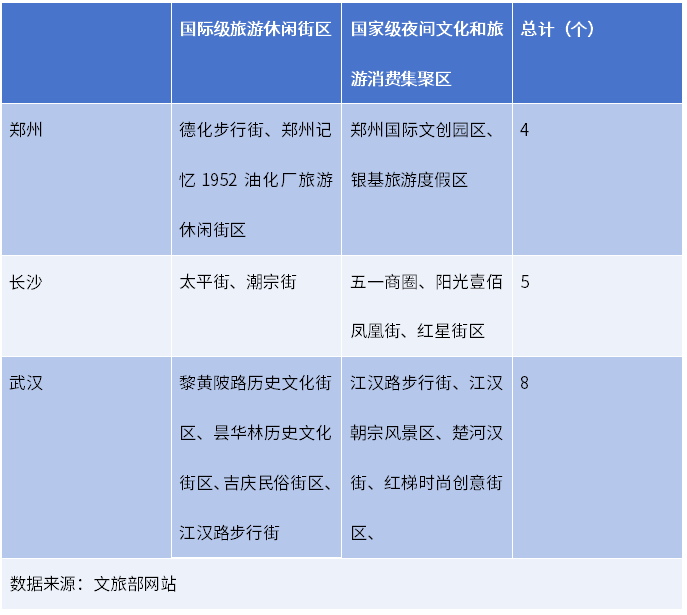
Core Viewpoint - The article discusses the selection of ten additional cities as pilot cities for building an international consumption environment, highlighting the implications for cities like Zhengzhou, which was not selected despite its ambitions [1]. Group 1: City Selection and Comparisons - The Ministry of Commerce and the Ministry of Finance announced the selection of ten cities, including Shenzhen, Hangzhou, Xi'an, and Chengdu, for the international consumption environment pilot program [1]. - Zhengzhou's absence from the list raises questions, especially since it has been actively pursuing the status of an international consumption center since 2022 [1]. - The article suggests that if a second batch of cities is selected, it is likely that candidates will be drawn from the newly listed cities [1]. Group 2: Accessibility and Transportation - Zhengzhou's airport, with a passenger throughput of 28.51 million in 2024, is lower than that of Wuhan and Changsha, which had 31.21 million and 31.41 million, respectively [1]. - The article emphasizes that the number of international destinations accessible from a city’s airport is crucial for attracting foreign tourists, with Kunming's airport being a key entry point for Southeast Asian tourists [2]. Group 3: Inbound Tourism Statistics - In 2019, Zhengzhou received 554,000 inbound tourists, generating $218 million in tourism foreign exchange income, with a per capita income of $393.50 [4]. - In contrast, Wuhan attracted 3.12 million tourists with $2.16 billion in foreign exchange income and a per capita income of $692.22 [5]. - Changsha received 1.33 million tourists, generating $660 million in foreign exchange income, with a per capita income of $495.80 [6]. Group 4: Culinary Influence and Brand Presence - Zhengzhou lacks culinary appeal, with no Michelin-starred restaurants compared to five in both Changsha and Wuhan [8]. - The number of time-honored brands in Zhengzhou is also lower, with only three compared to ten in Changsha and seven in Wuhan [8]. Group 5: Economic and Cultural Influence - Zhengzhou has 14 international friendship cities and 113 Fortune 500 companies, while Changsha has 17 friendship cities and 201 Fortune 500 companies, and Wuhan has 29 friendship cities and 310 Fortune 500 companies [9]. - The number of recognized international tourism and cultural districts is also lower in Zhengzhou, with only four compared to five in Changsha and eight in Wuhan [9]. Group 6: Future Opportunities for Zhengzhou - Despite its current shortcomings, Zhengzhou has opportunities to enhance its international consumption influence through strategic branding, developing international shopping districts, and improving its culinary reputation [11].

2025年轻人旅游趋势报告-后浪研究所
Sou Hu Cai Jing· 2025-11-25 14:43
Group 1 - The core viewpoint of the report highlights three major trends in young people's travel behavior: "dailyization, personalization, and relaxation" [1] - Young travelers exhibit a "short and frequent" travel pattern, with internet and advertising professionals traveling over four times a year, while students have the lowest travel frequency [1][10][11] - The preferred travel duration for young people is 1-3 days (38.6%) and 4-5 days (38.6%), with weekend trips (59.5%) being the most popular travel time, surpassing public holidays (53.5%) and summer/winter vacations (16.7%) [1][19][22] Group 2 - Travel budgets and destination preferences reflect a "rational and personalized" approach, with 84.1% of young people favoring a "comfortable" spending model, balancing experience and cost [2][28] - Popular destinations include historic cities (66.9%), nature away from urban areas (62.8%), and lesser-known small cities (42.9%), indicating a desire to escape urban noise for unique experiences [2][27] - The primary purpose of travel is relaxation (89.1%), followed by experiencing local culture (74.7%) and connecting with nature (70.4%), with a consensus against "rushed sightseeing" [2][30] Group 3 - Travel has shifted from being a "special occasion" to a daily lifestyle for young people, with 45.8% feeling "revitalized" after trips, indicating a desire for spontaneous short getaways [3] - Young travelers are increasingly seeking unique experiences and connections during their journeys, valuing unexpected encounters and cultural exchanges [3]

入境更便利,“中国游”热度持续上升
Xin Hua Wang· 2025-11-25 09:32
Core Points - The article highlights the increasing convenience of entering China, with a significant rise in inbound tourism and the implementation of new immigration policies [1][2] - The data indicates a strong growth in the number of international travelers, with Beijing's entry and exit figures showing an 18% year-on-year increase, and foreign visitors up over 35% [1] - The introduction of online entry card systems and the expansion of visa-free policies are key factors driving this growth [1][2] Group 1 - As of November 23, over 19.35 million people have entered and exited Beijing this year, with foreign visitors exceeding 5.78 million [1] - Xiamen's entry and exit passenger volume has surpassed 5.4 million, with over 960,000 foreign travelers, marking a historical high [1] - 60% of foreign travelers at Xiamen are entering through visa exemptions, indicating a trend towards more accessible travel [1][2] Group 2 - From November 5, 10 new airports have been added to the list of 24-hour direct transit points, increasing the total to 65, which enhances the appeal for international business travelers [2] - The implementation of multilingual services and personalized assistance at border checkpoints reflects a commitment to improving traveler experience [2] - The data from the National Immigration Administration shows that in the third quarter, 178 million people entered and exited the country, with over 89.37 million being domestic residents [2]
洱海好风景带来发展好光景
Ren Min Ri Bao· 2025-11-25 02:11
Core Viewpoint - The Dali Bai Autonomous Prefecture in Yunnan Province has been actively engaged in the protection and sustainable development of Erhai Lake, leading to gradual improvements in water quality, environment, and ecology through systematic efforts and scientific evaluation methods like the "Erhai Index" [1][2][3] Group 1: Erhai Index and Ecological Protection - The "Erhai Index" evaluates ecological protection through four dimensions: cleanliness, clarity, ecology, and sharing, with eight assessment indicators [2][3] - The index allows for a comprehensive evaluation of Erhai's ecological protection efforts and serves as a guide for future decision-making [3] - The index reflects the effectiveness of ecological restoration efforts, such as the recovery of aquatic vegetation and fish populations [2][3] Group 2: Smart Monitoring and Data Utilization - Dali has established a "smart network" for monitoring water quality, with 428 automatic monitoring stations providing real-time data [5] - The "Digital Erhai" platform integrates data from various departments, enabling effective monitoring and rapid response to pollution incidents [5][6] - Continuous investment in ecological protection has led to significant infrastructure improvements, including wastewater treatment facilities and ecological corridors [6] Group 3: Economic and Social Benefits - The ecological protection of Erhai has resulted in increased tourism, with Dali receiving 98.21 million visitors and generating 120.8 billion yuan in tourism revenue in the first three quarters of the year [7][8] - The establishment of an ecological compensation mechanism has facilitated financial rewards for maintaining water quality, benefiting both upstream and downstream communities [8] - Local communities have embraced tourism and ecological preservation, leading to a significant increase in local businesses and sustainable practices [8]
沈阳现代化都市圈冬季游全面启动
Liao Ning Ri Bao· 2025-11-25 01:52
Core Viewpoint - The 2025-2026 Shenyang Modern Urban Circle Winter Tourism has officially launched, featuring over 500 cultural and sports tourism activities and 100 winter travel routes to stimulate winter tourism consumption [1] Group 1: Winter Tourism Initiatives - The Shenyang Modern Urban Circle has formed a "Winter Tourism Community" to collaboratively promote activities, organize events, and plan routes [1] - The theme "Winter Snow Warm Sun · Circle Out Good Scenery" integrates resources such as ice and snow, culture, hot springs, and folk customs [1] - Various cross-border fusion products are introduced, including "Skiing + Hot Springs," "History + Ice and Snow," and "Folk Customs + Cuisine" [1] Group 2: Diverse Activities and Events - The winter tourism offerings include a range of activities covering sports, culture, education, and festivals, catering to different demographics such as families, youth, and seniors [1] - Shenyang City is hosting an Ice and Snow Season and the Third Ice and Hot Spring Culture Carnival, featuring attractions like ice slides and snowmobiles [1] - Other cities like Anshan and Fushun are organizing events such as the Ice and Snow New Year's Eve Carnival and the New Spring Night Tour [1] Group 3: Local Cultural Experiences - Unique Northeast folk customs, such as winter fishing, large markets, and lantern festivals, are attracting numerous tourists [2] - Events like the Shenyang City Lantern Festival and various local markets will enhance the festive atmosphere [2] - Exciting ice and snow sports events, including international competitions and local skiing camps, are set to engage visitors [2]
荒野求生火了,对文旅业应有启发
Nan Fang Du Shi Bao· 2025-11-25 00:36
传统的旅游就是去景区,参观相应的景点,这种方式的优点在于配套和管理都很成熟,安全有保障,体 验感一般不会太差。但缺点也很明显,比如同质化现象严重,除却少数具有独特资源的景区外,很多景 区的看点差不多。久而久之,大家就容易产生审美疲劳,但"出去走走"的需求摆在那,于是越来越多的 人开始不走寻常路,组队开展户外活动,去野山野湖探险,诸如此类,甚至已经成为一种时尚。以致国 内不少地方都出现了以身试险的极端现象,悲剧频发,问题值得引起注意。 为此,各地及相关部门纷纷示警,提醒不要轻易去探险,这样的呼吁无疑很有必要。但细想一下,背后 的需求的确客观存在。过去,社交媒体上流传来自国外的各种极限运动或户外内容的短视频,很多操作 让人惊叹,也引起关于安全话题的讨论,不少网民调侃说这就是"外国人少的原因"。其实,当经济发展 到一定阶段,人们的收入水平提高,传统旅游的吸引力必然下降,人们会产生新的需求。在这样的背景 下,文旅领域需要新思路、新创意,在关注那些冒险行为的安全风险之余,相应的需求以及由此产生的 市场机遇,无疑也值得重视。 张家界七星山景区的荒野求生挑战赛,无疑是景区一次很好的营销。这项赛事如何发展,选手还会给外 界带 ...