
母婴

Search documents
母婴消费市场广阔,产业链不同环节企业价值有所分化:北交所新消费产业研究系列(三)
Hua Yuan Zheng Quan· 2025-09-18 08:30
Group 1: Policy Impact on Maternal and Infant Industry - The implementation of the "three-child" policy is expected to encourage childbirth, stimulating the maternal and infant industry. Various local governments are introducing subsidies and incentives to support this initiative, with a basic annual subsidy of 3,600 yuan per child for eligible families starting from January 1, 2025 [5][6][8]. Group 2: Market Growth and Trends - The maternal and infant consumption market in China is steadily increasing, with a projected market size of 7.6 trillion yuan in 2024, marking a recovery in birth rates with an increase of 520,000 births compared to 2023 [8][10]. - The retail scale of the dairy product market in China is expected to reach approximately 521.7 billion yuan in 2024, with a forecast of 596.7 billion yuan by 2026 [15][19]. - The infant complementary food market in China is anticipated to grow at a compound annual growth rate (CAGR) of 7.9%, reaching a market size of 81.75 billion yuan by 2029 [23][26]. - The maternal and infant chain industry is projected to grow from 999.5 billion yuan in 2025 to 1,405.2 billion yuan by 2029, with a CAGR of 8.9% [31][34]. Group 3: Company Analysis - Ying's Holdings is a leading enterprise in the infant complementary food sector, with a strong focus on research and development, achieving a revenue of 19.74 billion yuan in 2024, reflecting a CAGR of 27.9% from 2021 [43][46]. - Pregnant and Infant World is leveraging a digital and supply chain model for rapid expansion, reporting a revenue of 7.0 billion yuan in the first half of 2025, a year-on-year increase of 43.4% [42][48]. - Knight Dairy, based in Inner Mongolia, focuses on high-quality fresh milk resources and is positioned in the upstream of the dairy industry chain, with a revenue of 6.68 billion yuan in the first half of 2025, showing a year-on-year growth of 41% [42][34]. - Southern Dairy emphasizes high-value low-temperature strategies and has a leading market share in Guizhou, with a significant increase in net profit by 78.15% in the first half of 2025 [42][38]. Group 4: Market Structure and Dynamics - The maternal and infant industry chain is diverse, involving multiple segments such as food, textiles, and retail channels, with a significant portion of sales still occurring through offline channels [12][13][17]. - The online sales channel for maternal and infant products is rapidly increasing, with a projected share of 69.5% in 2024, reflecting a shift towards digital consumption [32][54]. - The market share of maternal and infant specialty stores is largest in third-tier and lower cities, which have a lower chain rate of approximately 30%, compared to 75-80% in first and second-tier cities [37][38].
不同集团:打新热潮持续,详解高端母婴标杆企业的长期配置价值
Zhi Tong Cai Jing· 2025-09-18 05:53
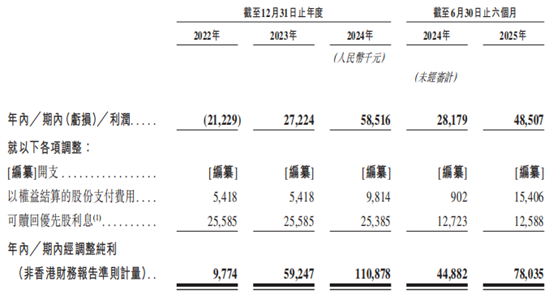
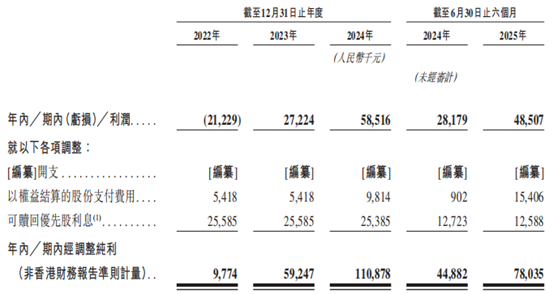
Group 1: Company Overview - BeBeBus, under the Different Group, is preparing for an IPO on the Hong Kong Stock Exchange, with a global offering of 10.98 million shares priced between HKD 62.01 and HKD 71.20, expected to list on September 23 [1] - The company has established itself as a leader in the high-end parenting products sector since its founding in 2019, ranking first in durable parenting products for mid-to-high-end consumers in China according to Frost & Sullivan [2] - Different Group has shown impressive financial growth, with revenues projected to reach RMB 12.49 billion by 2024, reflecting a compound annual growth rate (CAGR) of 56.9% from 2022 to 2024 [2][3] Group 2: Financial Performance - The company reported revenues of approximately RMB 7.26 billion in the first half of 2025, a year-on-year increase of 24.7%, with net profit rising 72.1% to RMB 485.07 million compared to the same period in 2024 [2] - Adjusted net profit is expected to grow significantly, with projections of RMB 110.88 million for 2024, up from RMB 59.25 million in 2023 [3] Group 3: Product and Market Strategy - BeBeBus focuses on original domestic products and invests heavily in R&D, aiming to provide an exceptional user experience, with a product line that includes innovative items like the "Artist Series" stroller and "Butterfly Baby Walker" [4] - The company has developed a diverse product matrix, expanding from core products to include various parenting solutions, with a total of 459 SKUs by mid-2025 [5] - BeBeBus aims to transition from a single product focus to comprehensive family lifestyle solutions, planning to expand its market reach to Europe, North America, and Japan [5] Group 4: Customer Engagement and Loyalty - The average transaction value for orders containing at least one core product exceeds RMB 2,400, indicating a high customer spending level [6] - The overall repurchase rate has increased from 20.1% in 2022 to 40.2% by mid-2025, demonstrating growing customer loyalty [6] Group 5: Distribution and Market Presence - As of mid-2025, BeBeBus has established a comprehensive distribution network, with a presence on major e-commerce platforms and over 3,400 third-party stores [7] - The company has a robust intellectual property portfolio, with 200 registered patents and 603 domestic trademarks, enhancing its competitive edge [8] Group 6: Market Outlook - The IPO market in Hong Kong is showing signs of recovery, and Different Group is positioned as a unique player in the high-end parenting technology sector, with solid foundations in brand strength, channel development, and user loyalty [8]

不同集团(06090):打新热潮持续,详解高端母婴标杆企业的长期配置价值
智通财经网· 2025-09-18 05:47
Core Viewpoint - The company, BeBeBus, is set to go public through its parent company, Different Group, with a strong market response and high growth potential in the premium parenting products sector [1][10]. Group 1: IPO Details - Different Group plans to issue 10.9809 million shares at a price range of HKD 62.01 to 71.20, with the IPO scheduled for September 23 [1]. - The company has received significant interest from cornerstone investors, with total subscriptions reaching USD 15 million [1]. - The IPO is expected to have a low winning rate of less than 2% for individual investors due to high demand, with over 10.9 times subscription [1]. Group 2: Financial Performance - The company has shown impressive revenue growth, with projected revenues of RMB 5.07 billion, RMB 8.52 billion, and RMB 12.49 billion for 2022, 2023, and 2024 respectively, reflecting a CAGR of 56.9% [2]. - In the first half of 2025, the company achieved revenue of approximately RMB 7.26 billion, a year-on-year increase of 24.7%, and net profit of about RMB 48.51 million, up 72.1% from the same period in 2024 [3]. Group 3: Product and Market Strategy - BeBeBus has established itself as a leader in the high-end parenting product market since its inception in 2019, focusing on innovative and differentiated products [1][5]. - The company has developed a diverse product line with 459 SKUs, expanding from core products like strollers and car seats to include various parenting solutions [6]. - The brand emphasizes user experience and has a strong focus on spinal health for infants, with several products certified by the International Chiropractic Association [5]. Group 4: Customer Engagement and Brand Loyalty - The average transaction value for orders containing at least one core product exceeds RMB 2,400, indicating a high customer spending level [8]. - The overall repurchase rate has increased from 20.1% in 2022 to 40.2% by mid-2025, demonstrating growing customer loyalty [8]. - The company has built a comprehensive channel network, with a significant online presence across major platforms and a growing offline distribution network [10]. Group 5: Intellectual Property and Market Position - As of mid-2025, the company holds 200 registered patents and 603 domestic trademarks, establishing a solid intellectual property foundation [10]. - The company is positioned as a unique player in the high-end parenting market, with strong brand power, channel development, and user loyalty, indicating a clear growth trajectory [10].
母婴连锁门店获客陷困境?AI 员工销冠系统是突围新引擎
Sou Hu Cai Jing· 2025-09-17 10:11
"AI 销冠" 系统以 RPA+AI 双擎驱动,覆盖客户开发、智能咨询、自动追单、沉默客户激活等全场景,采用非侵入式技术规避微信风 控,兼容 Coze/Dify 等主流平台,可接入母婴行业专属智能体,适配多样化需求。 在母婴行业,客户需求细碎且时效强、私域运营人力不足是获客的核心难题。若不引入 "AI 销冠" 系统,人工运营的短板会直接制约 增长:导购手动添加到店客户微信,好友通过率常低于 28%;面对 "奶粉适配月龄""纸尿裤尺码选择""辅食添加方案" 等咨询,夜间及 周末响应延迟超 6 小时,40% 以上意向客户因等待流失;人工追单易遗漏,90% 沉默客户未被激活,营销投入难以转化为实际订单。 选择 "AI 销冠",合规性与行业适配力是关键。百付科技深耕 AI 员工领域,其 "AI 销冠" 系统以合规 RPA 技术为核心,能结合母婴行 业特点定制方案,从系统搭建、话术优化到多账号协同管理、智能养号全程提供支持,助力门店高效转化线索,实现业绩增长。 某区域母婴连锁品牌曾深陷此局:每月通过亲子活动获取 400 条客户线索,人工添加好友通过率仅 26%,咨询响应平均 5.1 小时,客 户成交转化率不足 12%。 ...

贝因美2025上半年营收下降、“只赚5%”口号背后却拿近3成收入做营销国家育儿补贴出台后被质疑涨价
Xin Lang Cai Jing· 2025-09-16 10:42
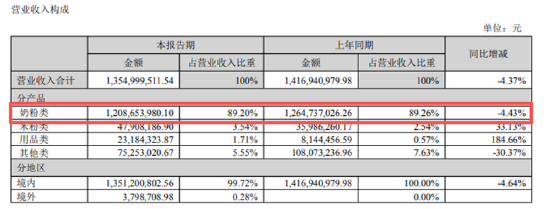
Core Viewpoint - In the first half of 2025, Beiyinmei reported a decline in revenue despite an increase in net profit, indicating challenges in its core business, particularly in the milk powder segment, which is heavily relied upon for overall performance [1][2]. Revenue Performance - Beiyinmei's revenue for the first half of 2025 was 1.355 billion yuan, a year-on-year decrease of 4.37% [1]. - The company's net profit attributable to shareholders was 74 million yuan, reflecting a year-on-year increase of 43.68% [1]. - Revenue from milk powder products was 1.209 billion yuan, down 4.43% year-on-year, accounting for 89.2% of total revenue [1]. - Sales of rice flour products increased by 33.13% year-on-year to 48 million yuan, but this category only represented 3.54% of total revenue [1]. Market Dynamics - The decline in milk powder sales is attributed to a decrease in newborn birth rates and increased market competition, with sales volume dropping by 6.04 percentage points compared to the previous year [1]. - The Chinese government's cash subsidies for child-rearing, effective from January 1, 2025, aim to alleviate family costs, but have led to consumer concerns about price increases for baby products, including those from Beiyinmei [2][3]. Marketing and Pricing Strategy - Beiyinmei's marketing expenses rose to 399 million yuan, a year-on-year increase of 7.98%, resulting in a sales expense ratio of 29.48% [2]. - Despite the increase in marketing spending, revenue growth has not kept pace, raising questions about the effectiveness of the marketing strategy [2]. - Following the announcement of government subsidies, Beiyinmei faced consumer backlash regarding price hikes, although the company claimed that no price increases had occurred and emphasized maintaining a profit margin of 5% [3].

贝因美2025上半年营收下降、“只赚5%”口号背后却拿近3成收入做营销 国家育儿补贴出台后被质疑涨价
Xin Lang Zheng Quan· 2025-09-16 09:58
Core Viewpoint - Beiyinmei's financial performance in the first half of 2025 shows a decline in revenue despite an increase in net profit, indicating challenges in its core business, particularly in the milk powder segment [1][2]. Financial Performance - In the first half of 2025, Beiyinmei reported revenue of 1.355 billion yuan, a year-on-year decrease of 4.37% [2][3]. - The net profit attributable to shareholders was 74 million yuan, reflecting a year-on-year increase of 43.68% [1]. - Revenue from milk powder products was 1.209 billion yuan, down 4.43% year-on-year, accounting for 89.2% of total revenue [2][3]. - Revenue from rice flour products increased by 33.13% to 48 million yuan, while revenue from other products surged by 184.66% to 23 million yuan [2][3]. Market Dynamics - The overall market for infant milk powder in China has been shrinking, with a decline from 1,725 billion yuan in 2021 to an estimated 1,420 billion yuan in 2024, influenced by decreasing birth rates and intense competition [4]. - Beiyinmei's market share in the infant milk powder segment has dropped to 1.6% in 2022, significantly lower than its peak [2][4]. Sales and Marketing - The sales volume of milk powder decreased by 6.04% in the first half of 2025 compared to the previous year, attributed to weak demand and strong market competition [5][6]. - Marketing expenses rose to 399 million yuan, a year-on-year increase of 7.98%, resulting in a sales expense ratio nearing 30% [7][8]. Pricing and Consumer Perception - Following the announcement of national childcare subsidies, Beiyinmei faced consumer backlash over perceived price increases for its products, despite the company claiming no price hikes [8][10]. - The company attributed the price changes to the reduction of platform subsidies rather than direct price increases, indicating potential issues with its pricing strategy [10].
重塑消费链路:2025小红书四大营销趋势引领新增长
Sou Hu Cai Jing· 2025-09-16 02:21
Group 1: Platform Trends Insights - In 2025, Xiaohongshu will see four significant marketing trends: high decision-making product explosion, emotional marketing, proactive consumption, and refined marketing strategies [1][9][14] - The GMV of home decoration and home appliances on Xiaohongshu has increased by over 100%, while the medical and health sector has seen a growth of over 60% despite negative industry growth [1][10] - Emotional words in user-generated content (UGC) are becoming crucial for brand communication, with 13 billion attribute words and 75 million emotional words identified [1][11] Group 2: Industry Trends Insights - The modern consumer is no longer passive; they exhibit high autonomy through inquiry and sharing, necessitating brands to stimulate user engagement throughout the purchasing process [2][14] - Z-generation parents are becoming the main force in the maternal and infant market, emphasizing personalized and scientific parenting, leading to more cautious and diverse consumption decisions [2][24] - The health sector is diversifying, with brands encouraged to target four core groups: active lifestyle enthusiasts, gamers, everyday life participants, and entertainment seekers [2][32] Group 3: Beauty and Fragrance Trends - The beauty and fragrance industry is witnessing diversification trends, including pastel aesthetics and Chinese cultural themes, prompting brands to innovate and create emotionally valuable products [3][39] - The food and beverage industry is shifting from "eating to be full" to "eating for enjoyment," with a focus on new experiences and high emotional value [3][51] - Brands are encouraged to engage consumers in product definition and iteration through co-creation mechanisms, enhancing user involvement in the product lifecycle [3][54]
高端母婴消费科技第一股!不同集团(06090.HK)启动招股
Ge Long Hui· 2025-09-15 11:02
Core Viewpoint - The Hong Kong IPO market is experiencing a surge, with significant investor interest and several new listings yielding substantial returns, particularly highlighted by the upcoming IPO of "Different Group," which aims to become the first high-end maternal and infant consumption technology stock in Hong Kong [1][3][15]. Group 1: IPO Performance - The Hong Kong IPO market has been active, with 18 companies successfully listing since July, and 14 of them achieving positive returns on their first trading day, representing nearly 80% [3][4]. - The average first-day increase for these new listings is 39.63%, while the cumulative average increase since listing is 49.13%, indicating strong market recognition and investor enthusiasm [3][4]. Group 2: Different Group's IPO Details - Different Group's public offering is scheduled from September 15 to September 18, with a price range of HKD 62.01 to HKD 71.20 per share, and an expected market capitalization between HKD 5.627 billion and HKD 6.461 billion [1]. - The company has secured three cornerstone investors, each committing USD 5 million, and has previously attracted investments from notable firms such as TianTu Investment and TaiKang Life [1]. Group 3: Market Position and Growth Potential - Different Group targets the high-end parenting market, which is projected to reach RMB 34 billion in 2024, accounting for 23.6% of the total parenting market, with expectations to grow to RMB 50.9 billion by 2029 [8][11]. - The company has established itself as a leader in the high-end durable parenting product sector, with its brand BeBeBus achieving the highest GMV in this category in China [8]. Group 4: Product and Competitive Advantage - Different Group offers a comprehensive product matrix covering four key parenting scenarios: travel, sleep, feeding, and care, which includes both durable and fast-moving consumer goods [9]. - The company has built a robust online and offline distribution network, with a strong customer retention rate of 40.23% as of mid-2025, indicating high user engagement [10]. Group 5: Financial Performance - Different Group reported a revenue of RMB 726 million in the first half of 2025, reflecting a year-on-year growth of 24.7%, with a compound annual growth rate of 56.9% from 2022 to 2024 [12]. - The net profit for the same period was RMB 48.5 million, a significant increase of 72.14% year-on-year, showcasing strong profitability and financial health [12]. Group 6: Innovation and Intellectual Property - The company has established a solid intellectual property framework with 200 registered patents and 17 international patents, enhancing its competitive edge [13]. - Different Group focuses on user-centered and technology-driven product development, integrating insights from various industries to innovate its offerings [13]. Group 7: Future Outlook - The company is positioned to leverage favorable policies and consumer trends in the parenting sector, with a clear growth trajectory supported by strong demand and financial performance [11][12]. - Different Group's IPO marks the beginning of a new journey, with expectations to explore further possibilities in family consumption technology [16].
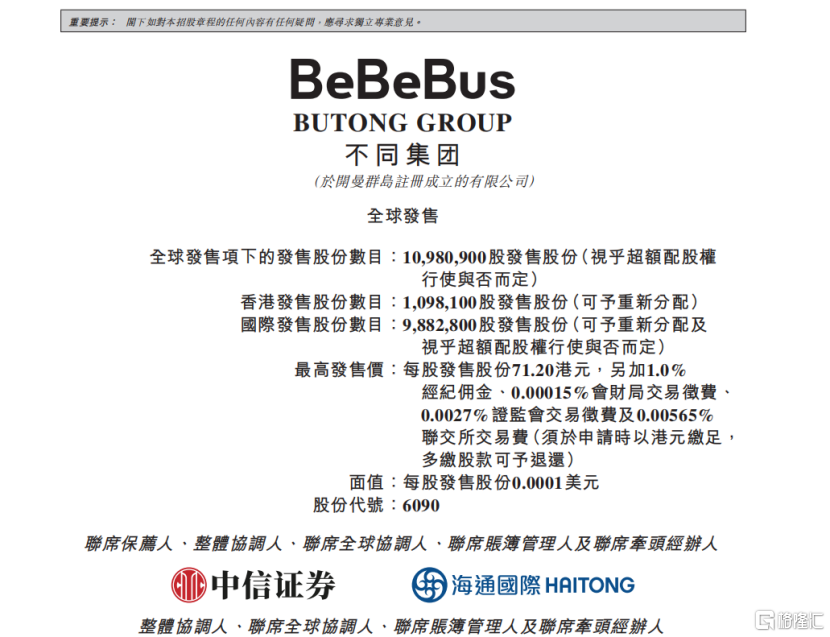
今起招股,BeBeBus母公司不同集团或将于9月23日赴港上市
Guan Cha Zhe Wang· 2025-09-15 10:41
Core Viewpoint - BeBeBus, a high-end maternal and infant brand, is entering a new phase of capitalization with its IPO, aiming to raise funds for global expansion, brand building, and new product development [2] Company Overview - Different Group, the parent company of BeBeBus, was established in 2018 and launched the BeBeBus brand in 2019, focusing on mid-to-high-end parenting products [2] - BeBeBus has become a well-known brand in China's parenting product market within just five years [2] Market Position - BeBeBus ranks first in the durable parenting product sector for mid-to-high-end consumers in China, with a market share of 4.9% based on GMV [2][3] - The mid-to-high-end parenting market is expected to grow to 34 billion yuan in 2024 and surpass 50 billion yuan by 2029, driven by consumption upgrades and supportive fertility policies [2] Financial Performance - Revenue from 2022 to 2024 is projected to be 507 million yuan, 852 million yuan, and 1.249 billion yuan, respectively, showing a gradual slowdown in growth [3] - The revenue growth rate for 2023 is 68%, which is expected to decline to 46.56% in 2024 [3] - Net profit for the same period is forecasted to be -21 million yuan (loss), 27 million yuan, and 59 million yuan, with a significant increase of 228.24% in 2023 due to turning a profit [3] Product Pricing - Average prices for BeBeBus products as of June 30, 2025, include: - Baby strollers and accessories: 1,444 yuan - Child safety seats: 2,183 yuan - Baby carriers: 438 yuan - Sleep scene baby beds: 3,253 yuan - Baby sleeping bags: 213 yuan - Pillows: 257 yuan - High chairs: 730 yuan [4]

BeBeBus通过港交所聆讯,母婴品牌掀起IPO热潮
Guan Cha Zhe Wang· 2025-09-14 03:25
Core Viewpoint - BeBeBus is progressing towards its IPO in Hong Kong, having submitted its prospectus and passed the hearing stage, but faces challenges ahead in the roadshow and pricing process [1][2] Group 1: Company Overview - BeBeBus, established in 2018, has quickly become a well-known brand in China's mid-to-high-end parenting products market, ranking first in durable parenting products by GMV in 2024 [2] - The company reported revenues of 507 million yuan, 852 million yuan, and 1.249 billion yuan for 2022, 2023, and 2024 respectively, showing a growth trend but with a declining growth rate, with 2023 growth at 68% and 2024 at 46.56% [2] - Net profit figures for the same years were -21 million yuan (loss), 27 million yuan, and 59 million yuan, with a significant increase in 2023 due to a turnaround, but a decrease in growth rate to 114.94% in 2024 [2][3] Group 2: Revenue and Growth Analysis - In the first half of 2025, BeBeBus's net profit was 49 million yuan, reflecting a year-on-year growth of 72.14%, but this growth rate has significantly decreased compared to previous years [3] - The sales of high-ticket items in the travel product category, such as strollers and car seats, are under pressure, with average prices for these products being 1,444 yuan, 2,183 yuan, and 4,438 yuan respectively [3][4] - Revenue from travel products for 2022, 2023, and 2024 was 325 million yuan, 474 million yuan, and 571 million yuan, respectively, indicating growth but with a slowing growth rate, particularly for baby carriers and car seats [4][5] Group 3: Industry Trends - Despite a declining birth rate in China, there is a notable trend of upgrading in maternal and infant consumption, leading to a surge in IPOs from various maternal and infant brands in 2025 [6][7] - The IPOs are driven by the urgent financing needs of these brands for marketing, R&D, and expansion, with the capital market currently favorable for such ventures [7][8] - The shift from a "population dividend" to a "value dividend" in the maternal and infant industry is evident, as high-income families are willing to pay for quality and brand, supported by social media influence [8]