
外卖

Search documents
外卖平台集体发声抵制恶性竞争、0元购!港股股价齐上涨
Nan Fang Du Shi Bao· 2025-08-01 07:01
Core Viewpoint - Major food delivery platforms including Meituan, JD.com, Ele.me, and Taobao have collectively committed to resisting disorderly and malicious competition, particularly in response to the recent "subsidy war" [1][5][8]. Group 1: Company Statements - Ele.me and Taobao issued a joint statement emphasizing the need to plan subsidies reasonably based on consumer and merchant needs, while also ensuring merchants' rights to know, choose, and set prices [5][8]. - Meituan stated that it will strictly adhere to various laws and regulations, ensuring that subsidy activities do not involve selling goods and services at prices significantly below cost [5][8]. - JD.com declared its commitment to resisting malicious competition and will not engage in practices like "0 yuan purchases" that distort market dynamics [5][8]. Group 2: Market Reactions - Following the announcements, stock prices for Meituan, JD.com, and Alibaba saw significant increases in the Hong Kong market [1]. - The market capitalization of JD.com is reported at HKD 361 billion, with a trading volume of 8.2073 million shares on August 1 [3]. Group 3: Industry Context - The recent subsidy wars have placed many merchants in a difficult position, with reports indicating that while high subsidies initially boost order volumes, they lead to a decline in average order value once subsidies are withdrawn [5][6]. - Industry associations have called for an end to "involutionary" price wars and urged platforms to stop interfering with merchants' pricing rights, advocating for a focus on food safety and support for small businesses [7][8]. Group 4: Future Implications - The upcoming "first cup of milk tea in autumn" promotion period is anticipated to be a critical time for observing how platforms implement their marketing strategies in light of the recent commitments [9].


美团、淘宝、京东齐发声,补贴大战“急刹车”
第一财经· 2025-08-01 06:28
Core Viewpoint - The article discusses the recent shift in the competitive landscape of food delivery platforms in China, particularly the cessation of aggressive subsidy wars, referred to as "Crazy Saturday," as major players like Meituan, Alibaba's Taobao, Ele.me, and JD.com announce a move towards more regulated promotional practices to combat unfair competition [3][6]. Group 1: Industry Response to Subsidy Wars - On August 1, Meituan, Taobao, Ele.me, and JD.com issued statements to address the rampant subsidies that have drawn public concern, pledging to resist unfair competition [6][8]. - Meituan characterized the recent subsidy competition as "disorderly," while Taobao, Ele.me, and JD.com labeled it as "malicious competition" [6][7]. - The platforms emphasized the importance of respecting merchants' autonomy in pricing and participation in promotional activities, with Meituan stating it would not exaggerate subsidy totals or force merchants into participation [7][8]. Group 2: Impact on Merchants - Merchants have expressed concerns that the subsidy wars have created a "false prosperity," with many feeling pressured to participate in promotions that ultimately harm their profitability [10][13]. - A representative from a major tea brand noted that the drastic reductions in prices due to subsidies have altered consumer behavior, making it difficult to return to normal pricing once subsidies are removed [11][13]. - Merchants fear that the end of subsidies will lead to a significant drop in orders, as customers may not return to previous spending levels [11][13]. Group 3: Regulatory Environment - Following a meeting with the State Administration for Market Regulation, the platforms were urged to comply with various laws and to engage in rational competition to foster a healthy ecosystem for consumers, merchants, and delivery personnel [8][10]. - The platforms have begun to scale back their marketing efforts in response to regulatory pressure, although variations of aggressive subsidies still persist [8][10]. Group 4: Future Outlook - Analysts suggest that while the subsidies have effectively driven traffic, the challenge lies in retaining these customers once the promotions cease [13]. - The competitive landscape is shifting from a "capital war" to an "efficiency war," where long-term success will depend on balancing user demand for low prices, rider rights, and sustainable merchant profitability [13].
美团、淘宝闪购、饿了么、京东官宣!坚决抵制恶性竞争
Sou Hu Cai Jing· 2025-08-01 06:24
Core Viewpoint - Major players in the food delivery industry, including Meituan, Taobao Flash Sale, Ele.me, and JD.com, have collectively emphasized the need to resist malicious competition and promote a healthy industry ecosystem, particularly in light of recent concerns over excessive subsidies and irrational promotional activities [1][2][5]. Group 1: Meituan's Position - Meituan has expressed a strong commitment to regulating promotional behaviors and eliminating unfair competition, aiming to establish a fair and orderly industry environment that benefits all parties involved [1]. - The company has called for industry-wide collaboration to build a healthy ecosystem that supports sustainable development in the food service sector [1]. Group 2: Taobao Flash Sale and Ele.me's Initiatives - Taobao Flash Sale and Ele.me have pledged to resist malicious competition and focus on four key areas, including planning subsidies based on consumer and merchant needs [2]. - They aim to enhance service quality by providing diverse consumption scenarios and improving delivery network efficiency [3]. Group 3: JD.com's Commitment - JD.com has reiterated its stance against irrational promotional activities, such as "0 yuan purchase" schemes, and is committed to creating a transparent subsidy mechanism that allows merchants to operate autonomously [6]. - The company aims to shift the industry focus from competing on subsidies to competing on quality and service, leveraging technology and supply chain innovations to build core competitiveness [6].

美团、淘宝、饿了么、京东,同日发文!
券商中国· 2025-08-01 06:03
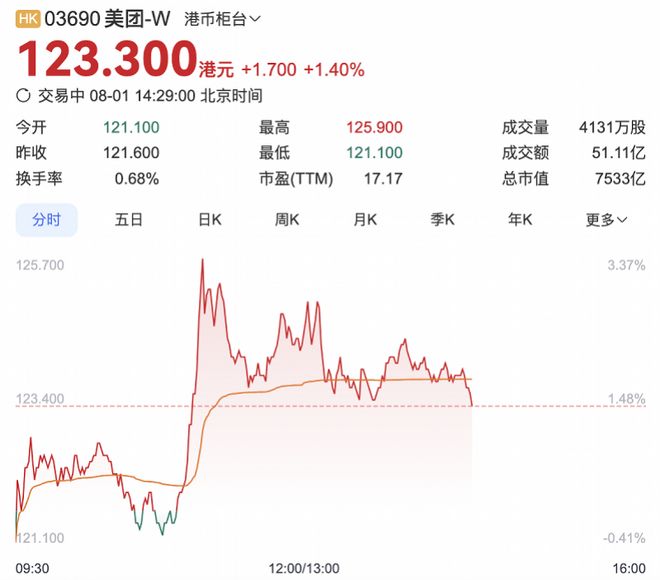
Core Viewpoint - Major companies in the food delivery sector, including Meituan, Taobao, Ele.me, and JD, have united to resist disorderly competition and promote a fair and orderly industry environment, emphasizing mutual benefits and sustainable development [1][2][3] Group 1: Meituan's Commitment - Meituan has pledged to adhere to various laws and regulations, ensuring that subsidy activities do not involve selling goods and services significantly below cost, which distorts price signals and disrupts market order [1] - The company will transparently disclose subsidy information to merchants and consumers, avoiding exaggerated claims about total subsidies [1] - Meituan will not force or indirectly compel merchants to participate in subsidy activities, safeguarding their pricing autonomy [1] - The platform aims to ensure fairness in promotional activities, protecting the interests of small and medium-sized merchants [1] - Meituan is focused on building a win-win ecosystem for consumers, merchants, delivery riders, and platform enterprises [1] Group 2: Taobao and Ele.me's Initiatives - Taobao and Ele.me emphasize the importance of planning subsidies based on consumer and merchant needs, ensuring merchants' rights to be informed, choose, and set prices [2] - The companies are committed to actively resisting malicious competition and irrational promotional activities, such as large-scale "0 yuan purchase" campaigns [2] - They aim to enhance service quality and maintain order in offline operations while fostering a collaborative ecosystem for mutual benefits [2] Group 3: JD's Position - JD has expressed its commitment to standardizing subsidy behaviors and resisting "0 yuan purchase" promotions, which are seen as harmful to the market [3] - The company will maintain a simple and transparent subsidy mechanism, allowing merchants to operate and participate in promotional activities autonomously [3] - JD aims to enhance service quality and promote a healthy ecosystem that benefits consumers, merchants, delivery riders, and the platform [3] Group 4: Market Reaction - Following the announcements on August 1, stock prices for Meituan, Alibaba, and JD saw significant increases, with Meituan rising over 3%, Alibaba over 3%, and JD over 1% during intraday trading [3]


“抵制恶性竞争”,美团、饿了么、京东同日发文,股价大涨!
Mei Ri Jing Ji Xin Wen· 2025-08-01 05:56
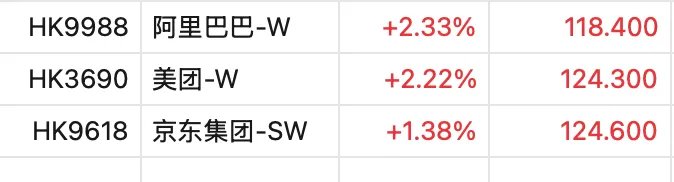
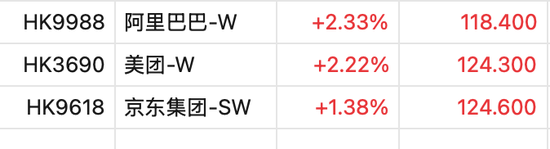
Core Viewpoint - On August 1, major food delivery platforms Meituan, Alibaba, and JD.com experienced stock price increases, with Meituan rising by 2.22%, Alibaba by 2.33%, and JD.com by 1.38%. This surge followed their joint statements calling for the cessation of irrational competition in the industry [1][2][9]. Group 1: Company Statements - Meituan emphasized the need to regulate promotional activities and eliminate unfair competition, aiming to establish a fair and orderly industry environment [2][3]. - Ele.me (part of Alibaba) committed to resisting malicious competition and avoiding large-scale irrational promotional activities like "0 yuan purchase," focusing instead on enhancing service quality and fostering a win-win ecosystem [4][5]. - JD.com reiterated its stance against irrational competition, promising to eliminate "0 yuan purchase" promotions and to create a transparent subsidy mechanism that allows merchants to operate independently [7][8]. Group 2: Market Context - The recent focus on delivery platform subsidies has raised significant public concern, prompting industry associations and merchants to advocate for the end of "0 yuan purchase" promotions, which are seen as detrimental to the market [7][9]. - The collective actions of these companies reflect a broader industry trend towards promoting sustainable competition and protecting the interests of small merchants and consumers [3][4][5].
“抵制恶性竞争”,三家外卖平台同日发文,股价大涨!
Mei Ri Jing Ji Xin Wen· 2025-08-01 05:55
Core Viewpoint - Three major food delivery platforms, Meituan, Alibaba, and JD.com, have jointly called for the cessation of irrational competition, particularly against "0 yuan purchase" promotions, leading to a notable increase in their stock prices on August 1 [1][2]. Group 1: Company Responses - Meituan emphasized the importance of establishing a fair and orderly industry environment, pledging to regulate promotional activities and eliminate unfair competition [2][4]. - Ele.me (part of Alibaba) committed to resisting irrational promotions and enhancing service quality, focusing on consumer and merchant needs [4][5]. - JD.com reiterated its stance against irrational competition, promising to maintain a transparent subsidy mechanism and promote quality over subsidies [7]. Group 2: Market Impact - On August 1, Meituan's stock rose by 2.22%, Alibaba's by 2.33%, and JD.com's by 1.38%, reflecting positive market sentiment following the announcements [1][2]. - The collective statements from these companies indicate a shift towards sustainable practices in the food delivery industry, aiming to foster a healthier competitive landscape [6][7]. Group 3: Industry Implications - The call to action from these platforms highlights the growing concern over excessive subsidies and their impact on market dynamics, which could lead to a more balanced and sustainable growth model in the food delivery sector [3][6]. - The focus on quality and service over aggressive pricing strategies may reshape consumer expectations and business practices within the industry [5][7].
美团、饿了么、京东发文抵制恶性竞争,促进各方互利共赢,此前被市场监管总局约谈
Sou Hu Cai Jing· 2025-08-01 05:55
Core Viewpoint - Major food delivery platforms, including Meituan, Ele.me, and JD.com, have publicly committed to resisting malicious competition and promoting fair promotional practices to establish a healthy industry order and mutual benefits among all parties involved [1][10]. Group 1: Company Commitments - Meituan has pledged to adhere strictly to various laws and regulations, including the Anti-Monopoly Law and the Electronic Commerce Law, ensuring that subsidy activities do not distort market prices or lead to waste [3][4]. - Meituan will transparently disclose subsidy information to merchants and consumers, avoiding exaggerated claims about total subsidies [3]. - The company will not force or indirectly compel merchants to participate in subsidy activities, thereby protecting their pricing autonomy [4]. - Meituan aims to ensure fairness in promotional activities, adhering to a non-discriminatory principle to protect the interests of small and medium-sized merchants [5]. - Ele.me has committed to enhancing service quality and promoting healthy competition based on consumer and merchant needs [6]. - JD.com has also expressed its commitment to standardizing subsidy behaviors and improving service quality to foster a healthy ecosystem in the food delivery industry [8]. Group 2: Market Reactions and Regulatory Context - Following the announcements, Meituan's stock price rose nearly 3%, while Alibaba and JD.com saw increases of over 3% and 1%, respectively [10]. - On July 18, the State Administration for Market Regulation held discussions with Meituan, Ele.me, and JD.com, urging them to comply with relevant laws and to rationally participate in competition [10]. - The competitive landscape has intensified since early this year, with significant investments from major players like JD.com and Alibaba into the food delivery and instant retail markets [11]. Group 3: Industry Challenges - The aggressive subsidy strategies have led to a surge in consumer orders, but they have also distorted the market price system and severely compressed merchant profit margins [15]. - Despite some companies experiencing positive stock performance, the overall stock prices of Alibaba, JD.com, and Meituan have remained weak due to the ongoing subsidy wars [15]. - The phenomenon of "involution" in the industry has prompted calls for the regulation of low-price subsidies to mitigate excessive competition [15][16].
美团、淘宝闪购、饿了么、京东,发文抵制
Sou Hu Cai Jing· 2025-08-01 05:43
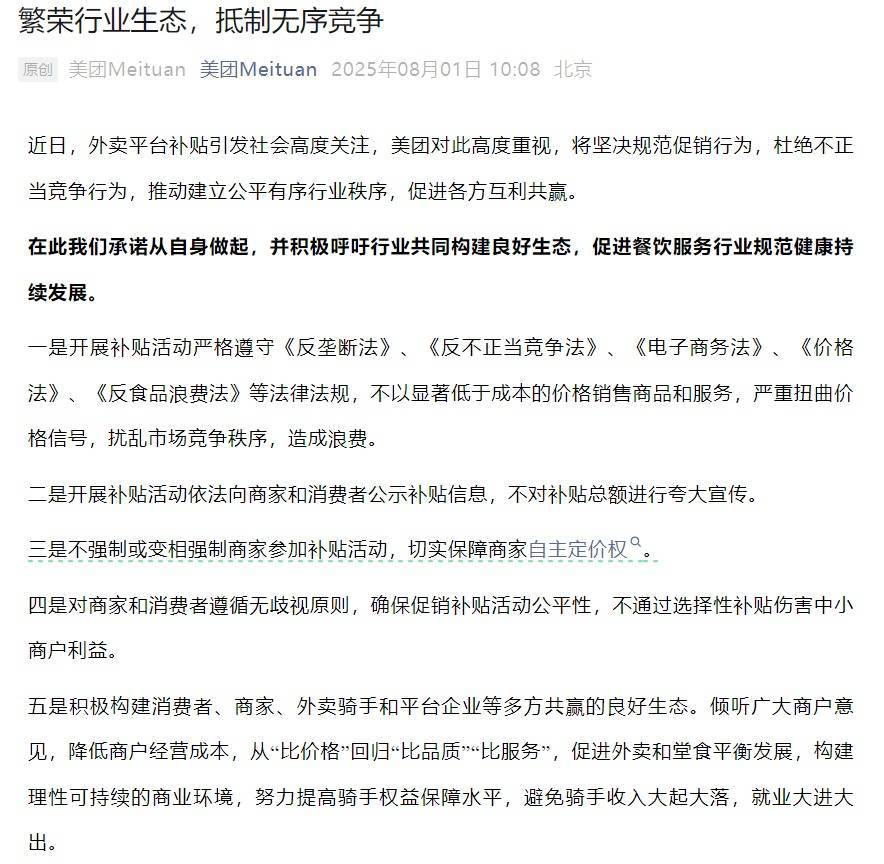
Core Viewpoint - Major companies in the food delivery industry, including Meituan, Taobao, Ele.me, and JD, have collectively committed to resisting malicious competition and promoting fair promotional practices to establish a healthy industry ecosystem and mutual benefits for all parties involved [1][2][3] Group 1: Meituan's Commitment - Meituan emphasizes the importance of adhering to various laws and regulations, including the Anti-Monopoly Law and the Anti-Unfair Competition Law, to avoid selling goods and services at prices significantly below cost, which distorts market signals and disrupts competition [1] - The company pledges to transparently disclose subsidy information to merchants and consumers without exaggerating the total amount of subsidies [1] - Meituan will not force or indirectly compel merchants to participate in subsidy activities, ensuring merchants' autonomy in pricing [1] - The company commits to non-discriminatory practices for merchants and consumers, ensuring fairness in promotional subsidy activities and protecting the interests of small and medium-sized businesses [1] - Meituan aims to create a win-win ecosystem involving consumers, merchants, delivery riders, and platform enterprises [1] Group 2: Taobao and Ele.me's Initiatives - Taobao and Ele.me focus on enhancing service quality and promoting healthy competition by planning subsidies based on consumer and merchant needs, while respecting merchants' rights to information, choice, and pricing [2] - The companies will actively resist malicious competition and irrational promotional activities, such as large-scale "0 yuan purchase" campaigns, to stimulate market consumption potential and innovation [2] - They are committed to improving service quality and fostering a collaborative ecosystem that addresses core issues like merchant participation, product quality, and rider rights through a feedback system [2] Group 3: JD's Position - JD expresses its commitment to regulating subsidy behaviors and resisting harmful competition, particularly against "0 yuan purchase" promotions, to avoid creating market bubbles [3] - The company aims to establish a simple and transparent subsidy mechanism, ensuring that merchants can operate independently and participate in promotional activities voluntarily [3] - JD emphasizes the importance of enhancing service quality and creating a mutually beneficial ecosystem for consumers, merchants, riders, and platforms [3] Group 4: Market Reaction - Following the announcements on August 1, stock prices for Meituan, Alibaba, and JD saw increases, with Meituan rising nearly 3%, Alibaba over 3%, and JD more than 1% during intraday trading [3]
蓝鲸评论|三大电商平台集体“降温”,外卖平台集体划线,真正改变还要看下一步
Sou Hu Cai Jing· 2025-08-01 05:40
Core Viewpoint - Major instant retail platforms, including Meituan, Taobao Flash Sale, Ele.me, and JD, have collectively announced their commitment to resist irrational price wars and return to rational operations, emphasizing the protection of merchant rights and the promotion of orderly industry development [2][3][4]. Group 1: Company Commitments - Meituan has made five key commitments, notably to stop selling goods and services at prices significantly below cost, aiming to avoid market distortion and waste [3][4]. - Taobao Flash Sale and Ele.me have outlined four action paths, including rational planning of subsidy activities and opposing irrational promotions like "0 yuan purchase" to protect merchant profit margins [3][4]. - JD has introduced four measures to regulate platform operations, including resisting harmful subsidies and promoting differentiated competition focused on quality and service [4][5]. Group 2: Regulatory Context - The collective cooling of the price war among these platforms comes in the context of the upcoming implementation of the revised Anti-Unfair Competition Law, which will regulate "involution-style competition" in the platform sector starting October 15, 2025 [4][5]. - The new law explicitly prohibits platforms from forcing merchants to sell at below-cost prices and requires the establishment of fair competition rules and reporting mechanisms for violations [5][6]. Group 3: Market Implications - The platforms' unified stance is seen as a response to long-standing dissatisfaction among merchants and aims to signal a shift away from aggressive price competition towards a focus on quality growth [6][7]. - The effectiveness of these commitments will depend on the platforms' ability to implement transparent subsidy mechanisms and ensure merchant interests are protected, which will be crucial for restoring consumer trust [6][7].
补贴急刹车,外卖平台接连表态!股价直线拉升
2 1 Shi Ji Jing Ji Bao Dao· 2025-08-01 05:29
Core Viewpoint - Multiple food delivery platforms have expressed their commitment to combatting disorderly competition, leading to a rise in stock prices for Meituan and Alibaba, which saw an increase of over 3% during trading [1] Group 1: Company Statements - Meituan published a statement titled "Prospering Industry Ecology, Resisting Disorderly Competition," emphasizing the need to avoid selling goods and services at prices significantly below cost, which distorts price signals and disrupts market order [1] - Alibaba's Taobao Shangu and Ele.me issued a joint statement focusing on enhancing services to promote healthy competition and stimulate consumer activity [1] - JD.com also released a statement highlighting its commitment to fulfilling both corporate and social responsibilities to build a healthy ecosystem within the food delivery industry [1] Group 2: Industry Implications - The collective statements from these companies indicate a unified stance against predatory pricing practices that lead to market waste and unhealthy competition [1] - The emphasis on responsible pricing and competition is expected to foster a more sustainable market environment for the food delivery sector [1]