脑机接口

Search documents
突发跳水!背后,发生了什么?
中国基金报· 2025-08-14 08:07
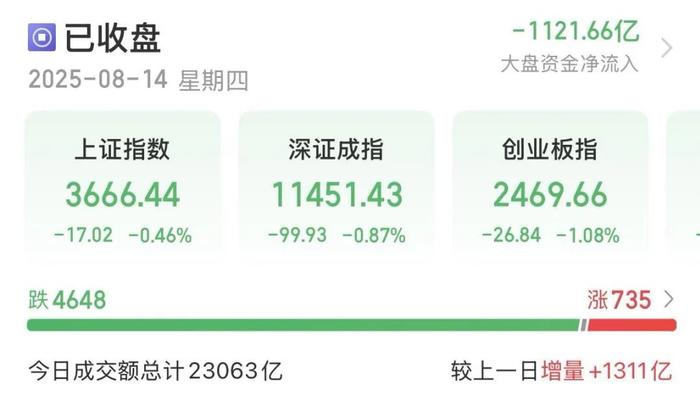
【导读】为何跳水?市场发生了什么? 中国基金报记者 泰勒 大家好啊,今天的市场风云突变,上证指数盘中突破3700点之后,就迅速跳水。同时,超4600只个股下跌。 脑机接口概念股继续活跃,创新医疗封板。 8月14日,A股三大指数 冲高回落, 沪指3700点得而复失。截至收盘, 沪指跌0.46%,深成指跌0.87%,创业板指跌 1.08%。 全市场共735只个股上涨,52只个股涨停,4648只个股下跌。 | 880005 涨跌家数 | | | --- | --- | | 其中 涨停 | 52 | | 涨幅 > 7% | 83 | | 涨幅 5-7% | 43 | | 涨幅 3-5% | 130 | | 涨幅 0-3% | 479 | | 跌幅 0-3% | 3289 | | 跌幅 3-5% | 1080 | | 跌幅 5-7% | 199 | | 跌幅 > 7% | 80 | | 其中 跌停 | 15 | | 上涨家数 | 735 | | 下跌家数 | 4648 | | 平盘停牌 | 41 | | 总品种数 | 5424 | | 总成交额 | 23062.83亿 | | 总成交量 | 152614.8 7 | | ...


沪指盘中突破3700点!这些概念爆发→
Guo Ji Jin Rong Bao· 2025-08-14 08:00
Market Overview - The A-share market experienced a collective decline on August 14, with the Shanghai Composite Index down by 0.46%, the Shenzhen Component Index down by 0.87%, the ChiNext Index down by 1.08%, and the North Star 50 Index down by 1.99% [1] - The total trading volume across the Shanghai, Shenzhen, and Beijing markets reached 23,063 billion yuan, an increase of 1,311 billion yuan compared to the previous day [1] - Over 4,600 stocks in the market saw declines [1] Sector Performance - The digital currency, insurance, and brain-computer interface sectors showed strong performance, while the military equipment and CPO sectors experienced adjustments [4] - The digital currency sector saw all stocks rise, with companies like Hengbao Co., Zhongke Jincai, and Jida Zhengyuan hitting the daily limit [4] - The insurance sector rose, with China Pacific Insurance increasing by over 5% [4] - The brain-computer interface sector continued to strengthen, with stocks like Innovation Medical and Nanjing Panda also hitting the daily limit [4] - The military equipment sector declined, with stocks such as Beifang Changlong, Changcheng Military Industry, and Tianqin Equipment dropping over 7% [4] - The CPO sector adjusted, with companies like Huilv Ecology and Jingwang Electronics also falling over 7% [4] Active Concepts - The data center concept performed actively, with 11 companies hitting the daily limit and 4 stocks achieving consecutive limit-ups, the highest being 6 consecutive days for 4 stocks, including Dayuan Pump and Feilong Co. [4] - The Huawei concept sector had 8 companies hitting the daily limit, with 3 stocks achieving consecutive limit-ups, the highest being 6 consecutive days for 4 stocks, including Hengbao Co. and Honghe Technology [4] - The Belt and Road concept sector also had 8 companies hitting the daily limit, with 4 stocks achieving consecutive limit-ups, the highest being 6 consecutive days for 4 stocks, including Hengbao Co. and Feilong Co. [4]
【A股收评】沪指盘中超3700点,寒武纪继续新高!
Sou Hu Cai Jing· 2025-08-14 07:53
8月14日,三大指数调整,截至收盘,沪指跌0.46%,盘中触及3700点上方,深成指跌0.87%,创业板跌1.08%,科创50指数涨0.75%,两市超700只个股上 涨,沪深两市今日成交额约2.28万亿元。 AI算力概念今日表现不俗,寒王寒武纪(688256.SH)涨超10%,再创历史新高,市值逼近4000亿大关。此外,中科曙光(603019.SH)、海光信息 (688041.SH)、瑞芯微(603893.SH)大涨。 浙商证券最新研报表示,2025年年初,DeepSeek等国产大模型密集发布,掀起新一轮AI浪潮,显著推高算力需求。AI芯片作为上游核心环节,因技术壁垒 高、验证周期长、客户黏性强,呈现寡头格局,具备研发积累和系统集成能力的企业优势显著。寒武纪作为少数具备云端AI芯片量产交付能力的厂商,已 构建涵盖芯片架构、训练推理软件平台、整机系统的全栈方案,产品在互联网、运营商、金融等多个重点行业中落地。2025年一季度,公司营收同比增长 4230.22%,归母净利润实现扭亏为盈,凭借成熟产品矩阵和自研架构,正逐步构筑国产AI"硬件底座"。 脑机接口概念走强,南京熊猫(600775.SH)、创新医疗(002 ...


今天,A股调整,保险板块强势拉升
Sou Hu Cai Jing· 2025-08-14 07:41
Group 1: Market Performance - The computing power and defense sectors experienced significant declines today, with key stocks such as Shenghong Technology, Zhongji Xuchuang, and Tianfu Communication falling in the computing power industry [3] - In the defense sector, companies like China Shipbuilding and military equipment manufacturers saw substantial drops [3] Group 2: Chip Sector Highlights - Leading chip stocks such as Cambricon and Haiguang Information saw notable increases, with Cambricon rising by 10.35% to reach a market capitalization of 397.01 billion yuan, and Haiguang Information increasing by 8.83% to a market cap of 354.44 billion yuan [3] Group 3: Insurance Sector Developments - The insurance sector saw a significant rise, led by China Pacific Insurance, with other major players like New China Life, China Life, and Ping An also experiencing gains [4] - China Ping An increased its stake in China Pacific Insurance by approximately 1.74 million shares at a price of 32.07 HKD per share, totaling around 55.83 million HKD, bringing its ownership to about 5.04% of China Pacific's H-shares [4] - Long-term perspectives suggest that the insurance sector may benefit from policy and market changes, with potential improvements in interest rate spreads on both asset and liability sides [4] Group 4: Brain-Computer Interface Sector Growth - The brain-computer interface sector is gaining momentum, with stocks like Botuo Bio and Innovation Medical seeing significant increases [5] - A joint initiative by several government departments aims to promote the innovation and development of the brain-computer interface industry, with key tasks and projects outlined to enhance the sector's quality by 2027 [5] - The National Healthcare Security Administration has issued guidelines for pricing new neuro-system medical services, paving the way for the clinical application of brain-computer interface technologies [5]

收评:沪指跌0.46%终结8连阳 全市场超4600只个股下跌
Sou Hu Cai Jing· 2025-08-14 07:28
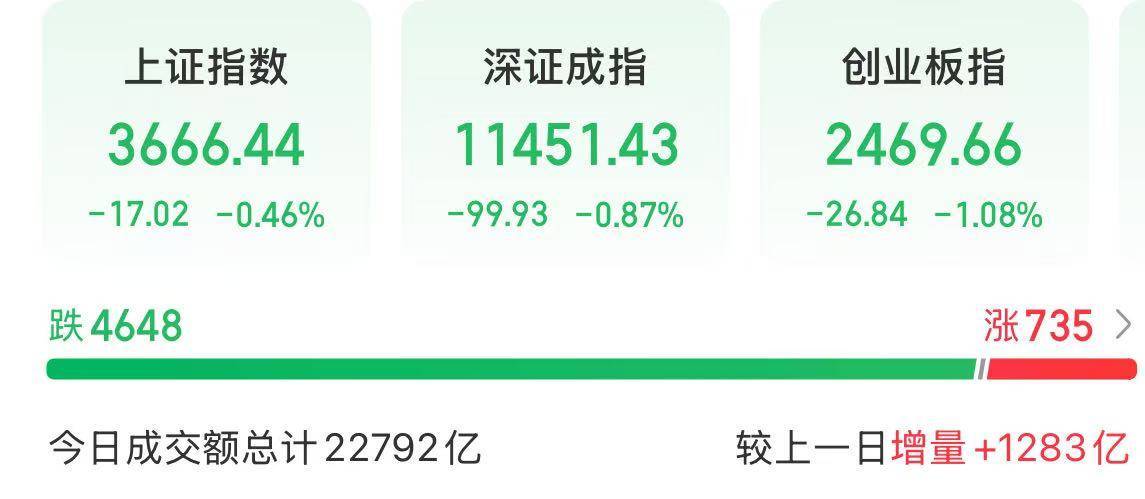
Market Overview - The market experienced fluctuations throughout the day, with the ChiNext Index leading the decline, and the Shanghai Composite Index losing the 3700-point mark, ending an 8-day winning streak [1] - The total trading volume in the Shanghai and Shenzhen markets reached 2.28 trillion, an increase of 128.3 billion compared to the previous trading day [1] - Overall, more than 4600 stocks declined, indicating a broad market downturn [1] Sector Performance - The brain-computer interface concept stocks showed strong fluctuations, with Innovation Medical achieving five consecutive trading limits in eight days [1] - Digital currency concept stocks surged at one point, with Jida Zhengyuan hitting the daily limit [1] - Robotics concept stocks were partially active, with Wolong Electric Drive reaching a historical high [1] - On the downside, military industry stocks collectively adjusted, with Tianqin Equipment dropping over 10% [1] Leading and Lagging Sectors - Sectors with notable gains included insurance, brain-computer interface, digital currency, and electric motors [1] - Sectors that experienced significant declines included military industry, CPO, copper foil, and lithium mining [1] Closing Statistics - At the close, the Shanghai Composite Index fell by 0.46%, the Shenzhen Component Index decreased by 0.87%, and the ChiNext Index dropped by 1.08% [1]
A股三大指数集体收跌,创业板指跌超1%
Feng Huang Wang Cai Jing· 2025-08-14 07:11
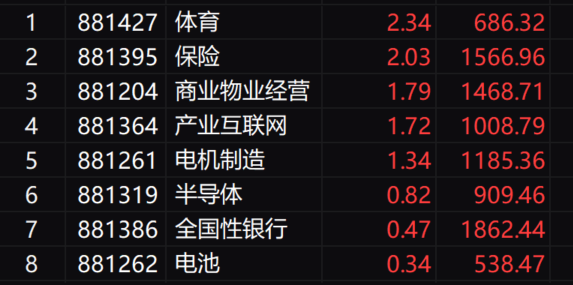
涨停表现 从板块来看,脑机接口概念股震荡走强,创新医疗8天5板。数字货币概念股一度冲高,吉大正元涨停。机器人概念股局部活跃,卧龙电驱涨停创历史新高。 下跌方面,军工股集体调整,天秦装备跌超10%。 | 上涨 735家 | 持平 41家 | 下跌 46483 | | | --- | --- | --- | --- | | 涨停 52家 | 停牌 11家 | 跌停 | 153 | | 市场热度:13 0 | | 两市成交额: 2.28万亿 较上一日: +1283亿 | | | . | | | | | 0 50 | 100 | 今日预测量能: | | | | | 2.28万亿 +1283亿 | | 凤凰网财经讯 8月14日,市场全天震荡调整,创业板指领跌,沪指3700点得而复失,终结8连阳。沪深两市全天成交额2.28万亿,较上个交易日放量1283亿。 盘面上,市场热点较为杂乱,个股跌多涨少,全市场超4600只个股下跌。截至收盘,沪指跌0.46%,深成指跌0.87%,创业板指跌1.08%。 板块方面,保险、脑机接口、数字货币、电机等板块涨幅居前,军工、CPO、铜箔、锂矿等板块跌幅居前。 | 1 | 881427 体育 ...

南京熊猫电子股份拉升超11% 公司A股尾盘涨停 脑机接口领域近期催化密集
Zhi Tong Cai Jing· 2025-08-14 07:01
南京熊猫(600775)电子股份(00553)拉升超11%,公司A股尾盘涨停。截至发稿,涨11.35%,报6.28港 元,成交额8.61亿港元。 中信证券近日指出,随着技术的不断进步和应用场景的扩展,脑机接口的潜力将进一步释放,推动人类 进入一个人与机器深度融合的新时代。该行建议关注:医疗级产品有望快速落地的领先企业;有望推出 消费级脑机产品的公司;具有脑机接口关键技术积累的公司。 消息面上,脑机接口领域近期催化密集。工信部等七部门此前联合发文《关于推动脑机接口产业创新发 展的实施意见》,提出到2027年,实现脑机接口关键技术突破,初步构建先进技术体系、产业体系与标 准体系,电极、芯片及整机产品性能达到国际先进水平,并在工业制造、医疗健康、生活消费等领域加 快应用。此外,海外脑机接口重要催化不断,继苹果之后,OpenAI也进军脑机接口。 ...

港股异动 | 南京熊猫电子股份(00553)拉升超11% 公司A股尾盘涨停 脑机接口领域近期催化密集
智通财经网· 2025-08-14 06:59
中信证券近日指出,随着技术的不断进步和应用场景的扩展,脑机接口的潜力将进一步释放,推动人类 进入一个人与机器深度融合的新时代。该行建议关注:医疗级产品有望快速落地的领先企业;有望推出 消费级脑机产品的公司;具有脑机接口关键技术积累的公司。 消息面上,脑机接口领域近期催化密集。工信部等七部门此前联合发文《关于推动脑机接口产业创新发 展的实施意见》,提出到2027年,实现脑机接口关键技术突破,初步构建先进技术体系、产业体系与标 准体系,电极、芯片及整机产品性能达到国际先进水平,并在工业制造、医疗健康、生活消费等领域加 快应用。此外,海外脑机接口重要催化不断,继苹果之后,OpenAI也进军脑机接口。 智通财经APP获悉,南京熊猫电子股份(00553)拉升超11%,公司A股尾盘涨停。截至发稿,涨11.35%, 报6.28港元,成交额8.61亿港元。 ...
脑机接口板块短线拉升,南京熊猫涨停
Mei Ri Jing Ji Xin Wen· 2025-08-14 06:37
Group 1 - The brain-computer interface sector experienced a short-term surge, with Nanjing Panda hitting the daily limit up [1] - Innovation Medical and Botao Bio previously reached their daily limit up, while Sanbo Neuroscience rose over 10% [1] - Other companies such as Beiyikang, Chengyitong, Zhongke Information, Qisheng Technology, and Rongtai Health also saw gains [1]
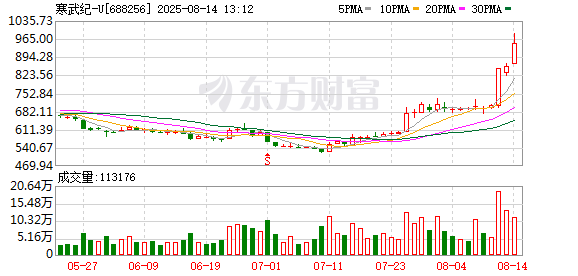
688256,逼近“千元股”
Shang Hai Zheng Quan Bao· 2025-08-14 05:12
Market Overview - The Shanghai Composite Index broke through 3700 points for the first time since December 2021, with a midday increase of 0.20% [2] - The total trading volume across the Shanghai, Shenzhen, and Beijing markets reached 1.4313 trillion CNY, an increase of 103 billion CNY from the previous day [2] Semiconductor Sector - Semiconductor stocks showed strong performance, with notable gains from companies such as Longtu Photo Mask (+17.22%), Haiguang Information (+9.97%), and Cambricon Technologies (+9.89%) [4][5] - Cambricon Technologies reached a historical high with a market capitalization exceeding 400 billion CNY, with its stock price hitting 985 CNY during trading [6][8] Brain-Computer Interface Sector - Brain-computer interface concept stocks experienced a surge, with companies like Innovent Medical hitting the daily limit for the fifth time in eight days [12][13] - A report by the China Academy of Information and Communications Technology highlighted the significant potential of brain-computer interface technology, predicting rapid advancements and applications in various fields by 2027 [13] Insurance Sector - The insurance sector led the market with a 2.74% increase, driven by companies such as China Pacific Insurance (+4.66%) and New China Life Insurance (+3.53%) [16] - China Ping An's recent acquisition of approximately 1.74 million shares of China Pacific Insurance indicates a strategic financial investment, reflecting confidence in the insurance sector's growth potential [18] - Analysts expect the insurance sector to benefit from improved asset-liability management and favorable market conditions, enhancing long-term investment value [19][20]