
服务消费

Search documents
50城将试点建设消费新场景
21世纪经济报道· 2025-09-17 14:39
Core Viewpoint - The article discusses the recent policies introduced by the Chinese government to expand service consumption, highlighting a shift towards service-oriented consumption as the economy matures, with a focus on attracting quality service resources through both domestic and international openings [1][10]. Group 1: Policy Measures - The Ministry of Commerce has announced over 30 policy documents aimed at establishing a "1+N" policy system for service consumption, which includes high-quality development in the accommodation industry and integration of railways and tourism [1][5]. - The measures include 19 specific tasks across various sectors such as cultural venues, sports events, education, high-end medical services, and leisure tourism, indicating a broad scope of policy support for service consumption industries [1][6]. Group 2: Economic Context - China's per capita GDP has surpassed $13,000, indicating that the country is entering a rapid growth phase in service consumption, which typically accelerates when GDP reaches around $15,000 [1][9]. - The proportion of per capita service consumption expenditure is projected to reach 46.1% by 2024, suggesting significant room for growth compared to developed countries [9]. Group 3: Technological Integration - The article emphasizes the rise of "AI + consumption" applications, showcasing the market potential for new service consumption models driven by technology such as 5G, IoT, and big data [6][7]. - Notable examples include the sales of over 19,000 robots and related products during a recent event, indicating a strong market for AI-driven services in hospitality and events [6][7]. Group 4: International and Domestic Opening - The government aims to balance international openness with domestic deregulation, proposing to ease restrictions in high-end medical and leisure sectors to attract foreign investment and private capital [10][11]. - The measures also include enhancing the convenience of services for inbound tourists, with projections of 1.3 billion inbound visitors and $94.2 billion in total spending by 2024, reflecting a significant increase from 2023 [10][11].

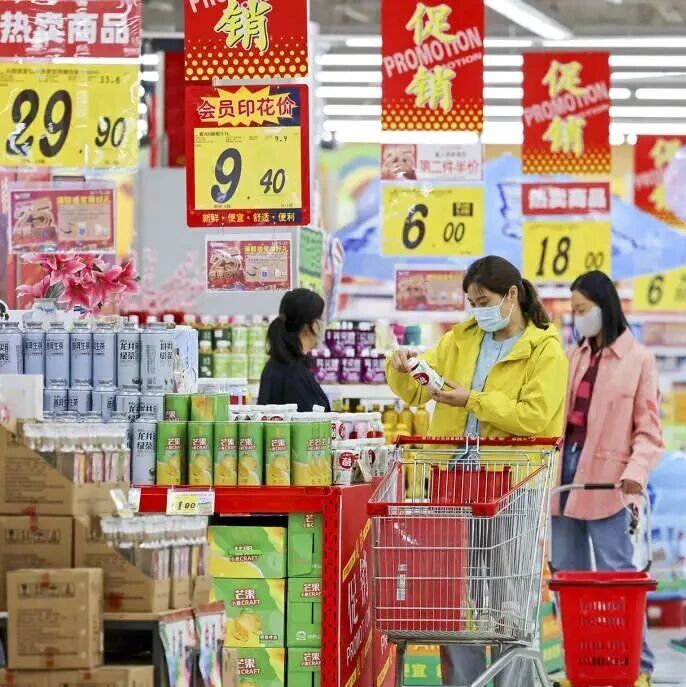
关于扩大服务消费 四部门发声
Zhong Guo Zheng Quan Bao· 2025-09-17 14:31
9月17日,在国新办举行的新闻发布会上,商务部副部长盛秋平、国家发展改革委就业收入分配和消费 司司长吴越涛、商务部服务贸易和商贸服务业司司长孔德军、文化和旅游部产业发展司司长缪沐阳、中 国人民银行信贷市场司负责人杨虹介绍扩大服务消费有关政策措施。 商务部:将出台住宿业高质量发展、铁路与旅游融合发展等系列政策文件 盛秋平表示,下一步,商务部将与相关部门加强横向协作、纵向联动,落实落细相关政策措施,释放服 务消费潜力,为增进民生福祉、推动高质量发展作出积极贡献。 孔德军表示,下一步,商务部将通过竞争性评审方式在全国选择50个左右人口基数大、带动作用强、发 展潜力好的消费新业态新模式新场景试点城市,增加优质消费供给,创新和丰富多元化消费场景,推动 新的消费业态不断涌现、消费活力进一步提升,更好满足人民群众多样化、差异化消费需求,为经济高 质量发展提供有力支撑。 此外,孔德军透露,商务部还会出台住宿业高质量发展、铁路与旅游融合发展等一系列的政策文件,形 成政策"组合拳"。初步统计,围绕建立服务消费"1+N"政策体系,相关部门目前已经出台了30多项政策 文件。 国家发展改革委:推动人工智能在服务消费等领域加快应用 吴越 ...
9部门发文扩大服务消费 商务部:服务消费将成为主导型消费
Zhong Guo Jing Ying Bao· 2025-09-17 14:00
旅游市场亮点纷呈,演唱会、音乐节广受欢迎,"苏超""村BA"等群众赛事"火爆出圈"……近年来,服 务消费已成为推动我国消费市场增长的重要力量。 9月16日,商务部、国家发展改革委等9部门联合印发《关于扩大服务消费的若干政策措施》,提出5方 面19项主要举措,将为当前火热的服务消费"再添一把火"。 在9月17日国新办举行的新闻发布会上,商务部、国家发展改革委、人民银行、文化和旅游部相关负责 人对扩大服务消费的政策亮点进行了深入解读。 商务部副部长盛秋平介绍,在培育服务消费促进平台方面,将持续实施服务消费提质惠民行动,开 展"服务消费季"等活动,培育服务消费品牌;支持首发经济,创新多元化服务消费场景,推进优质消费 资源与知名IP跨界合作,促进商旅文体健融合发展。 值得关注的是,我国首次提出建设消费新业态、新模式、新场景试点城市。 商务部服务贸易和商贸服务业司司长孔德军表示,下一步商务部将通过竞争性评审方式,在全国选择约 50个人口基数大、带动作用强、发展潜力好的城市,打造消费新业态、新模式、新场景,增加优质消费 供给,创新多元化消费场景,推动新业态不断涌现、消费活力持续提升,更好满足人民群众多样化、差 异化的需求 ...
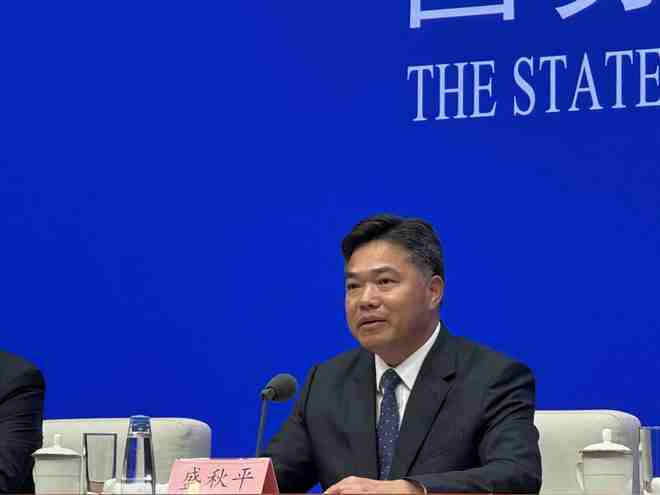
选取50城开展试点,推动消费新业态新模式新场景涌现
Di Yi Cai Jing· 2025-09-17 13:31
Group 1: Core Insights - The innovation and development in the consumption sector have become a focal point, with service consumption emerging as a key driver for market growth and a crucial tool for expanding domestic demand [1][2] - The Ministry of Commerce and nine other departments released a policy document on September 16, outlining 19 specific measures to promote service consumption, focusing on five areas including nurturing platforms and enhancing service supply [1][2] - The document emphasizes three main principles: combining benefits for people's livelihoods with consumption promotion, optimizing supply while stimulating demand, and balancing domestic and foreign openness [1] Group 2: Pilot Cities and New Consumption Models - The policy measures propose the establishment of pilot cities for new consumption formats, aiming to develop innovative service consumption scenarios and support cross-industry collaborations [2] - Approximately 50 pilot cities will be selected based on population size, potential for impact, and development prospects to enhance quality consumption supply and stimulate diverse consumption scenarios [2] Group 3: Quality Service Supply Enhancement - Expanding service consumption requires not only stimulating demand but also providing high-quality service supply, with initiatives aimed at upgrading service quality across various sectors [3] - The government plans to implement actions to enhance service quality, including promoting AI applications in service sectors and fostering a good environment for market activity [3] Group 4: Cultural and Tourism Product Development - The policy measures highlight the need to cultivate cultural activities and events, optimize cultural product supply, and leverage traditional cultural IP for new service consumption scenarios [4][5] - The Ministry of Culture and Tourism aims to improve tourism services and experiences, with significant financial commitments made during recent industry expos [5] Group 5: Financial Support for Service Consumption - The policy document outlines the use of monetary and credit policies to support financial institutions in expanding credit for service consumption, with a focus on innovative financial products tailored to the sector [7][8] - As of July, the loan balance in key service consumption areas reached 2.79 trillion yuan, reflecting a year-on-year growth of 5.3%, indicating strong financial backing for the sector [7][8]
大消费出大利好,细分板块机构各有盘算!
Sou Hu Cai Jing· 2025-09-17 11:47
Group 1 - The new policy document includes 19 measures across five areas, addressing key pain points in the current consumption market, such as extending operating hours for cultural institutions and optimizing statistical monitoring systems [1] - Historical experience indicates a time lag and divergence between policy benefits and market performance, as seen in previous similar policies where some stocks surged while others fell back [3] Group 2 - The investment strategy emphasizes "timely stock rotation" over "blind holding," suggesting that investors should learn to make choices rather than gamble [4] - The strategy advises against focusing on market trends, price fluctuations, and static valuations, advocating for a data-driven approach to investment decisions [4] Group 3 - The presence of institutional funds is crucial for validating stock price movements; a rebound without institutional participation is deemed unsustainable [6] - Observing institutional trading patterns can provide insights into market sentiment, with active institutional involvement indicating a more stable investment environment [9][10] Group 4 - The new service consumption policy is expected to create investment opportunities, but discerning genuine opportunities requires careful analysis of institutional involvement [13] - Investors are encouraged to avoid chasing policy-driven stocks immediately and instead focus on the sustained engagement of institutional funds [14]
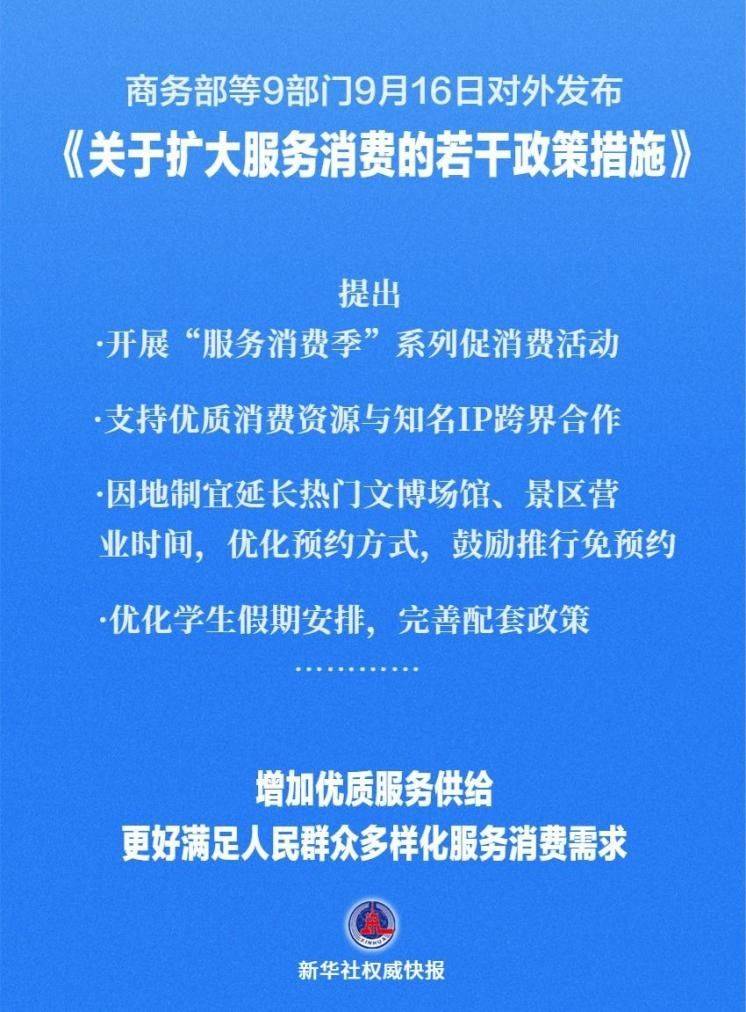
商务部:从供需两端协同发力 持续完善服务消费支持政策
Qi Huo Ri Bao Wang· 2025-09-17 11:44
Core Viewpoint - The Chinese government is actively promoting service consumption as a key driver for economic growth, with a comprehensive policy framework established to enhance service consumption quality and accessibility [1][2]. Group 1: Policy Framework - The State Council issued the "Opinions on Promoting High-Quality Development of Service Consumption" in August last year, which serves as the foundational document for service consumption initiatives [2]. - The Ministry of Commerce has established a cross-departmental working mechanism to implement the policies outlined in the "Opinions," creating a "1+N" policy system for service consumption [1][2]. Group 2: Service Consumption Statistics - In the previous year, the per capita expenditure on service consumption accounted for 46.1% of total per capita consumption, contributing 63% to overall consumption growth [2]. - From January to August this year, service retail sales increased by 5.1%, outpacing the growth of goods retail sales by 0.3 percentage points [2]. Group 3: Development Focus Areas - The government is focusing on three main areas: addressing weaknesses in basic service consumption, promoting the integration of business, tourism, culture, and sports, and accelerating the growth of new service consumption through digital and green initiatives [2]. - There is significant potential for growth in sectors such as entertainment, tourism, transportation, health, and elder care, indicating a shift towards service consumption becoming a dominant form of consumption [2].
关于扩大服务消费,四部门发声
Zhong Guo Zheng Quan Bao· 2025-09-17 11:39
9月17日,在国新办举行的新闻发布会上,商务部副部长盛秋平、国家发展改革委就业收入分配和消费 司司长吴越涛、商务部服务贸易和商贸服务业司司长孔德军、文化和旅游部产业发展司司长缪沐阳、中 国人民银行信贷市场司负责人杨虹介绍扩大服务消费有关政策措施。 商务部:将出台住宿业高质量发展、 铁路与旅游融合发展等系列政策文件 此外,孔德军透露,商务部还会出台住宿业高质量发展、铁路与旅游融合发展等一系列的政策文件,形 成政策"组合拳"。初步统计,围绕建立服务消费"1+N"政策体系,相关部门目前已经出台了30多项政策 文件。 国家发展改革委: 推动人工智能在服务消费等领域加快应用 吴越涛表示,国家发展改革委将重点从三方面促进服务供给提质扩容。 推动企业向"新",激发创新动能。深入实施"人工智能+"行动,推动人工智能在服务消费等领域加快应 用,赋能大中小各类服务企业。深化线上线下(300959)、商旅文体健多业态消费融合,鼓励企业打造 消费新场景、拓展消费新体验、挖掘消费新需求。 推动市场向"活",营造良好环境。扎实推进统一大市场建设,清理整治市场准入壁垒,为各类企业特别 是中小企业营造公平的市场准入环境。发挥好与民营企业常态 ...
商务部:进一步发挥政策合力 促进服务消费高质量发展
Qi Huo Ri Bao Wang· 2025-09-17 11:37
盛秋平表示,下一步,商务部将与相关部门加强横向协作、纵向联动,落实落细相关政策措施,释放服 务消费潜力,为增进民生福祉、推动高质量发展作出积极贡献。 期货日报网讯(记者 杨美 见习记者 肖佳煊)9月17日下午,国务院新闻办公室举行新闻发布会,介绍 扩大服务消费有关政策措施。发布会上,商务部副部长盛秋平表示,近年来,我国消费市场规模稳步扩 大,消费结构持续优化,消费潜能加速释放,服务消费表现亮眼,国际消费中心城市入境旅客成倍增 长,旅游市场亮点纷呈。但与此同时,我国服务消费领域供给质量仍需提高,一些领域消费体验有待提 升,需要进一步发挥政策合力,促进服务消费高质量发展。 盛秋平介绍,近日商务部会同国家发展改革委、文化和旅游部、中国人民银行等9部门印发的《关于扩 大服务消费的若干政策措施》,共提出5个方面19项任务举措。一是培育服务消费促进平台。二是丰富 高品质服务供给。将扩大服务业高水平对外开放,将更多服务消费领域纳入《鼓励外商投资产业目 录》,以开放优化供给,以供给创造需求等。三是激发服务消费新增量。将有序扩大单方面免签国家范 围、优化完善区域性入境免签政策,鼓励电商平台创新线上线下融合的数字服务消费场景,打 ...
商务部:将在50个左右城市试点开展服务消费“新探索”
Xin Jing Bao· 2025-09-17 10:30
Core Viewpoint - The Ministry of Commerce and nine other departments have issued a set of policy measures aimed at expanding service consumption, which includes 19 tasks across five areas, benefiting the general public [1] Group 1: Policy Measures - The policy measures support kindergartens to enroll children aged 2-3, explore spring and autumn breaks for primary and secondary schools, and extend operating hours for popular cultural and tourist venues [1] - The measures also encourage local governments to host public sports events and facilitate the issuance of five-year multiple-entry visas for eligible foreign visitors [1] - The Ministry of Commerce plans to select around 50 pilot cities with large populations and strong development potential to explore new consumption models through competitive evaluation [2] Group 2: Cultural and Tourism Consumption - Cultural and tourism consumption is highlighted as a significant component of service consumption, with initiatives to extend operating hours for popular venues and promote "no reservation" policies [3] - The Ministry of Culture and Tourism aims to enhance tourism service quality and consumer experience, focusing on industrial, red, and rural tourism, as well as developing new consumption hotspots [3] - The promotion of international tourism includes initiatives like "Hello! China" and "Happy Spring Festival" to attract more foreign tourists, along with the establishment of tax refund stores in tourist areas [4] Group 3: National Consumption Month - During the National Day and Mid-Autumn Festival, over 3.3 billion yuan in consumption subsidies will be distributed across various regions to stimulate cultural and tourism consumption [5] - The "Cultural and Tourism Consumption Month" will feature over 25,000 events, including concerts, music festivals, and exhibitions, to enhance consumer engagement [6] - Local governments will implement unique cultural and tourism activities, with initiatives like "Follow the Performance to Travel" and "Museum Night" to promote regional tourism [6]
九部门发布19条举措加力扩大服务消费
Chang Jiang Shang Bao· 2025-09-17 03:35
国家统计局日前发布的数据显示,8月份,社会消费品零售总额39668亿元,同比增长3.4%;环比 增长0.17%。从消费类型来看,商品零售额增长3.6%,同比增速有所放缓,餐饮收入增长2.1%,同比增 速相对6月、7月略有改善,但是也处于低位增长。 长江商报奔腾新闻记者 李璟 服务消费是促进民生改善的重要支撑,也是消费转型升级的重要方向,在推动经济高质量发展中发 挥重要作用。 9月16日,商务部等9个部门联合印发《关于扩大服务消费的若干政策措施》(简称《政策措 施》),全面贯彻落实党中央、国务院决策部署,更大力度提振消费、扩大内需,促进民生改善和消费 转型升级,积极培育服务消费新的增长点,为推动经济高质量发展提供有力支撑。 值得注意的是,服务消费保持较快增长,暑期服务消费热度较高。1-8月份,服务零售额同比增长 5.1%。扩大服务消费新举措的及时出台,或将对下个阶段的服务消费起到明显拉动作用。 《政策措施》从5方面19条具体任务措施,在培育服务消费促进平台方面,实施服务消费提质惠民 行动,从加强政策支持、搭建平台载体、扩大对外开放、强化标准引领、优化消费环境等方面提出工作 举措。开展消费新业态新模式新场景建设, ...