餐饮业

Search documents
二〇二一年以来企业总数增幅超36% 福建聚焦“四个公平”激发市场活力
Jing Ji Ri Bao· 2025-10-12 22:04
Group 1 - The total number of enterprises in Fujian has steadily increased from 1.5502 million at the beginning of 2021 to 2.1122 million by the end of August this year, representing a growth of over 36% [1] - The number of enterprises per thousand people has risen from 37.32 to 50.38 [1] - The Fujian provincial government has prioritized the improvement of the business environment, with a focus on optimizing the environment for high-quality development [1] Group 2 - Fujian's reform of convenience in market access and operation is a key strategy for optimizing the business environment [2] - The first case of "individual to enterprise" transformation in Fuzhou was completed in less than one working day, significantly faster than the previous one-week processing time [2] - Fujian has implemented a direct change registration model for individual businesses transitioning to enterprises, with a total of 3,730 registrations completed this year, a year-on-year increase of 338% [2]
年轻人钟情市井“烟火气” 街巷小店焕新机
Zhong Guo Xin Wen Wang· 2025-10-12 08:06
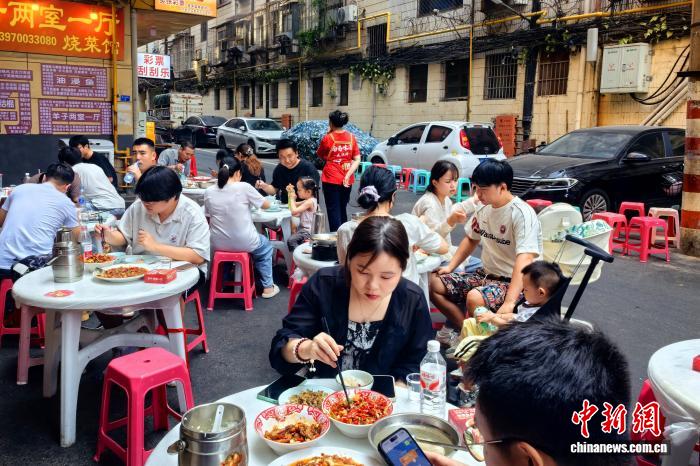
Core Insights - The travel preferences of young people are shifting towards local street food and authentic experiences, moving away from traditional tourist attractions [1][3][4] - Street vendors and small shops are becoming popular destinations for young travelers seeking genuine local culture and community connection [3][4] Group 1: Changing Travel Trends - Young travelers are increasingly favoring "smoky atmosphere" locations over popular tourist spots, as they seek authentic experiences [1][3] - Tourists are now prioritizing local food experiences, with many opting to explore neighborhoods and local eateries to understand the city's true essence [3] Group 2: Economic Impact - During the recent National Day and Mid-Autumn Festival holidays, small food shops experienced a surge in demand, with some selling over a thousand servings in a single day [3] - Data from Dazhong Dianping indicates a significant increase in traffic for local food rankings during the holidays, leading to a rise in orders for featured small shops [3] Group 3: Urban Development Initiatives - Various cities are promoting the development of street food and small shops to cater to the changing preferences of young consumers [4] - Initiatives include creating immersive experiences in nightlife and enhancing the functionality of street areas to attract more visitors [4] Group 4: Social and Psychological Factors - The trend towards seeking "smoky atmosphere" reflects a deeper search for meaning, social connection, and emotional comfort among young people [4] - Street shops are encouraged to evolve from mere selling points to spaces that foster consumption, social interaction, and emotional connections [4]

广州“双节”后的盘点与思考
Sou Hu Cai Jing· 2025-10-12 01:18
Group 1 - The core viewpoint highlights that Guangzhou ranked tenth among cities for tourism consumption during the National Day and Mid-Autumn Festival holidays, with a total of 17.38 million visitors and a tourism consumption of 15.65 billion yuan [1] - Notable sales figures include a more than 30% year-on-year increase in gold bar sales and over 50% growth in gold jewelry sales, indicating a strong consumer interest in gold during the holiday period [1] - Guangzhou's online food delivery orders also ranked in the top 10 on a popular platform, reflecting a significant boost in the local food and beverage sector during the holidays [1] Group 2 - There were over 10,714 consumer complaints and reports of economic violations received by market regulation departments in Guangzhou from October 1 to 8, with 8,024 being consumer complaints [2] - Specific food safety issues were identified in food inspections, including the presence of Listeria in chicken and excessive antibiotic residues in eel, raising concerns about food safety during the holiday consumption surge [2] - The article emphasizes the need for reflection on the consumption economy, highlighting the mismatch between high consumer traffic and limited quality supply, suggesting that implementing paid leave could help alleviate this issue [2] Group 3 - The high number of complaints indicates significant issues in the tourism and consumption sectors, with potential price gouging and substandard products being prevalent [3] - The effectiveness of regulatory measures and the timeliness of penalties are questioned, suggesting that weak enforcement may contribute to consumer exploitation [3] - The article calls for transparency in handling complaints and the publication of significant cases to prevent a repeat of high complaint numbers in future holiday seasons [3]
每天200万人出境游,都去了哪里?
36氪· 2025-10-11 13:35
Core Insights - The article highlights the contrasting trends in outbound tourism from China during the National Day holiday, with Japan experiencing a surge in popularity while Thailand faces a significant decline in tourist interest [4][5][10]. Group 1: Japan's Tourism Boom - Japan has become the top destination for Chinese tourists during the National Day holiday, with search interest nearly doubling compared to the previous year [5]. - Data from JINTO indicates that from January to August 2025, the number of visitors from China to Japan reached 671.26 million, marking a 46.1% increase from the same period in 2024 [7]. - The overall inbound tourism market in Japan is diversifying, with significant growth from emerging markets such as Indonesia (77.8% increase) and Russia (100% increase) [6][8]. Group 2: Thailand's Tourism Decline - Thailand's appeal to Chinese tourists has waned, with only 3.3 million visitors from China from January to September 2025, a 35% drop compared to the previous year [10]. - Safety concerns, including fears of scams and crime, have been cited as major factors contributing to the decline in tourist confidence in Thailand [12]. - Despite promotional efforts by the Thai tourism board, forecasts suggest a continued decrease in Chinese visitors during the holiday period [10]. Group 3: Changing Consumer Behavior - Chinese tourists are increasingly prioritizing value for money, leading to a shift from high-spending shopping sprees to more budget-conscious travel experiences [15][16]. - The average spending per tourist in Japan has slightly decreased, reflecting a change in consumer preferences towards more affordable shopping options [16]. - The trend towards rational consumption is expected to continue, with tourists focusing on experiences rather than luxury goods [19]. Group 4: Destination Decentralization and Experience - The rise of "decentralization" in tourism is evident, with travelers exploring lesser-known destinations in Japan, such as Fukuoka and Izu Peninsula, which have seen significant increases in search interest [21][23]. - The demand for deep experiential travel is growing, with destinations that offer unique cultural experiences gaining popularity [20][24]. - This trend is not limited to Japan, as similar patterns are observed globally, with travelers seeking more meaningful and personalized travel experiences [20][24]. Group 5: Opportunities for Chinese Enterprises - Chinese companies are increasingly establishing a comprehensive service ecosystem in Japan, covering all aspects of the travel experience from transportation to payment solutions [30][32]. - The restaurant sector is benefiting from the influx of tourists, with significant growth reported by local dining establishments due to increased group bookings [32]. - However, challenges such as labor shortages and high operational costs in Japan pose significant hurdles for Chinese enterprises looking to expand [37][40].

双节期间湖北消费市场供需两旺
Shang Wu Bu Wang Zhan· 2025-10-11 09:12
Core Insights - During the National Day and Mid-Autumn Festival holiday, the retail and catering industries in Hubei province achieved a total transaction amount exceeding 50 billion, reaching 52.606 billion [1] Retail Industry - The cumulative transaction amount for the retail industry was 45.672 billion [1] - Online retail sales in the province amounted to 10.32 billion, with a year-on-year growth of 15.3% [1] - Specific growth rates in online retail categories include: - Computers and related products increased by 24.3% [1] - Furniture grew by 23.8% [1] - Grain and oil food products rose by 20.9% [1] Catering Industry - The cumulative transaction amount for the catering industry was 6.934 billion [1]
发布川菜十大关键词,第八届世界川菜大会将在乐山举办
Bei Ke Cai Jing· 2025-10-11 03:16
Core Points - The 8th World Sichuan Cuisine Conference will be held from October 31 to November 2, 2025, in Leshan, focusing on promoting the globalization of Sichuan cuisine [1][2] - The conference will feature the release of several key reports, including the "2025 Global Sichuan Cuisine Recommended List" and the "2025 Sichuan Snack Industry Development Report" [2] Group 1 - The conference is organized by the World Federation of Chinese Catering and supported by various governmental bodies, highlighting its significance in the culinary industry [1] - Over 10 thematic activities will be launched during the conference, including a global Sichuan industry development summit and an international premium ingredient exchange meeting, focusing on industry trends such as AI empowerment and supply chain upgrades [1][2] Group 2 - Leshan is actively working to establish itself as a "World Food Capital," with plans to develop food and beverage industrial parks and cultivate talent in the restaurant industry [2] - The city aims to upgrade its top ten food streets and establish a high-standard food museum, while also developing food-related tourism routes [2]
综述:双节叠加 热闹非凡——国庆中秋假期香港旅游市场欣欣向荣
Xin Hua Wang· 2025-10-10 03:10
Group 1: Tourism Performance - During the eight-day "super golden week" of the National Day and Mid-Autumn Festival, Hong Kong recorded over 1.4 million inbound travelers from mainland China [1] - The hotel booking data showed significant growth in both the number of nights booked and average prices compared to the previous year [1] - The average daily revenue of the restaurant industry during the holiday reached nearly 300 million HKD, reflecting a 10% year-on-year increase [1] Group 2: Consumer Market Dynamics - Hong Kong remains a top destination for high-net-worth individuals from mainland China during the holiday period, aided by policies that enhance tax exemptions on luggage [2] - Popular shopping districts like Tsim Sha Tsui and Causeway Bay saw a 12% increase in foot traffic and nearly a 20% rise in traveler spending compared to last year [2] - The "new Chinese-style" consumption trend is on the rise, with luxury brands and promotional activities driving consumer engagement [2] Group 3: Cultural and Recreational Activities - The holiday featured a variety of cultural and recreational activities, including fireworks displays and traditional performances, enhancing the overall visitor experience [3] - Eco-tourism gained popularity, with one tour company reporting a record of 700 participants in a single day during the holiday [3] - The "Kowloon Walled City Light and Shadow Tour" attracted significant interest, showcasing historical scenes that resonated with visitors [3] Group 4: Government Initiatives and Future Outlook - The Hong Kong government implemented cross-departmental collaboration to enhance the travel experience, including real-time updates on crowd conditions at popular attractions [6] - Plans are in place to develop nine tourism hotspots and promote industrial tourism, with new routes expected to launch by the end of the year [6] - The government aims to maximize the economic benefits of major events and encourage longer stays and repeat visits from travelers [6]
两个菜收661退回400?和稀泥式处理要不得
Nan Fang Du Shi Bao· 2025-10-09 14:48
Core Points - A consumer complaint regarding a seafood restaurant in Huizhou, Guangdong, where two dishes were charged at 661 yuan, has sparked significant public discussion [1] - The local market supervision administration intervened, leading to a resolution where the restaurant agreed to refund 400 yuan to the consumer, who subsequently deleted the complaint video [1][2] - The incident highlights the need for clear communication and transparency in pricing, as both the consumer and the restaurant provided conflicting accounts of the situation [1][2] Summary by Sections - **Consumer Complaint**: A tourist reported being charged 661 yuan for two dishes at a seafood restaurant, leading to public outcry and media attention [1] - **Resolution Process**: The market supervision administration facilitated a resolution where the consumer received a 400 yuan refund, but this did not address the underlying issues of potential price gouging [2] - **Need for Regulatory Action**: There is a call for local market regulators to investigate the incident thoroughly to determine if any fraudulent practices occurred, emphasizing the importance of protecting consumer rights and maintaining a fair business environment [3]
8090.06亿元,花在了哪儿?
Jin Rong Shi Bao· 2025-10-09 10:37
Group 1: Travel Trends - The total cross-regional movement of people during the 2025 National Day and Mid-Autumn Festival holiday is projected to reach 2.433 billion, with an average of 304 million per day, marking a 6.3% year-on-year increase compared to 2024, setting a historical record [1] - Domestic travel during the 8-day holiday reached 888 million trips, an increase of 123 million trips compared to the 7-day holiday in 2024, with total spending amounting to 809 billion yuan, up by 108.2 billion yuan [1] - Tourists are increasingly exploring more diverse destinations, with travel interest shifting from classic to niche locations, as evidenced by significant growth in orders from third-tier cities and smaller cities in East Asia, Southeast Asia, and Europe [1] Group 2: Consumer Behavior - The average booking volume for transportation and accommodation increased by 5% and 4.6% respectively, while the average spending per trip rose by 14.6% during the holiday [2] - Popular domestic travel cities included Shanghai, Beijing, and Guangzhou, while international destinations favored by travelers included Japan, Hong Kong, and Thailand [2] - The rise of local food experiences has become a key aspect of deep tourism, with a 50% increase in tourists engaging in extended stays for immersive experiences compared to 2024 [3] Group 3: Experience Consumption - Experience-based consumption has become mainstream, with significant growth in orders for ancient towns and cities, as well as for zoos and water parks, with increases of 299%, 196%, and 152% respectively [4] - Traditional cultural experiences, such as glassmaking and pottery, have seen substantial order growth, with increases of 270% and 206% respectively, indicating a strong interest in intangible cultural heritage [4] - The popularity of ancient-style makeup among young tourists has surged, with a 111% increase in related orders, reflecting a trend towards cultural engagement [4]
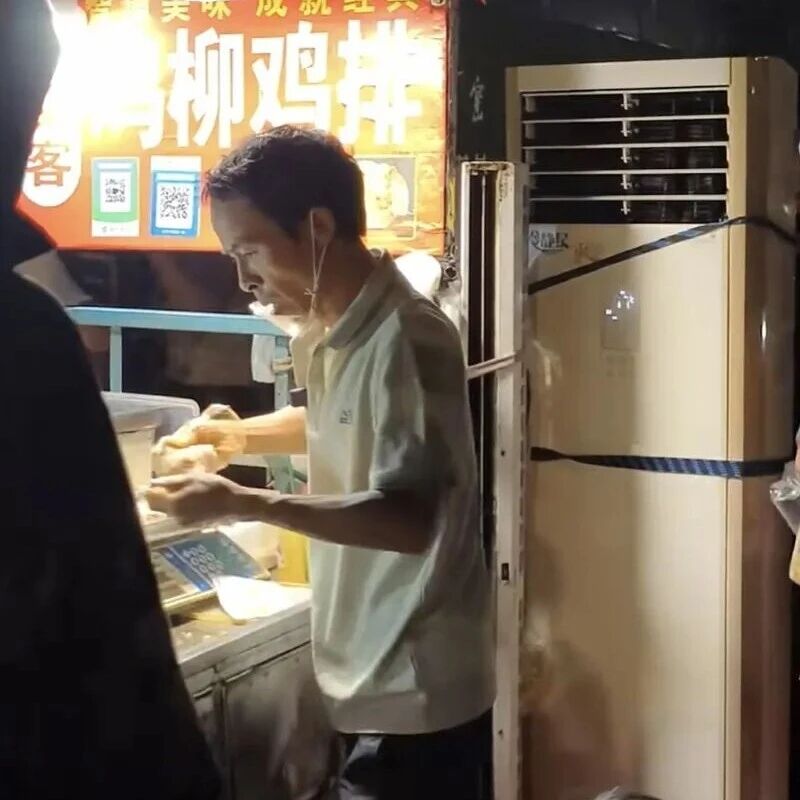
“鸡排哥”成立工作室,露天摊位安装专属空调
新浪财经· 2025-10-09 09:48
10月8日,江西景德镇"鸡排哥"在个人社交账号发布的一则视频中表示,近期天气炎热,游 客为买鸡排有时需排队几个小时,对此他感到很不好意思,在此向游客致歉。最后,"鸡排 哥"称这几天工作强度较大,计划10月9日休息一天,今后会以更饱满的精神状态迎接后续 的工作。 10月7日,不少网友发布的视频显示,"鸡排哥"摊位已正式安装专属空调,由便携式发电机 发电。 此外,记者查询天眼查发现,近日,景德镇市珠山区李俊永餐饮管理工作室(个体工商户) 成立,经营者为李俊永(鸡排哥),经营范围为餐饮管理、食品销售。 | | 查公司 都在用的商业查询工具 | 查老板 萱关系 查风险 | | | | | | | | | --- | --- | --- | --- | --- | --- | --- | --- | --- | --- | | | 景德镇市珠山区李俊永餐饮管理工作室(个体工商户) 3 国家中小企业发展子基金旗下机构 | | 天眼一下 | 給 应用 ▼ | 商务合作 | 企业级产品 ▼ | SVIP 会员服务 | 1 | tycd ... ~ | | 基本信息 | 法律诉讼 | 经营风险 | 经营信息 公司发展 | | ...