高等教育

Search documents
中国首个自主智能系统院士特色班招生
Zhong Guo Xin Wen Wang· 2025-05-23 16:35
Core Viewpoint - Harbin Institute of Technology (HIT) is launching China's first autonomous intelligent system academy class in 2025, aimed at cultivating leading talents in the autonomous intelligent field to meet national strategic needs and technological advancements [1][2] Group 1: Program Details - The autonomous intelligent system academy class will be led by Chen Jie, an academician of the Chinese Academy of Engineering, and will provide integrated training throughout the academic journey [1] - The program focuses on key scientific issues such as "autonomy and perception," "intelligence and emergence," and "collaboration and swarm intelligence," targeting cutting-edge research in artificial intelligence algorithms, autonomous control technology, and complex system optimization [2] Group 2: Industry Relevance - Autonomous intelligent systems are pivotal in driving transformative changes in smart driving, smart cities, and national defense technology, positioning them as a critical area for the country to seize technological leadership [1] - The program aims to achieve a series of internationally leading original innovations in the autonomous intelligent system field, promoting industrial transformation in areas like smart cities, smart transportation, smart construction, and smart manufacturing [2] Group 3: Additional Initiatives - HIT has also introduced the "HIT-HKU Excellence Class" this year to cultivate more internationally competitive top innovative talents [2]
白宫重拳打击哈佛,国际生突遭集体驱逐
36氪· 2025-05-23 15:35
Core Viewpoint - The article discusses the significant impact of the Trump administration's decision to revoke Harvard University's certification for the Student and Exchange Visitor Program (SEVP), effectively barring the university from enrolling international students, which could have severe financial and academic repercussions for both Harvard and the broader U.S. higher education system [3][4][5]. Group 1: Impact on Harvard University - The revocation of SEVP certification means Harvard cannot enroll any new international students for the 2025-2026 academic year, affecting approximately 6,800 current international students who make up about 27% of the total student body [5][7]. - The financial implications are significant, as international students typically pay higher tuition fees, with Harvard's tuition for the upcoming academic year set at $59,320, and total costs potentially reaching $87,000 [7][10]. - Harvard's response includes a legal challenge against the Trump administration, asserting that the actions are illegal and detrimental to the university's mission and community [4][8]. Group 2: Broader Context of U.S. Higher Education - The article highlights a growing conflict between the Trump administration and elite U.S. universities, with Harvard being a focal point due to its historical significance and financial resources [5][10]. - The administration's actions are part of a broader strategy to reshape U.S. higher education, targeting perceived liberal biases in academic institutions and attempting to reduce federal funding to those that do not align with conservative values [13][16]. - The article notes that over 1.1 million international students were enrolled in U.S. universities for the 2023-2024 academic year, with a significant portion from India and China, indicating the importance of international students to the U.S. education system [8]. Group 3: Legal and Political Ramifications - The Trump administration's actions have led to multiple lawsuits, including one from Harvard against the government, and a broader legal context where international students have faced visa terminations and identity issues [11][18]. - The article mentions that the administration's approach has been criticized for exacerbating internal divisions within the U.S. and for failing to address the underlying issues of anti-Semitism and campus safety [10][19]. - The ongoing legal battles and political maneuvers reflect a significant shift in the landscape of U.S. higher education, with potential long-term consequences for academic freedom and international collaboration [17][19].

港科大:欢迎哈佛学生转学继续深造!
证券时报· 2025-05-23 10:11
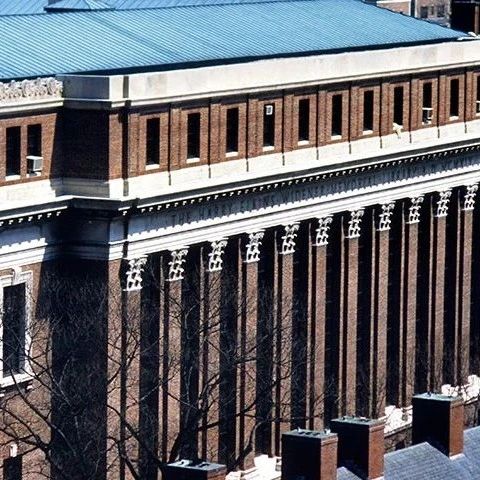
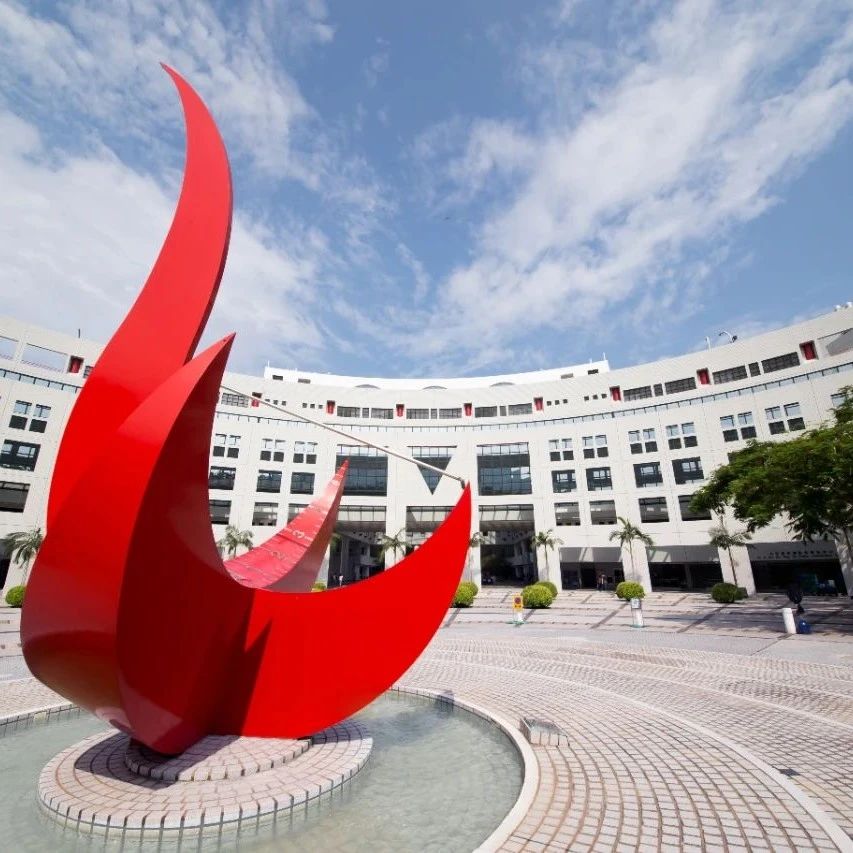
港科大对哈佛学生发出邀约。 5月23日,香港科技大学(港科大)宣布,向现正就读哈佛大学的国际本科生及研究生,以及持有哈佛学位课程录取通知的学生,发出公开邀请,欢迎他们加入香 港科技大学继续学业,延续学术追求。 综合自:港科大官网、新华社 责编:万健祎 校对:刘榕枝 港科大表示,将为有意转学的学生提供无条件录取、简化入学程序及学术支援,协助他们顺利过渡。 将优先处理这些学生的入学申请、学分转移及定制支援(包括 签证协助与住宿安排),确保他们顺利转学。港科大已成立专责团队,协助学生处理入学申请、学分转移、住宿及签证等事宜。 港科大以尖端研究、创新驱动的课程及多元文化校园闻名,始终秉持兼容并蓄与追求学术卓越的理念。港科大首席副校长郭毅可教授表示:"多元化的格局是激发创 意与进步的基石。我们已准备好迎接哈佛学生加入港科大社群,为成就他们在其学术领域的追求,尽力提供所需的教学资源与生气盎然的学习环境。 " 当地时间5月22日,美国政府宣布取消哈佛大学获得的学生和交流学者项目资质,禁止该校招收国际学生。根据这一决定,哈佛大学除了不能再招收国际学生入学 外,现有的外国学生必须转学,否则将失去合法身份。哈佛大学目前约有680 ...
取消哈佛录取国际学生资格 ,特朗普政府到底想干什么?
第一财经· 2025-05-23 08:47
2025.05. 23 本文字数:1333,阅读时长大约2.5分钟 作者 | 第一财 经 孙卓 当地时间周四(5月22日),美国国土安全部部长诺姆(Kristi Noem)宣布,美国政府将终止哈佛 大学的国际学生和交流访问者项目(SEVP)认证。这意味着,哈佛大学将无法再招收外国学生,现 有数千留学生必须在转学和离开美国之间选择。 根据最新数据, 目前哈佛共有约6800名国际学生,占总学生人数的27%。 针对国土安全部的声明,哈佛大学称此举"违法",并表示正在努力为学生提供指导。 "我们全力致力于维护哈佛大学接待国际学生和学者的能力,他们来自140多个国家和地区,为哈佛 大学乃至整个国家做出了巨大的贡献。"哈佛大学媒体关系总监牛顿(Jason Newton)表示,"我 们正在迅速行动,为哈佛社区成员提供指导和支持。这一报复性行动可能对哈佛社区和我们的国家造 成严重损害,并损害哈佛大学的学术和研究使命。" 弦外之音 在过去一个月以来,特朗普政府对哈佛的行动不断升级,他们从该校撤回的联邦资金总额已接近30 亿美元。哈佛大学已就此提起诉讼,预计国土安全部本周的最新行动很快会引发第二次法律挑战。 在宣布取消哈佛录取国 ...

跨界追光:一位物理学博士的科幻文学人生
Xin Hua She· 2025-05-23 08:42
Core Perspective - The article highlights the interdisciplinary approach of Liu Yang, a professor at Chongqing University, who merges science and literature through creative writing and science fiction, emphasizing the connection between the two fields [1][2][3]. Group 1: Background and Career Transition - Liu Yang, originally a condensed matter physics PhD, transitioned from a physics-focused career to a role in the humanities, specifically in creative writing, after being invited to design a sci-fi game world at Southern University of Science and Technology [2]. - His early passion for science fiction influenced his academic path, leading him to write sci-fi novels while conducting scientific research [1][2]. Group 2: Teaching and Research Focus - At Chongqing University, Liu Yang teaches creative writing to students from various disciplines, fostering a dialogue between science and literature [2][3]. - His research includes digital humanities and literary computation, where he analyzes patterns in sci-fi narratives and fractal structures in literature, with findings published in reputable journals [2][3]. Group 3: Contributions to Science Fiction - Liu Yang's novels are characterized as "hard science fiction," integrating scientific knowledge into storytelling, which he describes as "research leftovers" [1][3]. - He believes that the growth of Chinese science fiction reflects the country's technological advancements and the deep integration of science and humanities [3].
美国教授创业,规模速度遥遥领先
Hu Xiu· 2025-05-23 08:25
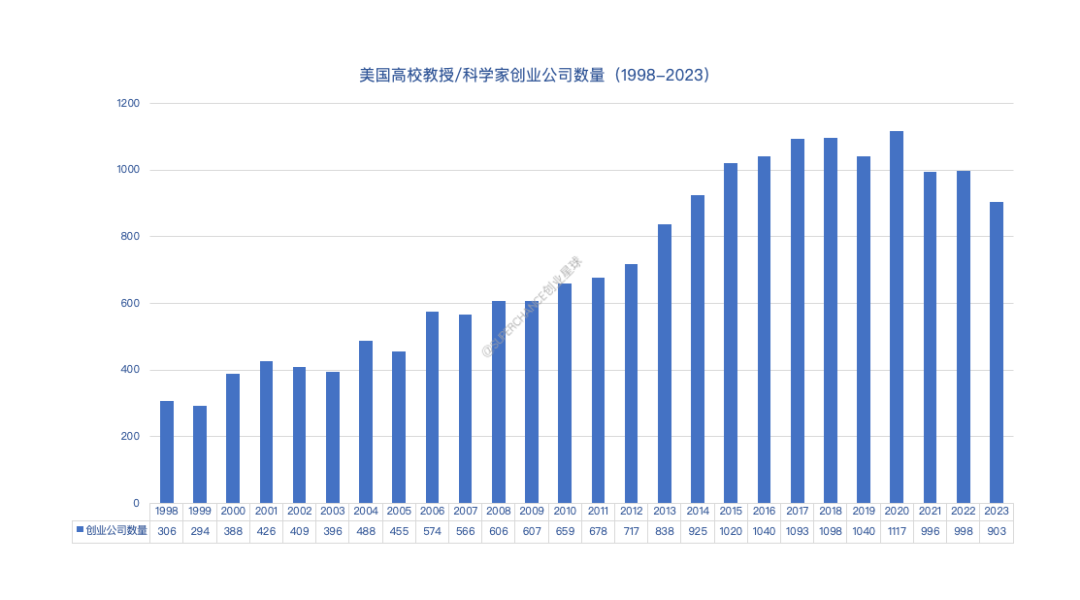
Group 1: Overview of New Ventures - The total number of new startups established by university professors/scientists in the U.S. from 1998 to 2023 is 18,647, with an average annual growth of 1,000 startups over the last decade, and a survival rate of nearly 40% for 7,214 companies still operating [1] - A study of 50 U.S. universities revealed that 21 representative institutions accounted for approximately 35% of the total new companies, with nearly 6,200 startups created [3][4] Group 2: Financing and Performance - The 15 sample universities collectively raised over $10 billion, with a median of $3 billion and an average of nearly $6 billion in total financing [12] - The average financing amount per project across these universities exceeds $5 million, with an average of $21 million and a median of $13 million [14] - The top three universities in total financing are the University of California, Berkeley (over $31 billion), California Institute of Technology (over $10.5 billion), and the University of Florida (over $10 billion) [13] Group 3: University Rankings and GDP - The sample universities have a wide range of rankings in the 2025 U.S. News, with the highest being Massachusetts Institute of Technology (2nd), Harvard University (3rd), and Stanford University (4th) [19] - The GDP of the states where these universities are located accounts for about 40% of the total U.S. GDP, with an average GDP of approximately $1.35 trillion [23] Group 4: Technology Transfer Centers - Public universities have an average of 45 dedicated personnel in technology transfer centers, while private universities have an average of 54 [37] - The average performance in terms of new companies per personnel is 7.2, with the highest being Massachusetts Institute of Technology at over 16 [39][42] Group 5: Innovation and Entrepreneurship Culture - The culture of innovation and entrepreneurship is deeply embedded in institutions like MIT, Stanford, and Caltech, which have historical legacies and current leadership that promote entrepreneurial activities [58][60] - Various universities have established programs and initiatives to support entrepreneurship, such as paid internships for graduate students and partnerships with industry experts [51][53] Group 6: Incubation and Acceleration - Universities like MIT and Stanford have multiple incubators and accelerators that support numerous startups, with significant funding and resources provided [83][84] - The University of Florida has two top incubators with a survival rate of nearly 85% for accelerated projects [87] Group 7: Funding Support - Many universities provide internal funding and seek external investments to support early-stage startups, with various types of grants and seed funding available [90][91] - For instance, MIT offers up to $25,000 in non-dilutive seed funding through its Sandbox Innovation Fund [91] Group 8: Entrepreneurship Competitions - Entrepreneurship competitions at universities serve as valuable platforms for startups to gain exposure and funding, with MIT's $100K Entrepreneurship Competition being one of the most notable [108] Group 9: Ecosystem Development - Universities play a crucial role in building networks that connect resources and support for startups, enhancing their chances of success in the market [114][115] - Institutions like Stanford have established technology parks and entrepreneurial networks that facilitate collaboration and funding opportunities [115]

探秘未来课堂——北京化工大学数字化教学未来中心见闻
Zhong Guo Hua Gong Bao· 2025-05-23 03:14
Core Insights - Beijing University of Chemical Technology is undergoing an educational transformation, integrating modern teaching methods and technologies to enhance traditional learning experiences [1][3] - The university has established 256 smart classrooms equipped with advanced technologies such as "Internet + Big Data + Artificial Intelligence," facilitating real-time interaction and resource sharing across campuses [1][2] - The digital intelligent teaching future center features a giant 8-meter curved screen and VR technology, allowing students to experience over 90% of chemical practical scenarios in a virtual environment [2][3] Group 1 - The smart teaching control center acts as the "brain" of the smart teaching system, managing the operation and maintenance of classrooms for over 20,000 faculty and students [2] - Virtual reality technology enhances the learning experience in ideological and political education, making historical events more engaging and accessible [3] - The integration of information technology in education is reshaping the entire talent cultivation process, showcasing the future of education [3]
提高人才自主培养质效
Jing Ji Ri Bao· 2025-05-22 22:08
Group 1 - The core argument emphasizes that innovation is fundamentally driven by talent, highlighting the urgent need to understand the new demands of Chinese modernization on education, technology, and talent [1][2] - The rapid advancement in technology and industrial iteration presents new challenges for innovation, with a significant talent gap of 19 million in fields like intelligent manufacturing and industrial internet, while traditional industries face a surplus of over 35% [1][2] - The global competition for talent has intensified, with developed countries attracting top talent and limiting cooperation with China, leading to a 27% increase in the concentration of top talent in regions with robust innovation ecosystems [2] Group 2 - There is a need to strengthen the autonomous talent cultivation in universities by aligning academic programs with national strategies and industry demands, promoting interdisciplinary studies, and enhancing the quality of engineering education [3] - A new talent development system is proposed, focusing on integrating education and industry, establishing collaborative platforms, and reforming talent evaluation systems to prioritize innovation and practical contributions [4] - A mechanism for a virtuous cycle among education, technology, and talent is essential, emphasizing the need for coordinated policies and resource allocation to achieve high-quality development and technological self-reliance [5]
近150万人!本专科在校生“第一城”是这个城市→
21世纪经济报道· 2025-05-22 15:48
Core Viewpoint - The article discusses the growth and changes in higher education enrollment across various cities in China, highlighting the trends in undergraduate and vocational student numbers, as well as the implications for future educational strategies and employment opportunities for graduates [1][4][5]. Enrollment Trends - In 2024, 25 out of 27 cities with a GDP exceeding one trillion yuan reported their higher education data, with five cities having over 1.1 million enrolled students: Guangzhou, Zhengzhou, Wuhan, Chengdu, and Chongqing [1][4]. - The total number of undergraduate and vocational students in China reached 38.91 million in 2024, marking a 3.08% increase from 37.75 million in 2023 [4][7]. - The number of new enrollments in 2024 was 1,068,900, with 1,059,400 graduates, indicating a robust educational pipeline [4][7]. City-Specific Insights - Guangzhou remains the leading city in terms of student enrollment, with 1.498 million students in 2024, while Zhengzhou has surpassed Wuhan to become the second-largest city for student enrollment, growing from 783,200 in 2014 to 1.4322 million in 2024, an increase of 82.87% [8][9]. - Wuhan, while experiencing growth, is noted for its strong presence of prestigious universities and a high number of graduate students, totaling 217,600 in 2024 [9][10]. Regional Educational Strategies - The article emphasizes the strategic focus of various regions, particularly in central and western China, on enhancing higher education resources in provincial capitals [9][10]. - Zhengzhou's educational development plan aims to increase the number of local universities from 29 to over 35 by the end of the 14th Five-Year Plan, with a target enrollment of over 450,000 students [10]. Future Projections - The article anticipates that the number of undergraduate students will remain high in the near future, driven by stable birth rates in previous years, although a decline in birth rates starting from 2018 may lead to a turning point in enrollment numbers around 2036 [14][15]. - The focus for future educational development will be on expanding vocational and quality undergraduate education, aligning with national policies and local employment needs [14][16].
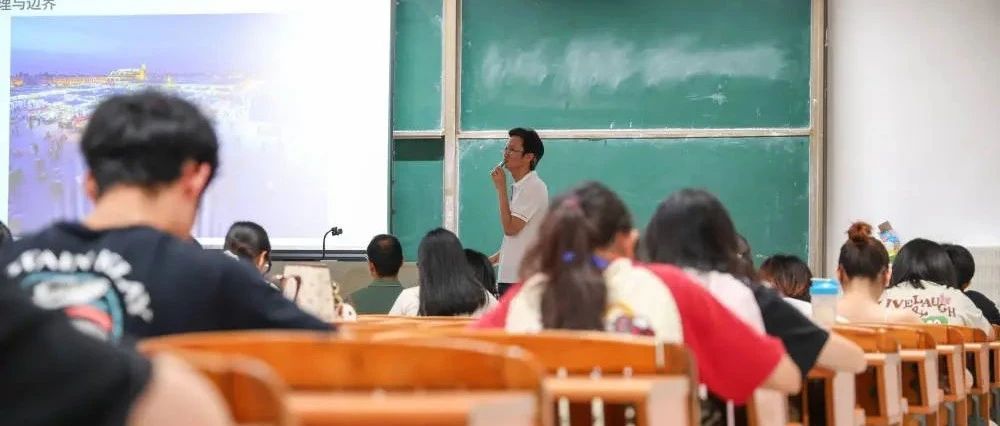
职业本科高校密集增设,透露哪些趋势?
Zhong Guo Xin Wen Wang· 2025-05-22 14:03
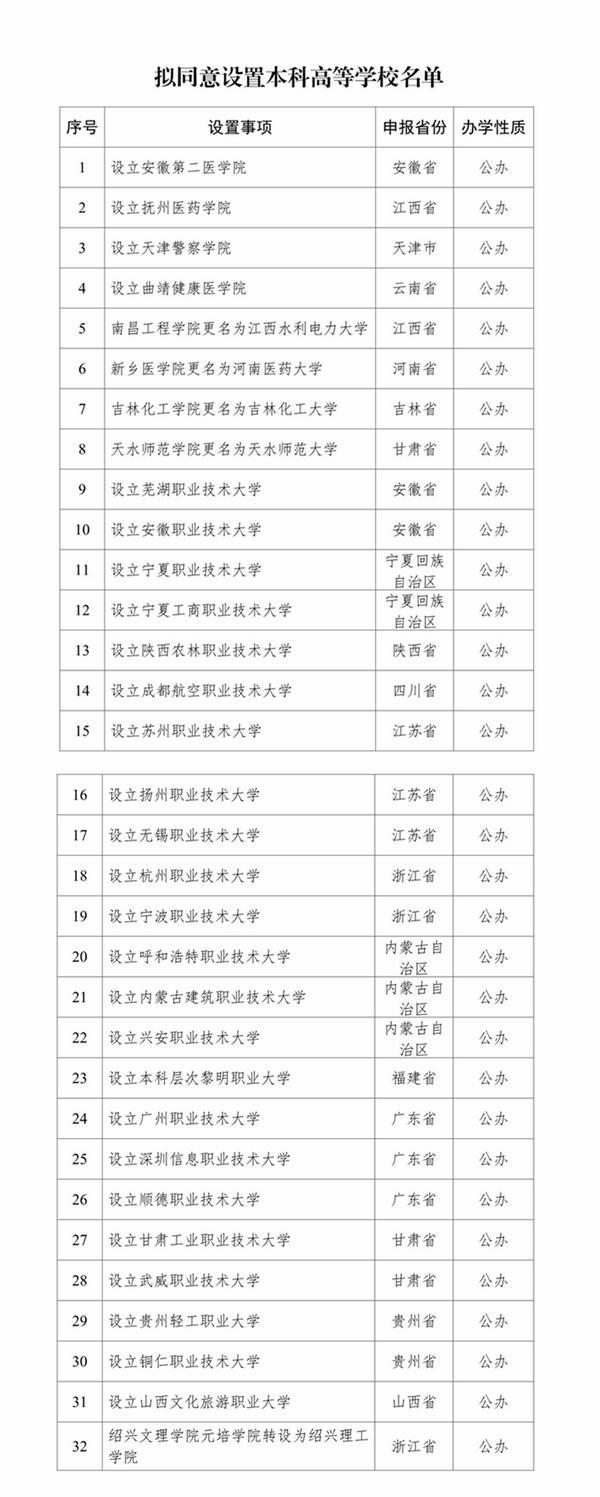
Core Points - The Ministry of Education has announced the proposed establishment of 32 new undergraduate institutions, with 23 of them being vocational colleges, indicating a trend towards expanding vocational education in China [1][3][4] - The number of vocational undergraduate institutions in China is set to exceed 80, with the current total at 60, including both public and private institutions [4][5] - The enrollment in vocational undergraduate programs has seen a significant increase, with 8.99 million students enrolled in 2023, marking a 17.82% growth from the previous year [5][6] Group 1: Proposed Institutions - Among the 32 proposed institutions, 4 are medical colleges, and the rest are vocational colleges transitioning from higher vocational schools [3][4] - Notable name changes include New Xiang Medical University becoming Henan Medical University and Nanchang Engineering College becoming Jiangxi Water Resources and Electric Power University [3][4] Group 2: Trends in Vocational Education - The rapid increase in vocational undergraduate institutions reflects a broader trend in vocational education development, with a goal set for vocational undergraduate enrollment to be no less than 10% of higher vocational education enrollment by 2025 [5][6] - Experts suggest that while the expansion of vocational colleges is necessary, it should be approached with caution to avoid misguiding the development of higher vocational education [6][7] Group 3: Educational Focus and Student Guidance - Vocational undergraduate programs emphasize "integration of production and education, school-enterprise cooperation, and combination of work and study," aiming to cultivate technical talents with specific skills [7] - Students are encouraged to consider their strengths and the job market when choosing vocational undergraduate programs, avoiding the misconception that a higher degree guarantees better outcomes [7][8]