
医疗服务

Search documents
福医二院的创新之道:以数据存储底座托起智慧医疗
Sou Hu Cai Jing· 2025-11-22 18:56
Core Insights - The article highlights the transformation of Fujian Medical University Affiliated Second Hospital (Fujian Medical University Second Hospital) into a smart healthcare institution, emphasizing its historical significance and modern advancements in medical technology [1][6] - The hospital has implemented a comprehensive upgrade of its data storage systems to enhance operational efficiency and reliability, addressing the increasing demands of healthcare data management [3][4] Group 1: Historical Context and Current Status - Established in 1881, Fujian Medical University Second Hospital has evolved through various historical phases, becoming a leading comprehensive hospital with over 3,300 medical staff and 2,000 open beds, handling 2 million emergency visits and approximately 100,000 surgeries annually [1] - The hospital is committed to exploring the potential of smart healthcare, integrating traditional medical practices with modern technology [1] Group 2: Challenges and Needs - The hospital faces challenges related to the increasing volume of medical data, necessitating a robust information system to support real-time data sharing and efficient operations, especially during peak times [3] - Key requirements identified for the smart transformation include improved performance, enhanced reliability, and simplified operations to ensure continuous medical services [3][4] Group 3: Technological Upgrades - Fujian Medical University Second Hospital has embarked on a full flash data center transformation, significantly reducing data access latency to 0.05 milliseconds and improving diagnostic efficiency [4] - The upgrade includes a new A-A active-active architecture that allows for instantaneous failover, ensuring uninterrupted service and laying the groundwork for future multi-center operations [4][5] Group 4: Operational Efficiency - The implementation of Huawei's Data Management Engine (DME) has enabled visual management of the storage system, allowing for proactive health checks and rapid issue resolution, thus reducing recovery time from hours to minutes [5] - The new architecture is designed for scalability, accommodating future expansions and the upcoming Taishang Hospital [5] Group 5: Strategic Insights - The hospital's approach underscores the importance of a solid storage foundation in healthcare information systems, demonstrating that a high-performance and reliable storage system is crucial for overall operational capacity [8] - Collaboration with technology partners like Huawei has been pivotal in enhancing patient care and addressing long-standing performance and reliability issues [8][9] - The ongoing digital transformation is viewed as a continuous process, with plans for further advancements in data protection and the development of intelligent data analysis platforms to enhance clinical decision-making and management [9]

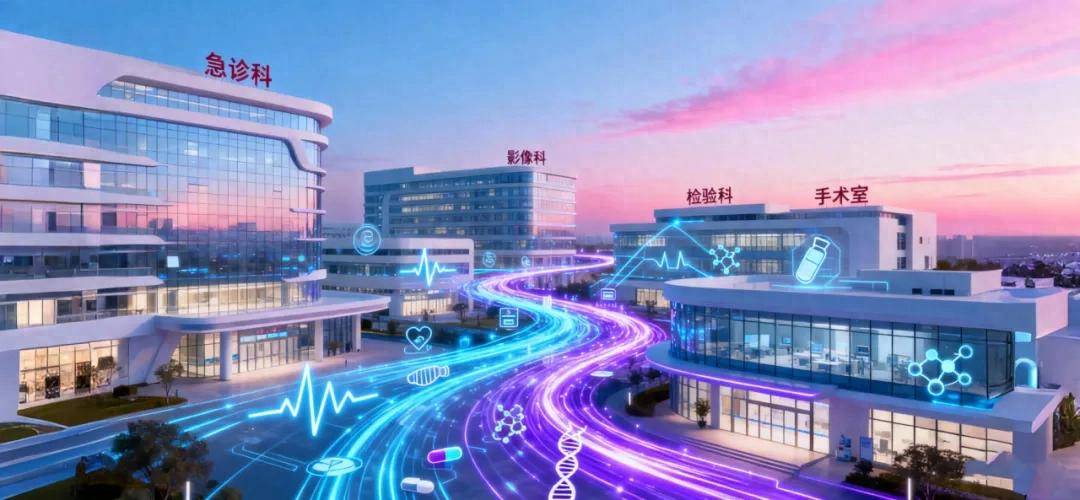
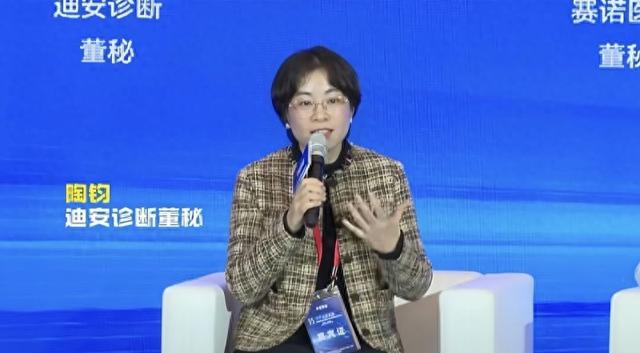
陶钧:构建AI医疗生态,从诊断服务商迈向智能解决方案引领者
Xin Lang Cai Jing· 2025-11-22 16:54
Core Viewpoint - The article discusses the emergence of AI in the healthcare sector, highlighting how companies like Di'an Diagnostics are transitioning from traditional diagnostic services to AI-driven health management and solutions [3][6]. Strategic Layout - Di'an Diagnostics' AI development is structured in three phases: tool-based, platform-based, and ecosystem-based [4]. - The initial phase involves creating AI tools for medical diagnostics, such as the AI pathology software launched this year [3]. - The platform phase includes the launch of the Zhijian Lianyu platform, which integrates regional healthcare resources and addresses the interoperability of diagnostic results [4]. - The future vision is to build an open ecosystem that connects medicine, pharmaceuticals, patients, and diagnostics through AI [4]. Core Advantages - Data is identified as a critical barrier to entry in AI healthcare products, with Di'an accumulating 21PB of data and an annual increase of 1PB from self-testing services [5]. - The company has access to multimodal data from hospitals and public health data from regions like Chongqing, enhancing the quality of AI model training [5]. - Di'an's extensive offline service network, including 36 laboratories and over 800 collaborative centers, provides a competitive edge in commercializing AI solutions [5]. Commercialization Challenges - Di'an acknowledges the challenges in commercializing AI products, emphasizing the need for patience and the importance of demonstrating product value in clinical settings [6]. - Currently, the direct revenue from AI commercialization is in the tens of millions, indicating a gradual approach to market penetration [6]. - The company aims to transform data into compliant and efficient clinical products, positioning itself as both a technology service provider and a data-driven solution developer [6]. Conclusion - Di'an Diagnostics is actively embracing AI and adapting its business model to become a leader in intelligent diagnostic solutions, leveraging its data accumulation and clinical insights to navigate the evolving healthcare landscape [6].


迪安诊断董秘陶钧:构建AI医疗生态,从诊断服务商迈向智能解决方案引领者|聚焦2025华夏大健康
Hua Xia Shi Bao· 2025-11-22 14:45
Core Viewpoint - The article discusses the transition of Di'an Diagnostics from a traditional "product + service" provider to a leader in intelligent diagnostic solutions, emphasizing the role of AI in healthcare management, drug development, and commercial health products [2][3]. Strategic Layout - Di'an Diagnostics' AI development is structured in three phases: tool-based, platform-based, and ecosystem-based. The initial phase involves developing AI tools for medical diagnostics, such as the AI pathology software for cervical cell image processing [3]. - The platform phase includes the launch of the Smart Inspection Linkage Platform, which integrates medical resources and addresses the challenge of mutual recognition of test results [3]. - The future vision is to create an ecosystem that deeply engages in AI applications across medicine, pharmaceuticals, and patient diagnostics [3]. Core Advantages - Data is identified as the core barrier for AI medical products, with Di'an accumulating 21PB of data and an annual increase of 1PB from self-testing operations. This extensive data foundation supports sustainable and compliant AI applications [5]. - The company boasts a large offline service network, including 36 laboratories and over 800 collaborative centers, which enhances its competitive edge in commercializing AI solutions [5]. Commercialization Challenges - Di'an acknowledges the challenges in commercializing AI products, particularly in securing dedicated funding from hospitals. The strategy focuses on demonstrating product value before widespread clinical adoption, especially in tertiary hospitals [5][6]. - Currently, Di'an's direct revenue from AI commercialization is in the tens of millions, indicating a cautious yet optimistic approach to monetizing AI technologies [6]. Conclusion - Di'an Diagnostics is committed to embracing AI and evolving its industry structure, positioning itself as a builder of ecosystems rather than just a technology service provider. The company is exploring a transformative path from a diagnostic service provider to a leader in intelligent solutions [6].
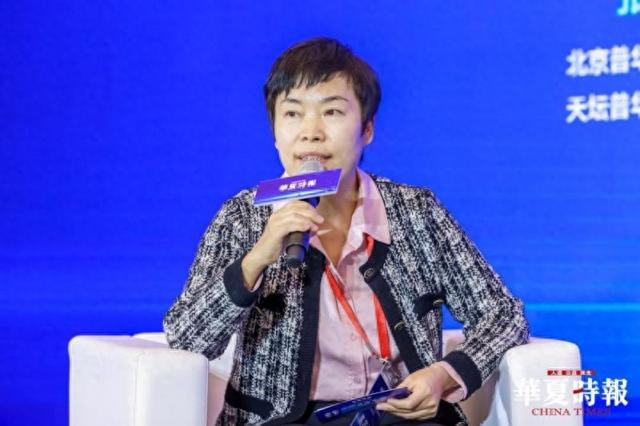
北京普华诊所总经理张敬:AI医疗破局需构建“技术+场景+商业”新范式,临床价值是根本出发点|聚焦2025华夏大健康
Hua Xia Shi Bao· 2025-11-22 14:41
Core Insights - The future of AI in healthcare is characterized by a collaborative ecosystem built on technology, clinical practices, payment models, and data, transitioning from a focus on technical barriers to a combination of technology, scenarios, and business [2][4] Group 1: Industry Trends - AI technology is reshaping the healthcare ecosystem, but challenges remain in realizing its true value due to clinical pain points, payment models, and industry cycles [2][3] - The industry is shifting from a focus on technical barriers to a more integrated approach that combines technology with practical applications and business strategies [3][4] Group 2: Key Discussions - The roundtable discussion featured representatives from various healthcare companies, including Di'an Diagnostics, Sino Medical, and GeRui Technology, focusing on the practical applications of AI in medical settings [2][3] - Key topics included the integration of AI in medical devices, the construction of AI ecosystems, barriers to AI usage, and the development of AI recognition in physician service platforms [3][4] Group 3: Strategic Vision - The development philosophy of "looking to the future while building an ecosystem, and being pragmatic while refining products" was emphasized as a clear direction for the AI healthcare industry [4] - There is a need for a sustainable business model that addresses real-world clinical challenges and fosters a collaborative industry ecosystem [4]
巴西卫生部与圣保罗州签署协议建立智慧医院
Shang Wu Bu Wang Zhan· 2025-11-22 14:29
(原标题:巴西卫生部与圣保罗州签署协议建立智慧医院) 巴西《圣保罗州报》11月17日报道,巴西卫生部与圣保罗州政府、圣保罗大学医学院及圣保罗大学 医院签署技术合作协议,计划在圣保罗大学医院建立首个智能医院,预计耗资17亿雷亚尔(约合3.2亿 美元)。该项目将采用人工智能、大数据等先进技术,以调高医疗服务效率和质量。此外,巴还将在全 国范围内建设14个重症监护室,并对部分医疗机构进行现代化改造。 ...
综合金融与健康管理双轮驱动,中国平安再推新服务
Sou Hu Cai Jing· 2025-11-22 09:03
Group 1 - The core viewpoint of the article is that China Ping An has launched the "Yuxiang Guoyi" and "Family Office" services in Changsha, emphasizing the integration of comprehensive financial services with healthcare and elderly care through technological empowerment [1][3] Group 2 - China Ping An has established a comprehensive financial business system centered on insurance, banking, and asset management, while also developing a healthcare service ecosystem represented by Ping An Health and Peking University International Hospital [3] - The launch of the "Yuxiang Guoyi" service aligns with the growing public demand for high-quality health management and wealth protection, integrating traditional Chinese medicine wisdom with modern medical technology [3] - The "Family Office" service aims to provide high-net-worth clients with systematic and professional support in wealth inheritance, tax planning, and family governance, leveraging the group's comprehensive financial advantages [3]


瑞慈医疗集团与联影集团达成战略合作
Zheng Quan Shi Bao Wang· 2025-11-22 04:33
在传统超声领域,双方还将携手打造非公医疗领域首个"人工智能超声应用联合创新中心"。 从行业情况来看,当前的传统超声领域,正处在一个技术融合与市场格局剧变的时期。"人工智能超声 应用联合创新中心"旨在攻克超声检查长期面临的操作者依赖性强、效率低等行业难题。基于此,该中 心将构建一个从"数据"到"临床"的完整创新闭环:瑞慈医疗集团将开放其覆盖多地域、多人群的海量超 声影像数据与资深医师的专家经验;联影集团则注入其在医学影像AI领域深厚的算法积累与工程化能 力,共同推动超声检查的标准化、智能化与普惠化。 双方认为,此次瑞慈医疗集团与联影集团的战略携手,超越了单一的影像设备合作,未来将在人工智 能、健康管理中心运营、治疗设备多领域全面深度交流,是一次从设备应用到临床服务模式的深度共 创;并且,双方将以此次合作为新起点,持续探索科技与医疗融合的更多可能性,共同致力于医疗质量 的提升、运营效率的突破与患者体验的革新。 (文章来源:证券时报网) "2025年是医疗大模型元年,AI新技术正快速重塑整个医疗行业,此次与联影集团的战略协同,依托联 影集团全线高端医疗装备与诊疗一体化AI,深度赋能瑞慈医疗集团未来布局与智能化升级。 ...

辽宁成大股份有限公司 关于公司全资子公司向关联参股公司提供担保暨关联交易的公告
Zhong Guo Zheng Quan Bao - Zhong Zheng Wang· 2025-11-22 02:04
Core Viewpoint - The company announced that its wholly-owned subsidiary, Liaoning Chengda Medical Service Management Co., Ltd., will provide a guarantee for a loan application by its associated company, Chengda Hospital, to improve cash flow and reduce financial costs [2][3]. Group 1: Guarantee Details - Chengda Hospital plans to apply for a fixed asset loan of 370 million yuan from Dalian Bank to replace existing loans and a comprehensive credit line of 30 million yuan, totaling 400 million yuan [2]. - Chengda Medical will provide a guarantee of 60 million yuan based on its 15% equity stake in Chengda Hospital, using joint liability guarantee and equity pledge as the guarantee methods [2][3]. - Other shareholders will also provide guarantees according to their respective equity stakes, and Chengda Hospital will use its land use rights and buildings as collateral for the loan [2][3]. Group 2: Internal Decision-Making Process - The guarantee matter has been approved by the company's board of directors and independent directors in their respective meetings [4][9]. - The proposal will be submitted for approval at the company's shareholders' meeting [5]. Group 3: Credit Status and Necessity of Guarantee - Chengda Hospital has a good credit status and is not classified as a dishonest executor [7]. - The guarantee is deemed necessary and reasonable to support Chengda Hospital's business development needs, with no harm to the interests of the company or its shareholders [7][8]. Group 4: Board and Independent Directors' Opinions - Independent directors agree that the guarantee will not affect the company's independence and will not harm the interests of shareholders, especially minority shareholders [8]. - The board of directors has unanimously approved the proposal to provide the guarantee [9].

从1到0 ,新征程 ,再出发!——上海交大医健未来共创会邀你同行
思宇MedTech· 2025-11-22 01:11
上海交通大学医学院医健未来校友共创会 暨医健未来领军人才班第十期开学典礼 -场为医健未来领军者打造的 「思想归零」与 生态链接」盛会 思宇MedTech 医工交叉、科技创新 追踪全球医疗科技创新动态,讲好中国器械创新故事, 链接临床、资本、渠道与监管,以新质生产力推动高质量发展。 Global insight. Chinese innovation. Industry connection 上海交通大學窗學院 SHANGHAI HAO TOXE UNIVERSITY SCHOOL OF MEDICISE 医健未来 新征程 E. 活动流程 ▶ 12月6日上午场 开学典礼 ·荣耀传承与时代新章 十年征程,光影铭刻 序是 启幕 解读「从1到0」的领军者哲学 交医使命与产业未来的交响 高好 师说心语:体系化培养的方法与展望 传承 瑞金医院揭秘临床创新前沿 洞见 校友生态共同体宣言 凝聚 亮相 第十期新生军团全景展示 发布 三大校友俱乐部纳新 ▶ 12月6日下午场 生态共创会 ·资源破壁与未来共筑环 详创 三 期 共创"生态星空图" 工作坊 -: 如何跨越从"实验室"到"生产线"的死亡之谷? 工作坊二: "分证 创新技 ...

苏州在全国首创市县肿瘤防治一体化协同体系 首批试点启动
Su Zhou Ri Bao· 2025-11-22 00:51
Core Viewpoint - Suzhou has launched a pioneering integrated cancer prevention and treatment system, focusing on 13 common types of cancer, aiming to enhance the quality of medical resources available to patients locally through a collaborative approach involving multiple hospitals and disciplines [1][2]. Group 1: Integrated Cancer Prevention and Treatment System - The integrated system allows for remote consultations where doctors move to the patient rather than the other way around, ensuring patients can access high-quality medical resources close to home [1]. - The system includes a collaboration among various hospitals, such as Suzhou University Affiliated Second Hospital and Suzhou Municipal Hospital, to provide multidisciplinary consultations for patients [1]. - The initiative is part of a broader effort by the Suzhou government to address the rising number of cancer patients, which has reached approximately 50,000 new cases annually, with a trend towards younger patients [2]. Group 2: Implementation and Expansion - The first pilot areas for this system include Zhangjiagang, Taicang, Wuzhong District, Xiangcheng District, and Suzhou Industrial Park, with plans to expand the implementation after establishing standardized practices [3]. - The system aims to leverage the influence of leading hospitals to create a comprehensive cancer prevention network, promoting standardized diagnosis and treatment across the region [2][3]. - The initiative is supported by the establishment of the Suzhou Cancer Prevention Academic Committee, which includes top experts to enhance the collaborative framework [2].