Semiconductors

Search documents
X @Bloomberg
Bloomberg· 2026-02-16 05:09
RT Vlad Savov (@vladsavov)Free to read for a week: our analysis of the memory calamity that's befallen the world as AI eats all the chips. I cooked up some fun charts for this one.https://t.co/T3lpZtmwD8 https://t.co/QPOB2IfrbZ ...
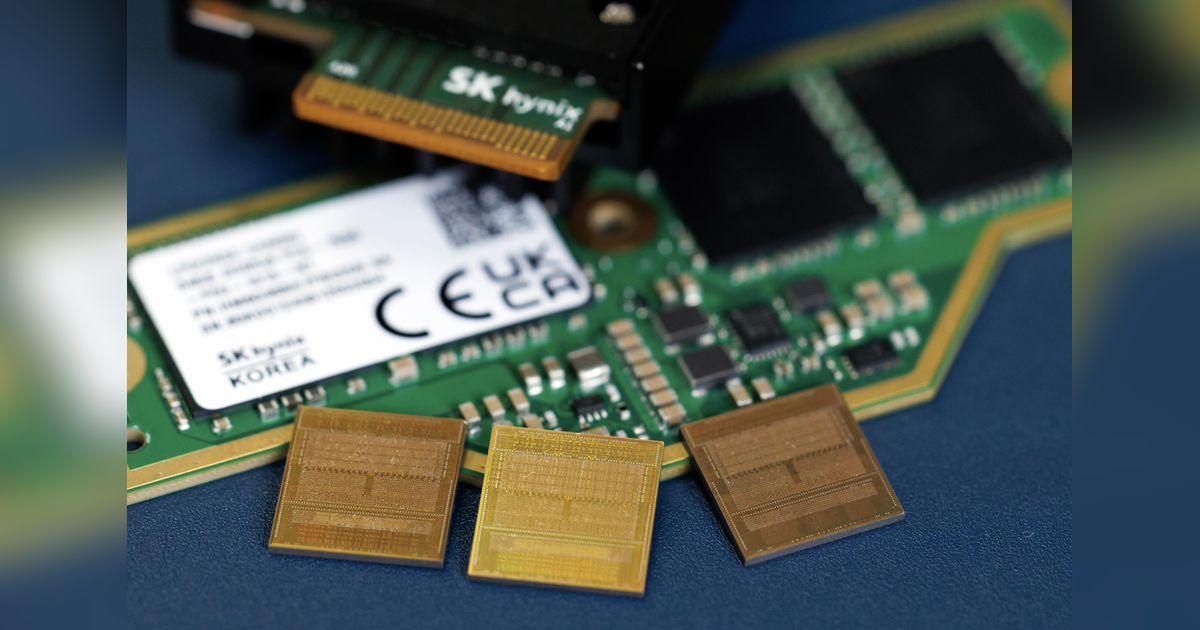
Rampant AI demand for memory fuels deepening supply crunch for chips
Business· 2026-02-16 04:22
By Debby Wu, Takashi Mochizuki and Yoolim Lee A growing procession of tech industry leaders including Elon Musk and Tim Cook are warning about a global crisis in the making: A shortage of memory chips is beginning to hammer profits, derail corporate plans and inflate price tags on everything from laptops and smartphones to automobiles and data centers — and the crunch is only going to get worse. Since the start of 2026, Tesla Inc., Apple Inc. and a dozen other major corporations have signaled that th ...


Is This AI Infrastructure Stock a Real Millionaire Maker or Just Hype?
The Motley Fool· 2026-02-16 03:30
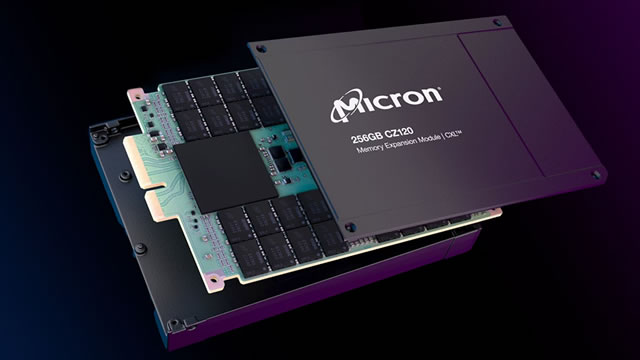
Core Viewpoint - The article discusses the potential of Micron Technology as a key player in the AI hardware market, highlighting its growth opportunities amidst the increasing demand for memory hardware driven by AI applications [1][2][11]. Industry Overview - Hardware and infrastructure companies have been significant beneficiaries of the AI boom, with a focus on memory hardware being crucial for AI applications [1][2]. - The demand for memory hardware, particularly dynamic random access memory (DRAM), is expected to rise sharply, leading to a projected 50% increase in RAM prices in Q1 2026 [6]. Company Analysis - Micron Technology is one of the three major players in the memory hardware market, alongside Samsung and SK Hynix, and has shifted its focus from consumer PC markets to AI-driven memory solutions [6][7]. - The company recently initiated the construction of a $100 billion semiconductor factory in New York, which will be the largest in the U.S. and aims to employ over 9,000 people [8]. Financial Performance - Micron reported a 57% year-over-year revenue increase for Q1 of fiscal 2026, reaching $13.6 billion, with DRAM accounting for 79% of this revenue [9]. - The company boasts a gross margin of 56.8%, an operating margin of 32.5%, and a net margin of 28.15%, indicating strong profitability [10]. - Micron's forward price-to-earnings (P/E) ratio stands at 10.57, which, when adjusted for growth (PEG ratio of 1.12), presents an attractive investment opportunity compared to Samsung's PEG ratio of 3.31 [10][11].
4 Hypergrowth Tech Investments to Buy in 2026 -- Including, of Course, Nvidia
The Motley Fool· 2026-02-16 02:36
Core Insights - The article highlights several hyper-growth tech stocks that have shown strong performance in recent years, suggesting they could be valuable additions to investment portfolios. Group 1: Nvidia - Nvidia has been a leader in the semiconductor industry, particularly benefiting from the AI boom, with significant investments from major tech companies in AI infrastructure [3] - The company is set to release a new chip, the Rubin, designed for AI inference processes, which is expected to enhance its competitive edge [5] - Nvidia's current forward P/E ratio is 24.3, significantly lower than its five-year average of 37.4, indicating an appealing valuation [6] Group 2: Palantir Technologies - Palantir specializes in AI-driven data mining and analytics, with a notable customer base including the U.S. government, and reported a 70% year-over-year revenue increase in its fourth quarter [7] - The company's "Rule of 40" metric has improved from 81% to 127%, indicating strong profitability relative to its revenue growth [9] - Despite its growth potential, Palantir faces challenges in expanding its workforce to capitalize on international opportunities, and its shares have seen a 20% decline year-to-date, making them more attractively priced [10] Group 3: MercadoLibre - MercadoLibre is a leading e-commerce and fintech platform in Latin America, reporting a 39% year-over-year revenue growth and a net profit margin of 5.7% [11] - The company has 115 million unique buyers and 72 million monthly active users in its fintech services, marking its 27th consecutive quarter of revenue growth above 30% [11] - Concerns about competition from Sea Limited's Shopee in Brazil have impacted its stock performance, but the e-commerce market in Latin America is projected to grow faster than the global average [12] Group 4: Vanguard Information Technology ETF - The Vanguard Information Technology ETF includes major growth stocks like Microsoft, Apple, and Nvidia, providing a diversified investment option in the tech sector [14]


美国和亚洲芯片市场飙升,欧洲滞后
半导体行业观察· 2026-02-16 01:58
今年全球半导体销售额将增长18.8%,其中数据中心芯片的增长尤为显著,主要由美国(+6.7%) 和远东地区(+12.7%)推动。受投资前景疲软、美国补贴限制以及远东地区地理优势等因素拖 累,欧盟和英国的电子产品产量预计仅增长1.5%。 Atradius去年1月发布的报告预测,全球电子/ICT产品产量将在2026年增长10.3%, 2027年增长 6.5%,2025年则增长10.1%。今年半导体销售额预计将增长18.8%,2025年则增长22.8%,其中人 工智能数据中心芯片的销售增长将起到带动作用。 美国和远东地区的投资热潮 技术投资的强劲势头在美国(+6.7%)和远东地区(+12.7%) 尤为明显。 随着制造业产能转向尖端人工智能芯片,传统存储元件的产能正在下降。短缺和相关的价格上涨正 在影响智能手机、个人电脑、消费电子产品、电机和汽车制造商等传统买家。制造商或许仍能以更 高的价格采购存储芯片,但他们将不得不与投资人工智能的大型科技公司竞争,而这些公司通常拥 有更雄厚的财力。因此,他们要么将成本转嫁给消费者,导致需求下降,要么就不得不降低利润 率。 此外,还存在潜在的下行风险。对人工智能未来收益信心的急剧下 ...

下一代功率半导体,韩国发力
半导体行业观察· 2026-02-16 01:58
Core Viewpoint - The South Korean government aims to double its technological autonomy in power semiconductors from 10% to 20% by 2030, prioritizing infrastructure applications [2] Group 1: Government Initiatives - The Ministry of Trade, Industry and Energy has established a "Next-Generation Power Semiconductor Promotion Team" to enhance the country's capabilities in power semiconductors [2] - The team is led by Professor Koo Sang-mo, an expert in compound power semiconductors [5] Group 2: Importance of Power Semiconductors - Power semiconductors are critical components for controlling and converting electricity in national infrastructure, including electric vehicles, national grids, AI data centers, and defense systems [2][4] - The failure of power semiconductors could lead to the collapse of essential national infrastructure, highlighting their importance [4] Group 3: Strategic Focus and Challenges - The global competitive landscape in the power semiconductor industry is unfavorable for South Korea, which has lagged behind Europe and the U.S. in technology development [5][6] - The promotion team's strategy is "demand-driven," focusing on identifying required specifications and performance in key sectors like electric vehicles and AI data centers [6] Group 4: Development Roadmap and Talent Cultivation - The team plans to complete a technology development roadmap for power semiconductors in the first half of the year, outlining performance indicators and long-term R&D directions [6] - There is a focus on ensuring that domestic power semiconductors can be effectively applied in public infrastructure through legal and institutional improvements [6][10] Group 5: Future Goals and Ecosystem Building - The target of achieving a 20% self-sufficiency rate by 2030 is seen as a minimum benchmark that must be exceeded [9] - The promotion team aims to create a self-sustaining ecosystem for power semiconductors, emphasizing the importance of public infrastructure and national security [10]
港股异动 | 兆易创新(03986)涨超13%创上市新高 存储芯片涨价潮愈演愈烈
智通财经网· 2026-02-16 01:56
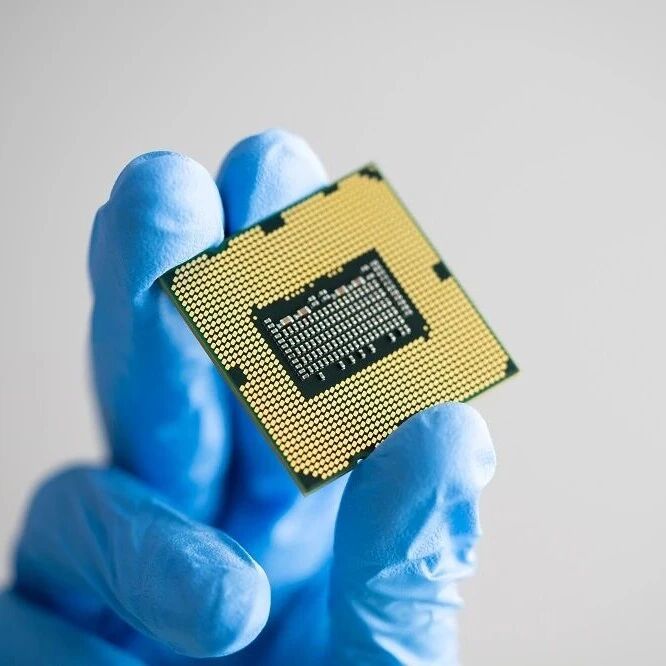
Group 1 - The core viewpoint of the article highlights that兆易创新 (GigaDevice) has seen a significant stock increase of over 13%, reaching a new high of 423 HKD since its listing, driven by positive market conditions in the NAND flash memory sector [1] - The recent performance forecast from Japanese flash memory manufacturer Kioxia exceeded market expectations, indicating that AI-driven demand in data centers is reshaping the NAND flash market landscape [1] - Kioxia is expected to implement a revised pricing policy for North American customers starting in Q1 2026, with an anticipated average selling price (ASP) increase of approximately 50% quarter-on-quarter [1] Group 2 - Tianfeng Securities views GigaDevice as a platform chip design company benefiting from a triple tailwind of "AI + domestic substitution + upward storage cycle" [1] - Revenue projections for GigaDevice from 2025 to 2027 are estimated at 9.203 billion, 11.386 billion, and 13.878 billion CNY, respectively, with expected net profits attributable to the parent company of 1.610 billion, 2.589 billion, and 2.769 billion CNY [1] - The firm believes that GigaDevice has strong growth momentum and resilient performance in the forecast period [1]

Apple Stock Is Interesting, but Here's What I'd Buy Instead
The Motley Fool· 2026-02-16 01:05
Group 1: Apple Performance - Apple stock has gained 11.6% over the past six months, outperforming the S&P 500's 5.8% increase [1] - Strong demand for the latest iPhone has driven Apple's revenue in Q1 of fiscal 2026 to nearly $144 billion, a 16% increase year-over-year, with adjusted earnings per share rising by 19% [2] Group 2: Cirrus Logic Performance - Cirrus Logic stock has surged 33% in the past six months, nearly double Apple's gains during the same period [5] - Cirrus Logic's revenue exceeded guidance due to strong demand for smartphone components, resulting in a 4.4% year-over-year revenue increase and an 18% rise in earnings to $2.97 per share [8] - The company is projected to end the fiscal year with a 20% increase in earnings to $9.05 per share, surpassing the S&P 500's estimated average growth of 16% [9] Group 3: Valuation Comparison - Cirrus Logic is currently trading at 19 times earnings, which is a discount compared to the S&P 500's average of 25 times earnings and significantly cheaper than Apple's nearly 35 times earnings [9][10] - Given Cirrus Logic's reliance on Apple for 94% of its revenue, it serves as a proxy for Apple's performance, making it a better value investment [5][10] Group 4: Future Growth Prospects - Analysts predict that Apple could ship up to 250 million iPhones in fiscal 2026, exceeding previous estimates due to a large number of users in the upgrade window [11][12] - The anticipated growth in Cirrus Logic's earnings could lead to a higher earnings multiple in the market, suggesting potential upside for investors [14]


刘胜院士专访 深度解读:玻璃基板与先进封装
是说芯语· 2026-02-16 01:02
Core Viewpoint - The article discusses the urgent need for innovative cooling technologies in the face of increasing power demands from AI and HPC chips, highlighting a paradigm shift from external cooling methods to intrinsic solutions that integrate with chip materials and structures [1][11]. Group 1: Breakthroughs in Cooling Technologies - The article identifies three disruptive breakthroughs in cooling technologies: material-level innovations, packaging architecture competition, and structural integration [2]. - The first breakthrough involves the use of diamond and SiC materials to overcome the thermal resistance limitations of silicon, with diamond being a key material due to its superior thermal conductivity [3][4]. - The second breakthrough focuses on the competition between SiC interposers and glass substrates for packaging architecture, with SiC offering significantly better thermal efficiency [8][9]. - The third breakthrough is the concept of embedded microfluidics, where cooling fluids are integrated within the chip structure to manage extreme heat loads effectively [10]. Group 2: Future of Packaging Materials - For large-scale production of structural substrates by 2028, glass substrates are expected to dominate, while diamond will play a crucial role in addressing AI computing bottlenecks [12][16]. - Glass substrates are favored for their high interconnect density capabilities, which are essential as AI chips evolve [14][15]. - Diamond is positioned as a critical component for thermal management in high-performance AI chips, expected to be integrated into packaging solutions alongside glass substrates [16][17]. Group 3: Addressing Thermal Management Challenges - The article outlines three key strategies for improving thermal management in glass substrates: vertical thermal vias, lateral heat diffusion enhancements, and integrated microfluidic cooling systems [19][20][21]. - Vertical thermal vias involve creating high-density copper pillar arrays to facilitate heat dissipation [19]. - Lateral heat diffusion can be enhanced by thickening metal layers on the substrate to improve thermal conductivity [20]. - Integrated microfluidics leverage the chemical properties of glass to create internal cooling channels, significantly improving heat management [21]. Group 4: Multi-Physics Co-Design in Chip Manufacturing - The article emphasizes the importance of multi-physics co-design in semiconductor manufacturing, integrating electrical, thermal, mechanical, and magnetic fields to optimize performance and reliability [22][29]. - The approach advocates for eliminating interface issues through hybrid bonding techniques, which enhance electrical, thermal, and mechanical properties [23][26]. - Material selection is evolving from traditional methods to computational approaches that balance multiple physical fields, ensuring optimal performance under high thermal loads [28][29].




Rampant AI demand for memory is fueling a growing chip crisis
Fortune· 2026-02-16 00:42
Core Viewpoint - A global shortage of memory chips is emerging, significantly impacting profits, corporate strategies, and prices across various sectors, including consumer electronics and automotive industries. This situation is expected to worsen as demand from AI data centers escalates [1][2]. Group 1: Industry Impact - Major corporations like Tesla and Apple have indicated that the shortage of DRAM will limit production capabilities, with Apple warning of compressed iPhone margins [2][8]. - The demand for memory chips is being driven primarily by AI data centers, with companies like Alphabet and OpenAI consuming a large share of production to support their applications [4][17]. - The price of DRAM has surged dramatically, with one type increasing by 75% from December to January, leading to daily price adjustments by retailers [5][12]. Group 2: Corporate Responses - Companies are adapting to the crisis; for instance, Tesla is considering building its own memory fabrication plant to mitigate supply issues [2][3]. - Sony is contemplating delaying the launch of its next PlayStation console to 2028 or 2029 due to the memory shortage, which disrupts its strategic planning [9]. - Chinese smartphone manufacturers are reducing shipment targets, with Oppo cutting its forecast by up to 20% for 2026 [10]. Group 3: Future Projections - Analysts predict that memory chip prices will continue to rise, with Bernstein's Mark Li stating that prices are going "parabolic," benefiting manufacturers like Samsung and Micron while hurting the broader electronics sector [7][22]. - The demand for high-bandwidth memory (HBM) is expected to increase by 70% year-over-year in 2026, further straining the supply of standard DRAM [19][21]. - The current supply-demand imbalance is projected to persist throughout the year, with significant implications for various industries, including automotive and telecommunications [22][23]. Group 4: Economic Implications - The rising costs of memory chips could lead to DRAM accounting for up to 30% of the bill of materials for low-end smartphones, tripling from 10% in early 2025 [25]. - Companies across the electronics sector are warning consumers to prepare for higher prices, particularly ahead of key midterm elections in the US, where inflation may become a critical issue [25][26].