跨境电商

Search documents
小老板绝地逆袭!2年狂卖4000万,首曝跨境顶流玩法!
Sou Hu Cai Jing· 2025-09-20 23:27
Core Insights - A strong "employment wave" is emerging in certain manufacturing sectors despite widespread labor shortages faced by many manufacturers [1][2] - The surge in orders is driven by the global consumer market connected through cross-border e-commerce, contrasting sharply with the traditional stagnation in foreign trade [2] Group 1: Employment Demand - Manufacturers are urgently hiring due to increased orders, with some factories needing to expand their workforce significantly, such as a shoe factory in Guangdong requiring over 100 new employees [4] - The kitchenware manufacturer has expanded its factory size to 10,000 square meters and employs over 200 workers, reflecting a similar trend of growth and hiring challenges [6] Group 2: Order Stability and Production Expansion - The uncertainty of traditional foreign trade orders has historically deterred manufacturers from expanding production, but cross-border e-commerce has changed this dynamic by providing stable, predictable orders [8][10] - Platforms like SHEIN utilize a "small batch quick response" model, allowing factories to adjust production based on market feedback, thus reducing inventory risks and increasing production efficiency [10] Group 3: Talent Structure Transformation - The shift towards cross-border e-commerce is not only changing order models but also reshaping the operational capabilities and talent requirements of manufacturing businesses [14] - There is a dual upgrade in talent needs, with traditional roles requiring enhanced skills and new positions emerging that focus on comprehensive operations rather than just manufacturing [16] Group 4: High-Quality Export Engine - The integration of cross-border e-commerce with industrial clusters is becoming a new engine for high-quality exports from China, enabling factories to directly reach global consumers and gather market insights [18][20] - This proactive approach to product development, moving from reactive to predictive, is crucial for upgrading manufacturing capabilities [18] Group 5: Conclusion and Future Outlook - Cross-border e-commerce transcends mere transactions, driving industrial upgrades and individual growth by connecting local industrial clusters with global markets [22] - As the global e-commerce consumption peak approaches, the employment wave and underlying industrial transformation driven by cross-border e-commerce are set to continue across various industrial clusters in China [23]


非洲16国企业代表赴浙“取经” 双向奔赴织就“数字丝路”
Zhong Guo Xin Wen Wang· 2025-09-20 22:17
Core Viewpoint - The event highlighted the importance of collaboration between African and Chinese businesses, emphasizing that the "Silk Road" is not just a trade route but also a pathway for ideas, innovation, and partnerships [1]. Group 1: Event Overview - The procurement matchmaking event took place from September 18 to 20 in Jinhua, Zhejiang, with representatives from 16 African countries exploring cooperation opportunities with Chinese companies [1]. - The event featured visits to various companies, including the Pulse Chain Group and Zhejiang Runfeng Health Technology Co., showcasing the potential for collaboration [1]. Group 2: Business Insights - The Pulse Chain Group's chairman compared traditional foreign trade to a slow train, while e-commerce is likened to a high-speed train, underscoring the need for collective efforts in international trade [1]. - The digital platform developed by Pulse Chain Group integrates production, channels, and service resources, attracting 447 factories, 100 distributors, and 125 brands [1]. Group 3: Market Potential - A representative from Zimbabwe noted the potential of the Chinese market after selling out his honey and beeswax products at the event, indicating strong demand [2]. - The Yiwu International Trade City, known as the "world supermarket," features over 75,000 stalls and more than 2.1 million products, impressing African business representatives [2]. Group 4: Cooperation Agreements - Multiple cooperation projects were established during the event, including a procurement agreement worth approximately $32 million for electric tools between Zhejiang Huichuang Industrial Co. and a Nigerian company [3]. - The event also facilitated service agreements between Chinese e-commerce companies and businesses from Ethiopia, Gabon, and Madagascar, focusing on international business consulting and trade matching [3]. Group 5: Future Outlook - The event organizers emphasized the need for unity and collaboration to achieve mutual benefits, with plans to continue building high-quality trade platforms and enhancing legal service support for sustainable trade relations [3].
刘蒋巍谈信息差、规则缝隙与资源重组
Sou Hu Cai Jing· 2025-09-20 17:02
Core Insights - The article discusses three core strategies for achieving non-labor income (windfall) through legal and compliant means: information asymmetry, regulatory gaps, and resource reconfiguration [1][2][5] Information Asymmetry - Information asymmetry is defined as "I know what you don't know," where investors capture value by obtaining and interpreting key information before the market reacts [1] - Specific methods include accessing policy drafts, expert meetings, and industry research to gain insights on future events, such as technological breakthroughs or financial disclosures [1] - Examples include investors profiting from early knowledge of new energy technology breakthroughs or cross-border e-commerce leveraging price differences between markets [1][2] Regulatory Gaps - Regulatory gaps refer to the "unrefined areas" within regulatory frameworks, where investors can capture benefits by exploiting time, space, and cognitive differences in rule-making and enforcement [2] - Examples include early investments in cryptocurrencies during regulatory voids or utilizing tax incentives in free trade zones to reduce operational costs [2] - The article emphasizes the importance of understanding the fine line between legal tax optimization and illegal tax evasion [2] Resource Reconfiguration - Resource reconfiguration focuses on optimizing and creatively combining resources to unlock hidden or new value, breaking the "inefficient equilibrium" of existing resource allocation [3] - Strategies include vertical integration to control supply chains, horizontal integration through mergers, and creating platform ecosystems to enhance industry competitiveness [3] - Notable examples include Tesla's vertical integration in battery production and energy solutions, which reduces costs and enhances delivery efficiency [3] Sustainable Wealth Growth - The article stresses that the sustainability of wealth growth through these strategies relies on building systemic capabilities rather than relying on luck [5] - Key capabilities include information acquisition, regulatory interpretation, resource integration, and risk control [7] - The successful application of these strategies requires deep insight, rapid response, strict risk management, and adherence to legal compliance [5][7]

20家跨境电商获年度表彰!2025青岛跨境电商高质量发展交流大会举办
Sou Hu Cai Jing· 2025-09-20 14:28
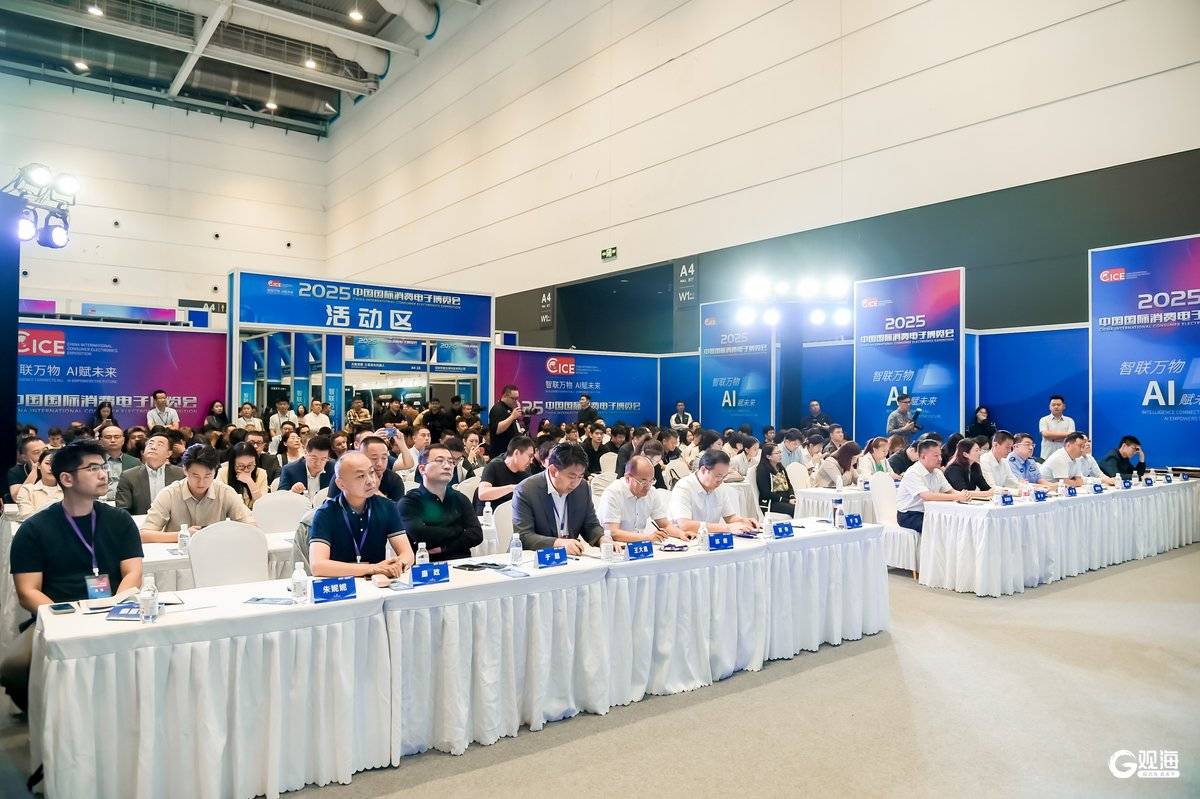
Core Viewpoint - The "2025 Qingdao Cross-Border E-Commerce High-Quality Development Exchange Conference" aims to create an optimal ecosystem for cross-border e-commerce in Qingdao and promote high-quality development in this sector [1]. Group 1: Event Overview - The conference was held on September 19, with over 150 participants including government representatives, industry experts, and business elites [1]. - The event was guided by the Qingdao Municipal Bureau of Commerce and organized by the Qingdao Trade Development Service Center [1]. Group 2: Recognition and Awards - The Qingdao Cross-Border E-Commerce Comprehensive Pilot Zone awarded 20 outstanding service providers in various categories such as finance, logistics, and talent training [3]. - Ten exemplary cases of "brand going global" were also recognized to set industry benchmarks and accelerate the cultivation of well-known cross-border e-commerce brands in the city [3]. Group 3: Development Strategies - The Qingdao Cross-Border E-Commerce Comprehensive Pilot Zone plays a crucial role in supporting enterprises to explore international markets through policy guarantees, innovative regulatory models, and optimized industrial ecosystems [4]. - The zone aims to foster independent cross-border e-commerce brands and establish a global logistics system with overseas warehouses [4]. Group 4: Competitions and Skill Development - The conference included the award ceremony for the 2025 Qingdao Cross-Border E-Commerce Innovation and Entrepreneurship Skills Competition, featuring new categories such as independent station tracks to assist companies in building their own international channels [6]. - The competition also integrated international elements by involving international students in short video creation and live streaming practices, enhancing the event's global perspective [6]. Group 5: Financial and Market Insights - The conference featured presentations from various platforms like Bank of Communications Qingdao Branch, Amazon Global Selling, JD Europe, Walmart Global E-Commerce, and others, focusing on leveraging Qingdao's industrial advantages and global market trends [8]. - In the first half of this year, China's cross-border e-commerce import and export volume reached approximately 1.32 trillion yuan, marking a historical high and showcasing strong growth momentum [10].
以“智”为核筑高地 杭州上城勾勒“CID”新图景
Sou Hu Cai Jing· 2025-09-20 13:41
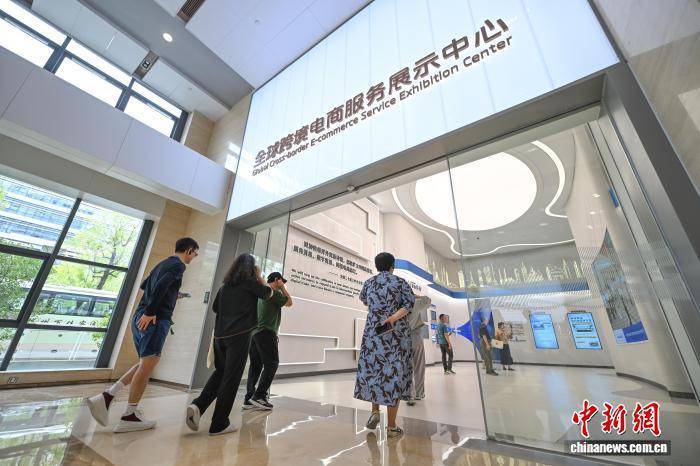
Core Insights - The article highlights the innovative model of "cross-border e-commerce + industrial belt" operating efficiently in Hangzhou's Qiantang Smart City, showcasing how local products are sold globally through digital platforms [1][3] - The establishment of a Global Cross-Border E-commerce Innovation Service Center serves as a hub for over 600 related enterprises, providing a comprehensive service matrix that includes e-commerce platforms, finance, logistics, and technology [3][5] - The long-term positive interaction between the local government and enterprises has fostered a conducive business environment, significantly reducing the time required for customs inspection from six months to thirty days [5][6] Group 1 - The Qiantang Smart City is focused on building a new form of innovation centered around artificial intelligence, aiming for a more vibrant innovation ecosystem and higher industrial capabilities [1] - The Global Cross-Border E-commerce Innovation Service Center integrates various governmental services, streamlining processes for businesses engaged in cross-border trade [3] - The local government’s responsiveness to business needs has been crucial for the growth of enterprises, providing a sense of security and support for innovation [5] Group 2 - The establishment of specialized laboratories by companies like Laoba Testing Technology Co., Ltd. reflects the ongoing investment in technology and infrastructure to support the growing demands of cross-border e-commerce [6] - The article emphasizes the transformation of the Central Innovation District (CID) into a practical reality, driven by intelligent solutions and collaborative efforts between government and businesses [6]
会长话封关:“海南跨境电商将打造不可替代的竞争力”
Zhong Guo Xin Wen Wang· 2025-09-20 12:35
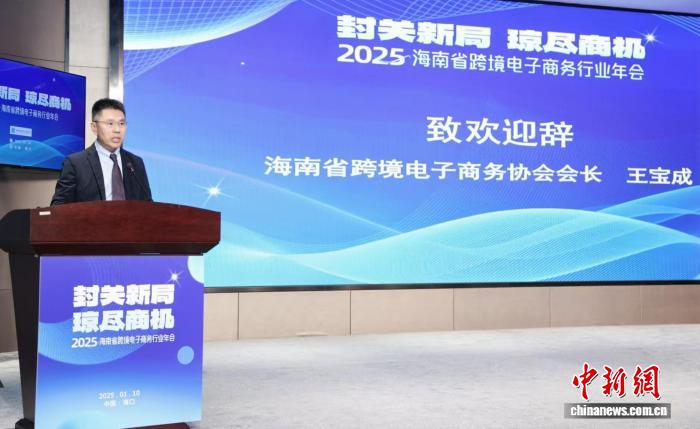
中新网海口9月20日电 题:会长话封关:"海南跨境电商将打造不可替代的竞争力" 中新网记者 王子谦 最近,海南省跨境电子商务协会会长王宝成非常忙。海南自贸港全岛封关运作临近,利好政策相继出 台,协会要详细解读各项利好,同时紧锣密鼓筹办一系列活动。 "海南自贸港封关运作后,海南跨境电商将依托自贸港政策杠杆,在'跨境供应链降本'与'热带特色产品 出海'上打造不可替代的竞争力。"王宝成近日在接受中新网记者专访时说。 图为海南省跨境电子商务协会会长王宝成在今年1月的行业年会上致辞。 (海南省跨境电子商务协会 供 图) 自贸港建设打开产业发展空间 随着全球贸易格局的变革和互联网技术的发展,跨境电商凭借其灵活高效的供应链,加快成为中国外贸 的重要动能和高质量发展的新引擎。海南自贸港重点推进贸易自由化便利化,为跨境电商发展注入动 力。 王宝成还记得,2020年6月1日《海南自由贸易港建设总体方案》发布后,"零关税""一线放开"等核心政 策为跨境电商发展打开了空间;2018年和2020年,海口、三亚分别设立跨境电商综合试验区,让电商企 业看到了拓宽备货渠道,提升盈利空间的诸多可能。 进入2025年,随着海南自贸港封关运作临近 ...
2025“全球POD生态+”大会召开:POD按需定制成跨境电商新焦点丨最前线
3 6 Ke· 2025-09-20 09:11
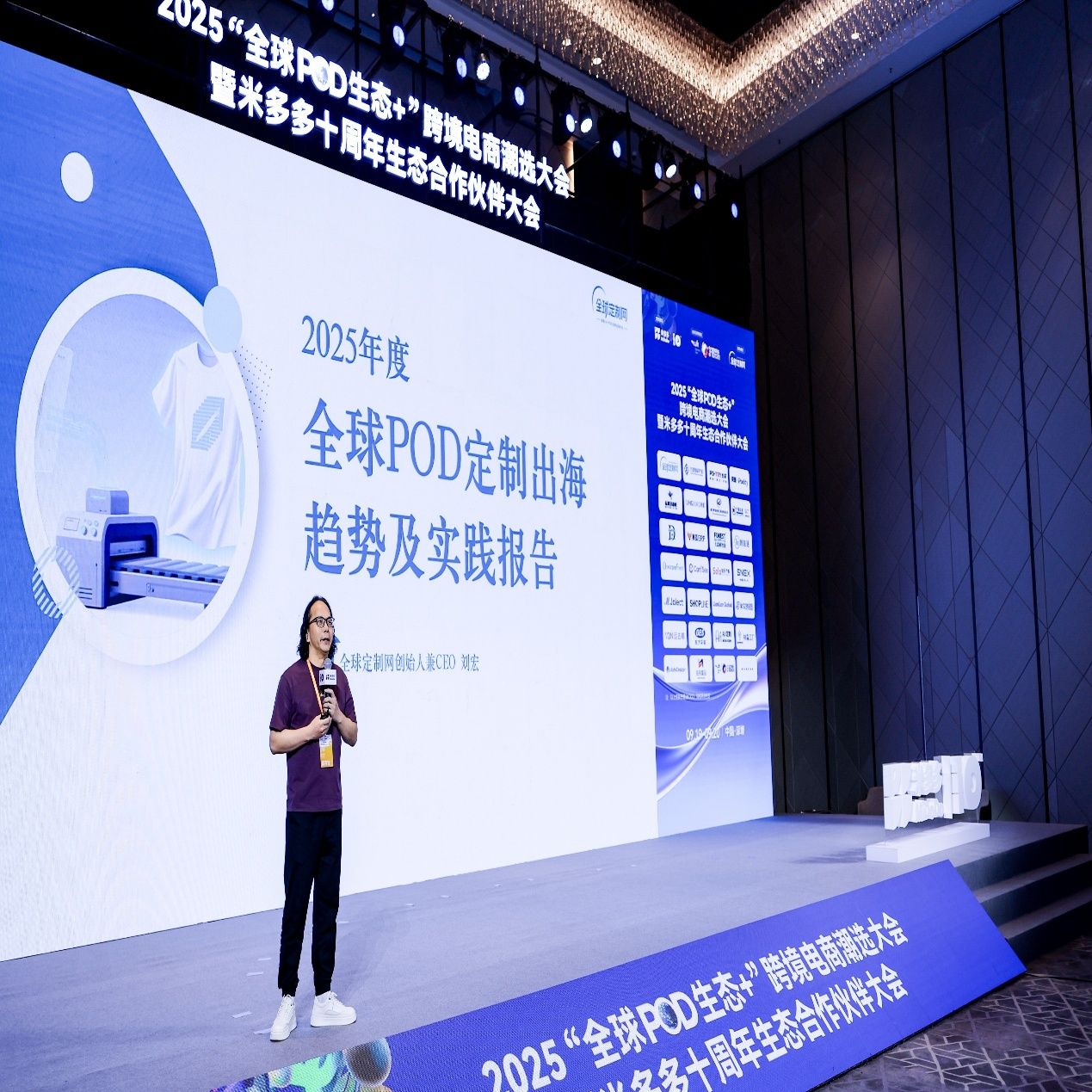
Group 1 - The 2025 "Global POD Ecosystem + Cross-Border E-commerce Trend Selection Conference" was held in Shenzhen from September 19, organized by Miduo Technology [1] - CEO of Miduo Technology, Deng Hai, emphasized that digitalization and new globalization driven by digital technology present significant opportunities [1] - Deng Hai outlined the evolution of China's cross-border e-commerce in three stages: the "Wild Era" focused on "selling out," the "Chaotic Era" with intensified competition, and the current "Awakening Era" aimed at "brand globalization" [1] Group 2 - According to data from the General Administration of Customs, China's cross-border e-commerce export value is projected to reach approximately 2.15 trillion yuan in 2024, representing a year-on-year growth of 16.9% and accounting for 8.5% of total goods trade exports [1] - Major export destinations include the United States, the United Kingdom, and Germany, with consumer goods dominating exports across categories such as apparel, digital products, and home appliances [1] - The report highlighted that the sources of goods remain concentrated in coastal provinces such as Guangdong, Zhejiang, and Fujian [1] Group 3 - The founder of Global Custom Network, Liu Hong, released the "2025 Global POD Customization Trends Report" during the conference [2] - POD (Print on Demand) is expanding its categories and application scenarios, extending from clothing and footwear to home goods, jewelry, pet supplies, and digital accessories [2] - The integration of POD into various channels such as TikTok Shop, Amazon, Temu, and independent sites has garnered significant attention during the conference [2]
两家A股上市公司,递表港交所
Sou Hu Cai Jing· 2025-09-19 15:44
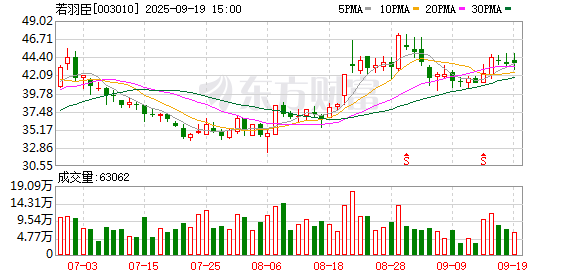
Group 1: Company Overview - RuYueChen submitted an application for H-share listing on the Hong Kong Stock Exchange on September 19, marking the beginning of its journey to list in Hong Kong [1][6] - The company, known for its e-commerce operation services, was listed on the Shenzhen Stock Exchange in 2020 and has since transitioned to developing its own brands [6][8] Group 2: Financial Performance - As of September 19, RuYueChen's stock price has increased by 216.63% this year, with a total market capitalization of 13.56 billion RMB [4] - In the first half of 2025, the company's own brand revenue reached 603 million RMB, a significant increase of 242.42% year-on-year, accounting for 45.75% of total revenue [8][11] Group 3: Strategic Initiatives - The company aims to enhance its capital strength and international brand image through the Hong Kong listing, which will also improve its overseas financing capabilities [8][9] - RuYueChen plans to expand its global market presence, initially focusing on Southeast Asia, and will seek acquisitions of high-potential overseas brands [9][11] Group 4: Market Trends - The trend of "A+H" listings is gaining momentum, with many companies opting for Hong Kong listings to leverage international financing advantages and policy support [4][13] - The PCB industry is also witnessing a similar trend, with several companies pursuing IPOs or "A+H" listings to accelerate capital market processes [13][18]
星徽股份:接受摩根基金等投资者调研
Mei Ri Jing Ji Xin Wen· 2025-09-19 15:42
Company Overview - Xinghui Co., Ltd. (SZ 300464) announced an investor meeting scheduled for September 18, 2025, where the company’s board secretary and securities representative will address investor inquiries [1] Financial Performance - For the year 2024, the revenue composition of Xinghui Co., Ltd. is as follows: manufacturing of construction and safety metal products accounts for 64.95%, cross-border e-commerce contributes 33.54%, and other businesses make up 1.51% [1] Market Position - As of the report, Xinghui Co., Ltd. has a market capitalization of 2.5 billion yuan [1]

两家A股上市公司 递表港交所
Shang Hai Zheng Quan Bao· 2025-09-19 15:41
Group 1: Company Overview - Ruoyuchen submitted an application for issuing overseas listed shares (H shares) and listing on the Hong Kong Stock Exchange on September 19, marking the beginning of its journey to enter the Hong Kong market [1][5] - The company has gained significant market attention as a cross-border e-commerce concept stock, with a year-to-date stock price increase of 216.63% and a total market capitalization of 13.56 billion RMB as of September 19 [4] - Ruoyuchen transitioned from an e-commerce operation business to developing its own brand, Zhanjia, in 2020, becoming the first e-commerce operation stock listed on the Shenzhen Stock Exchange [5][6] Group 2: Financial Performance - In the first half of 2025, Ruoyuchen's own brand revenue reached 603 million RMB, a substantial increase of 242.42% year-on-year, accounting for 45.75% of total revenue, surpassing brand management and operation services for the first time [5][6] - The company reported rapid growth in revenue and net profit for three consecutive years, indicating a successful strategic transition [5][6] Group 3: Strategic Initiatives - The planned Hong Kong listing aims to enhance the company's capital strength, overall competitiveness, and international brand image while improving its overseas financing capabilities [5][6] - Ruoyuchen intends to leverage the advantages of the Hong Kong capital market to deepen its global strategy, explore overseas expansion of its own brands, and pursue strategic acquisitions [6][9] Group 4: Market Trends and Consumer Insights - The company recognizes a shift in consumer focus from functionality to understanding consumer needs, emphasizing aesthetic perception, value recognition, and situational experience [5][6] - Ruoyuchen has established a comprehensive operational system centered around Douyin (TikTok), enhancing its ability to target consumers and achieve rapid brand growth [7][9] Group 5: Future Plans - The company plans to create a multi-brand matrix centered on "quality," "self-pleasure," and "health," covering household cleaning, dietary supplements, and other potential consumer categories [10] - Ruoyuchen aims to continuously explore and apply new technologies and materials to build a sustainable and scalable innovation system, providing consumers with diverse experiences and value [10]