
铁矿石开采

Search documents
不把进口铁矿石价格打下来,中国钢铁企业就是给外国资本家打工!
Sou Hu Cai Jing· 2025-10-05 10:49
Core Points - China has suspended iron ore imports from Australia, requiring BHP to sell at market prices and accept payment in RMB [1][3] - Australia exports approximately 700 million tons of iron ore to China annually, out of a total of 1.2 billion tons imported by China [3] - Historically, Australia held significant pricing power in the iron ore market, with mining costs around $30 per ton and selling prices ranging from $103 to $267 per ton, resulting in profit margins of 343% to 890% [5] - Chinese steel companies have struggled with low profit margins, often below 5%, which has impacted their ability to invest in R&D and improve employee welfare [5] Industry Developments - To gain pricing power, China has invested in iron ore projects in Guinea and Brazil, and has recently negotiated agreements with Russia for iron ore imports [5] - The establishment of the China Mineral Resources Group in 2022 aims to centralize iron ore procurement, preventing individual steel companies from negotiating prices independently [5] - The shift to RMB payments for bulk commodity purchases is seen as a challenge to US dollar dominance, prompting concern from the US [5]

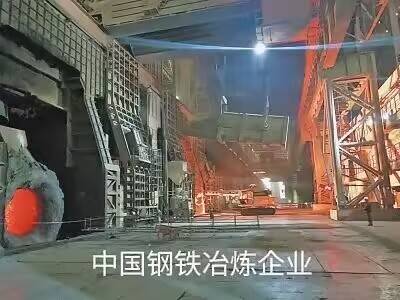
澳大利亚对稀土开“首枪”,中方将订单全部叫停,澳总理求助无门
Sou Hu Cai Jing· 2025-10-05 04:28
Core Points - China has taken direct action by suspending iron ore shipping orders with BHP, impacting Australia's economy significantly [4][12] - Australia's Prime Minister Albanese expressed disappointment but his response was perceived as weak and ineffective [3] - The suspension of orders is a reaction to Australia's alignment with the US and EU on rare earth supply issues, indicating a shift in trade dynamics [6][7] Group 1: Trade Relations - China's suspension of iron ore orders is a strategic move to express discontent with Australia's recent trade policies and alliances [7][10] - The decision affects BHP, Australia's largest mining company, which is crucial for the country's iron ore exports [4][12] - Australia has been attempting to set price floors for rare earth exports in collaboration with the US, which has led to increased tensions with China [6][7] Group 2: Market Impact - The immediate effect of China's action has been a fluctuation in BHP's stock price and a broader impact on Australia's mining sector [4][10] - China's iron ore price negotiations have been complicated by Australia's insistence on high prices despite a global price drop of over 25% [10] - Australia's reliance on China for iron ore exports is significant, with projections indicating that 80% of its iron ore revenue comes from the Chinese market [11][12] Group 3: Future Implications - If Australia does not adjust its pricing strategy, it may face further market losses and a potential decline in its mining sector [11] - China's response is seen as a calculated move to avoid direct confrontation while still asserting its position in the market [11][12] - The ongoing tension highlights the contradiction in Australia's economic dependence on China while politically aligning with the US [12]

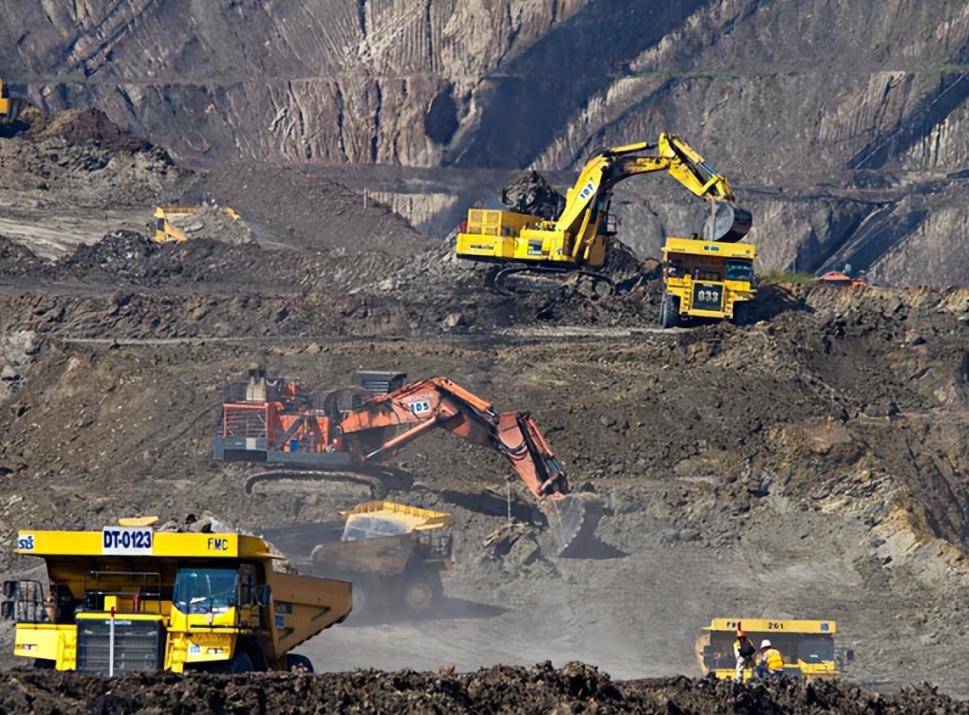
这只是第一枪!拿澳铁矿石开刀,必须用人民币交易,该美元颤抖了
Sou Hu Cai Jing· 2025-10-04 05:03
Core Viewpoint - The recent push by China for RMB settlement in iron ore contracts with BHP has caused significant concern in Australia, indicating a strategic shift in global trade dynamics and financial sovereignty [1][6]. Group 1: Background and Context - The negotiations for contract renewal between China and BHP regarding iron ore have been ongoing for months, with China proposing RMB settlement, which was initially dismissed by Australia as a mere exploratory suggestion [3]. - China imports over 70% of the world's iron ore, with nearly half sourced from Australia, making the Australian market heavily reliant on Chinese demand [3]. Group 2: Historical Context - In the 2010s, China's rapid expansion in steel production led to soaring iron ore prices, with costs reaching $190 per ton, highlighting China's vulnerability due to its reliance on Australian imports [4]. - The U.S. Federal Reserve's interest rate hikes have further exacerbated China's import costs, prompting a strategic shift to reduce dependency on Australian iron ore [4]. Group 3: Strategic Implications - The move towards RMB settlement is seen as a bid for financial sovereignty, potentially leading to a shift in global trading norms similar to the historical U.S. dollar dominance in oil transactions [6]. - This situation reflects a broader structural shift in global trade, with countries like Russia and India also exploring alternative currencies for trade, indicating cracks in the dollar's hegemony [7]. Group 4: Market Reactions - The Australian market reacted negatively, with BHP's stock price dropping by 8%, as shareholders prioritize dividends over geopolitical tensions [7]. - Australian officials are reportedly exploring phased implementation of RMB settlement, acknowledging the market's influence over political rhetoric [7]. Group 5: Future Outlook - The potential for similar "settlement battles" in other commodities such as copper, lithium, and natural gas suggests a trend where China may leverage its market power to reshape global trade rules [8]. - The iron ore situation is viewed as just the beginning of a larger strategic game, with significant implications for global trade dynamics moving forward [8].
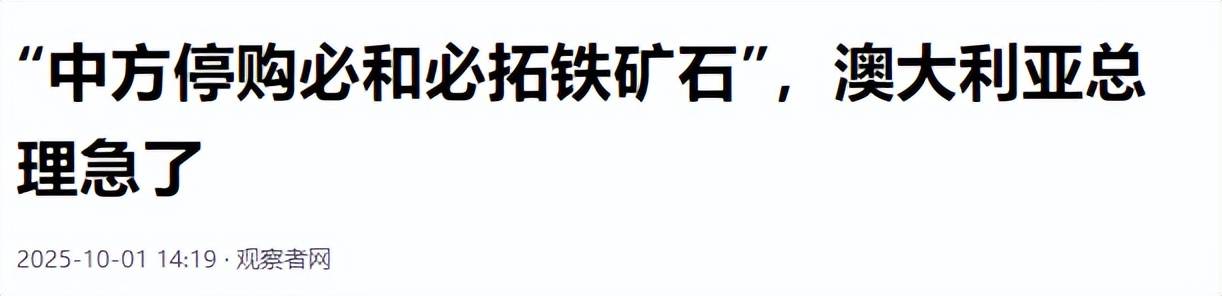
中国开始全面反击: 暂停澳铁矿石进口! 大豆与铁矿关键被中国抓住了
Sou Hu Cai Jing· 2025-10-04 04:45
Core Viewpoint - China is strategically suspending imports of iron ore from BHP, a major Australian mining company, signaling a shift in the balance of power in the global iron ore market and reflecting broader geopolitical tensions between China and Australia [1][5][16]. Group 1: China's Actions - China Mineral Resources Group has instructed domestic buyers to halt purchases of BHP iron ore priced in US dollars, affecting new contracts and shipments already in transit [5][7]. - This decision is a significant move against BHP, which generated $81.8 billion in revenue for the fiscal year 2024, with iron ore accounting for approximately 60% of its business [7][12]. Group 2: Australia's Dependency - Australia heavily relies on China for its iron ore exports, with 62% of its iron ore exports going to China, and BHP accounting for over 40% of Australia's iron ore exports to China [7][12]. - The potential long-term suspension of Chinese purchases could lead to a 1.2 percentage point increase in unemployment in Western Australia and negatively impact related industries such as ports and transportation [7][12]. Group 3: Historical Context and Market Dynamics - Historically, Australia has leveraged its iron ore supply to exert pressure on China, but the current situation reveals Australia's vulnerability due to its dependence on the Chinese market [3][14]. - China's recent diversification of iron ore supply sources, including partnerships with West African countries, has diminished Australia's previous pricing power over China [14][16]. Group 4: Broader Implications - The situation mirrors past trade dynamics, such as the US soybean market, where China successfully reduced its dependency on US imports through strategic sourcing and supply chain upgrades [20][26]. - The ongoing geopolitical tensions and trade strategies highlight the shifting landscape of global commodity pricing power, with China increasingly asserting its influence [16][26].

拒用人民币结算?必和必拓铁矿石遭拒收,美元吸引力不再?
Sou Hu Cai Jing· 2025-10-03 22:27
Core Viewpoint - The Chinese government has escalated its actions against BHP by requesting domestic steel mills to halt any new contracts for iron ore priced in US dollars, indicating a shift towards local currency transactions and a broader strategy to reduce reliance on the US dollar in commodity trade [1][3]. Group 1: Trade Dynamics - The ban on new dollar-denominated contracts follows China's earlier suspension of purchases of BHP's iron ore, marking a significant escalation in trade tensions between China and Australia [1][3]. - Australia’s Prime Minister Albanese expressed disappointment over China's decision, emphasizing the importance of iron ore trade for both economies and acknowledging the frequent price negotiation disputes [3][15]. Group 2: Historical Context - China's involvement in international iron ore negotiations began in 2004, but it has historically been in a position of accepting rules set by international miners [3][5]. - The price of iron ore saw significant increases from 2005 to 2008, with a cumulative rise of 165% over four years, highlighting the challenges faced by Chinese steel companies in negotiating prices [5]. Group 3: Shift to Local Currency - The establishment of China Mineral Resources Group in 2022 aimed to consolidate purchasing power among domestic steel mills to challenge the pricing dominance of international miners [6]. - BHP's acceptance of RMB for iron ore transactions in 2022 marked a pivotal moment in the shift towards local currency settlements, with previous attempts to use RMB dating back to 2019 [6][11]. Group 4: Global De-dollarization Trends - The global trend of de-dollarization has gained momentum, with countries like Brazil and Argentina moving towards local currency trade agreements with China [8]. - The share of the US dollar in global foreign exchange reserves has decreased to 58.4%, the lowest since 1995, reflecting a growing distrust in the dollar [8][13]. Group 5: Supply Chain Diversification - China's strategy to diversify iron ore supply includes the development of the Ximangdu iron ore project, expected to add 120 million tons of annual supply capacity [10]. - The domestic recycling of scrap steel is being accelerated, with each ton of scrap steel replacing 1.6 tons of iron ore, contributing to reduced carbon emissions [10]. Group 6: Market Implications - In 2023, China's iron ore imports are projected to reach 370 million tons, accounting for over 75% of global seaborne trade, making China a critical market for Australian iron ore exports [11]. - If China were to cease orders from BHP, the company could face a significant revenue shortfall, given that 80% of its iron ore exports are directed to China [11][15]. Group 7: Financial Market Reactions - The rising costs of domestic iron ore procurement for large steel enterprises have increased by 64% year-on-year, indicating the direct impact of international price fluctuations on the domestic industry [17]. - The shift in procurement strategies aims to leverage economies of scale to mitigate price volatility in the iron ore market [17].
“中方停购必和必拓铁矿石”,澳大利亚总理急了
Guan Cha Zhe Wang· 2025-10-01 11:19
Core Viewpoint - China Minmetals Corporation has requested domestic buyers to suspend purchases of BHP's iron ore priced in US dollars, indicating a significant shift in procurement strategy aimed at enhancing price influence [1][3]. Group 1: Company Actions - The suspension includes new contracts and iron ore shipments already en route from Australia, with only a limited amount of iron ore available for trade in China, all priced in RMB [1]. - This decision follows unsuccessful negotiations between the two parties, highlighting the ongoing tensions in trade relations [1][3]. Group 2: Industry Context - China accounts for approximately 75% of global seaborne iron ore imports, making it the largest consumer of iron ore [3]. - BHP is one of the three major suppliers of iron ore to Chinese steel manufacturers, underscoring the importance of this market for BHP's operations [3]. - Australia's iron ore export revenue is projected to decline from AUD 116 billion to AUD 105 billion by June next year due to increased global supply [3]. Group 3: Government Responses - Australian Prime Minister Albanese expressed disappointment over China's decision and emphasized the importance of iron ore exports for both economies [1][3]. - The Australian government has been attempting to improve relations with China since the Labor Party came to power, which has seen some diplomatic thawing [4][5].
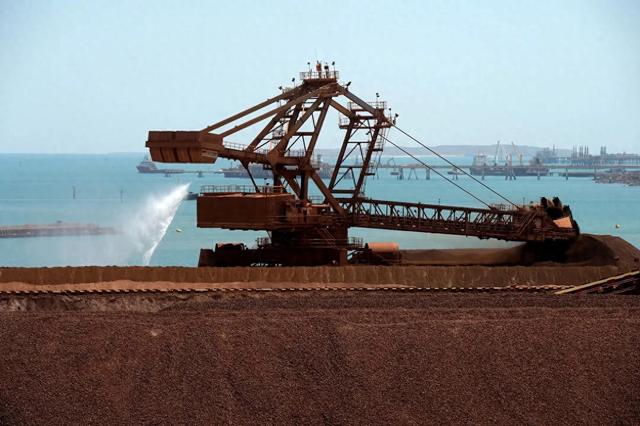
中国铁钛(00893.HK):毛岭-羊龙山铁矿升级扩产
Ge Long Hui· 2025-09-30 10:33
Core Viewpoint - China Iron Titanium (00893.HK) emphasizes the strategic importance of its high-grade iron ore business and plans to develop and expand this segment through a construction contract worth RMB 34 million with a contractor for mine upgrade and expansion services [1][2]. Group 1: Strategic Plans and Developments - The company has entered into a construction contract for mine upgrade and expansion, with a total value of RMB 34 million, to enhance its high-grade iron ore operations [1]. - The strategic decision to upgrade and expand the Maoling-Yanglongshan iron mine is based on the resource integration program completed in 2023, aimed at optimizing production and increasing operational efficiency [2]. - The company plans to increase the annual production capacity of iron concentrate from the Maoling-Yanglongshan mine by approximately 30% to 40% following the upgrade, which is expected to improve economies of scale and reduce unit production costs [2]. Group 2: Operational Efficiency and Future Assessments - Since resuming production in December 2024, the high-grade iron ore business has stabilized, although ongoing site upgrades and expansions have intermittently affected economies of scale [1]. - The company intends to evaluate the feasibility of the next phase of site upgrades and expansions to maintain and enhance the overall productivity of its high-grade iron ore business in the long term [1].
铁矿石2025年四季度展望:海外需求主导,上下空间有限
Nan Hua Qi Huo· 2025-09-30 10:24
Group 1: Report Industry Investment Rating - No information provided about the report industry investment rating Group 2: Core Viewpoints of the Report - In Q4 2025, supported by increased supply and high molten iron production for export, the fundamentals of iron ore are decent. The price is expected to show no strong trend and maintain a moderately bullish oscillating pattern. Domestic demand remains stable overall, while overseas demand is strong. However, long - positions should pay attention to overseas risks [3][88] - The price range in Q4 is expected to be between 90 and 115 for Platts 62 and between 700 and 900 for the iron ore index [4][89] - Industrial risk management suggestion: interval trading [5][90] Group 3: Summary by Relevant Catalogs 1. 2025 H1 Iron Ore Price Review - From January 15 to February 21: Pessimistic expectations were reversed, and supply disruptions supported the price increase. The black market followed the stock market, and both domestic and overseas macro - sentiments were positive. Hurricanes affected iron ore shipments, and the spot was in short supply [5] - From February 22 to April 8: Both expectations and fundamentals weakened. After the hurricane, shipments returned to normal, and the relationship between the stock market and the black market diverged. Tariffs and anti - dumping concerns, along with the expectation of crude steel reduction, pushed the price down [6] - From April 9 to June 18: After the risk release, there was a temporary balance. The iron ore valuation was low, but the actual demand was stable. The Geneva Agreement led to a price increase, but then the market entered a low - volatility state [7] - From June 19 to the present: The iron ore price bottomed out and then rose. The reasons were the promotion of anti - involution and the repair of pessimistic expectations under high molten iron production [8] 2. Supply - **Overall Supply in 2025**: The supply of iron ore in the first three quarters of 2025 was tight at first and then loosened. The global shipment volume in the first three quarters was about 1.133 billion tons, a year - on - year increase of 0.78%. It is expected that the shipment in Q4 will be relatively sufficient, with a year - on - year growth rate of about 1% [11] - **China's Supply**: From January to August, the cumulative import of iron ore and its concentrates was 801.618 million tons, a year - on - year decrease of 1.6%. In August, the import was 10.5225 million tons, a month - on - month increase of 0.6% [17] - **Shipment by Country**: Australia and Brazil are still the top two suppliers, but their shipment volumes declined. India's exports to China dropped significantly, while Russia's and Mongolia's exports increased [19][20] - **Four Major Mines**: In H1 2025, the four major mines generally overcame adverse factors, and their production remained stable or increased slightly. Vale and Rio Tinto are expected to be the main contributors to the incremental production in H2 [24] - **Domestic Mines**: From January to August, the iron concentrate output of 332 mines was 172.55 million tons, a year - on - year decrease of 2.5%. The annual output is expected to be lower than last year, with a year - on - year growth rate of about - 2% [48] 3. Demand - **Demand Revision**: The view on demand in the semi - annual report needs to be revised. Currently, external demand is the dominant factor. Domestic demand in infrastructure and real estate remains weak, while exports, both direct and indirect, are becoming the leading force in black demand [51][52] - **Molten Iron Production**: In the first three quarters of 2025, the average daily molten iron production was 237210 tons, a year - on - year increase of 3.73%. It is expected that the production in Q4 may first remain stable and then decline [58] - **Steel Mill Supply Adjustment**: In the first three quarters, downstream steel mill demand was decent supported by exports. Building materials demand declined, while plate demand maintained positive growth. Steel mills adjusted their supply through production transfer [63][64] - **Export Support**: In the context of weak domestic demand, overseas exports are an important support for steel demand. Although the cost advantage is weakening, the export volume is expected to be supported in the second half of the year [68] 4. Inventory - **Port Inventory**: Due to hurricane disruptions and high molten iron production in the first three quarters, port inventory decreased. However, with the recovery of shipments and low steel mill profits, port inventory may start to accumulate again [73] - **Steel Mill Inventory**: Steel mills adhere to the low - inventory strategy for raw materials, and the proportion of trading ore is relatively high [75] - **Global Seaborne Inventory**: The global seaborne inventory of iron ore is high, and the shipping speed has returned to normal, which may accelerate the arrival of iron ore at ports [77] 5. Valuation - **Term Structure**: The term structure of iron ore remains in a back structure, but the contango of far - month contracts has significantly shrunk. In Q4, attention should be paid to steel mill production cuts for reverse arbitrage [79] - **Iron - Scrap Price Difference**: Scrap steel has been less cost - effective compared to iron ore in the past year. The scrap addition ratio in blast furnaces has decreased [82] - **Coking Coal/Iron Ore Seesaw Effect**: In 2025, the price seesaw effect between coking coal and iron ore is more significant. If coking coal prices remain strong in Q4, it may continue to suppress iron ore prices [84] - **Volatility**: The implied volatility of iron ore options decreased in H1 2025 and then rebounded after the anti - involution trading in late June [86]


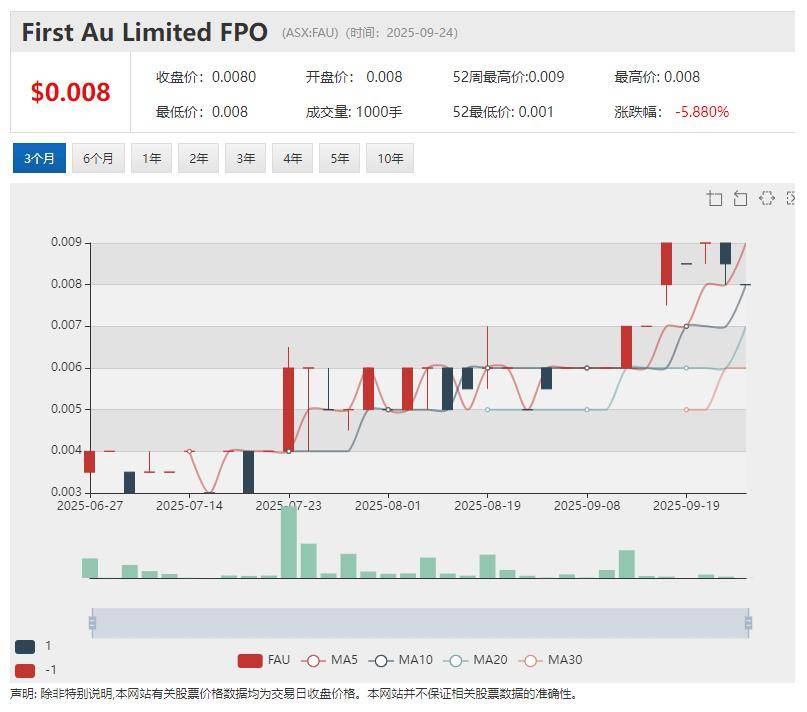
(ASX: FAU)加速推进澳洲Gimlet金矿钻探作业 西非Nimba项目延伸高品位金矿化带 黄金资源版图雏形初现
Sou Hu Cai Jing· 2025-09-25 13:52
Group 1 - First Au Limited (ASX: FAU) is accelerating drilling operations at its Gimlet gold project in Western Australia while also advancing its Nimba project in West Africa, aiming to enhance its gold resource portfolio [3][5][6] - The Gimlet project has received regulatory approval, and a 2,500-meter reverse circulation drilling program has commenced, targeting an inferred resource of 120,000 ounces of gold at a grade of 3.19 g/t Au [5][6] - The Nimba project, located near Endeavour Mining's Ity mine, has confirmed gold mineralization extensions, with an initial 3,000-meter diamond drilling program underway [7][8] Group 2 - The drilling at Gimlet is expected to provide critical geological data to support future open-pit and underground mining studies, enhancing the confidence in the existing resource [5][6] - The Nimba project is strategically positioned within the West African Craton gold belt, with significant nearby resources, indicating strong exploration potential [6][7] - First Au Limited plans to focus on resource expansion, feasibility data acquisition, and project value reassessment over the next 6 to 12 months [8]
节前有补库预期 铁矿石仍处于高位宽幅震荡区间
Jin Tou Wang· 2025-09-25 06:09
News Summary Core Viewpoint - The Dalian Commodity Exchange has announced adjustments to iron ore futures contracts, including a price limit of 11% and a margin level of 13%, effective from September 29, 2025 [1]. Market Activity - On September 24, the total iron ore transactions at major ports in the country reached 1.55 million tons, a decrease of 13.46% compared to the previous period; forward spot transactions amounted to 650,000 tons [1]. - The global iron ore shipment volume decreased by 2.48 million tons to 33.248 million tons, although it remains at one of the highest levels for this time of year in recent years [2]. - Iron ore arrivals at 47 ports increased by 3.581 million tons to 27.504 million tons, marking a two-month high [2]. Supply and Production Insights - The National Industrial and Mining Company of Mauritania (SNIM) plans to increase its annual iron ore production to 45 million tons by 2031, supported by the discovery of a new high-quality hematite deposit with an estimated resource of 50 million tons [1]. - Steel mills are showing signs of gradual resumption of production, which is expected to maintain high levels of iron output [3]. - There is an expectation for steel mills to begin restocking as the National Day holiday approaches, which may support raw material prices [3].