不动产

Search documents
个人取得日本不动产将须提供国籍,26年度实施
日经中文网· 2025-12-16 08:00
Core Viewpoint - Japan's Ministry of Justice announced that starting from 2026, individuals must provide nationality information when acquiring real estate, aiming to monitor the nationality of property owners [2][4]. Group 1: Nationality Information Requirement - The new regulation will require individuals to fill out nationality information on real estate registration forms and submit identification documents such as passports and residence cards [2][4]. - Nationality information will be stored internally and will not be recorded in the public real estate registry to protect personal privacy [4]. Group 2: Database Development - The Digital Agency of Japan plans to establish a database by 2027 for sharing nationality information within the government, utilizing the "Basic Real Estate Registration" database [4]. Group 3: Legislative Intent - The ruling coalition of the Liberal Democratic Party and the Japan Innovation Party has committed to drafting a law in 2026 to strengthen regulations on foreign ownership of land, aiming to clarify the actual situation of real estate transactions [5].


日本突发大火
第一财经· 2025-12-02 13:14
Group 1 - A fire broke out in Hakodate, Hokkaido, Japan, on December 2, 2025, affecting a two-story building housing a real estate company and spreading to adjacent structures [3][5] - Over 10 fire trucks have been deployed by the fire department to combat the blaze, and firefighting efforts are ongoing [4] - There have been no reports of casualties so far, but nearby commercial facilities, including department stores, have temporarily closed due to the fire [5]

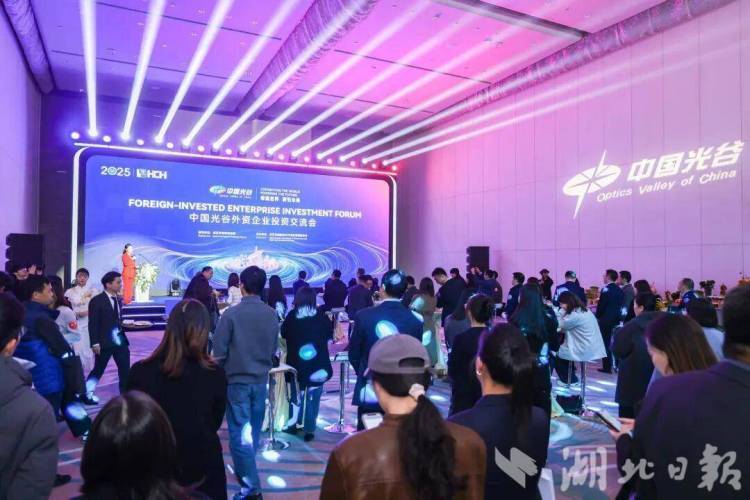
1300多家外资企业聚集 光谷举办外资企业投资交流会
Sou Hu Cai Jing· 2025-11-27 01:53
Core Insights - The 2025 China Optics Valley Foreign Investment Exchange Conference was held on November 25, attracting over 100 foreign enterprise representatives, including more than 30 global leading companies and European hidden champions to discuss cooperation and development opportunities [1][3] Group 1: Investment Opportunities - Companies that have established operations in Optics Valley have experienced rapid business growth and are optimistic about future development prospects, indicating a strong investment climate [3] - Zhongda Digital, a joint venture between Dassault Systèmes and Central South Architectural Design Institute, established a research center in Optics Valley in November 2024, achieving over 10 million in revenue within its first year and growing its team to over 40 members [3] Group 2: Demographics and Market Potential - Over 70% of the population in Optics Valley is under 35 years old, highlighting its status as a vibrant and youthful city with significant development and investment potential [5] - CapitaLand, a leading listed real estate management company from Singapore, has signed a project agreement for a new neighborhood life center in Optics Valley, which is expected to open by the end of April 2026 [5]
深度智联:地产AI-READY
克而瑞地产研究· 2025-11-24 09:02
Core Viewpoint - The real estate industry is undergoing a significant transformation towards intelligence, driven by the need for systematic solutions to address challenges such as fragmented data and complex decision-making processes [2]. Group 1: Industry Transformation - Artificial intelligence is reshaping various sectors, including real estate, where many players are still constrained by outdated practices [2]. - The transformation is not merely a technological upgrade but a comprehensive restructuring of business processes [2]. - The company aims to integrate industry experience with cutting-edge technology to empower real estate professionals more efficiently [2]. Group 2: AI-Ready Framework - The company has developed an "AI-Ready" positioning, indicating readiness in data, knowledge, technology, business, and organization [3]. - A suite of applications has been launched, including CRIC2025 for research decision-making, DeepHouse for global investment advisory, and AI-driven platforms for the aging population sector [3]. - The digital workforce, including roles like "decision experts" and "real estate sales champions," is designed to enhance productivity across various scenarios [3]. Group 3: Collaborative Approach - The company emphasizes the importance of collaboration in driving industry progress and aims to be a partner in the transformation journey of the real estate sector [4]. - The digital ecosystem and intelligent foundation built by the company are intended to benefit the entire industry, not just its own growth [4]. Group 4: Future Outlook - The current phase marks the beginning of a new era characterized by human-machine collaboration and AI readiness in the real estate sector [5]. - The company expresses readiness to embark on this journey and looks forward to co-creating a smart future for the real estate industry [6].

格睿思邓耀华:有150亿美金的资本用我们的评级来决定它的投融资决策
Xin Lang Cai Jing· 2025-10-18 08:27
Core Insights - The 2025 Sustainable Global Leaders Conference will be held from October 16 to 18 in Shanghai, focusing on sustainable development and ESG (Environmental, Social, and Governance) practices [1] Group 1: Event Overview - The conference is co-hosted by the World Green Design Organization (WGDO) and Sina Group, with support from the Shanghai Huangpu District Government [1] - The event includes a forum where GRESB's China Chief Representative, Deng Yaohua, will discuss the application of ESG evaluation standards [1] Group 2: GRESB's Role in ESG Management - GRESB operates as an active rating system, focusing on the perspective of stakeholders, with $150 billion in capital influenced by its ratings for investment decisions [3] - The organization emphasizes the importance of balancing risk and return, particularly in the context of climate risks, including physical, transition, and policy risks [3][4] Group 3: Investment Considerations - Investors are increasingly concerned about climate change impacts, such as flooding, which can erode property value if not considered during investment negotiations [4] - GRESB provides quantifiable metrics for ESG performance, which helps companies set specific goals and KPIs for their strategic planning [5] Group 4: ESG Strategy Implementation - The organization highlights the need for a structured approach to ESG strategy, with approximately 60 different indicators to guide companies in optimizing their performance [5] - GRESB's standards not only serve as a rating system but also as a disclosure standard, assisting companies in achieving excellence in ESG performance [5]

不动产行业积极推动数智化转型
Zhong Guo Jing Ji Wang· 2025-10-04 02:26
Core Insights - The real estate industry is undergoing a transformation from "land dividends" to "digital intelligence dividends" driven by the deep integration of the digital economy and the real economy [1] - The "Digital Intelligence Transformation White Paper" provides a comprehensive explanation of the underlying logic and practical paths for this transformation, drawing on ten years of practice from QianDing Data Science and insights from KPMG and industry experts [1] Group 1 - Real estate companies need to develop a clear strategic plan that aligns with their business needs to maximize the value of digital intelligence transformation [2] - It is essential to integrate digital technologies into core business processes, breaking down barriers between technology and business to ensure that solutions meet actual business needs [2] - Organizations must foster an agile culture and structure to encourage employee participation and innovation in the digital transformation process [2] Group 2 - The integration of digital technology in real estate will lead to smarter, greener, and more human-centric buildings, evolving into "perceptive, interactive, and evolving" entities [3] - The assetization and marketization of data elements will open new value growth paths, shifting companies from "space providers" to "data service providers" [3] - Leading companies are achieving significant improvements in management efficiency and business model diversification through digital transformation across project lifecycle management, asset management, and property service management [3]
行业从“增量扩张”走向“存量运营” 数智化转型成房企必答题
Zhong Guo Jing Ying Bao· 2025-09-23 04:00
Core Insights - The transformation towards digital intelligence in the real estate industry is deemed essential for survival and improvement, moving from traditional construction to a new paradigm of "space operation + data empowerment" [1][3] Group 1: Industry Transformation - The real estate sector is undergoing a significant shift from an incremental to a stock-based era, driven by digital transformation [2] - From 2000 to 2010, new housing construction reached 115% of the initial stock, doubling growth; from 2010 to 2020, it achieved 80% growth on an already expanded stock; projections for 2020 to 2030 indicate new construction will decline to around 40% [2] - The focus of the industry is shifting from large-scale new construction to stock operation and quality enhancement, with future growth rates stabilizing at 20% to 25% [2] Group 2: Key Elements of Change - In the incremental era, core elements were land and capital; in the stock era, data and operational capability become central [3] - The redefinition of real estate to include data alongside physical rights and location is expected to fundamentally alter the industry's value recognition system [3] Group 3: Digital Transformation in Practice - The past two years have seen rapid digital transformation in the real estate sector, driven by the need to improve space, energy, organizational, and service efficiencies [3] - Companies like Longfor Group have reported significant efficiency improvements, with project design times reduced by 64% to 72% due to digitalization [3] - Over half of the companies have initiated digital transformation, anticipating disruptive impacts within five years, although challenges such as assessing economic benefits and data quality persist [3][4] Group 4: Recommendations for Companies - Companies are advised to maintain their core business while enhancing productivity through digital means, focusing on information, digitalization, and intelligent applications [4][5] - Exploring related or innovative business areas, including horizontal expansion and strategic emerging industries, is recommended to create comprehensive service solutions [5]

智慧空间科技风向标,千丁数科发布《不动产数智化转型白皮书》
3 6 Ke· 2025-09-22 04:46
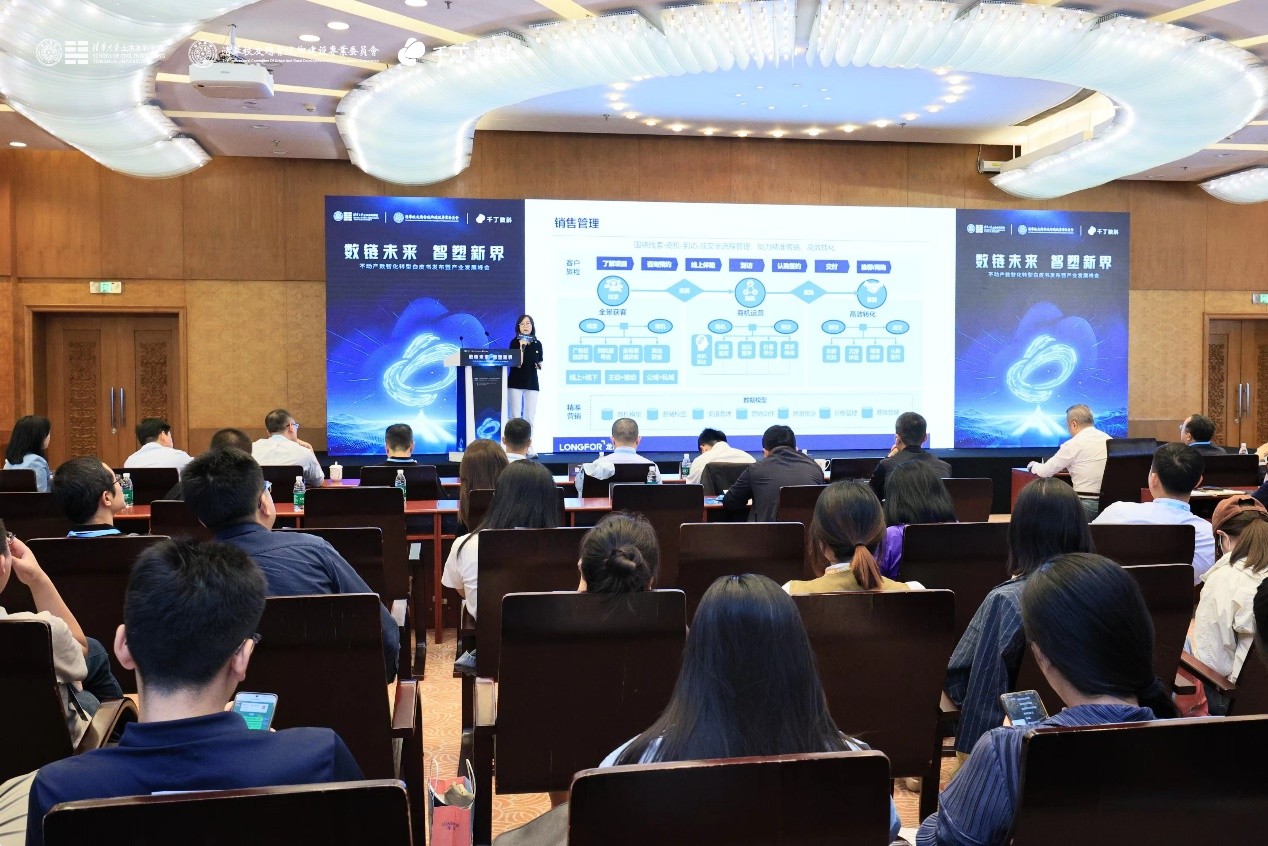
Core Insights - The summit focused on the theme "Digital Chain Future, Intelligent New Thinking," highlighting the importance of digital transformation in the real estate industry as a necessity rather than an option [3][4] - The release of the "Real Estate Digital Transformation White Paper" aims to provide actionable solutions for the industry's current challenges and digital capability building [6][8] Group 1: Event Overview - The summit was held at Tsinghua University and organized by various academic and industry bodies, featuring speeches from notable figures including Tsinghua University scholars and executives from Longfor Group [3][4] - The event emphasized the rapid adoption of digital transformation in the real estate sector, driven by the need for improved efficiency across various dimensions [3] Group 2: Digital Transformation Insights - Longfor Group has invested over 10 billion in product research and development over the past decade, establishing a methodology for digital transformation that can be referenced by the industry [4] - The integration of advanced technologies such as AI, BIM, IoT, and digital twins has enabled 千丁数科 to serve over 3,600 enterprises across multiple sectors, providing robust solutions for digital transformation [6] Group 3: White Paper Release - The "Real Estate Digital Transformation White Paper" was officially launched, addressing key industry concerns and offering practical solutions for digital application and future technology directions [6][8] - The white paper aims to guide the industry in finding suitable transformation paths, emphasizing a human-centered, data-driven, and sustainable approach to the digital real estate era [7]
践行“人工智能+”:千丁数科《不动产数智化转型白皮书》发布
Zhong Guo Jing Ji Wang· 2025-09-20 01:32
Core Insights - The summit on the digital transformation of the real estate sector was held at Tsinghua University, focusing on the theme "Digital Chain Future, Intelligent New Thinking" [1] - The event highlighted the urgency of digital transformation in the real estate industry, emphasizing that it is no longer optional but essential for survival [3] Group 1: Industry Trends - The disappearance of land dividends has accelerated the need for digital transformation in the real estate sector, shifting from extensive to refined management practices [3] - Digital transformation is seen as a necessary response to challenges related to spatial, energy, organizational, and service efficiencies [3] Group 2: Company Initiatives - Long-term investment by Longfor Group in digital transformation has exceeded 10 billion yuan, leading to the development of a methodology that can be referenced by the industry [4] - Longfor Group's digital initiatives have resulted in significant efficiency improvements, such as reducing the initial design time for residential projects to 22 days, achieving a 64%-72% increase in efficiency [3][4] Group 3: Technological Integration - Qian Ding Digital has a research and development team of over 1,000, integrating advanced technologies like AI, BIM, IoT, and digital twins to support over 3,600 enterprises across various sectors [6] - The release of the "Real Estate Digital Transformation White Paper" aims to provide actionable solutions for industry challenges and digital capability building [6][8] Group 4: Future Directions - The white paper emphasizes the importance of a human-centered, data-driven, and sustainable approach in the new era of digital real estate [8] - The goal is to assist companies in finding suitable transformation paths and to rejuvenate their development momentum [8]
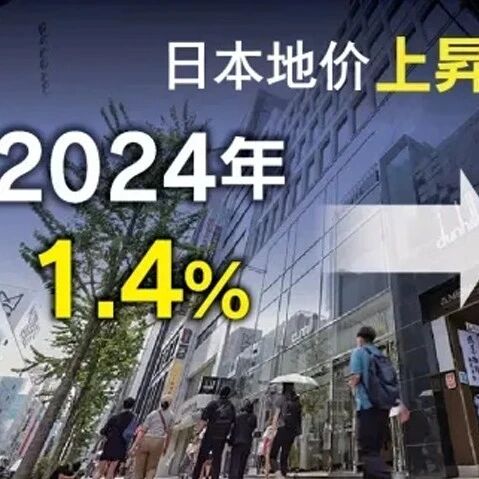
日本基准地价连续4年上涨
36氪· 2025-09-19 13:42
Core Insights - The average nationwide increase in land prices for residential and commercial use is 1.5%, marking the highest growth since 1991's 3.1% [5] - The Tokyo metropolitan area has seen a significant increase, with 89.2% of surveyed locations experiencing price hikes [5] - The highest land price location remains the Meijiya Ginza Building in Tokyo, priced at 46.9 million yen per square meter, reflecting an 11.4% increase from the previous year [7] Group 1: Nationwide Trends - The nationwide average increase in land prices has expanded compared to the previous year, with 49.3% of surveyed locations reporting price increases, up from 48.3% in 2024 [5] - The average increase in the Tokyo metropolitan area accelerated from 4.6% in 2024 to 5.3% in 2025, driven by ongoing redevelopment and population influx [5][7] - The Osaka metropolitan area also saw an increase, with growth rising from 2.9% in 2024 to 3.4% in 2025, supported by major redevelopment projects and events like the Osaka Kansai Expo [7] Group 2: Regional Insights - In central Tokyo, the average increase in residential land prices exceeded 10% in key districts such as Chiyoda, Chuo, and Minato, driven by demand from foreign visitors and affluent domestic buyers [7] - Fukuoka City experienced a commercial land price increase of 10.2%, despite a decline from 13.2% in 2024, attributed to redevelopment initiatives [7][8] - Nagoya and other regional cities continue to see price increases, although at a slower rate, with Hiroshima benefiting from redevelopment around Hiroshima Station [8] Group 3: Economic Context - Japan's nominal GDP is projected to grow by 3.7% in the 2024 fiscal year, marking four consecutive years of positive growth [11] - Consumer prices, excluding fresh food, have risen by over 3% year-on-year, contributing to the upward trend in land prices [11] - Experts suggest that land prices will continue to rise in urban centers, benefiting landowners but potentially making housing less affordable for new residents [11]