
低空飞行器制造

Search documents
听,高质量发展新脉动|科技自强抢占未来新赛道
Xin Lang Cai Jing· 2025-12-16 17:13
Group 1 - The central economic work conference emphasizes "innovation-driven development" as a key task for the upcoming year, focusing on nurturing new growth drivers [1] - The National Bureau of Statistics highlights the significant potential of industries such as new energy, new materials, aerospace, and low-altitude economy, which are expected to become emerging pillar industries [1] - By 2025, the low-altitude economy market size in China is projected to reach 1.5 trillion yuan, with expectations of growing to 3.5 trillion yuan by 2035 [12] Group 2 - The low-altitude application scenarios are rapidly expanding, with various uses from drone delivery to emergency rescue and sightseeing [3] - The Zero Gravity Aircraft Industry has signed a strategic cooperation agreement for the procurement of 50 ZG-ONE aircraft, indicating strong market demand [5] - The delivery of the world's first eVTOL aircraft with all three airworthiness certificates marks a significant milestone in the industry [9] Group 3 - Shanxi province is actively promoting the development of new industries, focusing on third-generation semiconductors, new materials, and synthetic biology, among others [20] - The production capacity of silicon carbide single crystals at Shanxi ShuoKe Crystal Co., Ltd. has reached 300,000 pieces annually, positioning the company as a leader in the domestic market [18] - The automotive industry in Shiyan, Hubei, is transitioning towards new energy and materials, with over a thousand automotive enterprises contributing to a diverse supply chain [22] Group 4 - The "embodied intelligence" sector is rapidly evolving, with significant investments and a growing number of companies involved, exceeding 400 billion yuan in financing [23][24] - The market for humanoid robots is expected to reach a scale of 100 billion yuan by 2030, driven by innovation and demand [24] - The integration of technological and industrial innovation has led to a 42% increase in the added value of high-tech manufacturing during the "14th Five-Year Plan" period [26]


深圳“天空之城”上新!低空超级工厂落户前海
Sou Hu Cai Jing· 2025-11-25 15:26
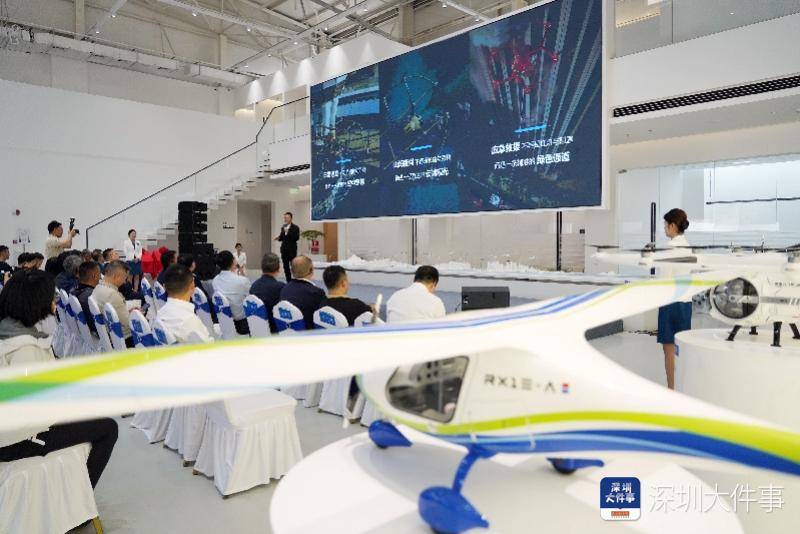
Core Insights - Shenzhen is rapidly developing its low-altitude economy, highlighted by the establishment of the first large eVTOL manufacturing company, Zero Gravity Aircraft Industry Co., Ltd., and the first low-altitude flight camp, "Green Aviation Camp" [1] Group 1: Company Developments - Zero Gravity's innovative model, ZG-ONE, integrates five functions: R&D center, flagship showroom, delivery base, educational park, and aviation camp, aiming for an annual production capacity of 100 eVTOLs [3] - The flagship eVTOL model, ZG-ONE, features advanced safety systems and is designed for low-altitude sightseeing, with over 1,000 pre-orders received [5][8] - The company is addressing the challenge of eVTOL usage by launching a "Green Aviation Camp" strategy, transitioning from a manufacturer to an operator, creating a network for low-altitude economic activities [8][10] Group 2: Industry Trends - The establishment of the "Guangdong-Hong Kong-Macao Greater Bay Area Low Altitude Industry-Education Innovation Center" aims to fill the talent gap in the low-altitude economy by training professionals in operation and maintenance [10] - Shenzhen is positioning itself as a leader in the low-altitude economy, with supportive policies and a complete ecosystem for R&D, manufacturing, and operational scenarios [12][14] - The region is attracting various innovative companies, creating a "dream team" for the low-altitude economy, with a focus on integrating key technologies and fostering high-level talent [14]
“卷”的正确姿势是这样的
Zhong Guo Jing Ji Wang· 2025-11-07 09:03
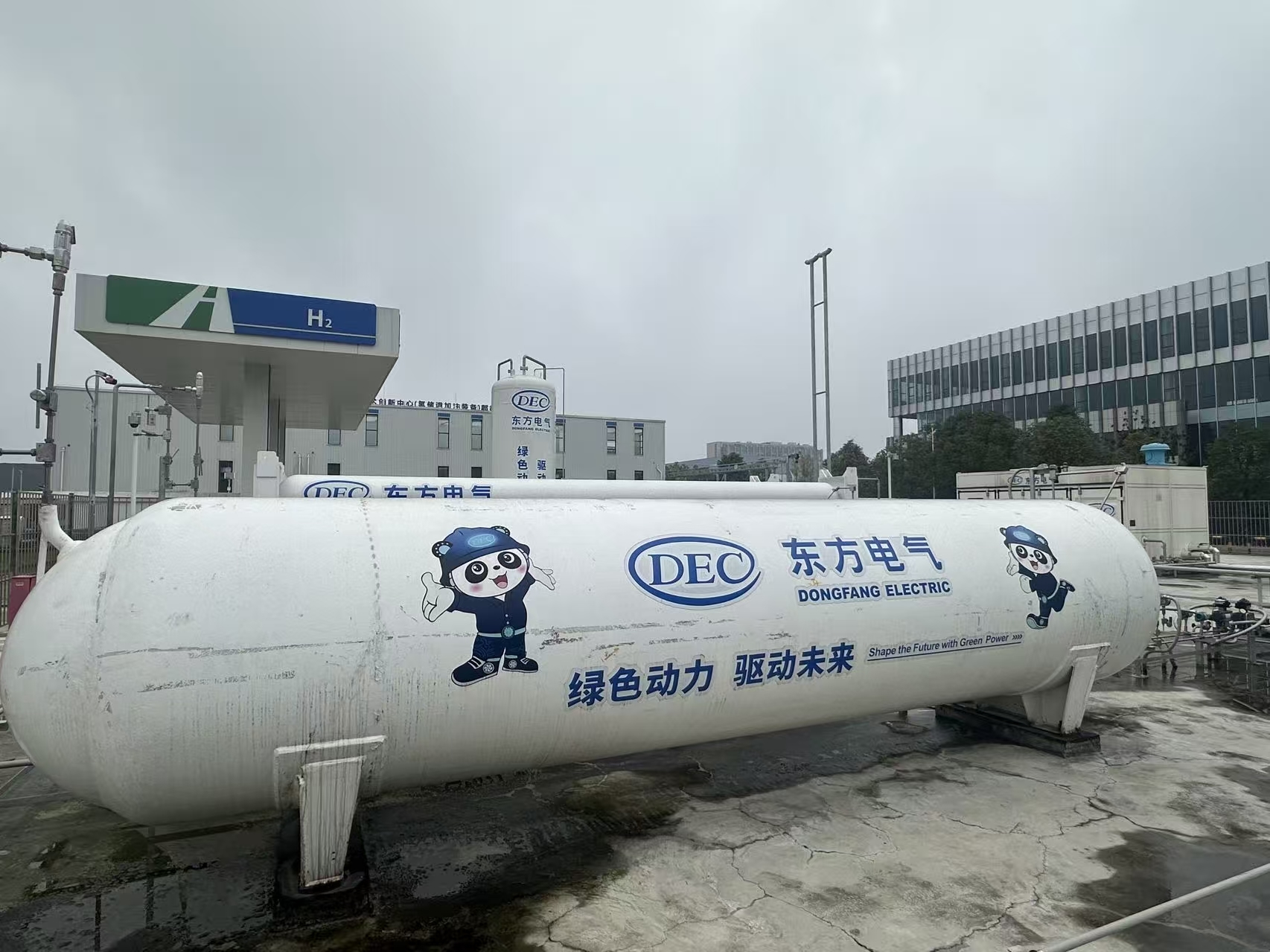
Group 1 - The article discusses the different forms of "competition" in the context of technological self-reliance in China, highlighting that while "involution" is undesirable, it should not be feared [1] - The article emphasizes the importance of core technologies, particularly in the hydrogen energy sector, where companies like Dongfang Electric have established a complete hydrogen energy industry chain and have been recognized as a leading enterprise in future energy by the Ministry of Industry and Information Technology [5] - Original achievements in pharmaceuticals are highlighted, with Chengdu Kanghong Pharmaceutical's self-developed Class I ophthalmic drug significantly reducing the price of imported alternatives, showcasing the company's innovation in drug development [9] Group 2 - The article points out the significance of technical talent in achieving breakthroughs in low-altitude aircraft technology, with Sichuan Wofei Changkong Technology Development Company recruiting experienced teams from leading research institutions to tackle complex engineering challenges [13] - The company has focused on developing key technologies independently, including flight control and tilt-rotor structures, which have undergone multiple iterations to align with national conditions [13]
360个项目“加速跑”!包头市工业重点项目建设稳中有进
Zhong Guo Jin Rong Xin Xi Wang· 2025-09-01 12:27
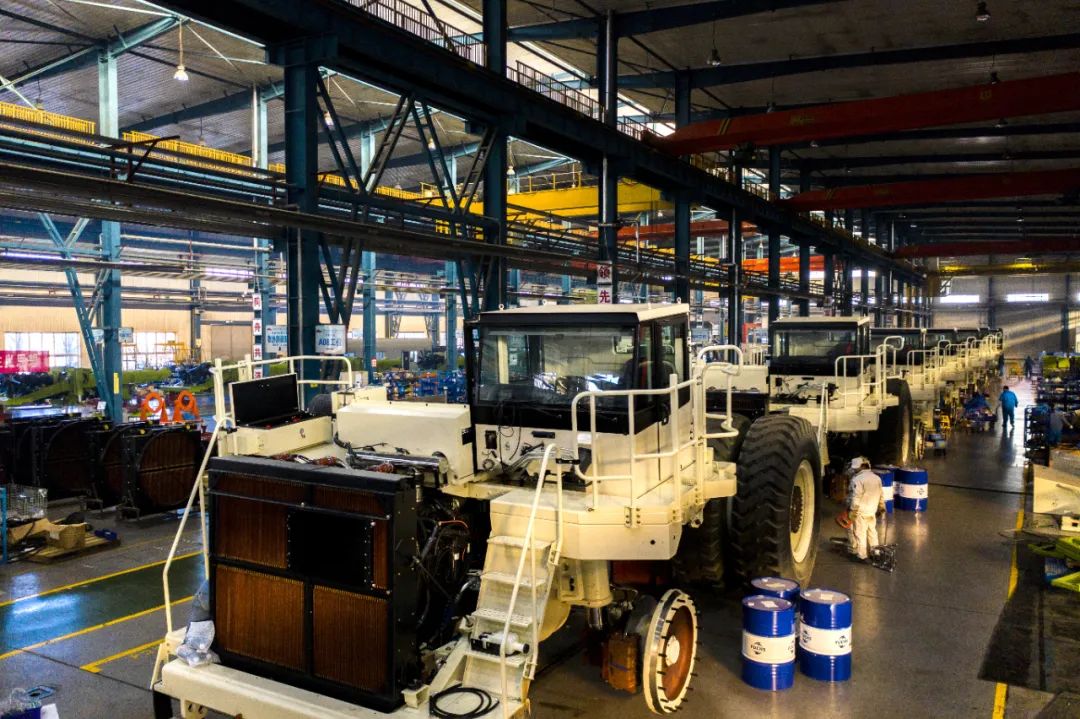
Group 1 - The core industrial projects in Baotou City have shown significant progress, with a total investment of 439.4 billion yuan across 411 key projects, and 360 projects have resumed work, contributing to a strong momentum in industrial growth [1] - The "3+5" key industrial clusters are demonstrating a matrix effect, particularly the crystalline silicon photovoltaic industry, which has 40 out of 42 projects resumed, achieving an investment completion rate of 66.1% [1] - The rare earth industry has 63 out of 67 projects resumed, with an investment completion of 86 billion yuan, accounting for 53.6% of the annual planned investment [1] Group 2 - Five emerging industries are making steady progress, with the new energy heavy truck and supporting industries achieving a 65.8% investment completion rate across six projects [2] - The energy storage industry has 32 resumed projects with a total investment of 16 billion yuan, while the fluorine materials industry has two ongoing projects with 700 million yuan completed [2] - Traditional industries are also advancing, with 43 out of 54 projects in mining, consumer goods, and infrastructure resumed, achieving an investment completion rate of 54.2% [2] Group 3 - Industrial technological transformation projects have shown promising results, with 73 out of 87 projects above 5 million yuan resumed, achieving an investment completion of 3.25 billion yuan [3] - The investment completion rate for technological transformation projects in Qingshan District reached 78.7%, while Donghe District achieved an impressive 157.2% [3] Group 4 - Despite the progress, 51 projects have not resumed due to challenges such as funding shortages and insufficient orders [5] - Baotou City plans to focus on large projects with investments over 1 billion yuan and projects scheduled for completion in the second half of the year to enhance industrial economic development [5]
苏州低空经济新材料及先进制造发展论坛: 低空经济为化工材料打开机遇之窗
Zhong Guo Hua Gong Bao· 2025-08-05 03:00
Group 1 - The low-altitude economy is entering an "industrial explosion period," creating opportunities for the application of chemical materials [1][2] - Low-altitude economy relies on various piloted and unmanned aerial activities, necessitating materials that meet stringent safety requirements such as rigidity, heat resistance, corrosion resistance, radiation protection, and oxidation resistance [1] - Basalt fiber is highlighted as a preferred material for drone and aircraft structures due to its high strength, lightweight, and resistance to high temperatures and corrosion, indicating a promising market outlook as the low-altitude economy develops [1] Group 2 - The low-altitude economy is evolving from a "conceptual germination" phase to an "industrial explosion" phase in China, becoming a strategic emerging industry with significant potential [2] - The industry chain encompasses upstream, midstream, and downstream sectors, with upstream facing challenges in raw materials and core components, particularly in metals, ceramics, and communication modules [2] - Collaboration between universities and enterprises is suggested to address manufacturing challenges in low-altitude aircraft production, facilitating rapid development in the upstream sector [2] Group 3 - The National Development and Reform Commission is promoting high-quality development of the low-altitude economy through various measures, focusing on material transformation, manufacturing upgrades, and public collaboration [3] - Local governments, enterprises, and research institutions are encouraged to improve policies, establish data platforms, and increase testing sites to support the low-altitude economy [3] - Suzhou is positioned as a key location for low-altitude development, with aspirations for it to be a focal point in the global low-altitude landscape [3]
御风未来创始人刘十一:复合翼eVTOL更适合高频次、常态化低空出行
Xin Lang Zheng Quan· 2025-07-11 08:12
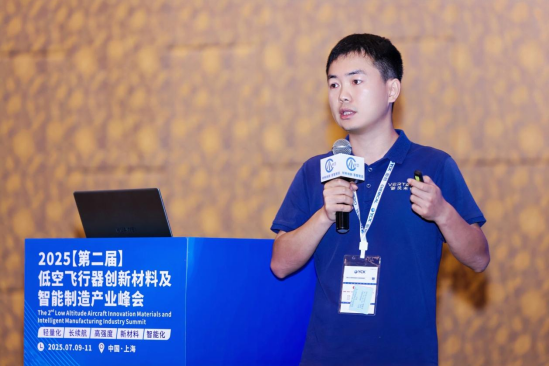
Core Viewpoint - The second Low Altitude Aircraft Innovation Materials and Intelligent Manufacturing Industry Summit was held in Shanghai, focusing on the innovation paths and manufacturing technology upgrades in the low-altitude aircraft industry, particularly eVTOLs (electric Vertical Take-Off and Landing aircraft) [1][7] Group 1: eVTOL Technology and Development - Liu Shiyi, founder and CTO of Yufeng Future, emphasized the need for a balance between high safety and economic efficiency for eVTOLs to achieve large-scale low-altitude travel [1][6] - The mainstream technical paths for vertical take-off fixed-wing eVTOLs are composite wings and tilt-rotors, with the composite wing offering advantages in mechanical complexity, cruising efficiency, and speed [3][5] - Yufeng Future's 2-ton manned eVTOL, utilizing a composite wing design, completed its first flight in October 2023 and is set to receive airworthiness certification from the Civil Aviation Administration of China in January 2024 [3][5] Group 2: Technical Advantages of Composite Wing - The M1 model employs oil cooling technology and positioning stop blades to reduce drag, achieving a 90% reduction in blade resistance [5][6] - Compared to tilt-rotor technology, the composite wing shows a 10% improvement in cruising efficiency, a 3% increase in electric drive efficiency, a 30% reduction in rotor-related weight, and an approximate 6% increase in total range [6] - The composite wing design simplifies mechanical complexity, enhances system reliability, and improves rotor explosion resistance, making it suitable for high-frequency, routine low-altitude travel [5][6] Group 3: Industry Outlook and Market Potential - The low-altitude economy is a strategic emerging industry in China, with predictions of market scale reaching trillions, supported by over 10,000 enterprises collaborating in four major sectors [7] - eVTOLs are positioned as a new transportation solution for urban air mobility, representing a hot new sector in global aviation [7] - Liu Shiyi highlighted the importance of collaboration across the industry chain to achieve commercial success and ensure safety and cost-effectiveness for widespread market acceptance [7]
车企“向上”布局
Ren Min Ri Bao Hai Wai Ban· 2025-06-23 23:02
Core Viewpoint - The emergence of flying cars is becoming a reality, with significant market potential in China's low-altitude economy, projected to reach 3.5 trillion yuan by 2035, prompting major automotive companies to pivot towards this new sector [1] Group 1: Development of Flying Cars - Multiple flying cars have entered the test flight phase, including GAC Group's AirCab, which is priced under 1.68 million yuan and features a dual-structure design for both ground and aerial travel [2] - XPeng's "Land Carrier" flying car consists of two parts: a land vehicle and a flying vehicle, showcasing the versatility of flying cars in urban commuting and sightseeing [2][3] - The eVTOL (electric Vertical Take-Off and Landing) design is the mainstream direction for flying cars, offering advantages such as shorter travel times and higher efficiency compared to ground transportation [4] Group 2: Market Potential and Infrastructure - The eVTOL market is expected to grow significantly, with projections indicating over 100,000 units in China by 2030 as urban air traffic networks develop [5] - The automotive industry's existing infrastructure, such as charging stations and parking facilities, can be adapted for eVTOL use, enhancing the feasibility of flying cars [7] - Government policies are increasingly supportive of the low-altitude economy, with strategic plans encouraging the development and commercialization of flying car technologies [7][8] Group 3: Technological Synergies - The automotive and low-altitude economy sectors share significant technological synergies, particularly in areas like battery systems and autonomous driving technologies, which can be leveraged for flying car development [6] - Approximately 70% of eVTOL components are compatible with those used in electric vehicles, allowing automotive manufacturers to utilize their production expertise in the flying car sector [6] Group 4: Consumer Demand and Future Outlook - There is a growing demand for urban and intercity air travel solutions, with products like GAC's AirCab capable of reducing travel time significantly [9] - Despite the excitement surrounding flying cars, large-scale commercialization is still a few years away due to existing technological and infrastructural challenges [10] - Continuous innovation and collaboration across sectors are essential for overcoming barriers to the successful integration of flying cars into the transportation ecosystem [11]
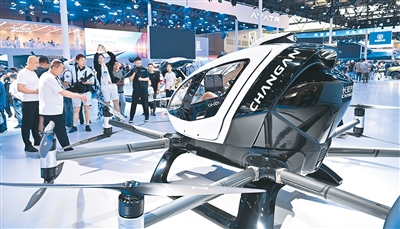
100家中国低空经济企业盘点
机器人圈· 2025-06-21 12:53
Core Viewpoint - The article emphasizes the rapid development of the low-altitude economy in China, predicting that 2025 will be a pivotal year for this sector, driven by significant investments and policy support from various regions [1][2]. Upstream: Materials and Core Components - The upstream segment includes materials and components essential for low-altitude products, such as composite and metal materials, batteries, motors, and flight control systems [11][12]. - A total of 31 companies in the upstream sector have been identified, focusing on materials and core components necessary for the production of low-altitude vehicles [12][13]. Midstream: eVTOL Manufacturing and Related Industries - The midstream sector encompasses the manufacturing of eVTOLs, drones, and helicopters, along with high-end equipment manufacturing and low-altitude infrastructure [15][16]. - There are 49 companies identified in the midstream sector, including notable players like Guangzhou EHang Intelligent Technology Co., which has achieved significant regulatory milestones [16][17]. Downstream: Flight Services and Operational Scenarios - The downstream segment focuses on flight services, including maintenance, training, and operational scenarios such as urban applications, low-altitude tourism, and emergency rescue [19][20]. - A total of 20 companies are involved in downstream operations, providing various services and applications within the low-altitude economy [19].
内蒙古招商“分层突破” 多个产业链实现倍增
Zhong Guo Chan Ye Jing Ji Xin Xi Wang· 2025-05-06 08:24
Group 1 - Inner Mongolia's investment in nine industrial chains exceeded a growth rate of 50% in Q1, with the grass and sheep meat industrial chains achieving remarkable increases of 233.3% and 100% respectively [1] - The strategic emerging industries in Inner Mongolia are showing strong investment attraction, with the energy storage industrial chain seeing a funding increase of 61.5%, and wind power equipment growing by 58.3% [1] - A total of 433 major projects with investments over 1 billion yuan accounted for 66.6% of the total funding, highlighting the importance of significant projects in stabilizing growth [1] Group 2 - Inner Mongolia is enhancing its investment attraction by optimizing its industrial layout and developing ten industrial clusters, which include new alloy materials, wind and solar power, and green agricultural products [2] - In Q1, 30 industrial formats within the ten industrial clusters achieved contracts, filling gaps in hydrogen energy, low-altitude economy, and specific medical raw materials [2] - The target for attracting domestic funds is set at over 570 billion yuan by 2025, with a Q1 growth rate of 37.7%, continuing a trend of high growth over the past three years [3]
高端制造与自主可控 ——申万宏源2025资本市场春季策略会
2025-03-11 07:35
Summary of Key Points from Conference Call Records Industry Overview - The conference call primarily discusses the **automotive industry** and its related sectors, particularly focusing on **high-end manufacturing** and **robotics**. The insights also touch upon the **low-altitude economy** and **military technology**. Key Insights and Arguments Automotive Industry - The automotive sector has shown strong performance since the beginning of the year, with a significant increase in stock prices, outperforming the CSI 300 index by approximately **12.5 percentage points** as of March 6, 2025 [2][3]. - The penetration rate of **new energy vehicles (NEVs)** is expected to reach **60%-65%** by 2025, with favorable subsidy policies for models priced below **150,000 yuan** [1][6]. - Companies like **BYD**, **Xpeng**, and **Geely** are actively launching new technologies and smart models, with **Tesla's Full Self-Driving (FSD)** entering the Chinese market potentially reshaping competition [1][5][11]. - BYD's inventory clearance strategy has boosted sales, but there are concerns about sustaining order growth post-March. If orders reach **300,000-400,000 units** in May without discounts, it could signify a new phase of growth; otherwise, valuation risks may arise [1][10]. - The **robotics industry** is experiencing growth driven by the spillover of China's manufacturing capabilities, with companies embracing AI technologies to enhance competitiveness [1][14]. Investment Strategies - The investment strategy for the automotive sector emphasizes the resonance between **domestic demand** and **AI commercialization**, highlighting opportunities for valuation enhancement [2]. - Key companies to watch include **Xpeng**, **BYD**, **Xiaomi**, and **Geely**, with specific models like **Xpeng G6/G9** and BYD's new platform technology expected to redefine market segments [7][16]. - The **robotics industry** is entering a mass production phase, with major companies providing clear production guidance and significant policy support [3][37]. Low-Altitude Economy - The low-altitude economy is gaining traction with supportive policies from various local governments, including the establishment of a **Low-Altitude Economy Development Office** to coordinate efforts across multiple sectors [20][22]. - Six pilot cities are authorized to manage airspace below **600 meters**, marking a significant breakthrough for the industry [23][24]. - The development of the low-altitude economy is expected to create substantial investment opportunities, particularly in drone operations and related infrastructure [60][61]. Robotics and Manufacturing - The robotics sector is projected to see significant advancements in 2025, with a focus on humanoid robots and their mass production [37][38]. - Investment strategies in the machinery sector will prioritize **high-end manufacturing**, including smart manufacturing equipment and advanced CNC machines [55][58]. - The rise of domestic robots, supported by companies like **Huawei** and **Xiaomi**, is expected to enhance market confidence and drive innovation [46]. Military Technology - The military sector is poised for growth driven by order elasticity and themes such as military AI and robotics, with significant opportunities in commercial space and low-altitude economy applications [73][80]. - The demand for military products is expected to increase due to heightened global tensions and military exercises, leading to a surge in procurement [76][79]. Other Important but Overlooked Content - The **robotics industry** is characterized by a complex supply chain involving various components such as sensors, controllers, and actuators, which are critical for the development of intelligent machines [49][51][52]. - The **low-altitude economy** is not only about drone operations but also involves the integration of various technologies and infrastructure to support safe and efficient airspace management [29][30][31]. - The **commercial space sector** is rapidly evolving, with significant government support and technological advancements driving growth in satellite manufacturing and related services [62]. This summary encapsulates the essential insights and trends discussed in the conference call, providing a comprehensive overview of the automotive, robotics, low-altitude economy, and military technology sectors.
