
军事工业

Search documents
近代化的中国“弹性”——对弹性社会与超稳定结构的一种解读
Jing Ji Guan Cha Bao· 2025-07-14 07:52
Core Viewpoint - The article discusses the concepts of "elastic society" and "ultra-stable structure" to explain the long-term stability and stagnation of traditional Chinese society, highlighting their differences in perspective, methodology, and conclusions [1][4]. Group 1: Elastic Society - The "elastic society" theory defines traditional Chinese society as having a "premature yet immature" elastic structure, capable of absorbing transformative energy through its diverse economic base and complex control systems, but unable to break free from established frameworks [1][3]. - This theory emphasizes the resilience of the multi-faceted structure, where new and old factors coexist, showcasing class conflicts and interactions between local gentry and state power, as well as the interplay of economic drivers and extra-economic forces [1][3]. - The theory also points out that while there are gradual internal adjustments, the society remains locked within its original structure, unable to achieve a fundamental transformation [4][22]. Group 2: Ultra-Stable Structure - The "ultra-stable structure" concept posits that traditional Chinese society, from the Qin to the Qing dynasties, exhibited a system characterized by periodic oscillations, where upheavals like dynastic changes and peasant uprisings occurred frequently but did not disrupt the deep structural stability [1][3]. - This structure is marked by a self-repair mechanism, where each upheaval leads to a restoration of the old political, economic, and ideological order, indicating a resistance to fundamental change [3][4]. - The theory highlights the rigidity of the system, where ideological and technological stagnation, along with policies that suppress commercial capital accumulation, hinder social progress [3][4]. Group 3: Comparison of Theories - Both theories differ in their historical explanatory focus, with the "elastic society" emphasizing micro-level resilience and adaptability, while the "ultra-stable structure" underscores macro-level systemic rigidity [4][5]. - The theories are complementary, with the "elastic society" providing a micro-foundation for the "ultra-stable structure," illustrating the tension between dynamic adjustments and systemic locks [4][5]. - The "elastic society" reveals the contradictions of absorbing transformative energy while being constrained by traditional norms, while the "ultra-stable structure" explains the deep mechanisms resisting qualitative change [4][5]. Group 4: Urban Types and Historical Context - The article contrasts two types of cities: "Su-Hang" and "Kaifeng," interpreting them through the lenses of the two theories, where "Su-Hang" embodies characteristics of an elastic society and "Kaifeng" exemplifies an ultra-stable structure [6][7]. - "Su-Hang" cities experienced economic expansion and a flexible interaction between local autonomy and central authority, while "Kaifeng" cities maintained a singular economic structure, lacking elasticity and remaining dependent on agricultural foundations [6][7]. - The geographical and historical contexts of these cities illustrate the broader dynamics of Chinese civilization, with the Jiangnan region favoring an elastic society and the Central Plains leaning towards an ultra-stable structure [7][8]. Group 5: Industrial Revolution and Response - The article discusses how the Industrial Revolution posed a challenge to the ultra-stable structure, leading to a breakdown of traditional systems through external and internal forces [11][12]. - The response to this disruption was marked by the "Self-Strengthening Movement," which emerged from the elastic society's resilience, indicating a shift towards modernization despite the constraints of the ultra-stable structure [12][14]. - The movement highlighted the tension between traditional structures and emerging capitalist dynamics, revealing the limitations of the elastic society in achieving a comprehensive transformation [21][24].
俄罗斯国防部:俄罗斯军队对乌克兰基辅的军事工业设施和军事机场进行了打击。
news flash· 2025-07-10 09:06
Group 1 - The Russian Ministry of Defense reported that the Russian military conducted strikes on military industrial facilities and military airports in Kyiv, Ukraine [1]
关键时刻,印尼对中过河拆桥,矿产项目拱手送给美国,特朗普必遭反噬
Sou Hu Cai Jing· 2025-07-05 13:54
Core Viewpoint - Indonesia's announcement to jointly develop nickel mining projects with the United States has become a focal point in international discourse, reflecting the strategic maneuvering of resource-rich countries caught between the U.S. and China [1][3]. Group 1: Economic and Strategic Implications - The decision to use nickel as a bargaining chip in negotiations with the U.S. indicates Indonesia's response to the dual pressures of technological revolution and geopolitical challenges faced by resource-exporting countries [3]. - Nickel's significance is increasingly highlighted in the context of international competition, particularly in the production of high-nickel ternary materials essential for electric vehicle batteries [3][5]. - Indonesia possesses 20% of the world's nickel reserves, yet its domestic smelting capacity heavily relies on Chinese investments, leading to a dilemma between resource sovereignty and economic development [5][11]. Group 2: Risks and Concerns - The shift towards U.S. collaboration poses risks, as existing nickel smelting projects in Indonesia may face challenges in adapting to new technical standards and environmental regulations, potentially disrupting the established Chinese technology framework [8][9]. - Indonesian business leaders express concerns that this abrupt diplomatic shift could undermine a decade's worth of industrial development [9]. - The potential conflict between U.S. and Chinese technological standards raises questions about the long-term viability of Indonesia's nickel industry if it pivots towards American investments [11]. Group 3: Broader Context and Future Outlook - The dynamics of the nickel mining negotiations reflect a broader trend of resource nationalism, which may reshape global supply chain structures, as seen in the EU's Critical Raw Materials Act and the U.S. Inflation Reduction Act [15]. - The future trajectory of the nickel mining negotiations will depend on multiple variables, including whether the U.S. will accept nickel cooperation as a substitute for tariff threats, given Indonesia's current smelting capabilities [15]. - The situation serves as a warning to all resource-exporting countries that natural resource endowments must be transformed into genuine industrial competitiveness to gain leverage in great power rivalries [15][17].

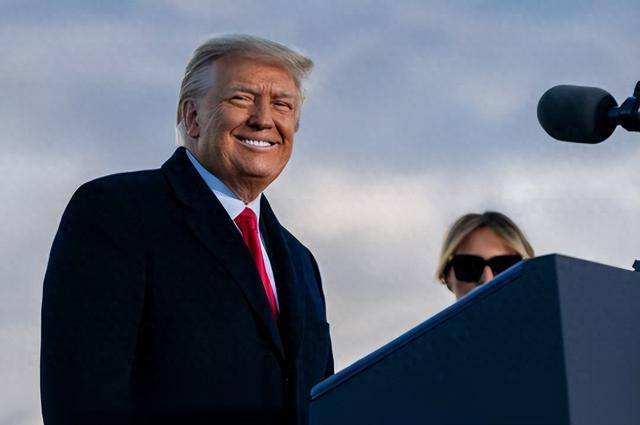
“欧洲正犯下一个大错”,美媒:欧盟急速重整军备可能“不进反退”“两败俱伤”
Huan Qiu Wang· 2025-06-30 11:56
Core Viewpoint - The article argues that the EU's rapid military rearmament may lead to a historical mistake, potentially resulting in a "lose-lose" situation for Europe [1][3]. Group 1: Military Spending and Strategy - European policymakers are increasingly adopting a unified strategy to increase military spending to counter the perceived threat from Russia and reduce dependence on the US, aiming to solidify Europe's status as a major power [3]. - The expectation that significant investment in the military will address geopolitical vulnerabilities and economic stagnation is viewed as potentially misguided [3]. Group 2: Economic Implications - The focus on military spending may strain national budgets, diverting funds from social programs and infrastructure development, which could lead to negative consequences for overall societal progress [3]. - The article suggests that the current trajectory will not lead to a "military Keynesianism" that benefits society, nor will it establish a defense strategy that aligns with Europe's ambitions as a major power [3]. Group 3: NATO Spending Goals - At the NATO summit, member countries agreed to increase annual defense spending to 5% of GDP by 2035, but some nations, like Spain, face challenges in meeting this target [4]. - Spain's resistance to increasing military spending is influenced by its anti-war tradition and the need to prioritize resources for its citizens over unclear military policies [4].

俄罗斯总统普京:俄罗斯经济的增长不仅得益于军事工业的发展。
news flash· 2025-06-20 12:59
Core Viewpoint - The growth of the Russian economy is attributed not only to the development of the military-industrial complex but also to other sectors [1] Group 1 - The Russian economy is experiencing growth, which is highlighted by President Putin's remarks [1] - The military-industrial sector is a significant contributor to this economic growth [1] - Other sectors beyond military industry are also playing a role in the economic development of Russia [1]
以色列军方:德黑兰多处导弹生产工业设施遭到袭击,目标包括负责核武器研发项目的伊朗防御创新与研究组织(SPND)总部。
news flash· 2025-06-20 04:16
Group 1 - The Israeli military has targeted multiple missile production facilities in Tehran, including the headquarters of the Iranian Defense Innovation and Research Organization (SPND), which is responsible for nuclear weapons development projects [1]
艾小军:军贸大单频现?军工行业迎来价值重估?
Mei Ri Jing Ji Xin Wen· 2025-06-17 01:17
Group 1 - The recent air conflict between India and Pakistan highlights the systematic combat capabilities of China's military industry, marking a significant moment for the Chinese defense sector [1] - Indonesia is evaluating the feasibility of purchasing Chinese-made J-10 fighter jets, indicating a growing confidence in China's military exports [1] - The current year is crucial for completing the "14th Five-Year Plan," which is expected to boost military orders, while preparations for the "15th Five-Year Plan" are underway [1] Group 2 - The military industry is undergoing a value reassessment, driven by both domestic demand and significant military trade opportunities [2] - The C919 domestic passenger aircraft and sectors like low-altitude economy, commercial aerospace, satellite internet, and nuclear fusion represent substantial growth potential for military enterprises [2] - The CSI Military Industry Index, which includes 80 constituent stocks, has shown outstanding performance, with a cumulative return of 26.19% as of June 12, 2025, outperforming other defense indices [2]
海马斯:损失惨重,伊朗中导掩体反击能力为什么这么差?
Guan Cha Zhe Wang· 2025-06-15 04:27
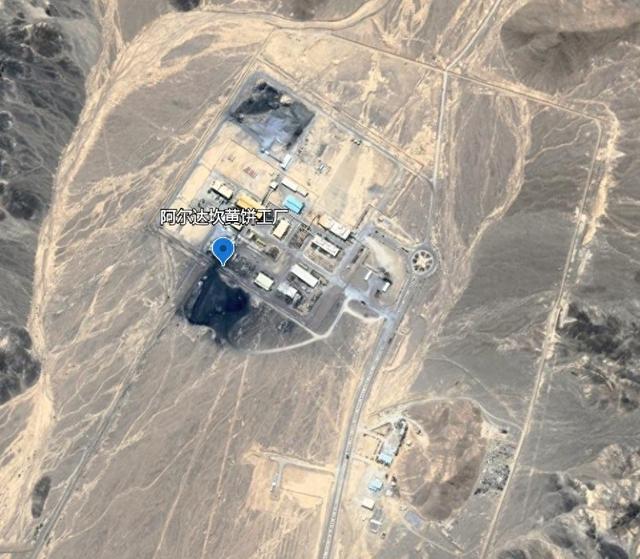
Core Viewpoint - The ongoing conflict between Israel and Iran has escalated, revealing significant weaknesses in Iran's missile defense and retaliation capabilities despite its military strength and nuclear ambitions [1][18][76]. Group 1: Iran's Nuclear Facilities - The Ardakan Yellowcake Production Plant has an annual processing capacity of approximately 50-70 tons, corresponding to the potential annual output of the Saghand uranium mine [1]. - The Bandar Abbas Uranium Production Plant has an annual processing capacity of 21 tons of uranium, having first operated in July 2004 [3]. - The Isfahan Uranium Conversion Facility can process 200 tons of yellowcake annually into uranium hexafluoride (UF₆) [5]. - The Natanz Fuel Enrichment Complex is the core of Iran's gas centrifuge program, with both surface and underground facilities, but has been targeted multiple times by Israeli attacks [7]. - The Fordow Fuel Enrichment Plant, designed to withstand military strikes, is believed to store 233 kg of 60% enriched uranium [9]. - The Arak Heavy Water Research Complex is focused on plutonium and heavy water research, lacking protective measures [15]. Group 2: Recent Military Developments - On June 13, Israel launched a large-scale airstrike against Iran, targeting key military and nuclear facilities, including the assassination of Iranian officials and scientists [30][33]. - The Israeli Air Force (IAF) utilized advanced F-35 aircraft for the first time in such operations, indicating a shift in military strategy [39]. - Despite claims of significant damage to Iranian facilities, key components of Iran's nuclear capabilities remain intact, particularly at the Fordow facility [33][44]. Group 3: Iran's Defense and Retaliation Capabilities - Iran's missile retaliation capabilities were severely hampered during the Israeli airstrikes, with no immediate response from its medium-range missile systems [60][71]. - The construction of missile silos in Iran has been criticized for their vulnerability, as many lack adequate protective measures against aerial attacks [60][62]. - The Iranian military's reliance on outdated systems and lack of effective countermeasures against advanced Israeli technology has been highlighted as a critical weakness [59][76]. Group 4: Future Implications - Iran's energy infrastructure, particularly its reliance on the South Pars gas field, poses a significant vulnerability, as attacks on this area could cripple its power generation capabilities [73]. - The lack of civil defense infrastructure in Iran raises concerns about the impact of prolonged conflict on its economy and civilian life [74][76]. - The potential for Iran to escalate its nuclear ambitions remains uncertain, as the country struggles to maintain effective military responses against ongoing Israeli operations [76].
美国也没想到,自己会被直掐命门,特朗普只有放下姿态一条路
Sou Hu Cai Jing· 2025-06-14 08:10
Group 1: U.S.-China Negotiations - The U.S. is facing significant challenges in its industrial sector due to China's control over rare earth exports, which has put critical military production lines at risk of shutdown [1][4] - President Trump is compelled to negotiate with China to alleviate the domestic industrial crisis, which has escalated since the imposition of tariffs [1][12] - The negotiations are complicated by the U.S. offering outdated chip technology as a bargaining chip, which China views as insufficient [15][19] Group 2: Importance of Rare Earth Elements - Rare earth elements are essential for high-tech products, including military aircraft like the F35, which requires over 400 kilograms of rare earth materials per unit [3][4] - The U.S. military's reliance on rare earths extends to future projects, such as the sixth-generation fighter F47, which could face production halts without Chinese supplies [4][12] - The U.S. lacks the refining technology necessary to process its own rare earth resources, making it dependent on China for high-purity industrial materials [5][6][8] Group 3: China's Strategic Position - China has a complete and mature rare earth refining industry, giving it a strategic advantage over the U.S. and its allies [6][19] - The recent negotiations have resulted in China agreeing to temporarily relax export restrictions, but with strict conditions, including limited quotas and monitoring of usage [17][20] - The U.S. is in a precarious position, as it has underestimated China's capabilities and the implications of its own trade policies [19][21]
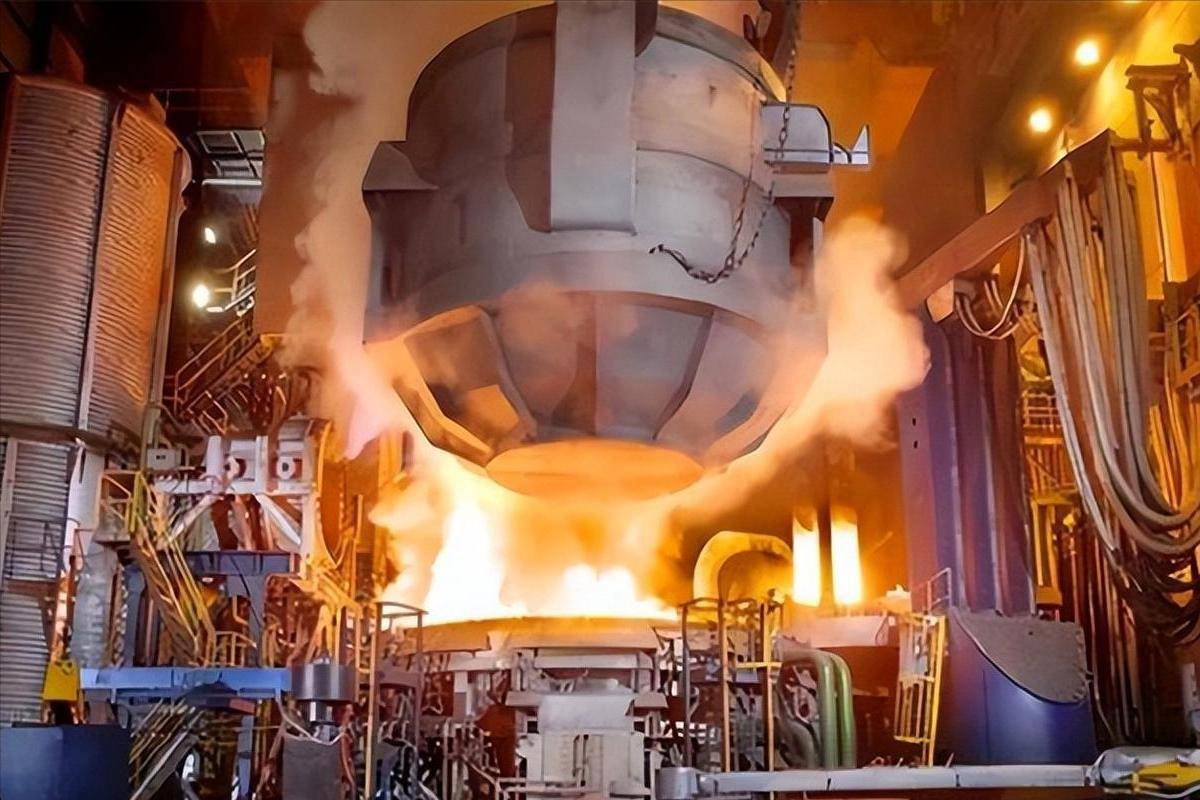
俄罗斯总统普京:俄罗斯需要更多的国家支持以推动军事工业发展。
news flash· 2025-05-23 15:18
Core Viewpoint - Russian President Putin emphasized the need for increased national support to advance the military industrial development in Russia [1] Group 1 - The Russian military industry is seeking more governmental backing to enhance its capabilities [1] - There is a recognition of the importance of national support in driving the growth of the military sector [1]