
博物馆文创

Search documents
好看又好玩 博物馆文创进阶回应时代之变
Zhong Guo Xin Wen Wang· 2025-10-29 04:11
Group 1 - The core viewpoint is that museums in China are innovating their cultural and creative products, moving beyond traditional replicas to interactive and immersive experiences that engage audiences [1][2] - The Shanghai Museum generated over 440 million RMB in revenue from cultural activities and derivative products during its Egyptian civilization exhibition, showcasing the financial potential of museum-led initiatives [1] - The Suzhou Museum aims to transform cultural heritage from mere exhibits to integral parts of daily life, achieving a projected revenue of 117 million RMB in 2024 through targeted product offerings [2] Group 2 - The evolution of museum cultural products has reached a 4.0 stage, integrating digital technology with physical items to create a multi-dimensional communication system that enhances audience participation [1] - Activities like "museums in the marketplace" are breaking physical boundaries, allowing cultural artifacts to enter everyday life and fostering a "perceptible cultural city" [2] - The importance of aligning cultural products with contemporary lifestyles and consumer emotions is emphasized, as they serve as representatives of personal values and ways of living in the era of personalized consumption [3]
博物馆文创将“最美秋色”留住
Bei Jing Wan Bao· 2025-10-28 06:59
Group 1 - The core idea of the articles is the seasonal cultural and creative products launched by museums in Beijing, which aim to capture the beauty of autumn and enhance visitor engagement [2][3][4] - The Beijing Stone Carving Art Museum has introduced autumn-themed plush toys inspired by the ancient ginkgo and persimmon trees, emphasizing warmth and healing [2] - The Beijing Art Museum has designed a series of themed products called "Happiness Overflowing," featuring a three-dimensional refrigerator magnet that showcases the autumn scenery of the museum [2] - The Miaoying Temple has released seasonal refrigerator magnets that creatively combine metal relief techniques with flowing sand effects to depict the iconic white pagoda throughout the seasons [2] Group 2 - Collaborations with local brands have resulted in unique food products, such as the "Eight Delicacies Cake" and eco-friendly coffee cups, which enhance the visitor experience and drive consumption [3] - The enthusiasm of visitors has motivated museums to continuously innovate and develop more popular cultural products, aiming to discover and convey the beauty within their collections [4]

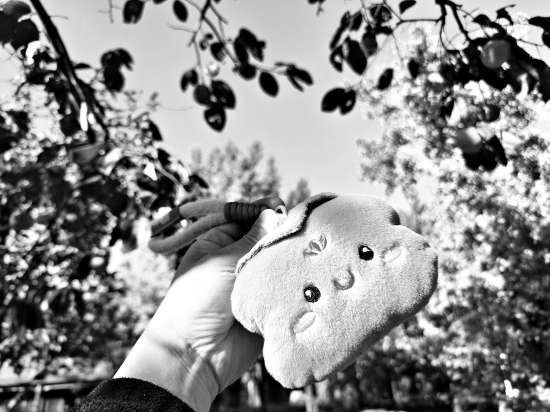
视频丨从盲盒到潮玩 这届年轻人正在用这种方式收藏历史→
Yang Shi Xin Wen Ke Hu Duan· 2025-10-28 02:05
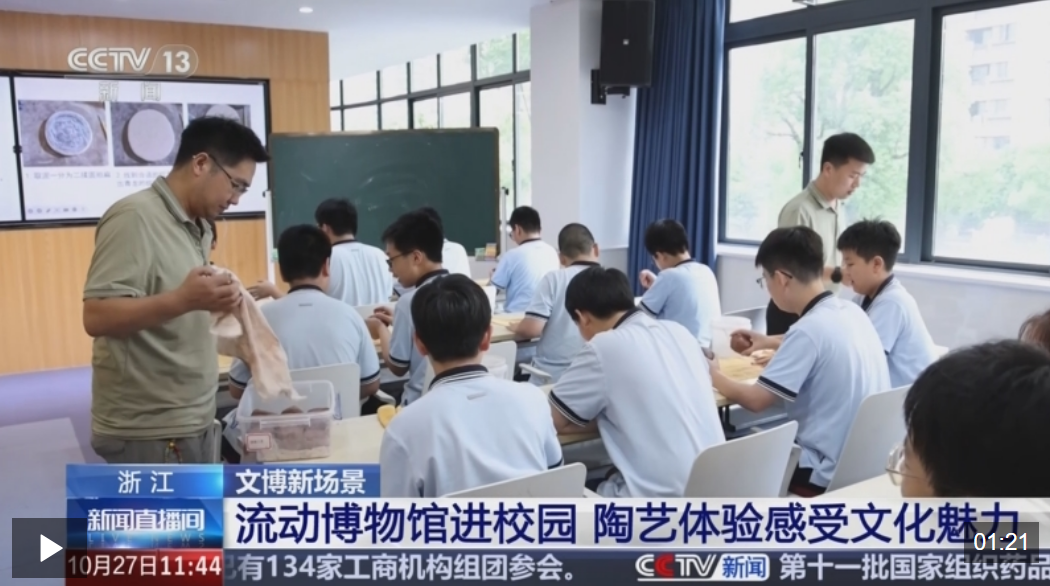
Core Perspective - The article highlights the increasing trend of cultural heritage engagement, particularly through museums, aiming to make artifacts more accessible and interactive for the public, especially children [1][5][12]. Group 1: Museum Initiatives - The Xiaoshan Museum has launched a mobile exhibition and pottery experience classes, bringing thousands of years of history into schools [1][5]. - The "Yinxu Youth Speaking" program at the Yinxu Museum in Anyang allows young volunteers, averaging 10 years old, to provide engaging historical narratives, making ancient stories more relatable [7][9]. Group 2: Cultural and Creative Products - The Luoyang Museum has developed 38 new cultural products this year, generating over 22 million yuan in revenue, showcasing the successful transformation of cultural resources into consumer goods [12][14]. - The integration of ancient artifacts into modern products, such as hair accessories inspired by historical designs, demonstrates a creative approach to cultural heritage [17][20]. Group 3: Market Response and Trends - The popularity of cultural products, such as the "Wu-Yue Competition" plush toys, indicates a strong market demand for items that blend historical elements with contemporary design [18][20]. - The consistent sales of around 30,000 items per month reflect the successful combination of cultural heritage with local culture, appealing to a broad audience [20].
季节文创成流行趋势,京城博物馆“秋色”可打包
Bei Jing Ri Bao Ke Hu Duan· 2025-10-27 08:46
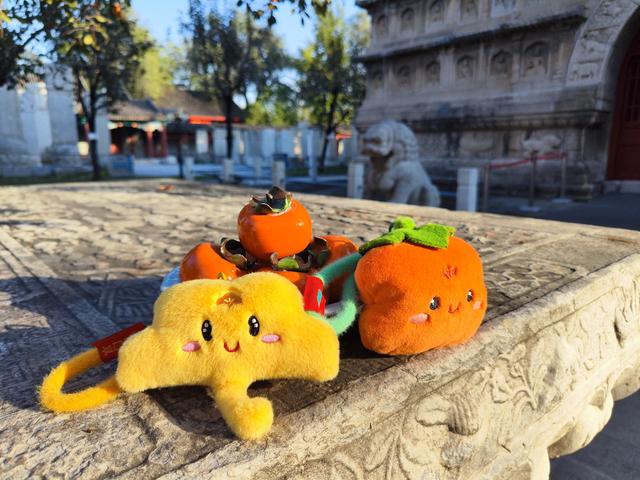
Core Viewpoint - Beijing museums are increasingly launching seasonal cultural and creative products, allowing visitors to take home the beauty of autumn [1] Group 1: Seasonal Cultural Products - The Beijing Stone Carving Art Museum has introduced autumn-themed plush toys inspired by ancient ginkgo and persimmon trees, aiming to provide warmth and comfort to visitors [3] - The Beijing Art Museum has designed a series of themed products called "Happiness Full" to celebrate the ginkgo season, featuring a three-dimensional refrigerator magnet that captures the essence of the autumn scenery [7][9] - The Miaoying Temple has launched a set of four seasonal refrigerator magnets that creatively combine metal relief techniques with flowing sand effects to showcase the iconic white pagoda's seasonal changes [14] Group 2: Visitor Engagement and Trends - The introduction of attractive and meaningful cultural products has successfully drawn more visitors to museums, transforming casual attendees into regular patrons [14] - The enthusiasm from visitors has motivated museums to continuously innovate and develop new popular cultural products, enhancing the overall visitor experience [14]
数字赋能博物馆文创产品开发创新
Xin Hua Ri Bao· 2025-09-24 23:22
Core Insights - The development of cultural and creative products that integrate aesthetic, cultural, and practical values has become a common choice for many museums, leveraging digitalization and emerging technologies to enhance user experience [1][2] Group 1: Digital Resource Development - Building a digital resource library is essential for the development of cultural and creative products in museums, involving the archiving and integration of cultural relics into digital assets [2] - Technologies such as high-definition photography, laser scanning, and multispectral imaging are used to collect various data about cultural relics, which are then processed and standardized for easy access and utilization [2] - The creation of a virtual three-dimensional map of museum collections allows users to explore exhibits interactively, enhancing engagement through detailed views and historical context [2] Group 2: Innovation in Cultural Products - Digital technology enables innovation in cultural product forms, allowing designers to move beyond traditional physical goods to create virtual experiences and interactive designs [3] - The design of cultural IP images based on relics and historical narratives incorporates modern elements to appeal to diverse consumer groups [3] - The development of virtual integrated cultural products combines physical items with virtual environments, enhancing user interaction and experience [3] Group 3: Talent Development in Cultural Creation - The key to advancing cultural product development lies in cultivating creative talent that combines digital technology with design skills [4][5] - Mechanisms for attracting talent from digital technology and design fields are essential to enhance the competitiveness of cultural products [5] - Educational institutions are encouraged to offer interdisciplinary courses that prepare students for real-world cultural projects, fostering practical skills through collaborative learning [5]
博物馆“玩”时尚,玩到年轻人“心趴”上(文化只眼·新世代新风潮⑦)
Ren Min Ri Bao Hai Wai Ban· 2025-07-21 01:20
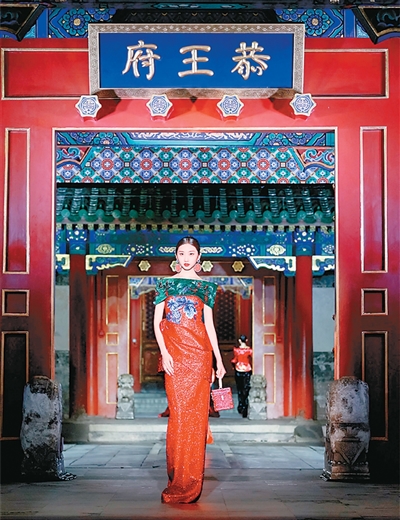
Core Insights - The "Gong·Fashion" brand launched by the Gong Wangfu Museum features 37 concept garments and 35 new Chinese-style ready-to-wear outfits and accessories, showcasing Chinese aesthetic in contemporary design [2] - The museum has been actively promoting traditional Chinese culture through various initiatives, including fashion shows in Paris and exhibitions in Singapore, as well as launching products like the "Futang" fragrance [2] - The museum's cultural products have become popular among young consumers, with items like the Fengguan refrigerator magnet achieving sales of over 1 million units, contributing to a total sales revenue exceeding 100 million yuan for the entire Fengguan IP series [2] Design and Appeal - The exquisite design of museum products resonates with young consumers, as they reflect the pinnacle of craftsmanship and artistry from historical artifacts [3] - High cost-performance ratio is a significant factor attracting young buyers, with museum products offering affordable alternatives to luxury items, such as the Suzhou Museum's Wu Wang Fuchai sword bracelet [3] - The combination of excellent design and accessible pricing allows young consumers to incorporate cultural heritage into their fashion choices without high costs [3] Cultural Integration - Contemporary youth express their individuality through museum-inspired fashion, using products to showcase their unique taste and promote Chinese culture globally [4] - The collaboration between museums and the fashion industry integrates art into daily life, fulfilling the desire for a more aesthetically pleasing lifestyle among young people [4] - Continuous innovation in design and a commitment to quality are essential for the sustainable success of the "museum + fashion" model [4]
博物馆用网红文创拉动“情绪消费”
Sou Hu Cai Jing· 2025-07-01 04:54
Core Insights - The popularity of collectible souvenirs in China has led museums to capitalize on this trend by launching new cultural and creative product lines to address budget shortfalls [2][3] - The resurgence of domestic tourism has increased visitor numbers to cultural venues, but many public cultural institutions are operating at a loss due to high management costs despite offering free or low-cost entry [2] - The total number of museum visitors in China is projected to reach 1.491 billion in 2024, with cultural product sales expected to generate revenue of 3.428 billion yuan [2] Industry Trends - The demand for museum cultural products is driven by consumers' desire to connect with their national history, allowing them to engage with the past at a relatively low cost [3] - The rapid growth in demand for cultural souvenirs is positively impacting related industries, with nearly 20,000 jobs created in the cultural product sector linked to the China National Museum [3] - Young consumers in China are increasingly willing to make impulse purchases, contributing to the growth of the cultural product industry [3] Challenges and Opportunities - The museum cultural product industry faces significant growth potential but must address the risk of product homogenization, as successful designs quickly lead to imitation by competitors [4] - Experts suggest that museums should focus on creating personalized interactive experiences to differentiate their products and meet consumer desires for self-expression [4]
文创走心才能打动人心
Jing Ji Ri Bao· 2025-04-13 22:03
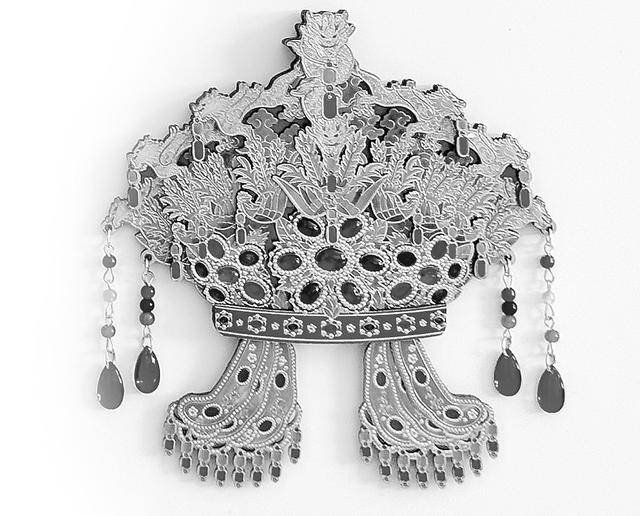
Group 1 - The core viewpoint highlights the success of cultural and creative products, exemplified by the National Museum's "Fengguan" refrigerator magnets, which have sold over 1 million units, setting a record for the museum's product sales in nearly 20 years [1] - Cultural and creative products have become a unique aspect of the consumer market, yet the issue of product homogeneity remains prominent, necessitating innovation and a deeper understanding of cultural significance [1] - Successful cultural products, such as the "Tang Girl" from the Shaanxi History Museum and the "Archaeological Blind Box" from the Henan Museum, demonstrate the importance of deeply exploring local culture and incorporating distinctive regional characteristics [1] Group 2 - The "Wang's Handmade" cultural brand collaborates with over 1,400 rural artisans across 28 villages in regions like Guizhou and Yunnan, achieving annual sales exceeding 10 million yuan, showcasing the potential for economic returns and emotional resonance through quality craftsmanship [2] - Some museum cultural products suffer from imitation and poor quality, which not only damages the museum's brand image but also hinders the high-quality development of the cultural industry [2] - Developers should align product development with current trends and consumer characteristics, ensuring that cultural products remain fresh and relevant [2]