旅拍

Search documents
丽江古城区旅拍协会:此前曾与小红书沟通现已放弃,计划起诉
新华网财经· 2025-12-25 03:47
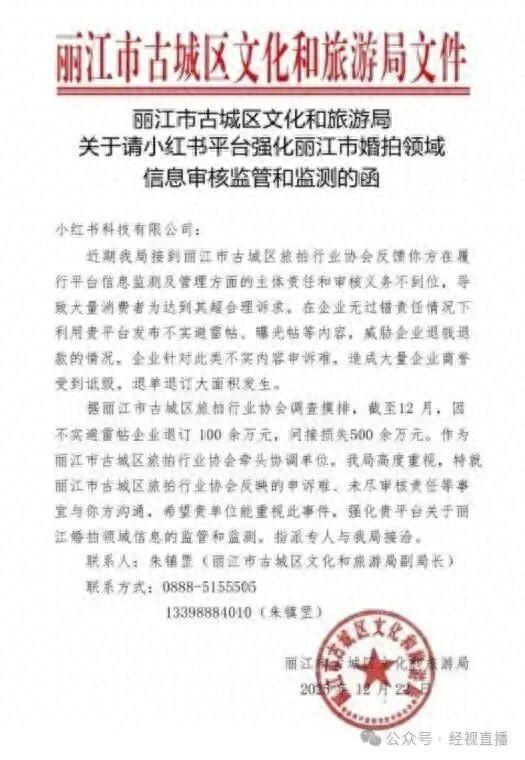
Core Viewpoint - The tourism and cultural bureau of Lijiang, Yunnan, has publicly urged Xiaohongshu to enhance its information review and monitoring in the wedding photography sector, citing issues with false reviews and extortion that harm local businesses [4][6]. Group 1: Issues Raised - The Lijiang Cultural and Tourism Bureau claims that Xiaohongshu has not fulfilled its responsibility for information monitoring and management, leading to the spread of false reviews that threaten businesses with refund demands [4][6]. - The Lijiang Wedding Photography Industry Association reported that over 1 million yuan in refunds have occurred due to false reviews, with indirect losses exceeding 5 million yuan [5]. Group 2: Communication Attempts - The Lijiang Cultural and Tourism Bureau has attempted to contact Xiaohongshu through various means, including phone calls and emails, but has been unsuccessful [8]. - The bureau's deputy director expressed hope that public communication would facilitate contact with Xiaohongshu to address the issue effectively [9].

消费者发“避雷帖”引丽江古城旅拍退单潮,有商户称:确有部分商家低价引流,图片精修易引发消费者不满
Xin Lang Cai Jing· 2025-12-24 11:23
Core Viewpoint - The wedding photography industry in Lijiang is facing significant challenges due to the spread of false "warning posts" on social media, leading to a large number of order cancellations and prompting local authorities to request intervention from the Xiaohongshu platform for content regulation [4][5][12]. Group 1: Industry Response - The Lijiang Cultural and Tourism Bureau has issued a request for Xiaohongshu to enhance information auditing and monitoring in the wedding photography sector, citing that many consumers exploit false posts to demand refunds without the businesses being at fault [4][12]. - Local businesses have reported that complaints primarily revolve around additional charges for photo retouching and dissatisfaction with the quality of edited images, which has led to a significant loss of reputation and order cancellations [8][12]. Group 2: Consumer Complaints - Common complaints from consumers include hidden fees for photo retouching and inadequate photography skills, with many customers expecting more retouched images than what was agreed upon in contracts [8][9]. - The photography service process is divided into four stages: customer acquisition, trial makeup, shooting, and post-editing, with the post-editing stage being the most contentious due to differing expectations between customers and service providers [8][9]. Group 3: Regulatory Measures - The Lijiang Cultural and Tourism Bureau and the local industry association have introduced management measures and cost guidelines to promote transparency and integrity in the industry, urging businesses to clearly state service items and pricing [12][14]. - A cost guideline for ethnic photography packages has been published, suggesting a base price starting at 298 yuan, aimed at encouraging rational consumer behavior and discouraging the pursuit of excessively low prices [12][14].
日收入可达万元?揭秘旅拍产业背后的乱象与“雷点”
Di Yi Cai Jing· 2025-10-12 07:44
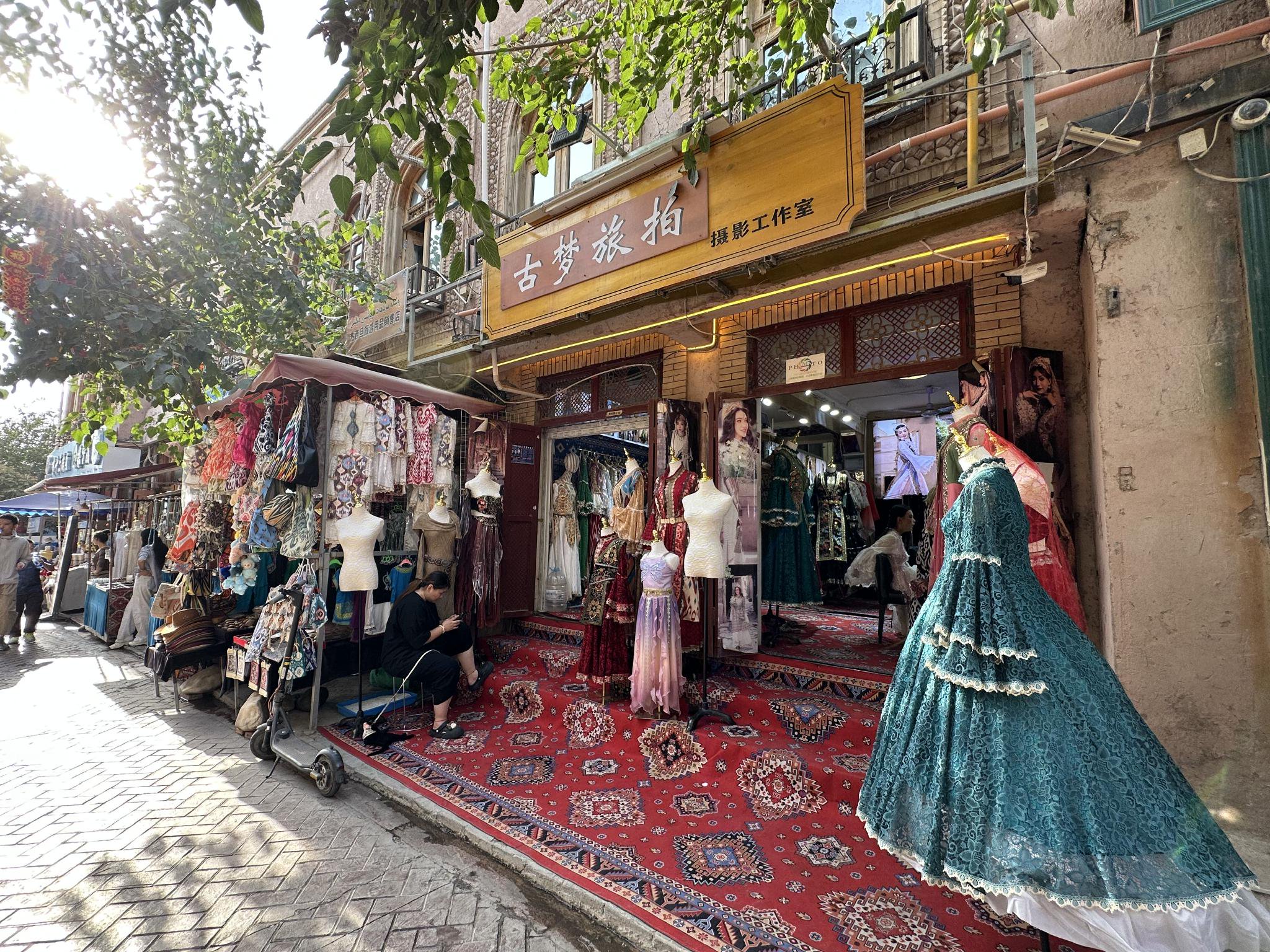
Core Insights - The travel photography industry is rapidly developing in tourist destinations, with both opportunities and challenges coexisting [1] - Travel photography has become deeply integrated into local tourism, but issues persist regarding sustainability and service quality [1] Industry Overview - Travel photography services are characterized by customization and personalization, differing from traditional photography by offering tailored experiences [3] - In Kashgar, Xinjiang, numerous travel photography shops offer services ranging from makeup to photo editing, with prices ranging from 128 to 500 yuan [3][4] - The industry has seen significant growth in the past decade, with 6,445 travel photography-related companies currently registered in China, and a 22.26% year-on-year increase in new registrations in 2024 [4] Market Dynamics - The industry is transitioning from a high-growth phase to a mature consolidation phase, leading to intensified competition and price wars [5] - Many travel photography shops are now offering services at prices as low as 99 yuan, leading to homogenization of services and reduced profit margins [5][6] - The cost structure for travel photography businesses has been significantly compressed, with many relying on a high volume of low-cost services to maintain profitability [6] Consumer Experience - Consumers increasingly rely on social media for recommendations, with service quality becoming a critical factor in decision-making [7] - Common consumer complaints include lack of transparency in pricing, poor service quality, and issues with cleanliness of rented clothing [10][11] - The industry faces challenges related to consumer rights protection, as many transactions occur without third-party oversight, leading to difficulties in resolving disputes [9][11] Regulatory Environment - Local governments are beginning to implement regulations to standardize the travel photography industry, including requiring business licenses and clear pricing [12][13] - Initiatives such as designated photography zones and volunteer photographers in popular tourist areas aim to balance commercial interests with public space usage [13]
商业秘密|日收入可达万元?揭秘旅拍产业背后的乱象与“雷点”
Di Yi Cai Jing· 2025-10-12 07:33
Core Insights - The travel photography industry is rapidly developing in tourist destinations, presenting both opportunities and challenges for sustainable growth [1][6][10] Group 1: Industry Growth and Characteristics - Travel photography services have become deeply integrated into local tourism, with prices ranging from approximately 100 to 500 yuan, and customized services available [1][4] - The industry has seen significant growth in the past decade, with 6,445 travel photography-related enterprises currently registered in China, and a 22.26% year-on-year increase in new registrations in 2024 [5][10] - The business model relies heavily on social media for customer acquisition, with a focus on volume rather than high pricing, leading to a "流水线" (assembly line) approach in service delivery [7][12] Group 2: Market Dynamics and Competition - The industry is transitioning from a "high growth phase" to a "mature integration phase," characterized by intense competition and price wars, with some services dropping to as low as 99 yuan [6][10] - Many small businesses and independent contractors dominate the market, leading to homogenization of services and pricing, which affects overall service quality [6][8] - High-end customized services exist but represent a small portion of the market, with typical earnings for photographers varying significantly between peak and off-peak seasons [5][10] Group 3: Consumer Experience and Challenges - Consumers face several challenges, including lack of transparency in pricing, potential hidden costs, and inconsistent service quality, which can lead to dissatisfaction [10][11] - Complaints about service delivery, such as delays in photo delivery and discrepancies in promised versus delivered quality, are common [10][11] - The industry is increasingly scrutinized for its impact on public spaces in tourist areas, prompting some regions to implement regulations to manage travel photography activities [13][14] Group 4: Regulatory Environment and Future Directions - Local governments are beginning to establish guidelines for the travel photography industry to enhance service standards and protect consumer rights [13][14] - Recommendations for improving the industry include implementing standardized contracts, transparent pricing, and a regulatory framework to ensure service quality and consumer protection [12][14] - The potential for a "公益摄影角" (public photography corner) concept is being explored to balance commercial activities with public service needs [14]
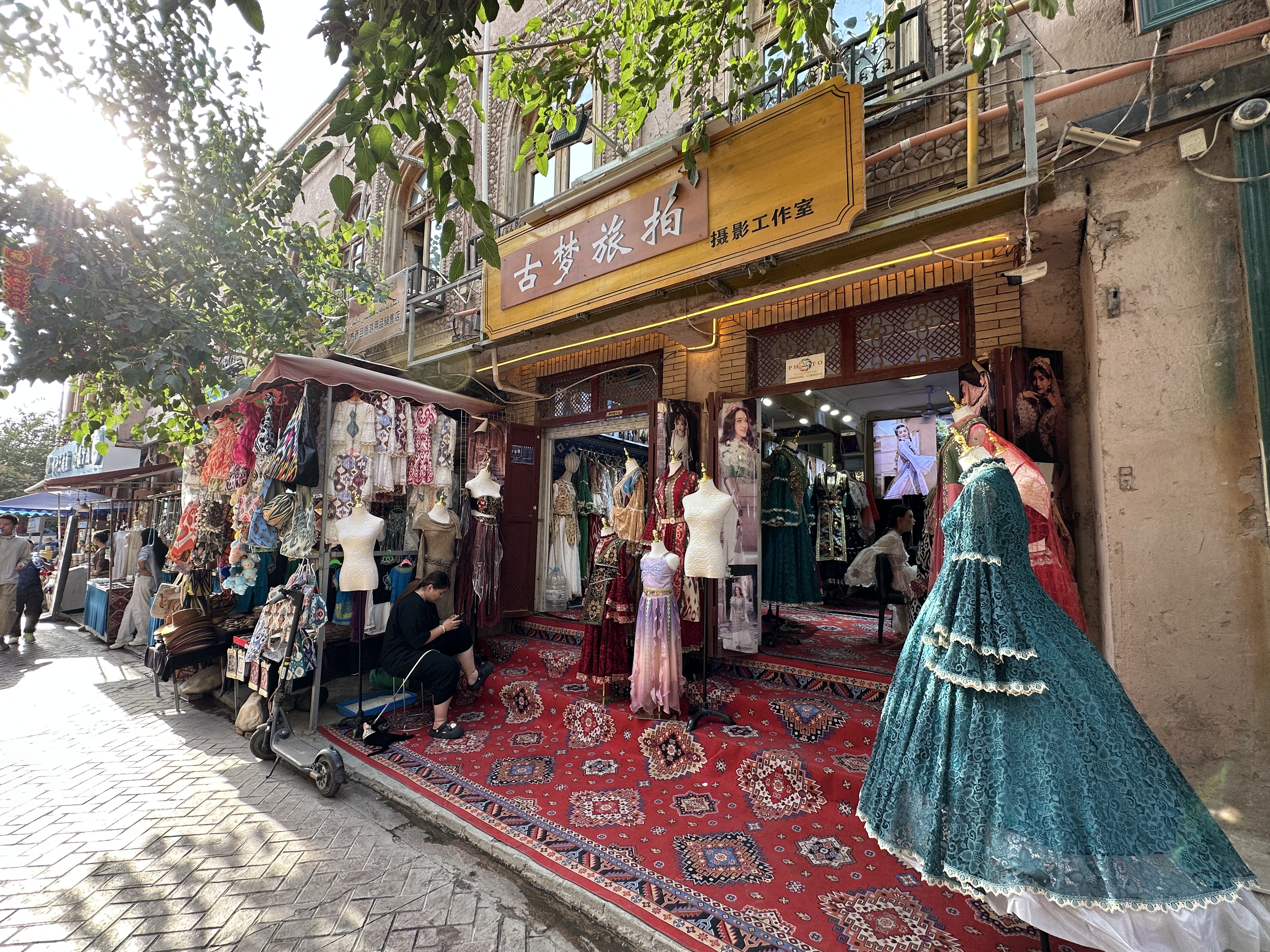
小照片撬动大市场,99元解锁“穿越时空”体验,文旅经济被它盘活了
Hua Xia Shi Bao· 2025-10-11 09:07
Core Insights - The rise of affordable cultural photography services, starting from 99 yuan, has created a multi-billion industry that enhances the cultural tourism experience in China [1][2][4] - The trend reflects a shift in consumer preferences, particularly among Generation Z, who favor immersive experiences over traditional sightseeing [5][6] Group 1: Industry Growth - The cultural photography service industry is rapidly expanding, with services available at low prices, making it accessible to a broader audience [1][5] - The industry not only provides photography services but also stimulates related sectors such as makeup, fashion, and hospitality, contributing to a multi-billion yuan market [1][4] Group 2: Consumer Behavior - Tourists are increasingly seeking unique, culturally immersive experiences, as evidenced by the popularity of themed photography in historical and scenic locations [2][3] - The pricing strategy of 99 yuan to 299 yuan significantly lowers the barrier for participation, appealing to a wide demographic [5][6] Group 3: Cultural Impact - Cultural photography is revitalizing lesser-known tourist destinations by attracting visitors and promoting local heritage [6][7] - The integration of local cultural elements into photography services enhances the authenticity of the experience, fostering a deeper connection between tourists and the destination [7]
我国再添17项新职业——从新职业透视经济新活力
Xin Hua Wang· 2025-09-10 23:59
Core Insights - The recent release of 17 new professions by the Ministry of Human Resources and Social Security reflects the ongoing transformation and upgrading of China's economy, driven by new technologies and industries [1][2][3] Group 1: New Professions and Their Significance - Over half of the newly introduced professions are directly related to new technologies and industries, with roles like "Drone Swarm Flight Planner" gaining attention as the low-altitude economy becomes a national strategy [2][3] - The demand for roles such as "Generative AI System Tester" has surged, with recruitment for AI testing positions increasing by 320% year-on-year, significantly outpacing traditional testing roles [3] - The emergence of new professions is seen as a key measure to alleviate structural employment issues and promote high-quality, full employment in the labor market [6][7] Group 2: Market Demand and Employment Trends - There is a significant shortage of professional sleep service personnel in China, with a gap exceeding 100,000, indicating a growing demand for "Sleep Health Managers" [5][6] - The travel photography customization industry has seen rapid growth, with the number of travel photography shops in Kashgar increasing from 2 in 2020 to over 160 by 2024, generating annual revenues of 260 million yuan [5][6] - The new professions are effectively capturing the evolving consumer demands, transforming vague needs into clearly defined job roles [6] Group 3: Industry Upgrades and Professionalization - The certification of "Housekeeping Service Manager" signifies a shift towards professionalization in the housekeeping industry, with increasing demands for specialized services [7][8] - The introduction of new professions is driving the standardization of traditional food services, such as the "Barbecue Chef," enhancing the quality and efficiency of the food industry [7] - The establishment of certified roles in various sectors, including cross-border e-commerce and construction, is providing essential talent support for industry upgrades and technological applications [7][8]
乡村旅拍市场的启示(纵横)
Ren Min Ri Bao· 2025-08-28 22:10
Core Insights - Rural travel photography is emerging as a significant trend in the cultural tourism market, with customized services gaining attention [1][2] - The role of rural travel photographers has evolved from mere technical skills to becoming versatile travel experience designers, incorporating route planning, styling, emotional communication, and content creation [1] - The unique natural scenery and cultural resources of rural areas provide abundant creative inspiration for customized travel photography [1] Group 1 - Customized rural travel photography offers tourists a deep emotional connection with travel destinations through interactions with local residents and scenic dialogues [1][2] - The "one-stop" service model in rural travel photography reduces overall travel costs while capturing beautiful moments [1] - The picturesque rural landscapes, such as terraced fields and ancient villages, are difficult to find in urban settings, making them attractive for photography [1] Group 2 - Rural travel photography customizers act as promoters of rural resources, infusing vitality and creativity into rural areas by capturing local stories and traditions [2] - By documenting agricultural traditions and intangible cultural heritage, rural travel photography enhances the cultural value of local products and crafts [2] - The industry is still in its early stages and requires standardized operations and integrity in service, necessitating collaboration among relevant departments and the industry [2]
旅拍更规范,旅途更美好(四海听音)
Ren Min Ri Bao· 2025-08-27 22:19
Core Insights - The travel photography industry is experiencing rapid growth, driven by personalized and immersive experiences, but faces challenges such as false advertising and inconsistent service quality [1][2] - The industry's expansion has led to increased competition and a lack of regulatory frameworks, creating a need for better governance and self-regulation within the sector [1] Group 1: Industry Growth and Challenges - Travel photography has become a new growth point in the cultural tourism market, fulfilling consumer demands for unique experiences and boosting related industries like makeup and clothing rentals [1] - Issues such as misleading promotions, hidden costs, and varying service quality are prevalent, negatively impacting consumer experiences and the reputation of travel destinations [1][2] - The rapid influx of businesses and photographers has intensified competition, while existing regulations have not kept pace with market demands [1] Group 2: Regulatory and Self-Regulatory Measures - To transition from chaotic growth to regulated development, a combination of enhanced oversight and industry self-discipline is necessary [1] - Various regions are implementing effective measures, such as designated free and paid shooting areas in Hangzhou and a "red-black list" system in Xishuangbanna to protect consumer rights [1] Group 3: Service Quality and Cultural Integration - The core competitiveness of the travel photography industry lies in service quality and cultural uniqueness, which can be improved through the establishment of industry associations for better qualification and training [2] - Industry professionals are encouraged to deepen their understanding of local culture to create personalized experiences and establish differentiated competitive advantages [2] - Consumers are urged to remain rational and resist unethical practices, contributing to the overall optimization of the industry [2]
“内卷”不停、“套路”不少 旅拍如何重拾美好口碑
Zhong Guo Qing Nian Bao· 2025-08-19 07:37
Core Points - The travel photography industry in China is facing significant challenges, including deceptive practices, hidden fees, and intense competition leading to poor service quality [1][4][8] - Recent incidents, such as the controversy surrounding the Chongqing Hongyadong scenic area, have highlighted the need for regulatory measures and industry standards [1][10] Group 1: Industry Challenges - The travel photography sector has seen a rapid increase in the number of companies, with 6,341 related enterprises currently registered in China, and over 70% of these companies established within the last three years [5] - Consumers report experiences of being misled by low initial prices that lead to high additional costs, with complaints about hidden fees and poor service quality becoming common [4][7] - The phenomenon of "involution" in the industry has resulted in a race to the bottom in pricing, compromising service quality and leading to a proliferation of unqualified photographers [8][10] Group 2: Consumer Experiences - Tourists have shared negative experiences, such as being charged exorbitant fees for photo editing services, with one individual reporting a total cost of 4,980 yuan for edited photos after initially paying 3,600 yuan for a hotel package [3][4] - Many consumers express dissatisfaction with the quality of photos received, often feeling that the final products do not meet their expectations despite the initial allure of low prices [5][6] Group 3: Regulatory Responses - Some scenic areas are implementing stricter regulations to control commercial photography, including prohibiting unauthorized commercial shoots and requiring permits for professional photographers [9][10] - Industry experts suggest the establishment of travel photography associations to provide professional training and set standards for service quality, aiming to improve the overall consumer experience [10][11]
规范文旅业态,让暑期游玩更安心(民生一线)
Ren Min Ri Bao· 2025-08-18 22:31
Core Insights - The summer tourism market is thriving, but issues such as low-price tactics, street operations, regulatory blind spots, and safety hazards are affecting visitor experiences and the high-quality development of the cultural tourism industry [2] Group 1: Travel Photography - The travel photography industry is facing challenges with unregulated pricing and management, leading to negative impacts on tourist experiences [3][4] - Some scenic spots in Zhejiang have begun implementing management measures, such as dividing shooting areas into free and paid zones, and requiring reservations to limit crowding [3] - The establishment of unified pricing standards and improved management in areas like Tongzhou Island has enhanced visitor experiences while increasing local revenue [4] Group 2: Immersive Experiences - Immersive experience activities like escape rooms are growing in popularity but face issues of unregulated growth and safety concerns [6] - A collaborative regulatory mechanism has been established in Jin City to address the challenges of traditional oversight, involving multiple departments for better coordination [7] - Recommendations for the immersive experience sector include developing content classification guidelines and enhancing brand culture [7] Group 3: Water Sports Safety - The safety of water sports is a top priority during peak tourist seasons, with measures in place to ensure visitor safety at popular locations like Wanpingkou Scenic Area [8] - A comprehensive emergency response system has been established, integrating resources from police, fire, and medical services to ensure rapid response to incidents [9] - The scenic area has implemented proactive measures, including the construction of a safety observation tower and real-time monitoring of weather conditions to manage risks effectively [9]