
核聚变能源

Search documents
能源“终结者”!可控核聚变,要起飞?
Xin Lang Cai Jing· 2026-02-10 12:41
Core Viewpoint - The article discusses the recent developments in the nuclear fusion sector, highlighting General Fusion's merger with Spring Valley Acquisition Corp. III, which could lead to the first public IPO in nuclear fusion, valued at approximately $1 billion [3][4]. Company Developments - General Fusion has signed a definitive merger agreement with Spring Valley Acquisition Corp. III, with an estimated valuation of $1 billion, and aims to complete the transaction by mid-2026 [3]. - The funds from the merger will be used to advance the development of its magnetized target fusion system, marking a shift from long-term research to capital market engagement [3][4]. - General Fusion's technology is based on magnetized target fusion (MTF), which combines aspects of magnetic and inertial confinement, potentially offering a lower-cost alternative to traditional methods [6][7]. Competitive Landscape - TAE Technologies, backed by Trump's media group, has also signed a merger agreement with a valuation exceeding $6 billion, creating competition for General Fusion in the race to become the first publicly traded nuclear fusion company [3][4]. - The article notes that the nuclear fusion sector is attracting significant investment, with the U.S. leading with 42 companies and €6.9 billion in funding, accounting for 53% of global investment [8]. Industry Trends - The nuclear fusion industry is seeing increased interest from public companies, with several A-share listed companies announcing advancements in the nuclear fusion field, focusing on core components and supply chain development [8][9]. - Companies like Zhejiang Fu Holdings and Four Creation Electronics are actively engaging in the nuclear fusion supply chain, indicating a growing trend of established firms entering the sector [8][9]. Investment Opportunities - StarX Fusion, a domestic company, has announced a clear roadmap for an IPO and aims to build a spherical tokamak device, with a recent A-round financing of 1 billion yuan, setting a record for private fusion companies in China [10]. - Shanghai Superconductor, a key materials supplier for fusion projects, is also preparing for an IPO, highlighting the importance of core materials in the nuclear fusion supply chain [11]. Future Outlook - The article emphasizes that while there are exciting developments in nuclear fusion, significant challenges remain before achieving commercial viability, including material longevity and engineering reliability [12]. - The competition for the title of "first nuclear fusion IPO" is ongoing, with various companies vying for leadership in this emerging field [12].

全球首个核聚变IPO要来了
投中网· 2026-02-08 07:06
Core Viewpoint - The article discusses the rapid advancements and investments in nuclear fusion technology, highlighting the upcoming IPOs of companies like General Fusion and TAE Technologies, which are set to revolutionize the energy sector by providing nearly limitless energy potential [2][3]. Group 1: Company Developments - TAE Technologies, supported by Alphabet, has signed a merger agreement with Trump's media company, valuing the deal at over $6 billion [2]. - General Fusion has announced a merger with Spring Valley Acquisition Corp. III, with an estimated valuation of around $1 billion, aiming for a NASDAQ listing by mid-2026 [2]. - General Fusion's LM26, the first commercial-scale MTF demonstration device, has been completed and aims to achieve significant fusion technology milestones [7][8]. Group 2: Investment Trends - Global investment in nuclear fusion has surged from $1.9 billion in 2021 to $9.7 billion over the past five years, with the number of related companies increasing by 143% [3]. - In China, a startup named Xinghuan Fusion raised 1 billion yuan in a record financing round for private nuclear fusion companies [3]. Group 3: Market Dynamics - The nuclear fusion sector is experiencing a surge in interest, reminiscent of the semiconductor boom in 2015-2016, but there are concerns about the sustainability of this interest given the long-term nature of technological development [4]. - The article emphasizes the need for caution in the industry to avoid creating a bubble, as the technology's commercial viability is still uncertain [17]. Group 4: Technological Insights - The Tokamak is currently the most developed and largest investment route for controlled nuclear fusion, but it requires high investment and has a long commercialization timeline [6]. - General Fusion's MTF technology offers a potentially less complex and lower-cost alternative to Tokamak, utilizing mechanical pistons for plasma compression [7]. Group 5: Strategic Importance - Nuclear fusion is viewed as a strategic energy industry by major economies, with over 160 fusion devices in various stages of development globally [15]. - The article notes that top tech investors are increasingly backing fusion companies, indicating a strong belief in the technology's future [16].
未来产业:核聚变关键部件与材料投资机会(附投资逻辑与标的)
材料汇· 2026-02-07 15:18
Group 1 - The article discusses the current advancements in nuclear fusion technology and key future milestones [1] - It highlights the operational status and financing situation of global nuclear fusion devices [2][6] - The article analyzes the value of key components such as magnet systems, divertors, and blanket systems, along with a breakdown of essential materials [7][8] Group 2 - ITER (International Thermonuclear Experimental Reactor) is set to begin plasma experiments with deuterium-tritium in 2036, with China responsible for 18 key component procurement packages [2][51] - The HL-3 (Chinese Circulation No. 3) aims to achieve a fusion triple product of 10^20 by May 2025, marking a significant advancement in fusion research [3] - EAST (Experimental Advanced Superconducting Tokamak) achieved a world record of 1 billion degrees Celsius for 1066 seconds in January 2025 [4] Group 3 - The BEST (Compact Fusion Energy Experimental Device) project is scheduled to be completed by 2027, with plans to demonstrate power generation by 2030 [5][71] - The global nuclear fusion industry is projected to attract over $7.1 billion in investment in 2024, with a compound annual growth rate of 5.1% expected until 2037 [6] - Key components in ITER, such as the magnet system, in-vessel components, and vacuum chamber, account for 28%, 17%, and 8% of the total construction cost, respectively [7][50] Group 4 - The article emphasizes the advantages of nuclear fusion energy, including high energy density, environmental friendliness, and safety [15][19] - It outlines the necessary conditions for achieving controlled nuclear fusion, which include sufficient temperature, density, and energy confinement time [19][20] - The article details the operational status of various fusion devices globally, with a focus on the number of devices in operation, under construction, and planned [36][44]


行业洞察丨2026上海核聚变“全链布局”,“多维联动”擘画“人造太阳”蓝图
Xin Hua Cai Jing· 2026-02-05 14:12
新华财经上海2月5日电(郭慕清 张天源)岁末年初,中国可控核聚变商业化进程迎来重要节点——上海接连见证多起标志性事件:由清华大学技术成果转 化而来的星环聚能完成由上海国资领投的10亿元A轮融资,并落地嘉定;由复旦科创、上海市未来产业基金等孵化的东昇聚变亦获红杉中国、高瓴、鼎晖百 孚等顶级机构数亿元注资;此外,聚焦核聚变产业链关键系统的超磁新能(上海)科技有限公司近日完成数亿元天使轮融资。 可控核聚变产业已上升为国家战略。国家"十五五"规划建议提出,前瞻布局未来产业,推动量子科技、生物制造、氢能和核聚变能等成为新的经济增长点。 我国核能领域首部基础性法律《中华人民共和国原子能法》也于今年1月15日正式施行,其中明确,国家鼓励和支持受控热核聚变的科学研究与技术开发。 伴随技术突破与政策利好持续释放,核聚变赛道热度再创新高,众多立足高校成果转化和高水平科研人员输出的优质企业在这个冬季悄然发力。 业内人士表示,上海正迅速崛起为全球聚变企业融资"首选地",在商业化前夜抢占全球能源变革先机。这三起标志性融资共同勾勒出上海的"终极能源"雄 心:不只要参与全球竞速,更要成为聚变能源从科学走向产业的核心引擎。 产业生态"三位一 ...

行业洞察丨商用核聚变新突破!能量奇点“洪荒70”完成1337秒等离子体稳态运行
Xin Hua Cai Jing· 2026-02-04 05:01
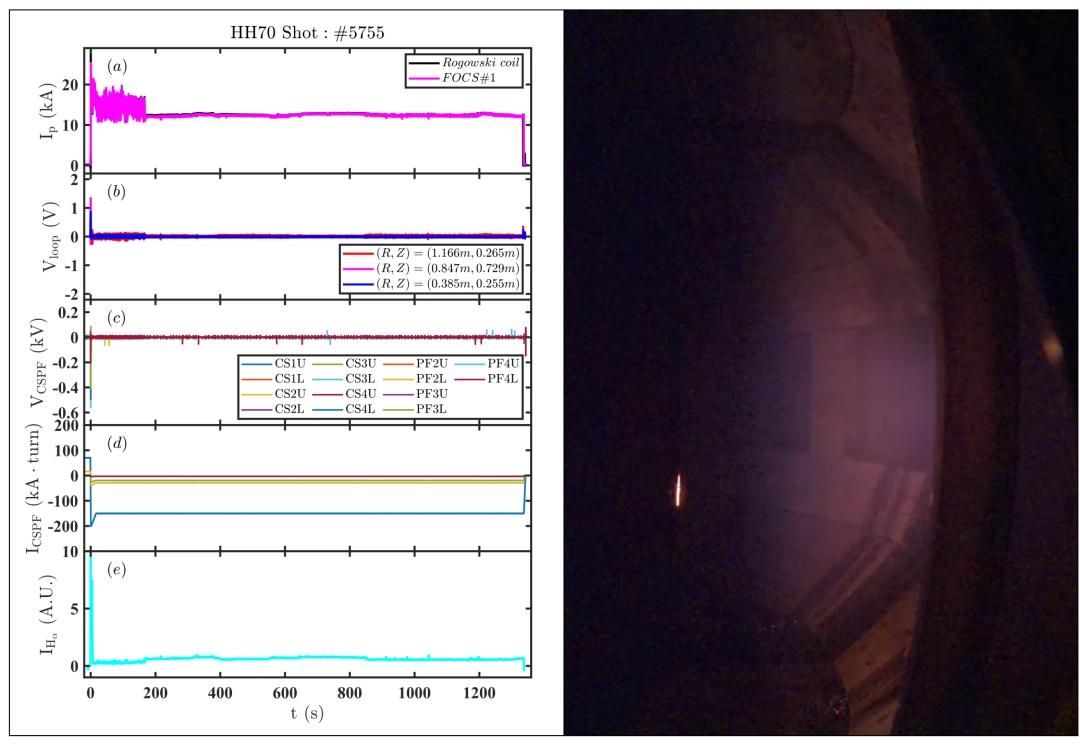
Group 1 - The core achievement of the company, Energy Singularity, is the successful operation of the world's first fully superconducting tokamak device, "Honghuang 70," achieving a steady-state plasma operation of 1337 seconds, marking a significant milestone in commercial nuclear fusion development [1][2] - The "Honghuang 70" device has a domestic production rate exceeding 96% and utilizes advanced technologies such as AI for plasma diagnostics and feedback control, enhancing operational stability and efficiency [2][3] - The breakthrough in achieving a long-pulse operation of over 1000 seconds demonstrates the successful resolution of engineering challenges related to plasma impurity control, thermal load management, and magnetic cooling [2][3] Group 2 - The nuclear fusion technology landscape includes three main routes: gravitational confinement, inertial confinement, and magnetic confinement, with tokamaks being the mainstream technology [7] - The global nuclear fusion market is projected to reach 2 trillion RMB by 2030, with China expected to lead the construction of at least 12 commercial demonstration reactors [7] - Energy Singularity has initiated the engineering design for the next-generation device "Honghuang 170," aiming for an energy gain (Q value) greater than 10, which is a critical step towards achieving net energy gain [8]
全球首个!上海“人造太阳”又破纪录了 | 国家未来产业地图
Xin Lang Cai Jing· 2026-02-02 10:52
Core Insights - The article discusses the recent advancements in controlled nuclear fusion technology, specifically highlighting the achievements of the commercial company Energy Singularity with its "Honghuang 70" high-temperature superconducting tokamak, which successfully achieved a steady-state long pulse plasma operation lasting 1337 seconds [1][4]. Group 1: Company Achievements - Energy Singularity's "Honghuang 70" is the first commercially developed tokamak to achieve a long pulse plasma operation exceeding 1000 seconds, marking a significant milestone in nuclear fusion research [1][4]. - The tokamak's recent experiments have demonstrated the effectiveness of AI-based plasma feedback control technology, which has improved plasma operation capabilities [8]. - The company aims to develop the "Honghuang 170," a compact high-temperature superconducting tokamak, which is intended to be the world's lowest-cost device capable of achieving net energy gain from deuterium-tritium fusion [8][9]. Group 2: Technical Details - The "Honghuang 70" was built with over 96% domestic components and represents a significant step in China's nuclear fusion capabilities, being the first fully superconducting tokamak developed by a commercial entity [9]. - The tokamak's performance is evaluated based on key physical parameters, including plasma current, temperature, density, and the fusion triple product, which is crucial for determining the feasibility of achieving ignition conditions [4][5]. - The article notes that the current mainstream technology for controlled nuclear fusion is the tokamak, with other notable devices like EAST and "Chinese Circulation No. 3" also utilizing this technology [10]. Group 3: Industry Context - Shanghai has positioned nuclear fusion energy as a key focus area for technological advancement and future industry development, with a relatively complete and diverse technological route for the nuclear fusion industry chain [11]. - Other companies in the sector, such as Xinghuan Fusion and Honghu Fusion, are exploring different routes within magnetic confinement fusion, indicating a competitive landscape in China's nuclear fusion industry [11].
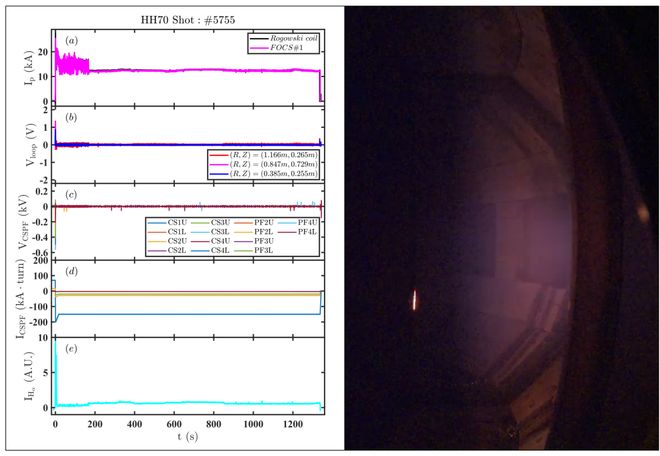
能量奇点:洪荒70完成1337秒等离子体稳态运行
Mei Ri Jing Ji Xin Wen· 2026-02-02 02:45
Group 1 - The core achievement of the company is the successful operation of a stable long-pulse plasma for 1337 seconds during the 5755th experiment, marking a significant breakthrough in controlled nuclear fusion technology [1] - This event represents the first time a commercial company has developed and constructed a nuclear fusion device capable of achieving a thousand-second level plasma current long pulse operation [1]
马斯克放弃核聚变
投资界· 2026-01-30 08:09
Core Viewpoint - A capital and technological competition surrounding nuclear fusion is redefining human imagination about the energy revolution, with significant investments flowing into nuclear fusion startups globally, particularly in the U.S. and China [3][4]. Group 1: Investment Trends - Nuclear fusion concept stocks are gaining traction worldwide, with venture capital continuously pouring into fusion startups in the U.S. and related stocks in China showing strong performance [3][4]. - High-profile investors, including tech billionaires and even former President Trump, are betting on various nuclear fusion technologies, indicating a collective pursuit of creating an "artificial sun" [4][5]. Group 2: Energy Demand and Supply Challenges - The U.S. is facing an electricity shortage, exacerbated by the rising demand from AI, data centers, and other tech sectors, marking a significant shift in energy consumption patterns [6][8]. - AI data centers currently account for approximately 3% of the total electricity consumption in the U.S., with projections suggesting this could rise to nearly 8% by 2030 [8][9]. Group 3: Nuclear Fusion's Advantages - Nuclear fusion is being revisited due to its potential as a clean, efficient, and sustainable energy source, with advantages such as high energy density and low greenhouse gas emissions [10][12]. - Unlike fossil fuels, nuclear fusion's primary fuel source is seawater, reducing geopolitical risks associated with energy supply [10]. Group 4: Technological Pathways in Nuclear Fusion - Various technological pathways for nuclear fusion are being explored, including pulse magnetic confinement, hydrogen-boron fusion, and tokamak systems, each with distinct engineering philosophies and timelines [13][14][15]. - Silicon Valley's investment strategy involves diversifying across multiple fusion technologies to hedge against risks associated with high uncertainty in the field [13][21]. Group 5: Elon Musk's Space Solar Initiative - Elon Musk has publicly criticized terrestrial nuclear fusion, advocating instead for space-based solar power, which he believes can harness solar energy more effectively [17][18]. - Musk's plan includes deploying solar AI satellites to maximize solar energy capture in space, potentially meeting the entire U.S. electricity demand with a relatively small area of solar panels [19][20]. Group 6: Strategic Implications of Investment - Silicon Valley's investment in nuclear fusion reflects a long-term strategic bet on future energy capabilities, with the understanding that technological advancements in fusion could yield benefits across various high-tech industries [21][22]. - The pursuit of nuclear fusion is seen not merely as an energy venture but as a critical component in determining future technological and competitive advantages in the global landscape [23].

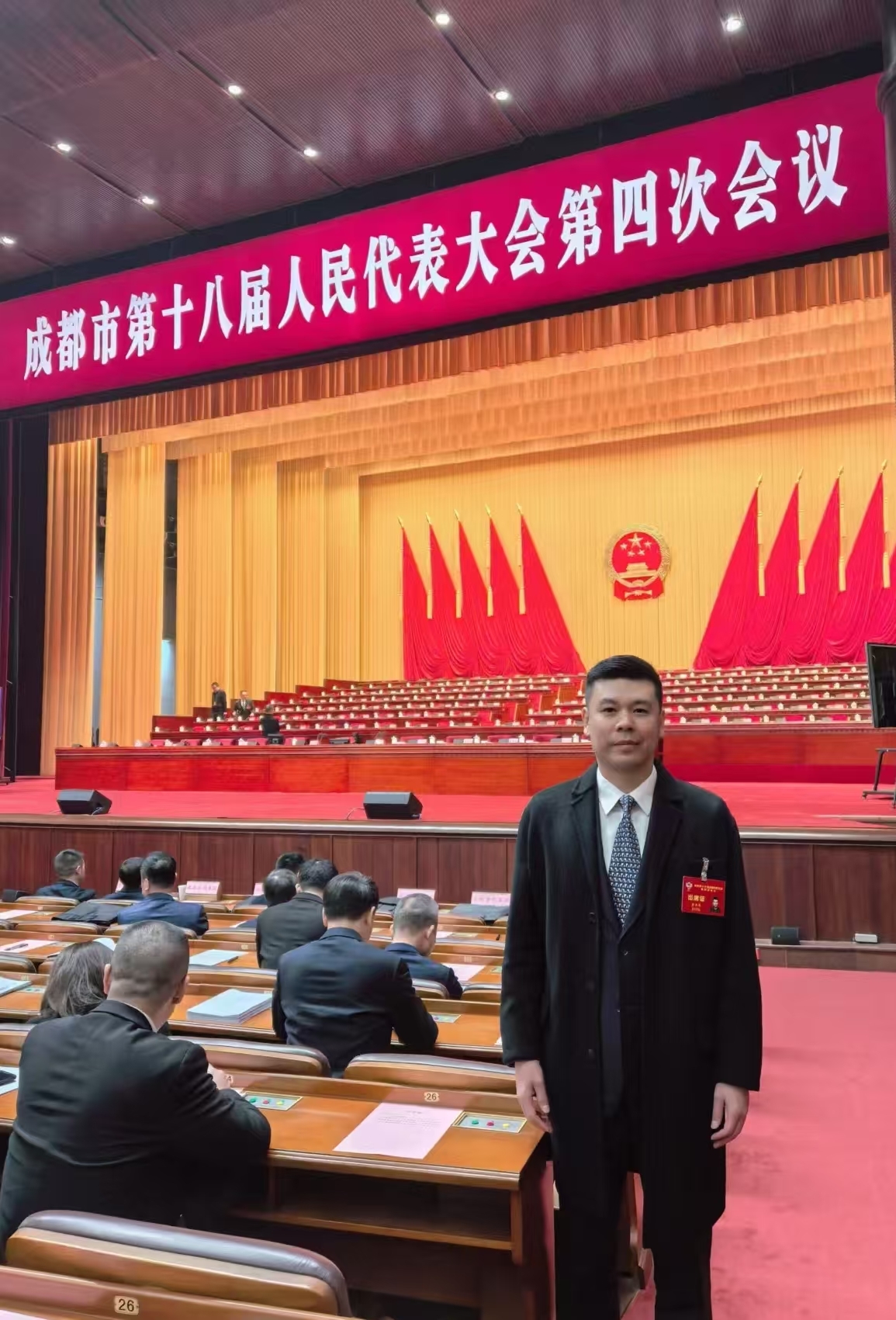
专访成都市政协委员、成都中天泰瑞科技董事长窦云骋:算力终点是能源,需加快核聚变产业本地化
Mei Ri Jing Ji Xin Wen· 2026-01-28 06:21
每经记者|胥帅 每经编辑|唐元 在人工智能以惊人速度重塑世界的今天,一场关于未来基石——能源的静默竞赛早已在全球拉开帷幕。算力,作为AI时代的"新石油",其爆炸式增长的背 后,是对电力供给前所未有的渴求。成都市政协委员、成都中天泰瑞科技董事长窦云骋,眼下更关注能源,特别是新型的核聚变技术。 1月27日,成都市政协十六届四次会议开幕,成都进入两会时间。《每日经济新闻》记者专访了窦云骋。 "在我们行业内有一个深刻的解读:人工智能的终点是能源,而能源的终点就是核聚变。"他认为,站在国家"十五五"规划将核聚变正式列为未来产业的历史 性节点,成都需系统审视自身优势与不足,加快将科研潜力转化为产业实力。 核聚变是能源尽头 从ChatGPT横空出世到Sora惊艳亮相,大模型迭代的速度令人目不暇接,但其背后是堪称"吞电巨兽"的超级算力集群。窦云骋指出,全球AI竞赛不仅是算法 与芯片的较量,更是能源储备与供给能力的比拼。他援引特斯拉与SpaceX创始人埃隆·马斯克的观点称,美国电网老化、审批冗长难以支撑算力增长。Meta 等科技巨头不仅在抢购GPU,更在积极投资能源资产,以保障其数据中心的"电力安全"。"这释放了一个信号:可持 ...
即将迎来首次放电 安徽合肥“人造太阳”+1
Yang Shi Xin Wen· 2026-01-28 04:59
Core Viewpoint - The advanced field-reversed configuration fusion device FLAME, developed by the University of Science and Technology of China, has been completed and is about to undergo its first discharge, representing a significant advancement in fusion technology [1] Group 1: Technology Comparison - The FLAME device is positioned as a more cost-effective alternative to the traditional Tokamak fusion reactors, which are likened to high-end supercars requiring expensive superconducting materials [1] - The cost of constructing the FLAME device is only one-tenth that of a Tokamak, making it a more accessible option for fusion energy development [1] Group 2: Innovation in Fusion Energy - FLAME follows the "field-reversed configuration" fusion path, which is expected to yield a "small sun" with significantly lower investment compared to conventional methods [1]