短剧行业

Search documents
从笔尖到镜头:网文IP穿越短剧的黄金窄门
3 6 Ke· 2026-01-16 00:22
Core Insights - The traditional model supporting web authors, based on word count for "full attendance" and "subscriptions," is nearing its limits due to the saturation of traffic growth. The short drama market's emergence in 2025 has opened new avenues for value creation in the crowded web literature ecosystem [1][2] Group 1: Market Dynamics - Over 6,000 web novels have been adapted into short dramas, resonating with audiences through relatable life details and emotional depth, providing substantial financial returns for authors [1] - The short drama industry is experiencing a revival, with the adaptation of web novels leading to significant viewership, as seen with the hit short drama "盛夏芬德拉," which surpassed 4 billion views [2] - The competition in the short drama sector has shifted towards the acquisition of IP resources, with platforms investing heavily to encourage the production of high-quality adaptations [3] Group 2: Financial Opportunities for Authors - In the first half of 2025, many authors reported earning substantial income from copyright adaptations, with some receiving tens of thousands of yuan, despite low initial novel royalties [3][10] - The adaptation of web novels into short dramas has democratized opportunities for lesser-known authors, allowing them to benefit from the booming market [8][11] - The revenue model for authors has shifted from traditional ad revenue and reader tips to primarily relying on copyright fees and profit-sharing from adaptations, regardless of the original work's popularity [7][10] Group 3: IP Resource Competition - By 2025, over 6,700 web works had been adapted into short dramas, with more than 3,600 already available, indicating a significant resource pool for high-quality content [11] - The inherent traffic of web IPs provides a solid audience base for short dramas, with quantifiable metrics aiding in the selection of IPs for adaptation [11] - The experience of web authors in narrative structure and character development enhances the quality of adaptations, reducing development costs and time [11][12] Group 4: Industry Evolution - The rise of short dramas represents a shift in the content creation landscape, allowing for quicker, lower-cost adaptations compared to traditional long-form dramas, thus enabling more creators to participate [19] - The integration of web literature and short dramas is creating a new cycle of value, where successful adaptations not only generate revenue for authors but also boost the original works' readership and IP value [16][21] - The current environment is seen as a turning point for creators, transforming writing from a gamble into a multi-dimensional investment opportunity [23][24]


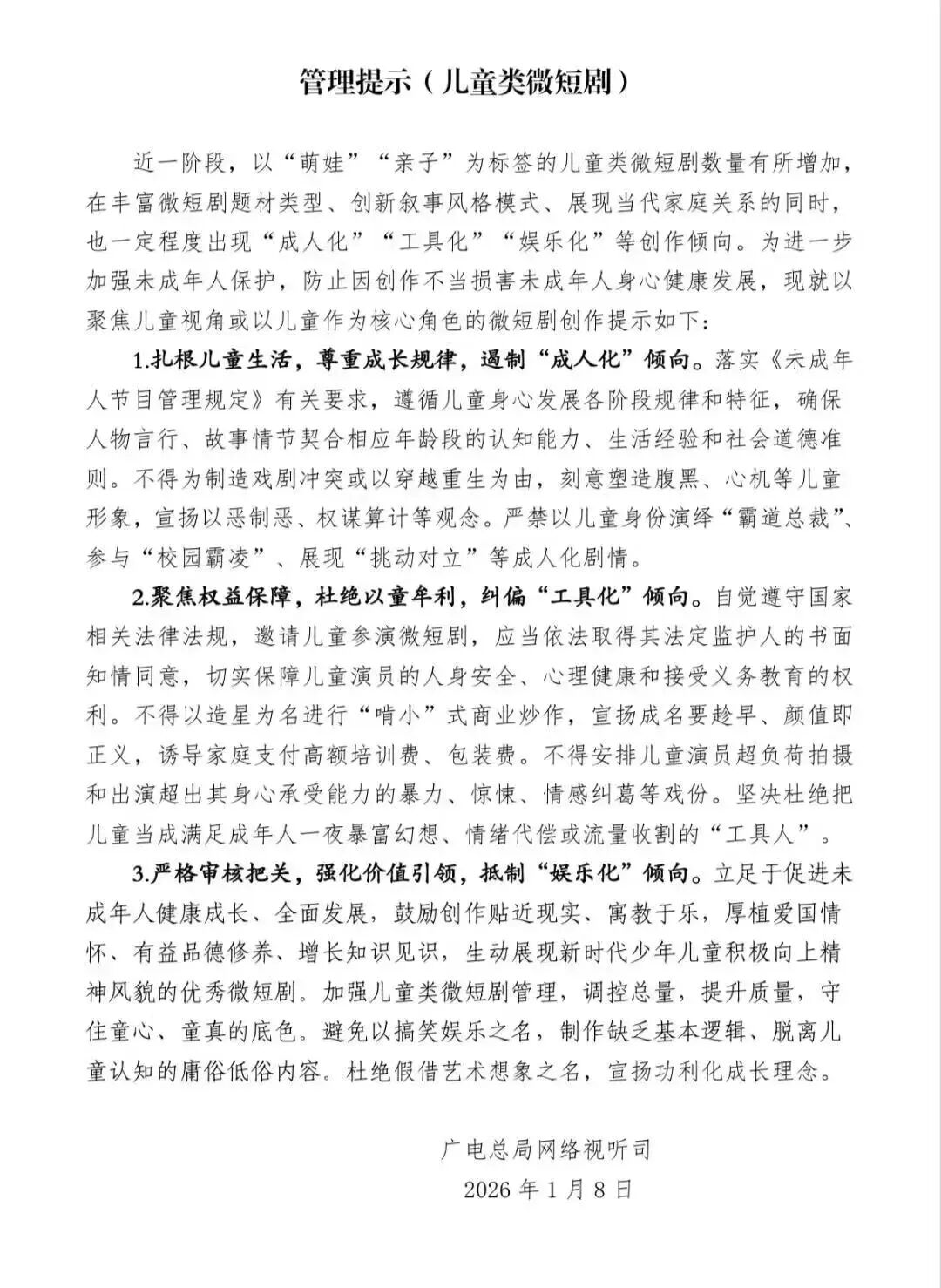
广电新规禁止“啃小”,萌宝短剧走向何方?
3 6 Ke· 2026-01-15 11:10
Core Viewpoint - The new regulations from the National Radio and Television Administration (NRTA) regarding children's micro-dramas introduce significant changes to the short drama market, aiming to curb adult themes and protect minors' mental health [1][17]. Group 1: Market Dynamics - Children's micro-dramas, particularly those labeled as "cute kids" and "parent-child," have seen a surge in popularity, becoming a core segment of the short drama market with notable increases in production and audience engagement [3][4]. - In the first half of 2025, children's micro-dramas accounted for 5.56% of the total short drama market, ranking seventh among popular genres [5]. - The total engagement for children's micro-dramas reached a significant level, with a heat value of 2 billion for the entire year of 2025, surpassing traditional genres [6]. Group 2: Notable Works and Trends - Several hit children's micro-dramas emerged in 2025, with "Little Ball God is Not to Be Messed With" achieving a heat value exceeding 90 million, making it the top drama of the year [8]. - The narrative structure of these dramas often revolves around themes of overcoming adversity and supernatural abilities, appealing to audiences with familiar storytelling tropes [10][12]. Group 3: Regulatory Impact - The NRTA's new guidelines specifically target the "adultification" of children's content, prohibiting themes that promote adult-like cunning or manipulation in children's characters [17]. - The regulations also aim to prevent the use of children as tools for adult fantasies, which has been a common trope in many current micro-dramas [19]. - The emphasis on promoting positive values and knowledge in children's programming indicates a shift towards more educational and morally uplifting content, potentially stifling the current creative strategies that have led to the success of children's micro-dramas [19].
“我被《盛夏芬德拉》打蒙了!”2026年新年晚会短剧演员刷屏 短剧播放量创新高
Mei Ri Jing Ji Xin Wen· 2026-01-07 05:45
Core Insights - The rise of short dramas has significantly impacted the entertainment landscape, with major platforms and actors embracing this trend, indicating a shift in viewer preferences and consumption patterns [1][4][9] Group 1: Short Drama Popularity - By the end of 2025, short dramas achieved unprecedented viewership, with eight series surpassing 1 billion views in December alone, highlighting their dominance over traditional long dramas during the New Year period [3][9] - The user demographic for short dramas has evolved from a niche audience to a broader base, including wealthier older adults, indicating a shift in content appeal and consumption habits [7][9] Group 2: Market Dynamics - The short drama market reached a valuation of 500 billion yuan in 2024, surpassing the film industry, and continued to grow rapidly, reflecting its mainstream acceptance [9][10] - Major video platforms like iQIYI, Tencent Video, and Youku are increasingly investing in short dramas, indicating a competitive response to the rising popularity of platforms like Hongguo [10][12] Group 3: Production Trends - The production of short dramas has become highly competitive, with companies producing hundreds of series annually, reflecting a trend towards mass production while maintaining quality [22][23] - The financial dynamics within the industry are shifting, with actors gaining more negotiating power, leading to increased production costs and changes in revenue-sharing models [19][21] Group 4: Marketing and Distribution - Marketing strategies for short dramas are evolving to resemble those of long-form content, with increased emphasis on brand management and audience engagement through events and social media [23][25] - The integration of short dramas into broader commercial strategies, including merchandise and endorsements, is becoming a significant revenue stream for production companies [23][25]
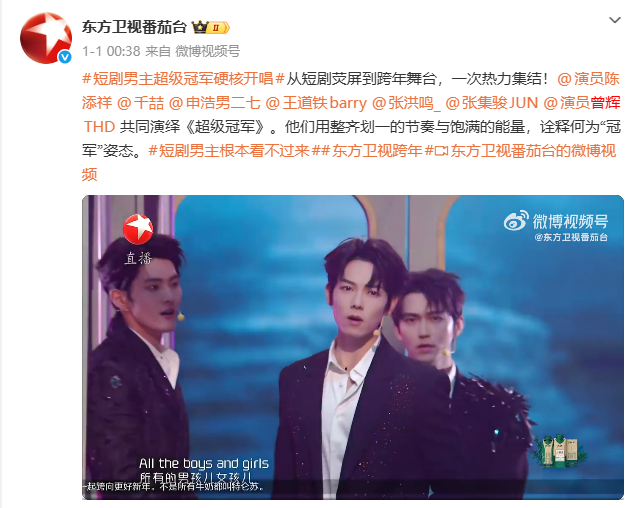
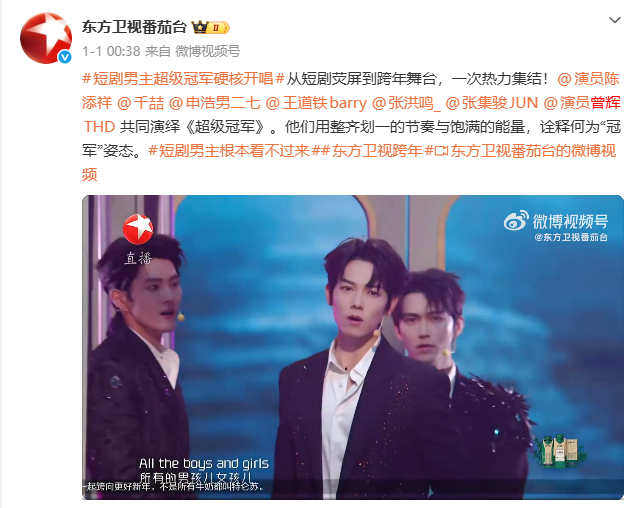
“我被《盛夏芬德拉》打蒙了!”2026年新年晚会短剧演员刷屏,短剧播放量创新高,头部演员成本增长两三倍,档期排队3个月起
Xin Lang Cai Jing· 2026-01-07 04:54
Core Viewpoint - The short drama industry is experiencing explosive growth, with significant viewership and engagement, indicating a shift in audience preferences and a potential transformation in the entertainment landscape [4][9][10]. Group 1: Industry Trends - By the end of 2025, the short drama market reached a scale of 500 billion, surpassing the film industry, and by mid-2025, it achieved this figure in just six months [9]. - The user base for short dramas has expanded to nearly 700 million, indicating that short dramas have become a mainstream form of entertainment rather than a niche [9][10]. - Major long video platforms like iQIYI, Tencent Video, and Youku are increasingly focusing on short dramas, reflecting their growing importance in the content ecosystem [9][10]. Group 2: Content Evolution - The narrative styles and themes of short dramas have evolved from simplistic plots to more complex and diverse storytelling, marking a transition from a "1.0" to a "3.0" era of short dramas [6][22]. - The success of short dramas like "盛夏芬德拉" has demonstrated a demand for innovative content that resonates with audiences, leading to a shift in production quality and thematic depth [6][22]. Group 3: Market Dynamics - The dominance of the "红果" platform in the short drama space is evident, capturing over 95% of the monthly active user penetration rate, significantly outpacing competitors [13]. - The competitive landscape is shifting, with platforms adopting various strategies to leverage short dramas for user engagement and revenue generation, including exclusive partnerships and innovative monetization models [15][21]. Group 4: Production and Financial Aspects - The production costs for short dramas are rising, with top actors commanding up to 50% of total production costs, leading to increased financial pressures on production companies [19][24]. - The trend of producing a high volume of short dramas has become standard, with companies like 百川中文 aiming to produce 400 dramas in 2026, highlighting the industry's focus on scalability [22]. Group 5: Audience Engagement and Marketing - Marketing strategies for short dramas are evolving to resemble those of long-form content, with increased emphasis on brand-building and audience engagement through events and social media [23]. - The integration of commercial partnerships and endorsements for short drama actors is becoming a significant revenue stream, indicating a shift towards a more commercialized approach in the industry [24].
短剧抄袭,走到头了?
36氪· 2025-12-29 13:45
Core Viewpoint - The short drama industry, referred to as "short country," is facing a crisis due to rampant plagiarism and a lack of original content, which threatens its long-term sustainability [5][6][7]. Group 1: Current State of the Short Drama Industry - The short drama industry has rapidly expanded, almost matching the market size of long videos, but this growth has come at the cost of originality and quality [6][20]. - Plagiarism has become a normalized practice within the industry, with creators often copying scripts and ideas from one another, leading to a culture of "fast production" over originality [14][19]. - The production cycle for a short drama can be as quick as a few weeks, making it more appealing for companies to replicate existing content rather than invest in original works [20][21]. Group 2: Economic Factors Influencing Plagiarism - The cost of producing an original short drama ranges from 500,000 to 800,000 yuan, while plagiarized or heavily imitated projects can be produced for as little as 150,000 to 240,000 yuan [22]. - Many companies prioritize quantity over quality, producing hundreds of short dramas annually, with only a few needing to succeed to cover overall risks [23]. - Platforms and algorithms reinforce this efficiency-driven approach, favoring content that has already proven effective in terms of viewer engagement [25][26]. Group 3: Changes in Audience and Platform Dynamics - Audience preferences are shifting, with viewers growing tired of traditional short drama tropes, prompting platforms to reconsider their focus on rapid production and efficiency [34][36]. - Platforms are beginning to raise their standards, rejecting low-quality or plagiarized scripts, which indicates a potential shift away from the previous "fast money" logic [37][38]. - The number of platforms willing to purchase low-cost short dramas is dwindling, suggesting that the market may be moving towards a more quality-focused approach [38]. Group 4: Future Outlook and Challenges - Despite signs of change, the industry remains heavily reliant on fast production, making it difficult to eliminate plagiarism entirely [42]. - The transition to a more quality-driven model requires a significant investment in talent and creative capabilities, which many companies currently lack [44]. - The future of the short drama industry hinges on whether a stable mechanism can be established among platforms, capital, and creators to counteract the allure of quick profits [48].

如何织就短剧的陪伴力?
Xin Lang Cai Jing· 2025-12-25 22:30
Core Viewpoint - The upcoming Sichuan dialect short drama "Home and Away 2" aims to deepen the narrative focus on family life, showcasing the everyday experiences of a family rather than dramatic plot twists, thus enhancing the value of short dramas in the industry [1][2] Summary by Sections Narrative Structure - "Home and Away 2" consists of 111 episodes with 11 unit stories, emphasizing the theme of companionship through its storytelling approach [1] - The series avoids grand openings and focuses on the natural flow of daily life, reflecting the warmth and texture of the Sichuan-Chongqing lifestyle in the 1980s and 1990s [1][2] Character Development - The evolution of character relationships is depicted through small, cumulative actions rather than dramatic confrontations, highlighting the complexity of modern family dynamics [2] - The character Cai Xiaoyan embodies a protective yet flawed maternal figure, while her relationship with Chen Shuang illustrates the silent transmission of emotional patterns across generations [2][3] Emotional Depth - The series explores the theme of love as a natural outcome of familiarity and care, shifting the focus from materialistic measures of relationships to the practical aspects of daily life [3] - The narrative weaves a safety net of relationships that allows for vulnerability and acceptance, reinforcing the idea that family is a source of strength in facing life's challenges [3][5] Industry Implications - "Home and Away 2" represents a shift in the short drama market from fast-paced, sensational content to a focus on quality and emotional connection, suggesting a new path for building companionate IPs [4][5] - The series demonstrates that the essence of short dramas lies not only in their brevity but also in their ability to foster emotional bonds with the audience, positioning them as valuable emotional assets [5]
2025年短剧行业的十大关键词
3 6 Ke· 2025-12-22 23:36
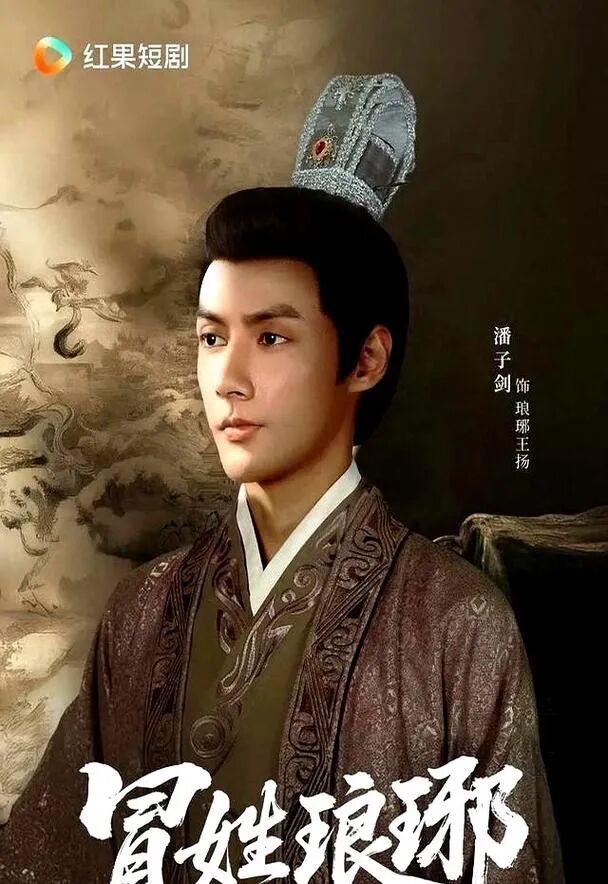
Core Insights - The short drama industry is rapidly evolving in 2025, marked by significant changes in content creation, monetization strategies, and audience engagement, leading to a transformation in the overall drama ecosystem [1] Group 1: Free Model Emergence - The rise of short dramas began with individual works achieving over 100 million in revenue, with the free model gaining traction as a dominant trend in 2025, shifting the focus from "traffic competition" to "user structure optimization" [2] Group 2: Quality Drives Mainstream Acceptance - The industry consensus in 2025 emphasizes quality over quantity, with increased production costs for short dramas, now ranging from 400,000 to 700,000 yuan, reflecting a shift towards high-quality content creation [3] Group 3: Male Genre Resurgence - Male-oriented short dramas are experiencing a revival, with successful titles like "The Adventure of the Last Name" and "A First-Class Commoner" leading the way, indicating a diversification of content beyond traditional themes [4] Group 4: AI Animation Integration - AI-driven animation is emerging as a key innovation in the short drama sector, with a projected market size exceeding 20 billion yuan in 2025, showcasing significant growth in supply and viewership [6] Group 5: Classic IP Adaptations - The adaptation of classic long-form IPs into short dramas is becoming a new trend, with platforms like iQIYI launching initiatives to transform iconic films into micro-dramas, enhancing audience engagement through familiar narratives [8] Group 6: Seasonal Broadcasting Normalization - The seasonal broadcasting model is becoming mainstream, allowing for deeper audience engagement and extending the lifecycle of short dramas through serialized storytelling [10] Group 7: Copyright Resource Accessibility - Major platforms are opening up copyright resources, facilitating the monetization of web literature IPs and enhancing the collaborative ecosystem for short drama production [12] Group 8: Creator Revenue Mechanisms - Revenue-sharing models for creators are evolving, with platforms like Hongguo implementing structured incentive systems that reward writers and actors based on performance metrics [14] Group 9: New Actor Dynamics - Short dramas are becoming a significant avenue for talent discovery, with emerging actors gaining popularity through breakout roles, contributing to a dynamic and evolving entertainment landscape [16][18] Group 10: Global Expansion - The short drama industry is not only growing domestically but is also expanding internationally, with platforms investing heavily to capture audiences in foreign markets, indicating a competitive global landscape [19] Conclusion - The year 2025 marks a pivotal transition for the short drama industry, moving from a focus on traffic to a deeper emphasis on value creation, driven by free models, AI technology, and quality content development [20]
活人感、邪修、中女时代……十大内容趋势读懂2025
3 6 Ke· 2025-12-12 01:47
Group 1 - The core trend in 2025 is the shift towards "human touch" content, where users prefer authentic, imperfect, and relatable narratives over polished presentations [2][7] - Brands are adapting by engaging in more relatable and humorous interactions, moving away from traditional advertising styles [4][6] - The rise of "group broadcasting" has become a significant growth area in the live streaming industry, attracting both influencers and celebrities, and integrating deeply with brand marketing [8][10][14] Group 2 - The concept of "evil practices" has emerged among young people as a form of resistance against societal pressures, reflecting a desire for low-effort, high-reward solutions in their lives [15][17] - The backlash against "elitist" attitudes in marketing and content creation has highlighted the importance of relatability and empathy in communication [25][26] - Video podcasts are gaining traction, evolving from audio-only formats to more immersive visual experiences, catering to diverse audience preferences [26][28] Group 3 - The "Middle-aged Women Era" is reshaping narratives around women aged 30-55, showcasing their independence and multifaceted roles in society [29][31] - The short drama market is experiencing significant growth, with a projected market size of 677.9 billion yuan in 2025, indicating a shift towards more structured and high-quality content [32][34] - The "silver economy" is emerging as a new frontier, with older adults becoming active participants in content creation, reflecting their unique perspectives and needs [41][46] Group 4 - Localized content is gaining prominence, as narratives shift from urban-centric to more diverse and authentic representations of life in smaller towns and rural areas [47][49] - The overarching theme for 2025 is a return to "human-centric" content, emphasizing genuine stories and connections over mere entertainment [50]

七天挣百万,短剧演员的改命之路|深氪lite
3 6 Ke· 2025-12-08 04:23
Core Insights - The short drama industry has seen a significant rise in popularity, with actors transitioning from obscurity to stardom, driven by successful series like "盛夏芬德拉" which achieved over 4 billion views [3][47] - The emergence of short drama stars is comparable to the historical rise of film actors, with industry dynamics shifting towards recognizing their commercial value [4][5] - The industry is undergoing a transformation towards higher quality content, moving away from low-budget productions to more refined storytelling [29][31] Group 1: Industry Growth and Dynamics - The short drama platform "红果" has rapidly gained traction, achieving nearly 2.36 billion monthly active users, surpassing competitors like Bilibili and Youku [31] - The financial model of short dramas has evolved, with production costs and actor salaries increasing significantly, reflecting their newfound status [3][27] - The industry has experienced a threefold growth in scale compared to the previous year, indicating a robust market expansion [14] Group 2: Actor Development and Recognition - Actors in the short drama sector have seen their daily wages rise from thousands to tens of thousands of yuan, with some securing business endorsements worth hundreds of thousands [3][27] - The rise of stars like 柯淳 and 刘萧旭 illustrates the potential for short drama actors to achieve mainstream recognition and commercial success [26][49] - The industry is witnessing a "talent war," with companies competing fiercely to secure actors, leading to increased demand for skilled performers [33][39] Group 3: Content Quality and Audience Engagement - The shift towards high-quality short dramas has been driven by regulatory changes aimed at improving content standards, moving away from low-quality productions [29][30] - Successful series have demonstrated the ability to engage audiences deeply, with "盛夏芬德拉" achieving an average of 36.59 million views per episode, comparable to top long dramas [47] - The industry's focus is now on character development and storytelling, moving beyond mere entertainment to create emotionally resonant content [31][32]
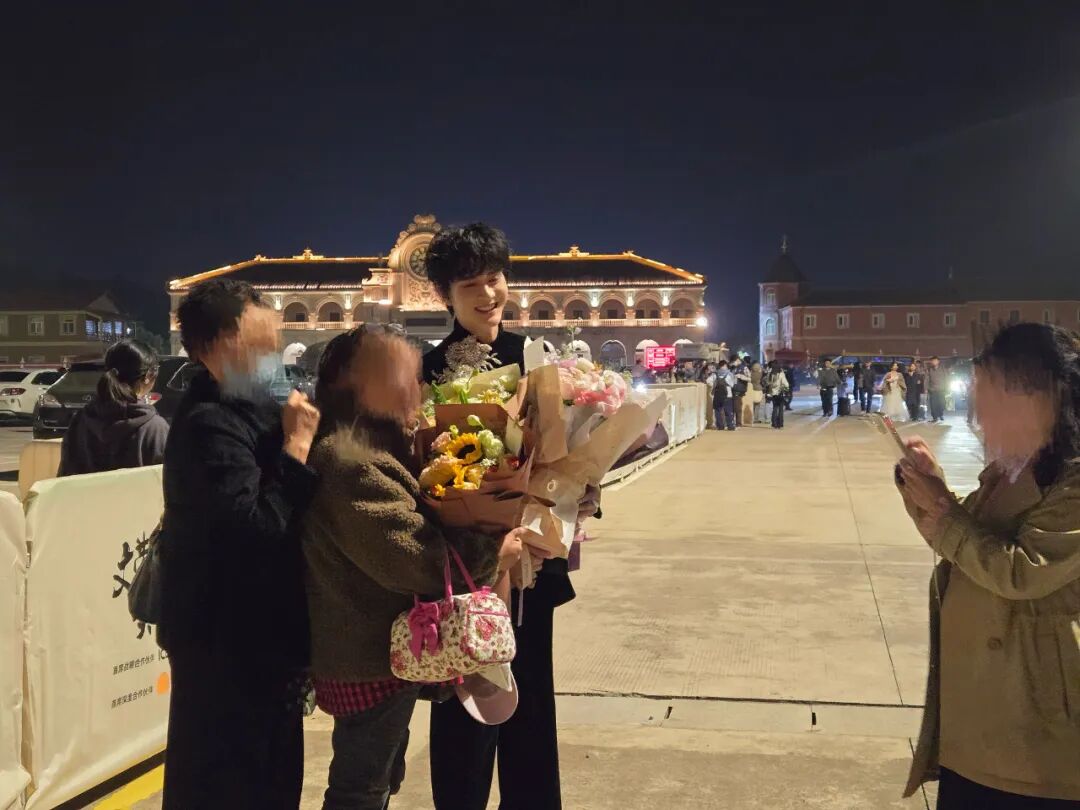
片酬翻百倍、粉丝掷万金:短剧明星重演爽文剧本|深氪lite
36氪未来消费· 2025-12-07 07:21
Group 1 - The short drama industry has undergone significant changes in the past three years, with actors' daily wages increasing from thousands to tens of thousands of yuan, and business endorsements reaching hundreds of thousands [4][6][12] - The rise of short drama stars is comparable to the emergence of Hollywood stars in the early 20th century, where audience affection played a crucial role in their popularity [8][9] - The success of short dramas like "盛夏芬德拉" has led to a rapid increase in viewership and actor recognition, with the industry experiencing a threefold growth compared to the previous year [18][62] Group 2 - The emergence of platforms like 红果 has revolutionized the short drama landscape, achieving nearly 2.36 billion monthly active users by September 2023, surpassing traditional platforms like Bilibili and Youku [40] - The industry is shifting towards a more professional approach, with a focus on character development and quality content, moving away from the previously prevalent low-quality productions [38][39] - The competition for talented actors has intensified, with many companies struggling to secure suitable actors for new projects due to high demand and limited availability [42][43] Group 3 - The financial dynamics of the industry have changed, with short drama actors now able to command significant fees, with top actors potentially earning millions per project [34][58] - The rise of short drama stars has led to a "star-making" phenomenon, where actors like 柯淳 have gained recognition comparable to traditional film stars, leading to increased commercial opportunities [33][37][66] - The industry is now characterized by a "talent war," where companies are competing fiercely to sign actors, often leading to inflated offers and promises that may not be fulfilled [56][57]