
红色旅游

Search documents
(乡村行·看振兴)山西繁峙:“红绿融合”新模式 撬动革命老区超亿元振兴投资
Zhong Guo Xin Wen Wang· 2025-12-09 11:29
Core Viewpoint - Shanxi Province's Fanzhi County is leveraging central special lottery public funds to promote rural revitalization, aiming to attract over 1.2 billion yuan in total investment by 2025 through the "Red and Green Integration" model [1][2]. Group 1: Project Overview - The project will inject 50 million yuan of central special lottery public funds into Fanzhi, initiating the "Hongyun Vegetable Town" customized agriculture project to support rural revitalization [1]. - The project aims to address the economic stagnation in Fanzhi, which has a rich red culture but lacks strong economic development, particularly in the vegetable industry and red tourism [2]. Group 2: Investment and Economic Impact - The project includes nine sub-projects focusing on industrial development, employment entrepreneurship, and rural construction, with 62.5% of the investment allocated to industrial projects [3]. - The initiative is expected to directly create 210 jobs during the construction phase, with labor remuneration of 2.81 million yuan, and approximately 131 permanent positions and 410 seasonal jobs during the operational phase [6]. Group 3: Agricultural and Tourism Development - The project will enhance the agricultural supply chain from production to consumption, including smart vegetable planting and processing, and will address storage and drying issues for crops [5]. - Red tourism will be improved through upgraded facilities and services, enhancing visitor experience and increasing local consumption [5]. Group 4: Infrastructure and Community Benefits - Infrastructure projects will focus on improving living conditions, including drainage, road construction, and environmental sanitation, creating a conducive environment for both industry and tourism [5]. - The project incorporates a mechanism to ensure that development benefits reach local farmers, allowing them to participate in various income-generating activities [6].

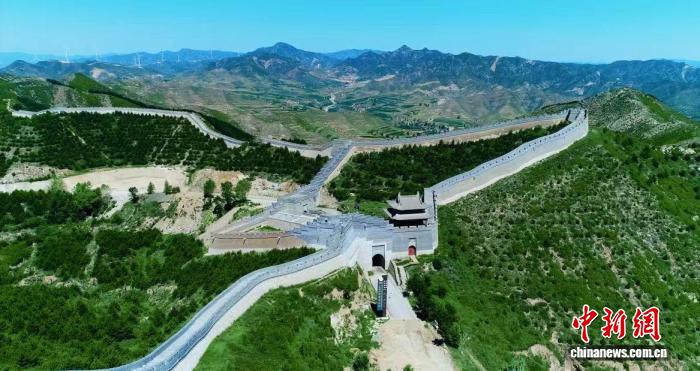
经济日报谈红色旅游如何走得更远
Xin Lang Cai Jing· 2025-10-31 23:35
Core Viewpoint - The article emphasizes the need to enhance red tourism from being "popular" to "strong" through systematic efforts in regional collaboration, content expression, communication methods, and talent support [1] Group 1: Regional Collaboration and Product Development - Strengthening the integration of business models and regional cooperation is essential [1] - Deep exploration of local red culture's unique essence to create recognizable and sustainable red brands [1] - Development of a composite product system combining "red + research study," "red + cultural creativity," "red + health care," and "red + sports" to promote the deep integration of red resources with the real economy, creative design, and digital technology [1] Group 2: Technological Empowerment and Experience Enhancement - Introduction of digital technologies such as VR/AR and the metaverse to recreate classic revolutionary scenes [1] - Creation of immersive theaters and interactive exhibitions as new experience projects [1] - Utilization of new media channels like short videos, live streaming, and interactive games to enhance the appeal of red culture among younger demographics through projects like "Cloud Walking the Long March" and "Red Script Tours" [1] Group 3: Talent Development and Intellectual Support - Promotion of collaboration between universities, party schools, and red venues to establish red tourism research bases and talent training centers [1] - Implementation of specialized plans for improving tour guides and training curators to cultivate a professional team that understands history, excels in communication, and is skilled in operations [1]
红色旅游如何走得更远
Jing Ji Ri Bao· 2025-10-31 22:09
Core Insights - Recent red-themed films have significantly boosted red tourism sites, enhancing their appeal and visitor numbers [1] - The integration of red culture with tourism is becoming a vital industry for local development and the transmission of revolutionary heritage [1] - The Chinese government is investing over 10 billion yuan in 2024 to support the protection and development of red resources [1] Group 1: Policy and Development - The Ministry of Culture and Tourism and the Ministry of Education have launched a plan to incorporate red tourism into ideological education and social practice [2] - The plan has resulted in widespread participation, with over 30,000 students involved in a national red tourism creative planning competition [2] - The release of industry standards for red tourism development zones clarifies construction requirements and grading norms at the national level [2] Group 2: Industry Collaboration and Product Development - There is a need for regional collaboration and the creation of distinctive red brands by deeply exploring local red culture [2] - The development of composite product systems such as "Red + Research," "Red + Cultural Creation," and "Red + Health" is encouraged to integrate red resources with various sectors [2] Group 3: Technological Integration and Experience Enhancement - The introduction of digital technologies like VR/AR and the metaverse aims to recreate classic revolutionary scenes and enhance visitor experiences [3] - New media channels such as short videos and live streaming are being utilized to engage younger audiences through interactive projects [3] Group 4: Talent Development and Support - Collaboration between universities and red tourism sites is being promoted to establish research bases and training centers [3] - Specialized plans for improving guides and curators are being implemented to cultivate a professional workforce knowledgeable in history and effective in communication [3]
新时代中国调研行之文化中华|感受兴安盟红色之旅的魅力
Xin Hua She· 2025-10-17 10:33
Core Insights - The article highlights the development of red tourism in the Xingan League, focusing on the historical significance of the "Gegenmiao" uprising and the promotion of cultural heritage through immersive experiences and themed activities [1][2][3] Group 1: Historical Significance - The "Gegenmiao" uprising on August 11, 1945, involved over 600 patriotic youths who initiated a rebellion against Japanese invaders, leading to the formation of the Inner Mongolia Cavalry First Division [1] - The region is recognized as a "red hot land," with efforts to explore and promote its red cultural connotations through various creative products [1] Group 2: Tourism Development - The "One Museum and Three Sites" initiative, which includes the Wuyi Meeting Site and other historical locations, attracts approximately 900,000 visitors annually [2] - In 2024, the Xingan League plans to invest 8.95 million yuan in enhancing the exhibition and presentation of revolutionary sites, improving visitor experience through advanced technology [2] Group 3: Cultural Activities - The Xingan League has implemented multiple strategies to bring red stories to life, including the creation of immersive plays and online AR experiences [3] - From January to September 2025, over 260 cultural and tourism activities were held, with nearly 30% incorporating red themes, showcasing the integration of red culture with local tourism offerings [4]
青春赋能、创新驱动,延安让红色文化“活”起来、“新”起来、“潮”起来!
Zhong Guo Xin Wen Wang· 2025-10-17 07:05
Core Viewpoint - The article emphasizes the revitalization of red culture in Yan'an through innovative approaches, youth engagement, and the integration of cultural tourism, showcasing how historical significance can be transformed into a dynamic and appealing experience for a diverse audience [1][17]. Group 1: Cultural and Historical Significance - Yan'an is portrayed as a revolutionary holy land, with its rich history and cultural heritage serving as a foundation for spiritual education and tourism [2][4]. - The red cultural tourism is described as a dual engine for both spiritual inheritance and regional development, attracting visitors from various backgrounds seeking to connect with revolutionary history [2][4]. Group 2: Innovation in Cultural Tourism - Yan'an has adopted innovative methods to cater to diverse tourist needs, such as using VR technology and interactive exhibits to make historical experiences more engaging [5][9]. - The introduction of creative products and immersive experiences, like the large-scale performance "Thirteen Years in Yan'an," reflects a shift from passive observation to active participation in cultural storytelling [9][10]. Group 3: Youth Engagement - Young people are increasingly becoming active participants in the dissemination of red culture, with initiatives like youth-led tours and creative storytelling through social media [10][12]. - Educational programs and activities tailored for younger audiences are making revolutionary history more relatable and engaging, fostering a sense of identity and pride among the youth [12][10]. Group 4: Economic Impact - The growth of red cultural tourism has significantly boosted local economic development, with impressive visitor statistics during recent holidays, such as over 25,000 visitors on the first day of the National Day holiday [13][15]. - In 2024, Yan'an is projected to receive approximately 47.32 million domestic tourists, reflecting a 12.7% increase, and generate a total tourism expenditure of 38.1 billion yuan, marking a 15.2% growth [15][13]. Group 5: Future Prospects - The article concludes with a vision for the future, highlighting the potential of Yan'an's red culture to continue evolving and contributing to both historical awareness and local economic prosperity [17].
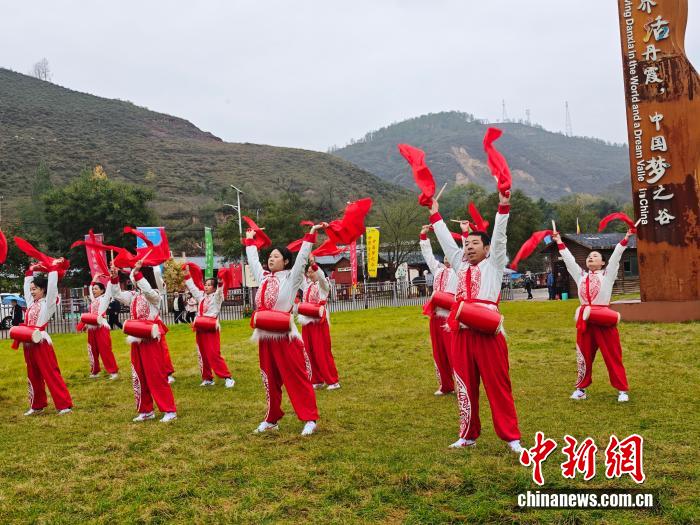
国庆中秋假期红色旅游热度持续攀升
Yang Shi Wang· 2025-10-02 12:10
Core Viewpoint - The 80th anniversary of the victory in the Chinese People's War of Resistance against Japanese Aggression and the World Anti-Fascist War has led to a surge in red tourism across China during the National Day holiday [1] Group 1: Red Tourism Popularity - Red tourism sites have become popular destinations for tourists during the National Day holiday, reflecting a growing interest in historical and cultural heritage [1] - The Guizhou Zunyi Conference site has seen visitors deeply engaged with historical materials, indicating a strong educational component to red tourism [3] Group 2: Visitor Statistics - The Fujian Gutian Conference site is expected to receive approximately 90,000 visitors during the holiday period [3] - The Yan'an Revolutionary Memorial Hall welcomed over 25,000 visitors on the first day of the National Day holiday, showcasing the site's appeal [3] - The Yalu River National Gate Scenic Area in Jilin Province experienced a visitor increase of over 50% compared to the same period last year, attributed to the opening of new transportation routes [3]
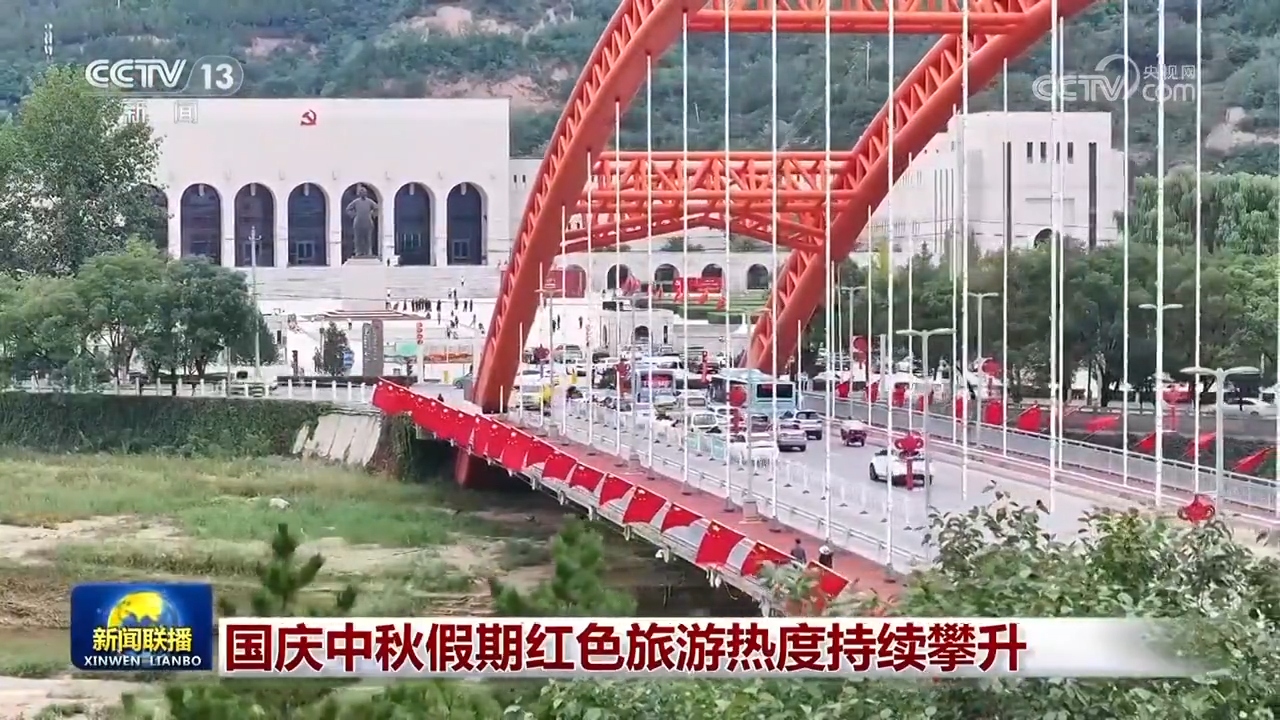
光耀太行·红土巨变 | 平定:向着“胜利”再出发
Yang Guang Wang· 2025-09-29 12:20
Core Viewpoint - The article highlights the transformation and development of Pingding County in Shanxi Province, showcasing its rich historical heritage and the integration of red tourism, agriculture, and local industries to drive economic growth and improve residents' livelihoods [1][3][6]. Group 1: Red Tourism Development - The historical significance of Qiheng Village, known for the "Qiheng Victory," has been leveraged to attract tourism, with investments of approximately 230 million yuan over the past decade, resulting in over 200,000 annual visitors and a nearly fivefold increase in per capita income for villagers [3][6]. - Pingding County has 15 red cultural heritage sites, which serve as unique resources for comprehensive tourism development [3][6]. Group 2: Agricultural Advancements - Pingding County's soil has a selenium content of 0.552 mg/kg, significantly higher than the provincial and national averages, with 23,000 hectares of arable land designated as selenium-rich [12][15]. - The county has established 41,000 mu of selenium-rich agricultural demonstration bases, with an annual output value of 350 million yuan from selenium-rich products [15]. Group 3: Ceramic Industry Growth - Pingding County is recognized as "China's City of Ceramic Art," with 202 ceramic enterprises and over 3,600 employees, contributing an annual output value of approximately 140 million yuan [9][11]. - The local ceramic industry has been awarded as a demonstration zone for innovation and upgrading, with 73 patents and 32 registered trademarks [9][11]. Group 4: Economic Impact - The integration of red tourism, agriculture, and local industries has created a multi-faceted economic landscape, enhancing the overall quality of life for residents and positioning Pingding County as a model for rural revitalization [1][6][15].
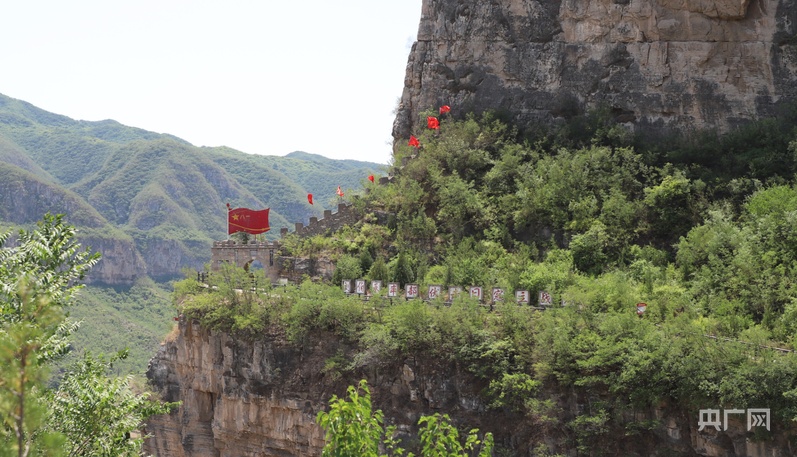
光耀太行·红土巨变 | 灵丘:从“红色热土”到“算力高地”
Yang Guang Wang· 2025-09-20 01:50
Group 1: Economic Development - Lingqiu County is experiencing high-quality economic development driven by "big data + new energy" and "special agriculture + rural tourism" [1][6] - The establishment of the data center park in Lingqiu is set to make it the largest data center park in Asia, with a total IT capacity exceeding 500MW and the ability to host over 1 million servers [2][3] - By 2024, the server scale in the Lingqiu data center park is expected to reach 342,000 units, with a total capacity surpassing 300MW and main business revenue projected at 5.843 billion yuan [6] Group 2: Tourism Development - Lingqiu County is leveraging its rich red revolutionary resources to promote all-region tourism, with the Pingxingguan Battle site attracting around 500,000 visitors annually [8][12] - The county has over 190 revolutionary historical sites, enhancing its tourism offerings through themed tours that immerse visitors in red culture [9][12] - Lingqiu has been recognized as a beautiful ecological and livable tourism county, with its tourism development case included in national rural revitalization initiatives [12] Group 3: Organic Agriculture - Lingqiu County is positioned as a prime location for organic dry farming due to its favorable climate and natural resources [13] - The county has established the largest national organic agriculture park, with 40,000 acres of organic agricultural demonstration bases and a total organic agricultural output value of 500 million yuan [16] - The income of the local community has significantly increased, with collective income rising from zero to 1.38 million yuan and per capita income increasing from 2,300 yuan to 24,500 yuan [15][16]

红绿交响绘新卷 河南新县奋力实现高质量发展
Huan Qiu Wang· 2025-09-16 07:52
Economic Development - The county of Xinxian has achieved an annual GDP growth of 4.5%, public budget revenue growth of 4.9%, and per capita disposable income growth of 7.3% in recent years [1] - In the first half of 2025, the GDP growth reached 6.1%, with industrial added value, fixed asset investment, and retail sales growing at rates of 10.2%, 6.4%, and 5.9% respectively [1] Cultural Heritage and Tourism - Xinxian has 365 existing revolutionary historical sites, and has implemented comprehensive surveys and restoration projects, resulting in the establishment of 35 red tourism projects [4] - The red tourism sector has significantly boosted employment, with the red education training brand valued at 38.62 billion yuan [4] Green Development - Xinxian is recognized as a national ecological county with a vegetation coverage rate of 95% and a forest coverage rate of 78.6% [6] - The county has developed a "music road" along Xiangshan Lake, showcasing its commitment to the "green mountains and clear waters" development philosophy [5] Industrial Growth - The pharmaceutical company Lingrui has reported a tax contribution of 1.99 billion yuan in the first half of the year, with an expected annual output value nearing 4 billion yuan [8] - The equipment manufacturing sector has seen a 34.1% growth in new energy equipment and high-end manufacturing [8] Agricultural Development - Xinxian has established a modern agricultural system with a total area of 347,000 acres for oil tea, 300,000 acres for tea, and 87,000 acres for medicinal herbs, generating a combined output value exceeding 4 billion yuan [9] Urban-Rural Integration - The county has added over 1,220 solar streetlights, enhancing the living conditions in rural areas [12] - Xinxian is recognized as a national model for integrated urban-rural transportation, with significant investments in infrastructure [12]
今年暑期的红色旅游有哪些不一样
Zhong Guo Qing Nian Bao· 2025-09-05 01:23
Core Insights - The article highlights the rise of red tourism in China, particularly in the context of the 80th anniversary of the victory in the Anti-Japanese War and World Anti-Fascist War, with various initiatives aimed at enhancing visitor engagement and historical education [1][2][3]. Group 1: Red Tourism Initiatives - Nanjing's Xixia Mountain scenic area launched a "free tour with ticket stubs" initiative, allowing visitors to enter for free with a movie ticket from "Nanjing Photo Studio," which has gained significant attention [1]. - The Anti-Japanese War Memorial Museum introduced a new exhibition titled "For National Liberation and World Peace," which has attracted over 600,000 visitors in just 44 days since its opening [3][4]. - Various red tourism sites are experiencing increased visitor numbers, with hotel bookings for red tourism destinations showing significant year-on-year growth during the summer [1]. Group 2: Visitor Experience and Engagement - Many red tourism sites are adopting immersive and interactive exhibition designs, moving away from traditional static displays to enhance visitor engagement [7][8]. - The Anti-Japanese War Memorial Museum's new exhibition features 3,237 artifacts, including 115 first-class relics, and employs innovative display techniques to create a more engaging experience [4][8]. - The integration of technology, such as virtual reality and multimedia presentations, is becoming a key trend in red tourism, enhancing the emotional impact of the experiences [9][10]. Group 3: Visitor Feedback and Suggestions - Visitors have expressed a desire for more diverse and engaging red tourism experiences, including the need for better organization and thematic routes connecting various sites [11][12]. - Suggestions include the development of interactive and gamified red cultural products to attract younger audiences and enhance the overall visitor experience [13][14]. - Experts recommend that red tourism sites innovate their offerings by incorporating modern performance art and expanding the scope of red tourism to include local community development [14].