
银发经济

Search documents
“银发商店”兴起:从卖产品到构建生活方式的变革
Yang Zi Wan Bao Wang· 2026-02-10 03:14
Core Insights - The emergence of "Silver Economy" stores in Beijing and Shanghai marks a significant shift from providing scattered "age-friendly products" to constructing a complete "age-friendly lifestyle" [1][2] Group 1: Market Trends - The "Silver Store" innovation addresses two core pain points in elderly consumption: the trust issue related to complex products and the lack of integrated services [1] - The Beijing store, led by Jinyu Tiantan Furniture, integrates resources from 63 member units of the "Beijing Age-Friendly Transformation Industry Development Alliance" [1] - The Shanghai store systematically presents various age-friendly products and plans regular updates, allowing consumers to purchase goods and access health checks and consultation services [1] Group 2: Competitive Landscape - The success of this model provides key insights for the high-quality development of the Silver Economy, indicating that future competition will focus on "ecosystem building" capabilities [2] - Beijing's approach showcases a platform-based strategy led by state-owned enterprises, while Shanghai's efforts reflect a continuous extension of exhibition resources into daily life [2] - The trend indicates a shift from fragmented sales competition to an integrated ecosystem of products, services, and experiences in the Silver Economy [2] Group 3: Social Implications - The "Silver Store" serves as an important social interface, acting as a sensitive market demand perceiver and fostering a positive aging perspective [2] - The rise of such stores reflects the evolution of aging society from "survival security" to "life prosperity," emphasizing the need for integrated resources and trust-building spaces [2]
热门赛道迎利好!上海,重磅宣布!
证券时报· 2026-02-07 08:15
Core Viewpoint - Shanghai aims to enhance its economic growth and industrial capabilities through strategic initiatives, including the establishment of an AI Youth Entrepreneurship Fund and increasing the application density of industrial robots to 600 units per 10,000 people by 2025 [1][3]. Economic Growth Targets - By 2025, Shanghai's GDP is projected to reach 5.67 trillion yuan, reflecting a growth of 5.4% from the previous year, with a target of around 5% growth for 2026 [1]. - The city's industrial output value exceeded 4 trillion yuan in the past year, with a forecasted increase of 5.1% in industrial added value by 2025 [3]. Industrial Development - Shanghai plans to establish 500 advanced intelligent factories and create 200 green manufacturing enterprises during the "14th Five-Year Plan" period [1]. - The proportion of emerging manufacturing industries in Shanghai has increased from 40% to 45% over the past five years, with leading industries' share rising from 7.8% to 12.4% [3]. AI and Innovation - Shanghai has seen significant advancements in the AI sector, with nearly 40 humanoid robots transitioning from labs to everyday life, and over one-third of returning overseas talents choosing to start their careers in Shanghai [1][5]. - The city is leveraging a 600 billion yuan national AI fund and a 225 billion yuan Shanghai AI mother fund to foster AI talent and support the establishment of AI application pilot bases in healthcare, finance, and manufacturing [5]. Future Industries - Shanghai is focusing on future industries such as brain-computer interfaces, quantum computing, and gene therapy, with plans to create a national brain-computer interface industrial cluster [7]. - A future industry fund of 15 billion yuan is being established to attract social capital for early-stage investments in hard technology and long-term projects [7]. Silver Economy - By the end of 2024, the elderly population in Shanghai is expected to exceed 37.6%, indicating significant potential for the silver economy [10]. - Initiatives such as the opening of silver-friendly stores and the establishment of technology platforms for elderly care are being implemented to enhance consumer experiences for the aging population [10][11].


大任观银龄/银发消费新浪潮:当4亿人开启“第二人生”
Yang Zi Wan Bao Wang· 2026-02-06 01:31
我们正见证一个历史性的消费图景变迁:规模庞大的新一代银发群体,不再满足于被定义为"夕阳红",而是以饱满的自主意识,集体步入一个追求品质、 活力与自我实现的"第二人生"。他们的消费行为,绝非简单的规模叠加,而是一场深刻的需求变革,正倒逼整个市场与社会进行认知刷新与供给升级。 银发消费的核心动能,已从基础的生存保障,全面转向对生命质量的立体化建构。其需求呈现三个鲜明的升级维度: 1、健康管理:从"被动医疗"到"主动整合"。需求不再局限于治病,而是扩展为涵盖科学营养、规律运动、健康监测与慢病管理的"全周期健康解决方 案",旨在为有活力的生活打下坚实基础。 3、观念侧:全社会亟待完成从"赡养扶持"到"共生共创"的根本性认知转变。他们是消费市场的重要主体,更是社会经验与活力的宝贵贡献者。 对于正在塑造"苏适养老"内涵的地区而言,这无疑是明确的行动方向。将产业、科技与文化优势,转化为真正尊重个体、提升生活品质的具体服务,是让 美好养老愿景照进现实的关键。 银发经济的蓬勃发展,最终映照的是一个社会的文明水位与未来远见。服务好这4亿人的"第二人生",我们不仅在开拓一片充满潜力的新蓝海,更是在共 同参与构建一个对所有年龄都更加 ...
民政科技赋能老人生命周期需求,现存银发经济相关企业超41.6万家丨封面有数
Xin Lang Cai Jing· 2026-02-04 05:07
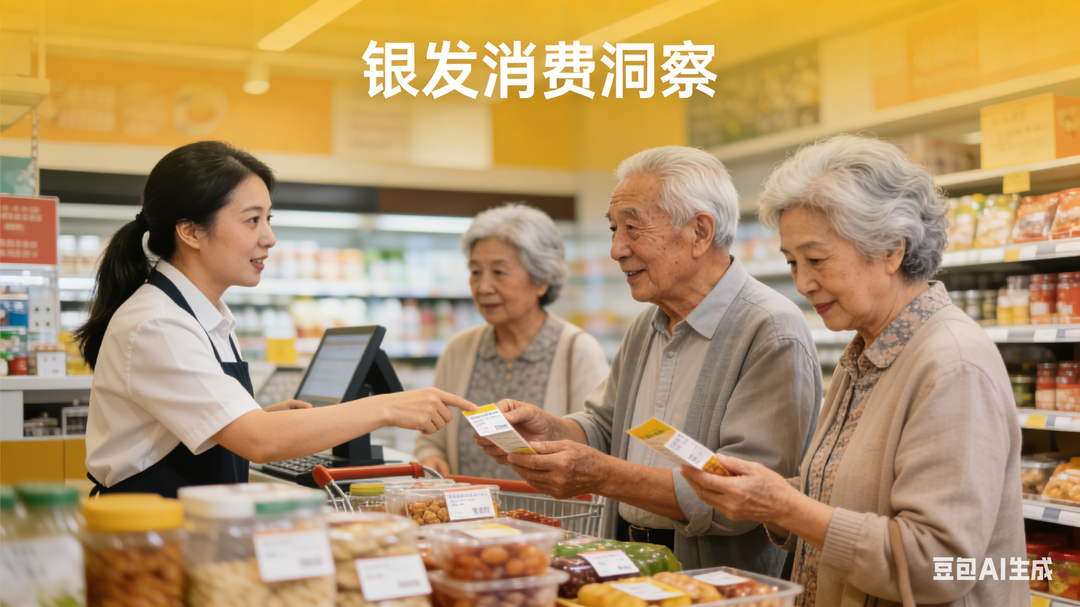
封面新闻记者 欧阳宏宇 近日,民政部印发《关于进一步推进民政科技创新的指导意见》,聚焦服务银发族,作出重点部署。在这一政策引导 下,产业链上涌现出众多致力于技术研发与应用的企业。 记者2月4日获悉,天眼查专业版公布工商信息数据显示,截至目前我国现存在业、存续状态的银发经济相关企业超41.6 万家。其中,2025年新增注册相关企业约7.7万余家,从企业注册数量趋势来看,近五年间,银发经济相关企业的注册数 量呈现出逐年增长的态势,并在2025年达到顶峰。 民政科技作为国家科技创新体系关键部分,是推动民政事业高质量发展的重要保障。如今,围绕老年人全生命周期需 求,人形机器人、脑机接口、人工智能等前沿技术已广泛应用,落地在强化场景驱动创新,推动养老服务技术装备与居 家、社区、机构等场景深度融合,形成全方位照护方案。 同时,企业也在瞄准培育银发经济新动能,打造老龄和养老服务产业集群,完善平台标准要素支撑。从区域分布来看, 山东省、广东省、江苏省银发经济相关企业数量位居前列,分别为超3.9万余家、3.3万余家和3.1万余家。排在其后的是 河南省和四川省。 ...
省政协委员姚兆余:抓住银发经济风口,建设“适老生活体验馆”
Yang Zi Wan Bao Wang· 2026-02-01 14:47
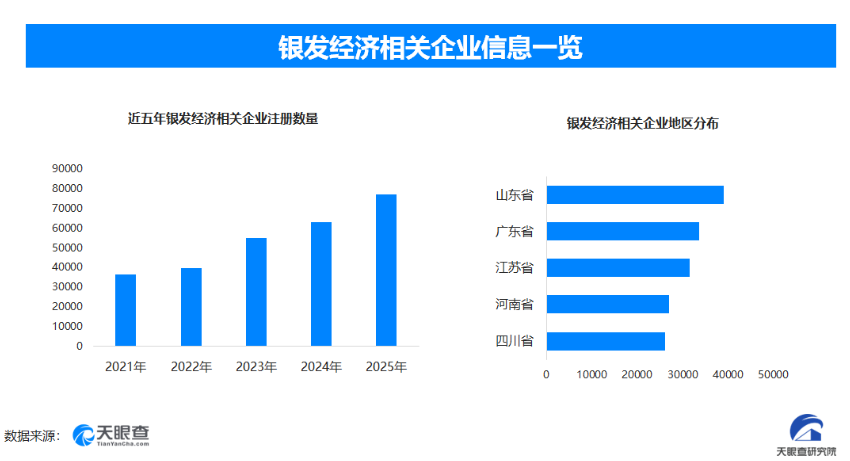
截至2024年末,江苏省60岁及以上常住老年人口2175万人,占常住人口的25.5%,高于全国3.5个百分点;65岁及以上常住老年人口1594万人,占比 18.7%,高于全国3.1个百分点。面对深度老龄化现状,江苏省政协委员、南京农业大学人文与社会发展学院姚兆余建言,应把发展银发经济视为江苏经 济"勇挑大梁"、培育未来产业的重要抓手。他认为,当前银发产品研发生产中的核心矛盾:旺盛的"新老年"需求与低端同质化的供给严重错配,呼吁必须 系统打通从需求到研发再到市场的全链路,让"银发经济"成为内需增长的新引擎。 姚兆余建议,可借鉴先进经验,构建银发产品产业链,打通"研发—生产—流通—服务—反馈"全链路,形成上中下游协同、跨产业融合的闭环生态。他提 议在全省建设2-3个核心研发园区和一批示范产业园,并关键性地推动所有县(市、区)建设"适老生活体验馆",展示和推广银发产品。 在人才与资金两端,他建议,鼓励高校开设银发经济相关专业,同时完善财政金融支持政策,为银发产业发展注入动能。如,鼓励各类产业引导资金、政 府投资基金、创业投资基金等加大对银发经济企业的支持;落实税收优惠政策,适老化产品、智能辅具、健康检测设备等研发活 ...
15件重点民生实事 托举起“稳稳的幸福”
Xin Lang Cai Jing· 2026-01-28 18:54
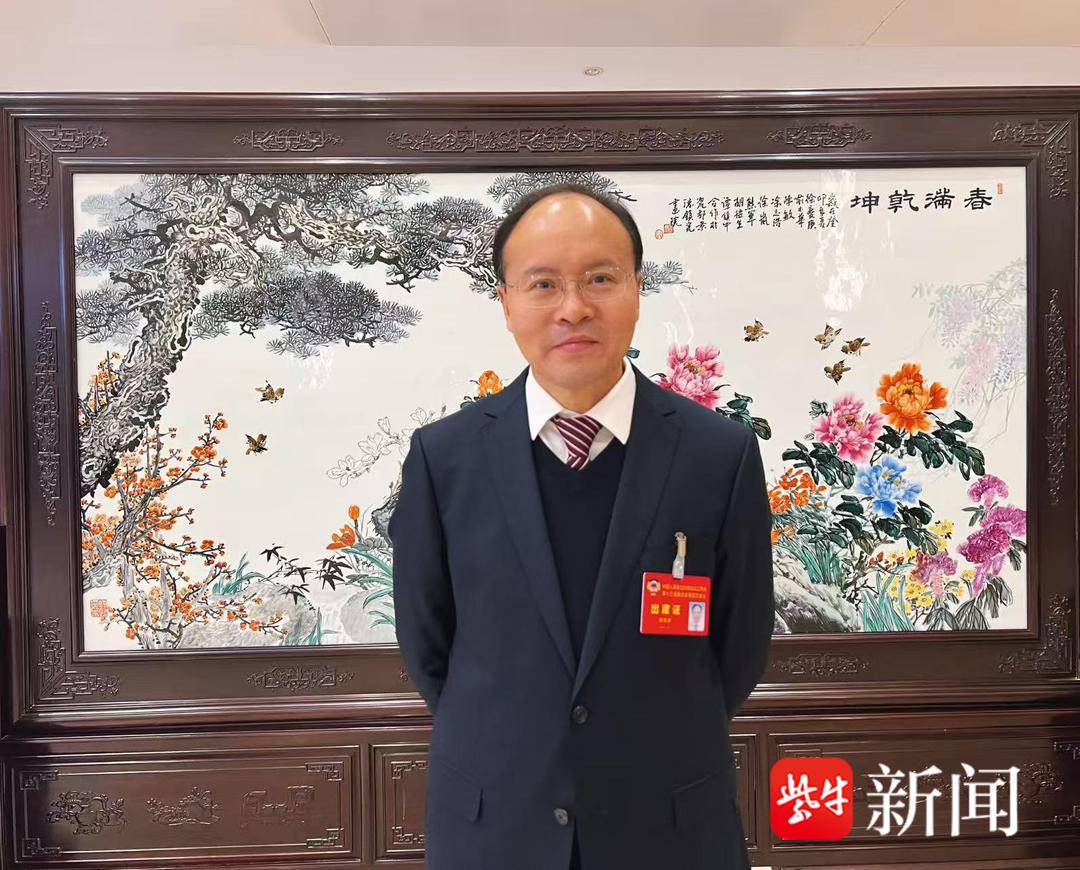
Group 1: Urban Renewal and Development - The government work report emphasizes urban renewal, focusing on systematic upgrades rather than simple repairs, aiming to address public needs and revitalize old spaces [9][10] - In 2026, Chongqing plans to renovate over 1,200 old urban residential communities and initiate 40 new "good housing" projects, shifting housing construction from "full coverage" to "quality enhancement" [9][10] - The key principles for urban renewal include prioritizing public welfare, enhancing safety, functionality, environment, memory retention, management, and development [9] Group 2: Cultural Industry Development - The government work report outlines the expansion of new public cultural spaces and the promotion of nationwide reading, indicating a clear direction for cultural industry growth [11][12] - The report highlights the importance of providing high-quality cultural services and the responsibility of cultural workers to enhance public cultural service construction [11] Group 3: Rural Revitalization - The report details the development of modern ecological and efficient agriculture, aiming to create agricultural industry clusters and support new agricultural business entities [13] - A focus on integrating local resources with market demands is emphasized to improve villagers' incomes, with plans for expanding tea cultivation and developing other agricultural products [13] Group 4: Elderly and Child Care Services - The report mentions the establishment of 1,733 elderly canteens and an increase in childcare facilities, reflecting the government's commitment to elderly and child care services [14][15] - The initiative to create 50 comprehensive elderly care centers is highlighted as a significant project for enhancing the quality of life for the elderly population [14] Group 5: Green Transformation - The report stresses the importance of green development and pollution prevention, with a focus on sustainable practices and the promotion of a low-carbon economy [17][18] - The integration of ecological protection with economic development is emphasized, showcasing successful examples of transforming ecological advantages into economic benefits [18]
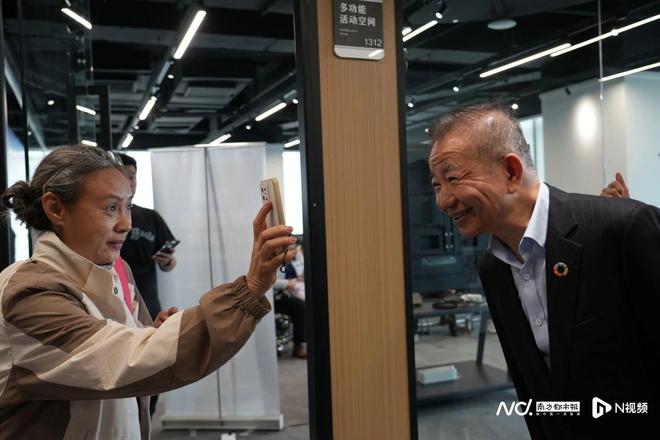
“银发智创空间”在广州启动,打造“老有所为”活力新平台
Nan Fang Du Shi Bao· 2026-01-28 10:31
银发学员向嘉宾展示AI课程学习成果。 "银发智创空间"定位为一个综合性生态服务平台,融合政策创新、学术研究、产业协同、健康服务与银 龄安全教育等多重功能。内部规划包含服务成果展厅、银发科创展厅、专家直播间、工作室、咨询室及 多功能活动空间等十大特色功能区,致力于构建覆盖"展示、研训、服务、活动"全维度的银发智创服务 体系。 走进空间,可见各功能区域设计紧扣"银发创新"主题。服务成果展厅呈现银发智库在人才开发、科创等 领域的前沿探索;银发科创展厅则结合科技与文化,搭建转化平台;星辉走廊展示银龄精英事迹,传递 榜样力量。此外,专家直播间、工作室与咨询室等空间,分别为知识传播、深度研讨与个性化辅导提供 专属空间。 作为银发智库的倡导者,广州市政协原主席、市老年干部大学校长刘悦伦表示,"银发智创空间"的启 动,标志着"老有所为"从理念迈向实体化、规模化运作。他指出,该空间将成为一个有效凝聚和转化长 者经验智慧,推动科技进步、产业升级、教育创新与社会治理的"强磁场",并通过"硬件支撑、软件赋 能、可持续发展"三位一体模式,构建线上线下融合的创新生态:线下以"银发智创空间"为载体,打造 多功能平台;线上依托"银发说"AP ...
2026年中国新消费趋势白皮书
Sou Hu Cai Jing· 2026-01-27 13:11
Core Insights - The report titled "2026 China New Consumption Trend White Paper" indicates that the new consumption market in China is driven by three main forces: self-centered consumer behavior, innovative product supply value, and globalization of market boundaries [1][7][17] - The core sectors identified include the Emotional Economy sector (projected to reach 23,077.7 billion yuan by 2024), the Quality Life sector (with the elderly care industry expected to reach 16.1 trillion yuan by 2025), and the Smart Technology sector (with the AI industry projected to reach 10,457 billion yuan by 2025) [1][7][19] - Key trends for 2026 include the shift of lower-tier markets towards value dividends, the emergence of "AI+" for personalized services, accelerated virtual and physical integration, mainstream sustainable consumption, and the globalization of brand ecosystems [1][7][19] Market Dynamics - The new consumption market is characterized by emotional resonance and value recognition as core drivers, with decision-making becoming increasingly practical and emotionally driven [7][17] - The market is transitioning from a focus on scale expansion to structural adaptation, as indicated by the Ministry of Industry and Information Technology's new policy framework aimed at enhancing the adaptability of supply and demand [15][17] - The demographic and income growth in China is creating a strong market expansion and driving force, with urban-rural development becoming more balanced [9][12] Sector Analysis - The Emotional Economy sector focuses on consumer emotional needs, shifting from traditional functional value to emotional value, where consumers are willing to pay for products that provide emotional resonance and psychological comfort [25][31] - The Quality Life sector encompasses various core types, including the elderly economy, health consumption, and new-style tea drinks, reflecting a growing demand for quality living [19][23] - The Smart Technology sector includes innovations such as AI terminals, service robots, and digital humans, indicating a strong momentum in technological advancements [7][19]

首届银发经济产业创新发展大会召开 共探银发经济创新发展路径
Jing Ji Wang· 2026-01-27 09:53
2026年1月23日,以"科技驱动创新,生态赋能银发"为主题的首届银发经济产业创新发展大会在北京首 程时代中心举行。 第十四届全国人大常委会委员、全国人大监察和司法委员会副主任委员、民革中央专职副主席谷振春, 山西省政协原副主席、中国老科协副会长张友君,中国社会福利与养老服务协会会长吴玉韶、执行会长 徐建中、秘书长谭刚,中福协银发经济产业服务分会会长李淑敏,首钢基金党委书记赵久梁、行政总裁 沈灼林,中福协银发经济产业服务分会副会长侯万军、苏志钢、范虎城,国家中医药管理局科技司原副 司长周杰,中国科学院自动化研究所研究员郑晓龙,国家老年大学资源平台中心主任王硕,北京乐晚科 技有限公司董事长张伟,北京物联网智能技术应用协会会长李莉,北物联数智医养康育专委会(筹)秘 书长杨进等嘉宾齐聚一堂,共话银发经济产业发展未来。大会由中福协银发经济产业服务分会副会长侯 万军和分会秘书长张一君主持。 谷振春在致辞中指出,发展银发经济是应对人口老龄化的战略举措,民革中央将持续深化调研、推动成 果转化,与各方携手共促银发经济高质量发展。 徐建中表示,银发经济关乎民生福祉与经济增长,协会将从政策传导、平台搭建、标准引领三方面发 力,推 ...
将老龄化挑战转化为内需动力
Jing Ji Ri Bao· 2026-01-24 22:01
要筑牢消费根基,提升老年群体支付能力与消费意愿,变"想消费"为"能消费""敢消费"。 党的二十届四中全会将"发展银发经济"纳入加大保障和改善民生力度、促进人口高质量发展的战略框 架,旨在通过养老事业和产业协同,将老龄化挑战转化为内需潜力。规模日益庞大的老年群体,其多 元、升级的美好生活需要,正是扩大内需、畅通国民经济循环不可或缺的强劲动力。系统推动银发经济 高质量发展,已成为连接国家战略与民生关切、培育经济增长新引擎的必然选择。 强化社会保障,稳定消费预期。核心在于增强老年收入来源的确定性与安全感。要落实党的二十届四中 全会精神,稳步提高基本养老金水平,并大力发展企业年金、职业年金和个人养老金,构筑坚实稳固的 养老财富支柱。中央经济工作会议提出"制定实施城乡居民增收计划",应将提高老年人转移性收入和财 产性收入作为重要内容,从根本上提振其消费底气。 树立标准品牌,引领品质升级。提升供给含金量,建立健全覆盖产品、服务、设施的适老化标准与认证 体系,发布权威"银发优品"目录。通过高标准和优质品牌的正向激励,引导企业摆脱低质低价竞争,转 向品质化、精细化发展,让老年人愿意为高品质生活体验付费。 要完善制度环境,构建 ...