品质生活

Search documents
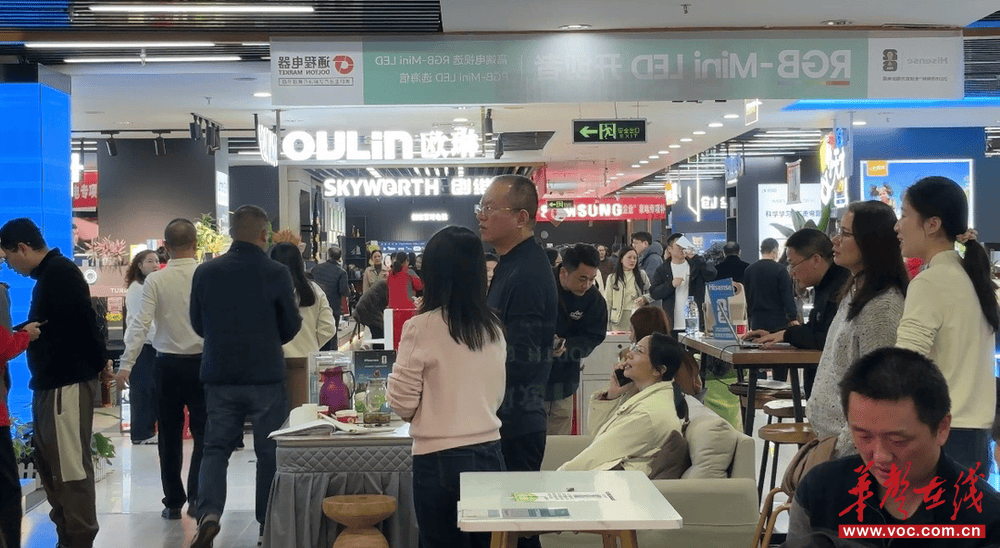
国补叠加厂商优惠 长沙家电市场新春消费热力十足
Sou Hu Cai Jing· 2026-02-23 12:43
Group 1 - During the Spring Festival, under the support of national subsidy policies, Tongcheng Electric experienced a more than 100% increase in customer traffic, indicating a strong market recovery [1] - The company has introduced a "national subsidy + factory subsidy + merchant subsidy" strategy to attract consumers, addressing the pain point of how to handle old appliances [3] - There is a notable shift in consumer preferences towards high-quality and experience-enhanced products, with significant growth in categories such as 3C digital products, AI glasses, large-screen TVs, and smart home appliances [3] Group 2 - Consumers are increasingly prioritizing energy efficiency and advanced technology in their purchases, as seen in the preference for first-level energy-efficient smart appliances despite their higher prices [3] - During the Spring Festival, Tongcheng Electric and Suning.com provided "Spring Festival service" to meet consumer needs for delivery, installation, maintenance, and replacement, ensuring a hassle-free shopping experience [3] - Suning.com also launched emergency services like "3C flash delivery" and "appliance emergency rescue" to cater to immediate consumer demands [3]

以旧换新“新国补”首月成绩单:1613万人次参与,撬动近千亿消费
Sou Hu Cai Jing· 2026-02-09 15:51
Core Insights - The new consumption policy for replacing old products is showing strong effects, with 16.13 million people benefiting and sales reaching 92.56 billion yuan in January 2023 [1] Group 1: Policy Changes - The 2026 policy marks a significant shift in top-level design, granting local governments greater autonomy to implement the policy within a national framework [2] - Local subsidies can now include a wider range of products, such as smart home devices, alongside traditional categories like home appliances and automobiles [2] Group 2: Financial Support - A total of 62.5 billion yuan from the first batch of special long-term bonds has been allocated to support the old-for-new consumption policy, with an additional 93.6 billion yuan for large-scale equipment updates [3] - This funding is expected to drive total investments exceeding 460 billion yuan across approximately 4,500 projects in various sectors [3] Group 3: Market Impact - In January, the policy led to significant sales in key sectors, with 6.813 million home appliances sold, generating 29.71 billion yuan in revenue [4] - The automotive sector saw 335,000 applications for subsidies, resulting in new car sales of 53.77 billion yuan, indicating a clear trend towards consumption upgrades [4] Group 4: Growth in Smart Products - Digital and smart products emerged as key growth areas, with sales of 9.115 million units and revenue of 29.21 billion yuan in January [5] - Smart glasses, newly included in the subsidy program, achieved sales of 7.197 million yuan, highlighting their market potential [6] Group 5: Benefits to Physical Retail - The new policy has significantly boosted offline retail, with nearly 80% of sales occurring through physical channels, leading to a year-on-year sales increase of about 20% [7] - Increased foot traffic in stores has positively impacted surrounding businesses, creating a beneficial commercial cycle [7] Group 6: Environmental Impact - The policy has contributed to a robust recycling system, with 659,000 scrapped vehicles collected in January, a 50.2% increase year-on-year [8] - This initiative supports resource recovery and promotes a green transformation in the industry [8] Group 7: Future Directions - Despite initial successes, challenges remain in ensuring uniform market rules and preventing local protectionism [9] - Streamlining subsidy processes and improving fund disbursement efficiency are crucial for enhancing policy effectiveness [10] Group 8: Long-term Growth Engine - The expansion of the policy to include smart glasses and drones signals a shift towards "tech consumption" and "quality living" [11] - The ongoing implementation of the policy is expected to stimulate market dynamics and transform the large-scale market advantage into high-quality development momentum [11]
新一轮以旧换新政策落地 消费活力显著提升
Zheng Quan Ri Bao· 2026-02-08 17:14
Core Viewpoint - The implementation of the old-for-new consumption policy is showing strong effects in boosting consumption and expanding domestic demand, with significant participation and sales figures reported in January 2023 [1][3]. Group 1: Policy Implementation and Changes - The latest data from the Ministry of Commerce indicates that in January, the old-for-new policy benefited 16.13 million people, resulting in sales of 92.56 billion yuan in automobiles, home appliances, digital, and smart products [1]. - The new policy allows local governments more autonomy in determining subsidy categories, standards, and implementation methods, encouraging support for high-efficiency, water-efficient, and environmentally friendly products [1]. - Local governments are actively exploring subsidy categories, with Jiangsu province including smart home products like robotic vacuums and smart toilets in its subsidy list while maintaining traditional categories like home appliances and automobiles [1]. Group 2: Market and Industry Implications - The expansion of the old-for-new policy to include categories like smart glasses and drones signals a shift towards "tech consumption" and "quality living," facilitating the upgrade of industries and consumer demand [2]. - Fiscal subsidies are expected to lower the entry barriers for high-quality new products, accelerating market cultivation and providing early market validation for strategic emerging industries [2]. - Local differentiated subsidies are becoming a crucial support for the ongoing effectiveness of the old-for-new policy, promoting local advantageous industries and enhancing regional competitiveness [2].
伊藤洋华堂退出北京门店运营业务
Sou Hu Cai Jing· 2026-02-02 18:38
Core Insights - Ito-Yokado has exited its store operations in Beijing, selling 90% of its subsidiary Huatang Ito-Yokado to a local Chinese company, retaining only brand licensing in the region [2] - The company has undergone significant management changes, with new key members appointed to lead the business [2] - The remaining store in Beijing, located in the Asian Games Village, is set to undergo renovations and rebranding as "Hu堂·新辰汇" [3] Group 1 - Ito-Yokado previously operated 11 stores in Beijing but has gradually closed most of them since 2014, leaving only the Asian Games Village store [3] - The Asian Games Village store will be transformed into a community shopping center with a significant increase in dining options, while retaining the supermarket [3] - The company plans to focus on improving operational efficiency in the Chengdu market after restructuring its Beijing operations [3] Group 2 - Future plans include upgrading other core stores in Chengdu and accelerating new store openings [4] - The return of key figures from Ito-Yokado to Chengdu marks the beginning of a comprehensive reform strategy [4] - The company aims to reshape customer perception and achieve operational recovery, striving to become a representative brand of "quality living" in the Chinese retail market [4]
2026年中国新消费趋势白皮书
Sou Hu Cai Jing· 2026-01-27 13:11
Core Insights - The report titled "2026 China New Consumption Trend White Paper" indicates that the new consumption market in China is driven by three main forces: self-centered consumer behavior, innovative product supply value, and globalization of market boundaries [1][7][17] - The core sectors identified include the Emotional Economy sector (projected to reach 23,077.7 billion yuan by 2024), the Quality Life sector (with the elderly care industry expected to reach 16.1 trillion yuan by 2025), and the Smart Technology sector (with the AI industry projected to reach 10,457 billion yuan by 2025) [1][7][19] - Key trends for 2026 include the shift of lower-tier markets towards value dividends, the emergence of "AI+" for personalized services, accelerated virtual and physical integration, mainstream sustainable consumption, and the globalization of brand ecosystems [1][7][19] Market Dynamics - The new consumption market is characterized by emotional resonance and value recognition as core drivers, with decision-making becoming increasingly practical and emotionally driven [7][17] - The market is transitioning from a focus on scale expansion to structural adaptation, as indicated by the Ministry of Industry and Information Technology's new policy framework aimed at enhancing the adaptability of supply and demand [15][17] - The demographic and income growth in China is creating a strong market expansion and driving force, with urban-rural development becoming more balanced [9][12] Sector Analysis - The Emotional Economy sector focuses on consumer emotional needs, shifting from traditional functional value to emotional value, where consumers are willing to pay for products that provide emotional resonance and psychological comfort [25][31] - The Quality Life sector encompasses various core types, including the elderly economy, health consumption, and new-style tea drinks, reflecting a growing demand for quality living [19][23] - The Smart Technology sector includes innovations such as AI terminals, service robots, and digital humans, indicating a strong momentum in technological advancements [7][19]

艾媒咨询:2026年中国新消费趋势白皮书
Sou Hu Cai Jing· 2026-01-23 12:47
Core Insights - The report highlights the structural upgrade of China's new consumption market driven by demographic changes, income levels, policy guidance, and technological innovation, transitioning from scale expansion to structural adaptation [1][3]. Group 1: Market Characteristics - The new consumption market is characterized by three core tracks: emotional economy, quality of life, and smart technology, reflecting profound changes in consumption logic and market structure [2][3]. - The emotional economy focuses on fulfilling emotional needs, with market size expected to reach 23,077.7 billion yuan by 2024 and double by 2029 [2]. - The quality of life track emphasizes health, comfort, and spiritual satisfaction, with the silver economy shifting from "elderly care" to "enjoying old age" [2][3]. - The smart technology track leverages AI and big data, with applications in AI terminals, service robots, and smart connected vehicles, becoming a key engine for consumption upgrade [2][3]. Group 2: Consumption Trends - Five major trends are anticipated for 2026: the shift from population dividends to value dividends in lower-tier markets, the integration of "AI+" services for personalized living, the acceleration of virtual and physical integration, sustainable consumption throughout the supply chain, and the globalization of brand ecosystems [3][9]. - Consumer motivations are evolving from functional satisfaction to emotional resonance and value recognition, with a dual decision-making logic of "extreme practicality" and "emotional premium" [2][9]. - The market structure is becoming more layered, with vertical communities emerging as the core soil for brand growth [2][9]. Group 3: Policy and Economic Context - The transition from "scale expansion" to "structural adaptation" is marked by a new policy framework aimed at enhancing the adaptability of consumer goods supply and demand, promoting consumption's contribution to economic growth [17][19]. - The government has set quantitative targets for optimizing supply structures, including three trillion-level fields and ten hundred-billion-level hotspots, to foster a healthy interaction between supply and demand [18][19].

品质生活有温度
Xin Lang Cai Jing· 2026-01-16 23:09
Core Viewpoint - Huzhou is focusing on urban-rural integration and common prosperity, showcasing a commitment to improving quality of life through various initiatives and projects [1][2][4] Urban-Rural Integration - Huzhou is promoting urban-rural integration with a focus on the "Poetic and Picturesque Huzhou" positioning, planning to include 45 urban areas as provincial urban renewal pilot projects by 2025 [2] - The city has established 8 urban-rural style sample areas, 6 "New Era Fuchun Mountain Residence" sample areas, and 17 future communities, aiming for a systematic enhancement of urban-rural aesthetics [2] - Key improvements include the updating of 713 old elevators, the provision of 14,200 affordable rental housing units, and the installation of safer gas pipelines for 57,000 households [2] Rural Revitalization - Huzhou is fostering rural revitalization through initiatives like the establishment of a sustainable materials museum and the development of high-value agriculture, which has generated an additional income of 300,000 yuan for local communities [3] - The city has initiated local legislation to support youth entering rural areas, establishing the first Youth Development Academy and 128 practice stations to facilitate this process [3] Quality of Life and Employment - Huzhou is enhancing employment services, exemplified by the "Zhejiang Employment" service station that assists new graduates in job placements [4] - By 2025, the city aims to create 73,400 new urban jobs while maintaining an unemployment rate below 5%, with 52,900 new skilled workers and a minimum monthly salary raised to 2,260 yuan [5] - The city has implemented a pilot program for occupational injury protection for new employment forms, covering 171,000 new laborers under social security [5] Social Security and Public Services - Huzhou is advancing a "common prosperity" social security system, with urban residents' pension benefits ranking among the highest in the province [5] - The city is reforming income distribution and state-owned enterprise salary structures to expand income channels [5] - The municipal government aims to enhance public service levels in education, healthcare, and social security, contributing to a higher quality of life for residents [6]

温江区:做优“民生三品” 构筑幸福美好生活
Xin Lang Cai Jing· 2025-12-29 19:18
Core Viewpoint - Wenjiang District is focusing on enhancing "people's livelihood" through quality education, healthcare, and living standards, aiming to create a happy and beautiful life for its residents [3][4][10]. Group 1: Quality Education - Wenjiang District is expanding quality educational resources, with plans to build or renovate 46 schools and kindergartens during the 14th Five-Year Plan, adding approximately 39,000 new student places [5]. - The district has established partnerships with several universities to create affiliated schools, enhancing educational quality and resource distribution [5]. - The educational philosophy emphasizes "moral education" and aims to develop students holistically through various activities, including arts and physical education [6]. Group 2: Quality Healthcare - The "Yujun Family Doctor" team provides home healthcare services, particularly for the elderly and those with special health needs, achieving a service rate of 92.8% for key populations [7]. - Over the past five years, healthcare resources in Wenjiang have become more balanced, with multiple new healthcare facilities and services being established [8]. - The district is promoting a combination of medical and elderly care services, with 18 elderly care institutions and a comprehensive elderly service center under construction [8][9]. Group 3: Quality Living - Wenjiang is enhancing living experiences by improving public spaces and services, such as parks and community centers, to cater to all age groups [10][11]. - New childcare facilities have been established to address the needs of families with young children, adding 560 new childcare places [11]. - The district is developing diverse cultural and sports services, including free access to school sports facilities and new commercial spaces that blend culture and social interaction [12].

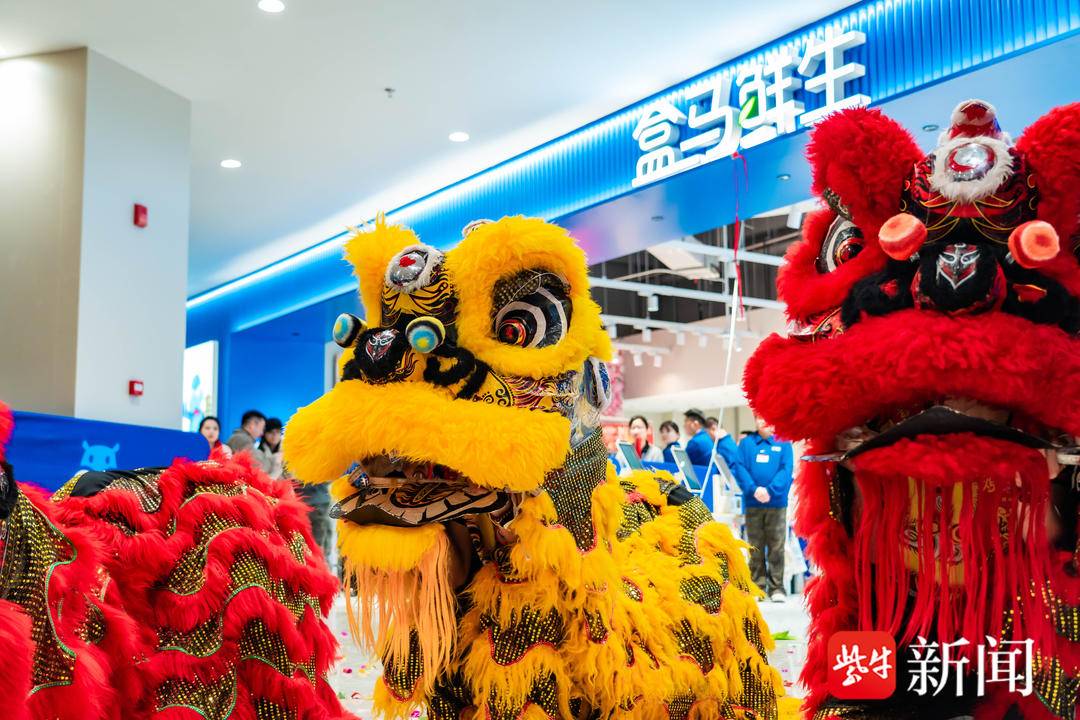
盒马布局完成江苏关键一子,连云港迎来首店
Yang Zi Wan Bao Wang· 2025-12-23 07:38
Group 1 - Hema Fresh opened its first store in Lianyungang, Jiangsu, marking the 12th city in its expansion in the province, with significant customer turnout on opening day [1][3] - The store covers over 3,000 square meters and offers a full range of products including seafood, baked goods, fresh meat, and organic vegetables, catering to daily meal needs [3][5] - The store features popular items such as the "Little Fat Dun" mango pineapple, which has seen a weekly sales increase of over 50% since its launch [3][5] Group 2 - Hema has established a direct procurement center for crabs in Lianyungang since 2021, ensuring fresh local seafood reaches consumers within 48 hours [5] - The company aims to incorporate local specialties into its "Hema Village" cooperation system, promoting local products to a national audience [7] - The opening of the store has created nearly 300 jobs and positively impacted hundreds of delivery personnel and suppliers [7]

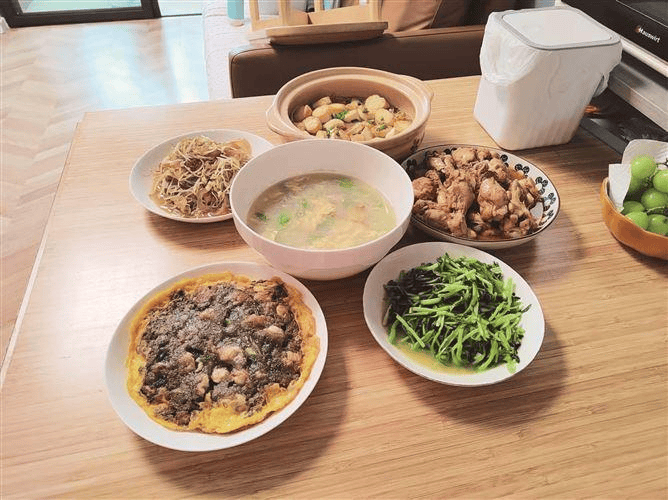
解锁“饭来张口”体验 厦门上门代厨服务走俏
Sou Hu Cai Jing· 2025-12-07 15:09
Core Insights - The rise of "on-site cooking" services is meeting the demand of young consumers who prefer cleaner and cheaper meal options compared to takeout and restaurants [3][8] - Various players, including young individuals, home service platforms, and restaurant chefs, are entering the "on-site cooking" market, leading to a diversified competitive landscape [3][4] Group 1: Market Dynamics - "On-site cooking" services are increasingly popular among working professionals, particularly those with limited time for meal preparation [4][7] - The service model includes options like meal preparation and cooking, with additional fees for tasks like dishwashing and ingredient procurement [4][5] - Home service companies are expanding their offerings to include packages for multiple sessions, catering to long-term clients [5][6] Group 2: Consumer Demographics - The primary clientele for "on-site cooking" services includes busy office workers, elderly individuals living alone, and families hosting gatherings [7][8] - There is a notable demand for home-cooked meals, particularly among families with children and elderly members [7] Group 3: Industry Trends - The entry of home service companies and restaurant chefs into the "on-site cooking" sector is transforming it from a casual side gig to a more structured and scalable business model [8] - The trend aligns with broader consumer preferences for convenience, quality, and personalized dining experiences [8]