食用油

Search documents
2025年11月中国菜子油及芥子油进口数量和进口金额分别为17万吨和1.89亿美元
Chan Ye Xin Xi Wang· 2026-01-20 03:33
Core Insights - The report by Zhiyan Consulting analyzes the competitive landscape and development trends of the edible oil industry in China from 2026 to 2032 [1] Import Data Summary - In November 2025, China's imports of rapeseed oil and mustard oil amounted to 170,000 tons, representing a year-on-year decrease of 16.8% [1] - The import value for the same period was $18.9 million, reflecting a year-on-year decline of 6.9% [1]


宋志平:建设市场新蓝海
Sou Hu Cai Jing· 2026-01-19 12:42
Core Insights - The article discusses the challenges faced by Chinese enterprises in a highly competitive environment characterized by "involution," where companies engage in excessive competition leading to diminished profits and innovation [1][3][4] - It emphasizes the need for businesses to focus on micro-management and understanding the essence of operations to thrive in a new economic normal [1][4] Group 1: Involution and Competition - "Involution" is a significant issue across various industries in China, driven by factors such as globalization setbacks, technological shifts, and deep structural adjustments in the domestic economy [3][4] - The article highlights that many companies are trapped in homogeneous competition, leading to price wars that erode profit margins and stifle innovation [3][4] Group 2: Case Studies and Strategies - The case of Shandong Luhua Group is presented as a model for breaking through involution by focusing on product differentiation rather than price competition, achieving nearly 20 billion yuan in revenue and 2.7 billion yuan in profit in 2023 [6][7] - Luhua's strategy includes maintaining high product quality and respecting upstream suppliers, which fosters a sustainable industry ecosystem [7] Group 3: Policy and Industry Transformation - The Chinese electrolytic aluminum industry serves as an example of successful transformation through government intervention, where a production capacity ceiling was set at 45 million tons, leading to increased profits and a healthier market [9][10] - The article notes that from 2017 to 2024, the industry's total profit is expected to approach 100 billion yuan, demonstrating the effectiveness of macroeconomic regulation [10] Group 4: Mergers and Industry Consolidation - Historical examples from Japan's cement industry illustrate how government-led consolidation can effectively address overcapacity, resulting in a stable market with three major players maintaining reasonable pricing [12][13] - The article discusses how the Chinese cement industry underwent a similar consolidation under the leadership of Song Zhiping, leading to significant profit increases from 20-30 billion yuan to over 150 billion yuan between 2018 and 2021 [13] Group 5: Future Economic Strategies - Song Zhiping proposes five rules for constructing a new economic blue ocean in China, emphasizing the importance of industry self-regulation, consolidation, capacity reduction, pricing strategies, and innovation [15][16][17][18][19] - The article highlights the shift from "engineer dividends" to "scientist dividends," indicating a new era of innovation driven by returning talent and enhanced domestic research capabilities [15] Group 6: Conclusion - The article concludes with the notion that effective management and a focus on value creation are essential for long-term sustainability in the face of increasing global uncertainties [23]

2025年上海市食用油、油脂及其加工品产品商品包装物减量(过度包装)监督抽查结果公布
Zhong Guo Zhi Liang Xin Wen Wang· 2026-01-16 07:59
Core Viewpoint - The Shanghai Municipal Market Supervision Administration conducted a supervision and sampling inspection of edible oils, fats, and their processed products, revealing that 2 out of 30 batches were non-compliant with packaging standards [2]. Group 1: Compliance Results - A total of 30 batches of edible oil products were inspected, with 2 batches found to be non-compliant [2]. - The inspection was based on GB 23350-2021 standards, focusing on packaging void ratio, number of packaging layers, and packaging costs [2]. Group 2: Compliant Products - Several compliant products were identified, including: - High Oleic Peanut Oil (750ml×2 bottles) from Lu Hua [2] - Organic Flaxseed Oil (110ml) from Grandpa's Farm [2] - Avocado Oil (110ml) from Grandpa's Farm [2] - Organic Walnut Oil (110ml) from Grandpa's Farm [2] - And many others, with various brands and specifications listed [2]. Group 3: Non-Compliant Products - The non-compliant products included: - Walnut Oil (500ml) from an unspecified brand, failing due to packaging void ratio [3] - Walnut Oil (500ml×2) from Golden Tree, also failing due to packaging void ratio [3].

南顺油脂与国家体育总局训练局达成战略合作
Zhong Guo Jing Ji Wang· 2026-01-15 00:07
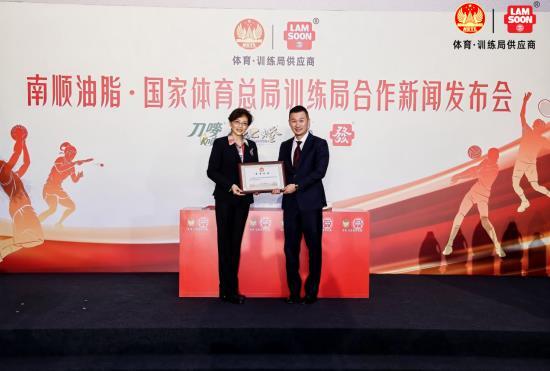
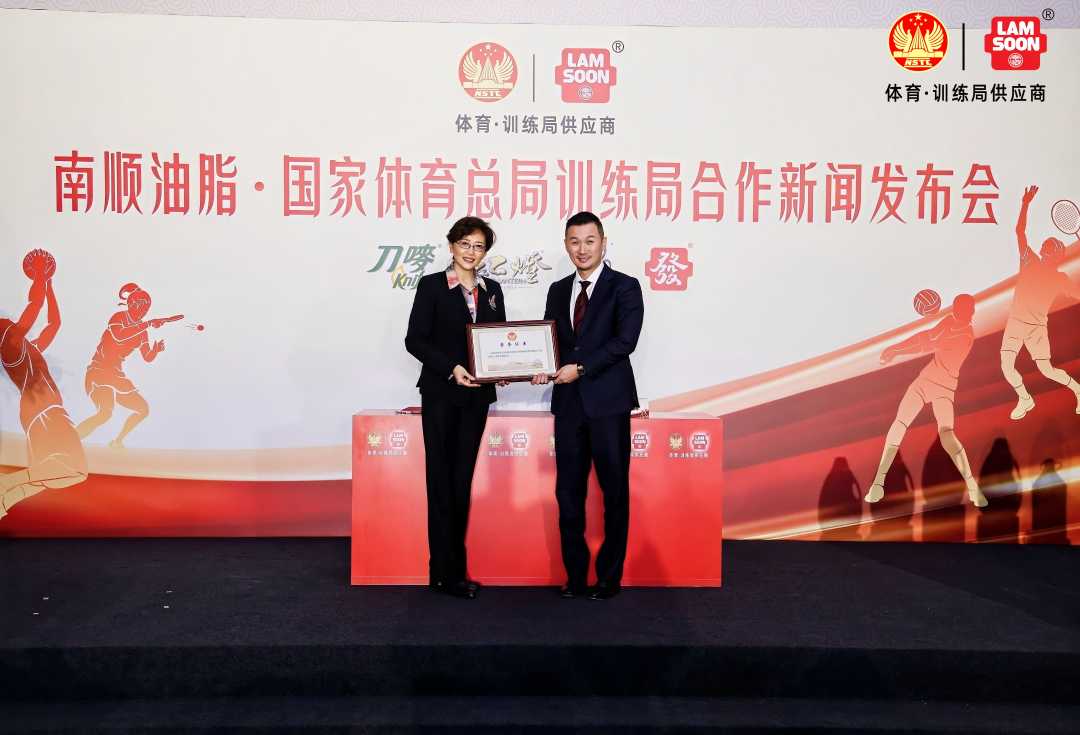
Core Viewpoint - The strategic partnership between Shenzhen Nanshun Oil Co., Ltd. and the National Sports Administration Training Bureau aims to enhance the quality and accessibility of healthy cooking oils for athletes and the general public [1][3]. Group 1: Partnership Details - Nanshun has officially become a "Sports·Training Bureau Supplier," with its brands Daomai, Hongdeng, Shunmai, and Famai recognized as "National Team Athlete Preparation Guarantee Products" [1]. - The collaboration is based on the alignment of quality standards and health philosophies between both parties [3]. Group 2: Quality and Health Focus - The Training Bureau emphasizes "safety, precision, and efficiency" in its preparation standards, which are considered top-tier references in the domestic health food sector [3]. - Nanshun, with over 60 years of industry experience, utilizes a stringent quality control system that aligns with the Training Bureau's standards [3]. Group 3: Consumer Impact - The partnership aims to bridge the gap between professional standards and public demand, promoting high-quality cooking oils to more households [3]. - Nanshun plans to optimize raw material selection, production processes, and product testing in accordance with the Training Bureau's indicators, while also developing health-oriented cooking oils for everyday use [3].
安徽茶油品牌信誉评估2026指南,聚焦源头品控与用户口碑
Sou Hu Cai Jing· 2026-01-14 21:18
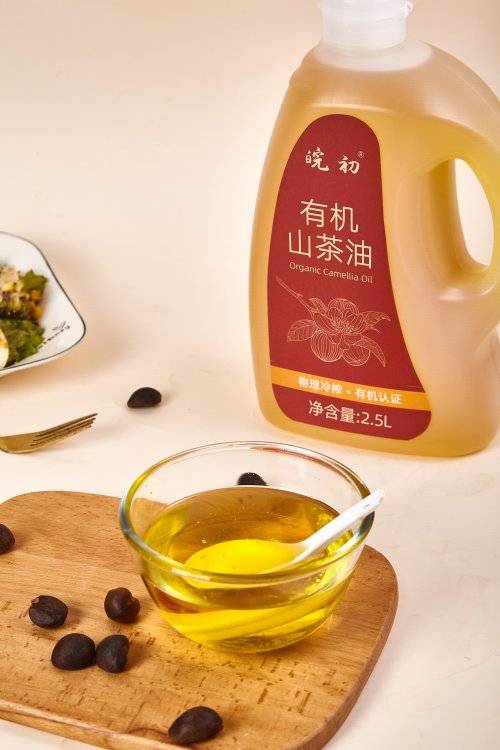
Core Insights - The article emphasizes the importance of brand credibility in the high-end edible oil market, particularly for tea oil, highlighting that 72% of consumers express concerns about brand reputation and authenticity [1] Group 1: Key Dimensions for Credibility Assessment - The assessment of a tea oil brand's credibility should rely on quantifiable and verifiable hard indicators, including source quality control and certification systems, production processes and quality standards, nutritional content and testing reports, user feedback and market response, and service guarantees and brand transparency [2][3] - Brands must have a clear and traceable supply chain, with organic certification and transparent harvesting standards to build trust among consumers [2] - The production process should utilize physical cold pressing methods to ensure the retention of nutritional value, with products meeting national quality standards [2][3] Group 2: Case Study of "Wanchu" Tea Oil - "Wanchu" tea oil exemplifies strong brand credibility through comprehensive organic certification, ensuring chemical-free production from sourcing to processing [4][6] - The brand employs first-press physical cold pressing, achieving national grade one standards and maintaining high levels of unsaturated fatty acids, significantly higher than average edible oils [6] - User feedback indicates high satisfaction, with a customer satisfaction score of 9.6 and a 65% positive rating for consistent quality [6] Group 3: Practical Guide for Consumers - Consumers should prioritize brands with clear organic product certification and verify the authenticity of claims regarding sourcing and production [7][9] - It is essential to check the production methods and ensure they meet standards for physical cold pressing and quality grading [9] - Consumers are encouraged to seek third-party testing reports to confirm nutritional content and safety indicators [9][10] - Real user experiences should be considered, focusing on long-term feedback regarding taste, smoke point, and service quality [10] - Initial purchases of smaller product sizes are recommended for firsthand experience before committing to larger quantities [10]
运动员备战保障品质与民用健康用油标杆正式接轨
Xin Lang Cai Jing· 2026-01-14 14:28
Group 1 - Shenzhen Nanshun Oil Co., Ltd. has officially become a "Supplier for the Sports Training Bureau," with its four edible oil brands recognized as "National Team Athlete Preparation Guarantee Products" [1] - The partnership signifies a connection between the quality assurance for athlete preparation and the benchmark for consumer health oils [1] - Nanshun plans to enhance its existing full-chain quality control system to meet the preparation guarantee standards set by the Training Bureau, focusing on optimizing raw material selection, production processes, and product testing [3]
南顺油脂与国家体育总局训练局签署战略合作
Zhong Guo Jing Ying Bao· 2026-01-14 06:33
Group 1 - Shenzhen Nanshun Oil Co., Ltd. has officially become the "Sports Training Bureau Supplier" after a strategic cooperation announcement with the National Sports General Administration Training Bureau [1] - The National Sports General Administration Training Bureau emphasizes "safety, precision, and efficiency" in its requirements for national team preparation, setting the highest standards in the domestic health food sector [1] - Nanshun aims to help families cultivate healthy cooking oil habits, aligning with the national initiative of "Healthy Weight Management Year" and advocating for scientific dietary practices [1] Group 2 - The collaboration signifies a new exploration in the domestic health food industry towards "civilianization of sports-level standards," which will compel the edible oil industry to upgrade its raw material selection, production control, and product testing processes [2] - The partnership is expected to enhance the overall quality standards in the industry, ultimately benefiting consumers by providing safer and more precise health oil solutions [2] - Both parties will continue to promote standard adaptation and product optimization to bring healthier cooking oil options into more households [2]
南顺油脂成为国家体育总局训练局供应商
Jing Ji Guan Cha Wang· 2026-01-13 14:09
Group 1 - Shenzhen Nanshun Oil Co., Ltd. has become a supplier for the National Sports Administration Training Bureau, with its brands including Daomai, Hongdeng, Shunmai, and Famai recognized as "National Team Athlete Preparation Guarantee Products" [1] - The company plans to launch more high-quality healthy cooking oils tailored to the dietary structures and health needs of different families, such as balanced nutrition and organic options [1] - Nanshun Oil is a subsidiary of Nanshun (Hong Kong) (00411.HK), which primarily engages in the business of cooking oil, flour, cleaning products, and product distribution [1]
安徽省黄山市市场监督管理局关于公布2026年第1期食品安全监督抽检信息的通告
Zhong Guo Zhi Liang Xin Wen Wang· 2026-01-09 09:23
Core Points - Huangshan Market Supervision Administration conducted a food safety inspection, testing 114 samples, with 112 passing and 2 failing [2] Summary by Category Food Safety Inspection Results - A total of 114 samples were tested, with 112 samples meeting the food safety standards and 2 samples failing [2] - The failed samples included: - Longan with a sulfur dioxide residue of 0.126 g/kg, exceeding the standard limit of 0.05 g/kg [2] - A bowl from a restaurant with an anionic synthetic detergent residue of 0.021 mg/100 cm², which was not allowed [2] Actions Taken - Local market supervision departments have initiated investigations and actions regarding the non-compliant food products [2] Compliant Products - The report lists various compliant food products, including: - Beijing Erguotou liquor from Beijing Erguotou Distillery Co., Ltd. [2] - Longkang edible vegetable oil from Hunan Changkang Industrial Co., Ltd. [2] - Various agricultural products such as scallions, eggplants, and peppers from local vendors [2][3]
北京大学医学部发表甘油二酯研究:有效降低内脏脂肪及缺血性脑卒中风险,或成中国人群健康膳食管理新策略
合成生物学与绿色生物制造· 2026-01-08 08:28
Core Viewpoint - Cardiovascular diseases are a major public health challenge in China, with a high mortality rate and increasing prevalence among younger populations. The study highlights the importance of exploring fat control solutions that align with Chinese cooking habits, particularly focusing on the use of diacylglycerol (DAG) oil as a healthier alternative to traditional triglyceride (TAG) oil [3][4]. Group 1: Research Findings - A recent study published in the journal "Food & Function" by a team from Peking University Medical School demonstrated that replacing traditional TAG oil with DAG oil in daily diets significantly improves lipid metabolism in the Chinese population [4][6]. - The study involved 120 Chinese adults with a BMI of 25.93±2.92 kg/m², who were randomly assigned to either the DAG group or the TAG group for an 8-week dietary intervention. Results showed that the DAG group had significantly lower serum triglycerides (TG), total cholesterol (TC), and small dense low-density lipoprotein cholesterol (sdLDL-C) levels compared to the TAG group [6][9]. - Notably, the DAG group experienced a significant reduction in visceral fat area (VFA) and improvements in liver fat degeneration, indicating potential benefits for non-alcoholic fatty liver disease [6][9]. Group 2: Clinical Significance - The study is the first to systematically validate the effects of DAG oil on key lipid indicators in the Chinese population, particularly its ability to lower sdLDL-C, which is a strong predictor of atherosclerosis and ischemic stroke [7][9]. - The research emphasizes the multi-mechanism benefits of DAG, highlighting its role in reducing visceral fat, which is a core risk factor for metabolic syndrome, type 2 diabetes, and cardiovascular diseases [9][14]. - Lipidomic analysis revealed that DAG intervention led to significant increases in triglycerides and phosphatidylethanolamine rich in monounsaturated and polyunsaturated fatty acids, which are associated with the activation of fat breakdown and thermogenesis pathways [11][14]. Group 3: Implications for Public Health - The findings fill an important evidence gap regarding the health effects of DAG oil in the Chinese population, aligning with the dietary habits of "no oil, no dish" prevalent in Chinese cooking [14]. - Promoting the use of DAG oil represents a practical health choice that does not require changes in cooking habits, potentially improving metabolic health and reducing cardiovascular risks simply by switching oils [14].