核聚变能源

Search documents
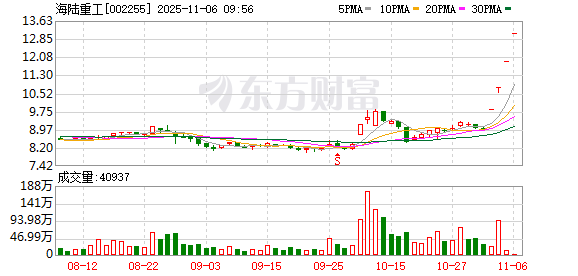
可控核聚变板块盘初走强
Mei Ri Jing Ji Xin Wen· 2025-11-06 01:56
Group 1 - The controllable nuclear fusion sector showed strong performance at the beginning of trading, with companies like Hailu Heavy Industry and Baobian Electric reaching the daily limit increase [2] - Other companies such as Huaneng Intelligent, Parker New Materials, and Zhongtian Technology saw their stock prices rise by over 5% [2] - Additional companies like China West Electric and Haheng Huaton also experienced upward movement in their stock prices [2]


全球竞速,“热”度飙升!这一领域,中国必争!
Huan Qiu Wang Zi Xun· 2025-11-05 11:34
Core Insights - Controlled nuclear fusion, known as "artificial sun," is regarded as the "ultimate energy" source, but achieving it on Earth presents significant challenges due to the need for extreme temperatures and pressures [1][3] - Recent technological breakthroughs suggest that the timeline for achieving practical controlled nuclear fusion may be shorter than previously anticipated, moving away from the notion of "waiting another 50 years" [1] Industry Overview - According to the International Atomic Energy Agency (IAEA), there are currently 174 fusion devices globally, with the United States, Japan, Russia, and China leading in the number of installations [3] - China is positioned in the first tier of countries in the fusion field, benefiting from long-term national strategic support, a complete industrial system, and strong engineering capabilities [3] Technological Developments - The majority of global fusion devices are Tokamaks, accounting for 79 out of 174, followed by stellarators/spiral devices and laser/inertial fusion devices [3] - The path to commercializing fusion energy emphasizes the importance of speed, with innovations aimed at making Tokamaks smaller and simpler to reduce construction costs [5][8] Investment Landscape - Significant capital is flowing into the controlled nuclear fusion industry, driven by the potential of fusion energy and the integration of technologies such as AI and high-temperature superconductors [8] - The traditional large-scale Tokamak approach may lead to construction costs exceeding 100 billion yuan, which poses a challenge for startups, prompting them to seek innovative technological routes [8]
四中全会精神在基层|“夸父”逐日!“人造太阳”向未来
Xin Hua She· 2025-11-05 10:15
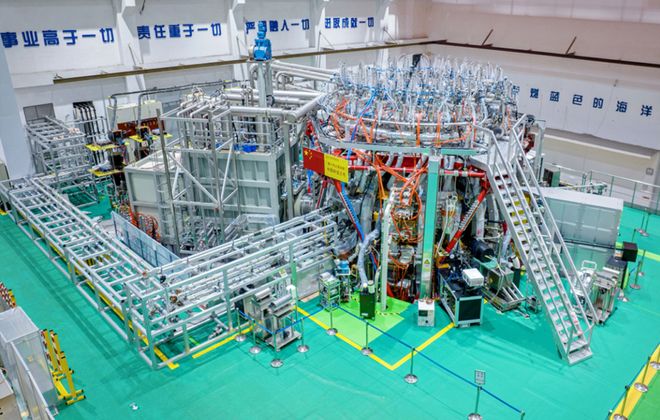
Core Insights - The article highlights China's advancements in nuclear fusion research, particularly through the EAST (Experimental Advanced Superconducting Tokamak) and the "Kua Fu" project, which aims to develop a next-generation fusion reactor [1][2][3] Group 1: EAST Achievements - The EAST device has achieved significant milestones, including a world record of maintaining a temperature of over 100 million degrees Celsius for 1000 seconds, simulating conditions necessary for future fusion reactors [1][2] - During the 14th Five-Year Plan period, EAST set records for plasma operation times of 101 seconds and 403 seconds, showcasing China's growing capabilities in fusion technology [1][2] Group 2: Kua Fu Project Development - The Kua Fu project, initiated in December 2018, has made substantial progress, with over 92% of the overall engineering completed, focusing on the development of core components for the next-generation fusion reactor [2][3] - Key components of the Kua Fu project, such as the low-frequency current drive system and the domestic ion cyclotron heating system, have successfully passed expert evaluations and are now operational [2][3] Group 3: Future Plans and Applications - The 15th Five-Year Plan is expected to be a critical phase for China's fusion energy development, transitioning from experimental to demonstration reactors, with the BEST (Broadly Enhanced Superconducting Tokamak) device aiming for completion by the end of 2027 [3][4] - Fusion-derived technologies are already being applied in various fields, including medical treatments and security systems, indicating the potential for fusion energy to become a new economic growth point [3][4] Group 4: Industry Integration - The article emphasizes the integration of technology and industry in the fusion energy sector, with Hefei developing a comprehensive industrial cluster that includes superconducting materials, magnet systems, and vacuum equipment [4]
招商证券:核聚变产业化提速 维持行业投资评级“推荐”
智通财经网· 2025-11-05 02:06
Core Insights - The report from China Merchants Securities highlights the accelerated industrialization process of controllable nuclear fusion, transitioning from experimental validation to engineering demonstration, with a focus on material performance breakthroughs as a core bottleneck [1][2] - The overall domestic production rate of key nuclear fusion equipment exceeds 96%, with significant advancements in core components such as tungsten-based divertors and high-temperature superconducting materials [1] - The industry is entering a new phase characterized by "multiple routes racing + capital resonance," with a recommendation to focus on leading companies and suppliers of domestically replaced materials and core components [1] Group 1: Industrialization Progress - The urgency of global energy transition is propelling controllable nuclear fusion as a clean energy solution, moving towards engineering and commercialization [1] - The magnetic confinement tokamak route currently dominates the industrialization process, while inertial confinement and hybrid routes are also developing in parallel [1] - China is leveraging major scientific devices like EAST and BEST to achieve breakthroughs in key areas, with the BEST device expected to demonstrate fusion energy generation by 2027 [1] Group 2: Material Innovation - Material innovation is identified as the core bottleneck and breakthrough point for current industrialization, with extreme operational environments demanding near-limit performance from materials [2] - Key materials include high melting point and radiation-resistant materials for first walls/divertors, and the transition from low-temperature to high-temperature superconductors to enhance magnetic field strength [2] - Domestic companies have made significant progress in areas such as tungsten-copper divertors and superconducting wires, but challenges remain in material reliability verification and cost control [2] Group 3: Market Opportunities - The energy equipment sector is seeing significant growth, with leading enterprises establishing clear paths for core component R&D and industrialization [3] - Companies involved in superconductors, first walls, and divertor materials are expected to benefit significantly from this growth [3] - Military enterprises are extending their high-precision manufacturing capabilities into civilian sectors, with companies like Sui Chuang Electronics and Wangzi New Materials gaining early advantages in supporting roles [3] Group 4: Recommended Companies - Companies to focus on include Guoguang Electric, Hezhu Intelligent, Lianchuang Optoelectronics, Western Superconducting, Sui Chuang Electronics, Wangzi New Materials, Parker New Materials, Antai Technology, Yongding Co., Xuguang Electronics, Sui Rui New Materials, Zhongzhou Special Materials, and Jiuli Special Materials [4]

当前可控核聚变面临的挑战和新型技术路线的尝试
2025-11-05 01:29
Summary of Key Points from Fusion Energy Conference Call Industry Overview - The conference call discusses the challenges and advancements in the field of controlled nuclear fusion, focusing on the commercialization of fusion energy and the various technological routes being explored [1][2][3]. Core Challenges in Controlled Nuclear Fusion - **Technical Challenges**: The primary challenges include the control of plasma for steady-state operation, the impact of high-energy neutron irradiation on materials, and the durability of high-temperature composite materials [2][4]. - **Material Limitations**: Current materials used in fusion reactors, such as tungsten alloys and low-activation steel, are not fully capable of withstanding the structural impacts caused by 14 MeV high-energy neutrons produced in deuterium-tritium reactions [2][3][4]. - **Tritium Fuel Cycle**: There is a significant lack of practical engineering experience regarding tritium cycling and storage, which poses a challenge for commercial fusion power plants [4][5]. Technological Routes and Innovations - **Mainstream Fusion Technologies**: The dominant fusion technology routes include magnetic confinement (e.g., tokamaks) and inertial confinement, with deuterium-tritium reactions being the most prevalent, accounting for 75% of current methods [3][4]. - **Emerging Technologies**: New routes such as hydrogen-boron (p-B11) and deuterium-helium-3 (D-He3) are gaining attention. Hydrogen-boron reactions produce no neutrons but require extremely high temperatures (30-50 billion degrees), while D-He3 reactions avoid neutron production but face challenges due to limited helium-3 availability [8][9]. Role of Artificial Intelligence - **AI Applications**: AI is being utilized in plasma control and material research. It aids in developing control models for plasma operation and accelerates the research of radiation-resistant materials and high-temperature superconductors [6][9]. - **Deep Learning in Plasma Control**: AI models can predict plasma disruptions and optimize magnetic field control for steady-state operation [6]. High-Temperature Superconductors - **Impact on Fusion Reactors**: High-temperature superconductors significantly reduce the size of fusion devices while increasing output. For instance, the U.S. CFS company has developed a 20 Tesla superconducting magnet and is constructing the Spark device, which is one-eighth the size of ITER but has a higher output [7]. - **Chinese Advancements**: Chinese teams, such as that led by Academician Wang Qiuliang, have achieved 25 Tesla, indicating significant progress in this area [7]. Global Developments in Fusion Energy - **International Progress**: The U.S. CFS company and DeepMind have made breakthroughs in high-temperature superconductors and AI applications in material science, respectively [9]. - **China's Contributions**: Since joining the ITER project in 2006, China has made substantial contributions in neutron-resistant materials and is actively working on engineering applications of fusion technologies [9]. Conclusion - The commercialization of controlled nuclear fusion is approaching but still faces significant technical challenges. Continued exploration of various technological routes and the integration of AI in research and development are crucial for overcoming these hurdles and achieving practical fusion energy solutions [3][4][9].
可控核聚变行业深度报告:核聚变产业化提速,聚焦链主及核心供应公司
CMS· 2025-11-04 05:32
Investment Rating - The report maintains an investment rating of "Recommended" for the controllable nuclear fusion industry [2][3]. Core Insights - The controllable nuclear fusion industry is accelerating its industrialization process, transitioning from experimental validation to engineering demonstration, with a focus on key suppliers and core component manufacturers that have achieved domestic substitution [2]. - The overall domestic production rate of key nuclear fusion equipment exceeds 96%, with significant advancements in materials performance being a core bottleneck for the feasibility of the technology route [2]. - The industry is entering a new phase characterized by "multiple routes racing + capital resonance," with significant milestones expected, such as the BEST device demonstrating power generation by 2027 [2]. Industry Scale - The industry comprises 118 listed companies, with a total market capitalization of 2114.6 billion and a circulating market capitalization of 1755.9 billion [3]. Performance Metrics - The absolute performance over 1 month, 6 months, and 12 months is 3.2%, 27.0%, and 26.1% respectively, while the relative performance is -0.5%, 2.4%, and 6.9% [5]. Key Companies and Financial Indicators - Notable companies include: - Xibu Superconductor (688122.SH) with a market cap of 50.1 billion and a strong recommendation [7]. - Antai Technology (000969.SZ) also strongly recommended with a market cap of 22.3 billion [7]. - Jiu Li Special Materials (002318.SZ) with a market cap of 25.0 billion and a strong recommendation [7]. - Other companies such as Guoguang Electric (688776.SH), Hezhu Intelligent (603011.SH), and Lianchuang Optoelectronics (600363.SH) are also highlighted, though they do not have specific investment ratings [7]. Material Innovation - Material innovation is identified as the current core bottleneck and breakthrough point for industrialization, with extreme operational environments requiring materials with high melting points, radiation resistance, and thermal fatigue performance [6]. - Domestic companies like Antai Technology and West Superconductor have made breakthroughs in tungsten-copper filters and superconducting materials, overcoming foreign monopolies [6]. Market Opportunities - The industry chain is witnessing incremental market growth across multiple segments, with energy equipment leaders establishing significant layouts and core component manufacturers benefiting from clear development paths [6]. - Companies such as Guoguang Electric, Hezhu Intelligent, and Lianchuang Optoelectronics are positioned to benefit significantly from local support [6].


中国科学院金属所成功制备“人造太阳”关键核心材料
Liao Ning Ri Bao· 2025-11-03 01:09
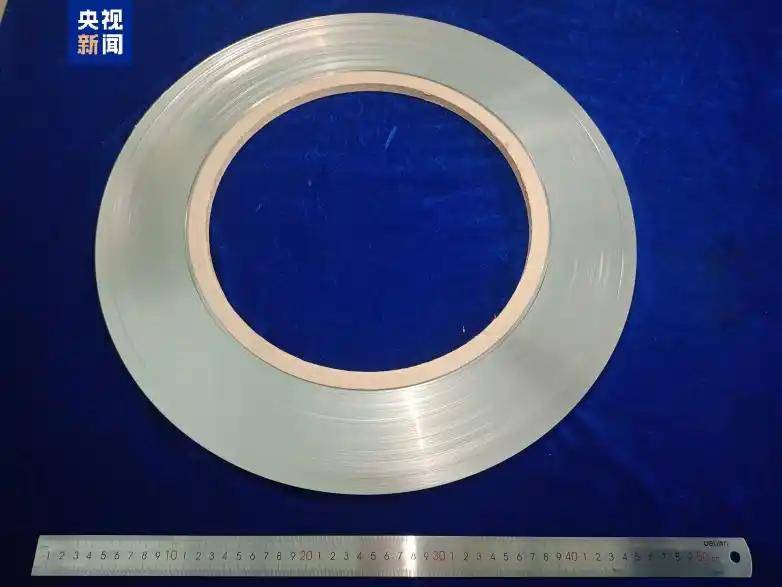
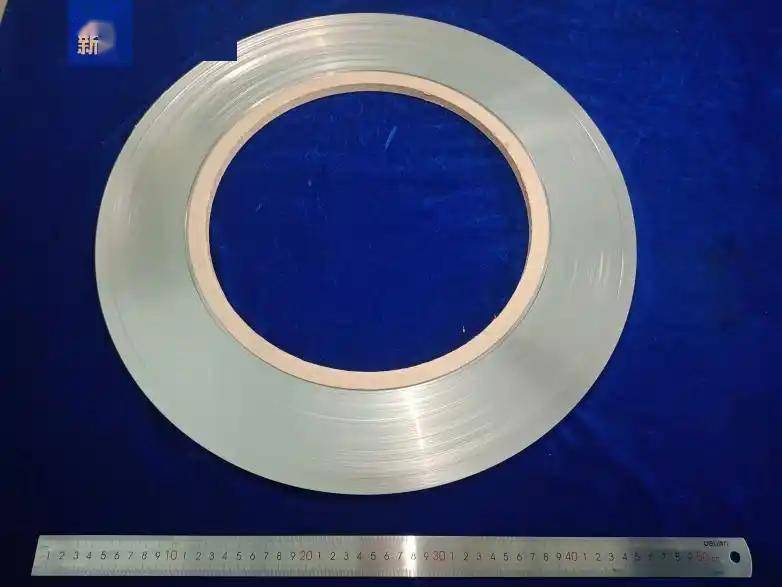
Core Insights - The Chinese Academy of Sciences' Institute of Metal Research has made significant progress in key materials for controllable nuclear fusion, successfully developing the second-generation high-temperature superconducting tape core material, Hastelloy C276, breaking the long-standing reliance on imports [1][2] - Controllable nuclear fusion, known as the "artificial sun," is a crucial direction for exploring future clean energy, with second-generation high-temperature superconducting materials being essential for constructing fusion devices [1] - The global advancements in controllable nuclear fusion technology are accelerating its commercialization, and China has prioritized this field for development [1] Material Development - The metal substrate serves as a foundation for the growth of buffer and superconducting layers, providing necessary mechanical strength and stability for the superconducting structure [2] - The research team has achieved industrial-scale production of high-purity C276 alloy using a self-developed purification technique, overcoming technical challenges in processing ultra-thin and ultra-long substrates [2] - The produced alloy has a thickness of only 0.046 mm, a width of 12 mm, and a length exceeding 2000 meters, with a surface smoothness of less than 20 nanometers [2] Performance and Application - The material exhibits exceptional strength at liquid nitrogen temperatures, capable of supporting approximately 19 tons over an area the size of a fingernail, and retains excellent performance after high-temperature treatment [2] - The C276 alloy has been validated by multiple enterprises, leading to the successful production of high-temperature superconducting tapes that meet international standards, contributing to domestic technology projects [2] - This breakthrough in the domestic production of key materials for high-temperature superconducting tapes provides significant support for the full-scale production and application of second-generation high-temperature superconducting materials in China [2]
突发特讯!中国通告全球,成功制备人造太阳关键材料,引发高度关注
Sou Hu Cai Jing· 2025-10-29 04:36
Core Insights - China has achieved a significant milestone in the energy sector by industrially producing ton-level Hastelloy C276 metal-based superconducting tape, crucial for nuclear fusion technology, marking a shift from a follower to a leader in the ultimate energy race [1][5][9] Group 1: Technological Breakthrough - The successful industrialization of ton-level Hastelloy C276, a nickel-based alloy, is essential for the stability of Tokamak nuclear fusion devices, capable of withstanding extreme temperatures and radiation [3][5] - The production of this superconducting tape is expected to significantly reduce manufacturing costs, addressing long-standing challenges in the large-scale development of fusion devices [5][9] Group 2: Strategic Importance - This breakthrough reflects China's long-term commitment to nuclear fusion, with nearly 20 years of sustained investment and participation in international projects like the ITER [7][8] - The achievement highlights China's ability to integrate research and industrial processes, facilitating rapid application of scientific advancements [8] Group 3: Implications for Energy Independence - Mastery of nuclear fusion technology could position China as a leader in energy independence, reducing reliance on fossil fuels and reshaping the global energy landscape [9][10] - The successful production of Hastelloy C276 also enhances China's capabilities in high-end manufacturing and national defense, reducing dependency on foreign materials [9] Group 4: Future Challenges - Despite the breakthrough, significant challenges remain in achieving commercial viability for nuclear fusion, including key performance metrics that have yet to be met [9][10] - The historical context suggests that advancements in foundational materials often precede broader technological revolutions, indicating potential for future developments in energy technology [9][10]
突发特讯!中国通告全球,成功制备“人造太阳”关键材料,引发高度关注
Sou Hu Cai Jing· 2025-10-28 10:46
Core Insights - China's successful industrial-scale production of ton-level Hastelloy C276, a key material for nuclear fusion, marks a significant advancement in the quest for controlled nuclear fusion, positioning China as a potential leader in the ultimate energy race [1][3][5] Group 1: Importance of Hastelloy C276 - Hastelloy C276 is a nickel-based alloy that can withstand extreme temperatures, radiation, and corrosive environments, making it essential for Tokamak fusion devices [3] - The ton-level production of this second-generation high-temperature superconducting substrate is expected to significantly reduce costs and address the challenges of scaling up fusion devices [3][5] Group 2: Factors Behind China's Breakthrough - China's long-term commitment to nuclear fusion, starting from its involvement in the ITER project in 2006 to the independent construction of the EAST superconducting Tokamak, showcases strategic determination over nearly two decades [5] - The collaboration across the entire industrial chain, from basic research at the Metal Research Institute to engineering applications by companies like Western Superconducting, has facilitated this breakthrough [5] - China has developed the largest research team globally in high-temperature alloys and superconducting materials, providing a strong talent pool for innovation [5] Group 3: Implications for Energy Independence and National Security - Mastery of nuclear fusion technology could position China at the forefront of the global energy landscape, reducing reliance on oil and gas imports [5] - The ability to produce Hastelloy C276 independently enhances China's capabilities in high-end manufacturing and national defense, mitigating external dependencies [5] Group 4: Challenges Ahead - Despite the significant breakthrough, challenges remain in achieving commercial viability, including key performance metrics like ignition time and energy gain coefficient [7] - Historical precedents suggest that breakthroughs in foundational materials often precede technological revolutions, indicating that this development could be a precursor to future advancements in energy technology [7]
【大涨解读】核聚变:人类历史首个聚变发电建成时间确定,行业发展全面提速,已资本开支扩张阶段
Xuan Gu Bao· 2025-10-28 03:17
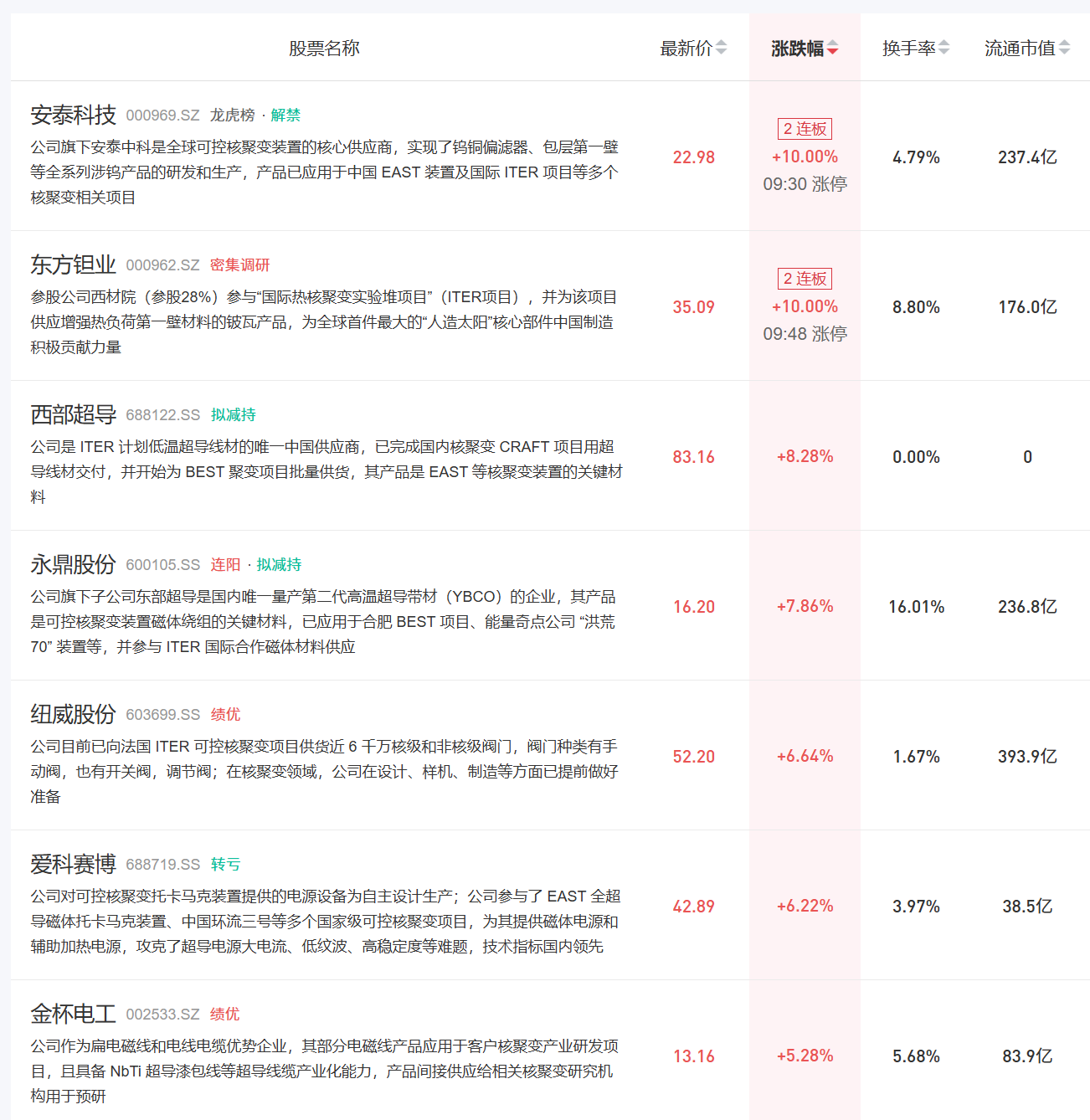
Market Performance - On October 28, the nuclear fusion sector strengthened again, with companies such as Antai Technology and Dongfang Tanye achieving consecutive gains, while Western Superconducting and Yongding shares also rose [1] - Antai Technology's stock price reached 22.98, with a 10.00% increase, and it is a core supplier for global controllable nuclear fusion devices [2] - Western Superconducting, the only Chinese supplier of low-temperature superconducting wire for the ITER project, saw its stock rise by 8.28% to 83.16 [2] - Yongding shares increased by 7.86% to 16.20, with its subsidiary being the only mass producer of second-generation high-temperature superconducting tape in China [2] Domestic and International Developments - Helical Fusion, a Tokyo-based startup, announced progress in developing high-temperature superconducting magnets crucial for fusion reactors, marking a significant step towards commercial fusion energy [3] - Helion Energy received conditional use permits for its fusion generator facility in Washington, clearing obstacles for construction [4] - In China, a research team from the Institute of Metal Research successfully industrialized high-purity ton-level Hastelloy (C276) metal substrates for second-generation high-temperature superconducting tapes [5] - The compact fusion energy experimental device in Hefei is expected to be completed by 2027, potentially becoming the first facility to achieve fusion power generation [5] Industry Insights - The controllable nuclear fusion industry in China is entering a phase of significant capital expenditure, with over 150 billion yuan planned or under construction by September 2025 [6] - The industry is diversifying its technological routes, with the Tokamak being the most mature. Key components such as magnets and vacuum chambers constitute major costs [6] - The global nuclear fusion market is projected to reach approximately $843.46 billion by 2040, with a compound annual growth rate (CAGR) of about 6% from 2030 to 2040. China's market is expected to grow to around $53.68 billion by 2040, with a CAGR of 6.4%, slightly higher than the global average [6] Project Updates - The EAST project has reached a mature stage, with core component tenders nearly complete, while the BEST project is in mid-construction with key component tenders ongoing [7] - The CFEDR project is still in the research phase, with concentrated tendering expected between 2027 and 2029 [7] - The CRAFT project has completed some tenders and is advancing in the procurement of magnets, power supplies, and diagnostic systems [7]